REVIEW · KATHMANDU TOURS
Spiritual Nepal: Expert insight into Multifaith Journey
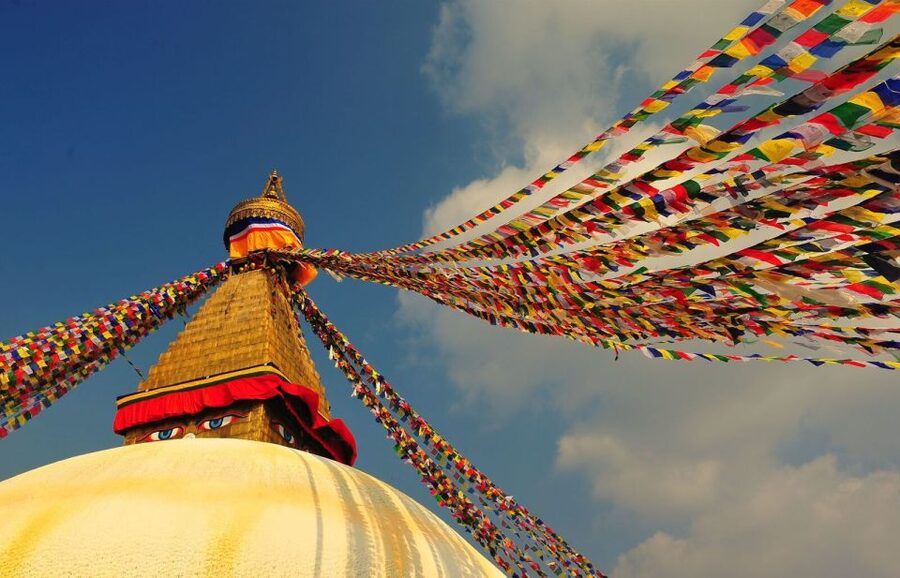
Boudhanath’s huge white dome and Pashupatinath’s riverside cremation ghats give you two very different views of faith in Kathmandu. I like the way this four-hour tour links Buddhist and Hindu traditions in one compact outing, and I like the chance to walk with local worshippers rather than simply snap photos and move on.
The small private group, limited to 12 people, should make it easier to ask questions and stay close to your guide. The main caution is timing: Kathmandu traffic can eat into the schedule, and one past visitor found the experience rushed and had to seek out a Sadhu independently.
Key points to know before booking
- Two major UNESCO sites in one morning or afternoon: Boudhanath Stupa and Pashupatinath Temple make a natural pair for first-time visitors to Kathmandu.
- Join the Kora at Boudhanath: Turn the prayer wheels clockwise with local Buddhists around the white dome.
- See Hindu rituals at the Bagmati River: The Pashupatinath visit includes cremation rites and the evening Aarati light offering.
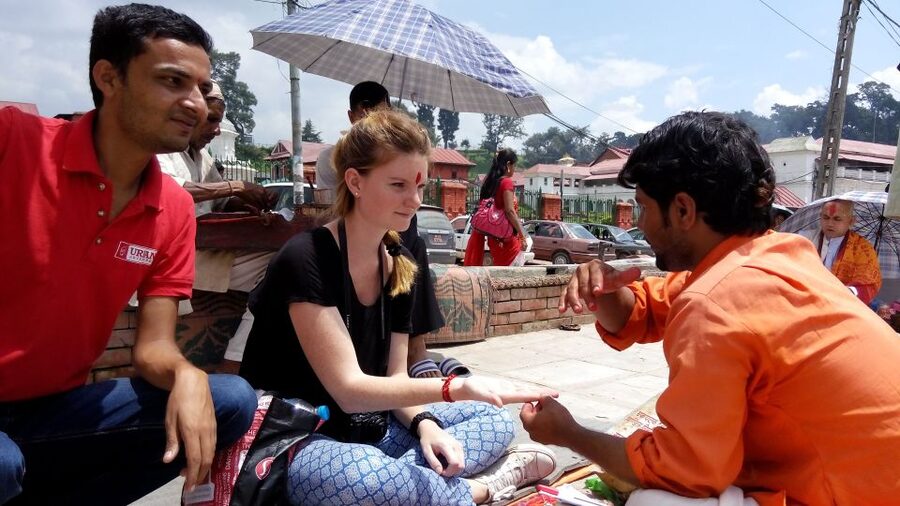
- Personal contact comes with a price: Palm readings, Sadhu photographs, interactions, butter lamps, food, and drinks cost extra.
- A guide makes the difference: Guides such as Rozit, Bini, Subash, and Bidhya have been praised for answering questions and adapting the visit.
- Plan for about 2 kilometers on foot: Wear comfortable shoes, modest clothing, and stay near the group in crowded areas.
Two sacred sites, two ways of seeing Nepal
This is not a tour for checking off monuments. It is a short lesson in how religion shapes daily life in Kathmandu.
At Boudhanath, you see Tibetan Buddhist practice expressed through movement, sound, color, and repetition. At Pashupatinath, Hindu worship is tied to the body, death, fire, river water, and the cycle of life. The contrast is the point. You do not need to be spiritual or religious to find the visit worthwhile. A good guide helps you watch respectfully and understand what is happening without turning a living place of worship into a museum display.
The tour costs $150 per person. That is a serious price for four hours, but it includes both entrance fees, an English-speaking Nepali guide, transport from the meeting point to Boudhanath, and transport from Pashupatinath back to the endpoint. For a private group with a maximum of 12 people, the price can make sense if you value context and personal attention.
It is less attractive if you want a low-cost sightseeing walk or prefer to explore at your own pace. You will also need to budget for any Sadhu offering, palm reading, butter lamp, meal, or drink.
A few more Kathmandu days to weigh up
- Everest Base Camp Trek – 14 Days
★ 5.0 · 1,499 reviews - Private Kathmandu Sightseeing Tour | UNESCO World Heritage sites
★ 5.0 · 756 reviews - Everest Base Camp Helicopter Tour landing at Everest View Hotel
★ 5.0 · 668 reviews
Starting at Hotel Marshyangdi
The outing begins at Hotel Marshyangdi, where you meet your guide and fellow participants. From there, transportation takes you to Boudhanath.
The meeting point is useful for visitors staying in or near central Kathmandu, but you should confirm the exact pickup details when booking. The tour is offered in English, and the group format is described as private, with no more than 12 people.
The four-hour length is convenient if you have limited time in Kathmandu. It also means the schedule is fairly tight. Traffic is a real factor in the city, and one person found that road delays made the visit feel hurried. Keep this in mind if you have a flight, meal booking, or another timed activity afterward.
Walking the white dome at Boudhanath
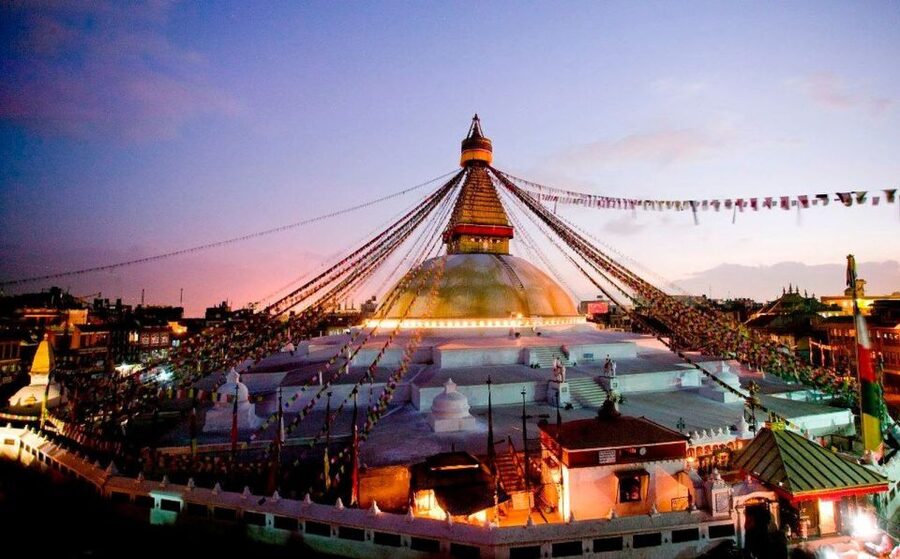
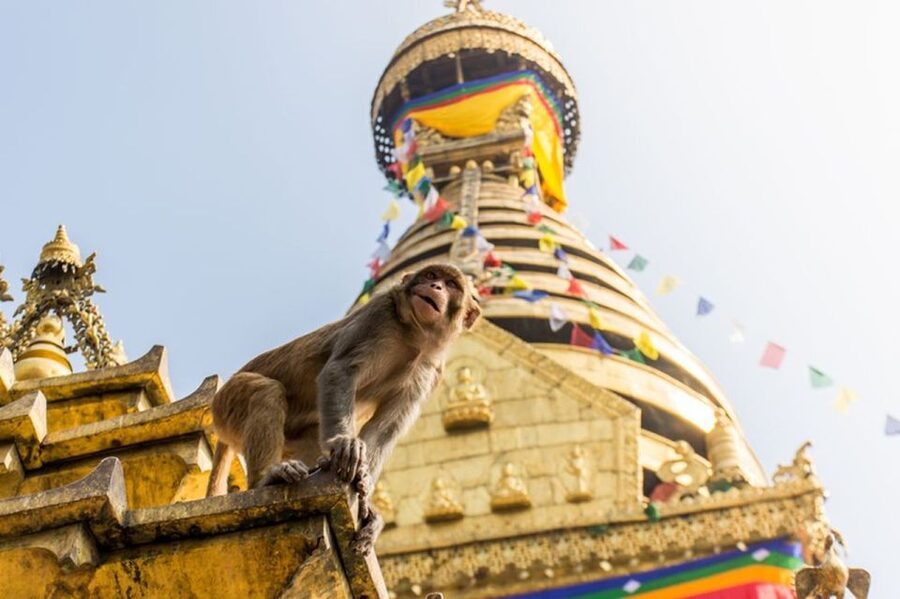
Boudhanath Stupa is the first major stop, with about two hours here. The enormous white structure is one of the most recognizable religious sites in Nepal and a central place of worship for local Buddhists.
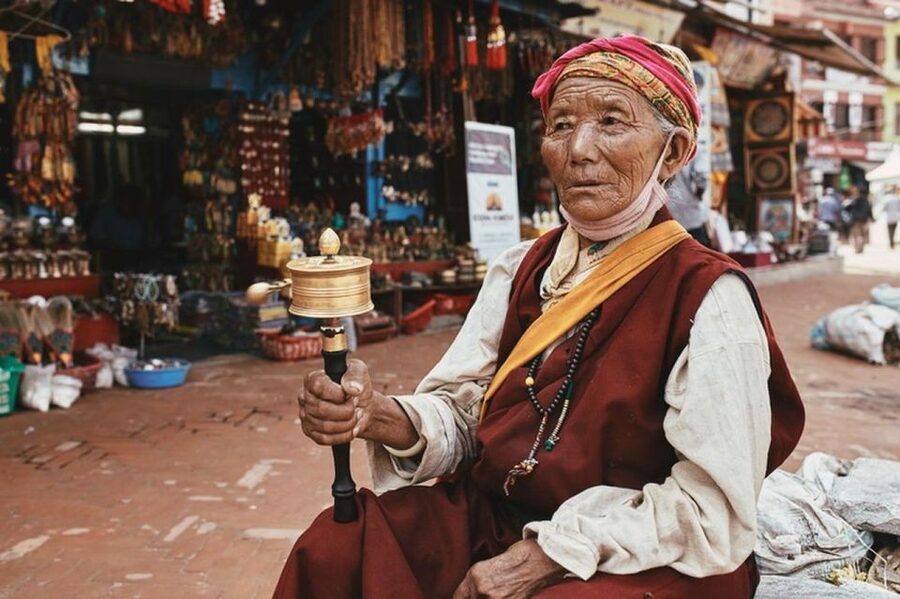
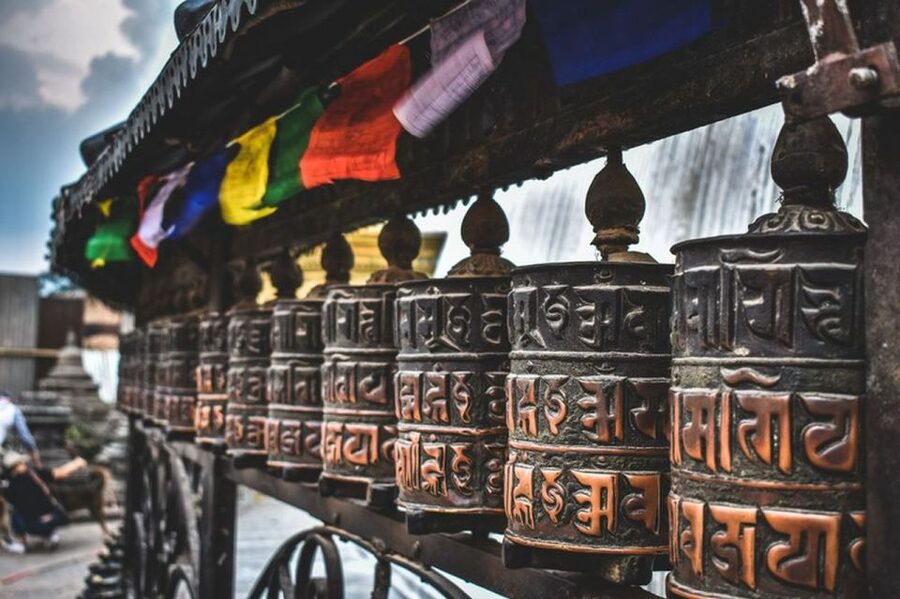
Your guide introduces you to the basic customs before you join the flow of people around the stupa. The traditional circuit, called a Kora, is made clockwise. You can turn the rows of prayer wheels as you walk, adding your movement to the steady rhythm of local worshippers.
This is one of the tour’s strongest moments because you are not only looking at architecture. You are taking part in a simple ritual that is easy to follow and does not require prior religious knowledge. Walk at a calm pace, watch what people around you do, and let your guide explain the symbols and customs.
The stupa is also a good place to ask questions. Guides including Rozit, Bini, Subash, and Bidhya have received strong praise for clear explanations and attentive service on past departures. The quality of this experience depends heavily on how well your guide explains what you are seeing, since the visual details can otherwise blur together.
You may choose to offer butter lamps at Boudhanath. That payment is not included, and you should treat it as an optional donation rather than a required part of the tour. The local-impact information says these small payments support local communities.
Two hours gives you enough time for the Kora and an introduction to the site. If you want a long, quiet stay for photography or independent wandering, you may find the time limit restrictive. This tour is built for an overview with guidance, not an open-ended visit.
From Buddhist prayer to Hindu pilgrimage
After Boudhanath, you either walk for about 15 minutes or ride to Pashupatinath Temple. The walking distance across the full tour is approximately 2 kilometers, so this is not a strenuous hike, but Kathmandu’s streets and crowds can make a short walk feel less direct.
Pashupatinath is Nepal’s largest Hindu pilgrimage site and one of the country’s most important religious centers. The Bagmati River runs through the complex, connecting worship, death rituals, and public life in a way that can feel very direct to visitors from other cultures.
Your guide helps you move through the area and points out the religious activity around you. Keep close to the group. The site can be crowded, and the information specifically advises staying near your guide while navigating the busy flow of people.
Dress matters here. Wear clothing that covers your shoulders and knees. Men should plan on long trousers, while women should carry or wear a long skirt or sarong. Modest clothing is not just a practical rule for entry. It shows respect in a place that remains active for worship and mourning.
A different kind of day from the same base:
- Half day cooking class in Thamel kathmandu
★ 5.0 · 607 reviews - Everest Base Camp Trekking
★ 5.0 · 485 reviews - Nagarkot Sunrise View and Day Hiking from Kathmandu
★ 5.0 · 471 reviews - Kathmandu: Full Day 7 UNESCO Tour with Lunch – Private/Group
★ 5.0 · 415 reviews
Meeting Sadhus and understanding the human side
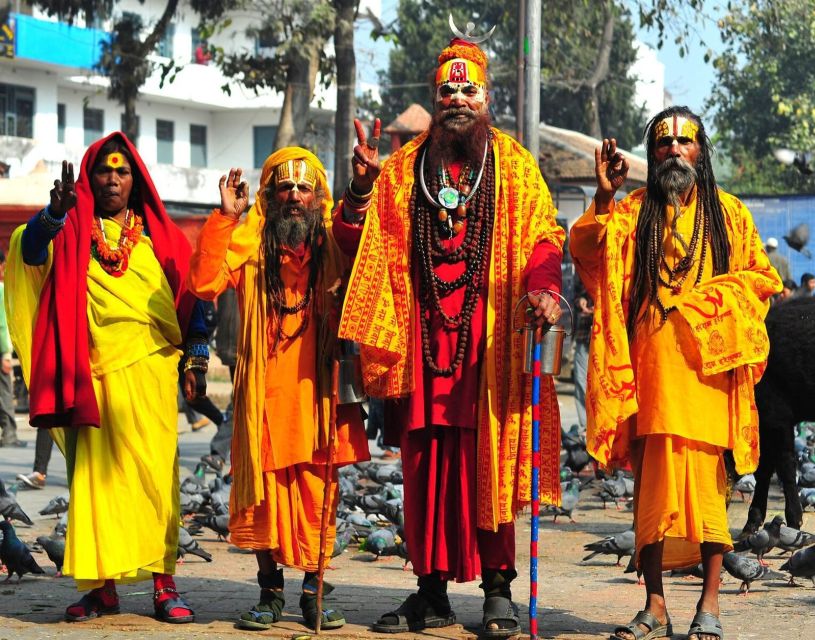
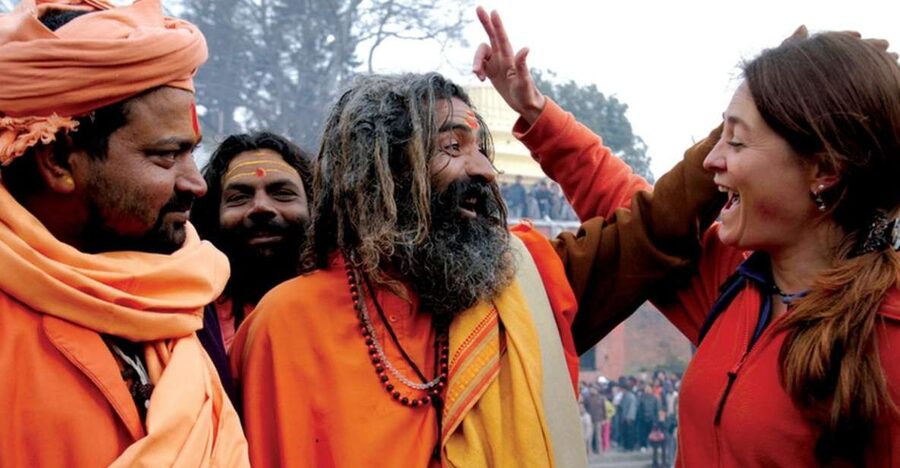
Sadhus are Hindu holy men who have renounced ordinary worldly life. At Pashupatinath, you may see them living in a way that is very different from most visitors’ daily routines.
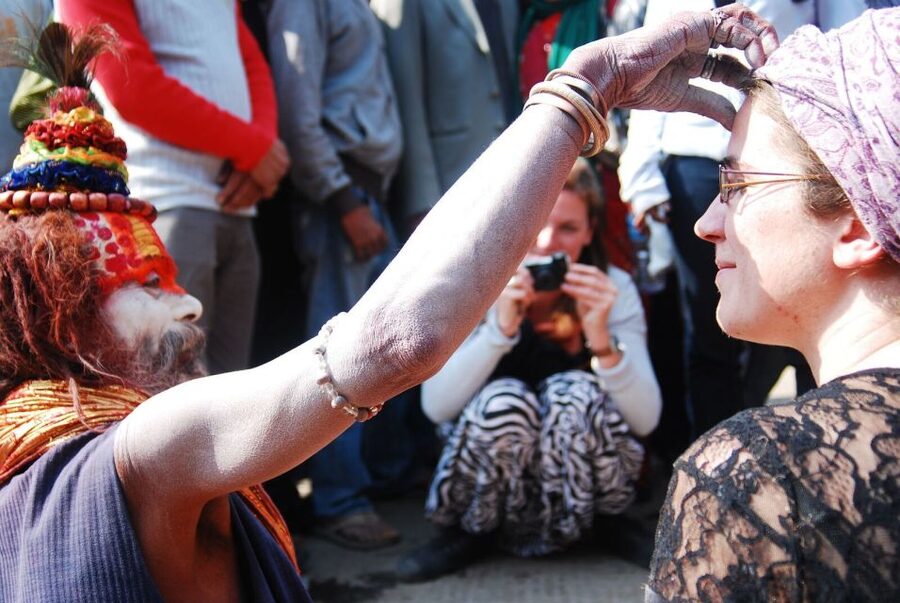
The tour gives you a glimpse of Sadhu life, and you can offer alms if you want to hear more about an individual’s story. You may also arrange photographs or interaction, but this costs about $7.50. Your guide can help negotiate the amount.
This is an area where good judgment matters. Do not assume that every Sadhu wants to perform for a camera or explain his life at length. Ask first, pay only if you are comfortable, and follow your guide’s advice. The extra payment can support Sadhus who have little access to tourist income, but it should remain your choice.
One past participant felt the guide did not make enough effort to introduce the Sadhus and had to seek one out alone. That is a useful warning. If this part matters to you, say so clearly at the beginning of the tour. Ask your guide to explain the custom and help arrange a respectful conversation rather than waiting for it to happen on its own.
Cremation ceremonies beside the Bagmati River
Pashupatinath is also known for cremations along the Bagmati River. You may witness a solemn ceremony from the public viewing areas.
This can be one of the most powerful parts of the visit, but it is also the part that demands the most care. A cremation is not a show arranged for visitors. Keep your distance, speak quietly, and follow all instructions about photography. If you feel uncomfortable watching, you can step back and focus on the wider religious setting.
A guide’s role here is especially important. You need enough explanation to understand the ritual, but not so much commentary that a private family moment becomes a lecture. The best approach is quiet observation with brief, clear context.
The site may challenge your assumptions about how death is handled in public. That discomfort is not necessarily a flaw. It can help you understand why the Bagmati River and Pashupatinath hold such weight for Hindu families in Nepal.
Watching Aarati and the river light offering
The final major experience is Aarati, the light offering to Lord Pashupatinath. Local people gather by the river as lamps and light are used in worship.
The ceremony gives the visit a more communal and rhythmic ending after the quiet seriousness of the cremation area. Your guide can explain what the offering means and help you find a suitable place to observe.
Timing matters. Aarati is tied to the daily ritual schedule, so check the available starting times when you book. Since the total tour lasts four hours, traffic and the order of the visit can affect how much time you have at each stop.
This is also the point where staying with the group becomes important. Crowds can spread people out, and the tour information specifically advises keeping near your guide. If you want a clear view, listen to local instructions rather than pushing toward the front.
What the $150 price really covers
At $150 per person, this is not a bargain-basement Kathmandu excursion. The value comes from combining two major sites with a private English-speaking guide and included entrance fees.
You are paying for interpretation as much as transport. Without a guide, you can see the stupa, prayer wheels, Sadhus, river, and lamps, but you may miss how Buddhist and Hindu practices shape the visit. The guide also helps with cultural etiquette, the optional payments, and movement through crowded areas.
The price is easier to justify if you are visiting Kathmandu for a short time, prefer a small group, or want to ask many questions. It is also useful for families and first-time visitors who would rather not manage the route alone.
The value is weaker if you plan to spend a full day at either site. You might prefer separate visits if you want long photography sessions, extended time around the stupa, or a slower look at Pashupatinath. Food and drinks are not included, so plan those separately.
Optional expenses can add up. Palm readings cost about $7.50 to $9 per person, while Sadhu photographs or interaction cost about $7.50. Butter lamps, alms, food, and drinks are also extra. Carry enough small cash if you want these choices, but do not feel pressured to buy anything.
Practical clothing and comfort advice
Wear comfortable shoes, since you will walk around both religious complexes and may cover roughly 2 kilometers overall. Lightweight clothing is fine, but it must cover your shoulders and knees.
A long skirt or sarong is useful for women, and men should bring long trousers. The conservative dress code applies throughout the religious sites, not only during formal ceremonies.
Children under six may join free of charge, making this a workable family outing. Still, the cremation area and Sadhu encounters may require a gentle explanation for young children. The tour is child-friendly according to the provided information, but families should decide if those scenes suit their children.
Bring water, since food and drinks are not included. You should also keep personal belongings close and stay with the group in crowded sections.
The activity is described as carbon neutral and is operated by a B Corp certified company committed to using travel for social benefit. That may matter to you if environmental and community standards influence your booking decisions.
Who should book this Kathmandu experience?
I would recommend this tour to you if you want a guided introduction to two of Kathmandu’s most important sacred places in half a day. It suits first-time visitors, culturally curious families, and anyone who wants explanations rather than a quick walk past the sights.
It is also a good match if you are comfortable seeing serious religious rituals. The cremation ceremonies are not decorative culture for tourists. You should approach them with patience and respect.
I would hesitate if your main goal is solitude, extensive photography, or a flexible schedule. Traffic can shorten the time available, and the compact route does not leave much room for wandering.
If you book, tell the guide early that you want to learn about the Sadhus, ask questions at both sites, or include a palm reading. Guides such as Rozit, Bini, Subash, and Bidhya have shown that a personal approach can make the visit much more rewarding, but you should still speak up about what interests you.
Should you book it?
Book this experience if you want a focused, guided look at Buddhist and Hindu life in Kathmandu, with entrance fees and transport handled for you. Boudhanath’s prayer-wheel circuit, Pashupatinath’s Sadhus, the Bagmati cremation rites, and Aarati give you a serious and varied four-hour introduction.
Skip it if you want a cheap self-guided visit or dislike witnessing funerary rituals. The price is fair for a private small-group service, but only if you value the guide’s insight and are ready to treat these places as living religious sites, not simply sightseeing stops.
FAQ
How long does the Spiritual Nepal tour last?
The tour lasts four hours, with about two hours at Boudhanath Stupa and two hours at Pashupatinath Temple.
Where does the tour begin and end?
The tour begins at Hotel Marshyangdi and returns to Hotel Marshyangdi.
Are entrance fees included?
Yes. Entrance fees for Boudhanath and Pashupatinath are included, along with transport from the meeting point to Boudhanath and from Pashupatinath to the endpoint.
Are palm readings and Sadhu payments included?
No. Palm readings cost approximately $7.50 to $9 per person. Sadhu photographs or interaction cost about $7.50. Alms, butter lamps, food, and drinks are also not included.
What should I wear?
Wear modest clothing that covers your shoulders and knees. Men often need long trousers, and women should wear or carry a long skirt or sarong.
Can children join the tour?
Yes. The tour is child-friendly, and children under six may join free of charge.
Recently added around Kathmandu
- Kathmandu Paragliding★ 5.0 · 3 reviews
- Kathmandu Airport Pickup and Drop-off Services★ 5.0 · 3 reviews
- Kathmandu Chandragiri Cable Car and Swayambhunath Private Tour★ 5.0 · 3 reviews
- Explore The Beauty Of Langtang Valley In 8-Days Trek★ 5.0 · 3 reviews
- Kathmandu: Nightlife and Pub Crawl Tour★ 5.0 · 3 reviews
- Mountain Flight Experience in Nepal★ 4.5 · 3 reviews
- Kathmandu: Momo Making Class with a Local Chef★ 5.0 · 3 reviews
- Everest Base Camp Trek★ 5.0 · 3 reviews
Other Kathmandu Tours worth a look
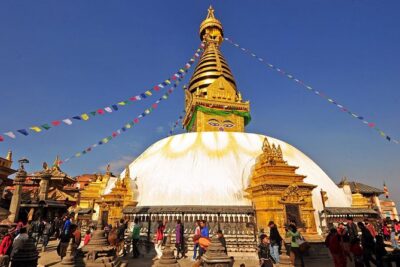
Private Kathmandu Sightseeing Tour | UNESCO World Heritage sites
Read our review →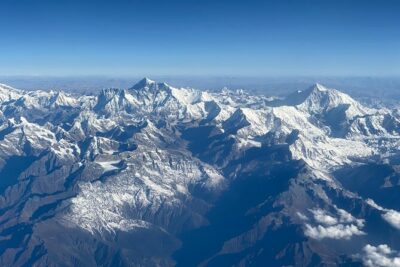
Everest Base Camp Helicopter Tour landing at Everest View Hotel
Read our review →
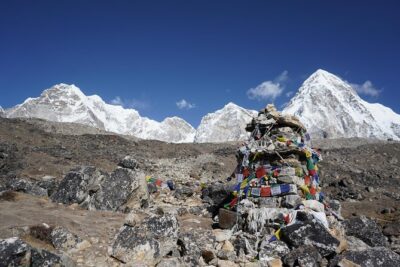
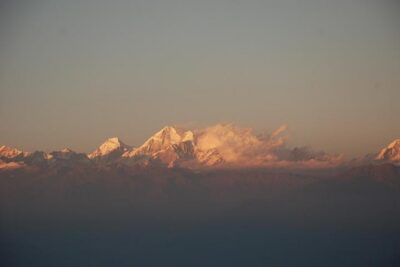
Nagarkot Sunrise View and Day Hiking from Kathmandu
Read our review →
Full Day 7 UNESCO Tour with Lunch – Private/Group
Read our review →