REVIEW · KATHMANDU TOURS
8 Days Tour in Nepal (Accommodation at 5 Star Hotel)
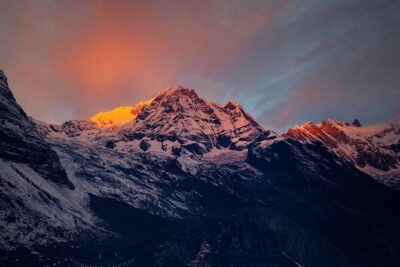
Kathmandu’s temples, Chitwan’s jungle, and Pokhara’s mountain views make this eight-day route a smart first taste of Nepal. You move from prayer flags and shrines to crocodile-filled rivers, then finish with a sunrise over the Annapurna and Manaslu regions.
I like the strong variety and the help of a local team, especially if you want the main sights without planning every transfer yourself. I also like the human scale of the cultural stops, from Tharu village life to the evening in Thamel. The main catch is the road travel, and private transportation is listed as not included, so you should confirm exactly how your transfers are arranged before paying.
Key points to know before booking
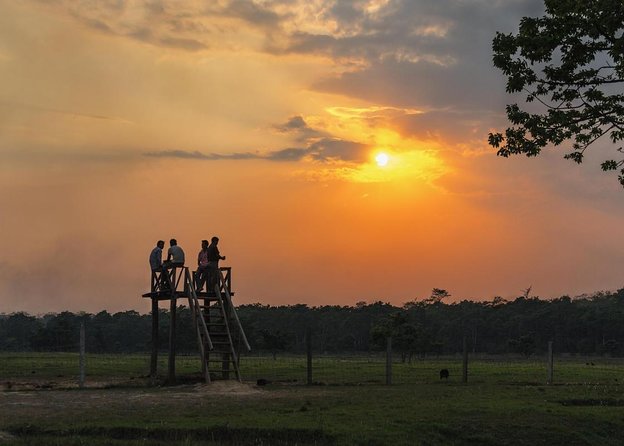
- Three very different Nepali settings: Kathmandu’s sacred monuments, Chitwan’s wildlife zone, and Pokhara’s lake and mountain views all appear in one compact trip.
- A full Kathmandu sightseeing day: Boudhanath, Patan Durbar Square, Pashupatinath, and Swayambhunath are covered on Day 2.
- Real wildlife activities in Chitwan: Canoeing, a jungle walk, a jeep safari, a Tharu village visit, and an elephant center fill the park stay.
- Pokhara includes an early start: Sarangkot sunrise, Phewa Lake boating, Devi’s Fall, Gupteswar Cave, and the World Peace Pagoda are all part of the plan.
- A small but important cost question: The $1,400 price includes accommodation, selected meals, sightseeing, and activities, but transportation is marked as not included.
- A flexible local operator: The operating team is associated with Mani, while Sanjaya, Binod, and Ram are named in past service accounts. Confirm who will lead your particular departure.
Why this route works for a first Nepal visit
Nepal can feel hard to plan from afar. Distances look modest on a map, yet road journeys can take time, and the country’s best experiences are spread across several regions.
This tour gives you a clear arc. You begin in Kathmandu with religion, art, and old city squares. Then you head south to Chitwan for forests and wildlife before going west to Pokhara, where the pace shifts toward lakes, hills, caves, and mountain views.
That range is the tour’s best feature. You are not spending eight days looking at similar temples or sitting in one resort town. You see how different Nepal can feel from one stop to the next.
The schedule is also easy to understand. Day 1 is arrival and free time. Day 2 is the major Kathmandu sightseeing day. Days 3 and 4 cover Chitwan, Days 5 and 6 cover Pokhara, Day 7 returns to Kathmandu, and Day 8 is departure.
The pace is active, but it is not built around a trek. Most travelers can participate, and the maximum group size is 30 people. That makes the tour suitable for people who want sightseeing and light outdoor activity without carrying camping gear or committing to a long mountain walk.
A few more Kathmandu days to weigh up
- Everest Base Camp Trek – 14 Days
★ 5.0 · 1,499 reviews - Private Kathmandu Sightseeing Tour | UNESCO World Heritage sites
★ 5.0 · 756 reviews - Everest Base Camp Helicopter Tour landing at Everest View Hotel
★ 5.0 · 668 reviews
Day 1: Arrival, Thamel, and an easy first evening
The tour begins with pickup at Tribhuvan International Airport. You are taken to the hotel, then have the rest of the day to recover from the flight and explore nearby areas.
Thamel is the natural choice for a first walk. It is close to the hotel area described for the tour and gives you a quick introduction to Kathmandu’s visitor center, with shops, restaurants, and travel services. Durbarmarg is also within walking distance and offers a different feel, with clubs, pubs, massage centers, shopping, and views toward Narayanhiti Palace.
I would keep this evening light. Kathmandu can be noisy and tiring after a long flight, and the next day is packed with major religious and cultural sites. The airport pickup is useful, but ask in advance whether it is included in your quoted price, since private transportation is separately marked as not included.
Day 2: Four major Kathmandu Valley monuments
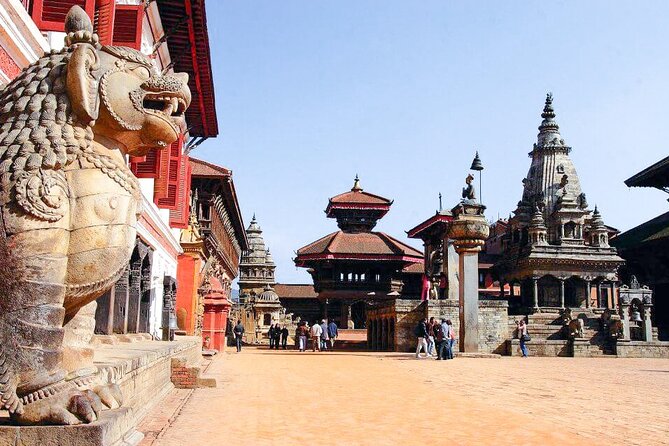
Day 2 is the cultural heart of the tour. You visit Boudhanath Stupa, Patan Durbar Square, Pashupatinath Temple, and Swayambhunath, often called the Monkey Temple.
Boudhanath Stupa
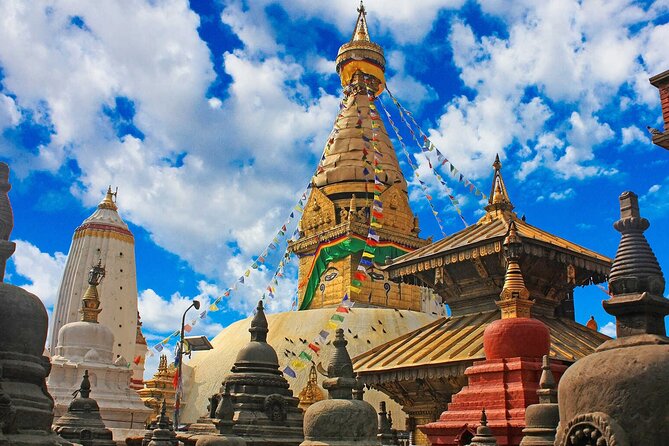
Boudhanath is easy to recognize: a large white dome, a square tower with the Buddha’s painted eyes, and Buddhist prayer flags moving above the surrounding streets. The stop lasts about an hour, enough to walk around the stupa and take in the steady rhythm of worship.
This is a good place to slow down. The attraction is not just the structure itself, but the sense of ritual around it. Your guide can add meaning to the symbols and explain how the site fits into Kathmandu’s Buddhist life.
A different kind of day from the same base:
- Half day cooking class in Thamel kathmandu
★ 5.0 · 607 reviews - Everest Base Camp Trekking
★ 5.0 · 485 reviews - Nagarkot Sunrise View and Day Hiking from Kathmandu
★ 5.0 · 471 reviews - Kathmandu: Full Day 7 UNESCO Tour with Lunch – Private/Group
★ 5.0 · 415 reviews
Patan Durbar Square
Patan Durbar Square is allotted two hours, which is appropriate for a place filled with courtyards, temples, carved windows, and small architectural details. The area includes Krishna Temple, the Golden Temple, Mahabauddha Temple, Hiranya Varna Mahavihar, the Golden Window, and Patan Museum.
The attraction is close-packed, so you can see a lot without long walks between sights. Look up as often as you look ahead. Nepal’s best details are frequently found in wood carving, metalwork, and doorways rather than in a single grand view.
The square is a strong reason to have a guide. A good explanation turns a collection of shrines into a readable place. The tour operator’s service history names Sanjaya as a guide on several Nepal trips, but you should confirm your assigned guide before departure.
Pashupatinath Temple
Pashupatinath is a large sacred complex along the Bagmati River. It includes Hindu temples, ashrams, religious images, inscriptions, and other structures built up over many centuries.
The site is important, but it may also be intense for first-time visitors. This is an active religious place, not a museum arranged for sightseeing. Follow your guide’s instructions, dress with care, and treat ceremonies and worshippers respectfully.
The advertised two hours should give you time to see the main areas without rushing. The experience is strongest when you pay attention to the river setting and the religious activity, not just the temple exteriors.
Swayambhunath
Swayambhunath sits on a hill and includes a stupa, Buddhist statues, chaityas, temples, painted religious images, and other sacred objects. From the top, you can look across Kathmandu Valley.
The climb and hill setting make this stop feel different from Boudhanath. At Boudhanath, the stupa dominates a broad urban space. At Swayambhunath, the views and the uphill approach become part of the visit.
The four stops make for a demanding day. I like the coverage, but you should not expect a slow, reflective visit at every site. If one monument matters greatly to you, tell the guide early so you can protect a little extra time there.
Days 3 and 4: From Kathmandu to Chitwan’s wildlife country
On Day 3, the route crosses Kathmandu Valley and continues through hill country toward Chitwan. From the vehicle, you can see rows of hills on both sides of the road, with mountain views possible when the weather is clear.
This is one of the less glamorous parts of the tour, but it helps you understand Nepal’s size and terrain. The road transfer takes up much of the day, so bring patience. The road quality is specifically noted as a concern in the supplied travel information, and it is sensible to expect a slower journey rather than a quick highway ride.
After arriving in Chitwan, the schedule includes time to rest before a Rapti Riverside walk, a Tharu cultural show, and sunset views. This lighter first afternoon is welcome after the road journey.
Canoeing on the Rapti River
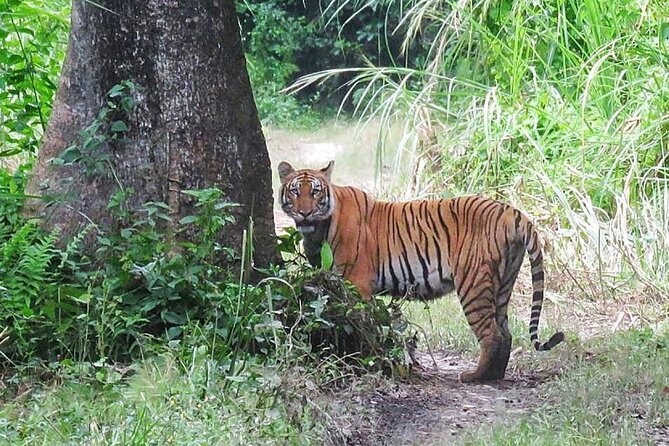
Day 4 starts with canoeing on the Rapti River, planned for about 45 minutes. The river gives you a close look at the park’s edge and the chance to spot crocodiles and other wild animals.
Keep expectations realistic. Wildlife is never guaranteed, and the canoe ride is short. Its value is the quiet change of viewpoint, letting you observe the river corridor rather than only seeing the forest from a road.
Jungle walk
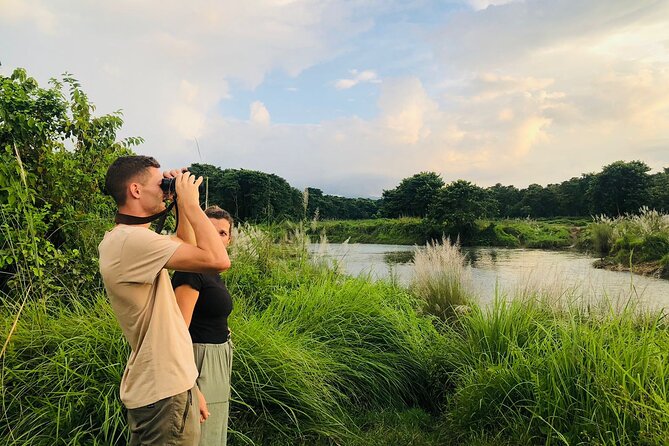
The jungle walk lasts about three hours. You enter the forest on foot, which makes the experience more alert and direct than a vehicle safari.
Listen carefully to your guide and follow instructions. The point is not simply to walk through trees, but to pass through habitat used by wild animals. This activity may suit you if you want a closer connection to the park, though it is less predictable than a standard sightseeing stop.
Elephant Breeding and Training Center
After the jungle walk, the program takes you to the Elephant Breeding and Training Center near Sauraha. The stop lasts about an hour.
The center adds another angle to the Chitwan visit, but it is also a place where you may want to ask questions about animal care and working practices. The schedule gives you time to see the facility, not a long specialist visit.
Tharu village and cultural show
The Tharu village visit lasts about 30 minutes and offers a look at local community life. The evening cultural show adds performance to the park experience.
These elements matter because Chitwan is not only about animals. The Tharu people are part of the region’s identity, and the village stop gives the itinerary a local human dimension. The short time means you will get an introduction rather than an extended cultural exchange.
Jeep safari
The jeep safari is the longest activity of the Chitwan section, with about four hours in an open-top vehicle. It is your best chance to cover more ground and look for wildlife in different parts of the park.
An open jeep provides a useful view, but it also means you are exposed to sun, dust, and weather. Bring water and sun protection. The safari is exciting because sightings are uncertain, not because the park can promise a particular animal.
Together, the canoe, walk, village visit, and jeep safari create a well-rounded two-day park stay. I like this mix. The drawback is that the schedule is busy, and the park experience depends heavily on weather, road conditions, and luck with wildlife.
Days 5 and 6: Lakes, caves, and Pokhara sunrise
The journey from Chitwan to Pokhara passes the Trisuli, Marsyangdi, and Daraudi rivers. Again, the road is part of the experience, but it can be slow.
When you reach Pokhara, the program turns toward Phewa Tal, the city’s famous lake. You have about two hours for boating and lakeside time. This is a welcome pause after the transfer and a chance to enjoy Pokhara at a gentler pace.
Sarangkot sunrise
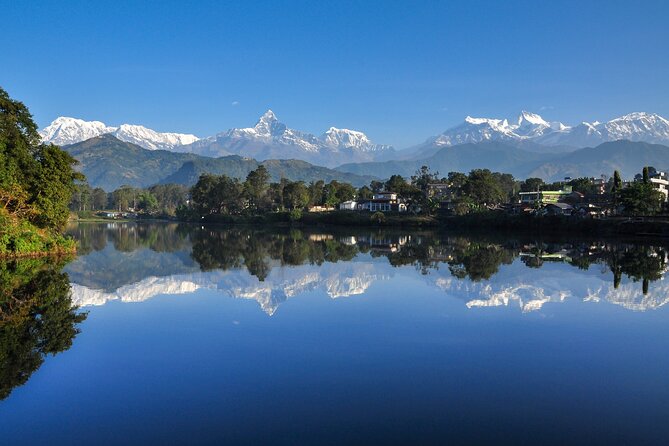
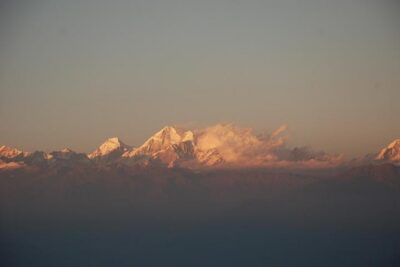
Day 6 begins early at Sarangkot. From the hill, you may see the Annapurna and Manaslu mountain regions, along with Pokhara Valley.
The wording matters: mountain views depend on clear weather. Set your expectations around the sunrise and the hilltop setting, with peaks as a possible reward rather than a promise.
This is the tour’s most time-sensitive stop. An early start is necessary, and clouds can change the view quickly. Still, the combination of morning light, hills, and the valley below gives the day a strong beginning.
Devi’s Fall and Gupteswar Cave
Devi’s Fall is linked to Phewa Lake. The water passes into a narrow gorge before continuing toward the Seti River, giving the site a dramatic geological shape in a compact viewing area.
Nearby Gupteswar Gupha is described as Nepal’s longest cave, measuring 2,950 meters, and dating to discovery in the 16th century. The visit lasts about an hour.
The two stops work well together. Devi’s Fall is a short outdoor viewing stop, while the cave changes the mood and requires more attention to the underground setting. Wear practical footwear, since cave visits are not the place for delicate shoes.
World Peace Pagoda
A short hike from the city brings you to the World Peace Pagoda. The white pagoda is attractive in its own right, but the wider reward is the view across the lakeside area.
The two-hour allowance gives you time to walk, pause, and look back toward Pokhara. After the early Sarangkot start and several sightseeing stops, this is a calmer way to close the main touring days.
Day 7: Returning to Kathmandu and using free time well
The tour returns to Kathmandu on Day 7. The remaining time is free for Durbarmarg, the area already introduced on the first evening.
This flexibility is useful. You can shop, enjoy a meal, arrange a massage, or simply stay near the hotel. It also gives you a little breathing room if a road delay has affected the schedule.
Do not treat this as a full sightseeing day. It is best viewed as a buffer and a final urban evening. The itinerary does not list another major monument here.
Day 8: Airport transfer and the final practical details
On departure day, staff take you to Tribhuvan International Airport according to your flight time. That is a simple ending, but airport support is valuable after a trip with several road transfers.
The experience starts at 9:15 am on the scheduled touring day, and confirmation is received when you book. Service animals are allowed, the tour is near public transportation, and most people can participate.
The maximum group size is 30. That is not an intimate private tour, despite the provider’s broader private day-tour branding, so ask whether your eight-day departure will be private or shared.
Is $1,400 a fair price?
At $1,400 per person, this is not a bargain-basement Nepal trip. The price needs to cover eight days, accommodation at a stated five-star hotel, a guide, sightseeing, park activities, airport pickup and return, and some meals.
The included food is listed as six breakfasts, two dinners, and two lunches. That leaves several meals for you to pay for, so budget beyond the headline price.
The bigger question is transport. Private transportation is specifically listed under not included, even though airport pickup is offered and the itinerary relies on road transfers between Kathmandu, Chitwan, and Pokhara. Before booking, ask these direct questions:
- Are intercity vehicle transfers included?
- Is the vehicle private or shared?
- Are park entry and activity fees all covered?
- Which hotel names and room categories are included?
- Are airport transfers included both ways?
- Which meals are provided at which hotels or stops?
If the hotel, guide service, vehicle, entrance fees, and listed activities are all covered, the price may offer reasonable value for a tightly organized trip. If you must add long-distance transport and several admission costs, the final total could be much higher than it first appears.
The five-star label also needs checking. No hotel names are supplied, so you cannot judge location, room quality, breakfast, or whether the property is truly five-star by your own standards.
Who should book this Nepal itinerary?
I would consider this tour if you have eight days, want Nepal’s main contrasts, and prefer a planned route over arranging each hotel and vehicle yourself. It suits first-time visitors who want culture, wildlife, and scenery without a trekking commitment.
It also works for families and small friend groups, provided everyone is comfortable with long road journeys and early mornings. The supplied service history includes groups of four, five, and ten people, with positive comments about Mani’s flexibility and the work of guides and drivers such as Sanjaya, Binod, and Ram.
I would hesitate if you want slow travel, luxury detail, or a deep focus on one region. Kathmandu’s Day 2 is packed, Chitwan’s activities fill the day, and road conditions can test your patience.
The operator has a strong 5 out of 5 rating from 19 reviews, with 100 percent recommendation shown in the supplied information. The most praised points are organization, friendly service, clean hotels, capable drivers, and flexible planning. Those are meaningful strengths, but I would still get the transport and hotel details in writing.
The cancellation rule is relatively clear: cancel at least three full days before the start for a full refund. Later cancellations and changes are not accepted, and poor weather may lead to a new date or a full refund.
Should you book it?
Book this trip if you want a broad Nepal sampler with the big three regions covered and you value having a local team coordinate the route. The cultural sites are substantial, Chitwan offers several types of nature activity, and Pokhara provides the most scenic finish.
Before booking, settle the transport question and ask for the exact hotel list. If those answers match your expectations, the eight-day plan gives you a useful balance of temples, village culture, wildlife, boating, caves, and mountain viewpoints without the work of building the trip yourself.
FAQ
How long is the Nepal tour?
The experience lasts approximately eight days, from airport pickup on Day 1 to airport transfer on Day 8.
Where does the tour start?
The tour is based in Kathmandu and begins with pickup at Tribhuvan International Airport. The listed start time is 9:15 am.
Which places are included?
The route includes Kathmandu, Chitwan National Park, Sauraha, and Pokhara, then returns to Kathmandu before departure.
Is airport pickup provided?
Yes. Pickup is offered from Tribhuvan International Airport on arrival, and staff take you back to the airport on departure according to your flight time.
Is private transportation included?
Private transportation is listed under not included. Confirm how the road transfers and other vehicle arrangements will be handled before booking.
What meals are included?
The package includes six breakfasts, two dinners, and two lunches. Other meals are not listed as included.
What is the cancellation policy?
You can receive a full refund if you cancel at least three full days before the experience start time. Cancellations or changes made later are not accepted, and poor weather may result in a different date or a full refund.
Recently added around Kathmandu
- Kathmandu Paragliding★ 5.0 · 3 reviews
- Kathmandu Airport Pickup and Drop-off Services★ 5.0 · 3 reviews
- Explore The Beauty Of Langtang Valley In 8-Days Trek★ 5.0 · 3 reviews
- Kathmandu Chandragiri Cable Car and Swayambhunath Private Tour★ 5.0 · 3 reviews
- Kathmandu: Nightlife and Pub Crawl Tour★ 5.0 · 3 reviews
- Mountain Flight Experience in Nepal★ 4.5 · 3 reviews
- Kathmandu: Momo Making Class with a Local Chef★ 5.0 · 3 reviews
- Everest Base Camp Trek★ 5.0 · 3 reviews
Other Kathmandu Tours worth a look
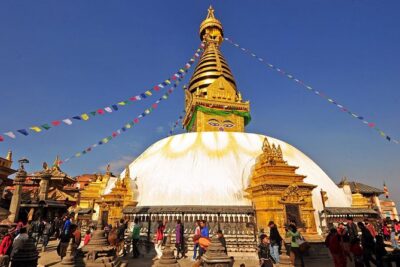
Private Kathmandu Sightseeing Tour | UNESCO World Heritage sites
Read our review →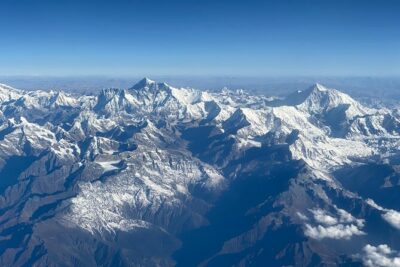
Everest Base Camp Helicopter Tour landing at Everest View Hotel
Read our review →
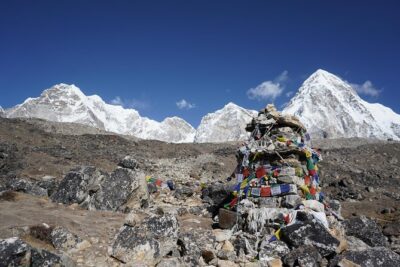
Nagarkot Sunrise View and Day Hiking from Kathmandu
Read our review →
Full Day 7 UNESCO Tour with Lunch – Private/Group
Read our review →