
REVIEW · KATHMANDU TOURS
Kanchenjunga Circuit Trek 19 Days
Kanchenjunga is Nepal’s quieter giant. This 19-day circuit reaches both the North Base Camp at Pang Pema and the South Base Camp area near the Yalung Glacier, with forests, rivers, stone villages, glaciers, and high passes in between. It is a serious mountain trip, not a gentle walk with a few big views.
I love the way the route stays far from Nepal’s busiest trekking corridors, and I like the carefully placed rest day at Khambachen. Guides named on past trips include Raj, Jangbu, Abinta, and Raju, with the company supplying licensed guides, porters, insurance, food, and basic first aid. The main drawback is the long 4×4 access drive, followed by basic food and teahouse lodging.
Key points to know before booking
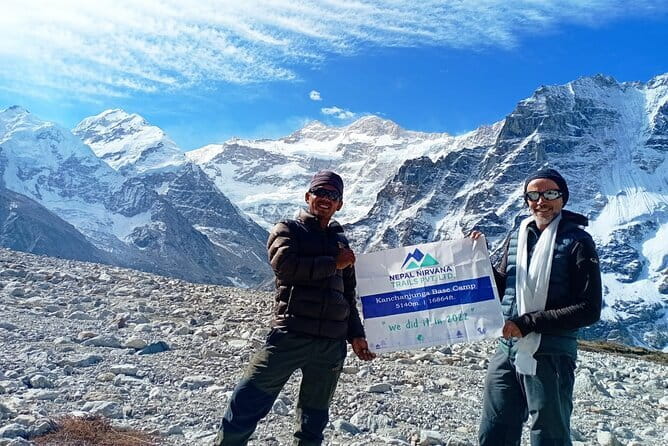
- Both sides of Kanchenjunga: You visit the North Base Camp at Pang Pema and the South Base Camp area by the Yalung Glacier.
- Quiet, lightly developed trails: Villages have fewer tourist services than the Annapurna or Everest routes, which means peace but also fewer comforts.
- High passes on the return: Sinion La, Mirgin La, and Sinelapche Bhanjyang reach up to 4,645 meters.
- Long transport days: The route uses domestic flights and private jeeps, including a demanding drive between Bhadrapur, Taplejung, Sekathum, Yamphudin, and Kanyam.
- Small-group setup: The maximum group size is eight, with one porter shared between two trekkers.
- Good package value: At $2,000 per person, the price includes permits, flights, transport, accommodation, meals, guide, porter, taxes, and basic first aid.
Why Kanchenjunga feels different from Nepal’s famous treks
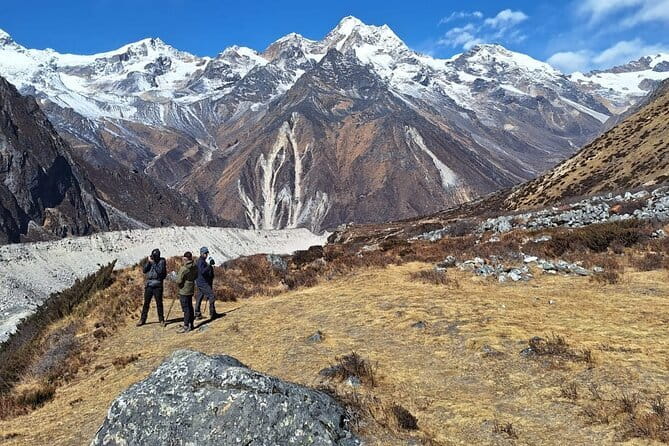
Kanchenjunga is Nepal’s third-highest mountain, and the circuit gives you more than one postcard angle. The route begins in the warm, green east of Nepal, passes tea country near Kanyam, then climbs through jungle, pine forest, high pasture, moraines, and glacial valleys.
That variety is the real prize. One day you may walk beside a clear river under dense woodland. A few days later, you are looking across bare rock and snow toward the Kanchenjunga massif. The route also passes through Nepali villages that have not been reshaped around large-scale tourism.
You should not confuse quiet with easy. The trail has isolated teahouses, landslide-prone sections, long walking days, and limited choices for food and comfort. The package notes that meals are basic and recommends choosing vegetarian food while trekking. Bring patience, a flexible attitude, and enough personal snacks.
The group limit of eight is useful here. On a remote route, a smaller group is easier to manage in simple lodges and on narrow trails. You also share one porter between two trekkers, which keeps the arrangement practical without making the support team too large.
More Hiking Tours in Kathmandu
- Everest Base Camp Trek – 14 Days
★ 5.0 · 1,499 reviews - Everest Base Camp Trekking
★ 5.0 · 485 reviews - Nagarkot Sunrise View and Day Hiking from Kathmandu
★ 5.0 · 471 reviews
Days 1 and 2: Kathmandu preparation and permits
Your first day is simple. An airport representative meets you at Tribhuvan International Airport and takes you to a three-star hotel in Thamel. Hotel accommodation is included for three nights, with breakfast.
Thamel is a useful base because it gives you time to settle in, check equipment, and recover from your international flight. Do not treat this first day as wasted time. A remote trek needs a proper start, and the early hotel stay gives you room to handle small problems before you are several days from a road.
On Day 2, the management team collects your original passport around 9 a.m. to prepare the trekking permit. You receive it back at the company office around 5 p.m. This is also the right time to ask about the next day’s flight, jeep conditions, meals, and porter arrangements.
You need strong physical fitness for this trip. The route reaches high altitude and includes several 12-hour activity days, even though actual walking time may vary with trail and road conditions. Travel insurance with emergency rescue and evacuation cover is not included, so arrange it before arrival.
Days 3 and 4: Flight to Bhadrapur and the rough road east
Day 3 starts with a 45 to 50-minute domestic flight from Kathmandu to Bhadrapur, also called Chandragadhi Airport. From there, you switch to a local jeep and drive through Kanyam along the Mechi Highway toward Taplejung.
Kanyam is known for its green tea cultivation, and it gives the journey a pleasant change from the city and airport. The road section, though, is a major part of the experience. You are heading into a remote part of eastern Nepal, and the vehicle ride takes much of the day.
On Day 4, another jeep ride takes you toward Sekathum. The route provider uses private jeeps from Bhadrapur to Taplejung and then Sekathum, rather than asking you to walk every road section. That saves trekking days, but it does not make the approach short or comfortable.
This is the point where you should make an honest decision. If you dislike long, rough road journeys, the trek may test your patience before the main trail even begins. If you see the drive as part of reaching a remote mountain region, it makes sense. Past trip accounts specifically praise the support staff while warning about the long 4×4 rides.
Days 5 to 7: Bridges, forest, and the first mountain villages
The walking begins at Sekathum on Day 5. You follow the Ghunsa Khola, crossing several bridges and climbing through forest toward Amjilosa. After two days in jeeps, this shift from vehicle travel to foot travel feels important. The mountain journey has finally begun.
Day 6 takes you from Amjilosa to Gyabla, also called Kyapra. The trail passes through dense forest with long stretches without human settlement. This is a quieter section, but it also means you should carry water, snacks, and anything you may need between teahouses.
On Day 7, you walk through woodland to Phale before continuing to Ghunsa. Phale and Ghunsa help bring village life back into the route after the more isolated trail. Ghunsa is also used for acclimatization, so its location is practical, not just scenic.
The early days are not simply warm-up walks. You gain height steadily, and the terrain changes often. Listen to your guide, keep your pace even, and do not burn energy trying to stay ahead of the group. The licensed guides are trained in first aid, and basic medication is provided, but no medical kit replaces sensible pacing.
A different kind of day from the same base:
- Private Kathmandu Sightseeing Tour | UNESCO World Heritage sites
★ 5.0 · 756 reviews - Everest Base Camp Helicopter Tour landing at Everest View Hotel
★ 5.0 · 668 reviews - Half day cooking class in Thamel kathmandu
★ 5.0 · 607 reviews - Kathmandu: Full Day 7 UNESCO Tour with Lunch – Private/Group
★ 5.0 · 415 reviews
Days 8 and 9: Khambachen and a useful rest day
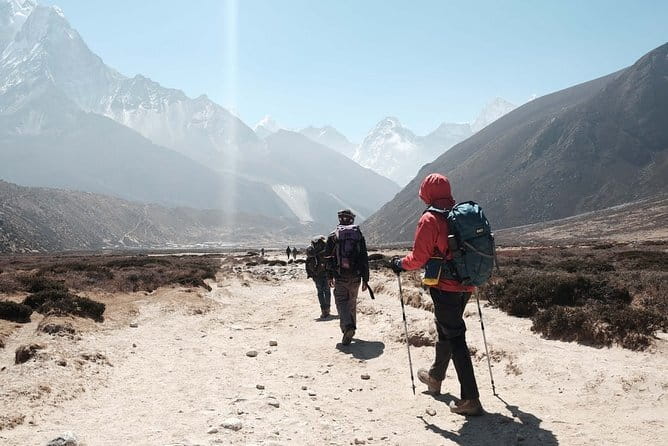
From Ghunsa, you continue toward Khambachen through open pine forest. The route offers a chance to spot blue sheep and, with luck, snow leopards. Wildlife sightings are never guaranteed, but the forest and open slopes give you a reason to keep scanning beyond the mountain views.
This section also passes through areas prone to landslides. The trail can feel more exposed, and your guide’s judgment matters. Stay close enough to hear instructions, especially where the path crosses loose ground.
Day 9 is a rest and acclimatization day at Khambachen. You take a short hike toward nearby glaciers, viewpoints, and lakes instead of spending the entire day sitting in the lodge. That is a smart use of time at altitude. Gentle movement helps you adjust while keeping the day manageable.
Khambachen is also one of the places where you may meet other trekking groups during the main season. The route is quiet compared with Nepal’s major circuits, but it is not empty. At this point, the teahouse network remains basic, so bring warm layers and a power bank. Battery charging and Wi-Fi cost extra, and hot showers are not included.
Days 10 to 12: Kanchenjunga North Base Camp at Pang Pema
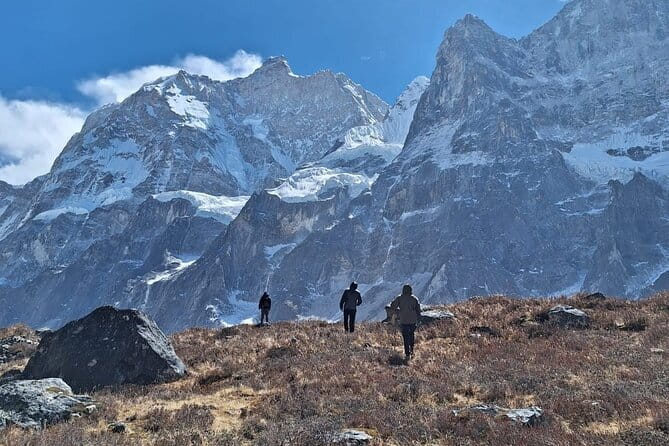
Day 10 leads toward Lhonak and the Kanchenjunga Glacier. The scenery becomes more severe as forest gives way to open mountain terrain, glacier views, and moraine-covered ground. You are now walking toward one of the main goals of the circuit.
From Lhonak, Day 11 continues to the North Base Camp, known as Pang Pema. The trail climbs gradually through moraines rather than making one abrupt ascent. That helps, but the altitude still makes this a demanding day.
Pang Pema is the high point of the northern approach and one of the trip’s major rewards. You get a close view toward the Kanchenjunga massif, with a setting that feels far more remote than the better-known trekking valleys. Give yourself time to take in the view, but follow your guide’s advice about how long to remain at the high point.
Day 12 retraces the trail back to Ghunsa. Walking the same route in reverse may sound repetitive, but the views change with direction and light. You also see the stone huts, river corridors, and mountain walls from a different angle.
This out-and-back section is necessary because the North Base Camp lies at the end of a side valley. The reward is access to Pang Pema without turning the trip into a rushed point-to-point march. Still, you should expect tired legs by the return to Ghunsa.
Days 13 and 14: Sele Le and three high passes
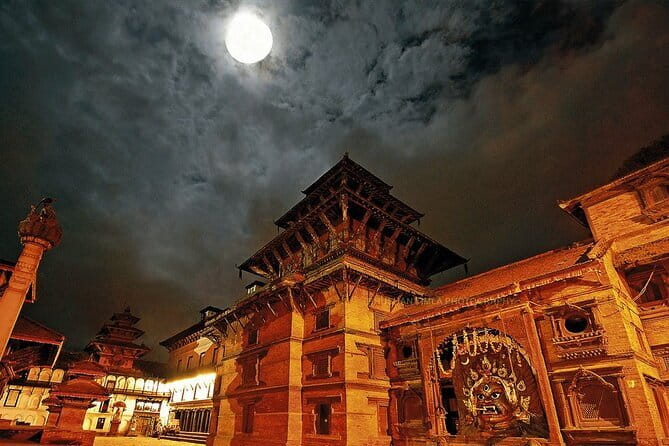
Day 13 leaves the usual route toward Gyabla and climbs to Sele Le. This is a more isolated section, with dense forest, possible snow leopard habitat, and only a few teahouses. Those lodges may open only during the main trekking season, so the timing of your trip matters.
Day 14 is one of the hardest and most scenic days. You cross Sinion La at 4,440 meters, Mirgin La at 4,480 meters, and Sinelapche Bhanjyang at 4,645 meters. The route offers wide views toward the surrounding peaks and connects the northern and southern parts of the circuit.
You should prepare for a long, exposed day with limited services. The passes are not just viewpoints reached by a short walk from a lodge. You need steady fitness, warm clothing, water, snacks, and a willingness to move at the group’s pace.
This is also where the circuit earns its name. You are no longer simply walking to and from one base camp. You are crossing between major valleys and seeing the mountain from changing positions.
Days 15 and 16: The Yalung Glacier and the southern approach
Day 15 takes you toward the Yalung Glacier and the southern side of Kanchenjunga. The route brings you closer to views of Rathong at 6,682 meters and Kabru at 7,412 meters.
The southern section adds a different feel from Pang Pema. Instead of repeating the northern valley, you walk beside glacial terrain and gain another angle on the massif. The package describes the full circuit as visiting both North and South Base Camp, with the Yalung Glacier serving as the key southern approach.
Day 16 turns downhill toward Tortong through rhododendron forest and along the Simbuwa Khola. After the exposed high country, the trees provide shade and a calmer setting. The descent can be kinder to your lungs but harder on knees, so trekking poles may be useful.
The change from snow and glacier to forest is one of the route’s best features. You are not seeing one type of Nepal for 19 days. The circuit keeps changing its texture, altitude, weather, and sense of place.
Days 17 to 19: Return through Yamphudin and Kanyam
From Tortong, Day 17 descends toward Amji Khola, passing Lasiya or Lamite Bhanjyang at 3,415 meters and Dhupi Bhanjyang at 2,665 meters. The trail includes steep slopes before reaching Yamphudin village.
Yamphudin marks the return to lower, more settled country. You are still walking in a remote area, but the mountain route is beginning to loosen its grip. This is a good time to appreciate the village setting before the final road journey.
Day 18 follows the Kabeli Khola and then leaves the mountain villages by vehicle for Kanyam. The return drive is another long transport day, not a quick transfer. Kanyam’s tea-growing area gives you a pleasant final stop and a chance to see the greener side of eastern Nepal.
On Day 19, you explore the tea area briefly, then drive two to three hours to Bhadrapur Airport. The flight back to Kathmandu takes about 45 to 50 minutes, usually later in the day. You are dropped at your Kathmandu hotel, but any extra Kathmandu night, along with lunch and dinner in the capital, is your responsibility.
What the $2,000 price really covers
At $2,000 per person, this is not a cheap short trek. It is a substantial package for a remote 19-day route, and the included services make the figure easier to assess.
You receive three nights in a three-star Kathmandu hotel with breakfast, teahouse accommodation during the trek, all required trekking permits, domestic flights in both directions, and private jeep transport on the long access and return sections.
The package also includes a licensed, first aid-trained guide and a porter shared between two trekkers. Their salaries, food, equipment, and insurance are covered. Breakfast is included 18 times, lunch 17 times, and dinner 16 times, which matches the structure of the trek and the hotel nights.
Taxes, VAT, official expenses, and a basic first aid kit are also included. For a remote circuit with flights, jeeps, porters, and permits, that is a solid package.
You still need to budget for snacks, drinks, bottled water, Wi-Fi, battery charging, hot showers, personal expenses, tips, international flights, your Nepal visa, insurance, and any extra hotel night in Kathmandu. Tips are not mandatory, but they are appreciated.
Food, lodging, and comfort on the trail
The food is basic. You should expect simple teahouse meals rather than a broad menu or restaurant-level cooking. Vegetarian choices are recommended, and personal snacks are sensible for the long walking days.
Teahouse accommodation is part of the appeal because it keeps you close to local villages and the trail. It also means comfort varies. Hot showers, Wi-Fi, and charging are extra, and facilities may be limited in the higher, more isolated sections.
This is not the route for someone who needs reliable internet, private rooms, or varied meals every night. It suits you if you value quiet valleys, local lodges, and access to places where tourism is still relatively small.
The guide and porter arrangement matters more here than on a short, busy trek. Guides such as Raj and Jangbu are specifically associated with careful support on past Kanchenjunga trips, while Abinta has been praised for her warmth and understanding of local culture, nature, and trails. Ask the company who will lead your departure, since guide assignments can change.
Who should book this trek?
You should consider this circuit if you have strong physical fitness, enjoy long days outdoors, and want a quieter alternative to Nepal’s most famous trekking routes. It is especially good for someone who wants both major base camps rather than a single mountain viewpoint.
You should think twice if you have limited trekking experience, dislike rough jeep roads, or expect polished lodging and varied food. The route is remote, high, and lightly developed. The 19-day schedule also leaves less room for casual sightseeing or recovery.
The provider offers free cancellation up to 24 hours before the start time, with no refund inside that window. That gives you some booking flexibility, but your insurance still needs to cover emergency evacuation and health problems.
Should you book the Kanchenjunga Circuit Trek?
I would choose this trek for the combination of two base camps, quiet trails, and changing mountain scenery. The price is reasonable for what it includes, especially the flights, private jeeps, permits, guide, porter, meals, and accommodation.
I would not book it expecting comfort or easy logistics. The long road rides, basic teahouses, high passes, and simple food are part of the bargain.
If you can handle that trade-off, the Kanchenjunga Circuit offers a rare look at Nepal’s high country with fewer crowds and more time in remote villages. Confirm your guide, transport schedule, insurance coverage, and personal equipment before paying. Then pack light, bring snacks, and leave room for a few long days and very large views.
FAQ
How long is the Kanchenjunga Circuit Trek?
The trek lasts approximately 19 days, beginning and ending in Kathmandu.
Does the route visit both Kanchenjunga Base Camps?
Yes. The route visits the North Base Camp, also known as Pang Pema, and the southern base camp area near the Yalung Glacier.
What is the highest point on the route?
Sinelapche Bhanjyang is listed at 4,645 meters. The route also crosses Sinion La at 4,440 meters and Mirgin La at 4,480 meters.
Are domestic flights included?
Yes. The package includes flights from Kathmandu to Bhadrapur and from Bhadrapur back to Kathmandu.
Is transport by jeep included?
Yes. Private jeep transport is included between Bhadrapur, Taplejung, Sekathum, Yamphudin, Kanyam, and Bhadrapur Airport.
What accommodation is included?
Three nights in a three-star Kathmandu hotel with breakfast are included, along with teahouse accommodation during the trek.
Are meals included?
Breakfast, lunch, and dinner are included during the scheduled trek, with 18 breakfasts, 17 lunches, and 16 dinners listed. Food is basic, and vegetarian meals are recommended.
Is travel insurance included?
No. You must arrange travel and health insurance that covers emergency rescue and evacuation.
Recently added around Kathmandu
- Kathmandu Airport Pickup and Drop-off Services★ 5.0 · 3 reviews
- Kathmandu Paragliding★ 5.0 · 3 reviews
- Explore The Beauty Of Langtang Valley In 8-Days Trek★ 5.0 · 3 reviews
- Kathmandu Chandragiri Cable Car and Swayambhunath Private Tour★ 5.0 · 3 reviews
- Kathmandu: Nightlife and Pub Crawl Tour★ 5.0 · 3 reviews
- Kathmandu: Momo Making Class with a Local Chef★ 5.0 · 3 reviews
- Mountain Flight Experience in Nepal★ 4.5 · 3 reviews
- Everest Base Camp Trek★ 5.0 · 3 reviews
Other Kathmandu Tours worth a look


Private Kathmandu Sightseeing Tour | UNESCO World Heritage sites
Read our review →
Everest Base Camp Helicopter Tour landing at Everest View Hotel
Read our review →


Nagarkot Sunrise View and Day Hiking from Kathmandu
Read our review →
Full Day 7 UNESCO Tour with Lunch – Private/Group
Read our review →
This tour also appears in