
REVIEW · KATHMANDU TOURS
Kathmandu: 1, or 3-Day Yoga, Meditation & Reiki Retreat
Kathmandu’s mountain air gives this retreat its best feature: a clean break from traffic, errands, and temple-hopping. You move from yoga asanas to Reiki, meditation, chanting, and Sattvic food in a setting built for quiet rather than sightseeing. The welcome is warm, and the staff make arrival easy with hotel pickup and return service.
I especially like the personal attention from the instructors and the chance to choose between a focused one-day reset and a slower three-day stay. The vegetarian meals, herbal tea, garden, balcony, and peaceful room give the longer program enough breathing space. The main caution is simple: the one-day schedule is busy, with several sessions squeezed between noon and 7 PM.
Key points at a glance
- The one-day program runs from 11 AM to 7 PM, with yoga, lunch, Reiki, meditation, and a second yoga flow.
- The three-day plan includes two nights in a deluxe room, plus vegetarian meals and early morning practice.
- Reiki is part of the program, offering a quiet, hands-on energy treatment alongside yoga and meditation.
- Sattvic meals and herbal tea are included, so you do not need to arrange food during the retreat.
- Hotel pickup and drop-off are included, useful in Kathmandu’s busy traffic.
- The setting suits rest more than sightseeing, with time to sit in the garden, on a balcony, or in your room.
A mountain pause outside Kathmandu
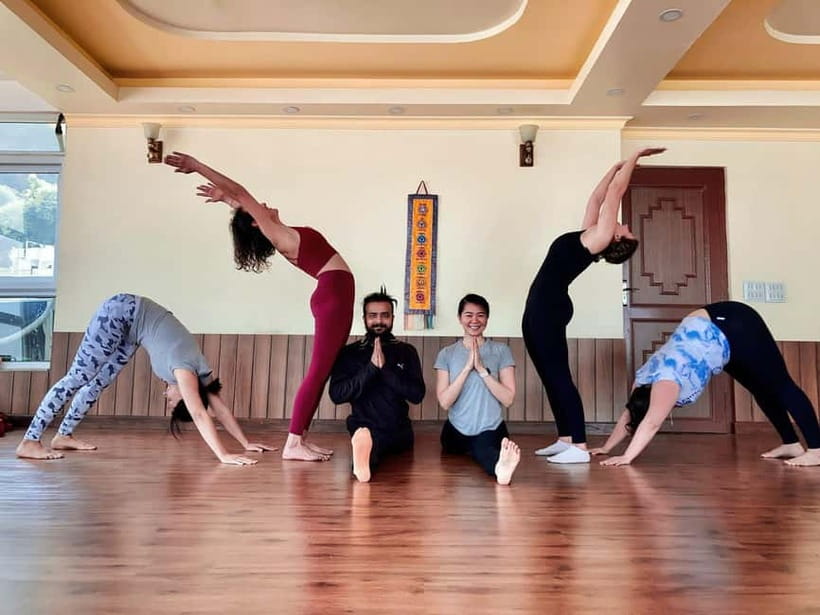
This is not a sightseeing tour with a few stretches added at the end. It is a short wellness stay built around traditional yoga practices, quiet time, and simple vegetarian food. The retreat takes place in the Kathmandu area of Bagmati Zone, in a mountain environment intended to settle both body and mind.
You begin with pickup from your Kathmandu hotel or apartment. The driver asks you to wait in the hotel lobby about five minutes before the scheduled time, then takes you to the retreat center. That small detail matters in Kathmandu, where traffic can turn a short transfer into a slow one.
At arrival, staff provide a short introduction and explain the available activities. English and Hindi are spoken, so you can ask questions about the exercises and schedule in either language.
The setting is part of the treatment. Instead of spending the whole day in a studio, you have access to a room, garden, or balcony during the three-day plan. That gives you a place to sit quietly between sessions, which may be just as useful as another class if your mind is already tired.
More Yoga and Ayurveda Retreats in Kathmandu:
- 200 Hours Yoga Teacher Training at Nepal Yoga Home (starts on 1st of everymonth)
★ 5.0 · 125 reviews - 3 night 4 Day Yoga & Ayurveda Retreat to Detox the Body & Mind, Nepal
★ 5.0 · 37 reviews - 10 Days Ayurveda & Yoga Retreat in Kathmandu, Nepal
★ 5.0 · 24 reviews
Choosing between one day and three days
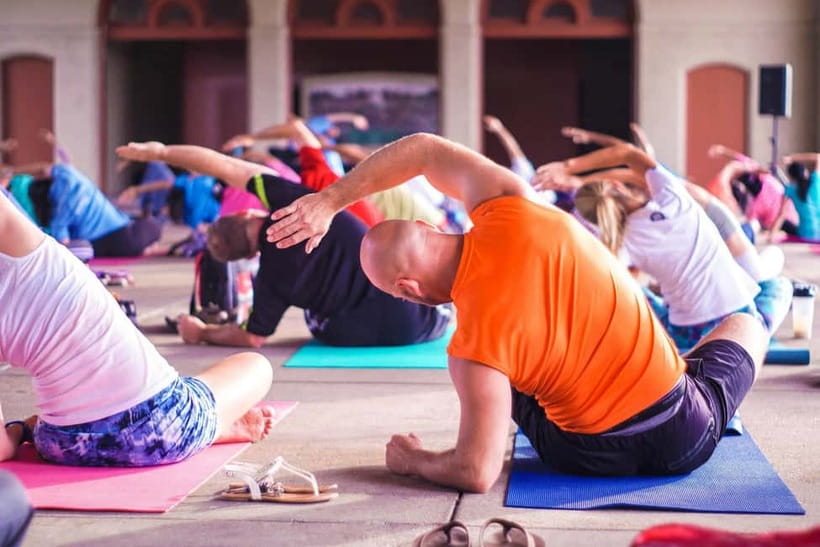
The one-day retreat is a compact introduction. It works well if you have only one free day in Kathmandu or want to test the style before committing to a longer stay.
The three-day option is a different experience. You receive two nights in a deluxe room, early morning yoga, chanting, meditation, several meals, and more time to settle into a rhythm. A longer stay also gives you room to rest rather than rushing from one session to the next.
The published price is $4.90 per person, which is remarkably low if all the listed inclusions apply. Because the one-day activity is described as an eight-hour experience while the three-day option includes accommodation and full meals, I would carefully confirm the exact price for the plan you select before paying. The important question is not just the headline amount, but whether it applies to the one-day or three-day choice and what room and meal arrangements are attached.
For the three-day plan, the value comes from the combination of lodging, transport, instruction, food, meditation, and Reiki. Booking those elements separately in Kathmandu would usually require more planning. The one-day option is easier to assess, but its value depends on how much you enjoy a tightly packed program.
The one-day schedule from 11 AM to 7 PM
The day begins at 11 AM with hotel pickup. Around 11:30 AM, you arrive, receive a briefing, and get an introduction to the retreat center and its activities.
At noon, the first yoga asana session begins. Asanas are physical postures, and the class gives you a foundation in the bodywork used throughout the retreat. If you are new to yoga, this is the point to tell the instructor. The program is designed to include new students, and guidance can be adjusted to your level.
Lunch arrives at 2 PM. It is a Sattvic vegetarian meal, prepared around the retreat’s simple wellness approach. You can expect food intended to be balanced and light rather than heavy or highly spiced. Water and herbal tea are included, while personal snacks and other expenses are your responsibility.
At 3 PM, you receive Reiki healing therapy. Reiki is presented here as a gentle energy practice aimed at relaxation, tension release, and mental calm. It is not a replacement for medical care, but it can provide a quiet pause after the physical work of yoga.
Meditation follows at 4 PM. This gives you a chance to work with breath and attention after the body has been active. At 5 PM, you return to yoga for an asana flow, which brings the active part of the day to a close before the 7 PM drop-off.
I like the variety in this sequence. You are not asked to sit still for eight hours, and you are not doing physical exercise without a chance to calm down. Still, the timetable leaves little empty space. If you prefer long periods of silence or slow personal practice, the one-day format may feel crowded.
What the three-day rhythm adds
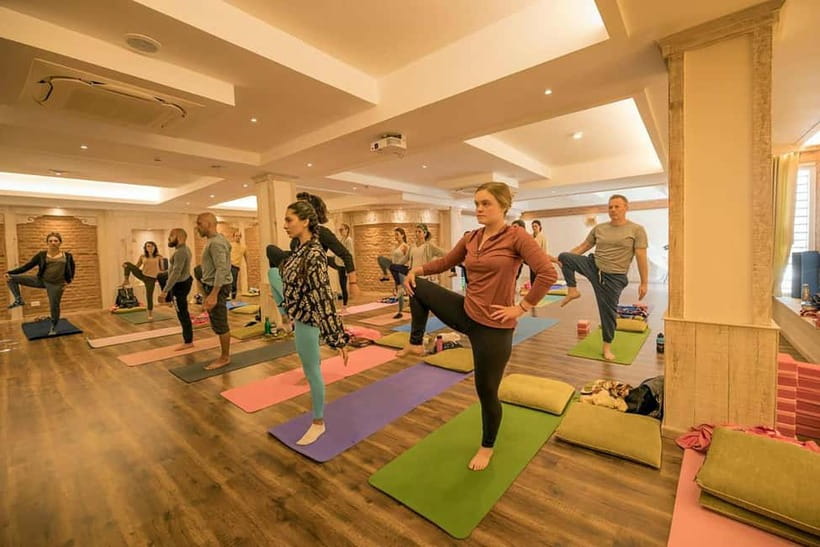
Day one follows the same basic pattern as the one-day retreat. Pickup is at 11 AM, followed by the introduction, a noon yoga session, Sattvic lunch, Reiki at 3 PM, meditation at 4 PM, and an evening yoga flow at 5 PM. Dinner is served at 7 PM.
The real benefit begins on day two. You rise for yoga at 7 AM, when the cooler air and quiet setting should make the session feel less hurried. At 8 AM, chanting and relaxation follow. Chanting adds a vocal and meditative element to the physical practice, while relaxation gives you time to settle before breakfast.
Breakfast is served at 9 AM and is vegetarian. At noon, another yoga asana session takes place, followed by lunch at 2 PM. Meditation is scheduled for 4 PM, and the final yoga flow of the day begins at 6 PM. Dinner is served at 7 PM.
Day three starts with another 7 AM yoga session and 8 AM chanting and relaxation. Breakfast follows at 9 AM, and hotel drop-off is scheduled for noon.
This plan offers more repetition, and that is useful. You do not need to understand every exercise immediately. By the second morning, the basic pattern of asanas, breathing, chanting, and stillness should feel less unfamiliar.
There is also time between sessions to use your room, garden, or balcony. The three-day stay is not three full days of nonstop classes. That balance is important because the program can be physically and mentally demanding for someone new to yoga.
Schedules may shift slightly according to availability and the plan selected. Treat the times as a framework, not a train timetable. If you have an important flight, appointment, or other booking on day three, allow extra time beyond the stated noon return.
A few more Kathmandu days to weigh up
- 3-Day Chitwan National Park Jungle Safari Tour Package with Pick Up
★ 5.0 · 184 reviews - From Kathmandu/Pokhara: 3-Day All-Inclusive Chitwan Safari
★ 4.6 · 133 reviews - Kathmandu: 3-Day Chitwan Safari Tour with Hotel Transfers
★ 4.6 · 127 reviews - Kathmandu/Pokhara: 3 Day Chitwan Jungle Safari Tour
★ 4.7 · 87 reviews
Yoga, breathing, and Himalayan tradition
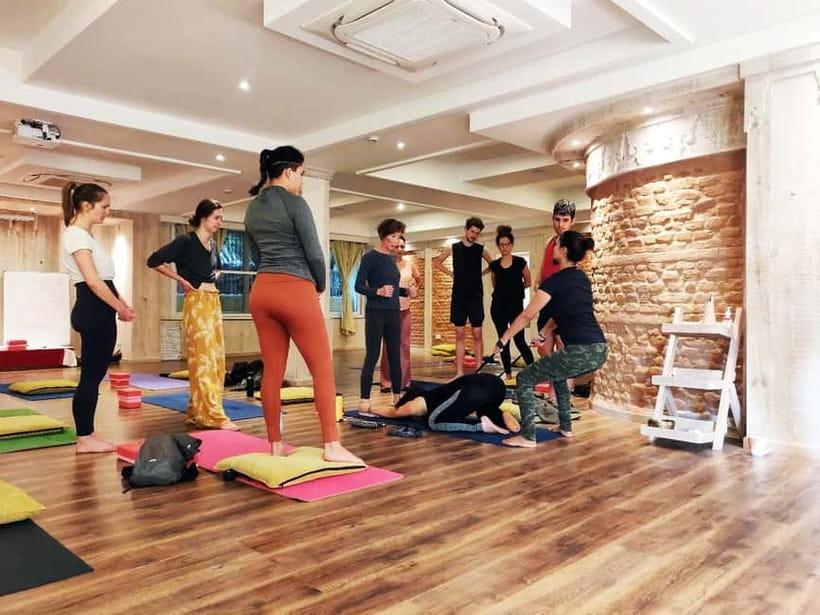
The course introduces several parts of yoga rather than focusing only on stretching. You work with asanas, pranayama, breathing techniques, meditation, chanting, and yogic philosophy.
Pranayama refers to breath practices. These can be valuable for beginners because they show that yoga is more than a set of physical poses. The breathing work may also help you approach meditation with a steadier rhythm.
Yogic philosophy gives the movements a wider context. You are not simply copying a pose, but learning how traditional yoga connects physical discipline, breath, attention, and personal reflection. The program is introductory, so I would view it as a foundation rather than advanced teacher training.
The instructors are experienced yoga teachers, and the classes are designed to welcome new students. Still, the retreat does not provide a detailed list of poses, class sizes, or instructor names. If you have an injury, limited flexibility, or a particular goal, ask the staff about modifications when you arrive.
Reiki as a separate kind of rest
Reiki gives the program a different tone from a standard yoga retreat. Instead of moving, breathing, or studying, you spend time receiving a calm, gentle treatment intended to reduce stress and release tension.
The activity description includes Reiki healing therapy, and the three-day program is described as including Reiki as part of the retreat. One detail deserves confirmation when booking: the published material describes a Reiki session, while the three-day experience has also been described with two Reiki treatments. Ask exactly how many sessions are included in your selected plan.
I would approach Reiki with an open but practical mind. Some people value it as a calming ritual and a way to rest. Others may prefer meditation or massage. The retreat presents it as a complementary wellness practice, not medical treatment.
Sattvic food and the comfort of staying put
Food is included, and that makes the three-day option easier. You receive vegetarian Sattvic meals, including breakfast, lunch, and dinner in the longer plan. Herbal tea and water are also included.
Sattvic cooking is generally associated with clean, balanced, simply prepared food. The supplied details do not provide a fixed menu, so you should not expect a restaurant-style choice of dishes. If you have allergies, religious restrictions, or other dietary needs, ask in advance.
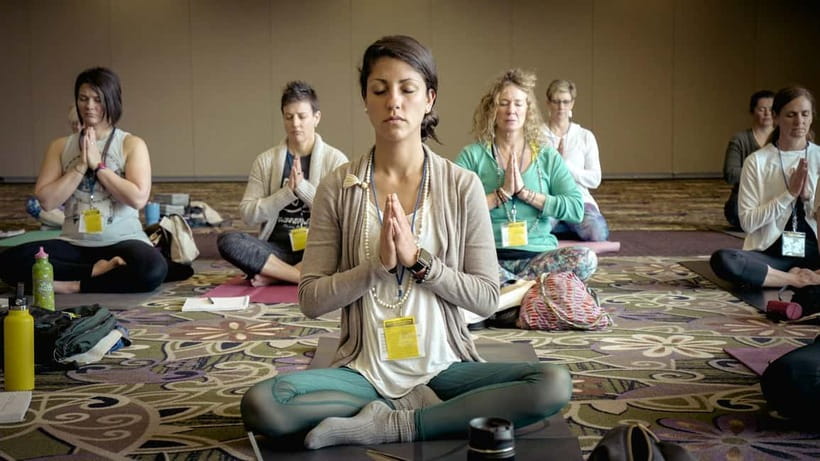
The deluxe room is described as being above basic hostel standard, giving the three-day retreat a more comfortable base. The room, garden, and balcony are useful because you can choose how much social time you want between classes. Training programs may take place at the same center, bringing different nationalities and people with different levels of yoga experience into the same setting.
That can be a plus if you like a social atmosphere. It may be less appealing if you want a completely private, silent retreat. The tone here is welcoming and communal, not isolated or luxury-spa formal.
The strongest practical advantage: simple transport

Pickup and drop-off are included from your Kathmandu hotel or apartment. This removes one of the more annoying parts of a wellness day: finding the center, negotiating a taxi, and arriving already tense.
Wait in the hotel lobby five minutes before pickup. Have your phone available in case the driver needs to contact you, although no special transfer instructions beyond the lobby meeting point are provided.
The return schedule is clear for the one-day option at 7 PM and for the three-day option at noon on day three. Since Kathmandu traffic can be unpredictable, I would not plan a close connection immediately after the return.
Who will enjoy this retreat most
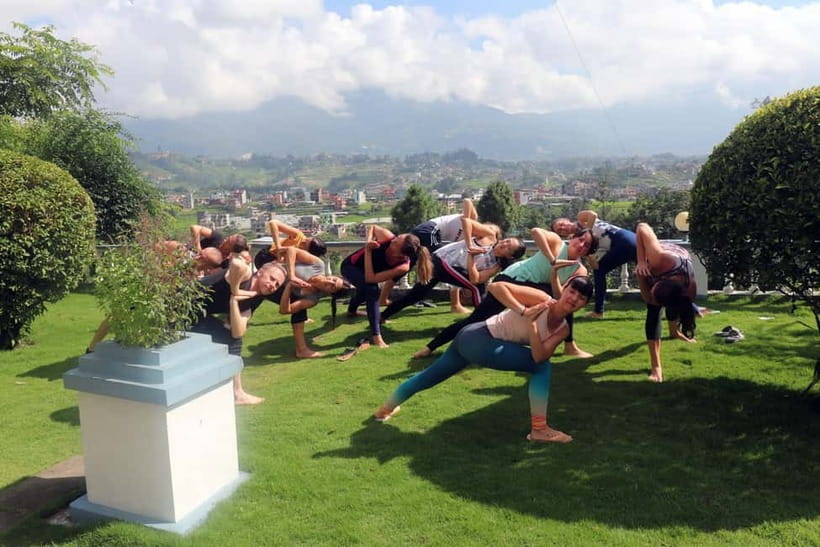
I would choose the one-day version if you want:
- A first taste of Himalayan yoga and meditation
- A simple wellness break during a Kathmandu visit
- Hotel pickup and lunch without arranging a full retreat
- An introduction to Reiki alongside physical yoga
- A structured day rather than an open-ended spa visit
I would choose the three-day version if you want:
- Time to build a daily practice
- Two nights of accommodation and included meals
- Early morning yoga and evening sessions
- A slower pace with time to rest alone
- More contact with the instructors and the retreat community
This is not suitable for children under four, pregnant women, people with mobility impairments, or people over 95. The program includes physical postures and scheduled movement, so you should be honest about your fitness and mobility before booking.
Bring a camera if you want to record the setting, cash for personal expenses, and your passport. A copy of your passport is accepted. Comfortable clothing is sensible, although a specific clothing list is not provided.
Booking flexibility and small details that matter
You can cancel up to 24 hours before the activity for a full refund. You can also reserve now and pay later, which helps if your Kathmandu plans are still changing.
The host or greeter speaks English and Hindi. The schedule may be adjusted slightly, so keep your day flexible rather than treating every listed time as fixed.
The rating is 4.7 from six verified bookings, with especially strong praise for the friendly welcome, pickup service, peaceful rooms, food, and range of activities. The less favorable point is useful too: the one-day plan may feel like too many sessions packed into one day, and one person questioned its value. That is a fair warning, not a reason to dismiss it. It simply means your choice of length matters.
Should you book the Kathmandu yoga retreat?
Book it if you want an affordable, organized introduction to yoga, meditation, chanting, and Reiki without arranging transport, meals, and accommodation yourself. The three-day plan is the better choice for a genuine pause, while the one-day version is best treated as a sampler.
I would not choose the one-day program if your idea of wellness means hours of unplanned quiet. The schedule is active and tightly arranged. Before booking, confirm the price for your exact option, the number of Reiki sessions, the room details for the three-day plan, and any dietary needs.
For the right person, this is a friendly and practical way to step away from Kathmandu’s noise and try several Himalayan wellness practices in one place. Just give yourself permission to rest between sessions. That may be where the retreat does its best work.
FAQ
Where does the retreat take place?
The retreat takes place in the Kathmandu area of Bagmati Zone, in a mountain setting near Kathmandu.
How long is the one-day retreat?
The one-day schedule runs from hotel pickup at 11 AM until drop-off at about 7 PM. The activity duration is listed as eight hours.
What does the three-day plan include?
The three-day plan includes two nights of deluxe room accommodation, daily yoga and meditation, Reiki healing therapy, yoga instruction, vegetarian meals, herbal tea, and hotel pickup and drop-off.
Is hotel pickup included?
Yes. Pickup and return service from your Kathmandu hotel or apartment are included. You should wait in the hotel lobby five minutes before the scheduled pickup.
What languages are spoken?
The host or greeter speaks English and Hindi.
Are meals included?
Yes. Vegetarian Sattvic meals are included. The three-day plan lists breakfast, lunch, and dinner, and herbal tea and water are included as well.
What activities are part of the retreat?
The program includes yoga asanas, pranayama, breathing techniques, meditation, chanting, relaxation, yogic philosophy, and Reiki healing therapy.
What should I bring?
Bring a camera, cash for personal expenses, and your passport. A passport copy is accepted.
Who cannot join this activity?
The retreat is not suitable for children under four, pregnant women, people with mobility impairments, or people over 95.
Recently added around Kathmandu
- Kathmandu Airport Pickup and Drop-off Services★ 5.0 · 3 reviews
- Kathmandu Paragliding★ 5.0 · 3 reviews
- Kathmandu Chandragiri Cable Car and Swayambhunath Private Tour★ 5.0 · 3 reviews
- Explore The Beauty Of Langtang Valley In 8-Days Trek★ 5.0 · 3 reviews
- Kathmandu: Nightlife and Pub Crawl Tour★ 5.0 · 3 reviews
- Kathmandu: Momo Making Class with a Local Chef★ 5.0 · 3 reviews
- Mountain Flight Experience in Nepal★ 4.5 · 3 reviews
- Thangka Painting Workshop★ 5.0 · 3 reviews
Other Kathmandu Tours worth a look


Private Kathmandu Sightseeing Tour | UNESCO World Heritage sites
Read our review →
Everest Base Camp Helicopter Tour landing at Everest View Hotel
Read our review →


Nagarkot Sunrise View and Day Hiking from Kathmandu
Read our review →
Full Day 7 UNESCO Tour with Lunch – Private/Group
Read our review →
This tour also appears in