
REVIEW · UNESCO HERITAGE SITE TOURS
Kathmandu: Private UNESCO World Heritage Site Tour
Kathmandu’s greatest sights are not tucked away in museums. They sit in open squares, on busy streets, beside sacred rivers, and among daily prayer rituals. This private tour links four of the valley’s most important UNESCO sites in one long day, from the hilltop Swayambhunath Stupa to the cremation ghats beside Pashupatinath.
I like the private car and the chance to shape the pace. Guides such as Ramesh, Rajendra Manandhar, Badri Nepal, Bhin, and Niraj have been praised for clear explanations and flexible help. I also like the range of the day: Hindu temples, Buddhist stupas, royal courtyards, monkeys, prayer wheels, and city life all appear in one outing.
The tradeoff is time. Four major sites can feel full and tiring, especially with Kathmandu traffic and plenty of walking. Entrance fees, meals, and drinks cost extra, so the $50 price is good value for the guide and transport, but not an all-inclusive day.
Key points at a glance
- Four major heritage sites in one day: Visit Kathmandu Durbar Square, Boudhanath Stupa, Pashupatinath Temple, and Swayambhunath.
- Private transport included: A driver takes you between sites and returns you to your Kathmandu hotel or the Outshine Adventure office in Thamel.
- Strong guide element: Guides including Ramesh, Rajendra Manandhar, Badri Nepal, Bhin, and Niraj are praised for history, religion, flexibility, and personal care.
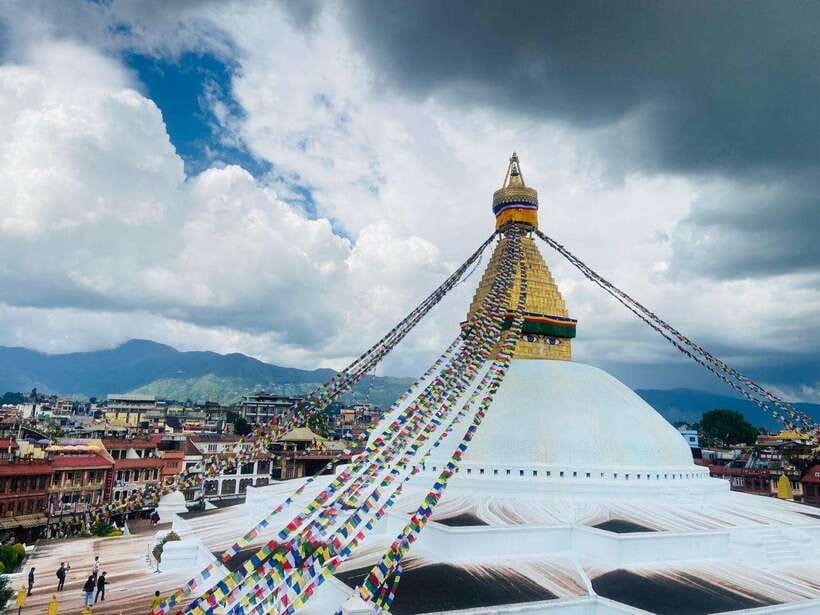
- The largest stupa in South Asia: Boudhanath gives you a chance to walk the broad circular plaza and watch Buddhist worship in motion.
- A full cultural cross-section: The day covers Hindu and Buddhist traditions, royal architecture, sacred art, and ordinary Kathmandu life.
- Plan for extra costs: Monument entrance fees, food, drinks, and your passport or ID are not included.
Why this one-day route works
Kathmandu Valley can be confusing on a first visit. Important temples sit in different parts of the city, traffic can be slow, and religious customs are not always obvious from a quick glance. This route gives you a private vehicle, a guide, and a sensible set of first stops.
I see the value less in simply reaching the monuments than in having someone explain what you are looking at. A carved figure, a bell, a shrine, or a line of worshippers can mean little without context. The guide is meant to connect the artwork and rituals to Nepal’s religious and royal past.
The day begins after breakfast, with pickup from your hotel in Kathmandu or from Outshine Adventure in Thamel. The exact starting time depends on availability, but you should expect a full day, with an evening return to the same general pickup area.
This is not a quiet countryside tour. You will cross the Kathmandu Valley, see green hills and city streets, and spend much of the day on foot. Private transport helps you move between stops, but it cannot remove the city’s traffic or the crowds around its best-known monuments.
More UNESCO Heritage Site Tours in Kathmandu:
- Private Kathmandu Sightseeing Tour | UNESCO World Heritage sites
★ 5.0 · 756 reviews - Kathmandu: Full Day 7 UNESCO Tour with Lunch – Private/Group
★ 5.0 · 415 reviews - Kathmandu: Full Day Top 4 UNESCO Tour with Lunch – Private/Group
★ 5.0 · 269 reviews
Swayambhunath, the hilltop Monkey Temple
Swayambhunath is usually the most playful opening to the day. The stupa is widely known as the Monkey Temple, and you may see monkeys around the grounds. The nickname is memorable, but the religious setting deserves your attention too.
The site gives you a strong introduction to Nepal’s mix of Buddhist and Hindu practice. Your guide explains the meaning of the stupa, the surrounding shrines, and the artwork as you walk. The two-hour visit allows time for sightseeing rather than a quick photo stop.
The hilltop position also gives you views across Kathmandu Valley. You will see the city spread below, with green hills beyond it when conditions are clear. This is one of the places where the valley’s natural setting becomes easy to understand.
The main caution is physical effort. Swayambhunath involves walking and a hilltop setting, so comfortable shoes matter. Monkeys are part of the scene, but they are still animals, not photo props. Keep your belongings secure and follow your guide’s advice.
Kathmandu Durbar Square and the old royal city
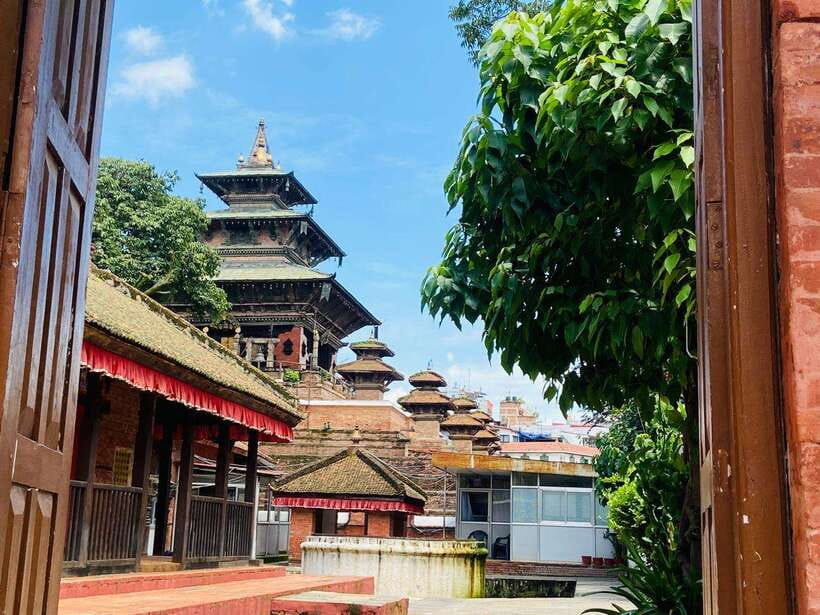
Kathmandu Durbar Square brings you into the historic heart of the city. The square contains temples and palace buildings linked with Nepal’s royal traditions, with some structures dating as far back as the third century.
You will walk through courtyards, shrines, and temple-lined spaces while your guide explains the religious and political role of the area. The appeal is in the details: carved wood, tiered roofs, statues, bells, and the way worship continues beside historic buildings.
This is also one of the best stops for seeing Kathmandu as a living city rather than a preserved monument. People pass through the square, worshippers visit shrines, and ordinary activity carries on around the old palace complex. I like that contrast. The site is not just a history lesson behind a fence.
The tour information also connects Kathmandu with landmarks across the wider valley, including the Kasthamandap temple, said to have been built from a single tree. You should not expect to see every major place in the valley during this one day. The route concentrates on four headline sites, with Kathmandu Durbar Square providing the strongest royal and architectural focus.
Allow two hours here. That sounds generous, but it gives your guide room to explain the square and lets you look closely instead of racing from one building to the next. Entrance fees are not part of the $50 price, so budget for those separately.
Boudhanath Stupa, prayer in a wide circle
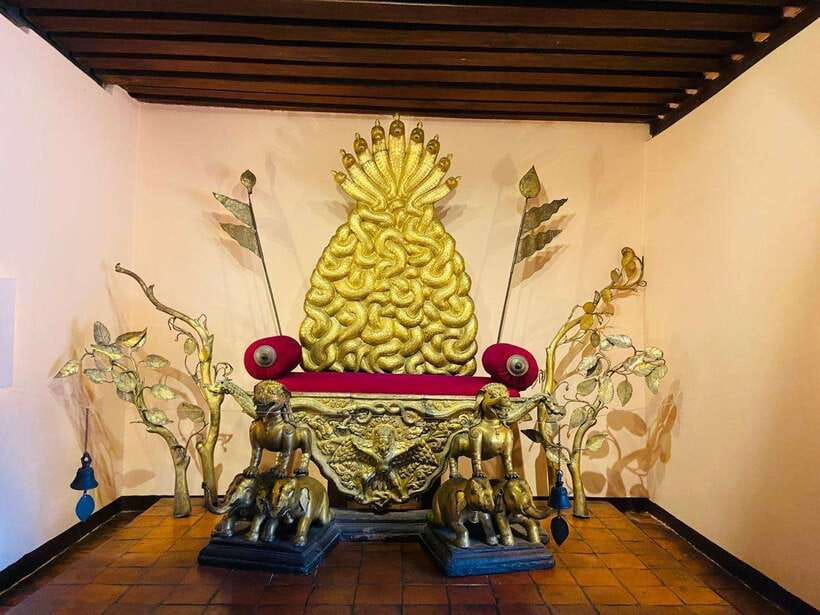
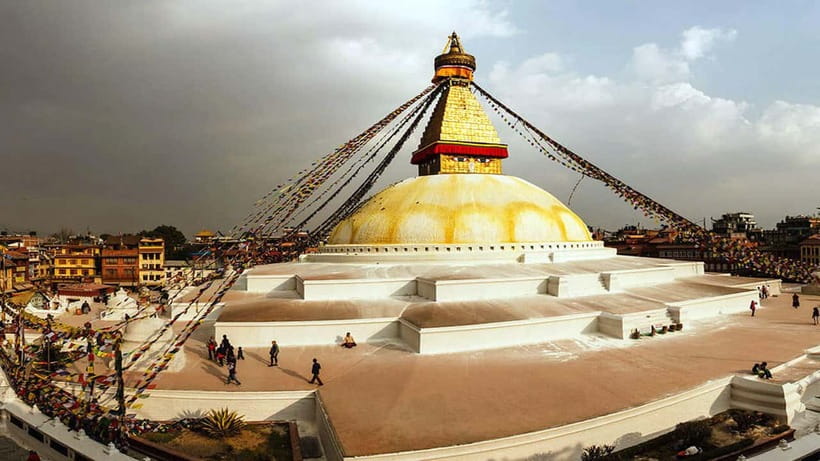
Boudhanath is the tour’s great Buddhist centerpiece. It is described as the largest stupa in South Asia, and its broad white dome and watchful Buddha eyes make it easy to recognize.
The visit lasts about an hour, with guided sightseeing and free time. You can walk around the stupa, take in the surrounding religious activity, and pause while your guide explains Buddhist symbols and customs. The circular layout makes this stop feel different from both the palace square and the temple complex.
I find Boudhanath especially useful for understanding how a sacred place can also be part of city life. Shops, people, prayer, and movement surround the stupa, yet the central act of walking around it remains calm and focused. Follow the direction of people making their circuit, and let your guide explain the proper way to behave.
One hour is enough for an introduction, but it is not a long study visit. If you want extended time for photography, shopping, or quiet observation, tell your guide early. The private format makes such requests more realistic than they would be on a fixed group outing.
More Historical Tours in Kathmandu:
- UNESCO Seven World Heritage Tour in Kathmandu
★ 5.0 · 253 reviews - Kathmandu Private Sightseeing Tour | UNESCO World Heritage Sites
★ 5.0 · 109 reviews - Kathmandu: Full Day Private Top 4 UNESCO Heritage Tour W/Lunch.
★ 5.0 · 86 reviews - Kathmandu World Heritage Tour
★ 5.0 · 74 reviews
Pashupatinath Temple beside the sacred river
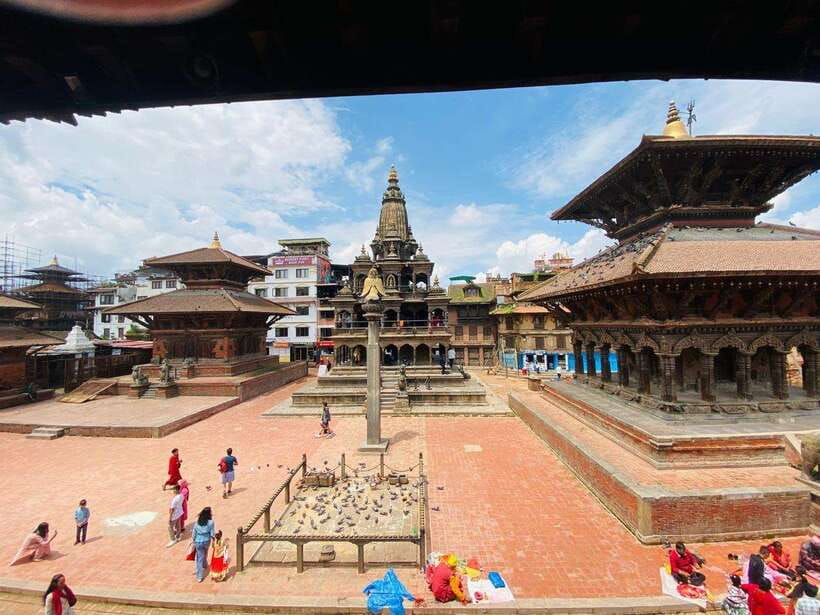
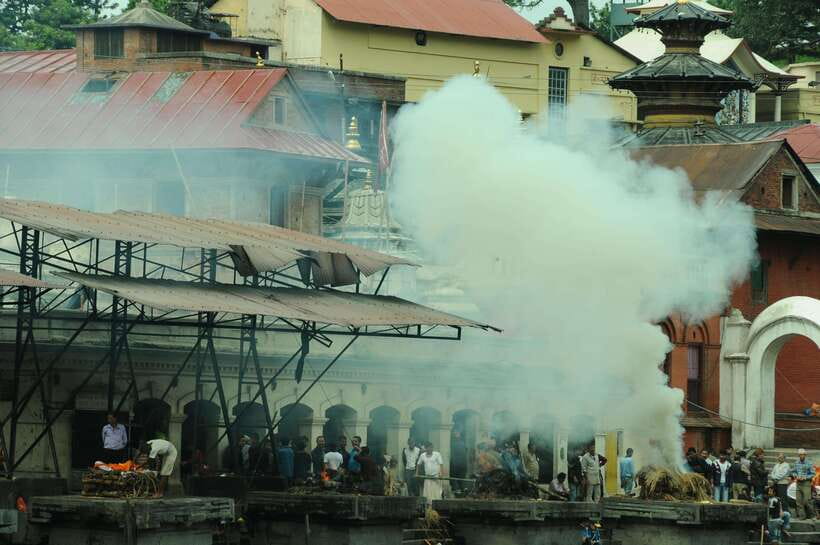
Pashupatinath is one of Nepal’s most sacred Hindu temples and one of the day’s most powerful stops. The temple complex is associated with Lord Shiva and sits beside the Bagmati River. The morning bells from Pashupatinath are part of Kathmandu’s daily religious soundscape, but this tour visits after breakfast rather than at dawn.
Your guide explains the temple’s role, the artwork, and the religious practices visible around the complex. You also have free time here, which matters because this is not a place to treat as a quick monument stop. The riverfront cremation area can be emotionally intense and may call for a slower, more respectful pace.
A previous guest specifically wanted extra time at the crematorium, and the guide accommodated that request. That detail tells you something useful about the private setup: you can ask to linger at a place that matters to you instead of being pulled along by a group schedule.
Non-Hindu visitors may not be allowed inside the main temple buildings. You can still see much of the complex and learn about its importance, but ask your guide where you may walk and when photography is appropriate. At religious sites, respect is more important than getting the perfect picture.
The two-hour allocation gives Pashupatinath the time it needs. The setting can be hot, and one practical note is worth keeping in mind: bottled water is not included. Bring your own or plan to buy drinks during the day.
Private transport makes a long day easier
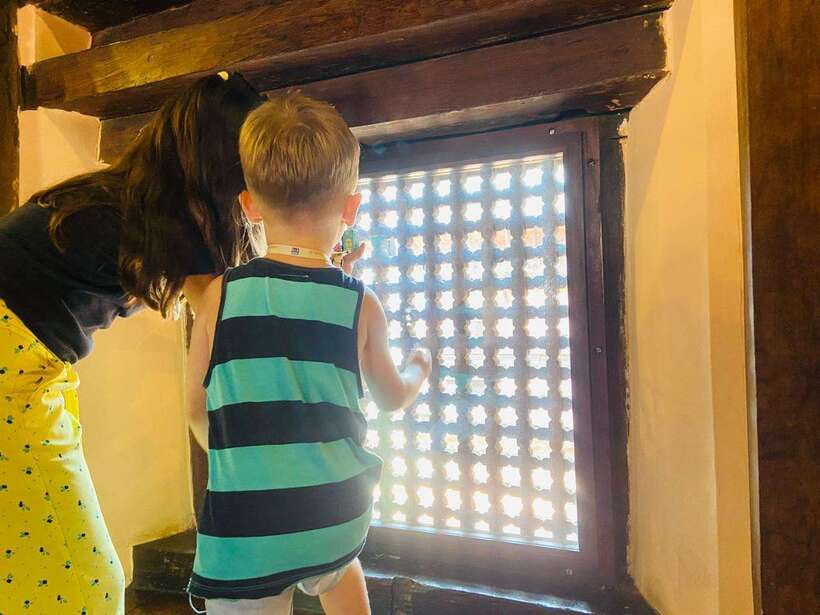
The tour includes hotel pickup and drop-off, private transportation, and a driver who waits while you visit each site. That arrangement is valuable in Kathmandu, where driving between attractions can take patience and local navigation skills.
One former participant singled out the driver’s ability to handle tight traffic. You do not need to worry about finding a taxi after each visit or negotiating your next ride. The vehicle provides a place to sit between walks, which becomes increasingly welcome by the afternoon.
An air-conditioned car has also been used for the experience, a real benefit during hot weather. Vehicle details can vary, so do not treat that as a guaranteed feature, but private transport is included.
The pickup information lists your Kathmandu hotel or Outshine Adventure in Thamel. The stated pickup and drop-off point is Kathmandu, Paknajol Marg, so confirm the exact meeting place when you book. If you are staying outside the normal Kathmandu pickup area, the supplied information does not promise an extended transfer.
What the $50 price really covers
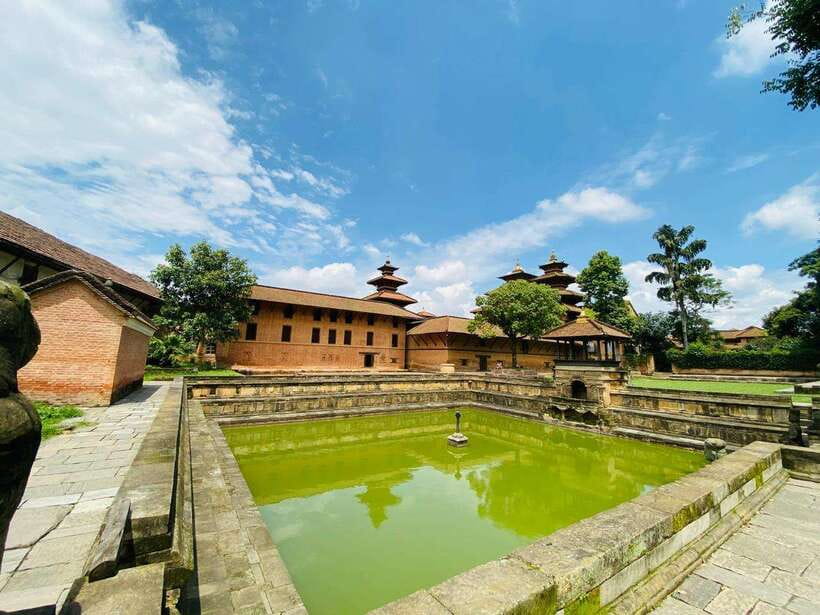
At $50 per person, this is a strong value if you want a private guide and car for a full sightseeing day. You are paying for convenience, interpretation, and transport across several major sites rather than for admission alone.
The important limitation is that monument entrance fees are extra. Meals and drinks are also excluded. I would treat the advertised price as the core service cost and keep additional cash available for admissions, lunch, water, and any personal purchases.
The private format can also be good value for couples, families, or small groups who would rather not follow a fixed bus schedule. A family with a four-year-old previously received help with practical errands and found the guide accommodating. That does not guarantee a particular guide or service, but it suggests that the private arrangement can handle ordinary travel needs better than a large group tour.
You should also know what the price does not buy. It does not turn Kathmandu into a traffic-free city, and it does not give you unlimited time at every site. The route is ambitious, so its value depends on your priorities. If you want a broad first look, it works well. If you prefer one monument in great detail, choose a shorter, more focused visit.
Guides are the heart of the experience
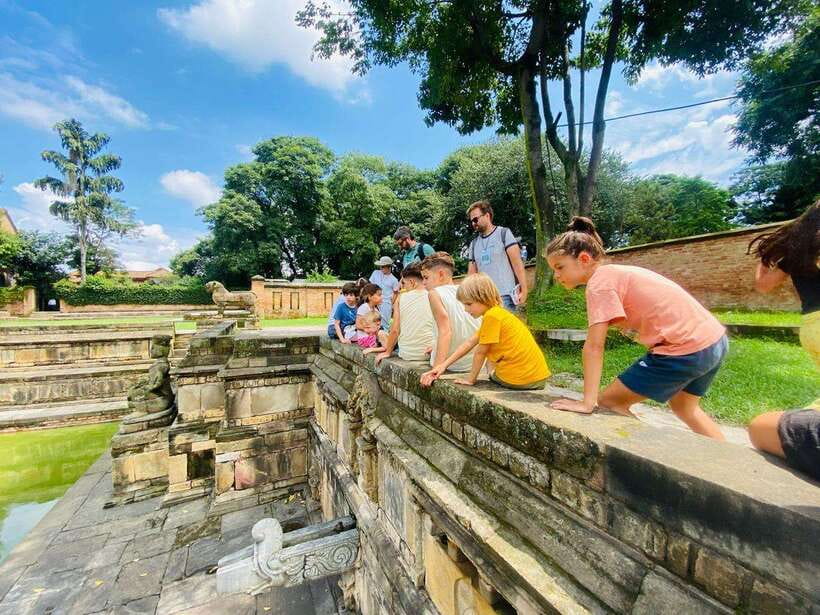
The clearest strength of this tour is the guide. Several guides associated with the experience have been praised for explaining Nepal’s culture, religion, and history in plain detail.
Ramesh receives repeated praise for care, flexibility, and personal attention. Rajendra Manandhar is described as friendly and able to speak about religion, the country, and its people. Badri Nepal has helped with itinerary changes and local shopping choices such as malas, bracelets, and thangka paintings.
Bhin has been praised for answering questions at length and allowing time at each site. Niraj is noted for his passion for Nepal’s spiritual traditions. These names give you useful examples, but you should not assume that one specific guide will be assigned when you book.
The best way to get more from the day is to ask questions. Tell your guide if you care most about architecture, Hindu worship, Buddhist practice, photography, royal history, or daily life. Also mention places you have already seen. A previous guest asked not to repeat sites and received a modified route.
The guide may also help with practical matters beyond the monuments. Assistance with phone minutes, grocery shopping, local purchases, and planning the rest of a Nepal trip has been part of the personal service offered on some outings. It is sensible to ask politely, but do not assume every extra errand is included.
Who should book this Kathmandu tour
I would choose this tour for a first day in Kathmandu, especially if you want the main cultural sites explained in English or Spanish. It is also a good fit if you are short on time and want private transport instead of arranging four separate visits.
Families may appreciate the private car and the ability to slow down or make small adjustments. Couples and solo visitors can also benefit from having a guide available for questions and local customs.
This is less ideal for you if you dislike long sightseeing days, walking, or religious sites that are still active places of worship. It may also feel rushed if your main goal is detailed photography or extended time at Boudhanath and Pashupatinath.
Bring a passport or ID card, comfortable walking shoes, and water money. Dress respectfully for temples, follow photography instructions, and keep some flexibility in your schedule. Kathmandu’s roads and sacred sites do not always run on a neat clock.
Cancellation is flexible up to 24 hours before the start for a full refund, and you can reserve now and pay later. The experience is offered with English or Spanish-speaking guides.
Should you book it?
Book this tour if you want a well-supported first introduction to Kathmandu and prefer a private day with a guide who can adjust the pace. The strongest reasons are the four-site route, private transport, and the repeated praise for guides who explain clearly and take care of practical details.
Skip it if you want a slow, specialized visit to one part of the city, or if you are unwilling to pay entrance fees and food costs on top of the $50 tour price. For most first-time visitors with only one free day, though, this is a sensible way to meet Kathmandu’s temples, stupas, royal squares, and sacred riverfront in one organized outing.
FAQ
How long does the Kathmandu UNESCO site tour last?
The experience lasts one full day, with pickup after breakfast and drop-off at your hotel in the evening. Availability determines the exact starting time.
Which sites are included?
The route includes Swayambhunath Stupa, Kathmandu Durbar Square, Boudhanath Stupa, and Pashupatinath Temple.
Is hotel pickup and drop-off included?
Yes. Pickup and drop-off are included for your hotel in Kathmandu or Outshine Adventure in Thamel. The stated meeting area is Kathmandu, Paknajol Marg.
Are entrance fees and meals included?
No. Monument entrance fees, meals, and drinks are not included in the $50 price.
What languages are available?
The tour offers live guides in English and Spanish.
What should I bring?
Bring your passport or another form of identification. Comfortable walking shoes and money for entrance fees, food, and drinks are also practical choices.
Recently added around Kathmandu
- Kathmandu Airport Pickup and Drop-off Services★ 5.0 · 3 reviews
- Kathmandu Paragliding★ 5.0 · 3 reviews
- Kathmandu Chandragiri Cable Car and Swayambhunath Private Tour★ 5.0 · 3 reviews
- Explore The Beauty Of Langtang Valley In 8-Days Trek★ 5.0 · 3 reviews
- Kathmandu: Nightlife and Pub Crawl Tour★ 5.0 · 3 reviews
- Mountain Flight Experience in Nepal★ 4.5 · 3 reviews
- Kathmandu: Momo Making Class with a Local Chef★ 5.0 · 3 reviews
- Everest Base Camp Trek★ 5.0 · 3 reviews
Other UNESCO Heritage Site Tours worth a look
Private Kathmandu Sightseeing Tour | UNESCO World Heritage sites
Read our review →
Full Day 7 UNESCO Tour with Lunch – Private/Group
Read our review →
Full Day Top 4 UNESCO Tour with Lunch – Private/Group
Read our review →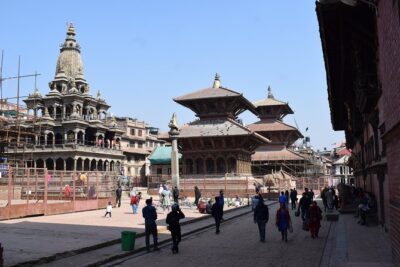
Full-Day 7 UNESCO Tour with Lunch – Private/Group
Read our review →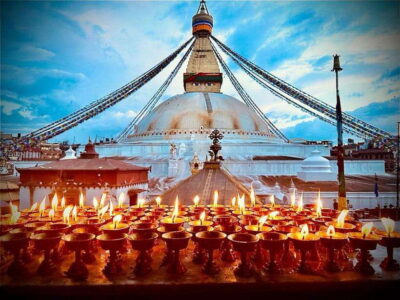
Kathmandu Private Sightseeing Tour | UNESCO World Heritage Sites
Read our review →This tour also appears in