
REVIEW · LUMBINI TOURS
Lumbini: Buddhists Spiritual Exploration
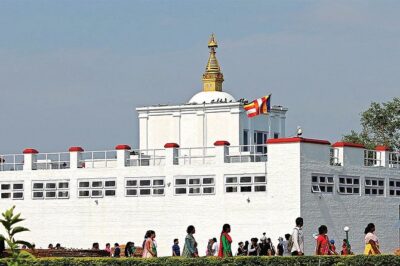
Lumbini’s Maya Devi Temple marks the place where Siddhartha Gautama, later known as the Buddha, was born. This seven-hour private tour gives you a useful guide to the sacred marker stone, the bathing pond, the monastery zone, and the calm gardens, all without making you arrange local transport yourself.
I like the private format, since you can spend more time at a place that interests you and ask questions without keeping pace with a large group. I also like the chance to compare Buddhist buildings from several countries, then step outside the development zone for local food and conversation. The main drawback is value: the listed price is $49 per person, but one confirmed booking was charged $78, and the museum was closed for renovation at that time.
Key points to know before you book
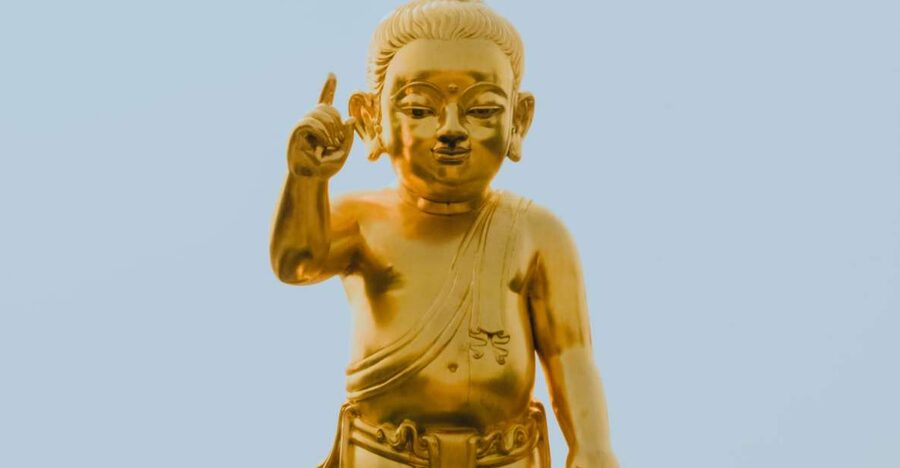
- Maya Devi Temple: Visit the central shrine, sacred marker stone, monuments, and Queen Maya Devi’s bathing pond.
- Private seven-hour outing: Hotel pickup and return are included for hotels in Lumbini, with an English or Hindi-speaking guide.
- Monasteries from around the world: See how different Buddhist traditions express themselves through architecture and worship spaces.
- Quiet time matters here: The gardens give you room for meditation, stillness, and personal reflection.
- Museum status needs checking: The Lumbini Museum was closed for remodeling on May 23, 2024, despite being part of the planned route.
- Extra costs: Food, drinks, entrance fees, and personal expenses are not included.
Why Lumbini feels different from a standard sightseeing stop
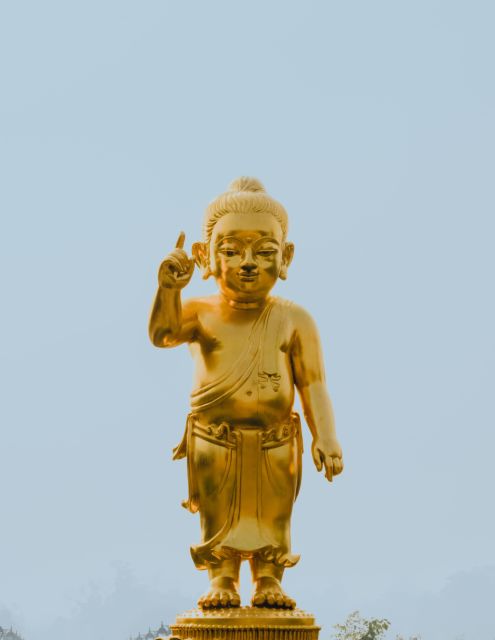
Lumbini is not simply a collection of temples to tick off. Its importance comes from the specific patch of ground at the Maya Devi Temple complex, where Queen Maya Devi is traditionally said to have given birth to Buddha. For many visitors, the central marker is the emotional heart of the day.
You begin with a hotel pickup in the early morning. The tour is based in Lumbini, in Nepal’s Terai region south of Butwal, so the package works best if you are already staying at a hotel in Lumbini. Pickup and drop-off are included from any hotel in the town.
The experience is private, which changes the pace. You can ask your guide to explain a symbol, pause for a quiet moment, or spend less time at a building that does not hold your interest. The tradeoff is that the guide’s quality matters more when you are relying on one person for the day, and no individual guide’s name is provided in the booking information.
More of Lumbini:
- Lumbini Tour Package From Kathmandu or Pokhara: 2 Night 3 Days
★ 4.5 · 14 reviews - Full day Lumbini Tour with Guide
★ 5.0 · 11 reviews - Lumbini Pilgrimage Tour by Flight- 2 Days
★ 5.0 · 7 reviews
Entering the Maya Devi Temple complex
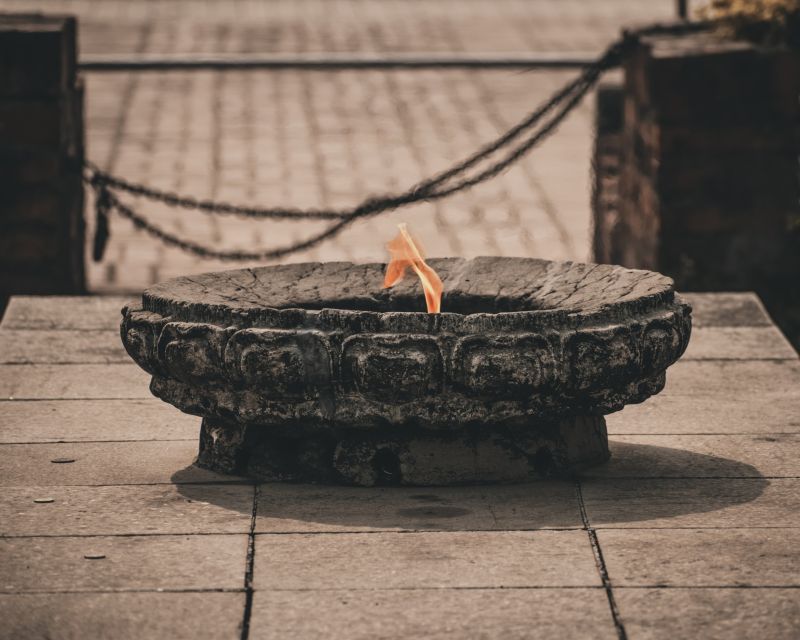
The morning visit begins at the Maya Devi Temple, the place you come to Lumbini to see. The complex includes the exact birthplace area, the sacred marker stone, monuments, and the pond associated with Queen Maya Devi.
This is a site where you should slow down. The value is not in rushing from one object to another, but in understanding why the marker and surrounding remains matter to Buddhist pilgrims. Your guide can give the site a clear cultural frame, which is especially useful if you know little about Buddhist traditions.
The temple complex also gives the day a firm focus. Later monasteries may differ in style and atmosphere, but the Maya Devi site anchors the visit in one event and one location. I would plan to keep your passport or another form of identification with you, since that is specifically requested for the activity.
The tour description calls this the birthplace of Buddha’s enlightenment, but the more precise point is that Lumbini is known as Buddha’s birthplace. His enlightenment took place elsewhere. That distinction matters if you care about Buddhist history and want the guide’s explanations to be clear.
The sacred marker stone and bathing pond
The sacred marker stone is one of the most important details at Lumbini. It helps identify the traditional birthplace within the wider temple complex, giving the visit a sense of place that a general tour of monasteries would not provide.
Nearby, Queen Maya Devi’s bathing pond adds another layer to the story of the site. The pond is part of the traditional account connected with Buddha’s birth, and your guide includes it with the temple visit rather than treating it as an afterthought.
Expect a spiritual setting rather than a showy attraction. The experience depends on your willingness to observe, listen, and allow some quiet. If you prefer packed sightseeing days with constant activity, the slower rhythm may feel too gentle. If you value reflection, this is one of the strongest parts of the tour.
A Nepali lunch, with the bill kept separate
Around midday, you have time for a traditional Nepali lunch at a local restaurant. Food and drinks are not included, so bring money for this stop and for any other personal purchases.
The meal is useful for breaking up the morning and giving you a taste of local life rather than keeping you inside the formal religious zone all day. The exact restaurant and menu are not specified, so you should not book this expecting a fixed culinary program or a set tasting menu.
I like that the schedule leaves room for local food, but the separate cost is worth noting when you compare the tour price. The included bottle of water helps, yet additional drinks, bottled or boiled water, and personal expenses are your responsibility.
A different kind of day from the same base:
- Everest Base Camp Trek – 14 Days
★ 5.0 · 1,499 reviews - Private Kathmandu Sightseeing Tour | UNESCO World Heritage sites
★ 5.0 · 756 reviews - Everest Base Camp Helicopter Tour landing at Everest View Hotel
★ 5.0 · 668 reviews - ZipFlyer Nepal – The World’s Steepest Zip-line
★ 5.0 · 608 reviews
Quiet gardens for meditation and reflection
After the temple and lunch, you have time in Lumbini’s gardens. This is where the tour earns its spiritual title. The gardens offer a calm setting for meditation, reflection, or simply a break from listening and walking.
You do not need to meditate in any formal way. Sitting quietly, watching the grounds, and thinking over the morning can be enough. The schedule allows you to choose how much stillness you want, which is easier with a private group than with a fixed large-party timetable.
The gardens also help you understand why Lumbini appeals to more than committed Buddhists. You can appreciate the religious meaning without sharing every belief connected with the site. That makes this a good choice for travelers interested in culture, faith, architecture, or personal reflection.
Comparing monasteries from different Buddhist traditions
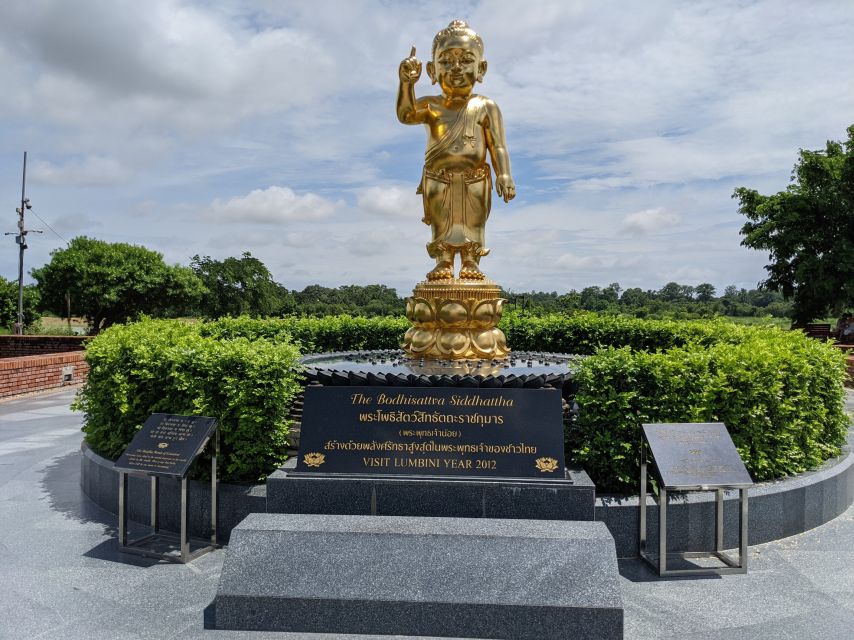
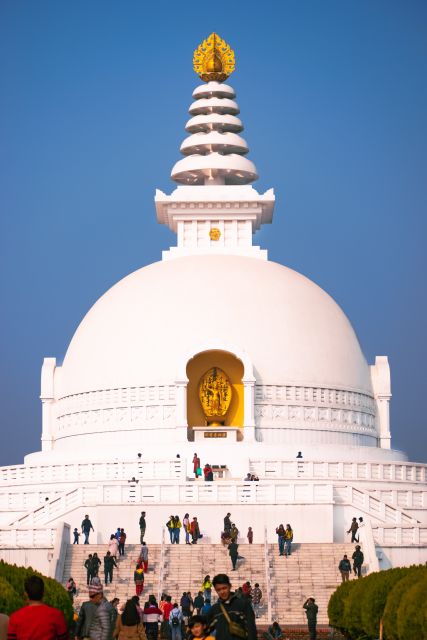
The afternoon continues with visits to monasteries in the Lumbini area. Their different architectural styles reflect Buddhist traditions from around the world. This variety gives you a chance to see how one faith takes on different visual forms across national and cultural settings.
The monastery visits are more rewarding when you compare them. Notice how the buildings differ in design and atmosphere, and ask the guide to explain the traditions behind them. The activity promises cultural exchange and explanations, but it does not provide a fixed list of monastery names, so the exact sequence may vary.
This part also keeps the day from becoming too narrowly focused on one shrine. The Maya Devi Temple connects you with the origin story of Buddha’s life. The monasteries show how Buddhist practice and design developed across different communities.
You should still keep expectations sensible. Seven hours includes the full Lumbini area, but it cannot provide an exhaustive study of every monastery or Buddhist school. Think of it as a guided introduction with time to pause, not a specialist academic tour.
The Lumbini Museum, and an important status warning
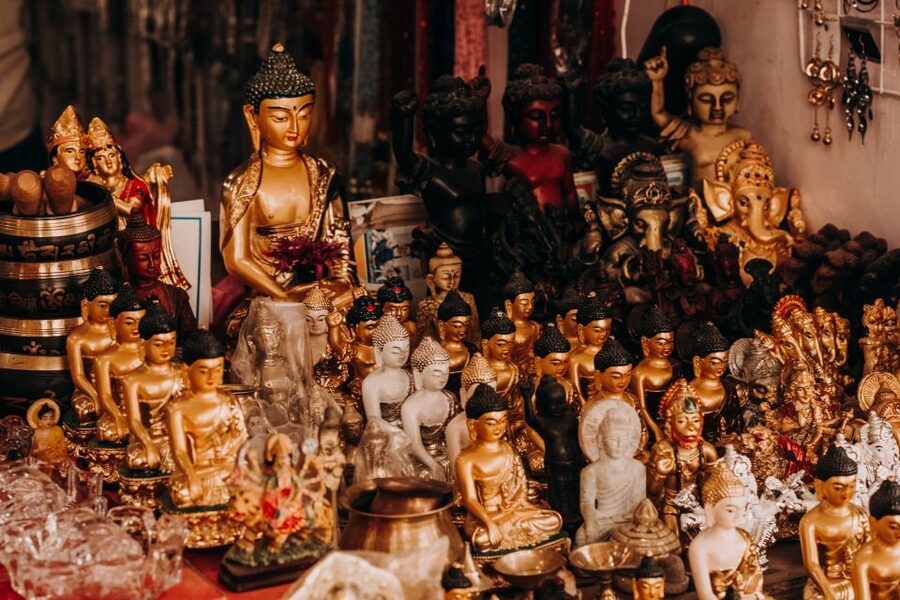
The planned afternoon route includes the Lumbini Museum, where artifacts are intended to explain Buddhism’s development and history. A museum visit can be useful after seeing the temple and monasteries because it puts physical objects and religious sites into a wider context.
There is an important catch. On May 23, 2024, the museum was closed for remodeling, even though it remained part of the advertised experience. The booking information does not confirm its present opening status, so ask for an update before you pay or before the tour begins.
This is not a small detail if the museum is one of your main reasons for booking. If it remains closed, the temple, monasteries, gardens, and local interaction still form a full day, but the experience will not match the complete planned route.
A walk beyond the development zone
Later, you can take a leisurely stroll outside the Lumbini Development Zone. This is a welcome change from formal monuments and monastery grounds. The route allows you to meet local people, try Nepali food, and take part in simple cultural exchanges.
The phrase cultural exchange can sound grand, but here it means direct contact with the local community and time outside the main religious complex. That can make the day feel more connected to present-day Nepal, rather than focused only on ancient religious events.
The exact food, people, and length of the walk are not specified. You should treat this as flexible time with your guide, not as a scheduled market tour or a guaranteed cooking experience. The private format should help you communicate what interests you, provided the guide and agency have the same plan.
One confirmed booking praised the agency’s flexibility with timing. That is useful in Lumbini, where a little extra time at a temple or a quieter garden can improve the day. It also points to the need for clear communication: flexible plans work best when the pickup time, museum status, and included stops are confirmed in advance.
What the $49 price really covers
The advertised price is $49 per person. For that amount, you receive hotel pickup and drop-off from a Lumbini hotel, an English or Hindi-speaking guide, a bottle of water, and visits throughout the Lumbini area and temples.
The main value is convenience and interpretation. You do not need to arrange a car for the day, find each temple yourself, or work out the significance of the marker stone and bathing pond alone. A private guide can also make the experience feel more personal.
Still, the price is not all-inclusive. Entrance fees, lunch, drinks, and personal expenses are separate. The list of personal costs includes phone calls, laundry, bar bills, battery charging, extra porters, extra water, shower use, and similar items.
There is also a clear price warning. A verified booking from May 2024 recorded a charge of $78 and judged that amount high compared with local prices. That does not prove every booking will cost $78, but it means you should check the final price at checkout and compare it with the service you expect.
At $49, the tour can make sense for someone who wants private transport and a guide. At $78, the value becomes harder to defend, especially if the museum is closed and entrance fees and lunch remain extra. The flexibility of the agency was a positive point, but there were also information gaps, including the failure to advise that the museum was under renovation.
Timing, comfort, and practical details
The activity lasts seven hours, with an early morning hotel pickup and return in the evening. Check the available start time when booking, then wait in your hotel lobby 10 minutes before pickup.
The tour is offered for a private group, not a shared coach party. That suits couples, families, and small groups who want to control the pace. It also means solo visitors can avoid being folded into a larger group, though the per-person price may feel less attractive if you are alone.
Wheelchair access is listed, which is useful, but the information does not explain the condition of every surface or provide a detailed accessibility route. If you use a wheelchair, confirm the practical details with the provider before booking.
Bring a passport or ID card. Keep the water bottle provided, and budget for lunch, drinks, entrance fees, and personal costs. Modest, respectful clothing is a sensible choice for temple visits, although no specific dress code is stated in the supplied details.
Free cancellation is available up to 24 hours before the activity for a full refund. You can also reserve now and pay later, which helps if your Lumbini schedule may change.
Who will get the most from this experience
I would recommend this tour to you if you want a private introduction to Lumbini and prefer having one person explain the religious sites as you go. It is especially suitable if you are staying in Lumbini and want transport, a guide, quiet time, monasteries, and local contact in one seven-hour plan.
It also suits first-time visitors who might otherwise miss the meaning of the sacred marker stone or move through the monastery area without context. The English and Hindi options cover many visitors, but no other guide languages are listed.
I would be more cautious if your main goal is the museum. Its closure for remodeling was not communicated clearly, and its current status should be checked. I would also compare local guide prices if you are comfortable arranging transport and explanations yourself.
Should you book this Lumbini tour?
Book it if you value private transport, flexible timing, and a guide who can explain the Maya Devi Temple and monastery traditions. The gardens, sacred marker stone, bathing pond, and local walk give the day a good balance of religious meaning and ordinary Nepali life.
Before paying, confirm the final price, entrance fees, lunch arrangements, pickup time, and whether the Lumbini Museum is open. At the advertised $49, it is a practical choice for a guided day. At the recorded $78 price, I would expect clear communication and a strong guide, and I would compare local alternatives first.
FAQ
Where does the tour take place?
The tour takes place in Lumbini, in Nepal’s Pashchimanchal, or Western Region, in the Terai area south of Butwal.
How long does the activity last?
The experience lasts seven hours, beginning with an early morning hotel pickup and ending with a return to your hotel.
Is hotel pickup included?
Yes. Pickup and drop-off are included from any hotel in Lumbini. You should wait in the hotel lobby 10 minutes before the scheduled pickup.
What languages does the guide speak?
The live guide is available in English or Hindi.
Is this a private tour?
Yes. The activity is arranged for a private group.
What sites are included?
The route includes the Maya Devi Temple complex, Buddha’s birthplace, the sacred marker stone, Queen Maya Devi’s bathing pond, Lumbini’s monasteries, the gardens, and the entire Lumbini area and temples.
Is lunch included in the price?
No. A traditional Nepali lunch is planned at a local restaurant, but food and drinks are not included.
Is the entrance fee included?
No. Entrance fees are listed as an additional cost.
What should I bring?
Bring your passport or ID card. You should also budget for food, drinks, entrance fees, and personal expenses.
Recently added around Nepal
- Kathmandu Airport Pickup and Drop-off Services★ 5.0 · 3 reviews
- Kathmandu Paragliding★ 5.0 · 3 reviews
- Paragliding in Pokhara★ 5.0 · 3 reviews
- Pokhara: 5-Day Annapurna Base Camp Trek with Hot Spring★ 5.0 · 3 reviews
- Kathmandu Chandragiri Cable Car and Swayambhunath Private Tour★ 5.0 · 3 reviews
- Explore The Beauty Of Langtang Valley In 8-Days Trek★ 5.0 · 3 reviews
- Pokhara:4-Day Ghorepani Poon Hill Guided Trek via Ghandruk★ 5.0 · 3 reviews
- Pokhara: 7-Day Annapurna Base Camp Trek via Ghandruk★ 4.3 · 3 reviews
Other Lumbini Tours worth a look
Lumbini Tour Package From Kathmandu or Pokhara: 2 Night 3 Days
Read our review →
This tour also appears in