
REVIEW · LUMBINI TOURS
Lumbini Full day tour with Guide
Lumbini is not just another historic stop in Nepal. It is the place revered as Siddhartha Gautama’s birthplace, and the visit centers on the exact spot where Queen Maya Devi is believed to have given birth. I like the quiet Sacred Garden and the chance to see Buddhist architecture from several countries in one large complex. I also like having a private guide such as Suhail or Sahil, especially when you want history explained rather than simply pointed out.
The main caution is cost and timing. The $38 price covers your guide, private group, pickup within the Lumbini area, and a bottle of water, but you still pay entrance fees, food, drinks, and possibly a tuk-tuk. One booking lasted only four hours instead of the advertised eight, so confirm the day’s plan before setting out.
Key points to know before booking
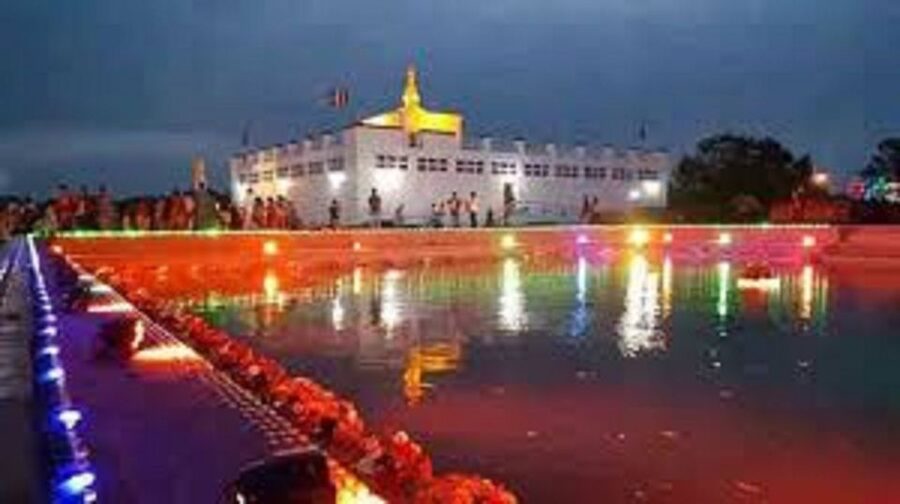
- The Maya Devi Temple is the heart of the visit: See the marker stone linked to Buddha’s birth and the sacred pond associated with Queen Maya Devi.
- You get a private guide: English, Nepali, and Hindi are available, with Suhail and Sahil praised for patience and clear explanations.
- The tour covers more than one shrine: International monasteries show how Buddhist communities from different countries express the same faith through different designs.
- The complex is large: A tuk-tuk can make getting around easier, but it is an extra expense and can reduce the value of the $38 package.
- The tour includes useful local help: Suhail has helped visitors find monastery accommodation and gain access to private areas.
- Bring only the basics: Carry your passport or ID, cash, and comfortable shoes. Large bags and luggage are not allowed.
Why Lumbini deserves a full day
Lumbini sits in Nepal’s western Terai, close to the Indian border. For Buddhists, its importance is direct and personal: this is the place traditionally identified as the birthplace of Gautama Buddha. For everyone else, it offers a calm meeting point of faith, archaeology, architecture, and ordinary Nepali life.
The main site is the Lumbini Development Zone, also called the Sacred Garden. It is spread out, with gardens, monasteries, shrines, museums, and pilgrimage areas separated across a broad grounds. That layout makes the place peaceful, but it also means you need time and energy to see it properly.
I would not treat this as a quick photo stop. The most meaningful parts are quiet ones: standing near the sacred marker in the Maya Devi Temple, noticing how different countries interpret Buddhist design, and allowing time for the site’s calm mood to sink in. A guide helps connect those pieces so the visit does not become a long walk between unrelated buildings.
The advertised duration is eight hours. That is enough time for a careful visit, though the actual pace depends on your interests, entry arrangements, and transport inside the zone. Since one booking reportedly lasted four hours, ask the guide what will be covered and how long each part is expected to take.
More of Lumbini:
- Lumbini Tour Package From Kathmandu or Pokhara: 2 Night 3 Days
★ 4.5 · 14 reviews - Full day Lumbini Tour with Guide
★ 5.0 · 11 reviews - Lumbini Pilgrimage Tour by Flight- 2 Days
★ 5.0 · 7 reviews
Starting with hotel pickup and a private guide
Pickup is included from hotels within a 3-kilometer radius of the Maya Devi Temple. That is convenient if you are already staying in the Lumbini temple area, but it is not a general pickup service across the wider region. If your hotel is farther away, arrange your own transport to the meeting point.
The experience is private, so you are not tied to the pace of a large group. That matters at a religious site. You can pause for questions, spend longer at the temple, or move on when a particular monastery is less interesting to you.
Guides speak English, Nepali, or Hindi. Suhail receives particularly strong praise for being friendly, flexible with the start time, and helpful beyond the formal sightseeing. He has helped with monastery accommodation and introduced visitors to private parts of Lumbini. Sahil is also described as patient and good at answering questions.
Those personal touches can make a real difference here. Lumbini has plenty of signs and impressive buildings, but the meaning of the site is not always obvious. A guide can explain what you are seeing, point out the parts that matter most, and help you avoid spending your limited time on less important stops.
The Maya Devi Temple and the sacred birthplace
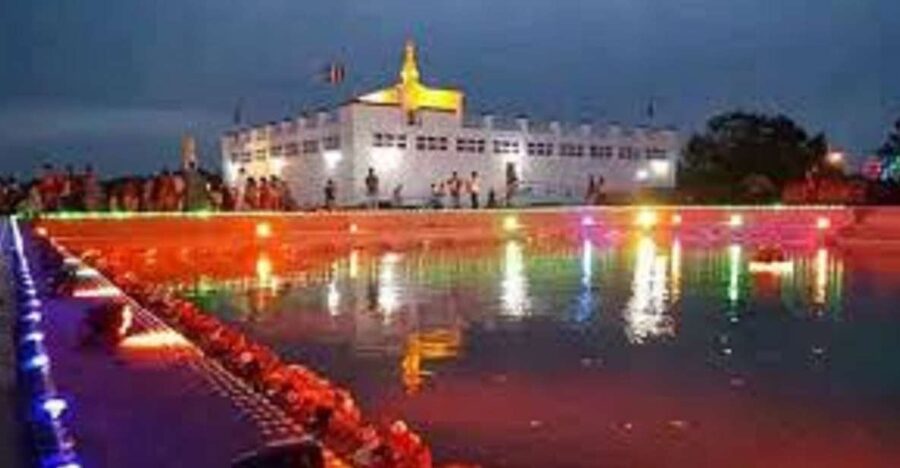
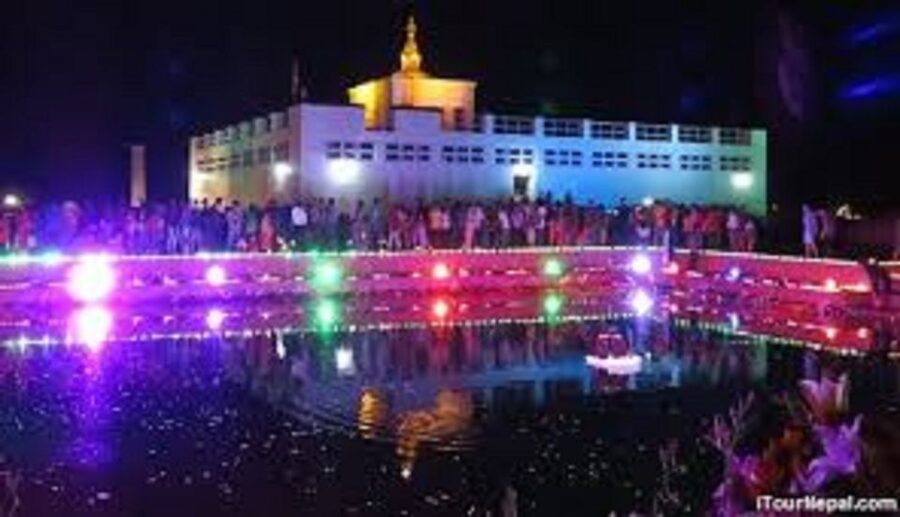
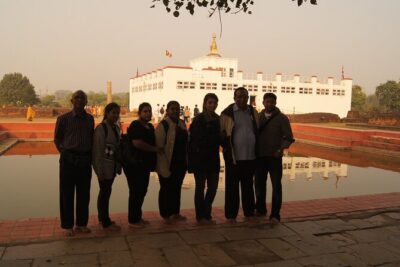
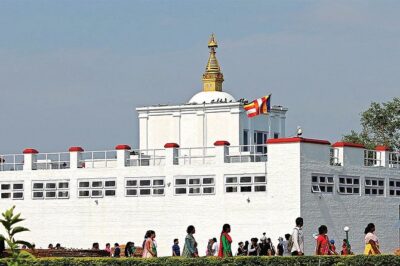
The Maya Devi Temple is the central stop. It is dedicated to Queen Maya Devi, Buddha’s mother, and marks the location traditionally associated with Siddhartha Gautama’s birth.
Inside, you can see a sacred marker stone connected with that birthplace. The temple also includes a pond where Queen Maya Devi is believed to have bathed before giving birth. These are simple, concentrated points of pilgrimage rather than grand theatrical attractions.
Expect the mood to be respectful and quiet. This is an active sacred place, not only an archaeological monument. You should dress and behave with care, follow any instructions inside, and allow people who have come to pray or meditate their space.
I like this part of the tour because it gives the rest of Lumbini a clear purpose. Without it, the monasteries can seem like a collection of international buildings. After seeing the Maya Devi Temple, you understand that the surrounding site is organized around one powerful religious memory.
Admission is not included in the tour price. Keep cash available for entry fees and other small expenses. The specific amount is not provided here, so ask your guide or confirm locally before arriving.
Walking through the Sacred Garden
The Sacred Garden gives Lumbini its quiet character. Green gardens and open areas surround the main religious and archaeological sites, creating room for reflection between stops.
The description calls this a hiking tour, so comfortable shoes are important. You may walk between several areas, and the complex is large enough that the day can become tiring in heat or rain. The tour operates rain or shine, so bring practical clothing and do not assume poor weather will cancel the outing.
The walking is part of the experience, but you do have another option for covering more ground. A tuk-tuk can make it easier to visit the distant parts of the complex. It is not included, and one booking found that adding a tuk-tuk and separate monastery admission made the total feel relatively expensive.
My advice is to decide what kind of day you want. If you prefer a slower visit focused on the Maya Devi Temple and a few major sites, walking with the guide may be enough. If you want to see many monasteries in the available time, ask about tuk-tuk pricing before agreeing.
A few more Nepal days to weigh up
- Kathmandu: Full Day 7 UNESCO Tour with Lunch – Private/Group
★ 5.0 · 415 reviews - Kathmandu: Full Day Top 4 UNESCO Tour with Lunch – Private/Group
★ 5.0 · 269 reviews - Kathmandu: Full-Day 7 UNESCO Tour with Lunch – Private/Group
★ 4.9 · 247 reviews - Full-Day Tibetan Cultural Tour to Tibetan Settlements Pokhara
★ 5.0 · 184 reviews
International monasteries and Buddhist design
One of Lumbini’s most interesting features is the collection of monasteries, temples, and shrines built by Buddhist communities from different countries. Each reflects its own artistic style, building tradition, and religious emphasis.
You may see strong contrasts from one stop to the next. The value is not simply in photographing unusual buildings. The monasteries show how Buddhism developed across borders while retaining shared beliefs and symbols.
This is where a guide adds context. Without explanation, you might notice only differences in roofs, colors, statues, or courtyard layouts. With Suhail or Sahil, you can ask why a building looks different and how it relates to the Buddhist community that created it.
Access can also vary. One booking received help getting into private areas and closed doors, which suggests that local connections may shape the visit. Do not assume every part of every monastery will be open, though. Entry arrangements can change, and some locations may require an additional admission fee.
Nava Maitri Maha Viharaya is one specific example where admission was not included. That extra cost is worth keeping in mind if it is part of your preferred route.
The Lumbini Museum and the story behind the site
The Lumbini Museum holds artifacts and archaeological findings connected with Buddha’s life and the development of Buddhism in the region. It offers a useful change of pace after the outdoor garden and monasteries.
I would use the museum to put the sacred places into a wider setting. The Maya Devi Temple gives you the religious focus, while the museum can help explain the archaeology and the way Lumbini became an important pilgrimage destination.
The available information does not specify whether museum admission is included, so ask before entering. The general tour price excludes entrance fees, and you should not assume that every site within the development zone is covered.
If you have a strong interest in Buddhist history, allow enough time for the museum rather than rushing past it to see another exterior. If your priority is meditation, architecture, or photography, your guide can help balance the schedule.
Beyond the temple zone: villages and local life
The tour description also allows for exploring villages outside the main Lumbini Development Zone. This is a different experience from visiting the polished religious grounds.
You might see more of everyday life, taste traditional Nepali food, and interact with local communities. The information does not promise a fixed village itinerary or a meal, so treat this as a possible part of the day rather than a guaranteed stop.
This option is useful if you want the visit to feel connected to present-day Nepal, not only to an ancient religious site. Ask your guide how much time can be devoted to the villages and whether food or drinks will be purchased separately.
Food and drinks are not included. You receive one bottle of water, but bringing extra cash is sensible, especially if you plan to buy a meal or refreshments outside the main zone.
What the $38 price really covers
At $38 per person, this is not the cheapest way to look around Lumbini, especially once you add admission fees and perhaps a tuk-tuk. The value comes from the private format and the guide’s time.
For someone who already knows the site and wants only a quick look at the Maya Devi Temple, paying for a guide may feel unnecessary. Lumbini is a place where you can walk, observe, and reflect without constant activity.
For a first visit, the price is easier to justify. You receive hotel pickup and drop-off within the stated area, a private tour, an English, Nepali, or Hindi-speaking guide, and a bottle of water. A good guide can also save time across the large complex and provide help with local arrangements.
The strongest value comes if you use the full eight hours and ask questions. It becomes weaker if the outing ends after four hours or if several extra costs appear without warning. Before starting, confirm:
- Which monasteries are included
- Whether the Lumbini Museum is part of the route
- Which admission fees you must pay
- Whether a tuk-tuk is recommended and how much it costs
- How long the tour is expected to last
The private format also suits people who dislike fixed group schedules. You can ask for more history, more quiet time, or a wider look at the surrounding area.
Practical preparation for a hot, sacred site
Bring your passport or another form of identification, cash, and comfortable shoes. You should not bring luggage or large bags, so leave bulky items at your hotel.
The tour runs rain or shine. The Terai can feel warm, and the amount of walking may be considerable, so simple practical clothing will serve you better than anything formal or restrictive.
Pregnant women are specifically listed as unsuitable for this activity. If you have concerns about walking for several hours, ask the provider about the pace and the possibility of using a tuk-tuk.
Plan to carry only what you need. Cash is especially important because entrance fees, food, drinks, and optional transport are excluded. The free cancellation period is up to 24 hours before the activity, and the reserve-now, pay-later option can help if your Nepal plans are still changing.
Who will enjoy this Lumbini tour most
I would recommend this experience most strongly if you care about Buddhism, archaeology, religious architecture, or local history. It is also a good choice if you want a private day and prefer asking questions as you go.
You will get the most from it if you are comfortable walking, willing to respect the religious setting, and interested in more than taking a quick photograph at the birthplace marker.
It may be less suitable if you want a tightly fixed schedule with every cost included. The extra admission fees and possible tuk-tuk charge can change the final price. It is also not suitable for pregnant women, according to the activity information.
The guide is the main reason to choose this over an independent visit. Suhail and Sahil are praised for friendly service, patience, flexibility, and clear answers. Suhail’s local connections may be especially useful if you want help finding a monastery stay or seeing areas not normally open to everyone.
Should you book this private Lumbini day tour?
Book it if this is your first visit to Lumbini and you want the Maya Devi Temple explained in context, along with the international monasteries and museum. The private format, local guide, and possible help with monastery accommodation make the $38 reasonable when the full eight-hour plan is used.
Think twice if you are watching every dollar or only want the central temple. In that case, a shorter independent visit may suit you better. Before paying, confirm the start time, expected length, included stops, entrance fees, and any tuk-tuk cost.
For most visitors who want history and personal guidance, I would choose the tour, but I would make those cost and timing questions part of the booking conversation.
FAQ
Where is Lumbini located?
Lumbini is in Nepal’s western Terai region, in the Pashchimanchal Western Region, near the border with India.
What is the main site visited on the tour?
The main site is the Maya Devi Temple in the Lumbini Development Zone. It marks the place traditionally associated with Queen Maya Devi giving birth to Siddhartha Gautama.
How long does the tour last?
The advertised duration is eight hours. One booking lasted four hours, so confirm the planned schedule and stops with the guide before beginning.
What languages does the guide speak?
The live guide service is available in English, Nepali, and Hindi.
Is hotel pickup included?
Yes. Pickup and drop-off are included for hotels within the Lumbini temple area, stated as within a 3-kilometer radius of the Maya Devi Temple.
Are entrance fees and food included?
No. Entrance fees, food, and drinks are not included. A bottle of water is provided, and you should bring cash for additional expenses.
What should I bring, and what is not allowed?
Bring your passport or ID card, cash, and comfortable shoes. Luggage and large bags are not allowed.
Recently added around Nepal
- Kathmandu Airport Pickup and Drop-off Services★ 5.0 · 3 reviews
- Kathmandu Paragliding★ 5.0 · 3 reviews
- Paragliding in Pokhara★ 5.0 · 3 reviews
- Explore The Beauty Of Langtang Valley In 8-Days Trek★ 5.0 · 3 reviews
- Pokhara: 5-Day Annapurna Base Camp Trek with Hot Spring★ 5.0 · 3 reviews
- Kathmandu Chandragiri Cable Car and Swayambhunath Private Tour★ 5.0 · 3 reviews
- Pokhara:4-Day Ghorepani Poon Hill Guided Trek via Ghandruk★ 5.0 · 3 reviews
- Pokhara: 7-Day Annapurna Base Camp Trek via Ghandruk★ 4.3 · 3 reviews
Other Lumbini Tours worth a look
Lumbini Tour Package From Kathmandu or Pokhara: 2 Night 3 Days
Read our review →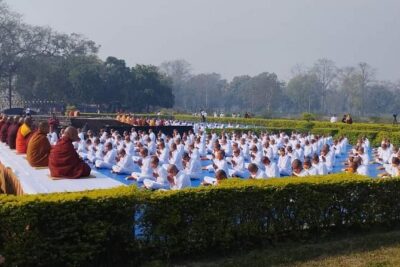
This tour also appears in