
REVIEW · EVEREST BASE CAMP TREKS
14 Days Everest Base Camp Trek
The payoff here is clear: you walk to Everest Base Camp at 5,463 meters, then climb Kala Patthar for one of the closest broad views of Everest. You also get the memorable flight between Kathmandu and Lukla, where mountain weather can make the airport schedule part of the adventure.
I like the built-in acclimatization days at Namche and Dingboche, and I like that permits, meals, porters, airport transfers, and a medical kit are included. The main caution is the pace. This is a demanding high-altitude trek, and the short 14-day schedule leaves little room for delays or illness.
Key points to know before booking
- Kala Patthar sunrise: The early climb gives you a close view of Everest and the surrounding peaks.
- Two acclimatization stops: Namche Bazaar and Dingboche each include a higher walking day rather than a full day of inactivity.
- Lukla flights included: Domestic flights, airport pickup, and transfers are part of the package, but weather can affect timing.
- Private group format: Only your group takes part, with a licensed guide and porters arranged for the trek.
- Meals and permits covered: Thirteen breakfasts and dinners, eleven lunches, national park fees, and local government charges are included.
- Real altitude demands: You reach around 5,000 meters on the acclimatization hike and more than 5,400 meters near the trek’s high points.
Why this Everest trek is worth considering
For many people, Everest Base Camp is less about standing at a single famous point and more about the steady change in the world around you. You begin in Kathmandu, then trade city streets for suspension bridges, stone villages, Buddhist monuments, yak paths, and enormous Himalayan peaks.
The route gives you a good range of experiences. Namche Bazaar brings Sherpa culture and mountain-town life. Tengboche adds a monastery setting and sweeping views. Dingboche gives you a real lesson in how your body responds to altitude. Near the end, the trail becomes more severe and spare, with glaciers, memorials, and high valleys leading toward Base Camp.
The package costs $1,680 per person. That is a substantial price, but it covers several expensive and useful pieces: domestic flights, a licensed guide, porters, lodging arrangements, most meals, permits, government fees, airport pickup, and local transfers. You still need to budget for Nepal’s entry visa, travel insurance, personal spending, drinks, tips, and emergency rescue.
The private format matters. You are not tied to a large group’s pace, though your walking schedule still follows the realities of altitude. A private trek can also make it easier to discuss symptoms, rest needs, and daily progress with your guide.
More Hiking Tours in Kathmandu
- Everest Base Camp Trek – 14 Days
★ 5.0 · 1,499 reviews - Everest Base Camp Trekking
★ 5.0 · 485 reviews - Nagarkot Sunrise View and Day Hiking from Kathmandu
★ 5.0 · 471 reviews
Day 1: Kathmandu arrival and a soft landing
Your first day begins at Tribhuvan International Airport, where a representative from Magic Himalaya Treks and Expeditions meets you with your name displayed. Private transportation takes you to your hotel.
There is no sightseeing program listed for this day, and that is sensible. Kathmandu arrival days can be tiring, especially after international flights. Use the time to settle in, check your equipment, and prepare for the early start to Lukla.
The package provides accommodation and breakfast on the return day in Kathmandu, but the full lodging arrangement for every night is not itemized in the supplied details. Ask for the exact hotel list before paying, especially if room type and location matter to you.
Day 2: The Lukla flight and the first walk
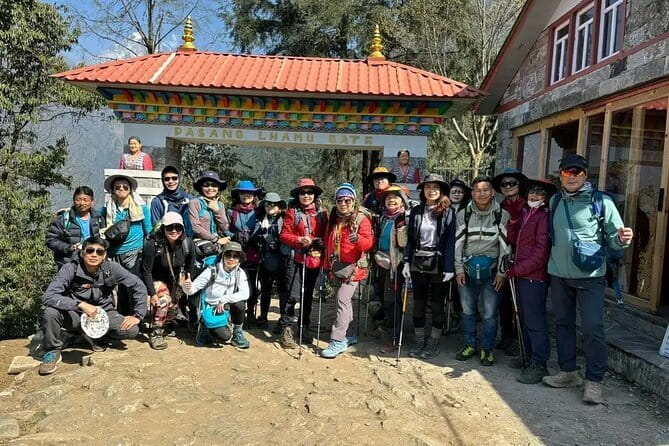
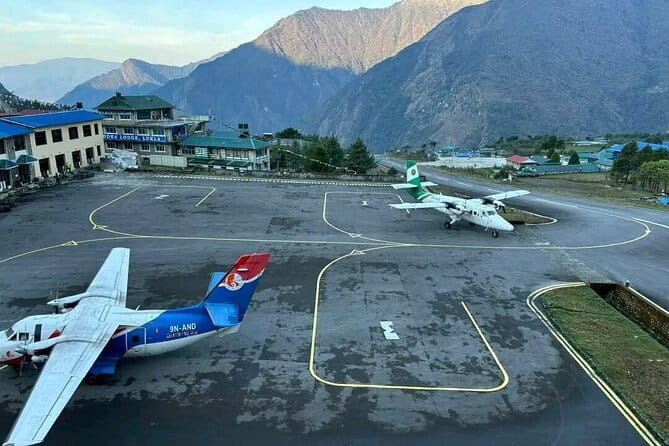
Your guide picks you up at the hotel and takes you to Kathmandu’s domestic terminal. From there, you fly to Lukla, meet the porters, and begin walking.
The day’s trek takes about five hours. Lukla is the gateway to the Everest region, and reaching it by air saves a long road journey. It also adds a practical risk: mountain weather can change quickly, so flight timing may shift. Keep some flexibility in your wider Nepal plans.
The first walking day is not the hardest, but it sets the rhythm for the next two weeks. You will want comfortable boots, a light daypack, and enough water. Porters carry the larger loads, while you carry what you need during the day.
Day 3: Suspension bridges and Namche Bazaar
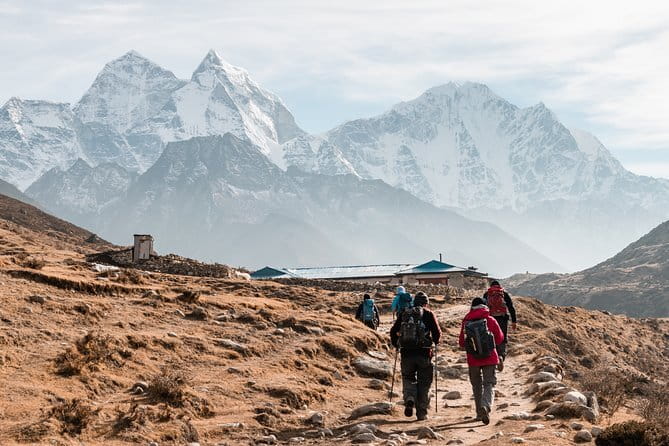
The trail follows the Dudh Koshi River and crosses several suspension bridges before lunch in Jorsale village. From there, you continue toward Namche Bazaar, with roughly six hours of walking.
This is your first major test of endurance. The route is not simply a flat approach to the mountains. The bridges, rising trail, and longer climb toward Namche make this a day when a slow pace pays off.
Namche is one of the most important settlements in the region. It is a place to pause, eat, and see how Sherpa communities support life and mountain travel at high altitude. The package gives you two nights here, which is important rather than decorative. Your body needs time to adjust.
More Everest Base Camp Treks in Kathmandu:
- Everest Base Camp Helicopter Tour landing at Everest View Hotel
★ 5.0 · 668 reviews - Everest Base Camp Trekking – 13 Day
★ 5.0 · 365 reviews - Everest Base Camp Trek -14 Days
★ 5.0 · 321 reviews - Everest Base Camp Helicopter Tour landing at Hotel Everest View
★ 5.0 · 218 reviews
Day 4: Acclimatization above Namche
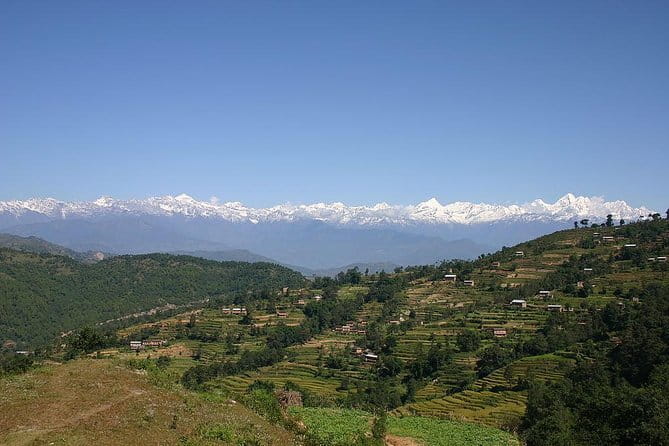
The first rest day is active. You walk for around four hours, with options including the Syangboche viewpoint or the Everest View area.
That is a smart use of time. Acclimatization works better when you gain some height during the day and sleep lower afterward. The walk also helps you learn how altitude feels before the trail climbs much higher.
Do not treat this as an easy sightseeing stroll. Even a short climb can leave you breathless at this elevation. Walk slowly, drink regularly, and tell your guide if you develop a headache, nausea, unusual fatigue, or other symptoms.
Namche is also a good place to enjoy the human side of the trek. You have time to notice local architecture, mountain commerce, and the role of Sherpa communities in Himalayan climbing and tourism.
Day 5: Tengboche and the big mountain views
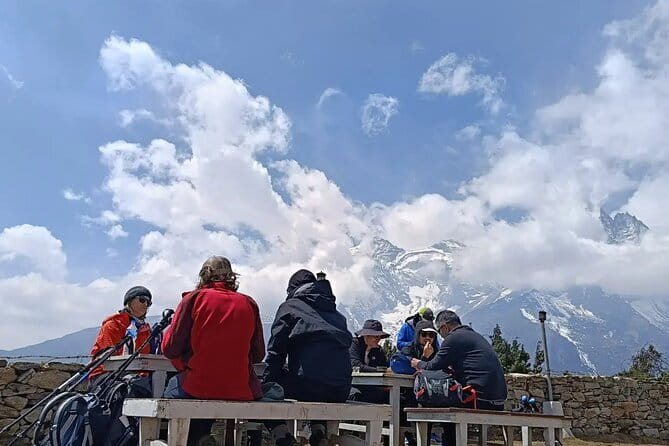
The walk to Tengboche takes about six hours and is described as one of the finest days on the route. You walk with views toward Everest and peaks including Ama Dablam, Thamserku, and Taboche.
Tengboche is special because the setting combines a high mountain trail with a monastery area. Even if your main goal is Base Camp, this stop gives the journey a cultural center. It is a good reminder that the Khumbu is not only a route for climbers. It is also home to communities with long-standing religious and practical ties to the mountains.
The views can be a little deceptive. A clear morning may make the destination look close, but the altitude and uneven trail still demand steady effort. Keep your focus on the day’s walking time rather than trying to race toward the next village.
Day 6: Pangboche to Dingboche
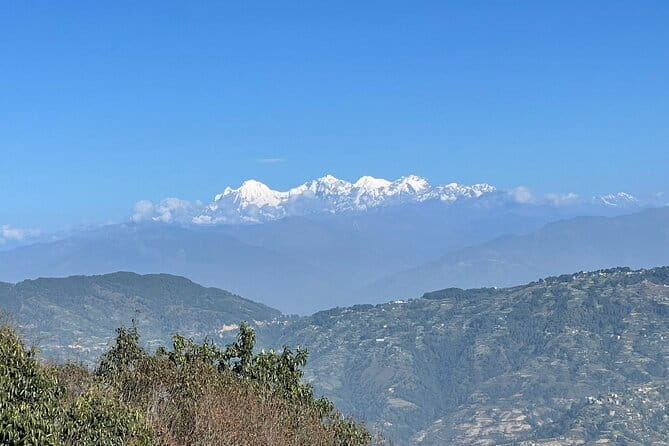
This is one of the shorter walking days, at about four to five hours. You pass through Pangboche and Sanasa before reaching Dingboche around lunchtime, with Ama Dablam providing a memorable backdrop.
A shorter day is valuable here because Dingboche sits higher and the air is thinner. Arriving around lunch leaves time to eat, rest, and prepare for the next acclimatization hike.
Dingboche is a practical base for adjusting to altitude. It is also where the trek begins to feel more serious. Temperatures, sleep, appetite, and energy can all change as you climb. A strong fitness level is required, but fitness alone does not guarantee a trouble-free ascent. Altitude affects people differently.
Day 7: The Nangkartshang Hill acclimatization hike
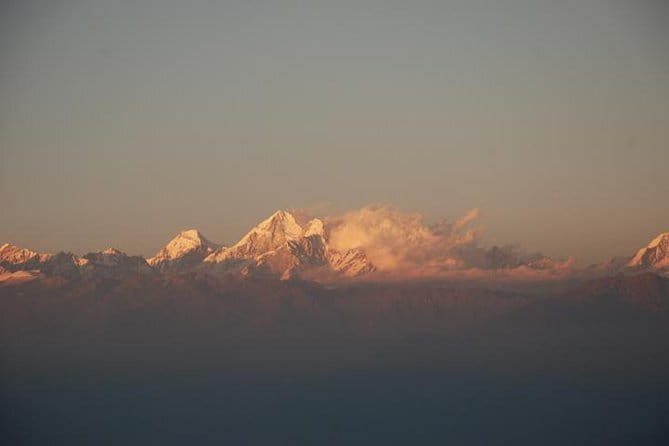
Instead of spending the second rest day indoors, you climb Nangkartshang Hill, which reaches around 5,000 meters. From the high point, you can look across the Imja Tse Valley toward Island Peak, Ama Dablam, and other mountains.
This is a demanding acclimatization day, not a casual break. The benefit is that you gain height during daylight and return to Dingboche to sleep lower. The drawback is that the walk can be tiring just as your body is working hard to adapt.
Pay attention to how you feel rather than treating the stated height as a target you must conquer. Your guide should help you judge the pace and your condition. The medical kit and required medicines are included, but they are not a substitute for careful decisions or travel insurance.
Day 8: Lobuche and the Thukla Pass memorials
The trail to Lobuche takes about six hours and passes through Thukla and Thukla Pass. At the pass, you see memorials dedicated to climbers who died in the Himalayas.
This section brings emotional weight to the trek. The monuments make the risks of high-altitude climbing visible and personal. They also help explain why the Everest region carries such importance in the adventure world.
Lobuche is close to the final push, but do not assume the hardest part is over. At this height, ordinary walking takes more effort, and the cold can add to the strain. Keep your layers handy and use the day to conserve energy for Base Camp and Kala Patthar.
Day 9: Gorak Shep and Everest Base Camp
This is one of the longest days. You walk to Gorak Shep in the morning, eat a light lunch, and continue to Everest Base Camp. The walk from Gorak Shep to Base Camp takes around two hours in the supplied schedule.
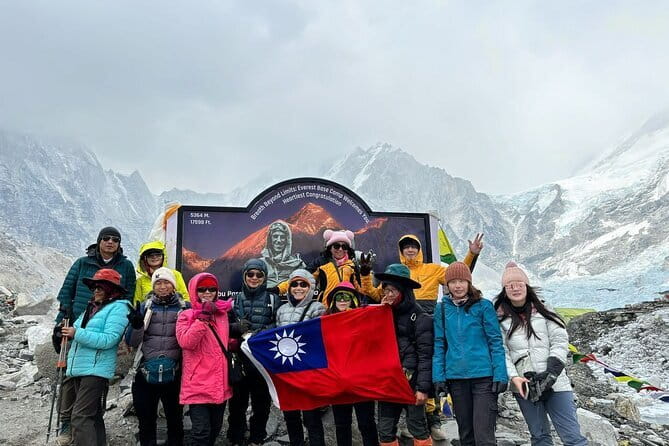
Base Camp sits at about 5,463 meters, though its position changes as the Khumbu Glacier shifts. That moving setting is part of what makes the destination different from a fixed monument. You are reaching a high-altitude climbing base on a living, changing glacier system.
The final approach can be rough and tiring. This is not a paved viewpoint with an easy arrival. Expect a stark, rocky route and limited comfort. The reward is the sense of reaching the end of a long foot journey, along with views of the Khumbu area and the mountaineering route beyond.
The schedule places Base Camp on Day 9 and Kala Patthar early the next morning. That order gives you two major moments close together, but it also creates a very full stretch of walking at altitude.
Day 10: Kala Patthar at sunrise
You wake early, have tea, and climb Kala Patthar for sunrise. The summit reaches about 5,450 meters, almost as high as Base Camp, and is known as one of the closest broad viewpoints for Everest.
This is often the visual high point of the trek. From Kala Patthar, you can take photographs and pause among the Himalayan peaks before descending to Gorak Shep for breakfast.
The early start is necessary for the sunrise view, but it is demanding after the previous day. Bring warm layers, protect electronics from cold, and keep your expectations realistic. Clouds or poor weather can limit the view. The trek requires good weather, and bad conditions can also affect flights.
After breakfast, you begin descending. The lower you go, the more easily you may breathe, but the return is still long and tiring.
Days 11 and 12: Returning through Namche to Lukla
Day 11 brings about six hours of walking back toward Namche. You pass Pangboche and Tengboche, eat lunch at Phortse Tenga, and spend the night in Namche.
This is not merely a repeat of the outward route. Descending lets you notice details that altitude and effort may have hidden earlier. Namche also gives you a more comfortable stop after the high country, with the chance to enjoy its bars and pubs if you choose to spend money on drinks.
Day 12 is the final trekking day and takes around seven to eight hours. You walk from Namche to Lukla, stopping for lunch in Phakding. The schedule includes a celebration in Lukla, with attention given to making the porters happy.
That detail reflects the team nature of the trek. Porters carry a major share of the practical load, and tips are listed as compulsory. Set aside cash for tips and clarify the expected amount with the company before departure.
Days 13 and 14: Flight back to Kathmandu and departure
On Day 13, you head to the airport after breakfast according to the flight schedule. Once you reach Kathmandu, a driver transfers you to your hotel for a full rest day.
This buffer is useful. Lukla flights can be affected by weather, and even a smooth flight leaves you tired after the trek. Do not plan an important international connection for the same day unless the company confirms the timing and you accept the risk.
Day 14 is departure day, with breakfast provided before your flight home. The schedule allows 14 days from arrival to departure, but the mountain section is intense and the flight timetable is not fully within anyone’s control.
What the $1,680 price covers
The price has solid practical value if you want a managed trek rather than arranging each part yourself. Included are:
- Airport pickup and private Kathmandu transfers
- Domestic round-trip flights associated with the Kathmandu to Lukla route
- A licensed, experienced guide
- Required porters, including their salary and expenses
- Sagarmatha National Park entrance fees
- Khumbu Municipality charges
- Government taxes and VAT
- A medical kit and required trek medicines
- Thirteen breakfasts
- Thirteen dinners
- Eleven lunches
The package does not cover personal expenses, alcoholic or non-alcoholic bar bills, extra food or drinks with meals, Nepal’s entry visa, international flights, departure tax, travel insurance, emergency rescue, or tips.
The rescue exclusion deserves careful attention. At this altitude, evacuation can be expensive, so insurance designed for high-altitude trekking is not optional in practical terms. Confirm that your policy covers the maximum elevation on this route and emergency transport in Nepal.
Who should book this trek?
I would consider this trip if you want the classic Everest Base Camp route, a private group, organized support, and a clear 14-day structure. It suits people with strong physical fitness who are prepared for long walking days, early starts, cold conditions, and altitude.
It is less suitable if you want a relaxed holiday or a schedule with generous weather buffers. The two acclimatization stops are a good feature, but this remains a compact program. Anyone with concerns about altitude should discuss the plan with a medical professional before booking.
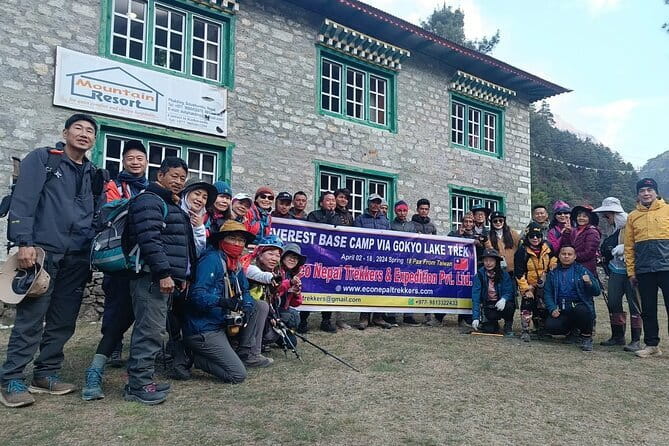
The company’s team has also handled other Everest routes, including a longer Gokyo Lakes version. That matters if you decide you want more time in the region or a different approach. For this specific package, ask about current flight arrangements, accommodation names, porter loads, tipping expectations, and the plan if you cannot continue.
Final decision: a strong route with a tight clock
I would book this trek if reaching Everest Base Camp and Kala Patthar is your priority, and if you value having transport, permits, food, guides, and porters arranged in one package. The route includes the right acclimatization pattern, major viewpoints, Sherpa communities, and the classic Lukla experience.
I would hesitate if your travel dates are fixed with no spare time after Day 13, or if you are not ready for the physical demands. The company receives strong praise for professional care, encouragement, organization, and personal attention. Still, no guide can remove the basic risks of altitude, weather, or remote mountain travel.
The best booking decision is to treat this as a serious trek, not a sightseeing tour with a mountain backdrop. Prepare well, insure yourself properly, budget for tips and personal costs, and ask direct questions about the daily schedule. If you can accept the effort and the uncertainty, the combination of Sherpa culture, high trails, Base Camp, and a Kala Patthar sunrise makes this a compelling Everest experience.
FAQ
How long does the Everest Base Camp Trek take?
The experience lasts approximately 14 days, including arrival and departure in Nepal. The schedule includes the trek from Lukla to Everest Base Camp, the return walk to Lukla, and flights between Lukla and Kathmandu.
What altitude does Everest Base Camp reach?
Everest Base Camp is listed at 5,463 meters above sea level. Its exact position changes as the Khumbu Glacier shifts.
How high is Kala Patthar?
Kala Patthar reaches approximately 5,450 meters above sea level. The schedule includes an early morning climb for sunrise and mountain views.
Are meals included?
Yes. The package includes 13 breakfasts, 13 dinners, and 11 lunches. Extra items with breakfast, lunch, and dinner are not included, and personal drinks and bar bills cost extra.
Are permits, guides, and porters included?
Yes. The price includes Sagarmatha National Park fees, Khumbu Municipality charges, government taxes and VAT, a licensed guide, and required porters with their salary and expenses.
What happens if bad weather cancels the experience?
The experience requires suitable weather. If it is canceled because of poor weather, you are offered a different date or a full refund. Any flight timing can also depend on conditions in the mountains.
Recently added around Kathmandu
- Kathmandu Airport Pickup and Drop-off Services★ 5.0 · 3 reviews
- Kathmandu Paragliding★ 5.0 · 3 reviews
- Kathmandu Chandragiri Cable Car and Swayambhunath Private Tour★ 5.0 · 3 reviews
- Explore The Beauty Of Langtang Valley In 8-Days Trek★ 5.0 · 3 reviews
- Kathmandu: Nightlife and Pub Crawl Tour★ 5.0 · 3 reviews
- Mountain Flight Experience in Nepal★ 4.5 · 3 reviews
- Kathmandu: Momo Making Class with a Local Chef★ 5.0 · 3 reviews
- Everest Base Camp Trek★ 5.0 · 3 reviews
Other Everest Base Camp Treks worth a look


Everest Base Camp Helicopter Tour landing at Everest View Hotel
Read our review →


Everest Base Camp Helicopter Tour landing at Hotel Everest View
Read our review →

This tour also appears in