
REVIEW · EVEREST BASE CAMP TREKS
14-Days Private Everest Base Camp Trek
Everest Base Camp is the prize, but the real experience is the long approach through Sherpa villages, Buddhist monasteries, suspension bridges, and the high Khumbu. This 14-day private trek takes you from Kathmandu to Lukla, Namche Bazaar, Tengboche, Dingboche, Lobuche, and finally Base Camp.
I like the careful pause at Namche Bazaar and Dingboche, where you gain height more slowly instead of rushing uphill. I also like that porters carry heavy gear, while an English-speaking guide handles permits, lodges, flights, and daily pacing.
The main caution is altitude. A moderate fitness level is required, but fitness alone cannot prevent altitude sickness. One participant had to stop before finishing because of altitude problems, so you should treat the schedule as flexible and carry proper travel insurance.
Key points to know before booking
- Two acclimatization stops: Spend a full day in Namche Bazaar and another in Dingboche to help your body adjust.
- Private pacing: Only your group takes part, so the guide can adjust the walking speed to your energy and needs.
- Porter support included: One porter is arranged for every two trekkers, reducing the load on long uphill days.
- Lukla flights included: The package covers the Kathmandu to Lukla and Lukla to Kathmandu flights, including airport tax.
- Sherpa culture along the trail: Expect chortens, mani walls, Buddhist monasteries, prayer flags, and villages shaped by mountain life.
- A practical package: Kathmandu hotels, tea houses, permits, entrance fees, meals, airport transfers, and a farewell dinner are included.
What the $1,600 package really covers
At $1,600, this is not just a guided walk to a viewpoint. The price bundles the main moving parts of a Himalayan trek: airport pickup, domestic flights, Kathmandu hotels, mountain lodging, permits, meals, a guide, and porter support.
That matters in Nepal, where a small missed connection or permit problem can disrupt an otherwise carefully planned trip. You arrive at Tribhuvan International Airport and are met by company staff, then taken to a three-star hotel. The package includes two Kathmandu nights with breakfast.
The trek itself uses lodges or tea houses. These are practical mountain accommodations rather than luxury hotels. You should expect a basic base for sleeping and eating, with comfort becoming simpler as the trail rises. The supplied meals include 12 breakfasts, 10 lunches, and 10 dinners, so you will still need money for personal expenses.
One porter is provided for two trekkers. This is useful, but it does not mean you can bring everything from home. Keep your day bag light with water, warm layers, medication, documents, and anything you need while walking.
The private format is another part of the value. Your group is not tied to a large fixed party, and the guide can adjust the pace. That flexibility proved important for people who needed slower walking or extra care at altitude. Guides named in feedback for the operator include Kalyan Gurung, Parkhidhan Tamang, Asman, Kaylen, Ram, and Romeo, but you should confirm your guide before departure because assignments may change.
More Hiking Tours in Kathmandu
- Everest Base Camp Trek – 14 Days
★ 5.0 · 1,499 reviews - Everest Base Camp Trekking
★ 5.0 · 485 reviews - Nagarkot Sunrise View and Day Hiking from Kathmandu
★ 5.0 · 471 reviews
Day 1: A soft landing in Kathmandu
Your first day is simple. Staff meet you at the airport and transfer you to the hotel. An airport representative explains the program after you arrive.
This is not a sightseeing day, and that is sensible. International flights, airport formalities, and the change in pace can take enough out of you. Use the evening to rest, check your walking gear, and ask the operator any last questions about the trek.
The pickup is offered from the airport or your hotel. Private vehicle transfers are included at the start and end of the trip, which saves you from arranging transport immediately after a long flight.
Day 2: The scenic flight to Lukla and the first walk
The flight from Kathmandu to Lukla takes about 40 minutes. It is a short journey, but it moves you quickly from the city to the mountain trailhead at Tenzing Hillary Airport.
From Lukla, you begin walking through the Khumbu. The first day is planned for about five hours. The trail passes through small villages and follows the mountain river system toward the higher settlements.
This opening stage gives you a useful taste of what lies ahead: changing terrain, footbridges, uphill sections, and a steady rhythm that is very different from a normal day hike. You should not judge the whole trek by this first walk. The hardest issue later is not simply distance, but the thinner air.
Admission tickets are listed as included for the stops, and the package also covers required trekking permits and entrance fees. That removes several small administrative tasks from your shoulders.
Day 3: Entering Namche Bazaar
The route continues along the northern bank of the Dudh Koshi River. You cross several suspension bridges, including the Hillary Suspension Bridge, while climbing toward Namche Bazaar.
This is a roughly six-hour walking day, so it is one of the longer early stages. The bridges add fun and a little nervous energy, but the bigger change is the growing sense that you are entering a high mountain community rather than simply walking between villages.
Namche is one of the most important stops on the trek. It is a place to sleep, eat, rest, and prepare for higher ground. The town has cafes, restaurants, gear shops, souvenir stores, and Wi-Fi-linked places, although you should not treat connectivity as guaranteed or central to the experience.
The climb into Namche can feel demanding. Walk slowly, drink regularly, and resist the urge to race ahead because you feel strong at the start.
More Everest Base Camp Treks in Kathmandu:
- Everest Base Camp Helicopter Tour landing at Everest View Hotel
★ 5.0 · 668 reviews - Everest Base Camp Trekking – 13 Day
★ 5.0 · 365 reviews - Everest Base Camp Trek -14 Days
★ 5.0 · 321 reviews - Everest Base Camp Helicopter Tour landing at Hotel Everest View
★ 5.0 · 218 reviews
Day 4: Using Namche for acclimatization
The full day in Namche is one of the strongest parts of the schedule. Rather than gaining more altitude immediately, you spend about five hours walking around the town and nearby viewpoints.
The suggested options include a hike toward Hillary-related viewpoints and time to explore Namche itself. This is a good balance. You get movement, mountain views, and local atmosphere without packing your bags for another overnight stop.
I like this day because it gives you a chance to notice the human side of the route. Namche is not just a staging post for Everest. It has shops, cafes, homes, and services used by people living and working in the region.
Do not turn acclimatization into a competition. The point is to help your body adjust, not to collect the highest possible viewpoint.
Day 5: Forest trails and Tengboche monastery
Leaving Namche, the trail rises and falls through forest. The five-hour walk to Tengboche is not a flat transfer. You will work for the views, with repeated changes in gradient.
The route may offer sightings of musk deer, though wildlife is never guaranteed. The more reliable reward is the setting: forested paths opening toward snow-capped peaks and the high ridges around the Khumbu.
Tengboche is especially valuable for its Buddhist monastery and mountain setting. Chortens, prayer features, and monastery buildings give the trek a cultural focus that a simple peak chase would miss.
This is one of the places where a good guide adds real value. Names, customs, and religious symbols can pass by quickly if you do not know what you are seeing. Ask your guide to explain the mani walls, chortens, and monastery traditions rather than treating them as scenery.
Day 6: The approach to Dingboche
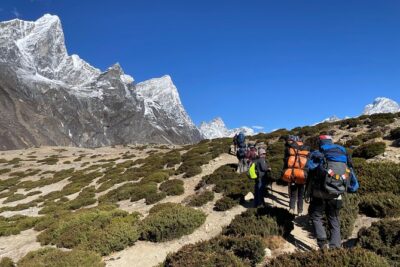
The walk to Dingboche takes about five hours. Along the way, you pass chortens, mani walls, and small villages, including Pangboche.
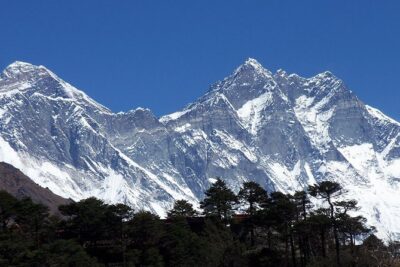
Pangboche is noted for views of Ama Dablam, one of the most recognizable mountains in the region. The route feels more open as you gain altitude, and the vegetation changes with the thinner air.
Dingboche is a key turning point. You are now high enough that the schedule wisely gives you another acclimatization day. A guide who watches your walking pace and general condition is useful here, but you must still report symptoms honestly.
A private trek can help because the daily rhythm is not built around a large group. If you are tired, you can discuss the pace rather than silently trying to keep up.
Day 7: A second acclimatization day at Dingboche
The plan includes another five-hour walk, this time up the ridge above Dingboche. The purpose is to gain some height during the day and then sleep at the same lower elevation.
That pattern is valuable in a high-altitude trek. You get a controlled uphill effort, views over the valley, and time for your body to adjust before heading toward Lobuche and Gorak Shep.
Dingboche is also a good place to take stock. Check your layers, socks, water, and medication. Your porter carries the main load, but you will be responsible for the items you need during the day.
Altitude sickness remains the serious concern. Headache, nausea, unusual tiredness, and shortness of breath should be reported to your guide. The operator’s guides have handled medical concerns and adjusted walking plans, but no guide can make altitude risk disappear.
Day 8: The stark route to Lobuche
The walk to Lobuche takes about five hours and brings a sharper high-altitude feel. The mountains surround you, and the route becomes more exposed and demanding.
The valley narrows near Dusa. You also follow the first completed Everest expedition route, a detail that adds historical weight to the walk without turning it into a museum visit. The trail itself is the story here, marked by the effort required to move through this severe terrain.
Lobuche is a practical overnight stop before the final approach. By this point, you should focus on steady progress rather than speed. Eat what you can, drink regularly, and keep warm when resting.
The package provides tea house lodging, but conditions become increasingly basic at higher elevations. If you need private rooms, special meals, or extra comfort, ask about those points before booking rather than assuming they are included.
Day 9: Gorak Shep and Everest Base Camp
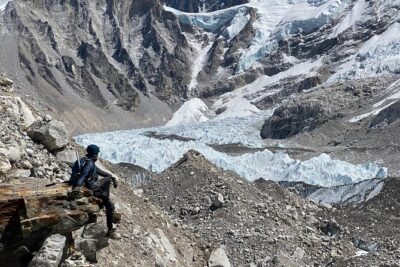
This is the emotional high point of the trek. The route follows the lateral moraine of the Khumbu Glacier before reaching Gorak Shep, a small settlement surrounded by snow-capped peaks.
From Gorak Shep, you continue toward Everest Base Camp. The walk is listed at about five hours, though actual timing depends on pace, trail conditions, and how you are feeling at altitude.
Base Camp is not a conventional town or a permanent tourist attraction. It is a rugged destination on glacial terrain, and the route there can feel slow and tiring. The surrounding peaks and ice make the setting memorable, but you should not expect a polished viewing platform.
Reaching Base Camp is a physical achievement, not just a photo stop. Take your time, listen to your guide, and remember that the return route still matters.
Day 10: Kala Patthar and a schedule point to confirm
The published plan names Kala Patthar for Day 10, but the accompanying description says that you wake at Pheriche and walk down toward Tengboche through rhododendron, juniper, and across the Imja Khola bridge.
Those details do not fully match. Kala Patthar is normally treated as a separate high viewpoint, while Pheriche and Tengboche are on the descent. Before paying, ask the operator to confirm the exact order of Kala Patthar, Gorak Shep, Pheriche, and Tengboche.
This is not a minor detail. The timing affects your highest overnight point, your early morning start, and how much time you spend above 5,000 meters. The operator may adjust the plan because of weather, trail conditions, or health, but you deserve a clear version of the schedule.
The supplied description does make the descent clear in broad terms: after the high section, the trail heads through forest, over a bridge, and toward lower villages. That change in vegetation can feel welcome after the bare, rocky upper route.
Days 11 and 12: Returning through Namche to Lukla
The schedule returns to Namche Bazaar on Day 11, then Lukla on Day 12. Both days are listed at about five hours.
The downhill direction does not always mean easy walking. Descending can be hard on knees, and tired legs make uneven trail sections more noticeable. You still cross suspension bridges and pass through forests and villages along the Dudh Koshi route.
The final walk to Lukla is described as a shorter day toward Phakding before reaching Lukla. Use the evening to rest and organize your bags for the flight. Your guide will help with the practical side, but keep important documents and valuables with you.
The return through familiar places has its own appeal. You notice how much higher the early villages felt when you first walked through them, and the trail’s scale becomes easier to understand.
Day 13: Flying back to Kathmandu
After breakfast, you fly from Lukla to Kathmandu on another flight of about 40 minutes. The package includes this domestic flight and airport tax.
Mountain flights depend on conditions, and the cancellation terms specifically note that poor weather can affect the experience. If the flight is canceled because of weather, the operator offers another date or a full refund under the stated policy, but delays can still affect your plans.
Keep your final Kathmandu schedule flexible. Do not book an important same-day international connection without allowing room for disruption.
Day 14: Farewell dinner and a certificate
The final day includes a farewell dinner organized by Glorious Eco Trek Nepal and an appreciation certificate for completing the trek.
This is a pleasant closing touch, especially after two weeks of shared effort. It also gives you a chance to discuss what worked and what did not with the company.
The extra day in Kathmandu is useful. You are not forced to leave Nepal immediately after returning from the mountains, and you have time to rest before your journey home.
Guides, support, and the private format
The strongest part of this experience is the human support built into the package. Communication before arrival is handled by the company, and airport pickup removes a common first-day worry.
Guide quality matters more than polished paperwork on a trek like this. Kalyan Gurung is praised for daily briefings, adjusting the route to different abilities, and explaining local culture. Parkhidhan Tamang is also associated with patient pacing and close support, while guides such as Asman, Kaylen, Ram, and Romeo have been named in connection with other successful trips run by the operator.
You should not assume one of these people will lead your group. Ask for the assigned guide’s name and experience before departure. The important point is that the private setup allows your guide to respond to your pace, energy, and health.
Porter support is equally practical. With one porter for every two trekkers, you carry less, but you should still pack sensibly and respect the porter’s load limit.
Who should book this Everest trek?
I would consider this trip a good match if you want Everest Base Camp with a private guide, organized transport, and a package that handles the main permits and lodging. It suits people who value support and cultural explanation as much as the final destination.
You need moderate physical fitness and the ability to walk for roughly five to six hours on mountain trails. The data does not promise a soft adventure, and the high altitude creates genuine risk.
You should also be comfortable with tea house accommodation, changing weather, domestic flights, and a schedule that may need adjustment. Travel insurance is not included, and personal expenses are extra.
The experience is less suitable if you want luxury hotels throughout, a guaranteed flight timetable, or a completely fixed daily plan. The published Day 10 details also need clarification before booking.
Cancellation is free up to 24 hours before the start time for a full refund. Within 24 hours, changes and refunds are not accepted. The experience is listed as available daily from 7:00 AM to 7:00 PM during the stated operating period, and confirmation is received at booking.
Should you book it?
Book this trek if you want a well-supported private route to Everest Base Camp and value having flights, porters, permits, meals, and lodging arranged in one package. The two acclimatization days, airport transfers, and flexible pacing are practical strengths.
Before committing, ask three questions: who is your guide, what exactly happens on Day 10, and what happens if Lukla flights are delayed. If the answers are clear and you accept basic mountain lodging plus altitude risk, $1,600 offers solid value for a full Kathmandu to Base Camp package.
FAQ
Where does the Everest Base Camp trek begin?
The experience begins at Tribhuvan International Airport in Kathmandu. Staff provide airport pickup and transfer you to your hotel before the trek.
Is the tour private?
Yes. Only your group participates in the activity, and the guide can adjust the walking pace to your group’s needs.
Are flights to Lukla included?
Yes. The package includes the domestic flights between Kathmandu and Lukla, including airport tax.
Is accommodation included?
Yes. The package includes two nights in a three-star Kathmandu hotel with breakfast, plus lodge or tea house accommodation during the trek.
Are meals included?
Yes. The package includes 12 breakfasts, 10 lunches, and 10 dinners. Personal expenses are not included.
Is a porter provided?
Yes. One porter is arranged for every two trekkers to carry heavy gear.
Do I need travel insurance?
Travel insurance is not included in the package. You should arrange your own policy before the trek.
What happens if bad weather cancels the experience?
If poor weather causes the experience to be canceled, you are offered a different date or a full refund. You can also cancel up to 24 hours before the start time for a full refund.
Recently added around Kathmandu
- Kathmandu Airport Pickup and Drop-off Services★ 5.0 · 3 reviews
- Kathmandu Paragliding★ 5.0 · 3 reviews
- Kathmandu Chandragiri Cable Car and Swayambhunath Private Tour★ 5.0 · 3 reviews
- Explore The Beauty Of Langtang Valley In 8-Days Trek★ 5.0 · 3 reviews
- Kathmandu: Nightlife and Pub Crawl Tour★ 5.0 · 3 reviews
- Mountain Flight Experience in Nepal★ 4.5 · 3 reviews
- Kathmandu: Momo Making Class with a Local Chef★ 5.0 · 3 reviews
- Everest Base Camp Trek★ 5.0 · 3 reviews
Other Everest Base Camp Treks worth a look
Everest Base Camp Helicopter Tour landing at Everest View Hotel
Read our review →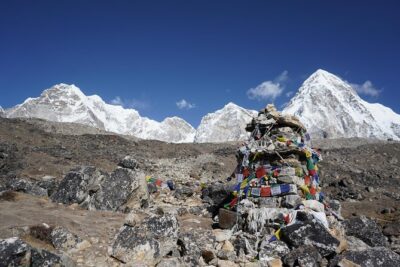
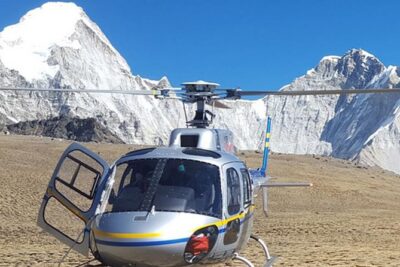
Everest Base Camp Helicopter Tour landing at Hotel Everest View
Read our review →
This tour also appears in