
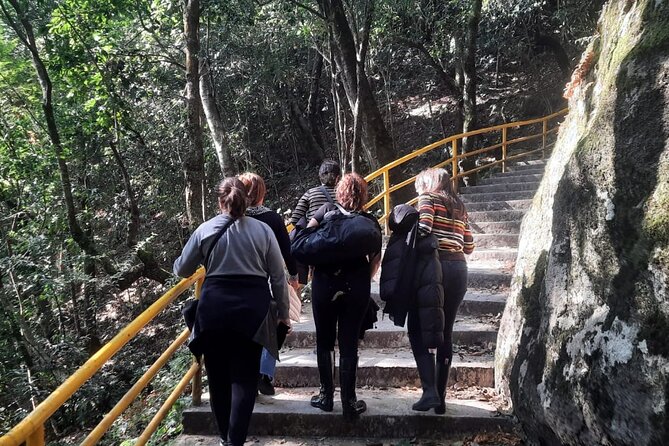
REVIEW · EVEREST BASE CAMP TREKS
Everest Base Camp Trek and Kathmandu Tour: 15 Days
The great draw here is the route from Lukla to Everest Base Camp, with a dramatic mountain flight, Sherpa villages, Tengboche Monastery, Khumbu Glacier, and the high viewpoint of Kala Patthar. You get Nepal’s grand mountain story in one trip, not just a quick look from a roadside viewpoint.
I like the useful two-part design: Kathmandu’s four major cultural sights come first, then the trek gives you time to adjust before the highest walking days. I also like that a licensed guide, porter, permits, flights, airport transfers, hotel nights, and many meals are bundled into the $1,799 price. The main caution is the altitude and the tight schedule. Kala Patthar reaches 5,644 meters, and the package requires good fitness, proper equipment, and some tolerance for uncertain mountain flights.
Key points to know before you book
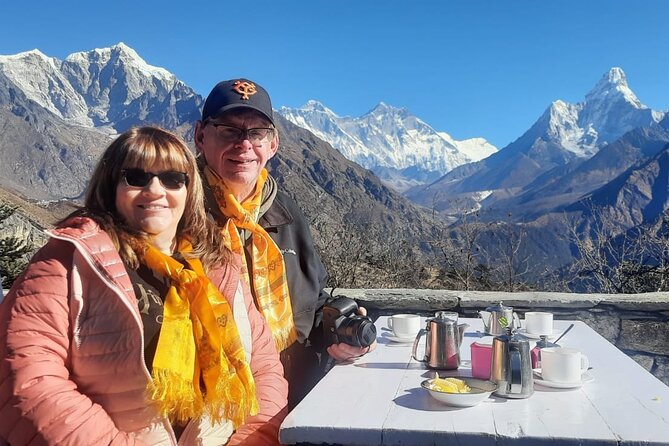
- Kala Patthar reaches 5,644 meters, giving you a close view toward Everest and the surrounding Himalayan peaks.
- The trek begins with a flight to Lukla, or from Ramechhap Airport when that routing is used, followed by mountain walking.
- Namche Bazaar is used for acclimatization, an essential pause before the trail climbs higher.
- Kathmandu’s cultural circuit includes Swayambhunath, Patan Durbar Square, Pashupatinath, and Boudhanath.
- A porter carries baggage for every two people, while a government-licensed trekking guide leads the route.
- The group can have up to 15 people, so this is organized group travel rather than a private trek.
Kathmandu first, then the high trail
This 15-day plan works because it gives you a short cultural introduction before sending you into the Khumbu. You arrive in Kathmandu, transfer to your hotel, and have time to freshen up and rest. That first night matters, especially if your international flight arrives tired and out of rhythm.
The next day is a full introduction to Kathmandu Valley. At Swayambhunath, often called the Monkey Temple, you visit one of the city’s best-known religious sites. Patan Durbar Square follows, with temples and monuments in a city long associated with fine arts. The tour then moves to Pashupatinath, an important Hindu temple dedicated to Shiva, beside the Bagmati River. Hindu open cremation ceremonies take place along the riverbank, and you should approach this part with quiet respect.
Boudhanath Stupa completes the day. It is a major Buddhist site and one of the defining places in Kathmandu. I like this sequence because it shows you several sides of Nepal’s religious life before the trek begins. The drawback is that each stop receives roughly an hour, so you get an effective first look rather than a slow, deeply detailed visit.
Entrance fees for the Kathmandu UNESCO sites are not included. The supplied cost is $20 per person, so add that to your budget. You should also check whether your hotel, meals, and airport arrangements match your preferred comfort level before paying.
More Hiking Tours in Kathmandu
- Everest Base Camp Trek – 14 Days
★ 5.0 · 1,499 reviews - Everest Base Camp Trekking
★ 5.0 · 485 reviews - Nagarkot Sunrise View and Day Hiking from Kathmandu
★ 5.0 · 471 reviews
The Lukla flight and the first walk to Manjo
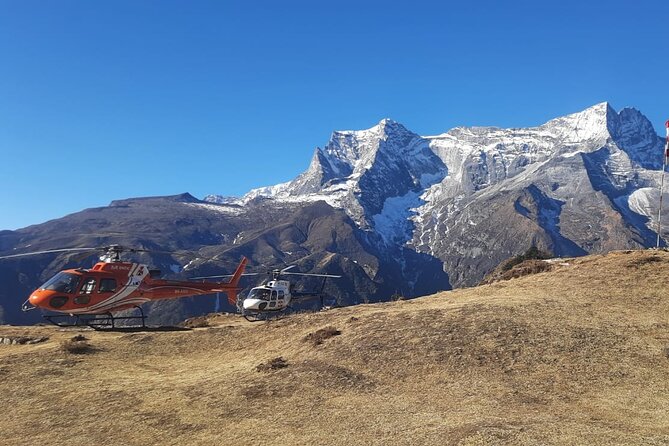
Day 3 changes the mood completely. You fly from Kathmandu or Ramechhap to Lukla, then walk to Manjo. The flight is brief, listed at about 30 minutes, but the setting makes it one of the trip’s memorable moments. Mountain weather can affect departures, so do not build a tight onward connection around this flight.
The first walking day gives you an immediate taste of the Khumbu. From Lukla, the trail heads toward Manjo through the lower mountain region. You should expect the excitement of a real trail day, but also the practical need to manage your pace from the beginning. This is not a sightseeing stroll around Kathmandu. It is the opening stage of a demanding high-altitude trek.
The package includes the flight ticket to Lukla and back, as well as Everest National Park permission. That removes two major planning tasks. Travel insurance is not included, and the tour specifically requires you to bring your own trekking equipment.
Rhododendron forests and Namche Bazaar
From Manjo, the path climbs toward Namche Bazaar through woods of rhododendron, magnolia, and fir. Suspension bridges and mountain scenery begin to define the trip. The listed walking time is about four hours, though trail conditions and the group’s pace can affect the day.
Namche is more than a stopping point. It is a major village in a large bowl-shaped setting and the practical center of the Everest trekking route. Day 5 is set aside for rest and acclimatization, with about two hours of activity listed. This is one of the strongest parts of the schedule. At altitude, a rest day is not wasted time. It gives your body a chance to adjust before the trail rises toward Tengboche, Dingboche, and Lobuche.
You may also hear about the optional Gokyo Ri and Three Passes routes in the tour description. They are presented as alternatives, not as part of this stated 15-day itinerary. Do not assume those routes are included unless the operator confirms a different program.
Tengboche Monastery and the first big mountain views
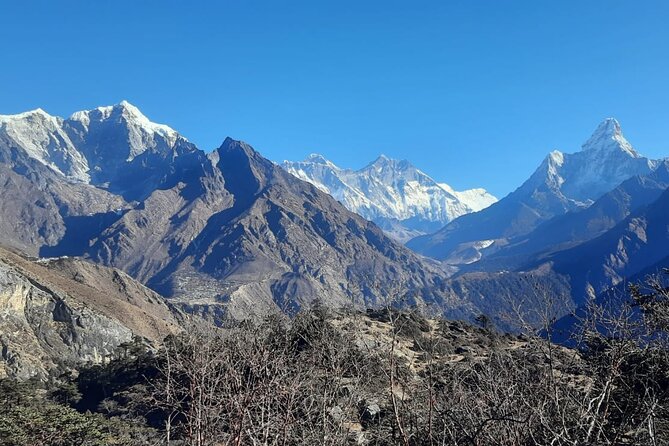
Day 6 takes you toward Tengboche. The walk is easy at first, then climbs from Phunki to the village. The total walking time is listed at about six hours, making this one of the longer days before the altitude becomes more serious.
Tengboche Monastery is the prize here. It is described as the largest monastery in the Everest region, and its setting gives the cultural side of the trek a strong mountain backdrop. You are not simply checking off scenic points. You are passing through villages where Buddhist practice remains part of daily life.
The route then heads toward Dingboche on Day 7. The trail passes birch and rhododendron woodland, and the trees gradually give way to a more open, higher environment. Views toward Everest, Lhotse, and Ama Dablam become important rewards. The walk is listed at five hours, with some descending before the trail continues onward.
The itinerary does not list a second full acclimatization day at Dingboche. That makes your pace and condition especially important. You should tell the guide early if you feel unwell, and you should not treat the schedule as a contest.
More Everest Base Camp Treks in Kathmandu:
- Everest Base Camp Helicopter Tour landing at Everest View Hotel
★ 5.0 · 668 reviews - Everest Base Camp Trekking – 13 Day
★ 5.0 · 365 reviews - Everest Base Camp Trek -14 Days
★ 5.0 · 321 reviews - Everest Base Camp Helicopter Tour landing at Hotel Everest View
★ 5.0 · 218 reviews
Lobuche, memorial stupas, and thinner air
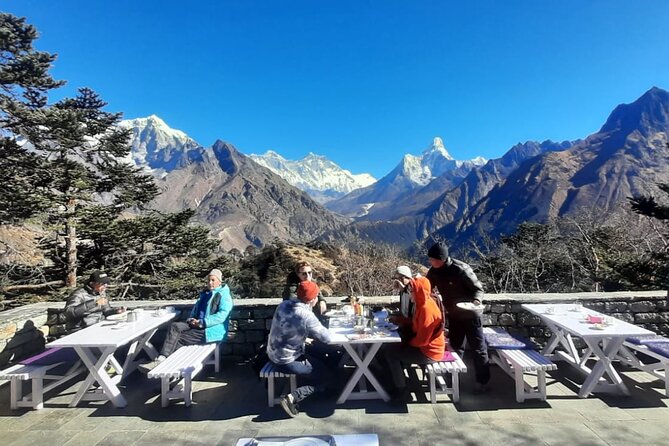
The trail becomes harder around Lobuche. On Day 8, you pass Dungla after a steep climb and reach memorial stupas dedicated to climbers who died in the Himalayas. The walking time is about five hours, but the altitude can make that feel much longer.
This is a thoughtful part of the route. The memorials add human weight to the mountain scenery. Everest is not only a beautiful destination or a personal achievement. It is also a place where serious risk has shaped many families and communities.
You should plan for simple conditions in the trekking section. The package supplies a porter for every two people, but you must bring your own trekking clothing and equipment. Pack carefully, keeping essential personal items accessible rather than putting everything in the porter’s load.
Gorak Shep and the push to Everest Base Camp
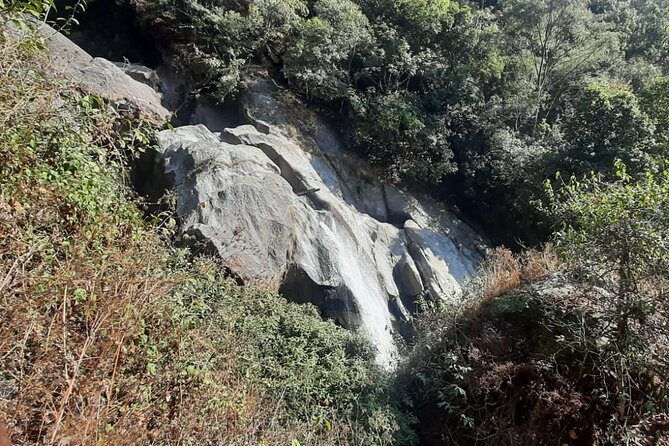
Day 9 brings the trail to Gorak Shep, with about five hours of walking. The route includes climbs and descents over rough glacier terrain, so this is a day for steady footwork rather than speed. The description notes a lot of meandering on uneven ground, which is useful warning for anyone expecting a smooth path.
From Gorak Shep, you continue toward Everest Base Camp. The route follows a fairly steep trail and includes glacier walking. The goal is the Khumbu Glacier and the Khumbu Icefall area, among the most memorable features of the trek. You will see a dramatic Himalayan setting, but you should also expect a physically tiring day at high altitude.
The base camp itself is a major milestone, yet the highest viewpoint comes next. Day 10 is focused on Kala Patthar, listed at about five hours. From the summit, the route opens toward Lingtren, Khumbutse, and Changtse, with close views of Everest and the Himalayan range.
The itinerary also describes a morning hike to Kala Patthar on Day 11 for sunrise, when the peaks can appear golden as the sun rises behind the Everest massif. That detail gives the schedule an appealing second chance at the viewpoint. It also means you should confirm the exact overnight locations and timing with the operator, since the day-by-day descriptions place Kala Patthar across two consecutive stages.
The return through Pheriche and Namche
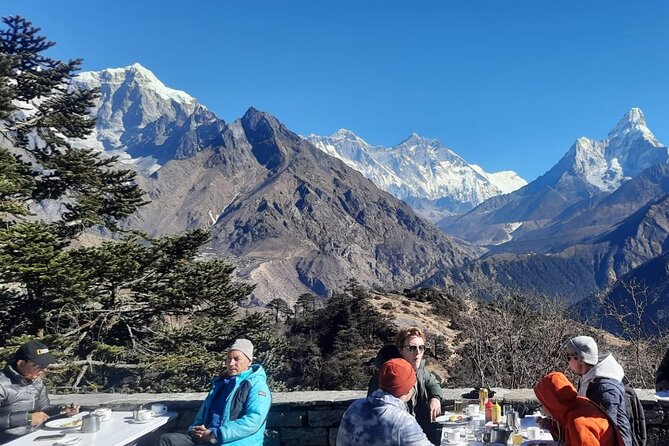
After the high point, the trek turns back toward Pheriche. The return is not effortless. Descending reduces altitude stress, but rocky ground, tired legs, and repeated ups and downs still take work. Day 11 is listed at about five hours.
Day 12 returns you to Namche Bazaar. The trail loses nearly 2,000 feet in altitude and crosses a bridge over the Dudh Koshi River before passing through rhododendron country. The lower air should feel easier, but the route remains active, with many rises and drops.
One advantage of the out-and-back route is that familiar villages feel different on the return. You notice the change in vegetation as you lose altitude, and you can appreciate places that passed quickly during the climb. One limitation is that you retrace much of the same path instead of taking a completely new route.
Lukla, weather delays, and the final Kathmandu night
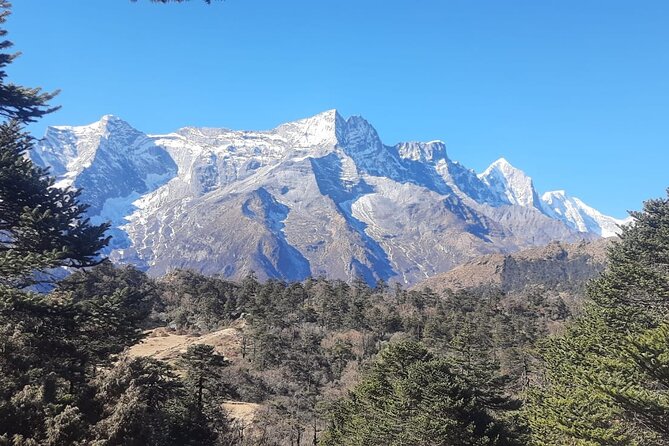
Day 13 brings you back to Lukla over a rocky path and across suspension bridges. The walk is listed at about four hours. The warmer air is a welcome sign that the high section is behind you.
The following morning, the flight returns you to Kathmandu. The schedule allows about 30 minutes for the flight and transfer, followed by free time in the city and a farewell dinner. Keep this day flexible. Mountain flights are weather-sensitive, and the cancellation terms specifically allow a new date or full refund if poor weather forces the experience to cancel. That protection is useful, but it does not erase the practical risk of delays.
Day 15 is departure day. The operator provides an airport drop-off, with a recommendation to reach the airport at least three hours before your scheduled flight. If your international departure is later, the free time in Kathmandu may be useful, but the supplied plan does not promise extra sightseeing.
What the $1,799 price really covers
At $1,799 per person, the package offers solid value if you want a guided trek with the major logistics arranged. Included are airport arrival and departure transfers, three Kathmandu hotel nights with breakfast, the Lukla flights, Everest National Park permission, a licensed trekking guide, porter support, and the Kathmandu cultural tour.
Food coverage is also substantial. The package lists 13 breakfasts, 11 lunches, and 11 dinners. One cup of tea per day is included, but other drinks and beverages are not. Alcohol costs extra, as do trekking supplies, the Nepal visa, travel insurance, and the $20 Kathmandu site entrance fee.
The porter arrangement is one porter for two people. That is helpful, but it does not mean you can bring unlimited luggage. Ask about baggage limits, what remains with you, and how the group handles bags on flight and trekking days.
The group limit is 15 people. That can lower the price compared with a private trek and may make the experience social, but it can also mean less control over walking speed and daily decisions. The listed rating is 4.7 from three reviews, and the strongest praise focuses on organization, prompt transfers, and the guide and porter support. One review specifically names guide Rajan and describes the porter as kind and strong. Another praises the agency’s attention from arrival through departure. Those details point to the value of having dependable coordination on a route where transport and altitude can complicate plans.
Who will get the most from this trek
This tour suits you if you want the classic Everest Base Camp route but do not want to arrange every permit, flight, hotel, meal, and transfer yourself. It is also a good fit if Kathmandu’s religious and artistic sights matter as much to you as the mountain goal.
You need moderate physical fitness, according to the tour details, but that phrase should not be read as easy. Several days last four to six hours, the route includes steep sections and rough glacier ground, and Kala Patthar reaches 5,644 meters. You should be comfortable walking for long periods and carrying whatever personal items you keep with you.
The trip is less suitable if you need a fully flexible schedule, private guiding, or a high degree of comfort. It is also a poor match if you are unwilling to buy insurance, supply your own equipment, or allow room for weather delays.
The booking conditions deserve attention. The experience is non-refundable and cannot be changed for any reason after booking. If poor weather or insufficient numbers force cancellation, you are offered a different date or a full refund. That is fair protection for those specific situations, but you should not book casually.
Should you book this Everest Base Camp package?
I would consider this a good-value choice for a first Everest Base Camp trek, especially if you want Kathmandu sightseeing built into the same trip. The strongest reasons are the included Lukla flights, permit, guide, porter, airport transfers, meals, and hotel nights. The acclimatization day in Namche is another sound feature.
Before booking, confirm the exact flight airport, baggage allowance, hotel standards, daily sleeping locations, and how the two Kala Patthar descriptions fit together. Buy suitable travel insurance, bring proper trekking equipment, and keep your schedule open around the return flight.
Book it if you want a structured group adventure with Nepal’s major cultural sites and the classic Khumbu route. Think twice if you want a private pace, generous rest days, or a refund-friendly booking.
FAQ
How long is the Everest Base Camp and Kathmandu tour?
The tour lasts approximately 15 days, including Kathmandu sightseeing, the trek from Lukla to Everest Base Camp, the return to Lukla, and departure arrangements.
What is included in the price?
The package includes airport arrival and departure, Everest National Park permission, return flights from Kathmandu or Ramechhap to Lukla, a licensed trekking guide, porter support for two people, three Kathmandu hotel nights with breakfast, the Kathmandu UNESCO site tour, 13 breakfasts, 11 lunches, and 11 dinners.
Are Kathmandu entrance fees included?
No. Entrance fees for the Kathmandu UNESCO World Heritage sites are not included. The stated additional cost is $20 per person.
Is travel insurance included?
No. You must arrange your own travel insurance.
What fitness level is required?
The tour requires a moderate physical fitness level. The trek includes four to six hours of walking on several days, steep sections, rough glacier terrain, and Kala Patthar at 5,644 meters.
Do I need to bring my own trekking equipment?
Yes. The tour requires you to bring your own trekking equipment.
How large can the group be?
The maximum group size is 15 people.
Recently added around Kathmandu
- Kathmandu Paragliding★ 5.0 · 3 reviews
- Kathmandu Airport Pickup and Drop-off Services★ 5.0 · 3 reviews
- Kathmandu Chandragiri Cable Car and Swayambhunath Private Tour★ 5.0 · 3 reviews
- Explore The Beauty Of Langtang Valley In 8-Days Trek★ 5.0 · 3 reviews
- Kathmandu: Nightlife and Pub Crawl Tour★ 5.0 · 3 reviews
- Mountain Flight Experience in Nepal★ 4.5 · 3 reviews
- Kathmandu: Momo Making Class with a Local Chef★ 5.0 · 3 reviews
- Everest Base Camp Trek★ 5.0 · 3 reviews
Other Everest Base Camp Treks worth a look


Everest Base Camp Helicopter Tour landing at Everest View Hotel
Read our review →


Everest Base Camp Helicopter Tour landing at Hotel Everest View
Read our review →

This tour also appears in