
REVIEW · EVEREST BASE CAMP TREKS
14 Days Everest Base Camp Trek
The big draw here is the route itself: you walk from Lukla through Sherpa villages, across glacial moraines, and into the Khumbu beneath Everest, Lhotse, Nuptse, Ama Dablam, and Pumori. The payoff is not just reaching Base Camp. It is the gradual change from rhododendron woods to thin alpine country, with prayer flags, mani walls, yak pastures, and high mountain views filling the days.
I like that the plan gives you two acclimatization days, one in Namche Bazaar and another in Dingboche. I also like the practical package: domestic flights, permits, meals, a government-licensed guide, and a porter are included, which removes many of the usual arrangements from your hands. The main caution is that this is a serious high-altitude trek. Moderate fitness is the stated minimum, but the long uphill days, cold, basic mountain lodging, and Kala Patthar climb at 5,545 meters demand more than an ordinary holiday walk.
Key points before you book
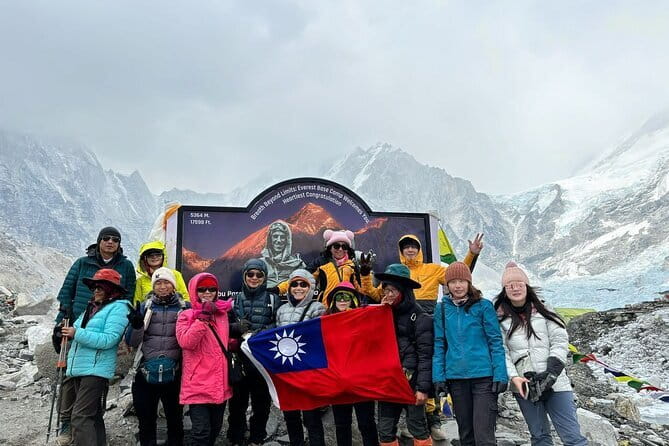
- Everest Base Camp plus Kala Patthar: You reach Base Camp on Day 9, then climb to Kala Patthar for the trek’s highest viewpoint on Day 10.
- Two useful acclimatization stops: Namche includes the Everest View Hotel walk, while Dingboche includes a demanding hike toward Nagarjun Hill at 5,100 meters.
- Private group format: Only your own group participates, and the trip requires at least two people.
- Major costs are bundled: Flights, airport transfers, hotel nights in Kathmandu, trek meals, permits, guide service, and porter support are included.
- One porter serves two clients: You will need to carry your daypack and pack personal gear carefully.
- Weather can change the flight plan: The Lukla flights may operate through Manthali, Ramechhap, rather than directly from Kathmandu.
What the $2,200 price really covers
At $2,200 per person, this is not a bare-bones walking package. The price includes two nights in a three-star Kathmandu hotel with breakfast, private airport transfers, the domestic flight ticket between Lukla and Manthali, airport tax, permits, a licensed guide, meals during the trek, and porter support.
That matters because the Everest region involves several costs that can add up quickly. You are not arranging the Sagarmatha National Park permit, TIMS registration, domestic flight, trek meals, or staff wages separately. Guide and porter accommodation, food, gear, insurance, government taxes, VAT, and office service charges are also included.
The price does not cover everything. You pay for your Nepal entry visa, international flights, travel insurance, personal trekking equipment, Kathmandu lunches and dinners, drinks, hot showers, WiFi, bar bills, sweets, and tips. High-altitude emergency evacuation insurance is specifically your responsibility, and this is not a place to skip it.
The porter arrangement also deserves attention. One porter is assigned to two clients, so you should not expect a porter to carry every item you bring. Keep your daily essentials, water, warm layers, camera, and medication in your own daypack. Ask the operator for the expected luggage limit before departure, since the supplied details do not state one.
More Hiking Tours in Kathmandu
- Everest Base Camp Trek – 14 Days
★ 5.0 · 1,499 reviews - Everest Base Camp Trekking
★ 5.0 · 485 reviews - Nagarkot Sunrise View and Day Hiking from Kathmandu
★ 5.0 · 471 reviews
Kathmandu to Lukla, with a Ramechhap wrinkle
Day 1 is simple and useful. A representative meets you at the airport and takes you to a hotel in Thamel, Kathmandu. You have the afternoon to walk among shops and restaurants, then prepare for the trek. The included farewell dinner comes later, in a typical Nepali restaurant.
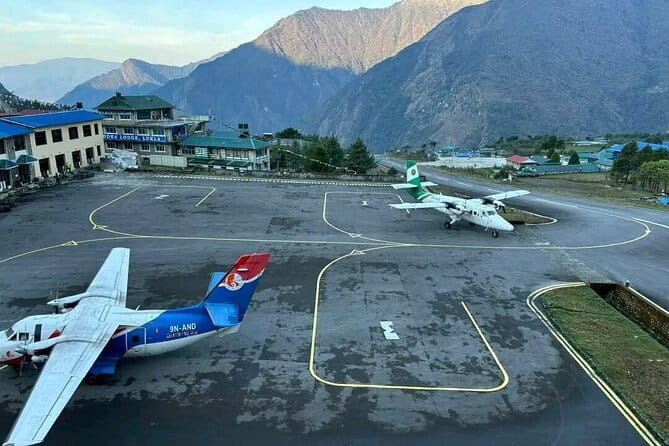
Day 2 begins with a long road transfer of roughly four to five hours from Kathmandu to Manthali in Ramechhap. From there, the flight to Lukla takes about 20 minutes, followed by the first walk to Phakding, which takes around four hours.
This arrangement is practical but not effortless. The road transfer adds a substantial amount of travel before you even reach the mountains, and flight operations depend on weather and availability. The short flight is one of the trip’s major transitions, taking you from city traffic to the trailhead for the Everest region.
The first walking day to Phakding is relatively short compared with what comes later. Still, you are adjusting to a new pace, changing altitude, and the reality that every day ahead will be on foot.
Namche Bazaar and your first acclimatization test
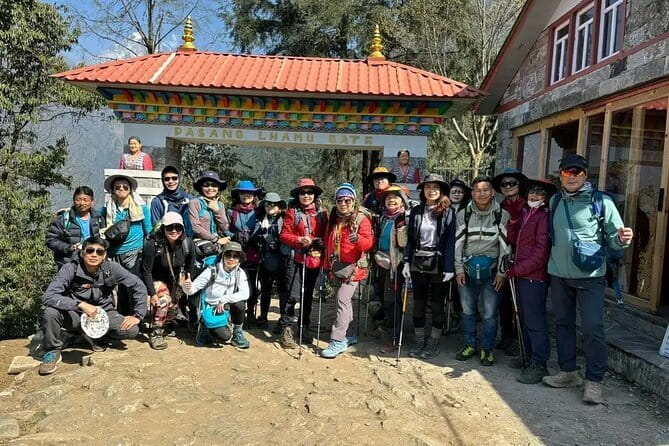
Day 3 takes you from Phakding to Namche Bazaar in about five hours. You pass through Sherpa communities including Benkar and Chumoa, then enter Sagarmatha National Park at Monjo. After that comes the steep approach to Namche.
Namche is more than a stop for the night. It is the main trading and service center for the Everest region, and its location makes it an important place to slow down. The horseshoe-shaped town is your first clear taste of life at altitude, with Sherpa culture, local food, shops, and mountain-facing paths.
Day 4 is an acclimatization day, but it is not a day spent doing nothing. You walk to the Everest View Hotel, gaining broad views toward Ama Dablam, Thamserku, Everest, Nuptse, and other peaks. The listed walking time is about five hours.
I like this structure because a rest day with a gentle but purposeful walk is more useful than simply staying indoors. You give your body a chance to adjust while still moving. The drawback is that the route is already physically demanding, and the Everest View Hotel walk includes altitude gain. Pace yourself and treat the day as preparation, not as a sightseeing stroll.
Tengboche brings the monastery and the mountain drama
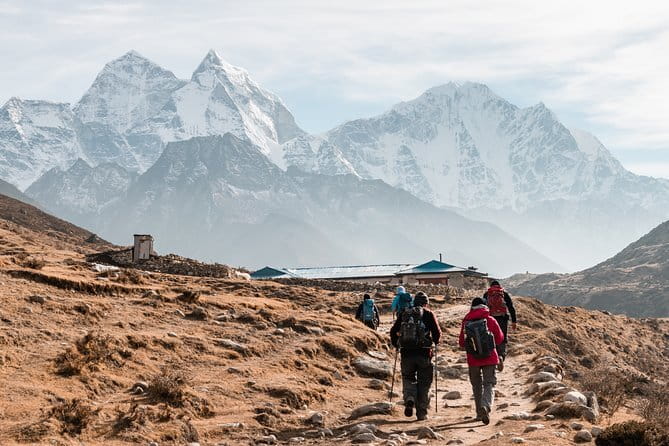
Day 5 leads to Tengboche in about five hours. The route has fewer steep sections than the previous day, making it a good stretch for photography. Ama Dablam, prayer flags, stupas, and the mountain setting provide much of the visual appeal.
Tengboche is one of the most meaningful stops on the route because of its old monastery and religious importance. The itinerary highlights sunrise and sunset views from this area, so you should be ready for cold early mornings and evenings if you want the best light.
The stop works on two levels. You get a major cultural site, not just another mountain lodge, and you also reach a place known for wide views of Everest and neighboring peaks. The day is still a five-hour walk, so keep your camera accessible without letting photography slow your group too much.
More Everest Base Camp Treks in Kathmandu:
- Everest Base Camp Helicopter Tour landing at Everest View Hotel
★ 5.0 · 668 reviews - Everest Base Camp Trekking – 13 Day
★ 5.0 · 365 reviews - Everest Base Camp Trek -14 Days
★ 5.0 · 321 reviews - Everest Base Camp Helicopter Tour landing at Hotel Everest View
★ 5.0 · 218 reviews
Dingboche adds altitude, not just distance
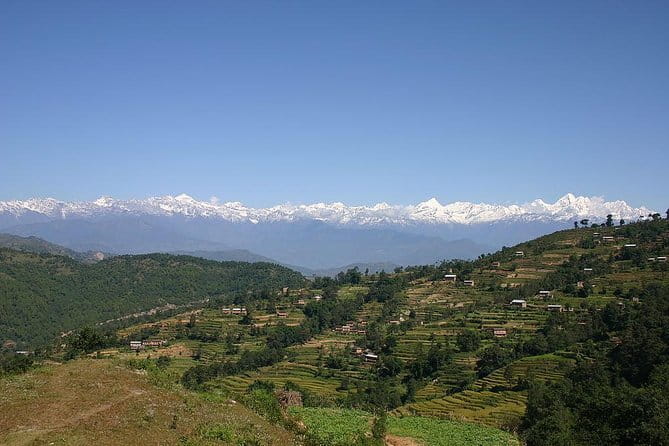
On Day 6, you walk for about four hours from Tengboche to Dingboche. The route passes Pangboche, chortens, mani walls, and views of Ama Dablam. As you climb, the scenery changes from more wooded country toward open alpine terrain, fields, and yak pastures.
Dingboche is another key acclimatization point. Day 7 includes a five-hour walk toward Nagarjun Hill, reaching about 5,100 meters. The climb is tough, but the views reward a steady pace.
This is one of the most important parts of the program. The schedule does not rush you straight from Namche to Base Camp. It gives you time to spend two nights at Dingboche and includes a high walk to help your body adjust. You should still take altitude symptoms seriously. The itinerary provides acclimatization time, but no itinerary can guarantee that every person will respond well to high elevation.
For you, the practical lesson is simple: drink what you can tolerate, walk slowly, and tell your guide if you feel unwell. The trip includes staff insurance and expenses, but your own travel insurance must cover high-altitude emergency evacuation.
Lobuche, Gorak Shep, and the walk to Base Camp
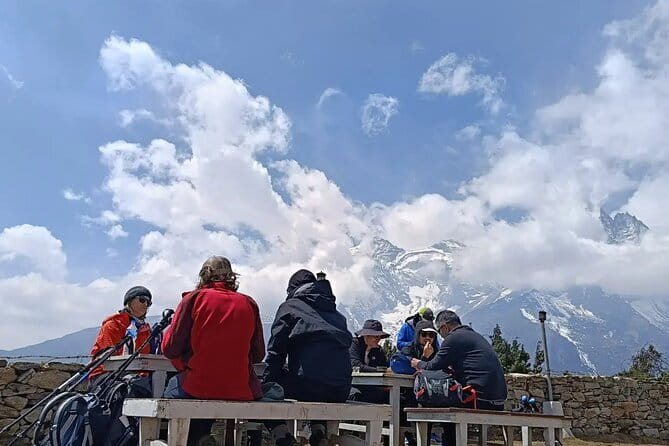
Day 8 takes you toward Lobuche in about four hours. You begin through Pheriche Valley, with alpine brush and yak pastures under views of Ama Dablam, Tawoch, and Cholatse. The route feels more exposed and more remote as the trees thin out.
Day 9 is the emotional center of the trek. You first reach Gorak Shep, a settlement surrounded by snow-covered peaks and positioned beside the lateral moraine of the Khumbu Glacier. From there, you continue to Everest Base Camp.
The walk to Base Camp is not a simple road to a single monument. It follows rough ground beside the glacier, with glacial moraine underfoot and high peaks around you. Conditions can feel stark and tiring at this altitude. You should bring patience, warm layers, water, and enough energy for the return to Gorak Shep.
The itinerary lists about four hours for the day, but high altitude can make that feel much longer. Reaching Base Camp is a genuine achievement, yet the better reason to value this day is the setting: ice, rock, prayer flags, and the Khumbu mountains in close view.
Kala Patthar is the highest and hardest morning
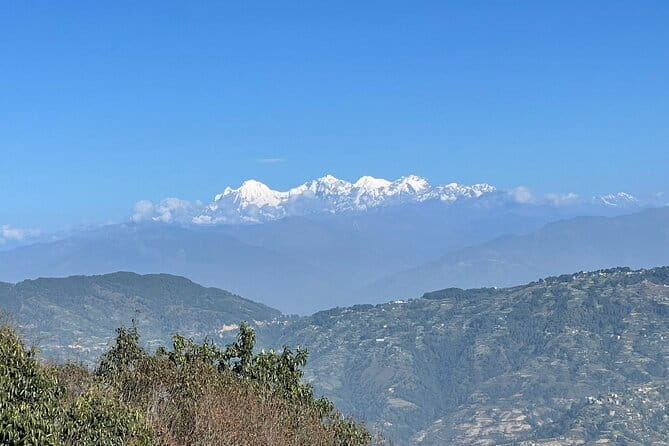
Day 10 begins before dawn with a strenuous climb to Kala Patthar at 5,545 meters. You then descend toward Pheriche, with about five hours of walking listed for the day.
Kala Patthar is the trip’s highest point and its main viewing platform. From the top, you get a 360-degree panorama that includes Everest, Nuptse, Lhotse, Ama Dablam, and other major summits. The early start is designed for mountain views in the morning light, though weather can always affect what you see.
This day deserves careful attention when you judge the itinerary. You visit Base Camp the day before, then climb higher the next morning and descend for several hours. That is an efficient plan, but it is physically demanding. If you are selecting this trek because of the Everest view rather than the Base Camp label, Kala Patthar may be the day you remember most.
The return route is easier on paper, not always in your legs
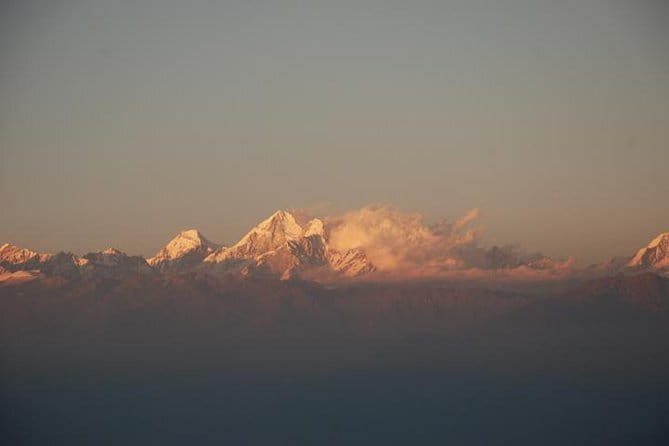
Day 11 follows the trail back toward Namche Bazaar. Most of the route descends, though there are uphill sections, and the listed walking time is about five hours. Forests and plant life return as you lose altitude, which makes the route feel noticeably different from the stark country near Gorak Shep.
The day can be surprisingly tiring. You have already completed the hardest high-altitude section, but several hours of downhill walking can be rough on knees and feet. Good footwear matters, and you should not assume the return is effortless simply because you are going lower.
Day 12 is the final hiking day, with about five hours on the trail back to Lukla. You follow much of the route you used earlier, but the direction changes how the villages, bridges, and valleys feel. Once in Lukla, you have a night to rest before the flight.
Kathmandu and the final practical details
Day 13 takes you back toward Kathmandu, but the exact flight arrangement depends on weather and availability. You may fly to Kathmandu, or return to Manthali Airport first. This is worth understanding before you book because the route is tied to conditions at the small mountain airstrip and the operating schedule.
Once back in Kathmandu, you have time for shopping. Day 14 ends with an airport transfer scheduled three hours before departure. The airport pickup and drop-off are handled by private vehicle, which is a useful convenience after a long trek.
The package also includes a completion certificate and farewell dinner. These are small additions, but they give the trip a clear finish after the demanding mountain days.
Service, guides, and the private group advantage
This is a private tour, so only your group participates, and at least two people are required. That format can be valuable if you want a pace suited to your own group rather than a fixed large party. It may also make it easier to discuss rest, photo stops, and how hard to push on a given day.
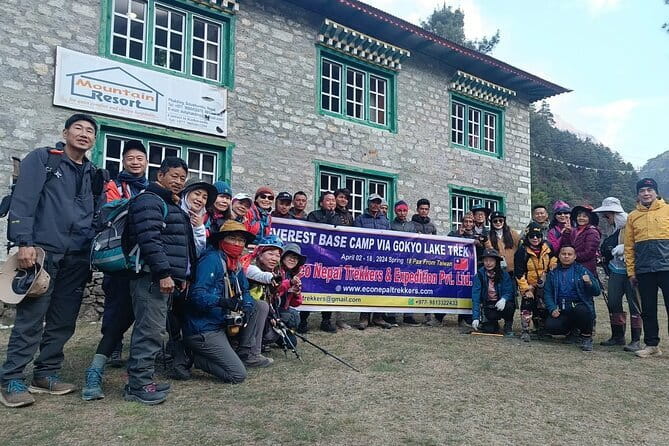
Eco Nepal Trekkers has received especially strong praise for organization, customer care, lodge selection, and support during the trek. Pemba, the owner, has customized other routes including Everest Base Camp, Chola Pass, and Gokyo Lakes, while Prayash has guided clients on the trail and helped them through difficult sections. Those names are useful when you speak with the company, but you should confirm who will lead your specific departure because the supplied package does not name the guide assigned to it.
The included guide is government licensed, and staff wages, accommodation, food, gear, and insurance are covered. Tips are not included, so plan for those separately if you feel the guide, porter, and driver have served you well.
What to pack and what not to expect
Your personal gear is not included, so budget for suitable trekking clothing and equipment. The available information does not provide a detailed packing list, but you should expect to need personal items for cold, high-altitude walking and changing conditions.
Drinks are excluded, including alcohol, mineral water, hot water, coffee, and other beverages. Hot showers, WiFi, telephone use, bar bills, chocolates, and desserts also cost extra. These details matter because small daily purchases can add noticeably to your spending over 14 days.
The meals covered during the trek are breakfast, lunch, and dinner. Kathmandu lunches and dinners are not included, so leave room in your budget for city meals before and after the walk.
Who should book this trek?
I would choose this trip if you want a classic Everest Base Camp route with a sensible acclimatization pattern, organized logistics, and a private group. It suits people who value having permits, flights, meals, guide support, and porter arrangements handled in one package.
I would not choose it if you want a soft adventure or a flexible luxury holiday. You will walk for four to five hours on many days, reach very high elevations, sleep in mountain accommodation, and manage extra costs for drinks, showers, gear, insurance, and tips.
The route is also a good fit if you want more than a quick Base Camp claim. Namche, Tengboche, Dingboche, the Khumbu Glacier, and Kala Patthar give the journey variety. You get Sherpa communities, religious sites, high valleys, moraines, and major mountain views rather than one destination and a quick turnaround.
Should you book the Everest Base Camp Trek?
Book it if you are ready for a demanding trek and want a well-organized private package at a price that covers many major costs. The two acclimatization days, experienced staff structure, and included domestic transport make the $2,200 price easier to justify.
Before paying, confirm the assigned guide, luggage allowance, flight routing through Manthali, lodge standards, and the exact insurance arrangements for staff and yourself. Bring a realistic fitness level, proper personal gear, and a budget for excluded expenses.
For a first Everest Base Camp attempt, this is a strong, practical choice. Its value comes less from extras and more from taking care of the complicated parts while giving you enough time to reach Base Camp and climb Kala Patthar safely and steadily.
FAQ
How long is the Everest Base Camp Trek?
The experience lasts approximately 14 days, including arrival and departure transfers, the trek, flights, and time in Kathmandu.
Where does the trek begin?
The trip begins in Kathmandu. You are picked up at the airport and taken to a hotel in Thamel before traveling by road to Manthali and flying to Lukla.
Is the Lukla flight included?
Yes. The package includes the domestic flight ticket between Lukla and Manthali, listed as LUK-RMH-LUK, along with domestic airport tax.
Is airport pickup included?
Yes. Airport pickup and drop-off by private vehicle are included.
Are meals included during the trek?
Breakfast, lunch, and dinner are included during the trekking portion. Lunch and dinner in Kathmandu are not included.
Are permits included?
Yes. The package includes the Sagarmatha National Park or Everest National Park permit and TIMS registration.
Is this a private tour?
Yes. Only your own group participates. The trip requires a minimum of two travelers.
Is travel insurance included?
Staff insurance and related staff expenses are included, but your personal travel insurance is not. You must arrange coverage that includes high-altitude emergency evacuation.
What is the cancellation policy?
You can receive a full refund if you cancel at least six full days before the local start time. Cancellation two to six full days before the start may receive a 50 percent refund, while cancellation less than two full days before the start is nonrefundable. Changes are not accepted inside those shorter time periods.
Recently added around Kathmandu
- Kathmandu Paragliding★ 5.0 · 3 reviews
- Kathmandu Airport Pickup and Drop-off Services★ 5.0 · 3 reviews
- Explore The Beauty Of Langtang Valley In 8-Days Trek★ 5.0 · 3 reviews
- Kathmandu Chandragiri Cable Car and Swayambhunath Private Tour★ 5.0 · 3 reviews
- Kathmandu: Nightlife and Pub Crawl Tour★ 5.0 · 3 reviews
- Mountain Flight Experience in Nepal★ 4.5 · 3 reviews
- Kathmandu: Momo Making Class with a Local Chef★ 5.0 · 3 reviews
- Everest Base Camp Trek★ 5.0 · 3 reviews
Other Everest Base Camp Treks worth a look


Everest Base Camp Helicopter Tour landing at Everest View Hotel
Read our review →


Everest Base Camp Helicopter Tour landing at Hotel Everest View
Read our review →

This tour also appears in