
REVIEW · EVEREST BASE CAMP TREKS
Everest Base Camp Trek
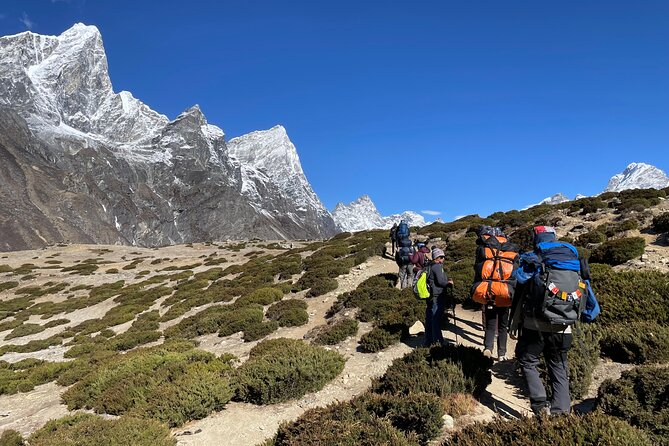
The real prize here is not just reaching Everest Base Camp. It is the steady change from pine forest and Sherpa villages to a stark world of rock, ice, prayer flags, and giant peaks. You also climb Kala Patthar at 5,545 meters, the high point of the trip and one of the best places for sunrise views of Everest.
I like the two acclimatization days, which give your body a better chance to handle the altitude. I also like the practical package: flights, lodge stays, meals, permits, a porter, sleeping bag, duffel bag, and walking pole are included. The main drawback is the altitude and the hard walking. This is a serious trek, not a sightseeing stroll, and winter conditions can be bitterly cold.
Key points to know before booking
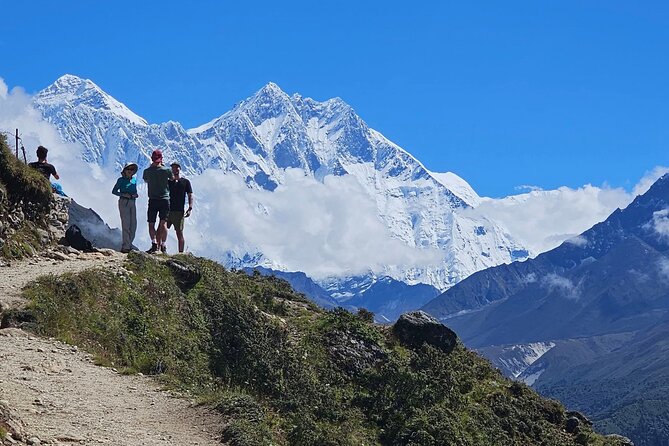
- Kala Patthar reaches 5,545 meters: The sunrise hike is the trip’s highest and most demanding outing.
- Two acclimatization days: You spend extra time in Namche Bazaar and Dingboche, with optional high walks.
- Sherpa culture is part of the route: Villages, monasteries, mani walls, prayer wheels, and the Sherpa Museum add meaning to the mountain views.
- Most major costs are covered: Domestic flights, meals during the trek, accommodation, permits, park fees, porter support, and selected equipment are included.
- Lukla flights need flexibility: A full buffer day in Kathmandu is built in because mountain weather can delay the return flight.
- Small group format: The maximum group size is 12, with a guide and one porter shared between two people.
What the 15-day Everest route is really like
This is a classic Everest Base Camp route from Kathmandu, with about two weeks devoted to flying, trekking, acclimatizing, and returning. You begin in Kathmandu at Tribhuvan International Airport, fly to Lukla, and walk north through Sagarmatha National Park to Base Camp.
The stated price is $1,800 per person. That represents solid value for a guided Himalayan trek because it includes the Kathmandu to Lukla return flight, three nights of Kathmandu hotel accommodation, 11 lodge nights on the trail, all trekking meals, permits, park fees, porter service, ground transfers, and basic trekking gear.
You still need to budget for an international flight, Nepal visa, personal travel insurance, and tips for the guide and porter. The trip is non-refundable, so insurance matters even more than usual.
The maximum group size is 12. That is small enough to keep the walking group manageable, while still large enough that you will not necessarily have a private experience. Pickup is offered, and the stated starting time is 7:15 am at Tribhuvan International Airport.
More Hiking Tours in Kathmandu
- Everest Base Camp Trek – 14 Days
★ 5.0 · 1,499 reviews - Everest Base Camp Trekking
★ 5.0 · 485 reviews - Nagarkot Sunrise View and Day Hiking from Kathmandu
★ 5.0 · 471 reviews
Days 1 and 2: Kathmandu to Phakding by way of Lukla
Your first day is intentionally gentle. After arriving in Kathmandu, a representative meets you at the airport and transfers you to your hotel. You have time to rest after the flight, then meet the guide for a briefing.
That pause is useful. You are not thrown straight onto a mountain trail, and you can sort out your equipment before the early start.
Day 2 begins with a flight to Lukla. The flight itself is part of the adventure, with Himalayan views before you land and meet the trekking crew. From Lukla, you walk downhill toward Phakding for about three hours.
This is a good first walking day because the route is relatively easy compared with what comes later. You pass Sherpa villages, mani walls, and prayer wheels, so the cultural setting appears almost at once. The short distance also lets you begin adjusting to the rhythm of walking with a pack, without spending your first day on a long climb.
Your accommodation on the trail is in local lodges. These are functional rather than luxurious, and the included meals make the arrangement simple. Three meals a day are provided during the trek.
Days 3 and 4: Suspension bridges and acclimatization in Namche Bazaar
From Phakding, you follow the Dudh Koshi River toward Namche Bazaar. The route takes about six hours and includes several suspension bridges decorated with prayer flags.
The walk passes through pine forest and traditional villages before you enter Sagarmatha National Park. The bridges and river crossings add a little drama, but the bigger issue is the climb toward Namche and the growing altitude.
Namche Bazaar is the main trading center of the Khumbu region. You spend Day 4 here to acclimatize rather than pushing onward. I consider this one of the most valuable parts of the schedule. At high altitude, a rest day is not wasted time. It gives you a chance to adjust before the trail becomes more demanding.
Your acclimatization outing can include the Everest View Hotel or Khumjung village. You can also explore the local market, bakeries, and Sherpa Museum. The route description gives about four hours for the day, so you still have time to rest in Namche.
The museum and villages help balance the mountain scenery with local life. You are not simply collecting photographs of Everest. You are walking through a living Sherpa region, with religious symbols and community spaces built into the route.
Days 5 and 6: Tengboche monasteries and the high villages
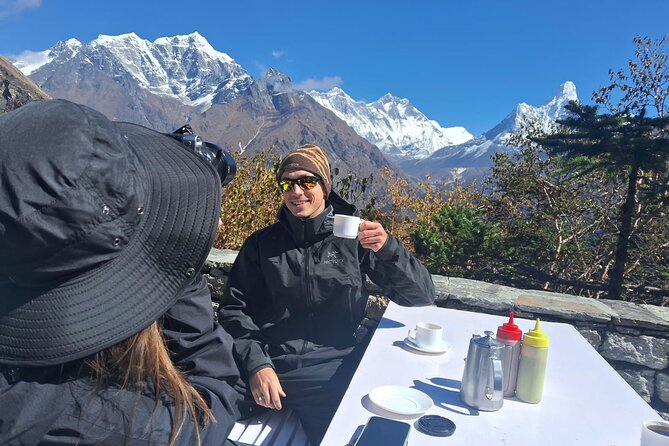
Leaving Namche, the trail climbs with views of Everest, Lhotse, and Ama Dablam. The walk takes around six hours and passes through rhododendron and pine forest before descending to the Dudh Koshi River.
After crossing a suspension bridge, you reach Tengboche. The monastery is one of the important cultural stops on the route, and the setting gives it real impact. Mountain views and Buddhist practice meet here in a way that makes the stop feel more than a quick photo break.
Day 6 starts with a descent through forest to Debuche, followed by a crossing of the Imja Khola River. The route then climbs past Pangboche, described as the highest permanent settlement in the region, before continuing to Dingboche.
This is another six-hour day. The pattern matters: you lose some height early, then gain it again. That can make the walking feel less direct, but it also breaks up the climb and gives your legs varied terrain.
Dingboche is where the mountains begin to feel much more exposed. Vegetation becomes thinner, the air colder, and the effects of altitude more noticeable. You will want to keep your pace steady and avoid treating every climb like a race.
More Everest Base Camp Treks in Kathmandu:
- Everest Base Camp Helicopter Tour landing at Everest View Hotel
★ 5.0 · 668 reviews - Everest Base Camp Trekking – 13 Day
★ 5.0 · 365 reviews - Everest Base Camp Trek -14 Days
★ 5.0 · 321 reviews - Everest Base Camp Helicopter Tour landing at Hotel Everest View
★ 5.0 · 218 reviews
Day 7: A high acclimatization walk from Dingboche
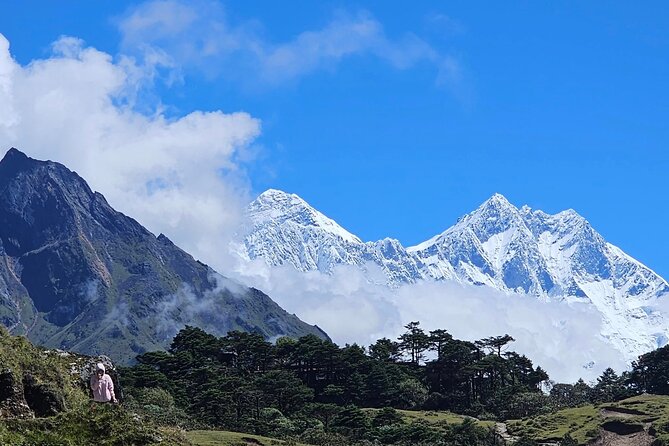
Your second acclimatization day is based in Dingboche. The scheduled outing climbs Nagarjun Hill to about 5,100 meters, with views toward Makalu, Lhotse, and Island Peak.
This is a demanding acclimatization hike, even though you return to the same lodge afterward. The point is to walk high and sleep lower, then give your body time to adjust. You should approach the day carefully and follow your guide’s advice if symptoms of altitude sickness appear.
The reward is a broad mountain view and a better sense of the country ahead. The return to Dingboche also gives you a night in the same accommodation instead of packing and moving again.
I like this second rest day because the itinerary does not rush from Namche straight to Base Camp. Still, you should not confuse a rest day with an easy day. The five-hour outing to Nagarjun Hill may be one of the toughest days for anyone unused to altitude.
Days 8 and 9: Lobuche, memorials, and Everest Base Camp
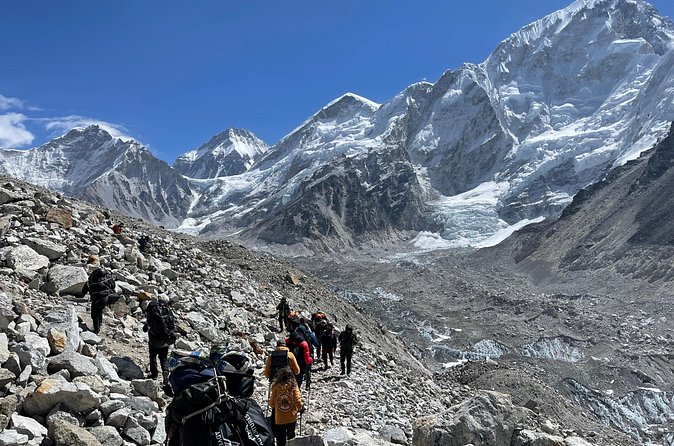
Day 8 takes you from Dingboche to Lobuche in about five hours. The trail climbs through rocky terrain with little vegetation, a clear sign that you are entering a harsher part of the route.
At Dughla, you ascend a memorial ridge dedicated to climbers who died on Everest. This is a solemn stop. It changes the tone of the trek and reminds you that the mountain is not simply a backdrop for personal achievement.
You then continue along the moraine toward Lobuche. The walking is not especially long by time, but the altitude makes every uphill section count. Keep water, warm layers, and snacks close at hand.
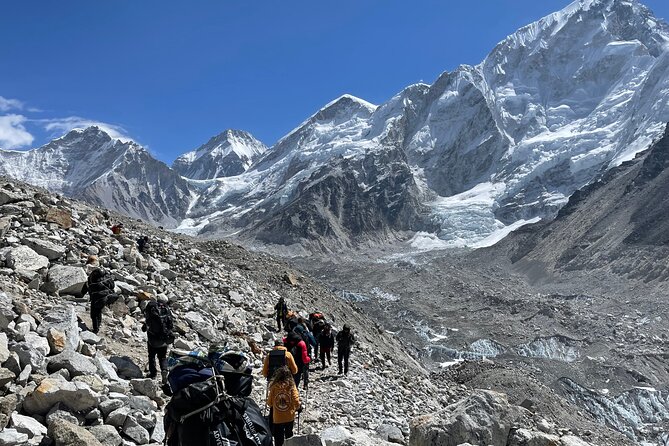
On Day 9, you walk gradually to Gorak Shep, the last settlement before Base Camp. After lunch, the route crosses rocky ground and glacier moraines toward Everest Base Camp. The full day takes about seven hours.
Reaching Base Camp is the emotional center of the trek. At 5,364 meters, you are standing at the foot of the route used by Everest expeditions. The exact views can depend on conditions, and Base Camp itself is surrounded by rough moraine terrain rather than a polished attraction.
That is part of the appeal. This is a working mountain environment, not a museum. You reach it on foot, after days of gradual ascent, and the roughness of the place makes the achievement feel earned.
You return to Gorak Shep for the night. Accommodation here is basic, and the cold can be intense, particularly in winter.
Day 10: Kala Patthar sunrise and the descent to Pheriche
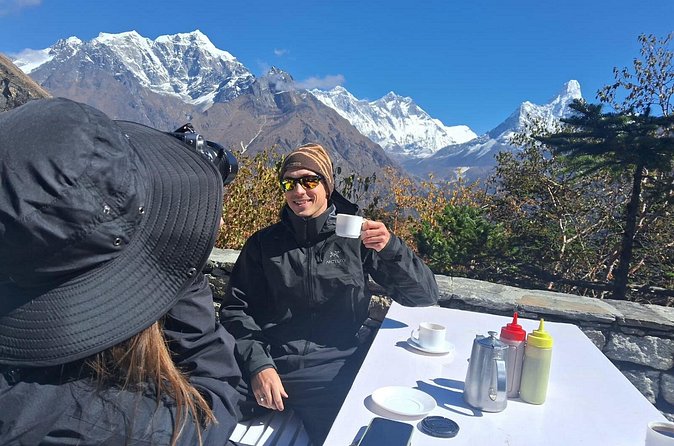
Day 10 begins early with the climb to Kala Patthar. At 5,545 meters, this is the highest point of the trip, above Everest Base Camp itself.
The goal is sunrise. From Kala Patthar, you look toward Everest and the surrounding Himalayan peaks as the light changes across the mountains. This is usually the finest viewpoint of the route, but it is also a steep, cold, high-altitude walk. You descend to Gorak Shep for breakfast, then continue downhill to Pheriche.
The schedule gives about seven hours for the day. Starting before dawn means you need warm clothing, a headlamp if available, and the patience to move slowly. The supplied equipment includes a sleeping bag, duffel bag, and walking pole, but the package does not list every item of personal cold-weather clothing, so you should confirm what you need before departure.
The descent after Kala Patthar is welcome, but it still takes effort. Tired legs, uneven rock, and altitude can make downhill walking harder than expected.
Days 11 to 13: Returning through Namche and Lukla
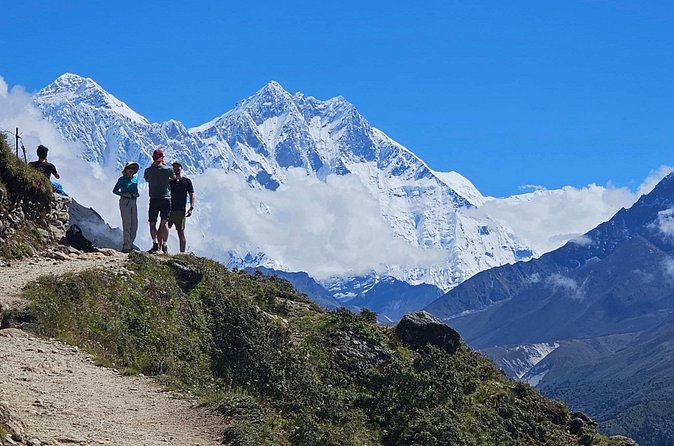
Day 11 is a long seven-hour descent toward Namche Bazaar, passing back through Pangboche and Tengboche. You retrace part of the route, but the views can look completely different when you are walking in the opposite direction.
You descend through forests, cross suspension bridges, and pass the Dudh Koshi River again. After the high, bare country above Lobuche, the return of trees feels like a real change.
Day 12 is the final trekking day, with about seven hours of downhill walking to Lukla. You pass through pine forest and cross more high bridges before reaching the town where the trek began.
This last day can be harder than it sounds. Downhill walking uses the knees and can feel slow after the main goal is already behind you. I would treat Lukla as part of the trek, not just a place to wait for the plane.
On Day 13, you take a morning flight from Lukla to Kathmandu, listed at about 45 minutes. On arrival, you transfer to your hotel and have time to rest.
The schedule includes a full extra day in Kathmandu on Day 14 as a flight buffer. That is a smart inclusion. Flights between Lukla and Kathmandu can be delayed or canceled by mountain weather, and without a spare day, a delay could threaten your international departure.
If the flight runs on time, Day 14 becomes free time in Kathmandu. The supplied plan does not specify activities for that day, so you should treat it as unplanned time rather than a promised sightseeing tour.
Day 15 ends with breakfast and an airport transfer for your onward flight.
Meals, lodges, porters, and what the price covers
The tour includes breakfast, lunch, and dinner during the trek. That removes one of the common daily decisions on a long mountain route and helps you keep your energy up.
You stay three nights in a Kathmandu hotel and 11 nights in trekking lodges. The lodges provide basic accommodation along the route. You should choose this trip for the route, scenery, and support, not for hotel-style comfort.
A porter is provided for every two people. That can make a major difference on a 15-day high-altitude trek, but you still need to pack sensibly and respect the porter’s load. A sleeping bag, duffel bag, and walking pole are included.
The package also covers necessary trekking permits and Sagarmatha Conservation fees, plus ground transportation and the return Kathmandu to Lukla flight. At $1,800, those inclusions make the price easier to justify, especially for someone who wants a guided trip without arranging each part separately.
Tips for the guide and porter are not included. Personal travel insurance is also not included, and I would not skip it for a non-refundable, weather-dependent mountain trip.
Winter cold, physical demands, and guide support
The tour requires a moderate level of physical fitness, but that phrase should not lull you into underestimating it. The route reaches 5,545 meters, includes several six- and seven-hour walking days, and involves steep climbs, rocky ground, moraine, suspension bridges, and repeated altitude gains.
Winter can be especially cold. One account of a December trek praised the beauty but stressed that the temperatures were extremely low. Another winter trekper specifically valued having guide Krishna handle the practical side of the trip, allowing the trekker to focus on walking despite below-freezing conditions.
A separate account from a couple highlighted guide Babu and his team. Those names are useful if you are comparing guide arrangements, though you should confirm who will lead your departure at booking.
Guidance is valuable here because the trek involves more than finding the path. Your guide can help manage the pace, the daily routine, and the decisions that become more important as the air gets thinner. The exact guide assignment is not specified in the tour details, so ask before paying if a particular guide matters to you.
Who should book this Everest trek?
I would choose this trip if you want a structured first Everest Base Camp experience with major practical costs handled in advance. It suits people who can walk for several hours a day and who are comfortable with simple lodges, cold conditions, and a fixed schedule.
It is also a good fit if you value cultural stops. Tengboche monastery, Sherpa villages, mani walls, prayer wheels, Namche’s museum, and Khumjung give the route a human dimension.
I would hesitate if you need luxury accommodation, flexible dates, or a gentle walking holiday. The 15-day plan is carefully paced, but it is still a high-altitude trek with an early flight, long walking days, and a demanding climb to Kala Patthar.
The non-refundable policy deserves serious attention. Read the terms carefully, arrange personal travel insurance, and consider the flight buffer when planning your international departure.
My verdict: a well-supported route with one big test
I like the balance of this itinerary. You get the famous Base Camp walk, a sunrise climb to Kala Patthar, two acclimatization days, local cultural stops, and a full weather buffer before the final international flight.
The strongest value comes from the inclusions. Flights, food, permits, park fees, lodges, hotel nights, porter support, and basic gear would be a lot to organize on your own. The main tradeoff is comfort: the mountain lodges are basic, and cold weather can be severe.
Book it if you want a guided, small-group route and are ready for the altitude. Before you commit, confirm your guide, check the equipment list, buy suitable insurance, and plan for very cold conditions. If you can accept those limits, this trip gives you a practical way to reach Everest Base Camp without losing the Sherpa villages, monasteries, and mountain trails that make the route worthwhile.
FAQ
Where does the Everest Base Camp Trek begin?
The trek begins at Tribhuvan International Airport in Kathmandu, Nepal. The stated start time is 7:15 am, and airport pickup is offered.
How long does the experience last?
The full experience lasts approximately 15 days, including arrival and departure days, trekking days, acclimatization days, flights, and a weather buffer day.
What is the highest point on the route?
Kala Patthar is the highest point, at approximately 5,545 meters. Everest Base Camp is at approximately 5,364 meters.
Are meals included?
Yes. Breakfast, lunch, and dinner are included during the trekking portion of the trip.
Are flights between Kathmandu and Lukla included?
Yes. The return flight from Kathmandu to Lukla and back to Kathmandu is included.
What accommodation is provided?
The package includes three nights in a Kathmandu hotel and 11 nights in trekking lodges.
Is porter support included?
Yes. A porter is provided for every two people.
What is not included in the price?
International airfare, the Nepal visa fee, personal travel insurance, and tips for the guide and porter are not included.
Recently added around Kathmandu
- Kathmandu Paragliding★ 5.0 · 3 reviews
- Kathmandu Airport Pickup and Drop-off Services★ 5.0 · 3 reviews
- Explore The Beauty Of Langtang Valley In 8-Days Trek★ 5.0 · 3 reviews
- Kathmandu Chandragiri Cable Car and Swayambhunath Private Tour★ 5.0 · 3 reviews
- Kathmandu: Nightlife and Pub Crawl Tour★ 5.0 · 3 reviews
- Mountain Flight Experience in Nepal★ 4.5 · 3 reviews
- Kathmandu: Momo Making Class with a Local Chef★ 5.0 · 3 reviews
- Thangka Painting Workshop★ 5.0 · 3 reviews
Other Everest Base Camp Treks worth a look


Everest Base Camp Helicopter Tour landing at Everest View Hotel
Read our review →


Everest Base Camp Helicopter Tour landing at Hotel Everest View
Read our review →

This tour also appears in