
REVIEW · EVEREST BASE CAMP TREKS
Everest Base Camp trek 14 days
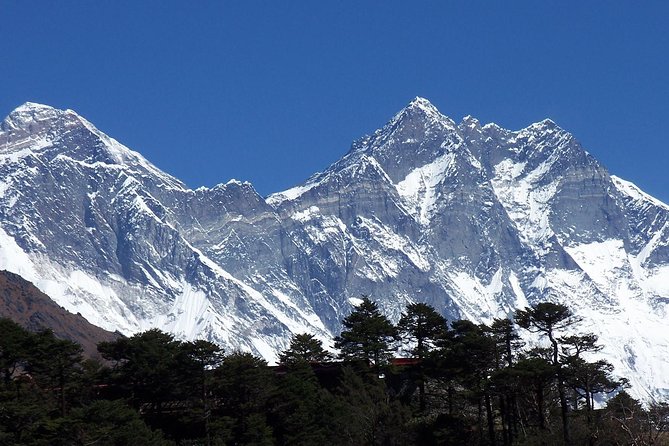
The big draw here is a classic walk through the Khumbu Valley, finishing at Everest Base Camp and Kala Patthar, with views of Everest, Ama Dablam, Lhotse, Makalu, and Cho Oyu. I like that the hard work is handled for you: flights, permits, lodges, meals, and a guide are bundled into one price.
I also like the practical extras. A sleeping bag and down jacket are provided, and the trip ends with a cultural show and farewell dinner in Kathmandu. The main caution is altitude: the schedule is demanding, and the climb to 5,550 meters at Kala Patthar requires real fitness and careful acclimatization.
Key points to know before booking
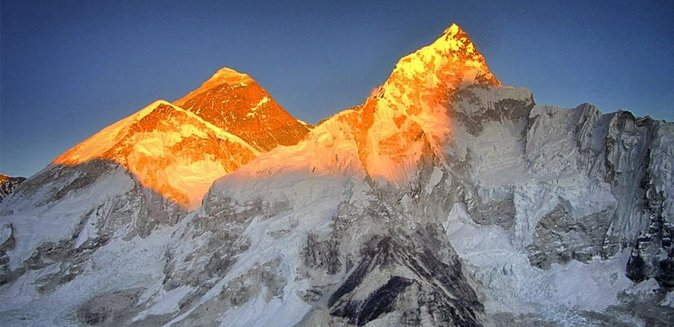
- The highest point is Kala Patthar at 5,550 meters, not Everest Base Camp itself.
- Lukla flights are included, along with airport transfers in Kathmandu and the return flight.
- Two acclimatization days are built into the schedule, one in Namche Bazaar and one around Dingboche.
- Daily trekking meals are included, while Kathmandu meals, entrance fees, insurance, and tips are extra.
- The group may reach 18 people, so this is organized rather than private.
- The package costs $1,380 per person, a useful value if you want transport, permits, lodging, food, and staff arranged together.
What $1,380 buys you in the Khumbu
At $1,380 per person, this is not simply a guide-and-walk package. The price covers airport pickup and departure, Kathmandu to Lukla and Lukla to Kathmandu flights, transport in Nepal, city hotels with breakfast, trekking lodges, permits, the TIMS card, a guide, daily trekking meals, and government charges.
You also get a sleeping bag and down jacket if needed, first-aid items, a T-shirt, and a trek achievement certificate. Guide costs include salary, accommodation, meals, and insurance. That matters because small costs add up quickly on a high-altitude trip.
The value is strongest if you would otherwise have to arrange domestic flights, permits, lodging, food, and a local guide separately. It is less all-inclusive than the headline price might first suggest. You still pay for international flights, Kathmandu meals beyond breakfast, entrance fees, personal spending, travel insurance, and tips for the trekking crew.
The package uses twin-sharing hotel rooms in Kathmandu and trekking lodges along the route. You should be comfortable with simple mountain accommodation rather than expecting resort standards. The great trade is location: you sleep along the route instead of returning to a city each night.
More Hiking Tours in Kathmandu
- Everest Base Camp Trek – 14 Days
★ 5.0 · 1,499 reviews - Everest Base Camp Trekking
★ 5.0 · 485 reviews - Nagarkot Sunrise View and Day Hiking from Kathmandu
★ 5.0 · 471 reviews
Kathmandu arrival and the short flight to Lukla
Day one is for arrival in Kathmandu. Airport pickup is included, which removes one early hassle after a long international flight. You stay in the city with breakfast, though meals beyond that are not part of the package.
Day two begins with a 40 to 45 minute flight from Kathmandu to Lukla. The flight is short, but it delivers you directly to the start of the trail at 2,640 meters. From Lukla, you walk for three to four hours to Phakding.
This first walking day is a useful introduction rather than a full mountain test. You are already at altitude, so a steady pace matters. The plan includes breakfast, lunch, and dinner on trekking days, which keeps meal planning simple.
Phakding is your first overnight stop. You should expect a trekking lodge and a short walking day, but you are not starting from sea level. Give yourself time to settle into the slower rhythm.
Phakding to Namche Bazaar, the first real climb
On day three, the trail continues from Phakding to Namche Bazaar at about 3,440 meters. The walk takes five to six hours. This is where the trek begins to feel serious, with more sustained uphill walking and a clear rise in altitude.
Namche is an important trading town in the Khumbu and the main service center on this route. It is also where the schedule gives you a full acclimatization day. That pause is one of the strongest features of the trip.
Day four is not a rest day in the lazy sense. It is set aside for acclimatization in Namche Bazaar. You need this slower day because the route climbs much higher over the following week. The schedule does not specify a particular acclimatization walk, so your guide will determine how the day is used.
I appreciate that the plan does not rush straight upward. A trek can look efficient on paper when it skips acclimatization, but altitude does not care about efficiency. The Namche stop gives your body time to adjust before the route heads deeper into the mountains.
Tengboche and the first major mountain views
Day five takes you to Tengboche at approximately 3,860 meters. The walk lasts six to seven hours, making it one of the longer early days. This is a good point to watch your energy, drink regularly, and keep your pace even.
Tengboche is known for its mountain setting and monastery, though the supplied details do not confirm a specific monastery visit as part of the package. You can expect the stop to feel more remote than Namche, with the trail now fully committed to the high mountain route.
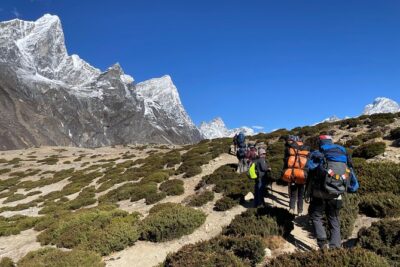
The route is especially rewarding for its views of Ama Dablam and other major peaks. The mountain scenery becomes the daily backdrop rather than a single viewpoint. Guides named in the supplied trip feedback include Ram, Suresh, and Sobit, while Pasang Sherpa is also mentioned in connection with the wider guiding team. Your assigned guide may be different, so confirm that before departure if a particular guide matters to you.
More Everest Base Camp Treks in Kathmandu:
- Everest Base Camp Helicopter Tour landing at Everest View Hotel
★ 5.0 · 668 reviews - Everest Base Camp Trekking – 13 Day
★ 5.0 · 365 reviews - Everest Base Camp Trek -14 Days
★ 5.0 · 321 reviews - Everest Base Camp Helicopter Tour landing at Hotel Everest View
★ 5.0 · 218 reviews
Dingboche and the second acclimatization pause
The schedule around days six and seven needs careful attention. It lists Dingboche acclimatization on day six, then a trek to Dingboche on day seven. That wording appears inconsistent, since Dingboche is normally the destination of the approach from Tengboche.
Before paying, ask Sunrise Adventure Trek P. Ltd to confirm the exact overnight stops and walking order for these two days. The larger point remains clear: Dingboche is included as a high-altitude adjustment stop at roughly 4,410 meters, and the plan gives you acclimatization time here.
This is an important pause before the route climbs toward Lobuche and Gorakshep. At this height, a moderate walking day can feel harder than the distance suggests. You may find that the schedule leaves less room for lingering than a slower private trek, especially if the group of up to 18 people moves at different speeds.
Lobuche and the approach to Everest Base Camp
Day eight leads to Lobuche at about 4,910 meters, with roughly five hours of walking. This is high enough that cold, thin air, and tired legs become central parts of the experience. The route is no longer just a scenic mountain walk. It is a test of how well you manage your energy.
The provided down jacket and sleeping bag are useful here. You should still bring suitable personal layers and clothing, since the package does not claim to supply a complete clothing system. The trek is supported, but you remain responsible for your own comfort and health.
Day nine is the key goal: the walk to Everest Base Camp, followed by a return to Gorakshep at approximately 5,200 meters. The supplied schedule does not give a precise walking time, so expect a demanding day with little room for a casual pace.
Base Camp is a major emotional marker, but remember the view is not the same as standing on Everest. You reach the staging area used by mountaineering expeditions, while the finest broad view of Everest on this trip comes from Kala Patthar the next morning.
Kala Patthar at 5,550 meters
Day ten begins with a hike to Kala Patthar, listed at 5,550 meters, taking about two and a half hours. This is the highest point of the trek and the place to focus on mountain views of Everest and the surrounding peaks.
The climb is short on paper but serious in practice. At this altitude, you should expect a slow, deliberate ascent. The schedule then sends you downhill to Pheriche at about 4,200 meters, with seven hours of trekking in total.
That long descent is both helpful and tiring. Dropping lower gives your body a break from the highest sleeping elevations, but your knees and feet may feel the accumulated strain. I would treat this as a day for patience, warm layers, and careful foot care rather than a race for the lodge.
The return route to Lukla and Kathmandu
Day eleven covers the long return to Namche Bazaar, about six hours. The route may feel easier because you are descending, but downhill walking can be tough after the Base Camp push. Namche also gives you a welcome return to a larger settlement before the final trail day.
Day twelve is the walk to Lukla, listed at seven hours. It is a substantial final day on foot. You finish the trail with a full walking schedule, then prepare for the flight back to Kathmandu the next day.
Day thirteen includes the flight to Kathmandu, with breakfast and dinner provided. Domestic mountain flights can be affected by conditions, and the supplied information does not promise a backup day. You should avoid scheduling an international departure immediately after this flight.
The final day is for farewell and departure, with breakfast included. The package also includes a cultural show and farewell dinner, described as a special closing program. That gives the trip a clear finish rather than ending the moment you leave the trail.
Meals, lodges, gear, and group size
Breakfast, lunch, and dinner are included during the trekking portion. This is a real convenience, since you do not need to decide where to eat each day or carry a large food supply. Kathmandu meals beyond breakfast are extra, as are bar bills and personal purchases.
The trekking lodges provide the overnight accommodation. The package does not describe room standards, heating, bathrooms, or internet access, so ask for current details if those matters affect your choice. Twin-sharing accommodation is specified for the city hotel, while the trekking lodge arrangement is included without the same room detail.
The sleeping bag and down jacket can reduce the amount of bulky equipment you need to bring. Still, confirm sizing, cleanliness, warmth rating, and whether you may use your own gear. The first-aid medicine item is useful, but it should not be treated as a substitute for personal medication or travel insurance.
A maximum of 18 people makes this a small organized group by some tour standards, but it is not a private trek. The group size can affect walking pace, meal timing, and how much individual attention you receive. The strongest feedback about the operator centers on organization, safety attention, food, accommodation, and helpful guide and porter support.
Who will get the most from this trek
This tour suits you if you want the famous Everest Base Camp route but do not want to coordinate every permit, flight, lodge, meal, and transfer yourself. It is also a good fit if you value having a guide and prefer a planned 14-day structure.
You need a moderate level of physical fitness. The schedule includes several five to seven hour walking days, substantial altitude gain, a 5,550-meter summit point, and a long descent immediately after Kala Patthar.
This is not the best choice if you want a private pace, luxury lodging, or a flexible schedule with several spare days. The plan is full, and the maximum group size is 18. The unclear wording around Dingboche is another reason to ask questions before booking.
The operator received a 5 out of 5 rating from 46 submitted ratings, with 100 percent recommending the experience. Specific praise focuses on excellent organization, clear follow-up from Suresh, helpful guides and porters, transportation, permits, meals, and accommodation. Names connected with individual trips include Ram, Suresh, Sobit, and Pasang Sherpa. Those details suggest strong staff support, but they do not guarantee a particular person on your departure.
Practical booking advice
Bring travel insurance that covers trekking at altitude, since insurance is not included. Tips for the trekking crew are also extra, so budget for them separately.
Ask Sunrise Adventure Trek P. Ltd to clarify the Dingboche sequence, the exact hotel name in Kathmandu, lodge room arrangements, and the plan if the Lukla flight is delayed. These are not reasons to reject the trip. They are sensible questions for any fixed-schedule Himalayan trek.
The cancellation terms are fairly forgiving: you can receive a full refund if you cancel at least 24 hours before the local start time. Changes or cancellations inside that window are not accepted for a refund.
Should you book this Everest Base Camp trek?
I would choose this trek if you want a well-arranged first Everest Base Camp experience at a price that covers the expensive practical pieces. The included flights, permits, guide costs, meals, lodges, airport transfers, sleeping bag, and down jacket give the $1,380 price solid value.
I would pause if you need a private guide, more time for acclimatization, higher-end lodging, or a built-in weather buffer. Before booking, get the Dingboche schedule and flight contingency details in writing.
For a fit walker who wants the classic route, organized support, and a group setting, this is a sensible package. The mountain will still set the terms, but the operator takes much of the paperwork and daily planning off your shoulders.
FAQ
Where does the Everest Base Camp trek begin?
The experience begins in Kathmandu, Nepal. Airport pickup and departure services in Kathmandu are included.
How long does the trek last?
The scheduled experience lasts 14 days, including arrival, trekking, the return flight to Kathmandu, farewell activities, and departure.
Is the flight from Kathmandu to Lukla included?
Yes. The package includes Kathmandu to Lukla and Lukla to Kathmandu flight tickets. The outbound flight is listed as taking about 40 to 45 minutes.
What is the highest point of the trek?
The highest point is Kala Patthar at approximately 5,550 meters. The route also reaches Gorakshep at about 5,200 meters.
Are meals included?
Breakfast, lunch, and dinner are included during the trekking days listed in the schedule. Extra meals in Kathmandu, drinks, bar bills, and personal expenses are not included.
Is accommodation included?
Yes. City accommodation with breakfast and trekking lodge accommodation are included. The city hotel uses twin-sharing rooms.
Is trekking equipment provided?
A sleeping bag and down jacket can be provided during the trek if you need them. The package also includes a T-shirt and first-aid medicine items.
Are permits included?
Yes. The trekking permit and TIMS card are included, along with government tax and official expenses.
What is the maximum group size?
The tour can include a maximum of 18 people. It is an organized group experience rather than a private departure.
Recently added around Kathmandu
- Kathmandu Airport Pickup and Drop-off Services★ 5.0 · 3 reviews
- Kathmandu Paragliding★ 5.0 · 3 reviews
- Explore The Beauty Of Langtang Valley In 8-Days Trek★ 5.0 · 3 reviews
- Kathmandu Chandragiri Cable Car and Swayambhunath Private Tour★ 5.0 · 3 reviews
- Kathmandu: Nightlife and Pub Crawl Tour★ 5.0 · 3 reviews
- Kathmandu: Momo Making Class with a Local Chef★ 5.0 · 3 reviews
- Mountain Flight Experience in Nepal★ 4.5 · 3 reviews
- Everest Base Camp Trek★ 5.0 · 3 reviews
Other Everest Base Camp Treks worth a look
Everest Base Camp Helicopter Tour landing at Everest View Hotel
Read our review →
Everest Base Camp Helicopter Tour landing at Hotel Everest View
Read our review →
This tour also appears in