
REVIEW · KATHMANDU TOURS
Full Day Sightseeing Tour of Kathmandu
Kathmandu packs an astonishing amount of sacred art, royal architecture, and living tradition into one valley. This tour gives you a practical way to see all seven major heritage sites in one day, with hotel pickup, transport, and a local guide handling the route.
I like two things here. First, the small group limit of 15 keeps the day more personal than a big coach outing. Second, the tour offers a choice: four key sights for a less punishing day, or the full seven-site route if your time in Nepal is short. Guide Sumit has received especially warm praise for making the long schedule informative and worthwhile.
The catch is simple: the full route is a very long day. Each stop is planned for about an hour, but traffic, entry lines, walking, and the distance between Kathmandu, Patan, Bhaktapur, and Changunarayan can make the schedule feel tight. You will also pay entrance fees separately, and the top listed total adds up quickly.
Key points at a glance
- Seven heritage sites in one day: The full route includes Swayambhunath, Boudhanath, Pashupatinath, Kathmandu Durbar Square, Patan Durbar Square, Bhaktapur Durbar Square, and Changunarayan.
- A four-site alternative: Choose the shorter highlights route if you want more breathing room and less time in the vehicle.
- Small shared group: The maximum group size is 15 people, with hotel pickup and drop-off included.
- A guide who may make the difference: Sumit is specifically associated with strong guiding on this experience.
- Bring cash for admissions: The listed maximum entrance fees total $43.50, more than the $40 tour price.
- Good for a short Kathmandu stay: It removes much of the transport planning, but the full version favors coverage over leisurely visits.
Why this Kathmandu day tour can save you time
Kathmandu Valley is not one compact sightseeing district. Its main monuments are spread across Kathmandu, Patan, Bhaktapur, and the hill above Bhaktapur. Getting between them on your own means arranging several rides, checking opening details, and keeping track of which entrance fee applies at each place.
This tour solves the basic transport problem. Hotel pickup and drop-off are included, along with private transportation when you book the private option, parking, bottled water, and the driver’s and guide’s salaries. On a shared departure, you meet other people and split the experience into a small group of no more than 15.
The tour lasts about seven hours. That is enough time to reach every listed site in a carefully packed day, but not enough for a slow museum-style visit at each one. I would choose the seven-site plan only if your main goal is to see the valley’s major landmarks and understand how they fit together.
If you have more time in Kathmandu, the four-site option may suit you better. It allows you to pay closer attention to the places you visit, rather than treating the last few stops as boxes to check.
A few more Kathmandu days to weigh up
- Kathmandu: Full Day 7 UNESCO Tour with Lunch – Private/Group
★ 5.0 · 415 reviews - Kathmandu: Full Day Top 4 UNESCO Tour with Lunch – Private/Group
★ 5.0 · 269 reviews - Kathmandu: Full-Day 7 UNESCO Tour with Lunch – Private/Group
★ 4.9 · 247 reviews
Swayambhunath, the hilltop Monkey Temple
The day begins at Swayambhunath, an ancient Buddhist stupa on a hill west of Kathmandu Valley. Its white dome, watchful eyes, prayer flags, and hilltop setting make it one of the most recognizable sights in the city.
The temple is also known as the Monkey Temple. The name gives you a useful warning: this is an active religious place, not simply a viewpoint or photo stop. Take time to notice the way Buddhist symbols, shrines, and daily worship share the same space.
The planned visit is about one hour. That is enough for a guided introduction and a look around, though the hilltop setting means the stop may require more effort than the simple schedule suggests. Admission is not included. The maximum listed fee is $1.50 per person, with different rates based on nationality.
I like starting here because it gives you a visual introduction to Kathmandu before the denser urban stops. From a hilltop, you can begin to understand how the valley’s sacred sites and old cities relate to one another.
Boudhanath and the circle of Tibetan Buddhist life
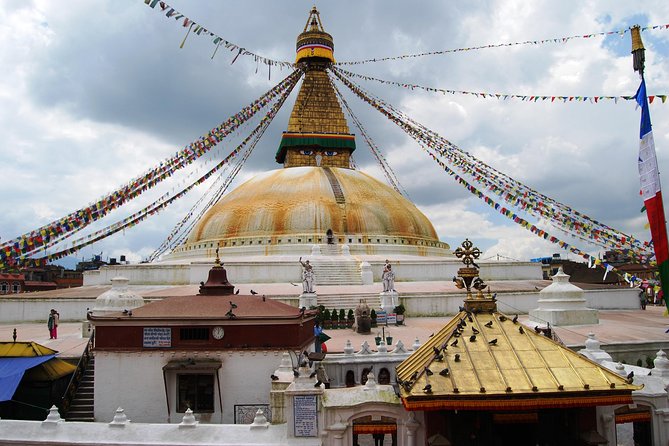
Boudhanath Stupa is one of Nepal’s largest stupas and a major center for Tibetan Buddhism. Its huge mandala design, white dome, colorful prayer flags, and surrounding religious buildings create a very different mood from Swayambhunath.
The one-hour stop is best used with your guide’s help. The shape of the stupa is not random decoration. Its design carries religious meaning, and the site rewards attention to symbols that can be easy to miss if you simply walk around taking photographs.
Boudhanath is in the heart of Kathmandu, so the approach and departure depend on city traffic. That is one reason organized transport helps on this route. You are not spending your limited sightseeing time negotiating every ride yourself.
The listed maximum entrance fee is $3. You should keep local cash available, since the tour price covers transportation and guiding but not admissions. This is also a good place to remember that the tour is a cultural introduction, not a long period for shopping, eating, or sitting quietly at one site.
Pashupatinath, the Bagmati River, and Hindu devotion
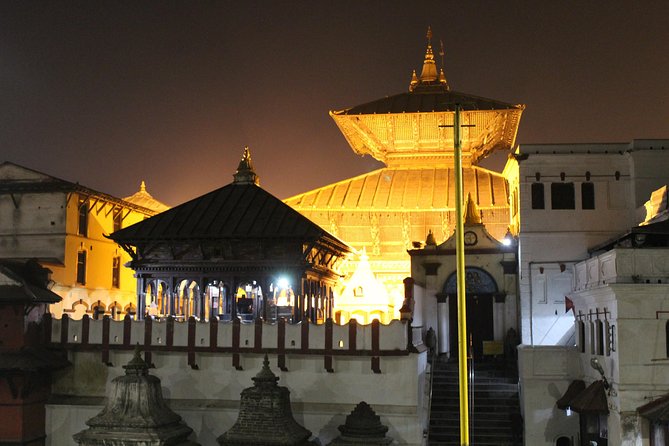
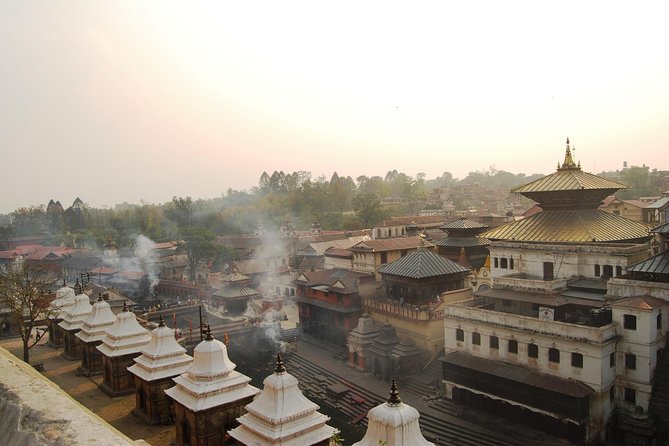
Pashupatinath Temple sits beside the Bagmati River and is Nepal’s most sacred Hindu temple dedicated to Lord Shiva. Its intricate architecture and cremation ghats make it one of the valley’s most important religious places.
This stop calls for respect and close attention. The riverfront setting, temple buildings, and religious activity offer a window into Hindu practice that is very different from the Buddhist spaces earlier in the day. Your guide can help explain what you are seeing and how to behave appropriately.
The scheduled time is about one hour. That keeps the full route moving, but it may feel short at a site with several layers of religious and cultural meaning. If Pashupatinath is one of your main priorities, the four-site version may give you a less hurried visit.
The maximum listed entrance fee is $7.50, though rates differ by nationality and Indian nationals enter free according to the supplied information. As with the other sites, this admission is separate from the $40 tour price.
A different kind of day from the same base:
- Everest Base Camp Trek – 14 Days
★ 5.0 · 1,499 reviews - Private Kathmandu Sightseeing Tour | UNESCO World Heritage sites
★ 5.0 · 756 reviews - Everest Base Camp Helicopter Tour landing at Everest View Hotel
★ 5.0 · 668 reviews - Half day cooking class in Thamel kathmandu
★ 5.0 · 607 reviews
Kathmandu Durbar Square, royal architecture in the city center
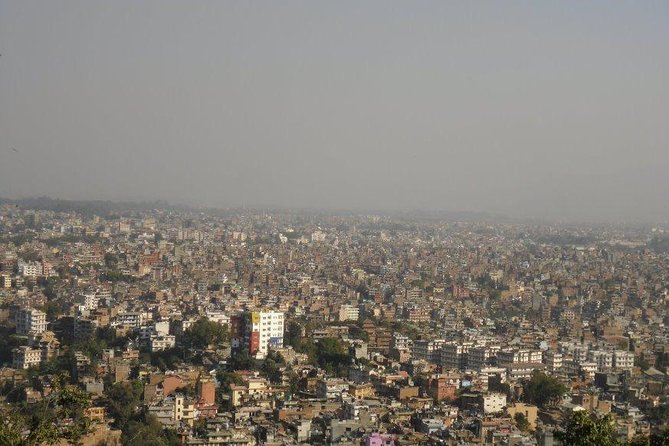
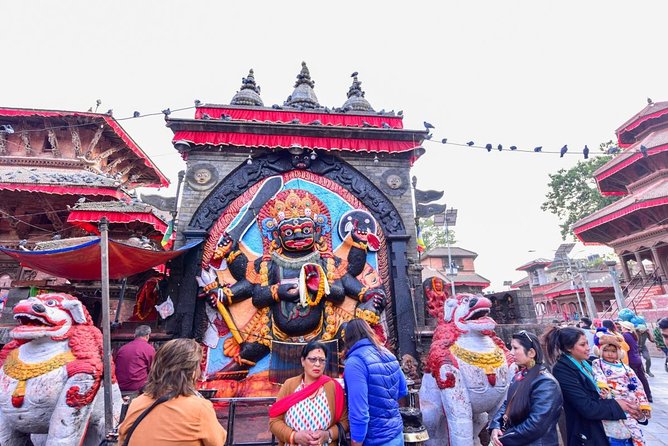
Kathmandu Durbar Square is a historic royal palace complex in the center of Kathmandu. It is known for carved wooden buildings, temples, courtyards, and architecture connected with the old seat of power.
This stop helps balance the religious sites with the valley’s political and artistic past. Look for the fine wood carving and the way the buildings frame the open square. A guide is particularly useful here because a quick walk can otherwise turn into a blur of similar-looking courtyards and shrines.
One hour is the planned visit time. It gives you a strong overview, but you may not have time to explore every corner or linger over each carved detail. The maximum listed admission fee is $7.50, with different rates for different nationalities.
Kathmandu Durbar Square is in a central part of the city, so road conditions can affect the day’s pace. The included driver and planned route reduce the hassle, but no sightseeing vehicle can remove Kathmandu’s traffic from the equation.
Patan Durbar Square and Newar craftsmanship
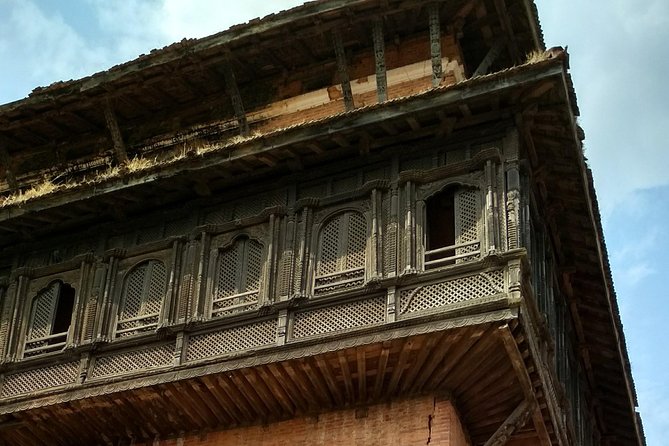
Patan Durbar Square lies in the city of Patan, about eight kilometers from Kathmandu. It is another royal complex, but the character here comes strongly through Newar architecture, temples, courtyards, and carved artistic details.
I would pay close attention to the workmanship at this stop. Patan is a good place to see how religious devotion, royal patronage, and local craft traditions meet in one compact area. The tour’s one-hour visit gives you a useful first look, especially if your guide points out the architectural features that separate Patan from Kathmandu Durbar Square.
The maximum listed entrance fee is $7.50. Because Patan is outside central Kathmandu, having transport already arranged matters. You can focus on the site rather than spending part of the day working out how to get there and back.
If you enjoy architecture and traditional craft, Patan may be one of the places you wish had more time. The seven-site route gives you range, while the four-site route gives you a better chance to slow down.
Bhaktapur Durbar Square, the medieval centerpiece
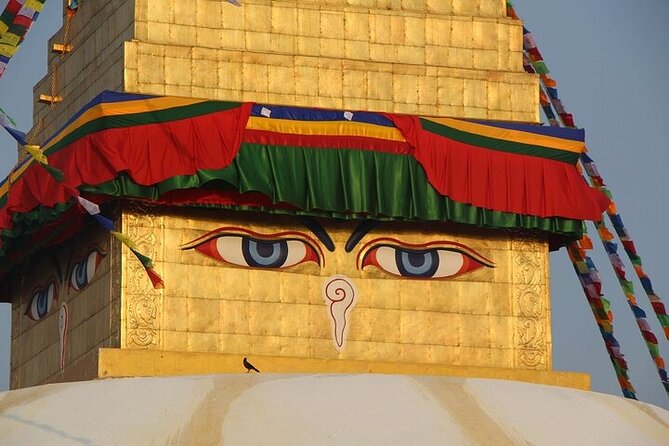
Bhaktapur Durbar Square is in the neighboring city of Bhaktapur. The area is known for medieval charm, well-preserved heritage, temples, and carefully made architectural details.
This is one of the strongest reasons to consider the full-day tour. Bhaktapur is not just another square in the same city. Reaching it adds another historic urban center to your day and shows how the valley developed as a group of connected but distinct royal cities.
The planned visit is about one hour. By this point, you may already have seen several major monuments, so the schedule can feel demanding. Still, Bhaktapur adds a different setting and helps explain why a single Kathmandu base can lead to such a wide range of cultural sites.
The maximum admission fee is $13.50, the highest individual charge on the route. That fee alone is a useful part of the value calculation. If you plan to see Bhaktapur anyway, having it included in an organized route can make the $40 tour price look reasonable, even before considering the guide and transport.
Changunarayan, the hilltop final stop
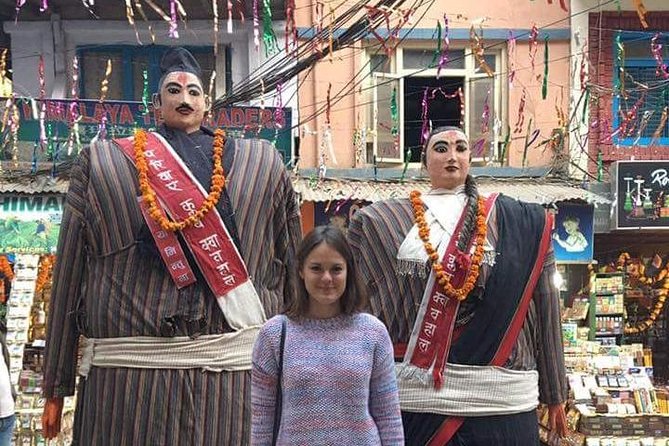
Changunarayan Temple sits on a hilltop near Bhaktapur and is described as one of Nepal’s oldest Hindu temples. It is dedicated to Lord Vishnu and is known for stone inscriptions and detailed woodwork.
The setting gives the day a different finish. After royal squares and large stupas, Changunarayan brings you to an older temple site with a quieter hilltop identity. Its inscriptions and carved details are the main reason to pay attention here.
The visit is planned for about one hour, and admission is listed as free in the itinerary, although the additional information lists a maximum entrance fee of $3. Since the supplied details give both figures, check the current charge with the operator or guide before setting your budget.
Changunarayan is also the stop that makes the full route feel ambitious. It is near Bhaktapur rather than in central Kathmandu, so the day covers a lot of ground. If you want to see all seven sites, accept that this is a coverage-focused outing rather than a relaxed temple day.
The real cost: $40 plus entrance fees
At $40 per person, the tour is priced as an affordable way to combine a guide, vehicle, hotel pickup, parking, bottled water, and a full day of sightseeing. The value is strongest for people who have only one open day and do not want to arrange transport between several cities and hilltop sites.
Entrance fees are extra. Using the listed maximum rates, the charges are:
- Swayambhunath: $1.50
- Kathmandu Durbar Square: $7.50
- Patan Durbar Square: $7.50
- Pashupatinath: $7.50
- Boudhanath: $3
- Bhaktapur Durbar Square: $13.50
- Changunarayan: $3, though the itinerary also lists admission as free
That brings the possible entrance total to $43.50, or $40.50 if Changunarayan is free. The maximum combined cost could therefore be about $80.50 to $83.50 per person before food and drinks. Nationality-based rates may reduce the actual amount.
This does not make the tour poor value. It simply means you should not mistake the advertised price for the complete day’s cost. Bring cash for entrance fees and small purchases, a practical tip that matters here because the admission total can be substantial.
Group discounts are available, and the private version includes private transportation and a private guide. The supplied details do not give the private supplement, so ask for the exact price before booking.
How the seven-hour schedule feels
The tour allows about one hour at each of seven stops, but the day is not seven hours of monument time. Pickup, road travel, parking, traffic, and movement between sites all take part of the schedule.
That is why the experience works best when you set the right goal. You can see the major places, get a guided explanation, and learn how Kathmandu Valley’s Buddhist, Hindu, royal, and Newar traditions connect. You should not expect a leisurely meal, long photography breaks, or an unhurried examination of every temple.
Food and drinks are not included. Plan around that before departure, since the schedule is packed and the supplied information does not specify a meal stop. Bottled water is included, which is helpful on a long day.
Weather also matters. The experience requires good weather. If poor conditions cause cancellation, you are offered another date or a full refund.
Who should book this experience
I would choose this tour if you have limited time in Kathmandu, want to see the valley’s major sites in one organized day, or feel uneasy about arranging several separate rides. It is also a good fit if you like having a guide put religious buildings and royal squares into context.
The tour suits active sightseers who can handle a long day and accept a brisk pace. It may be less satisfying if you prefer slow mornings, long meals, extensive photography, or quiet time at each temple.
The four-site option is the smarter choice for many people. You still get the main landmarks, but with less pressure. Choose all seven when completeness matters more to you than comfort.
The group size is capped at 15, which is small enough to keep the outing manageable without the cost of a fully private tour. Guide Sumit has been praised for making the full route informative, including on a rainy day. Guide quality can vary by departure, but an attentive local guide is one of the main reasons to book this rather than simply hiring rides.
Should you book the Kathmandu full-day tour?
Book it if your Kathmandu schedule is tight and you want the valley’s major heritage sites handled in one day. The transport, hotel pickup, guide, and small group make the logistics far easier than piecing the route together yourself.
Before booking, choose between the four-site and seven-site versions with care. The full itinerary gives you impressive range, but it is a long, packed day and the separate entrance fees can nearly match the tour price. For most people with only one sightseeing day, I would book the tour and choose the full route. If you have two or more days, take the shorter option and spend more time at the places that matter most to you.
Free cancellation is available up to 24 hours before the start time. Cancellations or changes made within 24 hours are not refunded or accepted.
FAQ
How long does the Kathmandu sightseeing tour last?
The tour lasts approximately seven hours.
How many heritage sites can I visit?
The full route includes seven sites: Swayambhunath, Boudhanath Stupa, Pashupatinath Temple, Kathmandu Durbar Square, Patan Durbar Square, Bhaktapur Durbar Square, and Changunarayan.
Is there a shorter sightseeing option?
Yes. You can choose a highlights version covering four key landmarks instead of the full seven-site route.
Is hotel pickup included?
Yes. Hotel pickup and drop-off are included.
What is the maximum group size?
The shared tour has a maximum of 15 participants.
Is transportation included?
Yes. Transportation, parking, and bottled water are included. Private transportation is included when you book the private option.
Are entrance fees included in the $40 price?
No. Entrance fees are separate, and the listed maximum charges vary by site and nationality.
How much are the listed maximum entrance fees?
The maximum listed fees are $1.50 for Swayambhunath, $7.50 each for Kathmandu Durbar Square, Patan Durbar Square, and Pashupatinath, $3 for Boudhanath, $13.50 for Bhaktapur Durbar Square, and $3 for Changunarayan. The itinerary also lists Changunarayan admission as free.
Is food included?
No. Food and drinks are not included, although bottled water is provided.
Can I cancel for a full refund?
Yes, if you cancel at least 24 hours before the experience start time. Cancellations made less than 24 hours in advance are not refunded. If poor weather forces a cancellation, you can receive a different date or a full refund.
Recently added around Kathmandu
- Kathmandu Paragliding★ 5.0 · 3 reviews
- Kathmandu Airport Pickup and Drop-off Services★ 5.0 · 3 reviews
- Kathmandu Chandragiri Cable Car and Swayambhunath Private Tour★ 5.0 · 3 reviews
- Explore The Beauty Of Langtang Valley In 8-Days Trek★ 5.0 · 3 reviews
- Kathmandu: Nightlife and Pub Crawl Tour★ 5.0 · 3 reviews
- Mountain Flight Experience in Nepal★ 4.5 · 3 reviews
- Kathmandu: Momo Making Class with a Local Chef★ 5.0 · 3 reviews
- Everest Base Camp Trek★ 5.0 · 3 reviews
Other Kathmandu Tours worth a look


Private Kathmandu Sightseeing Tour | UNESCO World Heritage sites
Read our review →
Everest Base Camp Helicopter Tour landing at Everest View Hotel
Read our review →


Nagarkot Sunrise View and Day Hiking from Kathmandu
Read our review →
Full Day 7 UNESCO Tour with Lunch – Private/Group
Read our review →