
REVIEW · POKHARA TOURS
Private Tour Local Culture and The View of Mohare Danda
The best part of this five-day trip is its local focus. Instead of following Nepal’s busiest trekking routes, you walk through villages where community-run lodges send money toward schools, health care, roads, and local jobs. I especially like the direct connection with village life and the chance to see Dhaulagiri, Annapurna, and Manaslu from quieter viewpoints. Guides Chitra and Lukesh are also a real asset, particularly when weather or trail conditions become difficult.
The tradeoff is that this is still a serious mountain walk, not a gentle sightseeing tour. You should have moderate fitness, expect long days on foot, and be ready for rain, hail, uneven trails, and changing plans. The route is less polished than a major trekking circuit, but that is part of its appeal.
Key points to know before booking
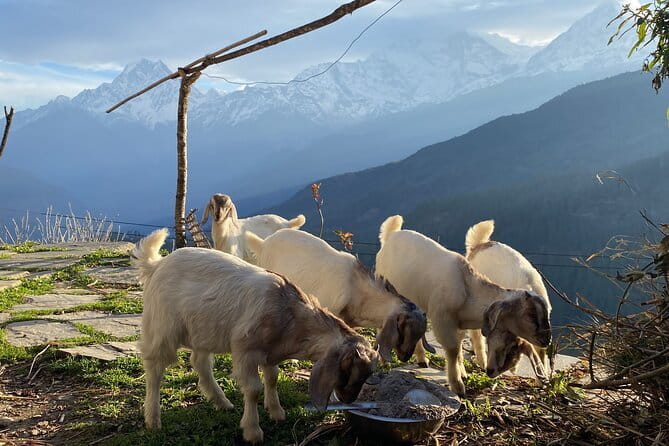
- Community-run lodges: Your overnight stays support local education, health, infrastructure, and employment.
- Three major mountain ranges: Clear weather can reveal Dhaulagiri, Annapurna, and Manaslu from high viewpoints.
- Guides Chitra and Lukesh: Their local relationships help connect you with village life and solve problems on the trail.
- Five days with meals included: Breakfast, lunch, dinner, tea, and coffee are covered, along with private transport.
- A quieter route: You trade busy trekking hubs for farming villages, forest paths, and modest mountain lodges.
- Weather matters: Poor conditions can lead to a new date or a full refund, and rain gear is sensible.
Why Mohare Danda feels different from a standard Nepal trek
Mohare Danda is appealing because the route is built around people as much as scenery. You pass through settlements, farmland, traditional houses, and working communities rather than simply moving from one famous mountain lodge to another.
That matters in Nepal. Lodge income can stay in the village, and hiring local porters and guides keeps more of your spending near the trail. The operator also says local employment helps support education, health services, and infrastructure. For you, that means your trip has a clear connection to the places you visit.
The route is described as off the beaten path, though you should not read that as untouched wilderness. You will still use established village paths and lodge facilities. The difference is the pace and setting: fewer famous trail centers, more contact with farming communities, and a stronger sense that people live and work along the route.
Guides Chitra and Lukesh are central to the experience. Their ties with people along the trail can make the walk feel more personal, and their practical help matters when the weather turns rough. One group faced heavy rain and hail, while another found the descent from Mohare Danda so demanding that cars were arranged for part of the way down. That tells you two useful things: the team pays attention to safety, and the itinerary can be adjusted when pushing ahead on foot would be unwise.
A few more Pokhara days to weigh up
- ZipFlyer Nepal – The World’s Steepest Zip-line
★ 5.0 · 608 reviews - Bungee Pokhara by HighGround Adventures
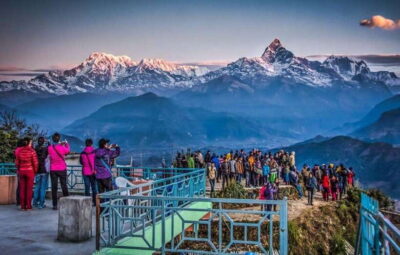
★ 5.0 · 366 reviews - From Pokhara: Sarangkot Sunrise Himalayas Tour
★ 4.7 · 218 reviews
Day 1: From Pokhara to the Kali Gandaki and Banskharka
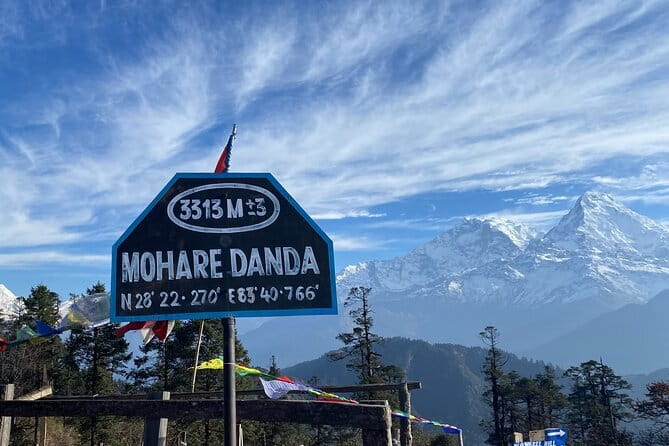
The first day begins with private transport from Pokhara toward Beni. You drive beside the Kali Gandaki River, one of Nepal’s important waterways, before stopping for lunch in Beni and beginning the walk toward Banskharka village.
This opening drive gives you a useful change of scale. Pokhara is a comfortable base with tourist services, while the road toward Beni leads into a more rural part of the Annapurna region. The river provides a constant visual guide as you travel, and its religious importance becomes clearer later in the trip.
The walk takes about five hours. Near Mallaj, you can see Brahman settlement patterns and farmland. This is not just scenery for a camera. Fields, houses, and village paths show how daily life is organized in the hills, where agriculture remains closely tied to the shape of the land.
The final approach to Banskharka brings you into the first overnight community setting. Expect a genuine village atmosphere rather than a large trekking resort. The included dinner and lodge stay make this a straightforward first night, but you should still be prepared for simple accommodation and a full day that combines driving with hiking.
Day 2: Dhaulagiri views and local craft in the villages
Day two includes roughly five hours of walking and a particularly good mountain-view stop. You can eat an outdoor lunch with the Dhaulagiri range in sight. Dhaulagiri is the world’s seventh-highest mountain, so even a meal break becomes a memorable part of the route when the weather is clear.
The setting combines mountain scenery with traditional Nepalese houses and farmland. I like this pairing because the peaks do not appear as isolated trophies. You see them above the places where people grow food, raise families, and maintain village life.
There is also a chance to buy handmade Lokta paper and other handicrafts. Lokta paper is a traditional Nepalese product made from the bark of the lokta plant. The tour information does not specify the exact items or prices, so think of this as an optional chance to support local makers rather than a guaranteed shopping stop.
The main limitation is weather. Mountain views can disappear behind cloud, and an outdoor lunch is less appealing in rain. The itinerary has a weather policy for cancellations, but a normal cloudy day may simply mean you continue without the full panorama. Bring a waterproof layer and keep your expectations flexible.
Day 3: Sunrise over Annapurna, Dhaulagiri, and Manaslu
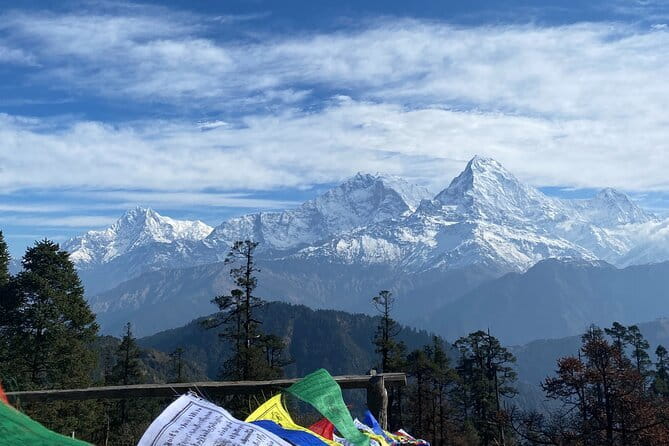
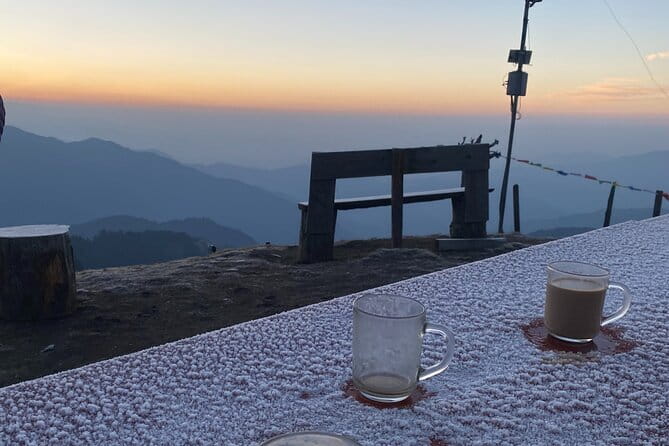
The third day is the visual high point of the trip. You are set up for sunrise views of the Annapurna, Dhaulagiri, and Manaslu ranges, with a cozy dining area and a firewood chimney available at the lodge. Free internet is also listed, which can be useful if you need to send a message or check weather conditions.
Sunrise in the mountains rewards an early start, though the exact wake-up time is not provided. Ask Chitra or Lukesh the evening before so you know when to be ready. Clear air can turn the peaks pink and gold, but cloud can also move in quickly. The experience is best treated as a valuable chance, not a guaranteed show.
The day’s schedule lists about seven hours around the mountain viewpoints and includes separate references to Annapurna, Dhaulagiri, and Mount Manaslu. Manaslu rises to 8,163 metres and is the world’s eighth-highest mountain. Seeing three major ranges from one route gives this trek a strong scenic payoff, especially for anyone who wants Himalayan views without committing to a much longer circuit.
The firewood chimney is a small but important comfort. After a cool morning walk, a warm dining room gives you a place to dry out and rest. Internet access is helpful, but do not book this trip expecting reliable connectivity everywhere. It is listed as a lodge facility, not as a constant service across the whole route.
A different kind of day from the same base:
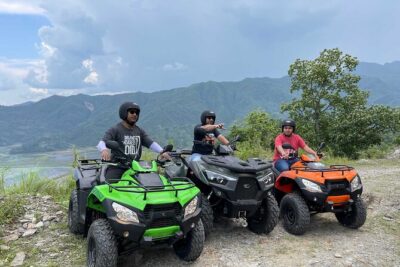
- ATV Adventure Tour in Pokhara, Nepal
★ 5.0 · 194 reviews - Full-Day Tibetan Cultural Tour to Tibetan Settlements Pokhara
★ 5.0 · 184 reviews - Pokhara: Full-Day Sharing Bus Tour on 7 Iconic Destination
★ 4.1 · 179 reviews - Poon hill Trek 3 days
★ 5.0 · 176 reviews
Day 4: Kali Daha Lake, rhododendrons, and the great gorge
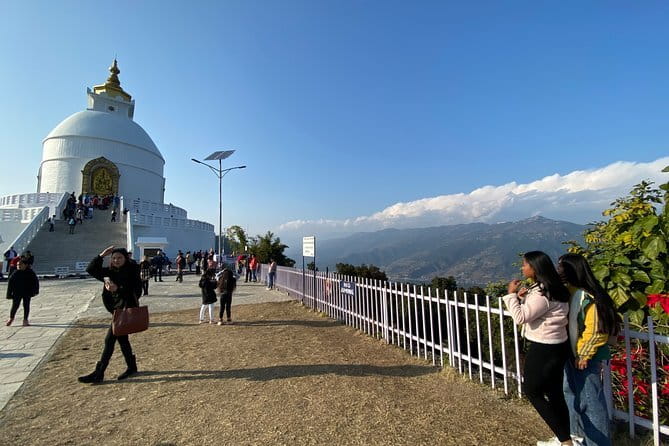
Day four brings a change from broad mountain views to forest, water, and geology. Kali Daha Lake is described as a mirror-like body of water reflecting Annapurna’s peaks. If the surface is calm and the skies are clear, it should provide one of the quieter photo stops of the trek.
The trail also passes through areas with rhododendron bushes. Rhododendrons are important in Nepali culture, and their flowers add color to the forest during the blooming season. The exact flowering dates are not given, so you should not assume the bushes will be in bloom on your departure.
This portion of the route is about more than scenery. Forest paths offer shade and a different walking rhythm from open farmland or exposed mountain viewpoints. They can also become slippery after rain, so shoes with good grip are sensible. The tour requires moderate physical fitness, and this is one of the days when uneven ground and a long walking schedule may be felt.
You also encounter the Kali Gandaki Gorge, a dramatic natural feature between Dhaulagiri and Annapurna. The river separates two of the world’s ten highest mountains. Measured from Dhaulagiri’s summit to the riverbed, the vertical difference is about 5.5 kilometres, often described as the deepest gorge in the world.
That figure gives useful context to what you see. The river is not merely a scenic stream beside the road. It cuts through a huge mountain corridor with cultural and religious importance, linking the walking route to one of Nepal’s most striking natural formations.
Day 5: Sacred river country and the return journey
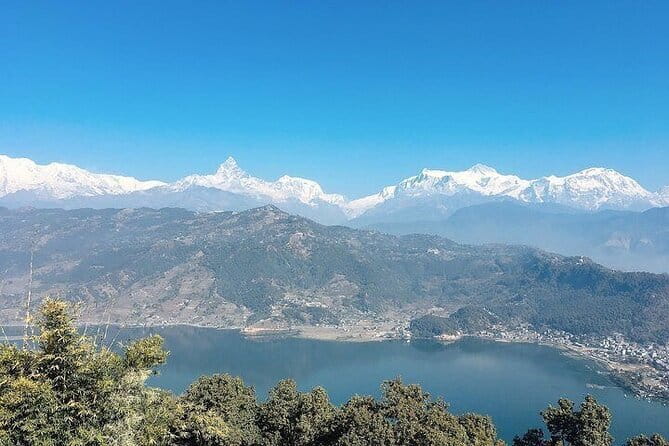
The final day returns your attention to the Kali Gandaki River. The river is sacred in both Hindu and Buddhist traditions, and religious ceremonies take place along its banks. Pilgrims may bathe in the water as an act of purification.
You should approach these places with care and respect. The information provided does not specify a formal ceremony or a bathing stop for your group, so do not assume you will take part in a ritual. Your guide can explain what is appropriate if you encounter religious activity along the river.
The fifth day is listed at about seven hours. Since the trip includes private transportation, the exact balance between driving and walking may depend on the route and conditions. This flexibility is useful in mountain country, especially after several days on foot.
There is also an optional Pun Magar Traditional Cultural Program, priced at $48 in total if you request it. It is not included in the tour price. Ask for the details before agreeing, including what the program involves and whether the timing fits your group’s schedule.
What the $315 price covers
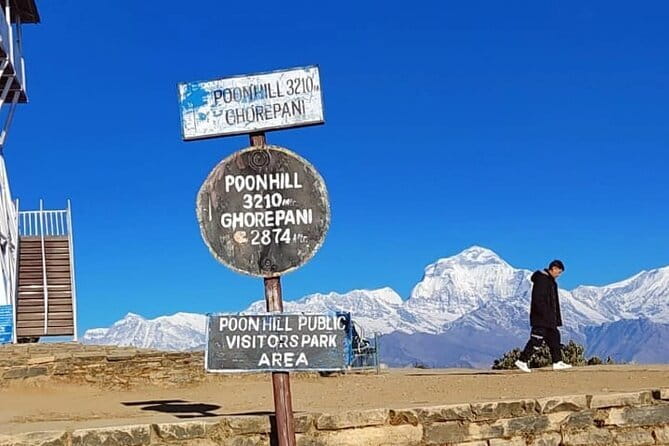
At $315 for approximately five days, this trip offers solid value if you want a private experience with the main practical costs bundled together. You receive private transportation in an air-conditioned vehicle, a licensed or certified in-person guide, and local porters who carry your luggage between destinations.
Meals are included: five lunches, four breakfasts, and four dinners. Tea and coffee are also covered. A hot shower is included, which can make a meaningful difference after long walking days.
The price does not include wine, alcohol, or soft drinks. The Pun Magar cultural program costs an additional $48 if you ask to add it. You should also clarify any personal purchases, such as handicrafts, before setting your spending budget.
The strongest value here is not luxury. It is the combination of private guiding, luggage support, meals, transport, and community-based lodging. If you priced each part separately, the package would be convenient. If you want a high-end lodge trek with polished facilities at every stop, this is probably not the right match.
Group discounts are available, and only your group participates because this is a private tour. That gives you more control over walking pace and rest stops than a large shared departure. It also means the quality of your experience depends heavily on your group’s fitness and attitude. A private group that wants to stop often can do so more easily, while a group with mixed abilities should discuss expectations before setting out.
Fitness, weather, and the practical side of walking
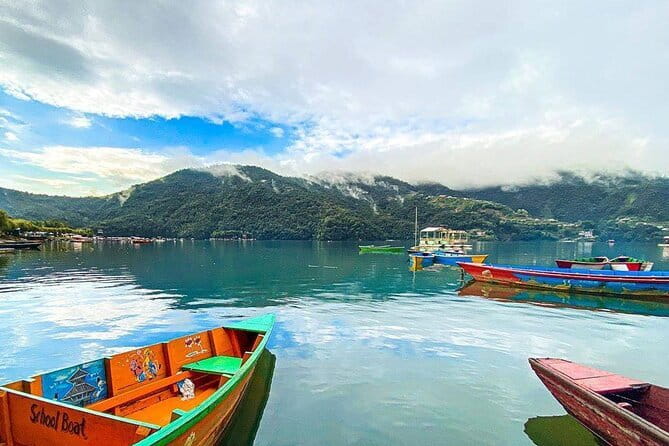
You need moderate physical fitness. The schedule includes walking days of around five to seven hours, and the descent from Mohare Danda can be especially demanding. Even if vehicles can sometimes be arranged, you should plan as if you will walk the full route.
Rain and hail have occurred on this kind of trip, and mountain weather can change quickly. Pack waterproof clothing, sturdy footwear, warm layers, and a protective cover for personal items. The operator provides porters for luggage, but you still need a daypack for water, layers, medication, and valuables.
The route’s quieter character brings both reward and compromise. You gain village contact and a less crowded trail, but facilities may be simpler than those on Nepal’s most established trekking routes. Hot showers are included, and one lodge has free internet, but the information does not promise the same services at every overnight stop.
Pickup is offered, and the activity operates daily during the stated season from April 8, 2024, through November 26, 2026, with listed hours from 8:00 in the morning until 11:30 at night. Your exact pickup point and departure time should be confirmed when booking.
The cancellation terms are straightforward. You can receive a full refund if you cancel at least 24 hours before the start time. Cancellations or changes inside that window are not accepted for a refund. If bad weather cancels the trip, you are offered another date or a full refund. The same applies if the minimum number of participants is not met.
The human side of the trip
I would choose this experience mainly for its contact with local people. Chitra and Lukesh are described as warm, careful guides who share stories, know people along the route, and help you feel secure when conditions turn difficult.
That personal approach can change a trek from a sequence of viewpoints into a more meaningful trip. You can ask about village life, farming, religion, local crafts, and the purpose of community lodges as you walk. Their local relationships also help the route feel less like a service corridor and more like a visit through living communities.
Safety support is another strong point. One group needed help with an arduous downhill section, and cars were arranged to avoid unnecessary injury. That does not mean vehicles will always be available or that the entire trek can be shortened on request. It does show that the guides may respond sensibly when a problem arises.
The tour provider is Nepal Nature Adventure Destination (P) Ltd. Confirmation is received at booking, dietary needs can be provided in advance, and the guide is licensed or certified.
Who should book this Mohare Danda trip?
I would recommend it to you if you want Himalayan scenery but prefer village paths to a busy, famous trekking corridor. It suits people who value local employment, community-run accommodation, and cultural contact as much as mountain photography.
It is also a good fit for a private group that wants help with luggage, meals, transport, and route decisions. First-time trekkers may appreciate the care shown by Chitra and Lukesh, but you still need to arrive ready for long days and rough weather.
I would hesitate if your priority is a soft adventure with guaranteed sunshine, short walks, or upscale lodging. The route is physically active, conditions can be wet, and views depend on the sky. You should also think twice if you dislike flexible plans, simple village facilities, or the possibility of changing part of a descent to vehicle transport.
Should you book it?
Book this tour if you want a five-day Nepal trek that connects mountain views with real village life. The best reasons are the community benefit, private format, local porters, strong guide support, and the chance to see Dhaulagiri, Annapurna, and Manaslu from a quieter route.
Before paying, confirm the pickup point, daily walking expectations, overnight lodge arrangements, and how the Mohare Danda descent will work for your group. If you accept the physical effort and unpredictable weather, $315 is a fair price for a private, meal-inclusive trip with local support at its core.
FAQ
How long does the tour last?
The tour lasts approximately five days.
Where does the tour take place?
The experience begins in or near Pokhara, Nepal, and travels through villages and mountain areas connected with the Annapurna region, including the Kali Gandaki River, Beni, Banskharka, Mohare Danda, and Kali Daha Lake.
Is this a private tour?
Yes. Only your group participates in the activity.
What level of fitness is required?
A moderate level of physical fitness is required. Walking days are listed at approximately five to seven hours, and the descent from Mohare Danda can be strenuous.
Are meals included?
Yes. The package includes five lunches, four breakfasts, and four dinners, along with tea and coffee.
Are transportation and porters included?
Yes. Private transportation in an air-conditioned vehicle and local professional porters to carry luggage between destinations are included.
Is a guide included?
Yes. An in-person guide who is licensed or certified is included. Guides named for this experience include Chitra and Lukesh.
What happens if bad weather cancels the tour?
If poor weather causes cancellation, you will be offered a different date or a full refund. A full refund is also available when the minimum number of participants is not met and the activity is canceled for that reason.
Recently added around Pokhara
- Paragliding in Pokhara★ 5.0 · 3 reviews
- Pokhara: 5-Day Annapurna Base Camp Trek with Hot Spring★ 5.0 · 3 reviews
- Pokhara: 7-Day Annapurna Base Camp Trek via Ghandruk★ 4.3 · 3 reviews
- Pokhara:4-Day Ghorepani Poon Hill Guided Trek via Ghandruk★ 5.0 · 3 reviews
- Peace & Panorama: Stupa and Pumdikot Scenic Drive Tour★ 3.6 · 3 reviews
- Beautiful Sarankot Sunrise with Full Day Sightseeing in Pokhara★ 4.5 · 3 reviews
- 3 Day Australian Camp Dhampus Ghandruk Easy Trek in Pokhara★ 3.5 · 3 reviews
- Overnight Dhampus Australian Camp Easy Hiking from Pokhara★ 5.0 · 3 reviews
Other Pokhara Tours worth a look
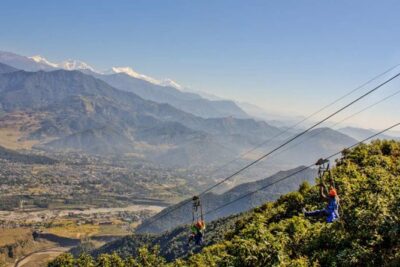
ZipFlyer Nepal – The World’s Steepest Zip-line
Read our review →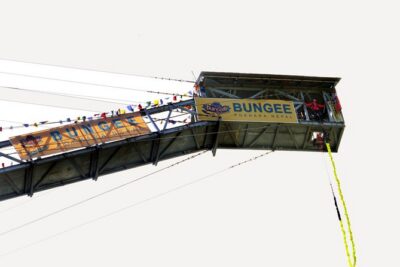
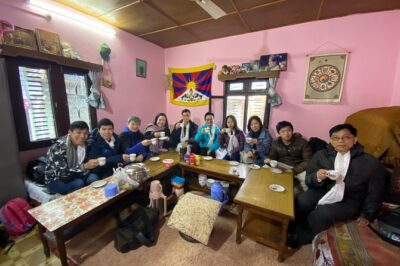
Full-Day Tibetan Cultural Tour to Tibetan Settlements Pokhara
Read our review →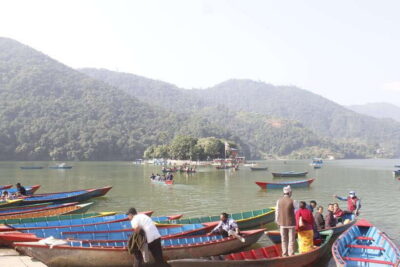
Full-Day Sharing Bus Tour on 7 Iconic Destination
Read our review →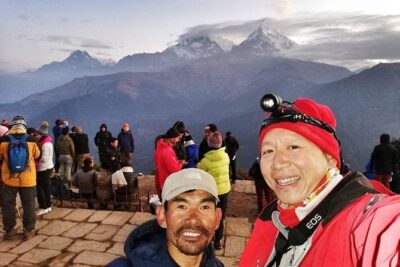
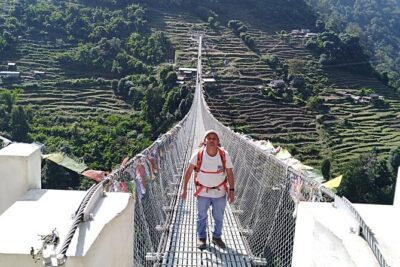
Trekking in Annapurna/Langtang/Everest/Upper Mustang regions
Read our review →This tour also appears in