
REVIEW · EVEREST BASE CAMP TREKS
Kathmandu: 15-Day Everest Base Camp Trek with Guide
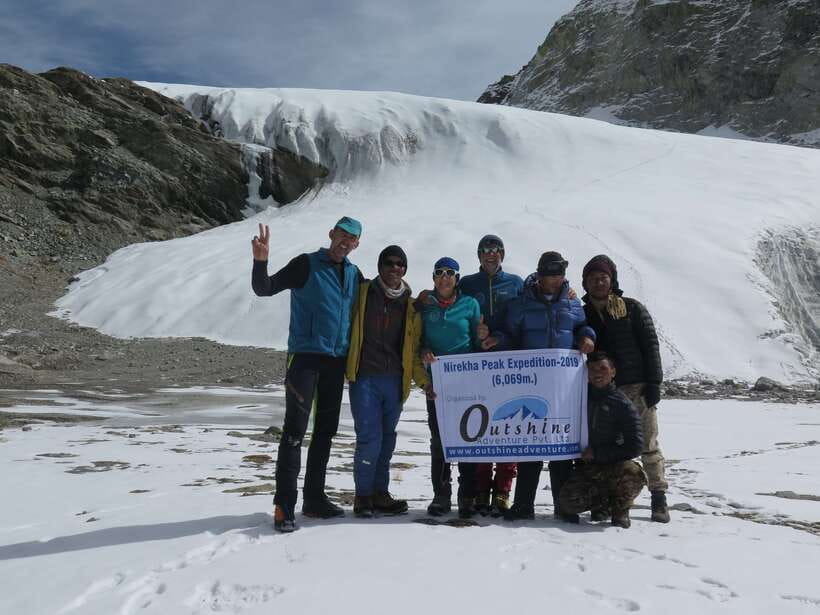
The real prize here is not simply reaching Everest Base Camp. It is the gradual walk through Sherpa villages, Buddhist monasteries, high mountain valleys, and Sagarmatha National Park, with time to adjust before the trail gets serious. I like the 15-day pace, which gives you a proper acclimatization day in Namche and another day trip from Dingboche. I also like the local guiding approach, with Sherpa guides such as Dillisher Katuwal and Kale Prakash praised for mountain knowledge and careful support.
The main catch is cost clarity. The $675 price covers permits, accommodation, guide services, Kathmandu sightseeing, and staff costs, but it does not include the Lukla flights, trekking meals, travel insurance, drinks, or a porter. You should also confirm the exact Everest Base Camp walking schedule, since the day-by-day plan clearly names Kalapathar but is less precise about the Base Camp approach itself.
Key points to know before you book
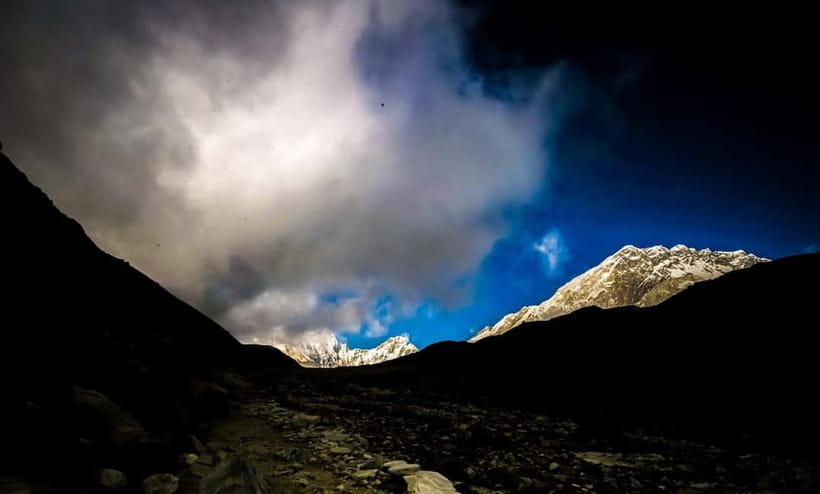
- Namche is your first major altitude test: The schedule includes a full acclimatization day and a hike to the Everest View Hotel area at about 3,850 meters.
- The trip begins and ends with support in Kathmandu: Private airport transfers, three Kathmandu hotel nights, and a guided city tour are included.
- The mountain flights cost extra: Flights to Lukla are not part of the $675 price and may operate through Ramechhap.
- The guide can make a serious difference: Guides named Dillisher Katuwal, Kale Prakash, Kali, Kumar, and Santos have been singled out for care, organization, and mountain experience.
- Meals and porters are separate costs: Breakfast, lunch, dinner, drinks, insurance, and porter service are not included.
- Weather can change the entire plan: Lukla flights may be delayed or cancelled, and one booking was changed to the Annapurna Circuit after repeated flight problems.
What the $675 price really covers
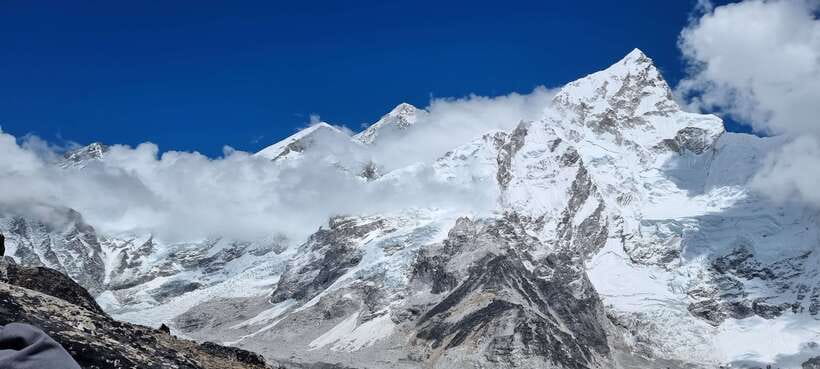
At first glance, $675 looks remarkably low for a 15-day Everest Base Camp trip. It is good value for the services included, but you need to read the price as a ground package rather than an all-in holiday.
You receive private airport transfers, three nights of standard hotel accommodation in Kathmandu, a private-car city tour, trekking accommodation in the best available guest houses, an English-speaking licensed Sherpa guide, national park and TIMS permits, staff wages, staff insurance, staff equipment and medicine, government taxes, a down jacket, and a sleeping bag if needed.
That is a useful base. The guide and permits are often the cost items that make a self-planned trek more complicated, and they are already handled here. The Kathmandu arrangements also help if you arrive tired or need to rent or buy missing gear. One person arrived with delayed luggage and received help retrieving it, which is exactly the sort of practical assistance you want before heading into the mountains.
Still, budget for the extras. The Kathmandu to Lukla or Ramechhap to Lukla flights and the return flight are not included. Neither are your trekking meals, drinks, city entrance fees, travel insurance, or a porter. Porter service is offered as an optional add-on, shared between two people.
I would ask for a written estimate of the full trip cost before booking. Include flights, food, porter service, insurance, tips if applicable, drinks, and any city entrance fees. That turns an attractive headline price into a realistic budget.
More Hiking Tours in Kathmandu
- Everest Base Camp Trek – 14 Days
★ 5.0 · 1,499 reviews - Everest Base Camp Trekking
★ 5.0 · 485 reviews - Nagarkot Sunrise View and Day Hiking from Kathmandu
★ 5.0 · 471 reviews
Days 1 and 2: Kathmandu begins with practical preparation
Your first day is simple by design. A private car collects you at Kathmandu International Airport and takes you to your hotel. You then meet the guide and receive information about the trek.
This is more important than it sounds. The first day gives you time to deal with jet lag, check equipment, and ask questions before the mountain section begins. The team has also helped people obtain trekking gear, so tell them early if your clothing or equipment is incomplete.
Day 2 is a private-car sightseeing day around Kathmandu. The route includes Kathmandu Durbar Square, Swayambhunath, Boudhanath, and Pashupatinath, also known as the Cremation Temple.
I like this pairing of city time and mountain time. Kathmandu gives you a quick introduction to Nepal’s religious and cultural life before the trail narrows into the Khumbu. The four stops also offer very different settings, from royal squares to Buddhist monuments and Hindu temple grounds.
The city tour is included, but entrance fees are not. Carry suitable clothing for religious sites, comfortable shoes, and sunglasses for the trek. Your Kathmandu hotel is described as standard accommodation, so do not book this expecting a luxury stay.
Day 3: The Lukla flight and the first walk to Phakding
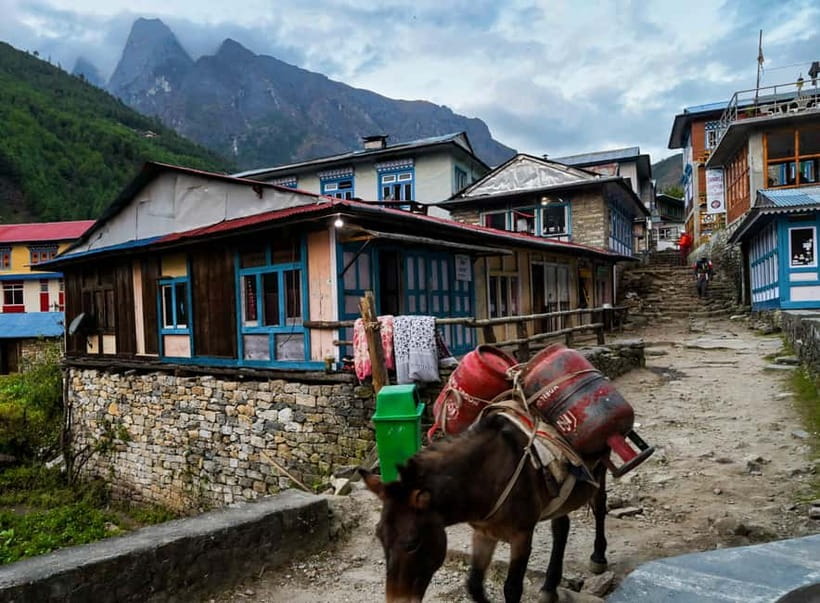
The mountain section starts with a flight to Lukla, followed by an easier trek toward the upper area of Phakding. The flight is one of the most memorable parts of the route, but it is also the point where weather can disrupt the plan.
The package description refers to flights from Kathmandu, with Ramechhap also named as the departure point. Since the operating airport can affect your ground schedule, confirm the exact departure arrangement before you arrive. The flight itself is optional to book through the company, but you pay for it separately.
Your first walk is deliberately gentle compared with the days ahead. That matters because you are adjusting to the trail, the altitude, and the rhythm of carrying a daypack. You also begin walking through Sagarmatha National Park, a UNESCO World Heritage Site, with early views of the Dudh Koshi valley and the first Sherpa settlements.
Day 4: The long climb to Namche Bazaar
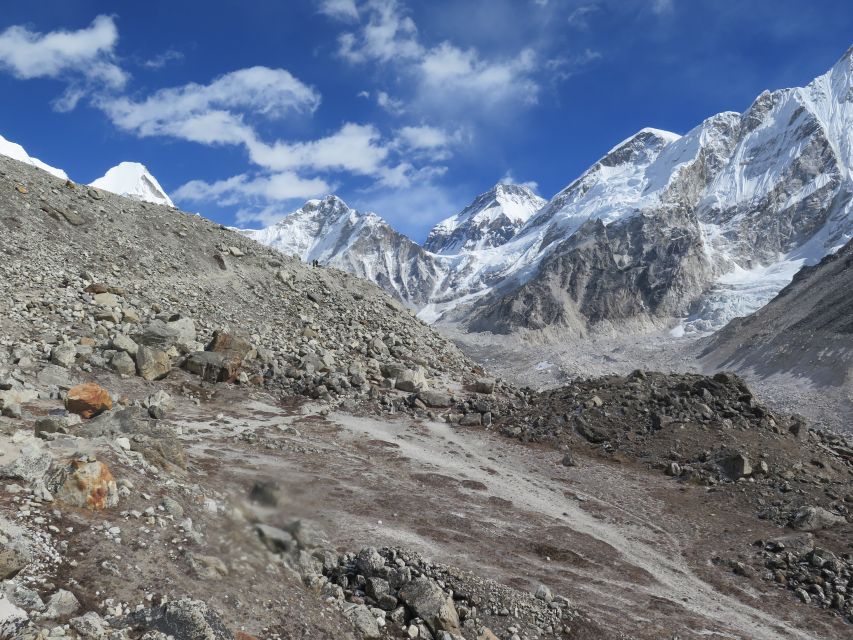
From Phakding, you follow the Dudh Koshi valley and climb toward Namche Bazaar. This is a meaningful change from the easy opening walk. The route gains height, and Namche becomes your first major test of stamina.
Namche is both a mountain town and a staging point for the Khumbu. You can expect a lively stop by trail standards, with local Sherpa life shaped around trekking and trade. The setting is especially rewarding, with rhododendron forests and snow-covered peaks opening around the valley.
Do not treat arrival in Namche as a chance to push harder. The next day is reserved for acclimatization for a reason. I would keep your pace steady, drink regularly, and let the guide know at once if you feel unwell.
More Everest Base Camp Treks in Kathmandu:
- Everest Base Camp Helicopter Tour landing at Everest View Hotel
★ 5.0 · 668 reviews - Everest Base Camp Trekking – 13 Day
★ 5.0 · 365 reviews - Everest Base Camp Trek -14 Days
★ 5.0 · 321 reviews - Everest Base Camp Helicopter Tour landing at Hotel Everest View
★ 5.0 · 218 reviews
Day 5: Acclimatizing above Namche
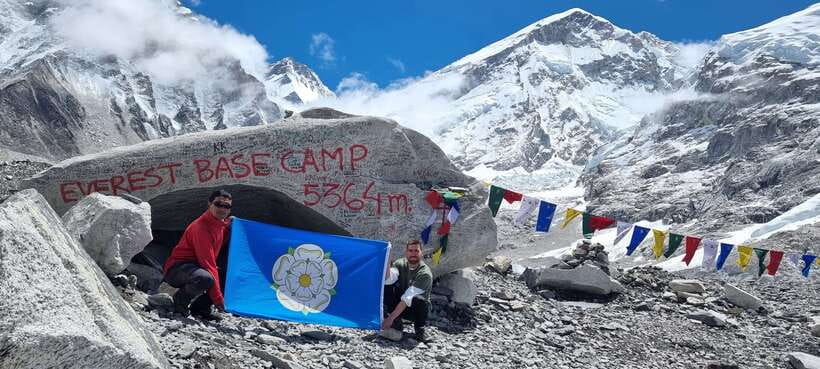
The schedule gives you a rest day in Namche, but this is not a day spent entirely indoors. You hike toward the Everest View Hotel in the Syangboche area, around 3,850 meters, then return to Namche.
This short climb and return is a smart pattern for altitude adjustment. You gain height during the day and sleep lower in Namche. It also gives you an early chance to see the Everest region from above without committing to a full trekking day.
The word rest can be misleading here. You are still walking, and the altitude can make a modest climb feel demanding. The value is in moving slowly, eating enough, and observing how your body responds. A guide who pays attention can be especially useful here. Dillisher Katuwal was praised for making safety a priority, while Kale Prakash was credited with taking careful care of a sick trekker.
Day 6: Tengboche and its hilltop monastery
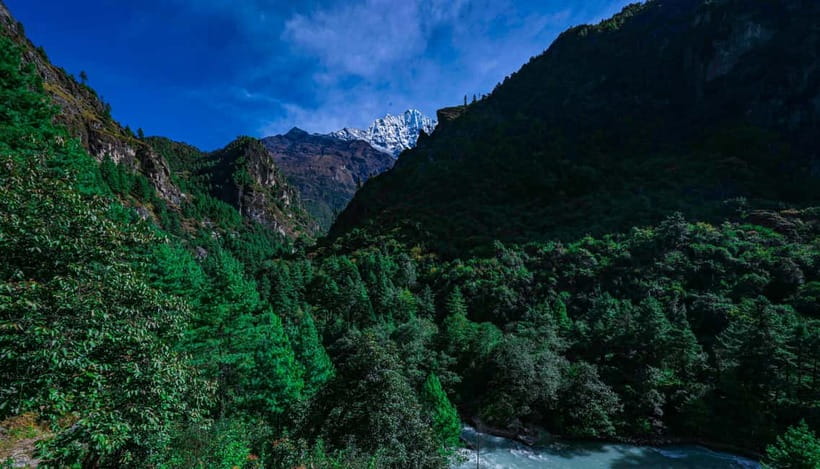
From Namche, the trail continues toward Tengboche through higher, colder country. After roughly two hours of climbing, you reach Thyangboche Monastery, positioned on a ridge at about 3,867 meters.
This is one of the strongest cultural stops on the trek. Tengboche is not only a place to sleep before the next stage. The monastery gives the walk a clear connection to Tibetan Buddhist life in the Khumbu, while the ridge setting opens broad views toward Sagarmatha and nearby peaks.
Weather can affect how much you see. Clouds may hide the mountains, particularly later in the day, so keep your expectations flexible. Even in poor visibility, the monastery and village setting remain worthwhile, but clear morning conditions are often the best opportunity for views.
Day 7: Through Pangboche and Pheriche to Dingboche
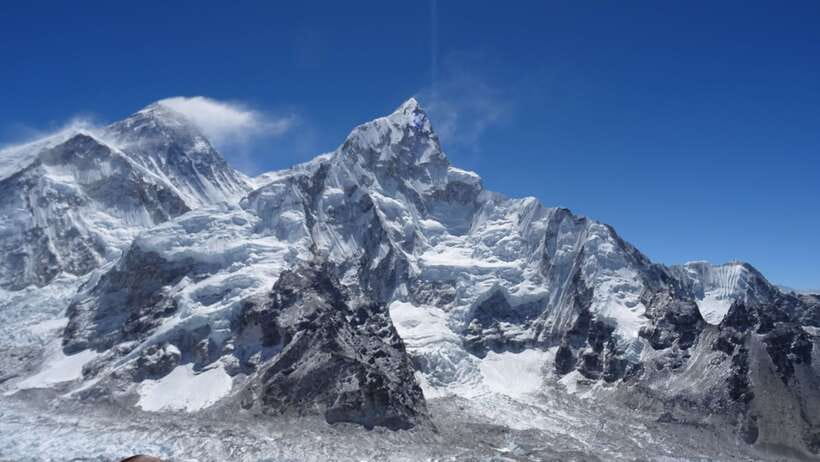
The route to Dingboche passes through Imja Khola, Pangboche, and Pheriche. You are now walking through villages where the high-altitude environment shapes daily life, farming, buildings, and travel.
This section is valuable because it slows the trek down to human scale. Instead of seeing the Khumbu only as a backdrop of giant peaks, you pass through Sherpa communities and learn how local culture is tied to the mountain routes.
The schedule describes the Khumbu Glacier area ahead, but you should expect a demanding day as the altitude increases. Dingboche is an important overnight stop before the trail reaches Lobuche and Gorakshep. At this point, your guide’s judgment matters more than speed.
Day 8: Chhukung Valley as an acclimatization hike
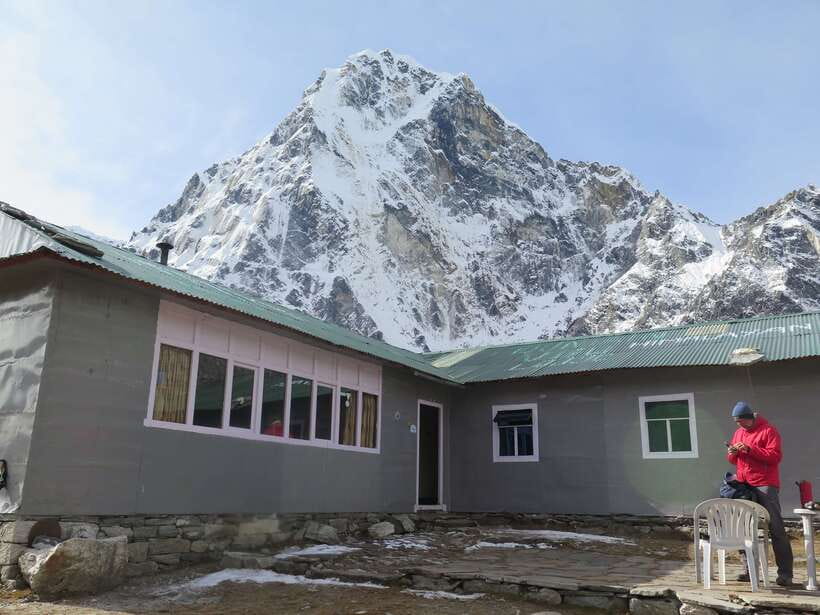
You spend the day walking to Chhukung Valley and back to Dingboche. This is described as one of the best hikes in the area, but the more practical benefit is that it gives you another active acclimatization day without changing your sleeping base.
The out-and-back format also makes this a useful pressure release. You can see more of the high valley while keeping your accommodation in Dingboche. That is easier than packing up and moving every day.
The route is still at serious altitude, so do not mistake a day trip for an easy outing. Comfortable shoes are essential, and sunglasses are not optional luxuries in bright high mountain conditions.
Days 9 and 10: Lobuche, Gorakshep, and the Base Camp question
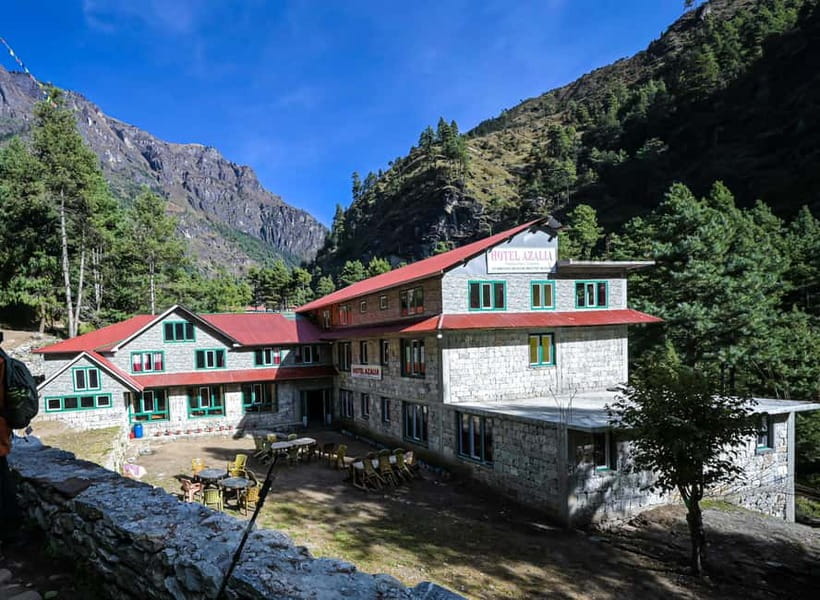
Day 9 takes you to Lobuche, where the trail feels more exposed and the air thinner. The description is brief, but this is one of the stages where the distance may matter less than the altitude and cold.
On Day 10, you hike from Lobuche to Gorakshep. Gorakshep is a small settlement beside a frozen lake and serves as the overnight base for the Everest Base Camp section. Its role is practical: you arrive, rest, and prepare for the next early start.
Here is the detail I would clarify before paying. The itinerary says Gorakshep is the departure point for the Everest hike, but the next day specifically describes an early morning hike to Kalapathar and then Pheriche. The package title promises Everest Base Camp, yet the daily wording does not clearly state when the walk to Base Camp occurs or whether it is included as a separate outing.
Ask three direct questions:
- Is the walk from Gorakshep to Everest Base Camp included?
- Is it done on Day 10 after arrival or Day 11 before Kalapathar?
- How much time is allowed for both Base Camp and Kalapathar?
That is not a minor detail. Base Camp and Kalapathar are different goals, and clear weather may offer your best views only during a short morning window.
Day 11: Kalapathar at first light, then Pheriche
The early hike to Kalapathar is planned to capture the best mountain views before descending to Pheriche. This is likely to be the toughest morning of the trip, but also one of the most rewarding.
The early start is practical rather than theatrical. Morning conditions may offer clearer views, while clouds and weather can build later. One trekker described a cloudy and rainy journey but still had a clear morning view of Everest from Gorakshep, which made the effort worthwhile.
After Kalapathar, you return and continue to Pheriche. The descent should feel easier on your breathing, though tired legs can make downhill walking uncomfortable. Take care with each step and do not rush simply because you are losing altitude.
Days 12 and 13: The return through Namche to Lukla
Day 12 begins the return toward Namche Bazaar. Returning through familiar villages gives you a useful sense of how much ground you have covered. It also brings you back to a lower altitude and a more comfortable overnight stop.
Day 13 continues to Lukla. The schedule calls it a long walk, and that is a fair warning. After the high point of the trek, the final trail days can feel both satisfying and tiring.
I like having a full day between the return to Lukla and the flight back to Kathmandu only if the flight schedule allows it, but mountain air travel remains weather-sensitive. The itinerary places the flight on Day 14, yet you should still ask what happens if the aircraft cannot operate. A previous booking had two unsuccessful flight attempts and was changed to the Annapurna Circuit, with extra nights in Pokhara and Kathmandu added. That shows flexibility, but it also shows why you should understand the company’s policy on missed flights and alternative routes.
Day 14: Back to Kathmandu
The return flight takes you back to Kathmandu for a final hotel night. After nearly two weeks on foot, this is a recovery day rather than another sightseeing commitment.
The package includes three Kathmandu hotel nights in total, which cover the arrival, pre-trek city stay, and post-trek return. If you want more time in Kathmandu after the flight, ask about extending the hotel booking.
The guide, group size, and level of support
The company presents this as a small-group experience with tailored itineraries. That can be a good fit if you want company on the trail without joining a large procession, although the exact group size is not stated and should be confirmed.
The strongest part of the operation appears to be its personal support. English-speaking Sherpa guides are included, along with their food, accommodation, salary, insurance, equipment, and medicine. That setup reduces the risk of leaving staff welfare and logistics unclear.
Specific guides have received strong praise. Dillisher Katuwal was described as highly experienced and attentive to safety. Kale Prakash was especially helpful when a trekker became sick. Kumar and Santos were also credited with kindness and useful mountain advice, while Gokul handled arrangements and itinerary changes.
I would still ask for the name and experience of your assigned guide before departure. The guide is the person who will judge your pace, respond to altitude problems, and explain the villages and monasteries you pass.
The trek can suit different fitness levels, but that does not mean it is easy. You need to be ready for repeated long walking days, high altitude, cold weather, and basic guest house accommodation. Wheelchair users cannot be accommodated on this route.
Accommodation, food, and what to pack
In Kathmandu, you receive standard hotel accommodation. On the trail, you stay in the best available guest houses. That wording allows for variation, so pack with simple mountain lodging in mind rather than hotel comforts.
Breakfast, lunch, and dinner during the trek are not included. You also pay separately for alcoholic drinks, hot drinks, cold drinks, and other unlisted expenses. This can add up over 15 days, so keep room in your budget for meals and fluids.
The company can provide a down-filled jacket and sleeping bag if needed. I would still bring personal layers, comfortable shoes, sunglasses, and any preferred cold-weather basics. The stated packing advice is short, but the route is not. Confirm what gear is supplied, the condition of that gear, and whether you need to reserve it in advance.
Weather, flights, and the most important risk
The biggest practical risk is not the walking. It is the mountain flight. Bad weather can delay or cancel flights to Lukla, and that can affect the entire schedule.
A clear-weather trek can produce excellent views, but clouds and rain may block the peaks for several days. The itinerary includes acclimatization time, which helps, but it cannot control the weather. I would avoid booking tight international connections immediately after the scheduled return.
Travel insurance is compulsory for your own peace of mind, though it is not included. Make sure it covers trekking at the altitudes involved, emergency evacuation if required, delays, and missed flights. The tour provider handles staff insurance, not yours.
Cancellation is free up to seven days before the experience for a full refund. That policy is useful before departure, but it does not remove the need to ask about flight delays, route changes, or refunds if the Base Camp plan changes after you arrive.
Who should book this Everest Base Camp trek?
I would recommend it to you if you want a guided first Himalayan trek with Kathmandu sightseeing, local Sherpa support, permits, airport transfers, and a planned acclimatization schedule. It is also a sensible choice if you want help with gear before leaving Kathmandu.
It suits people who value organization over independent route planning. The company has arranged airport transfers, hotel stays, guides, guest houses, and alternate itineraries when plans have gone wrong.
I would hesitate if you want a fully inclusive price, private rooms, flexible luxury accommodation, or complete control over each day. The low base price leaves several meaningful costs outside the package. I would also hesitate until the operator confirms the precise Base Camp and Kalapathar schedule in writing.
Should you book it?
Yes, if you treat $675 as the starting price for a guided ground package and are comfortable adding flights, food, insurance, drinks, and possibly a porter. The itinerary has the right broad structure: Kathmandu orientation, a slow approach through Namche, a second acclimatization day in Dingboche, the high valley, Kalapathar, and a full return route.
Before booking, ask for the total expected budget, exact flight airport, assigned guide, porter cost, and the day-by-day details for Everest Base Camp itself. If those answers are clear, this is a well-supported way to experience the Khumbu without arranging every permit and lodge yourself.
FAQ
Is the flight to Lukla included in the $675 price?
No. Airfare from Kathmandu or Ramechhap to Lukla and back to Kathmandu is excluded. The company can reserve or book the flights as an optional service.
Are meals included during the trek?
No. Breakfast, lunch, and dinner during the trekking section are not included. Hot drinks, cold drinks, and alcoholic drinks are also excluded.
Is a porter included?
No. Porter service is an optional add-on. The information states that porter service is shared between two people.
What accommodation is included?
You receive standard hotel accommodation in Kathmandu for three nights. During the trek, you stay in the best available guest houses.
Is Kathmandu sightseeing included?
Yes. A guided city tour in a private car is included. The stated stops are Kathmandu Durbar Square, Swayambhunath, Boudhanath, and Pashupatinath.
What permits are included?
Everest National Park permits and TIMS trekking permits are included, along with government taxes.
Is trekking equipment provided?
A down-filled jacket and sleeping bag are available if needed. You should confirm the equipment arrangements before departure and bring comfortable shoes and sunglasses.
What is the cancellation policy?
You can cancel up to seven days in advance for a full refund. The information does not state a separate refund policy for flight delays, weather changes, or alternate trekking routes.
Recently added around Kathmandu
- Kathmandu Paragliding★ 5.0 · 3 reviews
- Kathmandu Airport Pickup and Drop-off Services★ 5.0 · 3 reviews
- Kathmandu Chandragiri Cable Car and Swayambhunath Private Tour★ 5.0 · 3 reviews
- Explore The Beauty Of Langtang Valley In 8-Days Trek★ 5.0 · 3 reviews
- Kathmandu: Nightlife and Pub Crawl Tour★ 5.0 · 3 reviews
- Mountain Flight Experience in Nepal★ 4.5 · 3 reviews
- Kathmandu: Momo Making Class with a Local Chef★ 5.0 · 3 reviews
- Everest Base Camp Trek★ 5.0 · 3 reviews
Other Everest Base Camp Treks worth a look


Everest Base Camp Helicopter Tour landing at Everest View Hotel
Read our review →


Everest Base Camp Helicopter Tour landing at Hotel Everest View
Read our review →

This tour also appears in