
REVIEW · KATHMANDU TOURS
Kathmandu Food Crawl & Market Tour
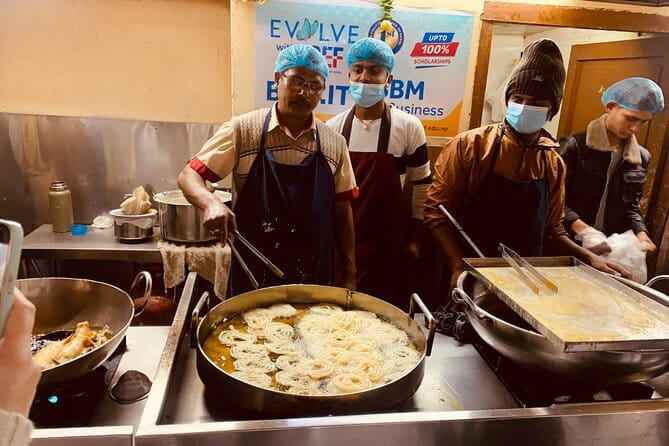
Kathmandu’s best food stories are often found in narrow market lanes, not polished dining rooms. This two-hour walk takes you from Chhaya Center toward Ason Bazar, the city’s oldest local market, with local dishes such as momos, chatamari, yomari, samay baji, and laphing on the menu. I like the five-food minimum and the way the walk links what you eat to Newar customs, trade, and everyday life. I also like that the guide does more than point out stalls: Santosh Pandey is known for explaining ingredients, religion, history, and local habits in clear English.
The main thing to consider is the pace. Two hours goes quickly, especially when you are tasting several generous portions and walking through crowded lanes. This is not a sit-down restaurant meal or a quiet history walk, and some foods may be unfamiliar, spicy, or served in simple local surroundings.
Key points at a glance
- Ason Bazar access: Explore Kathmandu’s oldest local market and the lanes around it.
- At least five tastings: Food and drinks are included, with portions that may add up to nearly two meals.
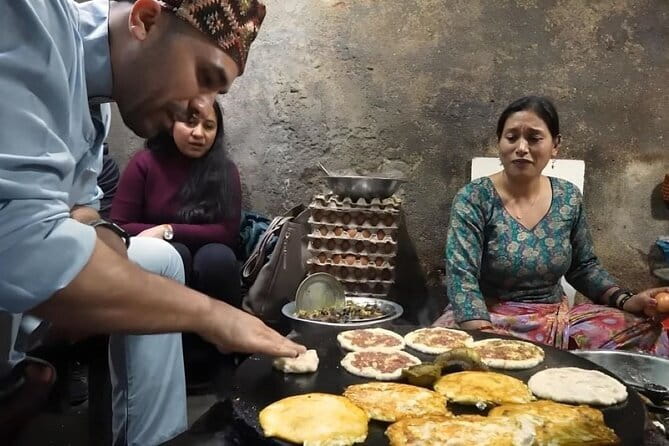
- Newari specialties: Look for dishes such as yomari, samay baji, chatamari, momos, and laphing.
- Local context: Learn about Newar crafts, customs, religion, food preferences, and daily routines.
- Small time commitment: The complete walk lasts two hours and returns to Chhaya Center.
- Flexible booking: You can cancel up to 24 hours before departure for a full refund and reserve without paying immediately.
Starting at Chhaya Center
Your meeting point is the main gate of Chhaya Devi Complex, also called Chhaya Center. This gives you a clear landmark in central Kathmandu and avoids the confusion of trying to meet inside a market lane.
I recommend arriving with a little time to spare. The tour begins and ends at the same place, so you do not need to plan a separate pickup or figure out a taxi from an unfamiliar neighborhood afterward. The supplied information does not give a group size or exact departure times, so you will need to check availability when booking.
The tour is guided in English. Santosh Pandey is the named experience provider, and his guiding style is especially useful if you want more than a list of dishes. Expect conversation about Nepal, local life, religion, and food preferences as you walk.
More Food Tours in Kathmandu:
- Kathmandu Food and Drink Walking Tour
★ 5.0 · 266 reviews - Kathmandu: Food and Drink Walking Tour
★ 4.9 · 119 reviews - Walking Street Food Tour in Kathmandu
★ 5.0 · 111 reviews
Walking into Ason Bazar
Ason Bazar is the heart of the outing. It is described as Kathmandu’s oldest local market, and its importance comes from more than shopping. The market connects food, household trade, religious life, and the city’s long-running Newar traditions.
You will walk rather than ride between food stops. That matters because the market experience is not only about eating. You see how people move through the lanes, how goods are displayed, and how local commerce fits beside historic and cultural sites.
The route may take you into narrow passages that are easy to miss on your own. One useful part of a guided food walk is that you do not have to decide which stall looks safe, interesting, or worth trying. The guide handles the route and introduces foods you might otherwise walk past.
The tradeoff is comfort. Market lanes can feel tight, noisy, and busy, and the walking surface may not be as smooth as a modern shopping street. Wear practical shoes and keep your hands free for eating, taking photographs, and moving through the crowd.
Newari food beyond the familiar momo
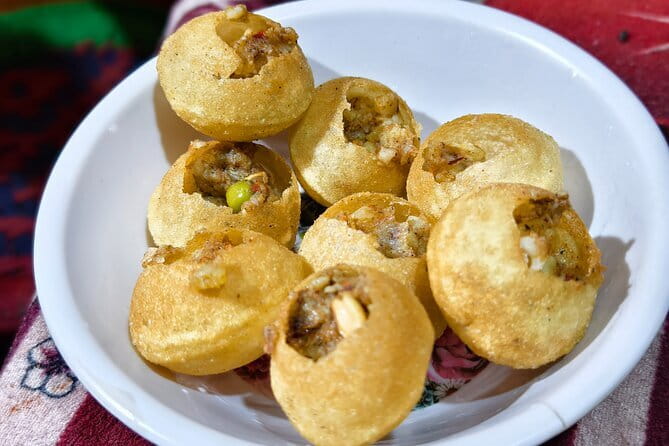
Momos are the easy starting point for many visitors to Nepal. These dumplings come in several forms and are popular for good reason, but this tour aims to go further. The food list points toward the older Newari food culture that gives Kathmandu much of its character.
Yomari is a steamed dumpling made from rice flour and filled with molasses and sesame seeds. It is sweet, soft, and unlike the savory dumplings most people expect when they hear the word momo. If you enjoy trying food with a cultural story attached, yomari is one of the most interesting tastings on the route.
Samay baji is a ceremonial Newari platter rather than one single dish. It may include beaten rice, spiced buffalo meat, pickles, and other small portions. The strength of this tasting is variety: you get salty, spicy, sour, crunchy, and savory flavors in one sitting.
The menu can also include chatamari, often compared with a Newari pizza. It is a rice-flour base with toppings and seasonings, though the comparison only goes so far. Chatamari gives you a sense of how local cooking uses familiar ingredients in a form that feels both simple and distinctive.
Laphing is a cold, spicy mung bean noodle dish. It is especially popular with local diners and can be a bold choice for anyone who prefers mild food. Ask the guide about the ingredients and heat before taking a large serving.
The exact tasting sequence is not specified, so do not treat this as a fixed menu. You should expect at least five foods and drinks, with the guide choosing stops according to what is available and suitable on the day.
Why the food portions matter
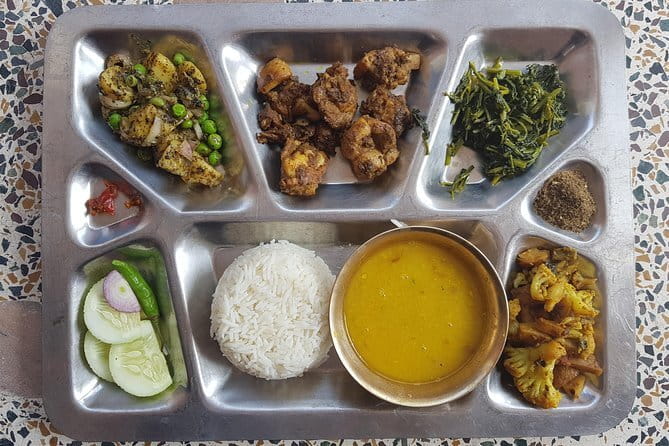
The $28 price is easy to judge incorrectly if you think this is only a snack crawl. Food and beverages are included, with a minimum of five items. Several tastings can amount to almost two full meals, and the portions may be much larger than the word tasting suggests.
That makes the price reasonable for someone who wants both lunch and an introduction to Kathmandu’s food culture. You are paying for the food, an English-speaking guide, the route through Ason Bazar, and explanations that would be hard to gather from a menu alone.
The value is less clear if you have a very small appetite or want to choose every dish yourself. You may receive more food than expected, and the tour is designed around sampling a broad selection rather than ordering one carefully chosen meal.
I would avoid eating a large meal just before meeting the guide. The tour lasts only two hours, so you will likely move from one tasting to the next without a long break.
A few more Kathmandu days to weigh up
- Secret Food Tour – Food Bites and Sights Kathmandu 14+ Testings
★ 5.0 · 82 reviews - Kathmandu Secret Food Crawl & Local Market Tour
★ 4.7 · 54 reviews - Kathmandu Food & Drink and Shopping Rickshaw Tour
★ 5.0 · 48 reviews - Walking Food Tour in Hidden Local Eateries of Kathmandu
★ 5.0 · 40 reviews
A walk through customs and daily life
Food is the main reason to book, but the market setting gives the experience its wider value. The tour introduces crafts and traditions connected with Newars and other cultures in Kathmandu. That helps place dishes such as samay baji and yomari in a social setting rather than treating them as curious items on a plate.
The guide also discusses local history, religion, and Nepali food preferences. This is practical background for the rest of your Nepal trip. Once you understand why certain foods are ceremonial, why pickles appear so often, or why some dishes are shared, restaurant menus become easier to read.
You will also have contact with local people and their routines. That does not mean the tour turns daily life into a performance. The point is more basic: you walk through working market areas, eat where local people eat, and see how food is tied to shopping, worship, family habits, and neighborhood life.
I value this part because Kathmandu can be hard to read on a first visit. A guide helps you notice what is happening around you without pretending that a two-hour walk can explain the whole city.
What the guiding adds
The guide is the difference between a meal with directions and a food tour with meaning. Santosh is described as friendly, easy to talk with, and willing to discuss ordinary life in Nepal. That matters if you prefer a conversation to a memorized speech.
A good moment to use the guide is when you see an ingredient or cooking method you do not recognize. Ask what it is, how it is normally eaten, and if it is linked to a festival or community. The included explanations cover food, culture, religion, and local history, so you should feel free to ask questions as you go.
The English-language format suits visitors who want detailed explanations without a language barrier. The information does not promise other languages, so English is the safe choice for communication.
Do not expect a formal classroom lecture. This is a moving food walk, and the discussion will likely happen while you stand at a stall, walk between lanes, or wait for a serving. That informal format is part of its appeal, but it may not suit someone who wants a structured historical tour with long stops.
A practical look at the two-hour route
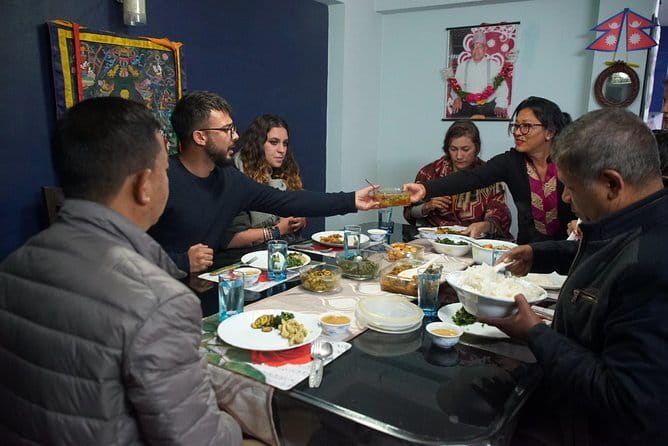
The route is simple:
- Meet at the main gate of Chhaya Devi Complex.
- Walk into Kathmandu’s local market area.
- Explore Ason Bazar and nearby lanes.
- Stop for at least five foods and drinks.
- Return to Chhaya Center.
The short duration is a strength. You can fit the tour into a morning or afternoon without giving up an entire day of sightseeing. It also works well near the start of a Kathmandu visit, when you want an introduction to local dishes and a sense of the city center.
The same short schedule limits the depth. You will not see every market lane or sample every Newari dish. Think of this as a focused introduction, not a complete food history of Kathmandu.
Because the tour returns to the starting point, it is easy to combine with other plans. Still, leave some room afterward. You may be full, and you may want time to browse the market or rest before another activity.
Who will enjoy this food crawl
I would recommend this experience to you if you want to:
- Try local food without guessing which stalls to choose.
- Taste several dishes in one outing.
- Learn about Newari customs and Kathmandu’s market culture.
- Meet an English-speaking guide who can answer questions about daily life.
- Spend only two hours on a food activity.
- Eat generous portions rather than tiny samples.
It is also a good first-day choice. The food introductions can help you decide what to order later, while the market walk gives you an early look at Kathmandu’s central streets.
You may want a different plan if you dislike spicy food, have strict dietary needs, or prefer polished restaurants. The supplied details do not provide a vegetarian, vegan, halal, allergy, or gluten-free menu, so ask before booking if ingredients matter to you. The tour also does not list personal expenses as included, so carry some money for anything extra you choose to buy.
Handling the market with ease
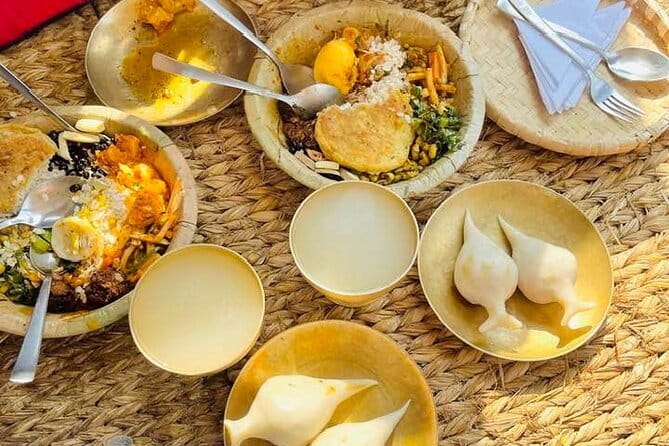
Wear shoes that are comfortable for walking and clothing that suits a market visit. You will be moving through narrow lanes and stopping to eat, so a large backpack or complicated camera setup could get in the way.
Bring water only if you want it, since drinks are included with the tastings. It is still sensible to carry a small amount of cash for personal purchases, as personal expenses are not part of the price.
Keep your expectations flexible. Food availability can change, and the exact items may vary. The best part of a market tour is often the item you did not plan to try, but that also means you should not book expecting one fixed menu.
If you have a sensitive stomach, tell the guide at the start. The food can include strong spices, buffalo meat, pickles, and unfamiliar textures. You do not need to prove anything by eating a full portion of every item. A good guide can explain what is being served so you can make sensible choices.
Cancellation, timing, and what is included
The tour costs $28 per person and lasts two hours. The price includes an experienced English-speaking guide, government taxes and official expenses, and all food and beverages, with at least five items included.
Starting times depend on availability, so check the date and time before confirming. You can reserve now and pay later, which is useful if your Kathmandu plans are still shifting. Cancellation is free up to 24 hours before the activity for a full refund.
Transportation is not listed as part of the experience. Plan to reach the main gate of Chhaya Devi Complex yourself and return there at the end.
Should you book the Kathmandu Food Crawl?
Book it if you want an affordable, filling introduction to Kathmandu through food and local markets. The strongest reasons are the generous number of tastings, the access to Ason Bazar, and the chance to ask a local English-speaking guide about Newari culture, religion, and everyday life.
I would especially choose it early in a Nepal visit, before you have learned how to read local menus or found your own favorite dishes. The two-hour format keeps the commitment small, while the food can cover much more than a single meal.
Skip it if you want a quiet dining experience, a fixed restaurant menu, or detailed information about dietary accommodations. For most curious eaters, though, $28 is a fair price for a guided market walk plus enough food to make this feel like lunch with a cultural lesson attached.
FAQ
How long does the Kathmandu Food Crawl and Market Tour last?
The tour lasts two hours, including the market visit, food tastings, and return to Chhaya Center.
Where does the tour begin?
The meeting point is the main gate of Chhaya Devi Complex, also known as Chhaya Center.
Where does the tour finish?
The tour returns to Chhaya Center at the end.
What market does the tour visit?
The experience includes a visit to Ason Bazar, described as Kathmandu’s oldest local market, along with nearby market areas.
How many foods are included?
All foods and beverages are included, with a minimum of five items.
Which foods might be served?
The food description includes Newari dishes such as yomari and samay baji, along with momos, chatamari, and laphing. The exact selection is not fixed in the available information.
Is a guide included?
Yes. An experienced, friendly English-speaking guide is included. Santosh Pandey is the named experience provider.
What is the price?
The listed price is $28 per person.
Can I cancel the tour?
Yes. You can cancel up to 24 hours in advance for a full refund. You can also reserve now and pay later.
More Shopping Tours in Kathmandu
- Kathmandu: Food, Drink and Shopping Rickshaw Tour
★ 4.7 · 7 reviews - Half Day Cooking Class in Thamel with Local Market Visit
★ 4.5 · 6 reviews - Local Bazaar Walking Tour in Kathmandu with Professional Guide
★ 5.0 · 4 reviews - Private Shopping Tour in Kathmandu
★ 5.0 · 3 reviews
More Markets in Kathmandu
- Kathmandu Food Crawl & Market Tour
★ 5.0 · 26 reviews - Best Nepali Cooking Class in Thamel with Local Market Trip
★ 5.0 · 26 reviews - Oldest Local Market Walking Tour with Living Goddess Kumari
★ 5.0 · 8 reviews - Oldest Local Market Walking Tour With Living Goddess Kumari
★ 5.0 · 8 reviews
Recently added around Kathmandu
- Kathmandu Paragliding★ 5.0 · 3 reviews
- Kathmandu Airport Pickup and Drop-off Services★ 5.0 · 3 reviews
- Explore The Beauty Of Langtang Valley In 8-Days Trek★ 5.0 · 3 reviews
- Kathmandu Chandragiri Cable Car and Swayambhunath Private Tour★ 5.0 · 3 reviews
- Kathmandu: Nightlife and Pub Crawl Tour★ 5.0 · 3 reviews
- Mountain Flight Experience in Nepal★ 4.5 · 3 reviews
- Kathmandu: Momo Making Class with a Local Chef★ 5.0 · 3 reviews
- Everest Base Camp Trek★ 5.0 · 3 reviews
Other Kathmandu Tours worth a look


Private Kathmandu Sightseeing Tour | UNESCO World Heritage sites
Read our review →
Everest Base Camp Helicopter Tour landing at Everest View Hotel
Read our review →


Nagarkot Sunrise View and Day Hiking from Kathmandu
Read our review →
Full Day 7 UNESCO Tour with Lunch – Private/Group
Read our review →
This tour also appears in