
REVIEW · POKHARA TOURS
Pokhara: City Sightseeing Group Budget Bus Tour
Pokhara’s sightseeing circuit packs a surprising amount into one day. For $10, you ride a shared mini-bus from Lakeside to hilltop views, underground caves, waterfalls, a river gorge, and two important religious sites. The World Peace Pagoda and Pumdikot Shiva Statue give you the best high views, while Davis Falls and Gupteshwor Cave provide the more unusual stops.
I like the way this tour links far-flung sights without making you arrange several taxis. I also like the useful mix of scenery and culture, from Phewa Lake and the Seti River Gorge to Bindabasini Temple. The main caution is comfort: this is a basic shared bus, and one recent passenger found it dirty and full of flies. The day also includes plenty of walking, steps, and cave floors.
Key points at a glance
- Pumdikot starts the day with a giant Shiva statue and hill views.
- The World Peace Pagoda gives you broad views over Pokhara Valley and Phewa Lake.
- Davis Falls and Gupteshwor Mahadev Cave sit close together, making a strong two-stop pairing.
- Mahendra Cave and Bat Cave offer a short, simple look at Pokhara’s underground world.
- The $10 fare is cheap, but entrance fees add about NPR 1,000 per person.
- Raj is the tour director named in the booking information, while the local guide may assist in Nepali, Hindi, or English.
Why this Pokhara bus tour works for a one-day visit
Pokhara is spread across a wide area, and its main sights do not form one tidy walking route. A taxi could take you from stop to stop, but the cost and planning would quickly rise. This bus tour handles the basic transport for a low price and gives you a fixed route through the city’s most familiar sights.
You get hotel pickup if you stay within the Lakeside area. The vehicle is a shared basic mini-bus, not a luxury coach. That matters because the low price comes with less space and less polish, but it also keeps the day affordable for backpackers, short-stay visitors, and anyone using Pokhara as a base before or after a trek.
The advertised day includes roughly six hours of driving and visits, with the full outing taking most of the day. Departure times depend on availability. Bring water, sun protection, and patience for traffic and group timing.
More City Tours in Pokhara
- Pokhara: Sarangkot Sunrise with Half or Full-Day City Tour
★ 4.8 · 100 reviews - Guided Tour to explore the entire Pokhara City
★ 5.0 · 51 reviews - Pokhara: City Sightseeing Group Bus Tour
★ 4.1 · 37 reviews
Pumdikot Shiva Statue and the first hilltop views
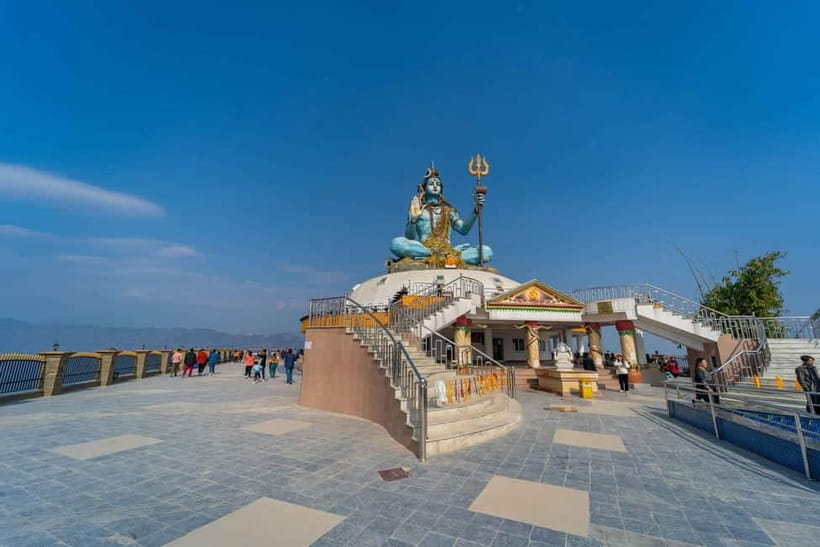
The first major stop is Pumdikot Shiva Statue, reached after about 50 minutes by bus. You have around an hour here. The large Shiva statue is the focus, but the wider appeal is the hilltop setting and the chance to look across the Pokhara area from above.
This stop gives you an early sense of the region’s religious character. Shiva is one of the most important Hindu deities, and the statue creates a strong visual introduction to the day. Wear shoes with a firm sole because the tour involves walking at several stops, and hilltop areas can be tiring in the sun.
Pumdikot is also a useful first pause after pickup. You are not rushing straight from the hotel into a cave or temple. Still, the schedule is group-based, so you should not expect unlimited time for photographs or quiet sitting.
World Peace Pagoda above Phewa Lake
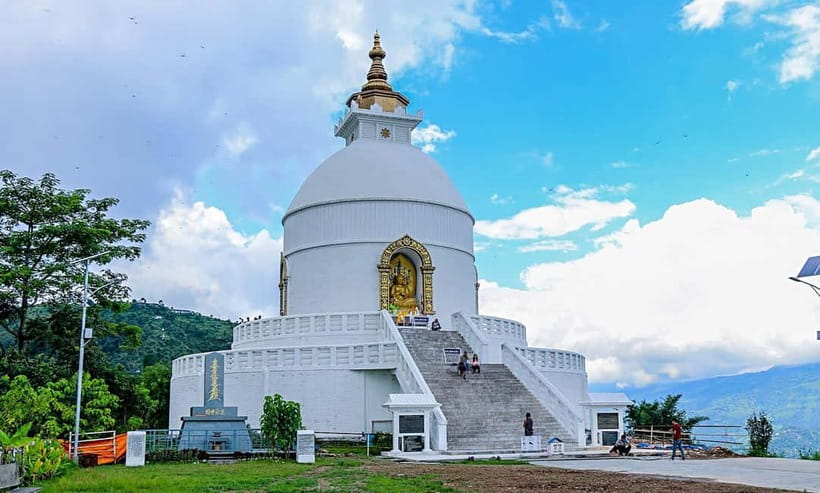
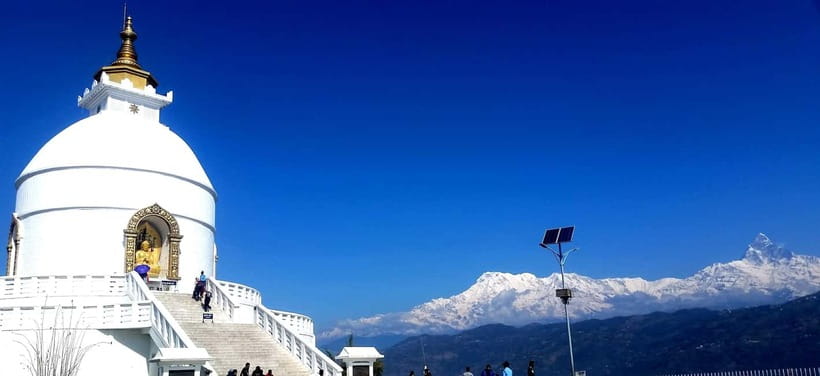
After about 25 minutes on the bus, you reach the World Peace Pagoda for approximately 55 minutes. This white Buddhist stupa sits above Pokhara Valley and gives you some of the clearest broad views on the route.
From here, you can look toward Pokhara, Phewa Lake, and the surrounding mountains. Mountain visibility depends on weather, so bring a camera but keep expectations sensible. Clear conditions can make this one of the day’s best photo stops. Cloud, haze, or rain can reduce the view.
The pagoda is more than a lookout. It is a place for quiet reflection, and the white structure has a calm presence above the city. You should dress respectfully and keep your voice low around religious areas.
The time allowance is long enough to take in the view and walk around, though not long enough for a slow hill visit. The bus then spends about 35 minutes reaching the next group of sights.
Gupteshwor Cave and the sacred Shiva Lingam
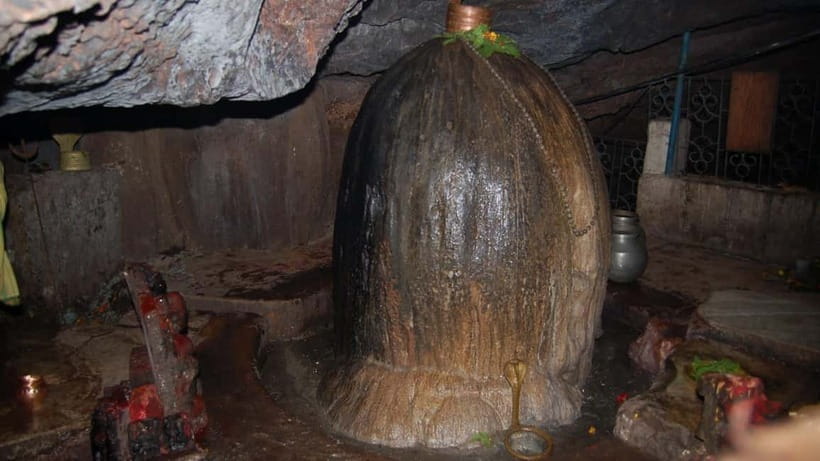
Gupteshwor Mahadev Cave is one of the more distinctive stops. You receive around 40 minutes to explore this natural limestone cave, with its stalactites, stalagmites, and sacred Shiva Lingam.
The cave combines geology and Hindu worship in a way that feels specific to Pokhara. You are not simply looking at rock formations. The Shiva Lingam gives the interior religious meaning, and the cave remains an active place of reverence.
Expect uneven ground and limited space in parts of the cave. Comfortable walking shoes are important here, as are clothes that allow easy movement. People with back problems may find the repeated walking and cave surfaces difficult. The tour is also not suitable for wheelchair users.
A short three-minute walk connects this area with the next stop, which is likely Davis Falls in the timed route. That close pairing saves time and makes sense. You see the underground religious site, then move directly to the waterfall associated with it.
A few more Pokhara days to weigh up
- ZipFlyer Nepal – The World’s Steepest Zip-line
★ 5.0 · 608 reviews - Bungee Pokhara by HighGround Adventures
★ 5.0 · 366 reviews - From Pokhara: Sarangkot Sunrise Himalayas Tour
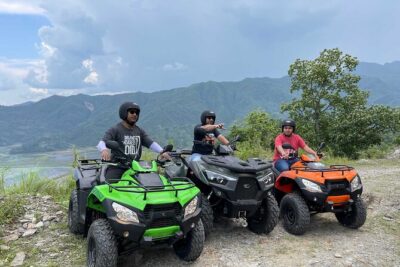
★ 4.7 · 218 reviews - ATV Adventure Tour in Pokhara, Nepal
★ 5.0 · 194 reviews
Davis Falls and the story beneath the water
Davis Falls receives about 25 minutes. The water drops into an underground channel, making this different from a typical open waterfall. The force of the cascade and the dark opening below give the stop a slightly dramatic feel.
The local legend connected with Davis Falls is part of the attraction. Your local guide is there to explain the story and help with the basic flow of the visit, but you should not expect a formal museum-style interpretation. The guide is described as an assistant rather than a professional guide, and the amount of English explanation can vary.
This is a quick stop, so take your photos early and listen to the safety instructions. Water conditions and visibility can change, and you should remain in the designated viewing areas.
The cave and waterfall are among the most worthwhile parts of the route because they show two sides of the same natural feature. One stop takes you underground to a sacred site. The other shows the water’s sudden drop into the earth.
Seti River Gorge, a short but striking pause
The bus then travels about 35 minutes to the Seti River Gorge. The visit lasts only around 15 minutes, so keep this stop in perspective. It is a brief viewing point rather than a long walk along the river.
The Seti River is known for its narrow gorge through Pokhara. From the viewing area, you can see the river cut through the surrounding ground, creating a sharp contrast with the open valley views from the pagoda.
Fifteen minutes is enough for a look and a few photographs, but it will feel quick if you want a detailed explanation. This is one of the places where the shared schedule affects the experience most. You see the feature, then move on.
Mahendra Cave and Bat Cave
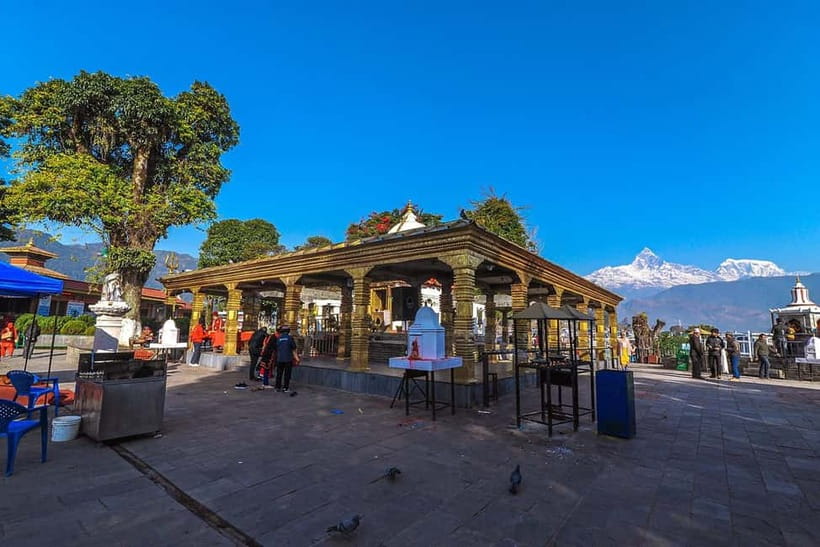
Mahendra Cave comes next, after about 35 minutes on the road. You have approximately 20 minutes inside or around the cave. It is a large limestone cave with natural formations, but the short visit means you get an introduction rather than a full underground expedition.
Ten minutes later, the bus reaches Bat Cave for a 25-minute visit. This smaller cave is known for the bats living inside. The stop adds a different mood to Mahendra Cave, shifting from rock formations to a living cave environment.
Cave visits can be enjoyable, but they are not ideal for everyone. Floors may be uneven, lighting may be limited, and the route involves walking. Carrying a small camera is fine for personal use, but do not rely on cave photography being easy. A phone or camera can struggle in dark spaces, and flash use may not be appropriate in every setting.
The two caves are close together in the schedule, which keeps the route efficient. If you prefer long visits with time to study every formation, these stops may feel rushed. If you want to see several types of Pokhara sight in one day, they fit the budget-tour format well.
Bindabasini Temple and Pokhara’s religious center
The final major sightseeing stop is Bindabasini Temple, reached after about 15 minutes from Bat Cave. You have around 45 minutes here. The temple sits in Pokhara and is dedicated to the Hindu goddess Bhagwati, a form of Durga.
This is a more cultural finish than the caves and waterfalls. You can observe worship, temple architecture, and the way a religious site fits into daily city life. Dress modestly, avoid treating worshippers as photo subjects, and follow any instructions about where to walk or what you may photograph.
A local guide can help with basic context in Nepali, Hindi, or English. One bilingual guide received particular praise for making the day easier, while another passenger wanted more English help. That gives you a fair idea of the language experience: assistance is available, but detailed English commentary is not guaranteed throughout the day.
After Bindabasini Temple, the bus takes about 35 minutes to return to Pokhara.
Where Fewa Lake fits into the day
The tour description ends with a visit to Fewa Lake, and the lake is also part of the wider Pokhara sightseeing plan. However, the timed route gives no separate duration for a Fewa Lake stop after returning from Bindabasini Temple.
You should confirm the exact lake arrangement before booking if Fewa Lake is a priority. The World Peace Pagoda already provides views over Phewa Lake, and the tour concludes back in Pokhara, but the supplied schedule does not promise a separate lakeside walk or boat ride.
That distinction matters. This experience is mainly a bus circuit of viewpoints, caves, waterfalls, gorge, and temple sites. It is not a dedicated Phewa Lake boating trip.
What the $10 price really covers
At $10 per person, the tour offers strong transport value. Hotel pickup within Lakeside, shared mini-bus travel, and a local guide’s assistance would be hard to match with separate rides unless you have several people sharing a taxi.
The important extra cost is entrance fees, estimated at about NPR 1,000 per person. That is a major part of your true budget. Add food, drinks, and personal spending, and the day costs more than the headline fare.
Meals are not included, and food and drinks are not allowed on the bus. Eat before pickup, carry water for the day, and plan for the fact that the route has several stops but no included meal. Sunglasses, a hat, sunscreen, and comfortable clothes will make the outdoor portions easier.
The value is best if your priority is coverage. You visit many of Pokhara’s standard sights without paying for a private vehicle. The tradeoff is time. Several stops last only 15 to 25 minutes, and the basic vehicle may not feel spotless or spacious.
Bus comfort, language, and group rhythm
The shared mini-bus is the biggest practical compromise. Most of the feedback praises the organization, driver, timing, and friendliness of the staff. One passenger specifically found the bus dirty and noticed flies inside, so you should book this as a budget road day, not a polished coach excursion.
The driver received strong praise for handling the route, and the day was described as well coordinated. That is important in Pokhara, where the stops are spread out and the route includes hill roads. You still need to accept waiting for other passengers and moving on when the group schedule says so.
Guiding is available in English, Hindi, and Nepali. The guide is there to assist you, but the experience is not sold as a full professional guide service. If you want detailed religious, geological, or historical explanations at every stop, a private guide would likely suit you better.
The tour director named in the booking information is Raj. One detailed account credited Raj with arranging the day and supporting the customer before, during, and after the tour. You may not have Raj personally leading every departure, so treat that as useful provider information rather than a guarantee about your assigned guide.
Who should book this tour
I would choose this tour if you have one free day in Pokhara and want to see the main sights without arranging transport yourself. It fits budget-conscious visitors, solo travelers who do not want to negotiate taxis, and people with limited time in the city.
It also suits you if you enjoy variety. In a single day, you get Buddhist and Hindu sites, mountain and valley views, caves, moving water, and city landmarks. That range makes the route more useful than a tour focused only on viewpoints.
I would hesitate if you have back or heart problems, use a wheelchair, dislike uneven cave floors, or need generous time at each stop. I would also look elsewhere if a clean, spacious vehicle and long English explanations are central to your plans.
Free cancellation is available up to 24 hours before the activity, and you can reserve while paying later. Those terms help if your Pokhara plans may change, but they do not remove the need to check the starting time and confirm how the Fewa Lake portion is handled.
Should you book this Pokhara sightseeing bus?
Book it if low cost and broad coverage matter more to you than comfort and flexibility. The strongest parts are the World Peace Pagoda, Pumdikot, Gupteshwor Cave, and the Davis Falls pairing. The route also takes care of transport between places that are awkward to connect on foot.
Do not book it expecting a luxury bus, a private itinerary, or a long guided talk at every stop. Add about NPR 1,000 for entrance fees, wear proper shoes, and bring water and sun protection. For a one-day introduction to Pokhara, this is a practical bargain with a few rough edges.
FAQ
How much does the Pokhara sightseeing bus tour cost?
The tour costs $10 per person. Entrance fees are not included and are estimated at about NPR 1,000 per person.
How long does the tour last?
It is a full-day experience. The listed route includes pickup in Pokhara, multiple visits, bus transfers, and a return to Pokhara.
Where does hotel pickup take place?
Pickup is included from hotels within the Lakeside area of Pokhara. The provider says pickup is arranged using your name card.
What language is the guide available in?
Assistance is available in Nepali, Hindi, and English. The guide is described as a local assistant, not a professional guide.
Which main sights are included?
The route includes Pumdikot Shiva Statue, World Peace Pagoda, Gupteshwor Mahadev Cave, Davis Falls, Seti River Gorge, Mahendra Cave, Bat Cave, and Bindabasini Temple. Fewa Lake is also included in the tour description, but no separate duration is listed for it in the timed route.
Is transportation shared?
Yes. Transport is provided by a shared basic mini-bus.
Are meals included?
No. Meals and personal expenses are not included. Food and drinks are not allowed on the bus.
What should I bring?
Bring comfortable shoes, sunglasses, a sun hat or hat, a camera, sunscreen, water, and comfortable clothes.
Is the tour suitable for wheelchair users?
No. The experience is not suitable for wheelchair users. It is also not recommended for people with back or heart problems.
Recently added around Pokhara
- Paragliding in Pokhara★ 5.0 · 3 reviews
- Pokhara: 5-Day Annapurna Base Camp Trek with Hot Spring★ 5.0 · 3 reviews
- Pokhara:4-Day Ghorepani Poon Hill Guided Trek via Ghandruk★ 5.0 · 3 reviews
- Pokhara: 7-Day Annapurna Base Camp Trek via Ghandruk★ 4.3 · 3 reviews
- Peace & Panorama: Stupa and Pumdikot Scenic Drive Tour★ 3.6 · 3 reviews
- Beautiful Sarankot Sunrise with Full Day Sightseeing in Pokhara★ 4.5 · 3 reviews
- 3 Day Australian Camp Dhampus Ghandruk Easy Trek in Pokhara★ 3.5 · 3 reviews
- Overnight Dhampus Australian Camp Easy Hiking from Pokhara★ 5.0 · 3 reviews
Other Pokhara Tours worth a look
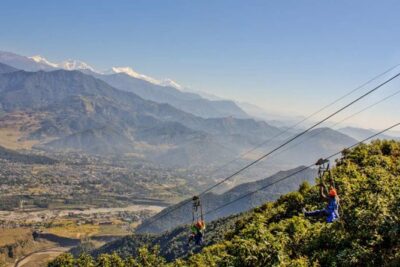
ZipFlyer Nepal – The World’s Steepest Zip-line
Read our review →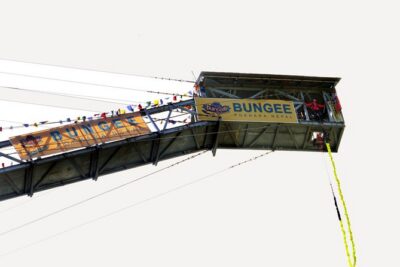
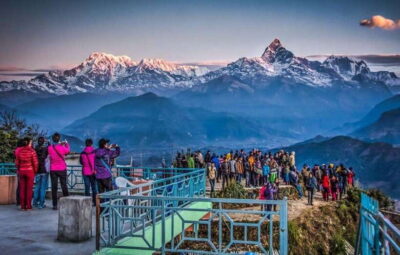
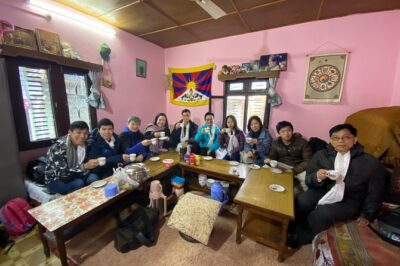
Full-Day Tibetan Cultural Tour to Tibetan Settlements Pokhara
Read our review →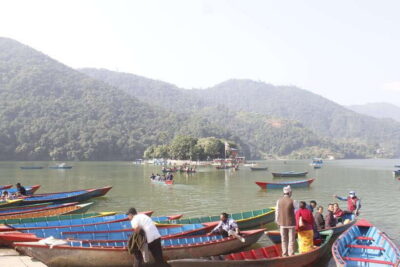
Full-Day Sharing Bus Tour on 7 Iconic Destination
Read our review →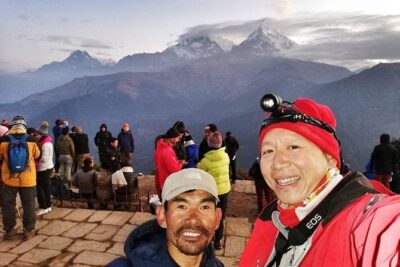
Trekking in Annapurna/Langtang/Everest/Upper Mustang regions
Read our review →This tour also appears in