
REVIEW · POKHARA TOURS
Pokhara Sightseeing By Bus: Day Trip
Pokhara’s best-known sights are scattered across the valley, and this $19 shared bus tour links them in one long day. You get a broad look at caves, shrines, waterfalls, a gorge, a hilltop viewpoint, and Fewa Lake without arranging several taxis.
I like the low price and the chance to ride with people from Nepal, India, and other countries. I also like the simple Lakeside pickup and the full seven-hour route. The catch is important: guiding may be limited, and one solo visitor found no English-speaking guide on the bus, so you may need to make sense of some stops on your own.
Key points at a glance
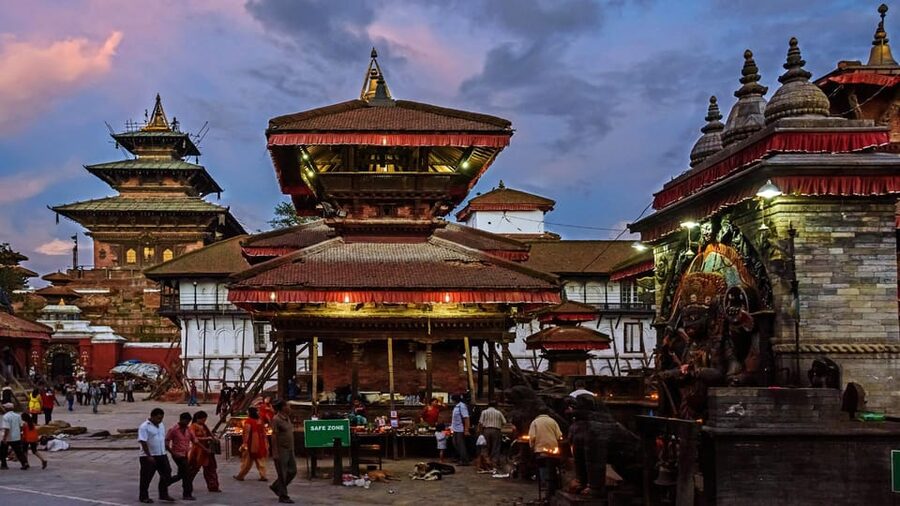
- Seven major stops in one day: The route covers Pumdikot, Bindyabashini Temple, Mahendra Cave, Seti Gorge, Peace Stupa, Devis Fall, Gupteshwor Cave, and Fewa Lake.
- A genuine budget option: The tour costs $19 per person, with roughly $10 more for entrance and monument fees.
- Shared local bus setting: You ride with a mixed group rather than in a private vehicle, which can feel more social and less polished.
- Lakeside pickup included: Pickup is provided from the Lakeside area, with the stated meeting time around 9:40 AM.
- Guide expectations need checking: A local assistant accompanies the bus, but the level of English commentary appears uncertain.
- Not suitable for wheelchair users: Expect a day built around several walking stops, caves, temples, and uneven access.
What this $19 Pokhara day tour really offers
This is a sightseeing sampler, not a private cultural tour. For a modest base price, you get transport between far-flung sights and a local assistant on the bus. That matters in Pokhara, where the attractions are spread around the valley and taxi costs can add up quickly.
The strongest reason to book is convenience. You do not need to negotiate separate rides to Devis Fall, Mahendra Cave, Peace Stupa, or Pumdikot. You can sit back, watch the city and valley pass by, and let the bus handle the basic connections.
The strongest reason to hesitate is the information provided at each stop. The experience is advertised with a normal guide, yet the practical description says a local assistant will accompany you, and one booking experience found no English-speaking guide. I would treat this as a transport-led group outing with some assistance, not as a fully narrated tour.
That distinction changes the value. If you mainly want to see the sights cheaply, $19 is appealing. If you want detailed explanations at every temple, cave, and viewpoint, you may find the day thin on context.
A few more Pokhara days to weigh up
- 1-Day Private Dhampus Trekking Tour
★ 5.0 · 35 reviews - Pokhara: 1-Day Scenic Australian Camp & Dhampus Guided Hike
★ 4.9 · 24 reviews - Pokhara Sightseeing By Bus – Day Trip
★ 3.2 · 8 reviews
Starting from Lakeside around 9:40 AM
Pickup takes place from Pokhara’s Lakeside area, the most useful base for many people staying in the city. The stated meeting time is 9:40 AM, although the description also refers to an early morning start, so confirm the exact pickup time when you reserve.
You should be ready before the bus arrives. Hotel pickup is included in Lakeside, but the information does not promise pickup from other parts of Pokhara. If you are staying outside that area, you may need to reach Lakeside yourself.
This is a group bus, so expect a shared ride rather than a quiet private transfer. The social side can be part of the fun. One person who joined alone found help from a couple from Kathmandu, while another booking experience described the day as a relaxed hop-on and hop-off style outing.
That does not mean you can freely choose your own schedule at every stop. The route is organized as a full-day circuit, so you should be prepared to follow the group’s timing. The seven-hour duration leaves enough room for many sights, but not for lingering as long as you might on a private tour.
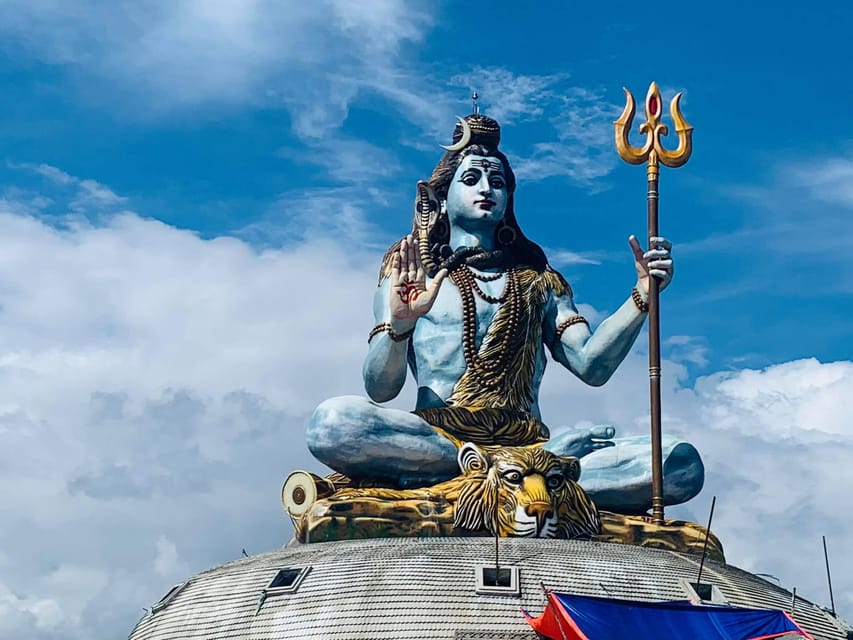
Pumdikot Mahadev View Point and the first big panorama
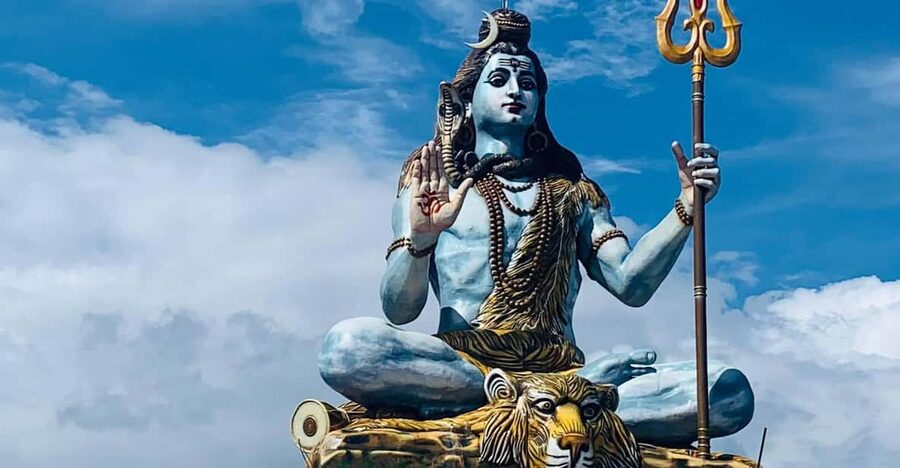
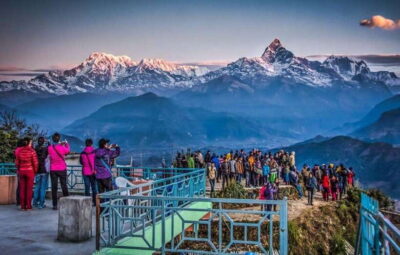
Pumdikot Mahadev View Point gives the day an immediate sense of height and space. You go there for the broad views over Pokhara Valley and the surrounding hills, along with the Mahadev religious site.
This is one of the stops where a camera earns its place in your bag. The appeal is visual rather than complicated: look out, take photos, and get a feel for how the valley is arranged.
A viewpoint also sets up one of the tour’s main strengths. You are not seeing only monuments. You are moving through a mix of natural scenery and religious places, which gives you a wider picture of Pokhara than a single attraction could provide.
Keep your expectations practical. The tour information does not promise a long stay or a special mountain-view presentation, and weather can affect what you see. The point is to gain a high view of the valley, not to treat this as a dedicated mountain photography trip.
Bindyabashini Temple and a look at local worship
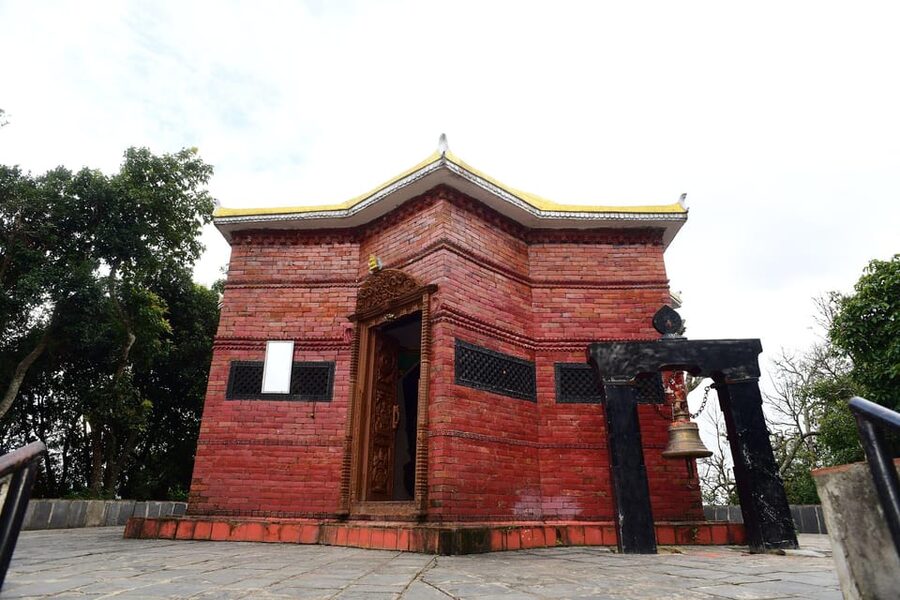
Bindyabashini Temple adds a religious and local-life stop to the route. Unlike a viewpoint or waterfall, this is a place where the atmosphere depends on worship, visitors, and the day’s events.
You should dress in comfortable clothes that also work for a temple visit. The tour specifically suggests comfortable clothing, and that is sensible for a day with several stops and walking sections.
The temple can be especially interesting if you pay attention to how people use the site, rather than rushing through it as another photo stop. One booking experience happened to fall on a Hindu holiday, when some places were free and the atmosphere felt festive. You cannot count on that timing, but it shows how religious dates can change the feel and cost of the day.
Your assistant may help with basic questions, but do not assume you will receive a full explanation of the temple’s traditions. If you want detailed religious or historical context, prepare a few questions in advance and ask the person accompanying the bus.
A different kind of day from the same base:
- ZipFlyer Nepal – The World’s Steepest Zip-line
★ 5.0 · 608 reviews - Bungee Pokhara by HighGround Adventures
★ 5.0 · 366 reviews - From Pokhara: Sarangkot Sunrise Himalayas Tour
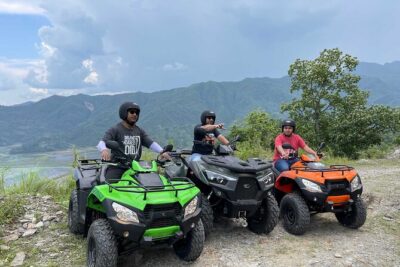
★ 4.7 · 218 reviews - ATV Adventure Tour in Pokhara, Nepal
★ 5.0 · 194 reviews
Mahendra Cave, where the route turns underground
Mahendra Cave gives the day a change of pace. After open views and a temple, you head underground into one of Pokhara’s well-known cave attractions.
Caves are naturally more physical than a viewpoint. You may encounter darker passages, uneven surfaces, and access that is not friendly to every mobility level. The tour is specifically not suitable for wheelchair users, and Mahendra Cave is one reason you should take that warning seriously.
Bring comfortable clothing and shoes suitable for walking. The published packing advice only lists comfortable clothes and a camera, but sensible footwear is a practical choice for a cave-focused stop.
The value here is variety. You are not spending the whole day looking at the same kind of sight. The cave provides a compact natural attraction that feels different from the valley views and city stops.
Still, keep the visit in proportion. This is one stop within a packed circuit, not a dedicated cave expedition. The exact amount of time available is not provided, so you should expect the group schedule to control your visit.
Seti River Gorge and the power of a narrow channel
Seti River Gorge is another stop where the scenery does much of the work. The gorge shows how sharply the river cuts through the area, creating a narrow, dramatic feature within the city and valley setting.
This is a good place to slow down for a moment and notice the contrast between Pokhara’s open spaces and its sudden drops and channels. The tour is built around that contrast: one stop gives you a high viewpoint, another takes you underground, and this one focuses on the river.
You may want to keep your camera ready, but pay attention to your footing and surroundings. The information does not provide specific details about railings, viewing platforms, or walking time, so you should follow local instructions rather than treating every edge as a photo opportunity.
Seti Gorge also helps make the tour feel like more than a checklist of temples. You get a sense of the natural forces that shape Pokhara, even though the bus only gives you a short visit.
Peace Stupa and the quieter side of the valley
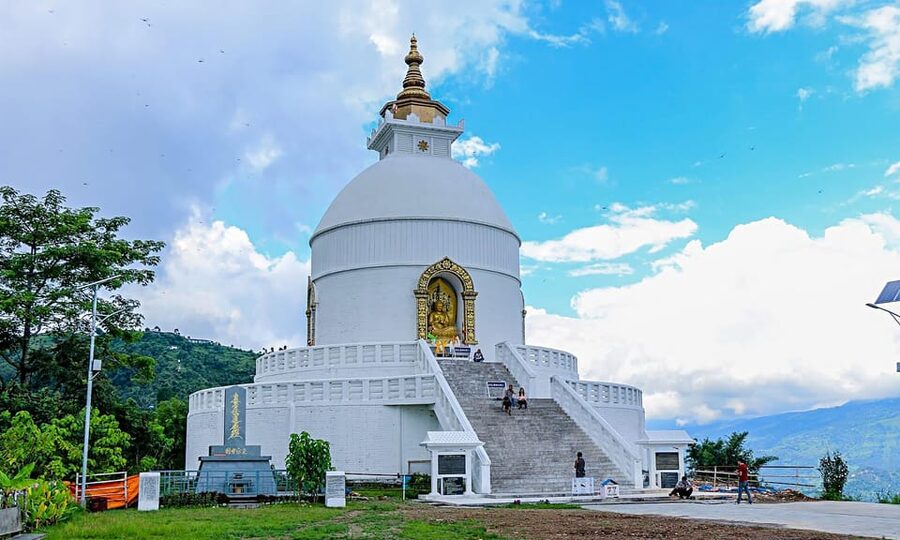
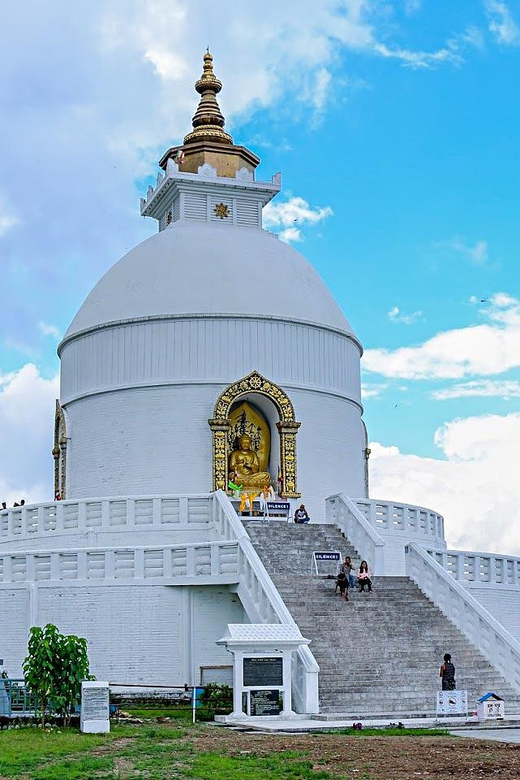
Peace Stupa is one of the route’s most appealing scenic stops. Its position offers another viewpoint over Pokhara Valley, with a calm religious setting and a chance to see the city from a different angle than Pumdikot.
The two viewpoints are not interchangeable. Pumdikot centers on the Mahadev site and a broad valley outlook, while Peace Stupa brings a Buddhist setting into the day. Seeing both gives you a useful comparison between Nepal’s Hindu and Buddhist traditions.
You should expect some walking around the stupa area. The tour information does not spell out the access route or the exact amount of uphill walking, so anyone concerned about mobility should ask before booking. Wheelchair users are advised not to choose this experience.
This stop may be one of the day’s more peaceful pauses, but the schedule can affect that feeling. A shared bus group needs to keep moving, especially with several more attractions ahead. Take your photos, enjoy the view, and listen if the assistant provides useful local context.
Devis Fall and Gupteshwor Mahadev Cave
Devis Fall and Gupteshwor Mahadev Cave are paired in the route, which makes practical sense. You see the waterfall above ground, then visit a cave connected with the same natural setting.
Devis Fall is a straightforward scenic stop. Water, rock, and the force of the drop create the attraction, so this is another place where seasonal conditions may affect what you see. The supplied information does not promise a certain water level, so do not book this day solely for a particular waterfall photograph.
Gupteshwor Mahadev Cave adds a religious element to the underground visit. Compared with Mahendra Cave, this stop gives you another cave experience with a clear Hindu connection.
The pairing gives the itinerary good rhythm. You move from open water to enclosed rock, then back toward the city and lake. It is also a reminder that this day is about range. You will see several different sides of Pokhara, but most stops will be fairly brief.
Entrance fees apply at the attractions. The estimated total for monuments and entry tickets is about $10 per person, though the actual amount can vary. Carry extra local currency if possible, since the tour price does not cover these admissions.
Fewa Lake closes the circuit
Fewa Lake is Pokhara’s best-known body of water and a natural final stop for a day around the valley. It brings the route back toward the Lakeside area and gives you a calmer setting after the caves, gorge, temple visits, and viewpoints.
The information does not promise a boat ride, so do not assume boating is part of the $19 tour. You are booking sightseeing by bus, not a lake cruise.
Fewa Lake is valuable because it connects the sights you have just seen. From the shore, you can think back over the valley views, the religious sites, and the natural attractions as parts of one place rather than isolated stops.
If you have extra time after the tour, Lakeside is also the practical place to continue your evening. That is not an included activity, but the pickup and drop-off focus on this area makes the location convenient for accommodation and onward plans.
Guide service: the detail you should confirm first
The guide information is the weakest part of the booking details. The experience says a normal guide is included, and it also says a local assistant will accompany you. Yet the listed inclusions separately mention that a guide is not included, while a verified booking experience found no English-speaking guide.
For you, the practical message is simple: ask exactly what commentary is provided before paying. Confirm whether an English-speaking guide travels on the bus, whether the assistant stays with the group at each stop, and whether explanations are given inside the vehicle or at the attractions.
The host or greeter language is English, but that does not necessarily mean every stop will receive an English tour talk. You can still enjoy the route without constant commentary, especially if you like exploring independently, but your expectations should match the service.
One encouraging feature is the shared setting. If you are comfortable asking other people for help, you may find the group useful. A solo visitor had a much better day after a couple from Kathmandu helped with orientation. That kind of friendly exchange is possible on a local bus, but it is not a guaranteed service.
Price, extra fees, and what you get for the money
At $19 per person, this is one of the easier ways to cover many Pokhara sights in one day. The price includes Lakeside hotel pickup, shared bus transport, and group sightseeing.
You should add about $10 per person for monument and entrance fees. Meals are not included, though food can be bought during the day. The total cost remains reasonable for a full circuit, but the value depends on how much information and personal attention you expect.
A private taxi may give you more control, while a private guide may offer better explanations. This bus tour trades those comforts for a lower price and a larger social setting. If you are watching your budget, that is a fair exchange.
The rating is 4.6 from seven reviews, with strong praise for the useful route and positive experiences when the group helped one another. The less favorable experience focused on the lack of information at the stops. Those two points tell you exactly where the tour succeeds and where it needs a little patience.
Who should book this Pokhara bus tour?
I would choose this tour if you want to see many major Pokhara attractions in one day without arranging transport yourself. It suits solo visitors, budget-minded people, and anyone who enjoys a shared outing with a local feel.
It also works well if you prefer variety over depth. You will visit a viewpoint, temple, cave, gorge, stupa, waterfall, another cave, and the lake. That is a lot of ground for seven hours.
I would be more cautious if your priority is detailed history, careful photography time, or a custom route. The itinerary is fixed, the bus is shared, and the guide service needs clarification.
The physical side matters too. With caves, temples, viewpoints, and several walking stops, this is not suitable for wheelchair users. Wear comfortable clothes, bring a camera, and avoid drones, alcohol, and drugs, all of which are not allowed.
Cancellation is flexible up to 24 hours before the tour for a full refund, and you can reserve now and pay later. That helps if your Pokhara schedule may change.
Should you book it?
Book this tour if you want a low-cost Pokhara overview and accept that the day may feel more like a local sightseeing bus than a polished guided excursion. The route is the main product, and it covers an impressive range for $19.
Skip it if you need guaranteed English commentary, private transport, wheelchair access, or long visits at each attraction. Before booking, confirm the guide arrangement and budget for about $10 in entry fees. With those points clear, this is a practical way to see the valley’s major sights in one busy but useful day.
FAQ
How long does the Pokhara bus tour last?
The stated duration is seven hours. Pickup is listed around 9:40 AM from the Lakeside area.
Where does hotel pickup take place?
Pickup is provided from hotels in Pokhara’s Lakeside area. The information does not confirm pickup from other neighborhoods.
Which places are included in the route?
The route includes Pumdikot Mahadev View Point, Bindyabashini Temple, Mahendra Cave, Seti River Gorge, Peace Stupa, Devis Fall, Gupteshwor Mahadev Cave, and Fewa Lake.
Is this a private tour?
No. This is a shared bus tour and group sightseeing experience.
Is a guide included?
The details are mixed. A local assistant is stated to accompany the bus, while another section says a guide is not included. One booking experience also found no English-speaking guide, so confirm the level of guiding before booking.
Are entrance fees included in the price?
No. Monument and entrance fees are extra and estimated at about $10 per person. Meals are also not included.
Can wheelchair users join the tour?
No. The experience is listed as unsuitable for wheelchair users.
Recently added around Pokhara
- Paragliding in Pokhara★ 5.0 · 3 reviews
- Pokhara: 5-Day Annapurna Base Camp Trek with Hot Spring★ 5.0 · 3 reviews
- Pokhara:4-Day Ghorepani Poon Hill Guided Trek via Ghandruk★ 5.0 · 3 reviews
- Pokhara: 7-Day Annapurna Base Camp Trek via Ghandruk★ 4.3 · 3 reviews
- Peace & Panorama: Stupa and Pumdikot Scenic Drive Tour★ 3.6 · 3 reviews
- Beautiful Sarankot Sunrise with Full Day Sightseeing in Pokhara★ 4.5 · 3 reviews
- 3 Day Australian Camp Dhampus Ghandruk Easy Trek in Pokhara★ 3.5 · 3 reviews
- Overnight Dhampus Australian Camp Easy Hiking from Pokhara★ 5.0 · 3 reviews
Other Pokhara Tours worth a look
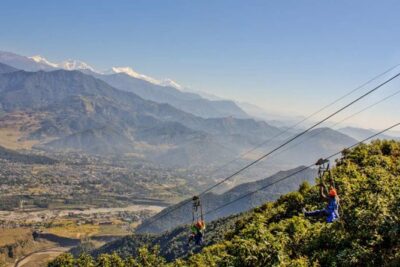
ZipFlyer Nepal – The World’s Steepest Zip-line
Read our review →
Full-Day Tibetan Cultural Tour to Tibetan Settlements Pokhara
Read our review →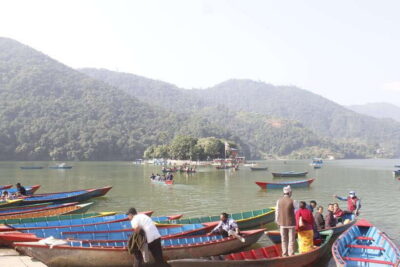
Full-Day Sharing Bus Tour on 7 Iconic Destination
Read our review →
Trekking in Annapurna/Langtang/Everest/Upper Mustang regions
Read our review →This tour also appears in