
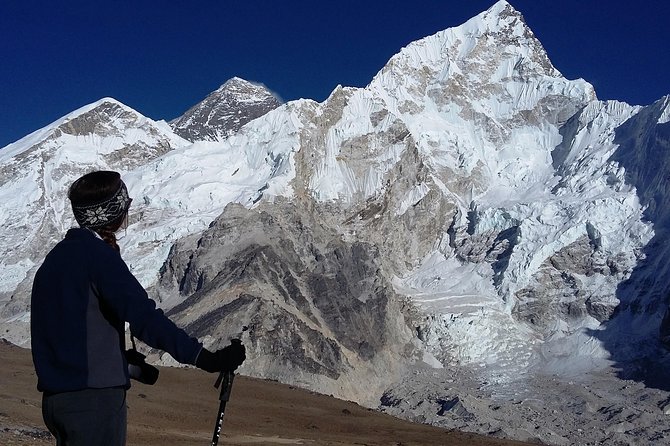
REVIEW · EVEREST BASE CAMP TREKS
Everest Base Camp trek 12 days from Kathmandu
Everest Base Camp is the headline, but the real reward is the steady climb through Sherpa villages, prayer wheels, monasteries, and huge mountain views. This 12-day route takes you from Lukla to Namche Bazaar, Tengboche, Dingboche, and finally Base Camp and Kala Patthar at high altitude.
I like that the price of $1,600 per person covers the main costs that can quickly add up in Nepal: domestic flights, teahouse lodging, three meals a day, permits, a licensed guide, and useful gear. I also like the two planned acclimatization days, including the hike to Hotel Everest View and Nagarjun Hill.
The main catch is the schedule. This is a demanding high-altitude trek, not a casual walk, and flight delays around Lukla can affect your plans. In March to May and September to November, the flight begins at Ramechhap Airport, a five to six-hour drive from Kathmandu, which may mean a 1 AM departure or an overnight stay near the airport.
Key points to know before booking
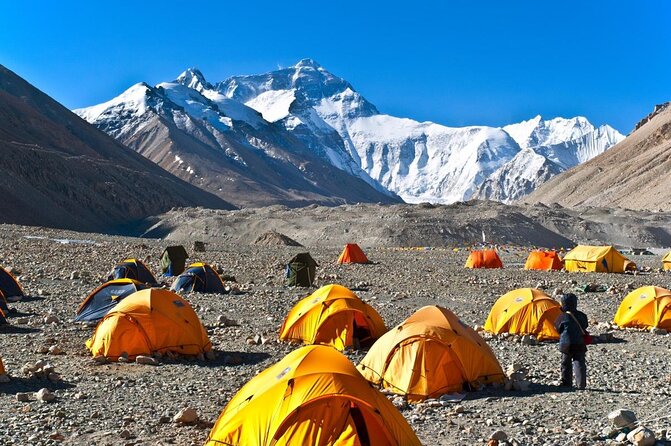
- Base Camp and Kala Patthar: Reach Everest Base Camp at 5,320 meters and climb Kala Patthar at 5,550 meters for the best mountain panorama on the route.
- Two acclimatization hikes: Spend a rest day near Namche Bazaar and another near Dingboche, both important breaks before the highest walking days.
- Good package value: Flights, meals, lodging, permits, guide service, a sleeping bag, down jacket, duffle bag, and walking pole are included.
- Ramechhap in peak season: Spring and autumn flights to Lukla use Ramechhap Airport because of air traffic in Kathmandu.
- Teahouse trekking: You sleep in twin-sharing guest houses or lodges and eat breakfast, lunch, and dinner during the trek.
- Private group format: Only your own group participates, with a government-licensed guide leading the way.
Why this Everest route works in 12 days
This is a fast, classic Everest Base Camp plan. You fly from Kathmandu, walk through the Khumbu region, reach Base Camp and Kala Patthar, then return to Lukla by foot before flying back.
The route is designed for people with moderate physical fitness. Previous trekking experience is not required, but that does not mean the walk is easy. Several days last five to eight hours, and the air gets thin quickly above Namche Bazaar. You need to be ready for long uphill and downhill stretches, basic lodge accommodation, and cold conditions at altitude.
The pacing is sensible where it matters most. You spend one acclimatization day at Namche and another at Dingboche rather than racing upward without a break. Those pauses also give you a chance to see more than the trail itself.
The company has been praised for organized service, clear briefings, and attentive guides and porters on related Everest-region trips. One useful habit is built into the guiding style: your guide gives an overview of the next day in the evening and can identify the mountains along the way. The exact guide assigned to your departure is not specified, so ask for the name and experience of your guide before you go.
More Hiking Tours in Kathmandu
- Everest Base Camp Trek – 14 Days
★ 5.0 · 1,499 reviews - Everest Base Camp Trekking
★ 5.0 · 485 reviews - Nagarkot Sunrise View and Day Hiking from Kathmandu
★ 5.0 · 471 reviews
Day 1: Lukla flight and the walk to Phakding
The day begins early, with a listed meeting time of 5:15 AM. The flight to Lukla takes about 40 minutes, followed by a three to four-hour walk to Phakding at 2,652 meters.
Lukla is the dramatic starting point for the trek, but the first day is not the hardest. The shorter walk lets you begin adjusting to the route without immediately pushing toward the higher villages. Phakding is a practical overnight stop before the longer climb to Namche.
The flight is one of the trip’s least predictable parts. In peak months, you may first need to reach Ramechhap Airport by shared transfer. The drive from Kathmandu takes five to six hours. You can either go the day before and stay overnight, or leave Kathmandu around 1 AM on the day of the flight.
That detail matters. A 1 AM road departure followed by a flight and a walk makes for a very long opening day. If you value sleep and a calmer start, the overnight option near Ramechhap may be worth considering, though the package details do not specify the accommodation cost for that extra night.
Day 2: The long climb into Namche Bazaar
From Phakding, you walk six to seven hours to Namche Bazaar at 3,440 meters. This is the first day that feels like a serious trek.
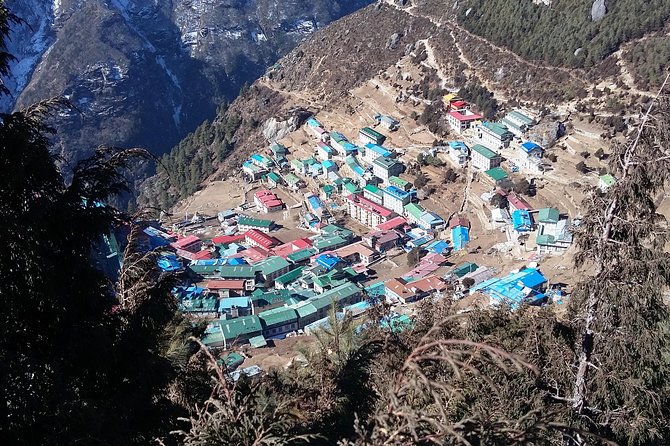
Namche is the main gateway to the Everest region. The route reaches a lively mountain trading center rather than a remote camp, and the change in altitude is clear. You will gain a lot of height in one day, so a steady pace is more useful than trying to finish quickly.
I would treat this day as a test of your footwear, pack, and breathing. The included duffle bag can help keep your personal day pack lighter, while the walking pole is useful on both uphill and downhill sections. Since porter service is not included, you need to confirm in advance if you want one and budget for that separately.
Day 3: Hotel Everest View and Namche acclimatization
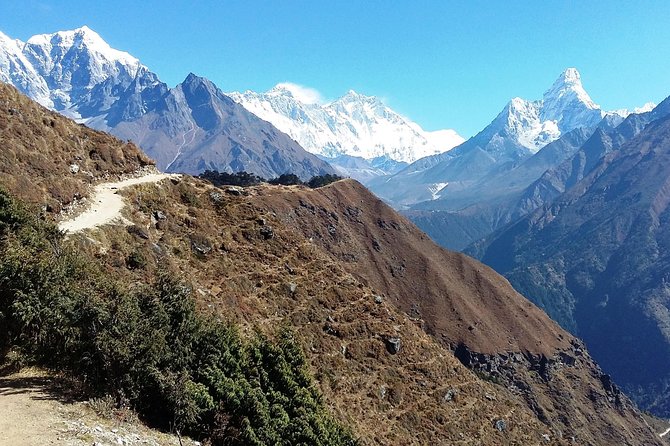
The third day is set aside for acclimatization, with a three to four-hour hike to Hotel Everest View at about 3,900 meters.
This is not a wasted day. You walk higher than Namche, then return to sleep lower, which helps your body adjust to the altitude. It is also an excellent introduction to the mountain views before the route becomes more remote.
The stop at Hotel Everest View gives the day a clear destination, and the itinerary also names Khumjung as one of the places visited along the wider route. You get a quieter look at the high villages around Namche instead of simply sitting indoors.
For you, the practical value is simple: this day reduces the temptation to gain altitude too quickly. Keep the pace easy, drink what you need, and tell your guide if you develop worrying symptoms. Drinks such as bottled water, boiled water, tea, coffee, and soft drinks are not included, so plan to pay for those as you go.
More Everest Base Camp Treks in Kathmandu:
- Everest Base Camp Helicopter Tour landing at Everest View Hotel
★ 5.0 · 668 reviews - Everest Base Camp Trekking – 13 Day
★ 5.0 · 365 reviews - Everest Base Camp Trek -14 Days
★ 5.0 · 321 reviews - Everest Base Camp Helicopter Tour landing at Hotel Everest View
★ 5.0 · 218 reviews
Day 4: Tengboche and its famous monastery
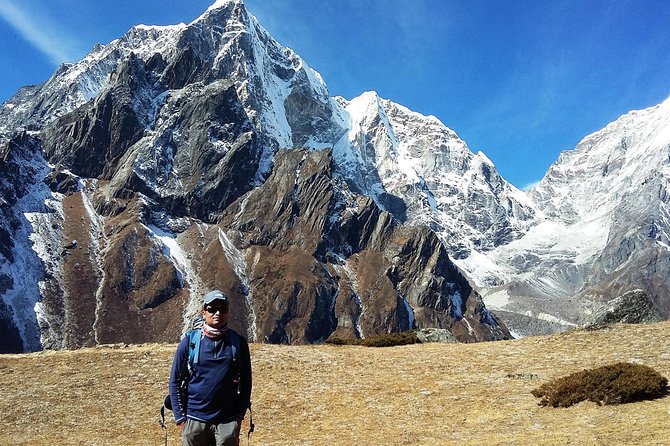
The walk from Namche to Tengboche takes five to six hours and ends at 3,860 meters. Tengboche Gompa is one of the most meaningful cultural stops on the trek.
The monastery gives this journey a spiritual center. Instead of seeing only mountains and trails, you encounter an important religious site in the Khumbu region. The village also opens up fine views of the surrounding peaks, making this a memorable overnight stop even before the highest section begins.
The distance is moderate, but the trail includes both climbing and descending. The route can feel more tiring than the distance suggests, especially after the previous day’s climb. Your guide’s evening briefing is useful here because the next morning starts another gradual push toward Dingboche.
Day 5: From Tengboche to Dingboche at 4,410 meters
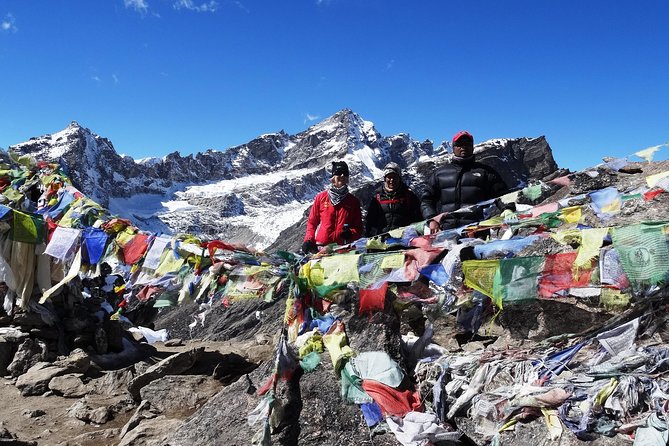
Dingboche is reached after five to six hours of walking. At 4,410 meters, this is where the altitude becomes a serious part of the experience.
You are now moving through the high Khumbu, with fewer comforts and a more demanding climate. The village is an important base for acclimatization before Lobuche and the Base Camp approach.
Your included lodging is in a guest house or lodge, based on twin sharing. That gives you a bed and shelter, but not the comfort of a standard hotel. Hot showers, internet, laundry, battery charging, and bar bills cost extra, so carry enough cash for personal needs.
Meals are included, which is one of the strongest parts of the package. Breakfast, lunch, and dinner are provided during the trek, but drinks are not. This distinction is easy to miss when comparing prices, and high-altitude drinks can become a noticeable daily expense.
Day 6: Nagarjun Hill and the second acclimatization day
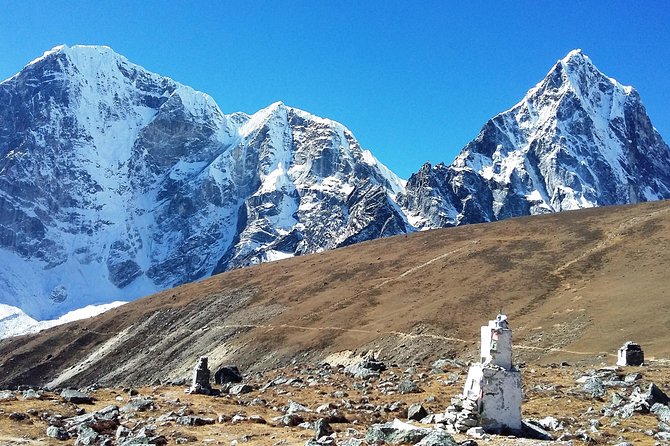
The Dingboche acclimatization day includes a four to five-hour hike toward Nagarjun Hill, reaching about 5,100 meters.
This is a demanding rest day, but it prepares you for the heights ahead. The climb gives you a chance to walk high and return to Dingboche for the night. You also get a closer view of the mountain country around the upper Khumbu.
Do not judge this day by its label. Acclimatization does not mean effortless. The altitude can make a modest hill feel much harder, and your pace will likely slow. The guide’s role matters here, especially in watching how you respond and setting a sensible rhythm.
You should arrive at this point with your walking pole, warm layers, and sleeping bag ready. The package includes a down jacket and sleeping bag, which saves you from renting or buying those items separately.
Day 7: Lobuche and the approach to the high valley
The five to six-hour walk from Dingboche to Lobuche reaches 4,910 meters. This is one of the more serious days because you are now close to the highest part of the trek.
The route brings you into the stark upper valley, where the thin air dictates the pace. Lobuche is not a place to expect much beyond basic lodge facilities, a meal, and a place to sleep. That simplicity is part of the experience, but it also means you should be ready for limited personal comfort.
Keep your next day in mind. The walk to Base Camp is seven to eight hours, so this is a good evening to sort your layers, charge what you can, and listen closely to the next-day briefing.
Day 8: Gorak Shep and Everest Base Camp
This is the big day. You walk from Lobuche to Gorak Shep, then continue to Everest Base Camp, with a total walking time of seven to eight hours.
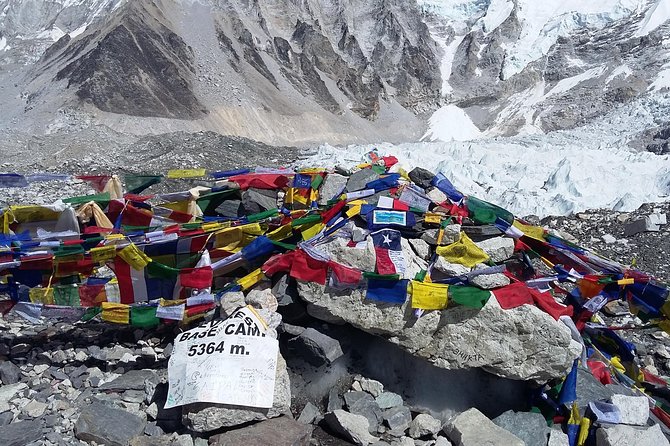
Base Camp sits at 5,320 meters beside the Khumbu Glacier. It is the place where major Everest expeditions begin, and reaching it gives the trek its famous goal. The setting is more about scale and raw mountain surroundings than comfort or a polished viewpoint.
The day is long, and the return to Gorak Shep can feel just as demanding as the walk out. Your guide will set the pace, but you still need a reasonable base of fitness. This is not the best day for a rushed photo stop and a race back.
The itinerary also includes Mount Everest and the Khumbu Glacier among its main points of interest. You should understand that Base Camp does not provide the clearest overall view of Everest itself. That is why the next morning’s Kala Patthar climb is so important.
Day 9: Kala Patthar, then down to Pheriche
The route climbs from Gorak Shep to Kala Patthar at 5,550 meters, then continues to Pheriche at 4,371 meters. The day takes six to seven hours.
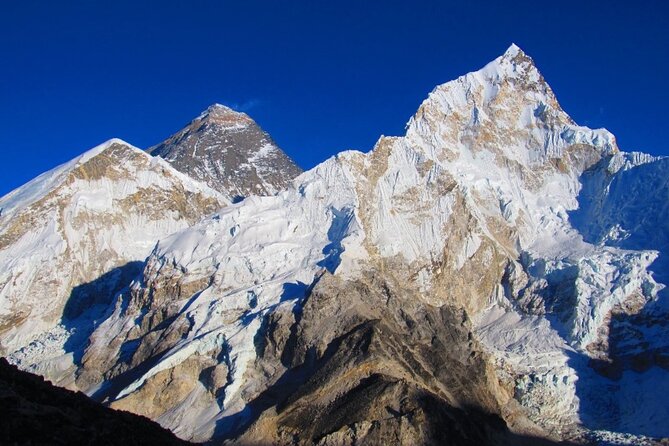
Kala Patthar is the viewpoint that gives you the close Everest view and the broad panorama of the Khumbu peaks. It is the highest point of the trek, and the sunrise or early morning timing can make this the most memorable part of the entire route, though an exact departure time is not provided.
After the viewpoint, you descend to Pheriche. That loss of altitude is welcome, but descending for several hours after reaching the high point still takes work. Your knees may notice it more than your lungs.
The itinerary lists Kala Patthar several times in its stop descriptions, but this is one climb, not three separate visits. The useful thing to focus on is the combined achievement: Everest Base Camp one day, then the trek’s highest viewpoint the next.
Days 10 and 11: The return through Namche to Lukla
Day 10 takes you from Pheriche back to Namche Bazaar in six to seven hours. It is a long return day, but the lower altitude makes the walk feel more manageable than the ascent.
You retrace part of the route through the Khumbu, with a chance to appreciate the villages and mountain views from a different direction. Namche is a welcome overnight stop because it gives you more space and a lower sleeping altitude than the upper villages.
On Day 11, you walk six to seven hours from Namche to Lukla. This final walking day is not simply a downhill stroll. The trail rises and falls, and tired legs make familiar ground feel longer.
The return to Lukla gives you a buffer before the flight home, but the schedule remains exposed to weather and flight disruption. Keep important onward plans flexible. The package includes the Lukla to Kathmandu or Ramechhap flight, but it does not include helicopter rescue, evacuation, insurance, or costs caused by delays.
Day 12: Flying back to Kathmandu
The final day is the return flight to Kathmandu, or to Ramechhap during the peak-season arrangement. Shared airport transfers are included according to the itinerary.
If the flight operates normally, this is a simple finish. If weather or air traffic interferes, you may need patience and extra money for unlisted costs. The package does not cover personal services in Kathmandu, so anything beyond the listed airport transfer and trek services is your responsibility.
Kathmandu attractions such as Kathmandu Valley and Kathmandu Durbar Square appear among the broader points of interest, but they are not listed as included sightseeing stops in the 12-day trek. Plan separate time if you want to visit them.
What the $1,600 price really covers
At $1,600, the price is strong for a guided Everest Base Camp package because several expensive or useful items are bundled together:
- Flights between Kathmandu or Ramechhap and Lukla
- Shared airport transfers
- Twin-sharing lodge accommodation
- Breakfast, lunch, and dinner during the trek
- A government-licensed guide
- Trek permits and required fees
- Duffle bag, down jacket, sleeping bag, and walking pole
- Trekking map and achievement certificate
- Government taxes, VAT, and office service charges
You still need money for drinks, snacks, hot showers, phone use, internet, laundry, charging, and tips. A porter is also extra if you want one.
The package is best value if you want one company to handle the core logistics. It is less useful if you already have gear, prefer to arrange your own flights, or want a slower itinerary with extra rest days.
What the guide and service setup add
The experience is a private activity, meaning only your own group participates. That can make the pace and daily communication more personal than a large mixed group, though the listed rate is per person and group discounts may be available.
The strongest service details are practical ones. Guides explain the next day each evening, identify peaks along the trail, and help manage the route through changing altitude. The company has also received strong praise for its guide and porter support on longer Everest-region trips, including EBC, Kala Patthar, Island Peak, and the three-pass route.
Do not assume a porter is included. It is not. Ask before departure about porter availability, the expected daily cost, baggage limits, and what you will carry yourself.
Who should book this trek
I would choose this trip if you want the classic Everest Base Camp route in a compact 12-day plan, with the main logistics arranged before arrival. It suits a reasonably active person who can manage repeated five to eight-hour walking days and is comfortable with basic lodges.
It is also a good fit if you want a private group rather than a large shared departure. The included acclimatization days, guide, meals, permits, and cold-weather gear remove much of the planning work.
I would think twice if you need a relaxed holiday pace, dislike early starts, or have little tolerance for basic accommodation. You should also avoid treating the phrase no prior experience needed as a promise of ease. High altitude can challenge fit people, and your insurance should cover trekking, emergency evacuation, and helicopter rescue.
Cancellation is free if you cancel at least 24 hours before the local start time. Cancellations or changes made inside that window are not accepted for a refund.
FAQ
How long is the Everest Base Camp trek?
The experience lasts approximately 12 days, including flights from Kathmandu or Ramechhap to Lukla and the return flight.
What is the listed price?
The price is $1,600 per person.
Does the trek include flights to Lukla?
Yes. The package includes the flight from Kathmandu or Ramechhap to Lukla and the return flight to Kathmandu or Ramechhap.
Where do peak-season Lukla flights depart from?
From March to May and September to November, flights to Lukla operate from Ramechhap Airport because of heavy air traffic in Kathmandu.
How far is Ramechhap Airport from Kathmandu?
The shared road transfer takes about five to six hours.
What accommodation is included?
You stay in guest houses or lodges during the trek, with twin-sharing rooms.
Are meals included?
Breakfast, lunch, and dinner are included during the trek. Drinks such as tea, coffee, bottled water, boiled water, soft drinks, and beer are not included.
Is a guide included?
Yes. A highly experienced, government-licensed guide is included.
Is a porter included?
No. A trekking porter is not included and must be arranged and paid for separately if needed.
What fitness level is required?
You should have a moderate level of physical fitness. The tour states that previous trekking experience is not required, but the route includes walking days of up to eight hours and reaches 5,550 meters.
Should you book the 12-day Everest Base Camp trek?
Book it if you want a well-organized classic route with Base Camp, Kala Patthar, Namche, and Tengboche in one compact trip. The $1,600 cost covers the core services you need, and the two acclimatization days make the schedule more responsible than a straight race to Base Camp.
Before paying, confirm the assigned guide, porter arrangements, peak-season Ramechhap plan, insurance requirements, and how flight delays are handled. If you can accept early mornings, basic lodges, long walking days, and high-altitude uncertainty, this package offers a practical way to reach one of the world’s great trekking goals.
Recently added around Kathmandu
- Kathmandu Airport Pickup and Drop-off Services★ 5.0 · 3 reviews
- Kathmandu Paragliding★ 5.0 · 3 reviews
- Explore The Beauty Of Langtang Valley In 8-Days Trek★ 5.0 · 3 reviews
- Kathmandu Chandragiri Cable Car and Swayambhunath Private Tour★ 5.0 · 3 reviews
- Kathmandu: Nightlife and Pub Crawl Tour★ 5.0 · 3 reviews
- Kathmandu: Momo Making Class with a Local Chef★ 5.0 · 3 reviews
- Mountain Flight Experience in Nepal★ 4.5 · 3 reviews
- Everest Base Camp Trek★ 5.0 · 3 reviews
Other Everest Base Camp Treks worth a look


Everest Base Camp Helicopter Tour landing at Everest View Hotel
Read our review →


Everest Base Camp Helicopter Tour landing at Hotel Everest View
Read our review →

This tour also appears in