
REVIEW · EVEREST BASE CAMP TREKS
Everest Base Camp Trek 12 Days – Best Himalayan Adventure
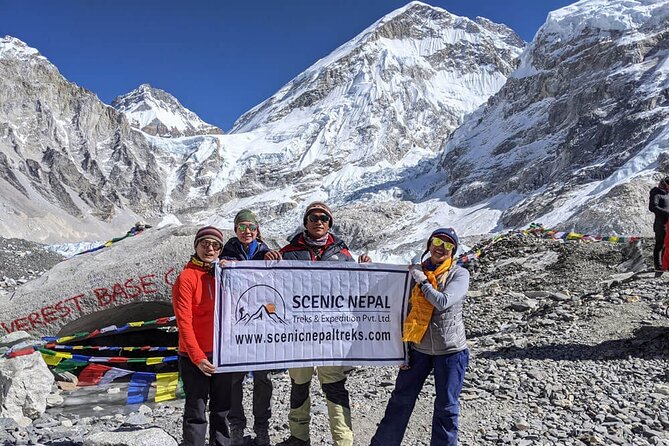
Everest Base Camp is less about reaching a single point than earning every step toward it. Over 12 days, you follow Sherpa trails from Lukla through Namche Bazaar, Tengboche, Dingboche, and Gorak Shep, finishing at 5,364-meter Everest Base Camp and the viewpoint at Kala Patthar.
I like the private format, which gives your group a guide focused on your pace and needs. I also like the practical support: permits, domestic flights, tea-house lodging, a first-aid kit, and an experienced Sherpa crew are arranged for you. The main caution is the high-altitude effort. You need moderate fitness, proper gear, and patience, since the supplied details also contain some uncertainty about meals, porter arrangements, group size, and the airport used for the return flight.
Key points before you book
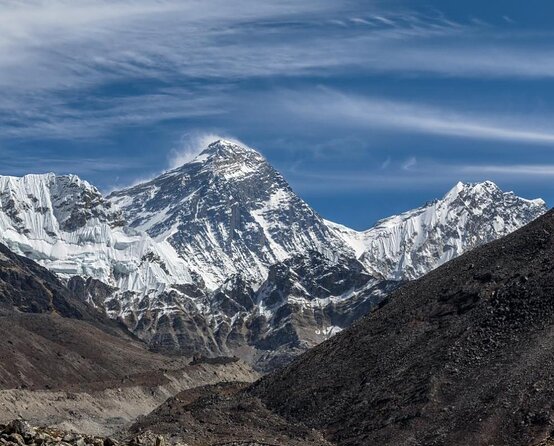
- A true high-altitude trek: The route reaches Everest Base Camp at 5,364 meters, with Kala Patthar included for mountain views.
- Private, but not solo: At least two people are required to book, and the published maximum appears as both 10 and 15, so confirm your group size.
- Sherpa guidance: Guides named in past departures include Shankar, Binod, Ramjee, Santosh, and Bi, with careful attention to safety and comfort repeatedly praised.
- Tea-house nights: You receive twin-sharing tea-house accommodation for 11 nights during the trek.
- Porter help needs checking: The details say one porter serves two hikers, while the overview describes porter service as an option.
- Budget carefully: The $1,439 price covers major trekking arrangements, but personal meals, insurance, equipment, visa costs, tips, and international flights are listed separately.
Why this Everest trek earns its place on your calendar
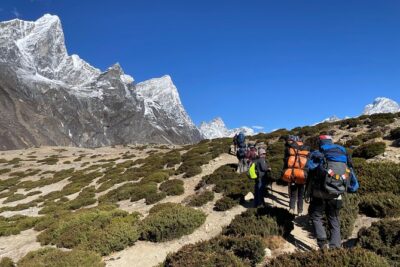
The appeal is easy to understand. You walk through high-altitude villages, cross suspension bridges, pass through alpine forests, and enter broad glacial valleys with some of the world’s best-known peaks ahead of you. The route offers more than a mountain photo. It gives you time with Sherpa communities and a close look at life in the Khumbu region.
The private setup matters here. A guided trek in a remote mountain region is simpler when someone else handles permits, route decisions, domestic flights, and local arrangements. Your guide can also help you manage the slower pace needed at altitude. The information supplied for this trek specifically includes acclimatization days, which are essential to making the schedule safer and more workable.
I would not call this an easy holiday with a few walks added. It is a demanding mountain journey. The operator asks for moderate physical fitness, and your packing list includes thermal layers, a down jacket suitable to minus 10 degrees Celsius depending on the season, waterproof clothing, trekking boots, gloves, sun protection, and a sleeping bag. That list tells you plenty about the conditions you may face.
More Hiking Tours in Kathmandu
- Everest Base Camp Trek – 14 Days
★ 5.0 · 1,499 reviews - Everest Base Camp Trekking
★ 5.0 · 485 reviews - Nagarkot Sunrise View and Day Hiking from Kathmandu
★ 5.0 · 471 reviews
Kathmandu preparation at Scenic Nepal Treks
Your trip begins and ends at Scenic Nepal Treks and Expedition in Bhagwati Marg, Kathmandu. This is where you meet the team and start the organized part of the journey.
Kathmandu is more than a launch point. It is where you can make sure your passport details, permits, baggage, clothing, and flight arrangements are in order before heading toward Lukla. Your passport name, number, expiry date, and country are required for every person in the group at booking.
The preparation list is long for good reason. Bring trekking boots with spare laces, warm headwear, a scarf, gloves, quick-drying shirts, thermal underwear, a fleece jacket, and a waterproof jacket. You will also need a backpack, toiletries, a water bottle, torch, toilet paper, polarized sunglasses, sunblock, lip balm, and a way to purify water.
The operator provides a sleeping bag and silk liner, a duffel bag, and a first-aid and medical kit. You are still encouraged to bring your own medical supplies. Locks for bags and earplugs are sensible additions, especially when your belongings and sleeping arrangements are shared within tea houses.
Flying toward Lukla
The route includes return domestic flights, with Lukla as the mountain gateway. The details note that a flight may operate from Ramechap Airport rather than Kathmandu. That change can affect your ground transfers and schedule, so I would ask for the confirmed departure airport before setting your final plans.
Lukla is where the character of the trip changes. Kathmandu gives way to foot travel, mountain villages, bridges, forest paths, and steep valleys. The flight is included in the package, but weather and operational changes are part of the practical reality of mountain transport. The supplied information does not promise a fixed flight timetable, so keep some flexibility around this part of the journey.
From Lukla, your Sherpa guide becomes central to the experience. The praise attached to named guides such as Shankar, Binod, Ramjee, Santosh, and Bi focuses on patience, care, safety, and help with questions. Those are the qualities you want on a trek where daily comfort can depend on small decisions.
Namche Bazaar, the first major mountain stop
Namche Bazaar is one of the most important stops on the route. It is a high-altitude Sherpa settlement and a natural place to slow down after the first walking days.
The schedule includes acclimatization days, and Namche is the sort of stop where that time matters. You may find the pace here easier than the distance suggests, but the growing altitude can still make walking feel harder. Use the time to rest, check your layers, sort your daypack, and listen to your guide.
Namche also gives the trek a human center. You are not simply moving from airport to base camp. You are passing through a living mountain region, with tea houses, local hospitality, and established trails connecting villages. The exact excursions and overnight pattern should be confirmed with the company, since the supplied itinerary names the stops but does not assign every day in detail.
More Everest Base Camp Treks in Kathmandu:
- Everest Base Camp Helicopter Tour landing at Everest View Hotel
★ 5.0 · 668 reviews - Everest Base Camp Trekking – 13 Day
★ 5.0 · 365 reviews - Everest Base Camp Trek -14 Days
★ 5.0 · 321 reviews - Everest Base Camp Helicopter Tour landing at Hotel Everest View
★ 5.0 · 218 reviews
Tengboche and the shift into alpine country
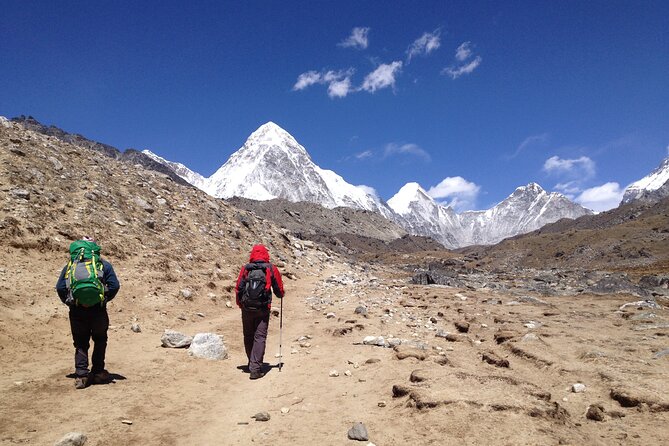
Tengboche brings a different feel. The stop is known for its mountain setting and Sherpa culture, and the route around it gives you a strong sense that you are moving farther into the Khumbu.
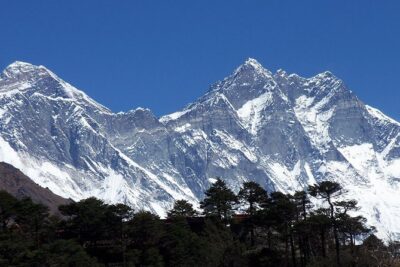
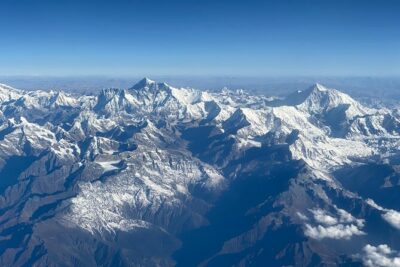
The scenery is one of the main reasons to choose this trek. Views may include Ama Dablam, Lhotse, Nuptse, Everest, and Pumori, depending on weather and the viewpoint. Ama Dablam is especially memorable because of its distinctive shape, while the larger peaks remind you how small the trail is beside them.
Tea-house lodging keeps the experience practical rather than luxurious. Twin-sharing rooms for 11 nights are included during the hike. You should expect simple mountain accommodation, not resort comforts. The inclusion is valuable because it removes the need to arrange each night yourself, but you should still confirm what is included in the meal plan and what must be paid locally.
Dingboche and the work of acclimatization
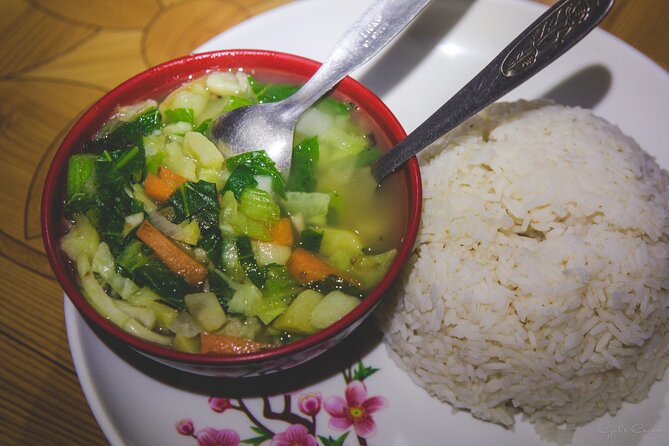
Dingboche is another key altitude stop before the route reaches the highest villages. The schedule specifically allows acclimatization, which gives your body time to adjust rather than forcing a nonstop climb.
This is where a private guide can make a real difference. You can ask about the day’s pace, how you are feeling, and what to carry without having to match a large public group. A guide can also help you recognize when caution matters more than speed.
Do not treat a rest day as wasted time. At this height, rest is part of the route. You will want warm clothing, reliable water, sun protection, and enough patience to walk slowly. The list recommends a warm down jacket, thermal underwear, wool-blend and liner socks, and a sleeping bag. Pack them where you can reach them without emptying your entire duffel.
Gorak Shep and the walk to Base Camp
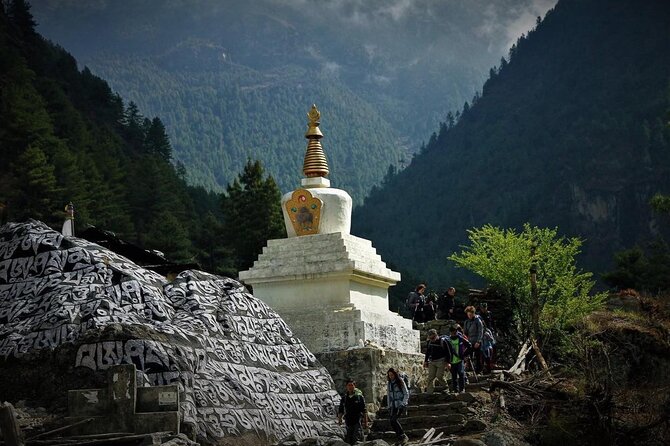
Gorak Shep is the final named staging point before the Base Camp walk. It is also where the altitude becomes a serious part of the story, not just a number in the brochure.
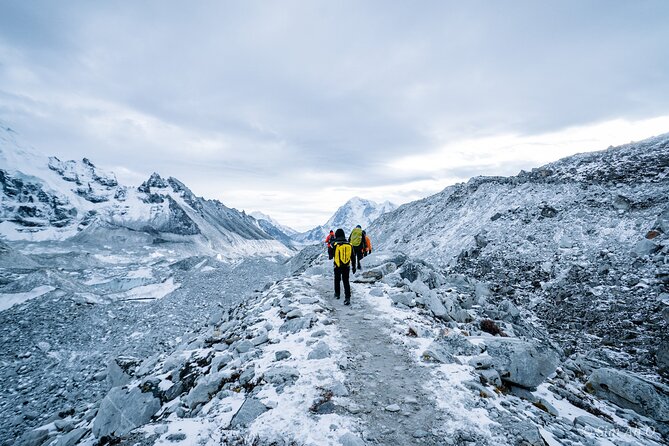
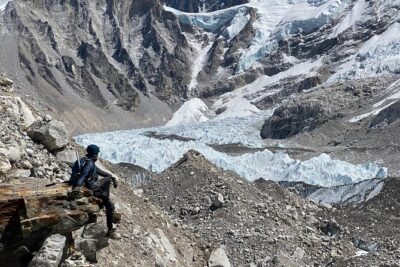
The walk from Gorak Shep to Everest Base Camp is the payoff many hikers have imagined for years. The setting is defined by glacial valleys, high mountain air, and the sight of the Khumbu region opening around you. Base Camp itself is a powerful destination, though the exact appearance can vary with season and expedition activity.
The return toward Gorak Shep is not an afterthought. You still need energy for the walk back, and the thin air can make a short distance feel long. This is another reason not to overpack your day bag. A water bottle, extra layer, sun protection, snacks if you choose to carry them, and a torch are practical essentials.
The supplied details include meals in the general overview but later list personal meals during the trek as excluded. That is a meaningful difference. Ask the company to clarify exactly which meals are covered before paying, because food costs at high altitude can affect your budget.
Kala Patthar and the best mountain views
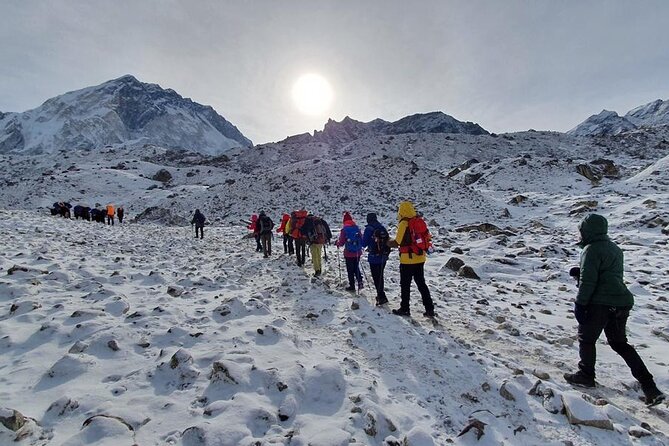
Kala Patthar is included as a panoramic viewpoint, and it may be the visual high point of the trip. The route promises views toward Everest, Lhotse, Nuptse, Ama Dablam, and Pumori, with sunrise at Kala Patthar described as a particularly memorable part of the experience.
You should think of Kala Patthar as a viewpoint walk rather than a casual photo stop. At high altitude, early starts and cold conditions can make the effort feel substantial. Warm layers, gloves, a hat, and a good torch belong in your daypack.
The reward is a broad view of the world around Everest. Base Camp gives you the destination itself. Kala Patthar gives you the wider picture, which is why many hikers consider it one of the most important moments of the route.
What the $1,439 price really covers
At $1,439 per person, this trek sits in a useful middle ground for a guided Himalayan trip because several major arrangements are bundled together. You receive an experienced Sherpa trekking guide, return domestic flights, trekking permits, staff insurance, medication and equipment, a first-aid kit, twin-sharing tea-house accommodation, a sleeping bag and silk liner, and a duffel bag.
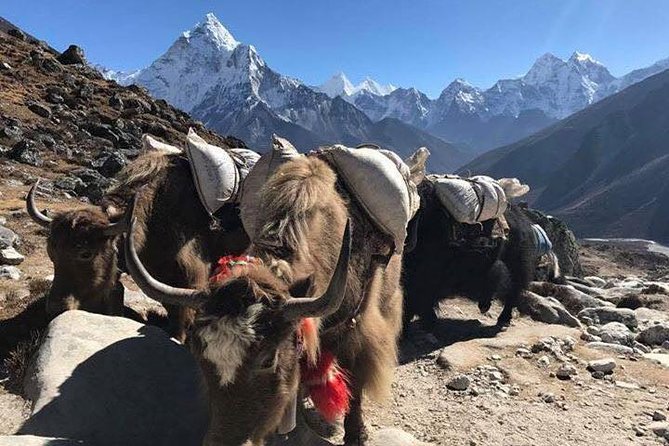
The porter arrangement is also described as one porter for every two hikers. That can reduce the weight on your back and let you focus on walking. However, the overview says you can add a porter as an option, so confirm whether porter service is already included in your quoted price or carries an extra charge.
The price does not include international airfare, Nepal’s entry visa, personal trekking insurance, personal trekking equipment, tips, gratuities, and personal expenses. Meals during the trek are also listed as excluded in one part of the information, despite the overview saying meals are included. I would not book without getting that point in writing.
For a private trip, the price can offer good value if you want a local guide and the main logistics handled for you. It is less suitable if you are looking for a fully all-inclusive package with every meal, gear rental, and personal cost covered.
Guides, group size, and the human side
The strongest praise connected with this experience centers on the people. Dipendra is named in the company responses, while guides including Shankar, Binod, Ramjee, Santosh, and Bi are singled out for care, patience, organization, and attention to safety.
That matters more than polished paperwork on a trek like this. A good guide helps you keep a sensible pace, answers questions, and supports you when the cold, altitude, or long walking days begin to wear you down. The supplied comments also highlight the crew and porters, not just one guide, which suggests that the support structure is an important part of the trip.
The booking information gives conflicting maximum group sizes: one section says 15 people, while another says 10. The minimum is clear: two people per booking. If you are arranging a private group, confirm the final maximum and ask whether another group could share transport or accommodation arrangements.
Who should choose this trek
I would recommend this route to a fit beginner who wants strong local support, as well as to an experienced hiker who prefers not to manage every permit, flight, and lodge booking. The private format is useful for couples, siblings, and small groups who want a shared goal without joining a large public departure.
It suits you if you enjoy walking, simple accommodation, changing weather, and cultural contact in mountain villages. It does not suit you if you want guaranteed comfort, a fixed lowland-style timetable, or a holiday built around easy sightseeing.
The company states that vegetarian food is available if requested at booking. Service animals are allowed, though the high-altitude walking conditions and remote route make it wise to discuss any specific needs in advance.
Booking details worth settling first
Confirmation is provided at booking, and free cancellation is available if you cancel at least 24 hours before the experience start time. Changes made less than 24 hours before the start are not accepted, and the cut-off uses local time.
Before you commit, ask four direct questions:
- Are meals during the trek included in the final price?
- Is the porter included, or is it an add-on?
- Will flights use Kathmandu or Ramechap Airport?
- Is the group maximum 10 or 15 people?
Those questions are not nitpicking. They affect your budget, arrival plans, luggage, and expectations.
Should you book the Everest Base Camp Trek?
Book this trek if you want the classic Everest route with a private Sherpa guide, organized flights, permits, tea-house nights, acclimatization time, and a support crew. The most convincing part is the combination of human care and major mountain scenery, especially the route through Namche, Tengboche, Dingboche, Gorak Shep, Base Camp, and Kala Patthar.
Pause before booking if you are not ready for serious altitude, basic lodging, and a long packing list. Also get written answers about meals, porter fees, flight origin, and maximum group size. Once those points are clear, the $1,439 cost can be a sensible way to reach one of the world’s great trekking destinations without arranging every detail alone.
FAQ
How long is the Everest Base Camp trek?
The experience lasts approximately 12 days.
Where does the trek begin and end?
It begins and ends at Scenic Nepal Treks and Expedition Pvt. Ltd. on Bhagwati Marg in Kathmandu, Nepal.
How many people are needed to book?
A minimum of two people is required per booking.
What is the maximum group size?
The supplied information gives two limits, 15 people in one section and 10 travelers in another. Confirm the final group size with the operator before booking.
Is accommodation included?
Yes. Twin-sharing tea-house accommodation for 11 nights during the hike is included.
Are domestic flights included?
Yes. Return domestic flights are included, although the flight may operate from Ramechap Airport.
Is a porter included?
The inclusions state that two hikers receive one porter, but the overview describes a porter as an optional add-on. Confirm the arrangement and any extra cost before departure.
What level of fitness is required?
A moderate level of physical fitness is required. The route reaches Everest Base Camp at 5,364 meters and includes high-altitude walking.
Are meals included during the trek?
The information is inconsistent. The overview mentions meals, while the exclusions list personal meals during the trek. Ask the operator to confirm exactly what your price includes.
Recently added around Kathmandu
- Kathmandu Airport Pickup and Drop-off Services★ 5.0 · 3 reviews
- Kathmandu Paragliding★ 5.0 · 3 reviews
- Kathmandu Chandragiri Cable Car and Swayambhunath Private Tour★ 5.0 · 3 reviews
- Explore The Beauty Of Langtang Valley In 8-Days Trek★ 5.0 · 3 reviews
- Kathmandu: Nightlife and Pub Crawl Tour★ 5.0 · 3 reviews
- Mountain Flight Experience in Nepal★ 4.5 · 3 reviews
- Kathmandu: Momo Making Class with a Local Chef★ 5.0 · 3 reviews
- Everest Base Camp Trek★ 5.0 · 3 reviews
Other Everest Base Camp Treks worth a look
Everest Base Camp Helicopter Tour landing at Everest View Hotel
Read our review →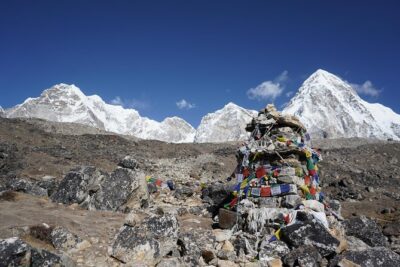
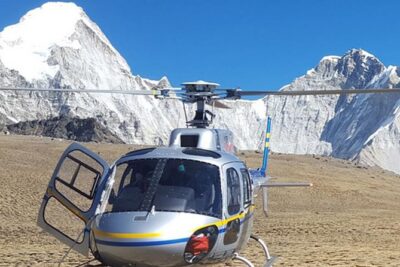
Everest Base Camp Helicopter Tour landing at Hotel Everest View
Read our review →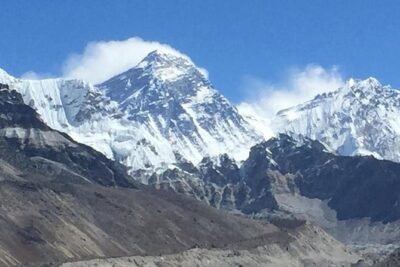
This tour also appears in