
REVIEW · EVEREST BASE CAMP TREKS
Everest Base Camp Trek 14 Days
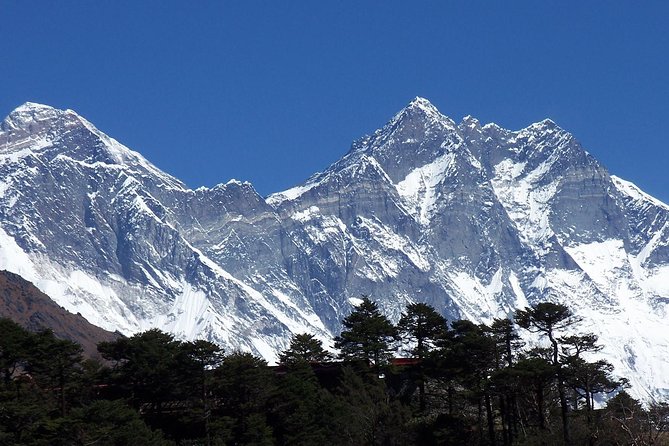
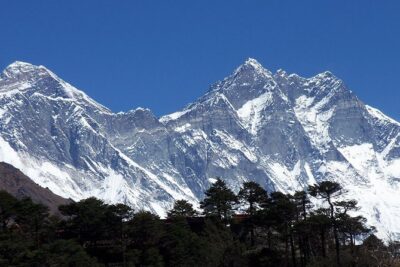
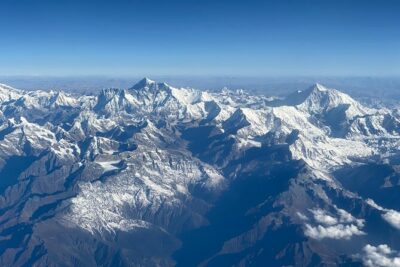
The big draw here is simple: you walk into the heart of the Everest region, passing Sherpa villages, Buddhist monasteries, suspension bridges, and some of the world’s highest peaks before reaching Everest Base Camp. The route also includes Kalapatthar, the famous viewpoint for Mount Everest, Pumori, Nuptse, Ama Dablam, and the Khumbu Icefall.
I like the two built-in acclimatization days, especially the chance to climb toward Nangkartshang Peak or Chhukung Ri from Dingboche. I also like that this is a private trek, so your guide can adjust the pace and offer closer support than a large group trip. The main drawback is the price structure: $999 covers major trek services, but not your accommodation, food, travel insurance, evacuation cover, visa, or tips.
Key points to know before you book
- Lukla flight included: The trip begins with a short mountain flight from Kathmandu or Manthali to Tenzing Hillary Airport.
- Two acclimatization stops: You spend a full day at both Namche Bazaar and Dingboche to help your body adjust to altitude.
- Private group format: Only your own group takes part, with a guide assigned to your trek.
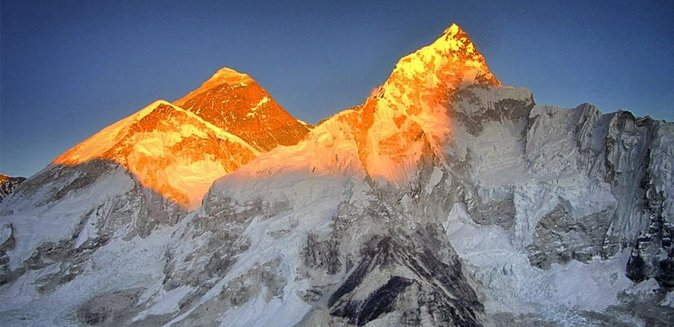
- Base Camp plus Kalapatthar: You visit Everest Base Camp, then climb to Kalapatthar for the classic Everest view.
- Guide support praised by name: Guides including Man Bahadur, Navraj, Roshan, Raju, Ram, and Abinash have been singled out for care, humor, flexibility, and practical help.
- Important extra costs: Lodging, meals, travel and health insurance, emergency evacuation cover, Nepal’s entry visa, and guide tips are not included.
What this 14-day Everest trek is really like
This is not a sightseeing holiday with a few mountain walks added on. It is a demanding high-altitude trek with long days, rough paths, early starts, changing weather, and basic mountain accommodation. The reward is a steady change in scenery, from Kathmandu’s busy streets to pine and rhododendron forests, then to wide valleys surrounded by enormous peaks.
The route is organized in a sensible direction. You gain height in stages, rest at Namche Bazaar, gain more height, rest again at Dingboche, and only then continue toward Lobuche and Gorakshep. That pacing matters. The two rest days are not wasted time. They give you room to adapt and offer some of the best mountain views of the trip.
Nepal Nirvana Trails handles airport transfers, flights, permits, guide costs, guide food, guide equipment, guide insurance, national park fees, local permits, government taxes, and VAT. Your own room and meals are separate, so ask for a clear estimate of those costs before you go.
More Hiking Tours in Kathmandu
- Everest Base Camp Trek – 14 Days
★ 5.0 · 1,499 reviews - Everest Base Camp Trekking
★ 5.0 · 485 reviews - Nagarkot Sunrise View and Day Hiking from Kathmandu
★ 5.0 · 471 reviews
Day 1 in Thamel: arrival, gear check, and a useful briefing
Your airport representative meets you at Tribhuwan Airport and takes you to your hotel or hostel in Kathmandu. The stated meeting point is Nepal Nirvana Trails at Saat Ghumti Marg in Thamel, though pickup can also take place at your hotel or the airport.
The first day is deliberately light. You meet the guide in the evening, check your equipment, and prepare for the Lukla flight. This is a good time to raise practical concerns about footwear, clothing, medication, and the pace you expect to keep.
The airport transfer is included, which removes one common Kathmandu headache. You still need to arrange your own accommodation and food, so confirm whether your chosen hotel is already booked separately or needs to be added.
Day 2: Lukla flight and the walk to Phakding
The flight to Tenzing Hillary Airport in Lukla is part of the adventure. The airport is the gateway to the Everest region, and the change from city roads to mountain trails happens quickly.
After landing, you trek to Phakding for the night. This first walking day is shorter than some later stages, giving you time to get used to the trail and the rhythm of walking with a pack. The route introduces the Dudh Koshi river and the villages that line the valley.
The flight schedule can be affected by mountain weather, so keep your plans after the trek flexible. The package covers the flight from Kathmandu or Manthali to Lukla and the return flight, but the departure point may vary.
Day 3: entering Sagarmatha National Park and reaching Namche Bazaar
You cross the Dudh Koshi and pass through Monjo before entering Sagarmatha National Park. The trail then runs through forest before reaching Namche Bazaar.
This is one of the more demanding days because the route gains height and the walk is listed as a long day. Namche is not just a place to sleep. It is the main trading and service center on the route, and its curved hillside setting makes arrival feel like a real milestone.
The forest sections add welcome shade and a softer feel beneath your feet before the higher, more open country ahead. You will also begin to notice how much the trip depends on walking, bridges, porters, guides, and local mountain communities.
More Everest Base Camp Treks in Kathmandu:
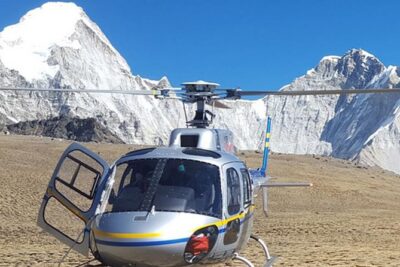
- Everest Base Camp Helicopter Tour landing at Everest View Hotel
★ 5.0 · 668 reviews - Everest Base Camp Trekking – 13 Day
★ 5.0 · 365 reviews - Everest Base Camp Trek -14 Days
★ 5.0 · 321 reviews - Everest Base Camp Helicopter Tour landing at Hotel Everest View
★ 5.0 · 218 reviews
Day 4: acclimatization at Namche Bazaar
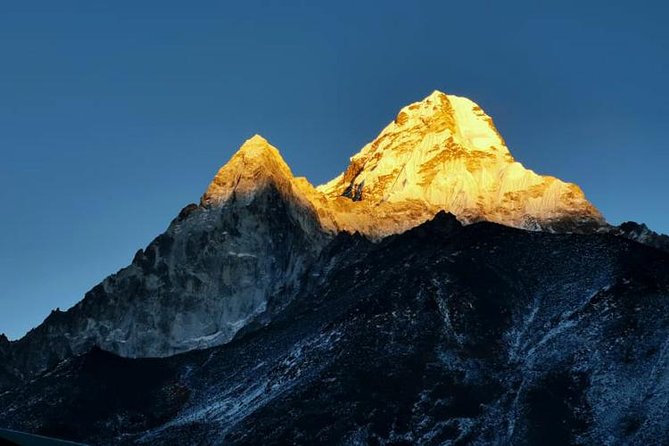
You stay in Namche for a full acclimatization day and hike toward the Everest Hotel viewpoint. From there, the route provides views of Everest, Ama Dablam, Thamserku, and Lhotse.
This is a smart part of the plan. You gain some height during the day but return to Namche to sleep, which helps your body adjust more gradually. The day also breaks up the long climb toward Base Camp.
The viewpoint hike is not just a medical pause. It is one of the first places where the enormous scale of the Everest region becomes clear. Ama Dablam is particularly striking from this section of the route, while Everest may appear more distant than first-time trekkers expect.
Day 5: forests, Tengboche, and a mountain monastery
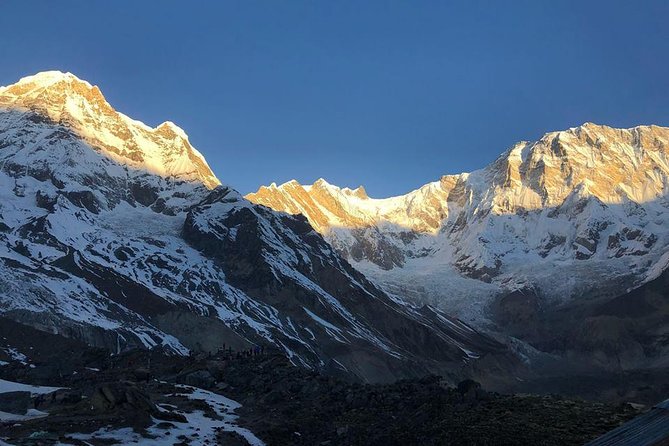
Leaving Namche, you walk through juniper and rhododendron forest toward Tengboche. The route is valued for its mountain views and its cultural stop, Tengboche Gompa.
The monastery gives the trek more meaning than a peak-by-peak checklist. You are passing through a living Sherpa region, not an empty wilderness. The villages, prayer sites, monasteries, and trails reflect the daily life of communities shaped by high mountain trade and tourism.
The day is listed as a long walking stage, so keep your energy for the later climb. The combination of forest, open mountain views, and the monastery makes Tengboche one of the most memorable overnight stops.
Day 6: Dingboche beneath Ama Dablam and Island Peak
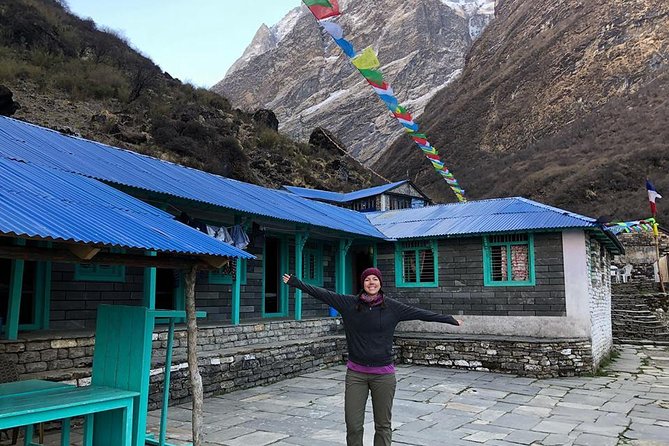
The trail crosses the Imja Khola and continues to Dingboche. Along the way, you see Island Peak and Ama Dablam.
Dingboche is a key turning point. The tree cover becomes less important, the air feels thinner, and the surrounding peaks seem closer and more severe. The village is also the base for the second acclimatization day, so arriving here is not the end of the effort.
The route is described as another long day. You should expect a steady pace rather than a rushed race to the lodge. Your guide’s role matters here, especially in judging how you are responding to the altitude.
Day 7: choosing Nangkartshang Peak or Chhukung Ri
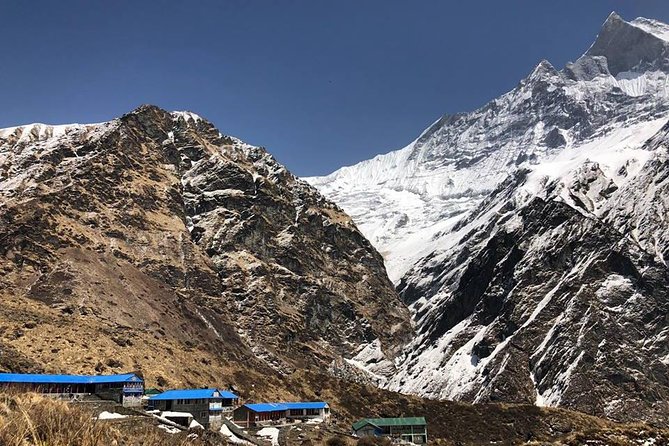
The second acclimatization day offers a choice between hiking toward Nangkartshang Peak at 5,083 meters or Chhukung Ri at 5,546 meters. The exact choice should depend on your condition, weather, and the guide’s advice.
Both options provide views of Everest, Ama Dablam, Island Peak, and Pumori. You do not need to treat this as a competition. The value comes from climbing higher during the day and returning to Dingboche to sleep, while gaining more time in the high country.
Chhukung Ri is the higher option, but higher is not automatically better for every person. If you are feeling tired or have altitude symptoms, a lower or shorter hike may be the wiser choice. This is one of the days when a private trek can be useful because the group does not have to follow a stranger’s pace.
Day 8: the rocky approach to Lobuche
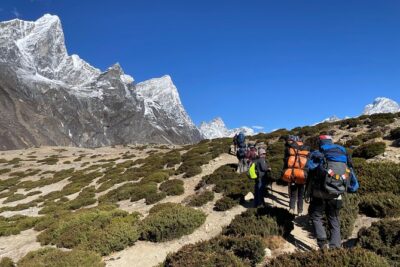
The trail to Lobuche becomes rougher, with an uneven rocky path and broad views of Pumori, Nuptse, and Lobuche Peak. The feel of the trek changes again as you move farther into the high mountain zone.
This stage is less about village life and more about the stark power of the peaks. The path can feel tiring after several days of walking, particularly because you are now at serious altitude. Take short pauses, drink regularly, and let the guide know early if you are not feeling well.
Lobuche is a practical overnight stop before the Base Camp push. Do not expect the day to be a gentle warm-up. It is another long walking stage, and the next day is the trip’s main target.
Day 9: Khumbu Glacier and Everest Base Camp
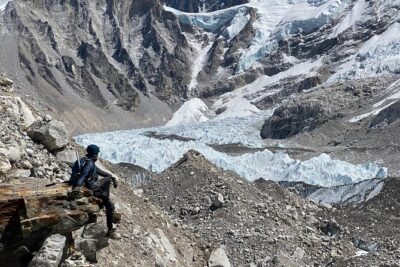
This is the big day. You walk through the Khumbu Glacier area to Everest Base Camp, then return to Gorakshep for the night. The route is listed as a long day walk, even though the Base Camp stop itself is described as about an hour.
At Base Camp, you can view the Khumbu Icefall. The site is more rugged than many people picture from photographs. It is a working mountaineering area during climbing seasons, not a finished monument with a large viewing platform.
The walk back to Gorakshep is part of the challenge. Reaching Base Camp is only half the day, and the altitude makes every rise and fall feel harder. Keep your goal clear: arrive safely, take in the icefall and surrounding peaks, then return with enough strength for the night.
Day 10: Kalapatthar and the descent to Pheriche
The morning hike to Kalapatthar brings the classic high viewpoint. From here, you can see Mount Everest along with the surrounding peaks, including Pumori and Nuptse.
This viewpoint may offer the clearest visual reward of the whole trek. Everest Base Camp gives you the destination, but Kalapatthar gives you the broad mountain view that many people imagine when they first picture an Everest trek.
After the climb, you descend to Pheriche. Going downhill is not effortless, especially on rocky ground, but the lower elevation should feel welcome after the nights around Gorakshep. This is another long day in practical terms, so an early start and steady pace are important.
Days 11 and 12: back through Namche and onward to Lukla
On Day 11, you leave the high peaks behind and return to Namche Bazaar, crossing suspension bridges and passing through mountain villages. The descent lets you notice details that may have slipped past you on the way up, including the changing forests and river valleys.
Day 12 continues through Jorsale and Monjo to Phakding, followed by more crossings over the Dudh Koshi before you reach Lukla. The route is familiar in reverse, but it may not feel easy. Descending trails can be hard on knees, and the accumulated fatigue is real.
Reaching Lukla gives you a useful buffer before the return flight. You will want that buffer because mountain aviation depends on conditions, and the trip does not promise a fixed flight time beyond the stated early departure.
Day 13: flight back to Kathmandu and free time
The early morning flight to Kathmandu takes about 35 minutes. Once back in the capital, you have the rest of the day free to walk around Thamel and shop for souvenirs.
This final city time is a welcome contrast after two weeks of mountain walking. It also gives you a chance to rest before international travel. If the return flight is delayed, however, your free afternoon can shrink, so avoid planning anything important immediately afterward.
Day 14: airport drop-off or extra time in Nepal
On the final day, a representative drops you at the airport. You can also extend your stay in Nepal if you want more time after the trek.
The arrival and departure transfers are included. Your international flight, Nepal entry visa, and any extra stay are not part of the $999 package.
What the $999 price includes, and what it does not
At $999 per person, the package offers a useful core of services. You receive airport transfers, the Lukla flights, a guide, guide-related costs, national park and local permits, government taxes, and VAT. For a private trek, that can be good value if you want one company managing the major moving parts.
The price does not cover your accommodation or food for the complete trip. That is the most important budget point. You also need travel and health insurance that specifically covers emergency rescue and evacuation, along with your Nepal visa, international flights, and guide tips.
Ask for the likely total cost before committing. The advertised figure is not the final amount you will spend. Still, the included permits, domestic flights, airport help, and guide support reduce the number of separate arrangements you must make.
Guides, private support, and the human side of the trek
The strongest part of the service is the personal support built into the private format. Guides named in the trip’s recent feedback include Man Bahadur, Navraj, Roshan, Raju, Ram, and Abinash. Their reported strengths include care, humor, cultural explanation, flexibility, and help with difficult transport situations.
That matters on a trek where plans can change. One solo trekker needed help arranging a helicopter return, and KP Dhital worked to secure a seat. You should not treat that as a guaranteed helicopter service, but it does show why local coordination can be valuable when mountain transport goes wrong.
The company has received a five-star rating from 70 reviews, with 100 percent recommending the experience. That is a strong signal, though it should not replace your own questions about food, lodging, insurance requirements, and the guide assigned to your group.
Who should book this Everest Base Camp trek?
You should consider this trip if you want a private, guided route with the classic Everest Base Camp finish and two proper acclimatization days. It suits people with moderate physical fitness who are ready for repeated long walks and high-altitude conditions.
It can also work well for a parent and older child or a solo trekker who wants close support. One recent booking included a 14-year-old daughter, and another involved a solo female trekker who appreciated the team’s personal help.
You should think twice if you want luxury included in the headline price, short walking days, or a fully fixed schedule. The 14-day plan is active, and lodging and meals are not included. You also need insurance that covers rescue and evacuation, not just ordinary medical treatment.
Free cancellation is available if you cancel at least 24 hours before the local start time. Inside that window, the amount paid is not refunded and changes are not accepted.
Should you book it?
Book this trek if you want the classic Everest route with private guiding, included Lukla flights, two acclimatization days, Base Camp, and Kalapatthar. The strongest reasons are the thoughtful route structure and the level of personal support associated with guides such as Roshan, Raju, Ram, and Abinash.
Before paying, get the full estimate for your own lodging and meals, confirm whether you fly from Kathmandu or Manthali, and check that your insurance covers emergency evacuation. If you are comfortable with those extra costs and the physical demands, this is a practical way to reach Everest Base Camp without joining a large group.
FAQ
How long is the Everest Base Camp trek?
The experience lasts approximately 14 days, including arrival in Kathmandu, the Lukla flights, the trek to Everest Base Camp, the return to Lukla, and airport drop-off.
Where does the trek start?
The meeting point is Nepal Nirvana Trails at Saat Ghumti Marg in Kathmandu. Pickup can also take place at your hotel or Tribhuwan Airport.
What time does the trek start?
The listed start time is 5:45 am.
Are the Lukla flights included?
Yes. Flights from Kathmandu or Manthali to Lukla and from Lukla back to Kathmandu or Manthali are included.
Is this a private trek?
Yes. This is a private activity, so only your own group takes part.
Are accommodation and meals included?
No. Accommodation and food for the complete trip are not included in the price.
Do I need travel insurance?
Yes. You must arrange travel and health insurance that covers emergency rescues and evacuations.
What level of fitness is required?
You should have a moderate level of physical fitness. The route includes long walking days, uneven rocky paths, suspension bridges, and high-altitude hikes.
What is included besides the flights?
The package includes airport transfers, a guide and guide-related costs, equipment and insurance for the guide, national park fees, local permits, government expenses, taxes, and VAT.
Recently added around Kathmandu
- Kathmandu Airport Pickup and Drop-off Services★ 5.0 · 3 reviews
- Kathmandu Paragliding★ 5.0 · 3 reviews
- Explore The Beauty Of Langtang Valley In 8-Days Trek★ 5.0 · 3 reviews
- Kathmandu Chandragiri Cable Car and Swayambhunath Private Tour★ 5.0 · 3 reviews
- Kathmandu: Nightlife and Pub Crawl Tour★ 5.0 · 3 reviews
- Kathmandu: Momo Making Class with a Local Chef★ 5.0 · 3 reviews
- Mountain Flight Experience in Nepal★ 4.5 · 3 reviews
- Everest Base Camp Trek★ 5.0 · 3 reviews
Other Everest Base Camp Treks worth a look
Everest Base Camp Helicopter Tour landing at Everest View Hotel
Read our review →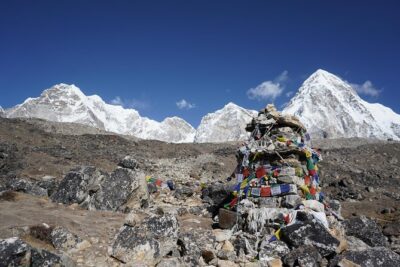
Everest Base Camp Helicopter Tour landing at Hotel Everest View
Read our review →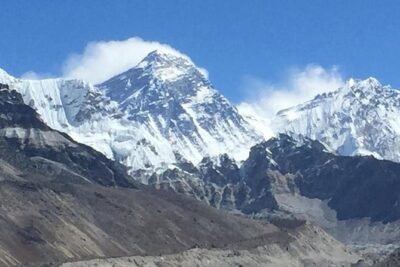
This tour also appears in