
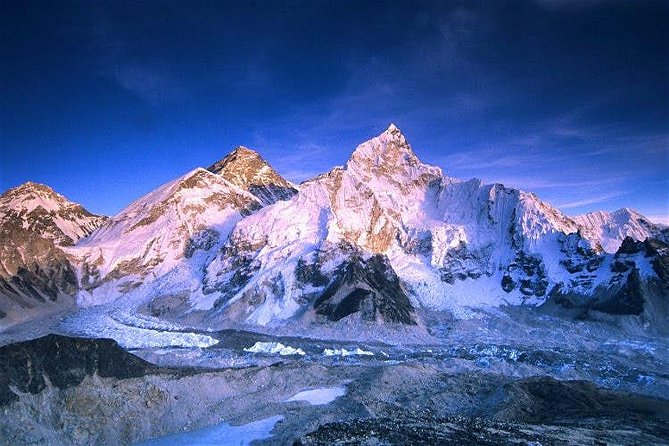
REVIEW · EVEREST BASE CAMP TREKS
Everest Base Camp Trek 15 Days
Everest Base Camp is not a quick mountain outing. It is a two-week journey through Sherpa villages, Buddhist country, alpine forests, and stark high-altitude terrain, ending at the foot of the Khumbu icefall at 5,364 meters. The goal is famous, but the route earns its place on your list through the people and places along the way.
I like the way this trek includes meals, a sleeping bag, and a duffel bag, which makes a major expedition easier to organize. I also like the private format, since your group can move at its own pace and work closely with a guide such as Pasang, Lakpa, Buddha Tamang, or Nima.
The main consideration is the altitude and physical demand. Fifteen days sounds generous, but you still need moderate fitness, patience, and a willingness to walk for many hours in changing mountain weather. The published details do not give a day-by-day route, so ask for the exact overnight stops before paying.
Key points at a glance
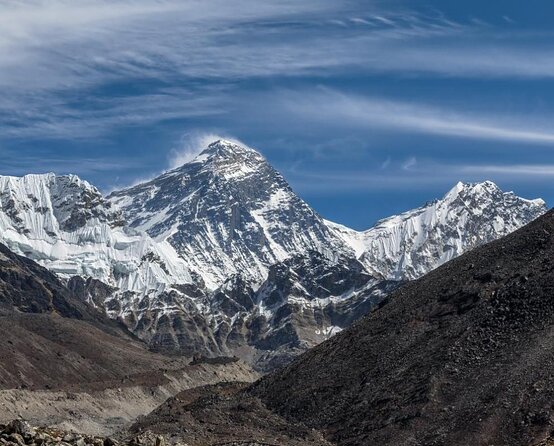
- Reach Everest Base Camp at 5,364 meters: The trek finishes beside the Khumbu icefall, with views of some of the world’s highest peaks.
- Walk through Sherpa country: Traditional villages, Buddhist customs, old monasteries, and local hospitality give the trek a human side.
- Private group format: Only your party takes part, allowing closer contact with your guide and more flexibility than a large group.
- Useful gear is supplied: A sleeping bag and duffel bag are included, along with breakfast, lunch, dinner, fees, and taxes.
- Guide care is a major part of the experience: Pasang, Lakpa, Buddha Tamang, Nima, Gumbo, Tendi, and other team members are named in the supplied feedback.
- Budget for extras: Nepal visa, insurance, tips, drinks, snacks, and alcoholic beverages are not included.
Why Everest Base Camp remains such a powerful goal
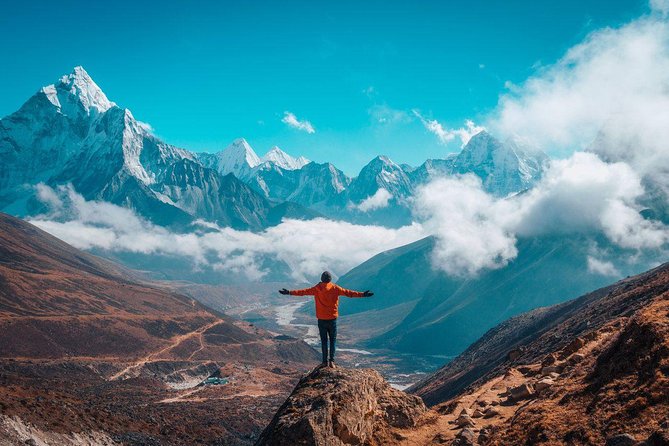
You do not need to be a mountaineer to trek to Everest Base Camp. You are not climbing Everest itself. You are walking to the staging area used by climbers, crossing a high mountain route that combines cultural visits with serious altitude.
That distinction matters. The trip is less about technical climbing and more about steady movement, good pacing, and adapting to thinner air. At 5,364 meters, even simple tasks feel harder than they do in Kathmandu. I would treat the base camp day as the result of many smaller victories, not as one dramatic finish.
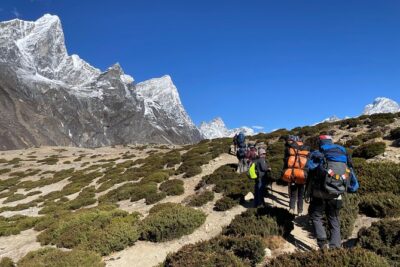
The route also gives you more than a view of a famous peak. You pass through Sherpa settlements shaped by Buddhist traditions, visit monasteries, and walk among pine and alpine rhododendron forests before the scenery becomes colder, barer, and more glacial. The contrast is one of the trek’s best features.
More Hiking Tours in Kathmandu
- Everest Base Camp Trek – 14 Days
★ 5.0 · 1,499 reviews - Everest Base Camp Trekking
★ 5.0 · 485 reviews - Nagarkot Sunrise View and Day Hiking from Kathmandu
★ 5.0 · 471 reviews
Starting in Kathmandu at 6:15 am
The trek begins at Sherpa Expedition and Trekking on Chaksibari Marg in Kathmandu. The stated start time is 6:15 am, so plan for an early morning and keep your first-day arrangements simple.
Pickup is offered, but the supplied information does not explain the exact pickup area, vehicle arrangements, or airport transfer details. Confirm those points before arrival. The meeting point is near public transportation, and the activity ends back there after the trek.
The operator confirms the booking at the time of purchase. That is useful for planning flights, hotels, and insurance, but you should still request the full route plan, packing list, and weather procedure before departure. A 15-day Himalayan trek deserves more preparation than a normal sightseeing day.
The first section: forests, villages, and Sherpa life
The lower part of the route is described through pine forests, alpine rhododendrons, and traditional Sherpa villages. This is where the walk feels most connected to daily life in the Khumbu region.
You will have time to notice the details that disappear when you focus only on Everest: Buddhist customs, monasteries, local buildings, prayer practices, and the way villages fit into steep mountain valleys. The old heritage sites and religious places add meaning to the route, rather than turning the trek into a simple march toward a photo opportunity.
I like this cultural beginning because it gives your body time to settle into the walking rhythm. It also reminds you that the Himalaya is home, not just scenery. The Sherpa hospitality mentioned in the trip details is an important part of the stay, especially when you return tired to a clean lodge after a cold day outside.
The exact village sequence is not supplied, so do not assume a particular set of overnight stops. Ask the company for the names and altitudes of each lodge location. Those figures help you understand how the trek handles acclimatization and how much walking is expected each day.
The middle days: lodges, monasteries, and altitude
Most nights are spent in scenic lodges, with meals included. This is a practical arrangement for a remote trek. You get a bed, a place to eat, and a warm base at the end of the day, while avoiding the need to carry camping equipment.
The word clean appears in the description, but lodge standards can vary on a high mountain route. You should expect a simple stay rather than hotel comfort. The sleeping bag helps with cold nights, and the supplied duffel bag gives you a useful way to organize the gear carried by the trekking team.
Breakfast, lunch, and dinner are included. Snacks, soda, and alcoholic drinks are not, so keep some extra cash available for purchases along the route. The same applies to personal treats and any extra drinks you may want during long walking days.
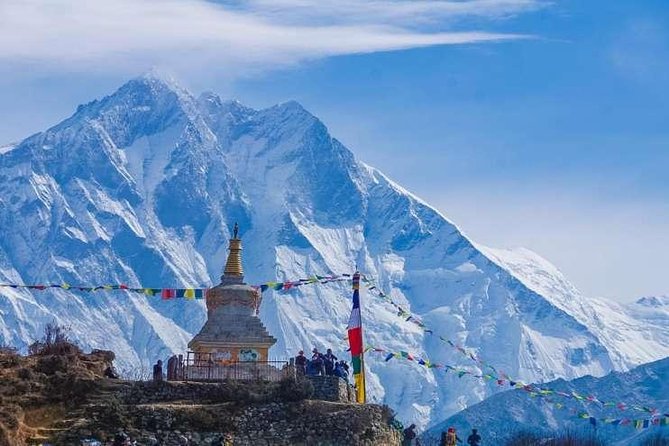
The cultural stops are just as important here as the views. Visiting monasteries in the shadow of high peaks gives you a better sense of the region’s beliefs and traditions. A guide can add context to what you see, and this is where a strong guide becomes more than someone who points out the route.
Several guides are named in the supplied feedback. Pasang is repeatedly praised for care, encouragement, and mountain support. Lakpa is also named alongside porters Pasang and Neema, while Buddha Tamang is credited with strong organization, enthusiasm, and a deep connection to Nepal. Gumbo and Tendi are praised for paying close attention to altitude and personal wellbeing.
You cannot choose a specific guide from the information provided, but it is worth asking who will lead your departure. The names matter because the guide’s judgment affects pacing, communication, and how supported you feel when the altitude begins to bite.
More Everest Base Camp Treks in Kathmandu:
- Everest Base Camp Helicopter Tour landing at Everest View Hotel
★ 5.0 · 668 reviews - Everest Base Camp Trekking – 13 Day
★ 5.0 · 365 reviews - Everest Base Camp Trek -14 Days
★ 5.0 · 321 reviews - Everest Base Camp Helicopter Tour landing at Hotel Everest View
★ 5.0 · 218 reviews
Acclimatization and the real physical challenge
A moderate fitness level is required. That phrase should not be treated lightly. You need enough stamina for repeated walking days, but fitness alone does not guarantee an easy time at altitude. Your body still needs to adjust.
The schedule is 15 days, which gives the operator room to build a gradual journey, but the exact acclimatization plan is not listed. Ask how many nights are spent at higher elevations and what happens if you show signs of altitude trouble.
A good private guide should watch your pace, breathing, appetite, sleep, and general condition. One supplied account specifically describes Gumbo and Tendi paying close attention to adaptation and safety. That is the right kind of support to expect and request.
I would also ask how the team handles a delayed flight, poor weather, or a change in your condition. One account describes the company communicating well about logistics and adjusting arrangements after a late arrival in Kathmandu. That suggests useful flexibility, but you should confirm what flexibility applies to your own booking.
Reaching the Khumbu icefall at 5,364 meters
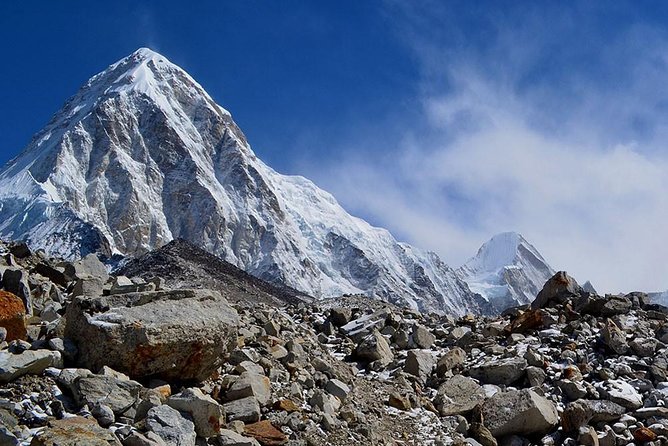
The final approach to Everest Base Camp is the emotional center of the trek. The terrain shifts from forested valleys and villages to a harsher world of rock, ice, and exposed high mountain ground.
At 5,364 meters, the base camp is not a gentle sightseeing stop. You may feel the altitude with every step, and the surrounding glaciers make the setting feel far removed from ordinary life. The Khumbu icefall provides the visual drama, while the high peaks give the day its sense of scale.
The trip details promise panoramic mountain views, but visibility depends on weather. Clear conditions can reveal a grand sweep of Himalayan summits. Cloud, wind, or snow may limit what you see. This is one reason to value the route itself, rather than measuring the entire trek by one perfect photograph.
Reaching base camp is rewarding because you have walked there. The guides and porters play a central role in that achievement. One supplied account describes a guide and two porters carrying daypacks when the trekker was exhausted. That level of assistance can make the difference on a hard day, though you should discuss porter duties and reasonable pack weight before starting.
The private format and the human side of the trek
This is a private activity, so only your group participates. That suits couples, friends, families with suitable fitness, and solo clients who want a dedicated team rather than a large departure.
A private group can make the trek feel more personal. You can ask questions about monasteries, pause for photographs, and tell your guide when the pace needs adjusting. It may also be easier to discuss food, fatigue, and altitude concerns without feeling lost in a crowd.
The tradeoff is that a private trip may depend more heavily on the assigned guide and porter team. Ask how many people will support your group, what their roles are, and how communication works before you leave Kathmandu.
The strongest praise attached to this experience focuses on the staff. Names such as Pasang and Lakpa appear repeatedly, and the guides are credited with making people feel safe, supported, and welcome. That is exactly what you want on a high-altitude route, where calm decisions matter more than cheerful slogans.
What the $2,400 price really covers
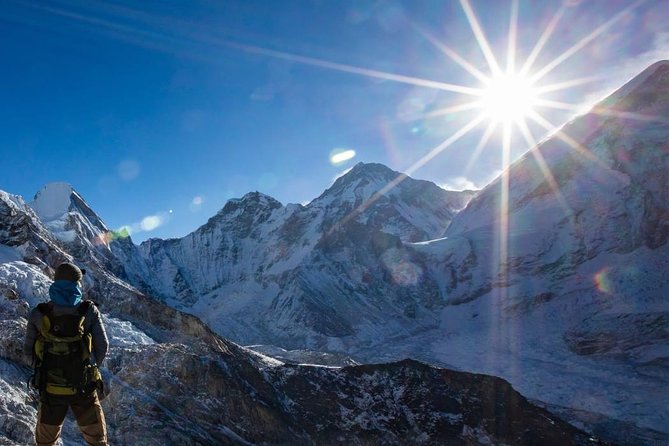
At $2,400 per person, this is a major purchase, but the value depends on what you would otherwise need to arrange yourself. The price includes breakfast, lunch, dinner, all fees and taxes, a sleeping bag, and a duffel bag.
It also gives you a private trek with guide and porter support reflected in the operating arrangements. The included bags and meals reduce the number of separate services you need to source. For a remote journey, that convenience has real value.
Still, do not mistake the included list for an all-in budget. You must pay for your Nepal visa, travel insurance, tips for the guide and porter, alcoholic drinks, soda, and snacks. Flights, personal equipment, accommodation outside the stated trek arrangements, and other personal costs are not specified, so confirm them directly.
I would compare this price with the cost of arranging permits, meals, lodge stays, equipment, transport, and staff on your own. The private format and support team can justify the cost for someone who values close assistance. A solo budget trekker may prefer to investigate other options, but should compare like with like.
Preparation that will make the trek better
Start with the basics: proper travel insurance, a Nepal visa, and a realistic fitness plan. Insurance is not included, and it is especially important for a trip at this altitude.
Use the supplied sleeping bag and duffel bag as part of your packing plan, but ask what weight limit applies to the duffel and what you should carry yourself each day. The information confirms that these items are provided, but does not specify their size, weight rating, or exchange arrangements.
You should also confirm the exact 15-day itinerary. Ask for:
- Daily walking times and overnight elevations
- Planned acclimatization days
- Lodge names or village stops
- Transport details at the start and end
- Guide and porter assignments
- Weather delays and route-change procedures
- What happens if you cannot continue
These are not fussy questions. They tell you how clearly the company has planned the trip and help you judge if the schedule suits your fitness.
Weather, cancellation, and timing
The experience requires good weather. If poor conditions cancel it, you are offered another date or a full refund. The same applies if the minimum number of participants is not met, although this is a private activity and the required minimum is not stated.
You can cancel for a full refund up to 24 hours before the local start time. Cancellations or changes made inside that 24-hour window are not accepted for a refund. Keep the local cutoff in mind if you are booking from another time zone.
Weather can affect mountain plans even when a city forecast looks fine. Leave some flexibility around flights and avoid scheduling an important international connection immediately after the trek unless the operator confirms the return timing.
Who should book this Everest trek?
I would recommend it to you if reaching Everest Base Camp is a serious personal goal and you want a private team, included meals, basic lodge accommodation, and some supplied equipment. It is especially appealing if you value local guides and want cultural stops along with mountain scenery.
It is less suitable if you want a relaxed holiday, dislike early starts, or have no interest in preparing for altitude. The route includes beautiful forests and monasteries, but it also includes cold, fatigue, basic lodging, and thin air.
A first-time Himalayan trekker can consider it, provided you take the fitness and altitude requirements seriously. The guide team appears to be the strongest part of the package, so ask who is assigned and how the company manages acclimatization before you commit.
Should you book it?
Book this trek if you want a focused, private route to Everest Base Camp and appreciate having meals, a sleeping bag, and a duffel bag handled in one package. The combination of Sherpa villages, Buddhist sites, lodge nights, forests, glaciers, and the base camp finish gives the journey substance beyond its famous name.
Before booking, get the missing practical details in writing, especially the day-by-day itinerary, altitude schedule, guide name, porter arrangements, and transport plan. If those answers are clear and your insurance and fitness are ready, the $2,400 price can be a fair deal for a carefully supported Himalayan trek.
FAQ
Where does the Everest Base Camp trek begin?
The trek begins at Sherpa Expedition and Trekking on Chaksibari Marg in Kathmandu, Nepal.
What time does the trek start?
The stated start time is 6:15 am.
Where does the activity end?
The activity ends back at the meeting point in Kathmandu.
How long is the Everest Base Camp trek?
The trek lasts approximately 15 days.
How high is Everest Base Camp?
Everest Base Camp is listed at 5,364 meters.
Is pickup available?
Yes, pickup is offered, but the exact pickup arrangements should be confirmed with the operator.
Is this a private tour?
Yes. Only your group participates in the activity.
What meals are included?
Breakfast, lunch, and dinner are included.
What costs are not included?
Nepal visa costs, travel insurance, guide and porter tips, alcoholic drinks, soda, and snacks are not included.
What happens if bad weather cancels the trek?
You will be offered a different date or a full refund if poor weather causes the activity to be canceled.
Can I cancel for a full refund?
Yes. You can cancel at least 24 hours before the local start time for a full refund. Cancellations and changes made less than 24 hours before the start time are not accepted.
Recently added around Kathmandu
- Kathmandu Paragliding★ 5.0 · 3 reviews
- Kathmandu Airport Pickup and Drop-off Services★ 5.0 · 3 reviews
- Explore The Beauty Of Langtang Valley In 8-Days Trek★ 5.0 · 3 reviews
- Kathmandu Chandragiri Cable Car and Swayambhunath Private Tour★ 5.0 · 3 reviews
- Kathmandu: Nightlife and Pub Crawl Tour★ 5.0 · 3 reviews
- Mountain Flight Experience in Nepal★ 4.5 · 3 reviews
- Kathmandu: Momo Making Class with a Local Chef★ 5.0 · 3 reviews
- Everest Base Camp Trek★ 5.0 · 3 reviews
Other Everest Base Camp Treks worth a look
Everest Base Camp Helicopter Tour landing at Everest View Hotel
Read our review →
Everest Base Camp Helicopter Tour landing at Hotel Everest View
Read our review →
This tour also appears in