
REVIEW · EVEREST BASE CAMP TREKS
Everest Base Camp Trek
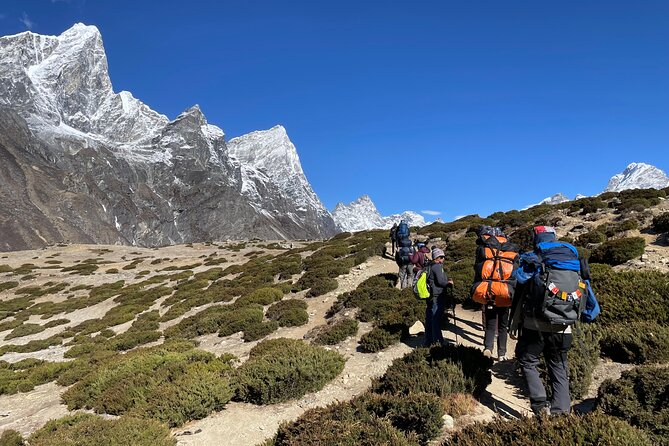
The great prize here is not just reaching Everest Base Camp. It is the slow approach through Sherpa country, where suspension bridges, stone villages, monasteries, and huge snowy peaks turn the walk into a full Himalayan story. This 14-day private trip includes the Lukla flights, permits, trek lodging, meals, guide, and airport transfers, so you have fewer pieces to arrange yourself.
I especially like the two built-in acclimatization days, one in Namche Bazaar and one in Dingboche. I also like the personal support praised for guides such as Buddhi and Pawan, who are described as attentive, positive, and helpful during hard stretches. The main catch is the physical demand: this is a high-altitude trek, not a scenic stroll, and porter services, insurance, Kathmandu lodging, and several mountain expenses cost extra.
Key points to know before you book
- Lukla flights are included: The package covers both flights between Kathmandu and Lukla, the usual gateway for this route.
- Two acclimatization days: You pause in Namche Bazaar and Dingboche rather than climbing continuously.
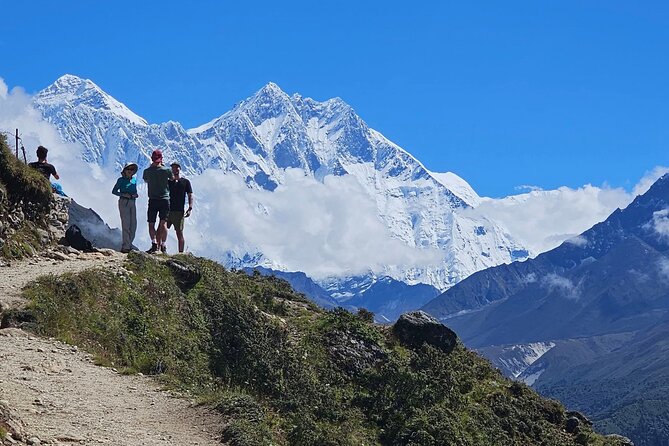
- Kala Patthar is the big viewpoint: The early morning climb gives you a chance to see sunlight reach the surrounding peaks.
- Guide support is a major strength: Buddhi and Pawan are named in the feedback, with repeated praise for care, encouragement, and organization.
- Basic trek costs are bundled: Permits, 11 nights of trek lodging, meals, a sleeping bag, down jacket, duffel bag, and hot tea are included.
- Budget for extras: Porter service, rescue insurance, Kathmandu hotel, showers, hot water, laundry, battery charging, bottled water, and tips are not included.
What the 14-day Everest route feels like
This trip begins in Kathmandu and follows the classic Everest Base Camp corridor. You first fly to Lukla, walk through Phakding and Namche Bazaar, then climb toward Tengboche, Dingboche, Lobuche, Gorak Shep, and Base Camp. The return follows a faster downhill route through Pheriche and Namche before the flight back to Kathmandu.
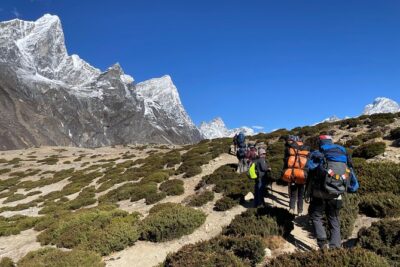
The route mixes village life with serious mountain walking. Early sections pass through river valleys and forested stretches. Higher up, the scenery becomes rockier, colder, and more exposed. The appeal is the change under your feet and in the air. You do not simply arrive at a viewpoint by vehicle. You earn each panorama one steady step at a time.
The package is listed at $1,799.27 per person. That is a useful value if you want a private arrangement with flights, permits, guide services, meals, and trek accommodation already bundled. It is less attractive if you expect a fully all-inclusive holiday, since several costs remain outside the price.
More Hiking Tours in Kathmandu
- Everest Base Camp Trek – 14 Days
★ 5.0 · 1,499 reviews - Everest Base Camp Trekking
★ 5.0 · 485 reviews - Nagarkot Sunrise View and Day Hiking from Kathmandu
★ 5.0 · 471 reviews
Day 1: Kathmandu arrival and a gentle landing
After arriving at Tribhuvan International Airport, a representative from Nepal High Trek and Expedition receives you and transfers you to the arranged hotel. The day includes a welcome dinner and is meant to get you settled before the mountain section begins.
This first evening matters more than it may seem. You are moving from an international flight into a demanding walking trip, so having airport pickup and a local contact reduces early confusion. Anjan is named as the receiving representative, which gives the arrival a more personal touch.
The schedule lists Mount Everest as the stop for this day, but you should think of Day 1 as an arrival and orientation day rather than a mountain excursion. The Kathmandu hotel itself is not included in the price, so confirm where you will stay and what the dinner arrangement covers.
Day 2: The short flight to Lukla
After breakfast, you transfer to Kathmandu’s domestic terminal for the morning flight to Lukla. The journey takes you to the start of the walking route, and the rest of the day begins the transition from city travel to mountain travel.
The inclusion of both Kathmandu to Lukla and Lukla to Kathmandu flights is one of the package’s strongest practical features. These flights are central to the standard itinerary, and arranging them yourself would add another important task.
The day’s description does not give a detailed walking schedule after landing. Ask the operator to confirm the exact overnight village and walking time. The tour is subject to weather, and the cancellation terms specifically note that poor conditions can lead to a new date or a full refund. Delays and canceled flights can also create extra expenses, which are not covered when caused by weather, strikes, or schedule changes.
Day 3: Phakding to Namche Bazaar
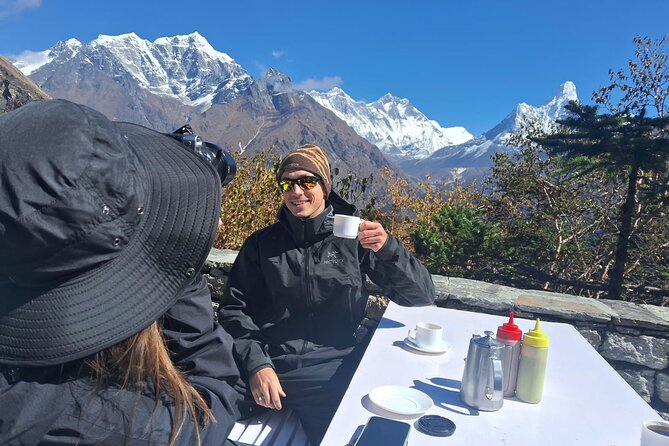
The walk from Phakding to Namche Bazaar crosses several suspension bridges over the Dudh Koshi River. You also gain views of Mount Thamserku, listed at 6,618 meters.
This is an excellent introduction to the route because it combines village paths, river crossings, and a clear sense of upward progress. I would take the advice in the itinerary literally: walk slowly. The point is not to race into Namche. A calm pace helps you conserve energy for the much higher sections ahead.
Namche Bazaar is a practical base as well as a scenic stop. Its banks, ATMs, internet cafes, and other services make it one of the last places on the route where you can handle basic errands with relative ease. The included stop is listed as Phakding, though the walking description clearly focuses on the journey onward to Namche.
More Everest Base Camp Treks in Kathmandu:
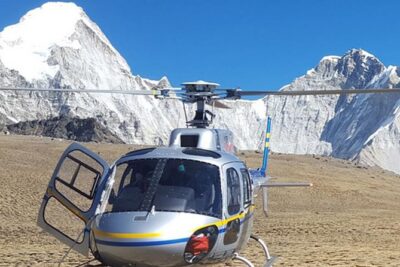
- Everest Base Camp Helicopter Tour landing at Everest View Hotel
★ 5.0 · 668 reviews - Everest Base Camp Trekking – 13 Day
★ 5.0 · 365 reviews - Everest Base Camp Trek -14 Days
★ 5.0 · 321 reviews - Everest Base Camp Helicopter Tour landing at Hotel Everest View
★ 5.0 · 218 reviews
Day 4: Acclimatization in Namche Bazaar
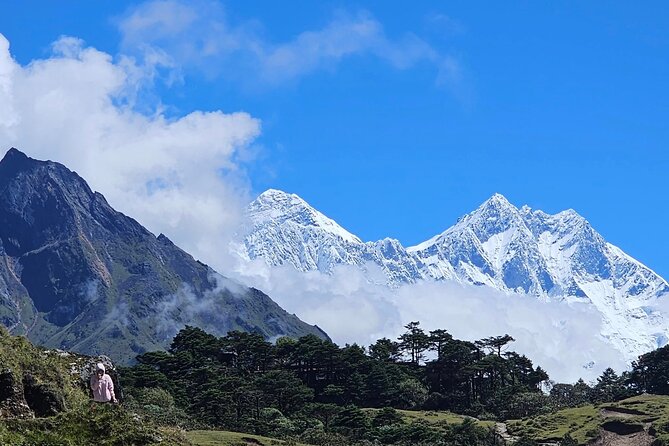
You spend a full day around Namche Bazaar to help your body adjust to increasing altitude. The schedule includes time at an Irish pub, but the useful part of the day is the pause itself and the chance to explore the surrounding area.
This is not wasted time. A well-planned trek needs recovery and adjustment days, and Namche is a sensible place for one. You can walk locally, see more of the settlement, and enjoy mountain views without carrying your full load toward the next overnight stop.
The itinerary does not specify the exact acclimatization walk or elevation gain. Ask your guide for the day’s plan and keep your effort moderate. You want to finish this rest day feeling ready, not tired.
Day 5: Tengboche and its famous monastery
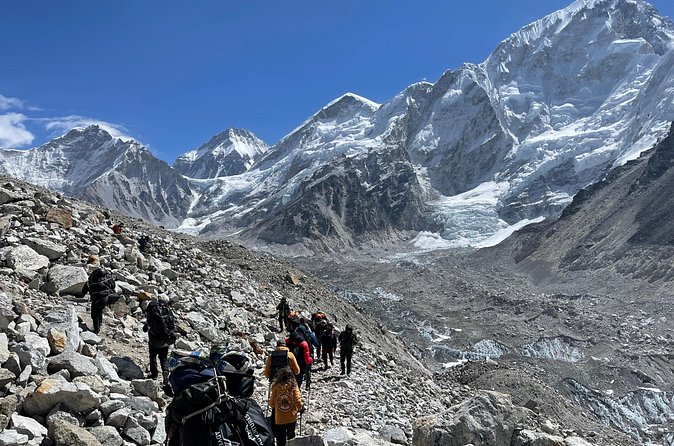
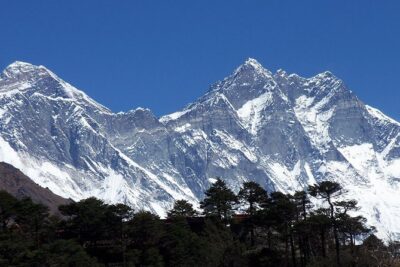
From Namche, the trail follows the cold mountain air toward Tengboche. The route offers views of Everest, Nuptse, Lhotse, Ama Dablam, and other peaks. Tengboche Gompa and its monasteries give the day a cultural focus as well as a mountain one.
I like this part because the trek becomes more than a march to Base Camp. The monastery connects the route to Sherpa Buddhist life, and the surrounding peaks provide the kind of setting that makes a long walking day feel worthwhile.
The stop is listed as a one-hour visit, so do not expect a long formal tour unless your guide arranges more time. Weather can also affect how much of the mountain panorama you see. Even so, Tengboche is one of the route’s most meaningful stops.
Day 6: Tengboche to Dingboche
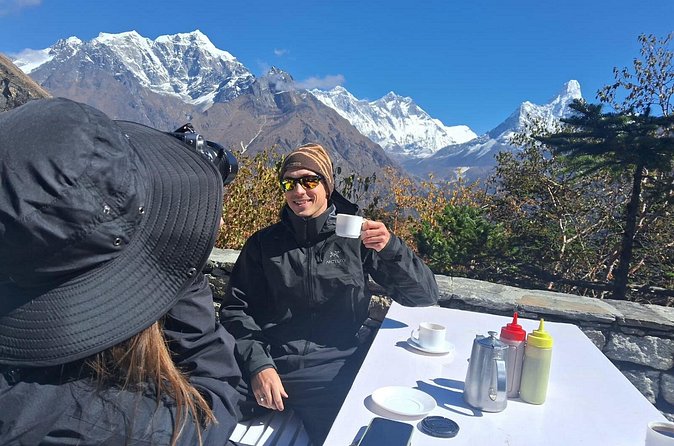
The morning begins with a short visit to Tengboche and its monasteries, followed by the walk toward Dingboche. A viewpoint stop is listed for three hours, with white mountains filling the background.
Dingboche is an important staging point because the route is now reaching more demanding altitude. The change in scenery is clear: you are leaving the lower river valleys behind and moving into a more open, colder zone.
The schedule names Dingboche View Point, but the exact trail distance and walking duration are not stated. Use this as a day for steady progress rather than a target to conquer quickly. The guide team’s role becomes increasingly important here, especially if anyone in your private group needs a slower pace.
Day 7: Dingboche acclimatization and the Chhukung walk
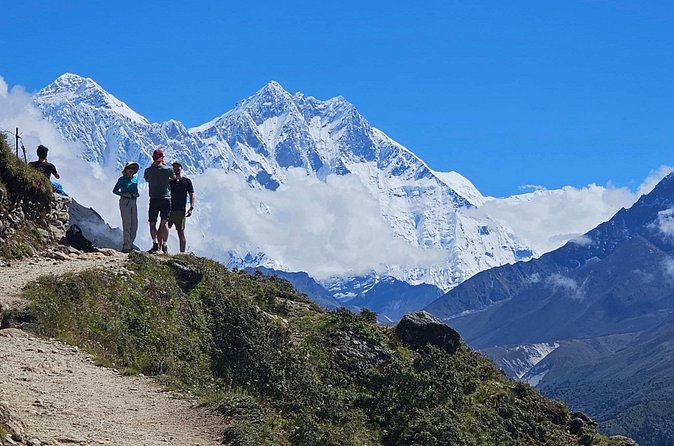
Your second acclimatization day takes place in Dingboche. The itinerary includes a short hike through the Imja Khola valley toward Chhukung, with especially strong views of Lhotse.
This is another smart break in the upward route. You remain at the same overnight base while walking high enough to see more of the surrounding country. The day gives you a chance to test how your body feels before the trail becomes harsher.
The schedule also mentions a Dingboche stupa. That adds a quiet cultural detail to a day otherwise focused on altitude adjustment. Keep your expectations realistic: acclimatization is valuable precisely because it is controlled and unhurried, not because it packs in many attractions.
Day 8: The Khumbu Glacier and memorials
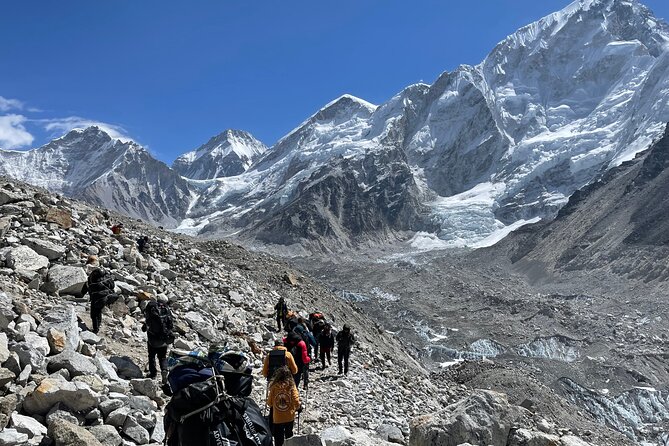
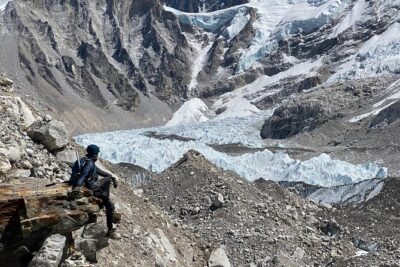
The route continues along the lateral moraine of the Khumbu Glacier. You pass stone memorials dedicated to climbers who died on nearby summits before continuing toward Lobuche.
This is one of the trek’s most serious moments. The memorials bring the risks of Himalayan climbing into view, and the glacier shows how different the route is from the greener lower valleys. The walk is listed at about two hours for the glacier stop, though the full day’s walking details are not provided.
The terrain here is rougher and more austere. You should expect a stronger physical test than earlier in the trip, even though the listed stop time is short. Your sleeping bag, down jacket, and duffel bag are supplied, which helps reduce the amount of specialist equipment you must arrange before leaving home.
Day 9: Gorak Shep and Everest Base Camp
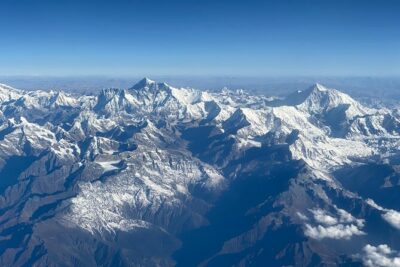
After breakfast, you walk to Gorak Shep, where the route opens toward a group of high peaks and Everest itself. From there, you continue to Everest Base Camp, take photographs, and return to the overnight area.
Reaching Base Camp is the emotional center of the trip. It is not the summit, and the view of Everest may be partly screened by nearby peaks, but standing at the starting point for major climbing expeditions carries its own weight.
The itinerary lists the Base Camp stop at only four minutes, which is unusually brief. Treat that figure as a rough listing rather than a promise that you will be hurried away, but ask how much time your group will actually spend there. The walk to and from Base Camp, rather than the stop itself, is the real test.
Day 10: The early climb to Kala Patthar
This is the key viewpoint day. You start early from Gorak Shep and climb Kala Patthar, hoping to see the sun strike the snow and clouds around Everest and its neighboring peaks.
The early start is worth taking seriously. Morning light can give the mountains a sharper, more dramatic appearance, and the itinerary describes the view as sunlight piercing the clouds and reflecting on the snow. The climb is continuous for several hours, so you need patience and warm clothing.
The listed stop at Gorak Shep is only 30 minutes, while the description says the Kala Patthar ascent takes several hours. Again, confirm the exact timing with the operator. The mountain does not follow a neat clock, and weather or group pace may change the plan.
Days 11 and 12: Down through Pheriche, Pangboche, and Namche
The return begins with a different route from Pheriche through Orsho and Pangboche. Pangboche offers a monastery described as one of the oldest in the area, along with a local story about a yeti scalp and bones.
This stretch gives you a second look at the region from a new direction. The walk is listed at seven hours, making Day 11 one of the longest stated days in the program. Downhill does not always mean easy, especially after the effort of Base Camp and Kala Patthar.
On Day 12, you continue from Namche back to Lukla. The listed walking time is three hours, followed by free time in the Lukla valley and an overnight stay at a guesthouse. That spare time can be useful for a final rest, a meal, or a simple look around the town where the trek began.
The return route is quicker than the climb toward Base Camp, but do not assume it will feel effortless. Your legs may be tired, and the trail still includes uneven ground and bridges.
Days 13 and 14: Return to Kathmandu and departure
Day 13 takes you by plane back to Kathmandu. The program includes time around Kathmandu Durbar Square and a chance to see the Kathmandu Valley from above or from city viewpoints, although the exact sightseeing plan is not detailed.
This is a welcome change of pace after nearly two weeks on foot. Kathmandu Durbar Square gives the trip a cultural finish, but check whether entrance arrangements and the precise guide schedule are included in the sightseeing portion.
On Day 14, you transfer to Tribhuvan International Airport for your departing flight. The plan asks you to reach the airport three hours before departure and includes a small farewell program from Nepal High Trek and Expedition.
Airport pickup and drop-off are included for both domestic and international flights. That is useful at the beginning and end, particularly after a long trek when you may not want to negotiate city transport with heavy bags.
What the $1,799.27 price really covers
The price has solid value for a private, organized trek. It includes:
- Both Kathmandu to Lukla and Lukla to Kathmandu flights
- A government-licensed mountain guide
- 11 nights of accommodation during the trek
- Sagarmatha National Park permits and Khumbu entrance fees
- Pasang Lhamu Rural Municipality entrance fee
- Meals listed as breakfast, lunch, and dinner during the trek
- Sleeping bag, down jacket, and duffel bag
- Three cups of hot tea during the trek
- Medical kit
- Domestic and international airport transfers
- Emergency helicopter arrangements, with payment handled by your travel insurance company
The meal section contains duplicated and slightly different counts, including 12 breakfasts, 12 lunches, and 11 dinners, followed elsewhere by higher totals. Ask for a final written meal schedule before paying so you know exactly what is covered.
You must pay for your own travel and rescue insurance, and that is not an area to cut corners. Porter service is also extra. Other excluded costs include bottled water, hot water, showers, laundry, phone calls, battery charging, tips, Kathmandu hotel accommodation, and expenses caused by delays, strikes, or canceled flights.
Who will get the most from this trek
This trip suits you if you want a private walking adventure with the major permits, flights, guide, meals, and mountain lodging arranged in advance. It is also a good fit if you value personal support. The strongest feedback focuses on guides and porters being caring, encouraging, and attentive, with Buddhi receiving repeated praise for keeping spirits up during difficult sections.
You need strong physical fitness. The route includes several hours of walking at high altitude, a long day listed at seven hours, and the sustained ascent of Kala Patthar. You should be comfortable walking for many days in a row and managing basic mountain conditions.
This is less suitable if you want a relaxed holiday, a luxury lodge trip, or a fixed schedule immune to weather. You also need to budget beyond the headline price for insurance, tips, porters, and personal expenses.
The cancellation policy allows a full refund when you cancel at least 24 hours before the start time. Poor weather may lead to a new date or full refund, but changes made within 24 hours are not accepted.
Should you book the Everest Base Camp Trek?
I would book this trek if you want the classic Everest route and prefer having the main logistics handled by one private operator. The two acclimatization days, included Lukla flights, supplied cold-weather gear, and repeated praise for guides such as Buddhi and Pawan give the package a strong practical foundation.
Before booking, confirm four things in writing: the exact hotel in Kathmandu, the final meal count, the cost of a porter, and the plan for flight delays. If you have strong fitness, proper insurance, and patience for weather changes, this is a well-priced way to reach Everest Base Camp and experience Sherpa villages, monasteries, glaciers, and mountain viewpoints on foot.
FAQ
How long is the Everest Base Camp Trek?
The experience lasts approximately 14 days, including arrival in Kathmandu, the Lukla flights, the trek, the return to Kathmandu, and departure.
Where does the trek begin?
The tour begins in Kathmandu, Nepal. You then fly from Kathmandu to Lukla, which is the starting point of the walking section.
Are the Lukla flights included?
Yes. The package includes the flight from Kathmandu to Lukla and the return flight from Lukla to Kathmandu.
Is airport pickup provided?
Yes. Airport pickup and drop-off are included for domestic and international airports.
Are meals included?
Yes. Meals are included during the trek, with breakfast, lunch, and dinner listed in the package. The supplied information gives different meal totals in separate places, so confirm the final count before booking.
Is accommodation included?
The package includes 11 nights of accommodation during the trek. Hotel accommodation in Kathmandu is not included.
Is a guide included?
Yes. A government-licensed mountain guide from Kathmandu is included. Buddhi and Pawan are among the guides associated with past departures.
Do I need travel and rescue insurance?
Yes. Travel and rescue insurance is not included, and the emergency helicopter arrangement is intended to be paid by your travel insurance company.
Can I cancel for a full refund?
You can cancel for a full refund if you do so at least 24 hours before the experience start time. If poor weather causes the operator to cancel, you are offered another date or a full refund.
Recently added around Kathmandu
- Kathmandu Paragliding★ 5.0 · 3 reviews
- Kathmandu Airport Pickup and Drop-off Services★ 5.0 · 3 reviews
- Explore The Beauty Of Langtang Valley In 8-Days Trek★ 5.0 · 3 reviews
- Kathmandu Chandragiri Cable Car and Swayambhunath Private Tour★ 5.0 · 3 reviews
- Kathmandu: Nightlife and Pub Crawl Tour★ 5.0 · 3 reviews
- Mountain Flight Experience in Nepal★ 4.5 · 3 reviews
- Kathmandu: Momo Making Class with a Local Chef★ 5.0 · 3 reviews
- Everest Base Camp Trek★ 5.0 · 3 reviews
Other Everest Base Camp Treks worth a look
Everest Base Camp Helicopter Tour landing at Everest View Hotel
Read our review →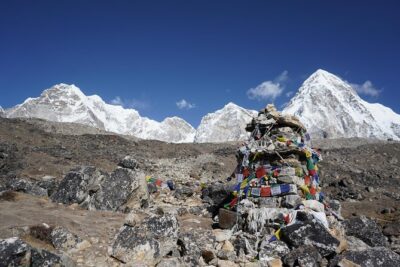
Everest Base Camp Helicopter Tour landing at Hotel Everest View
Read our review →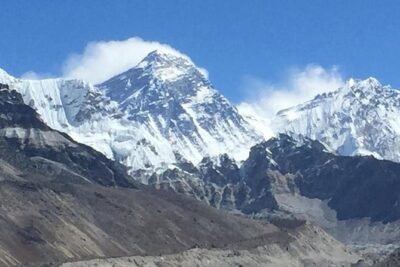
This tour also appears in