
REVIEW · EVEREST BASE CAMP TREKS
Everest Base Camp Trek
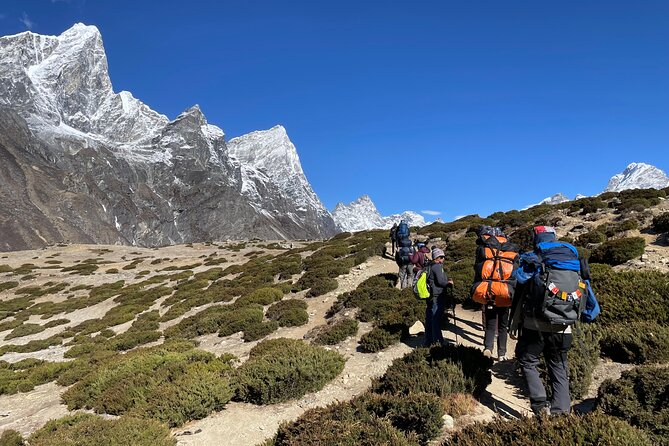
The real prize here is the walk from Lukla to Everest Base Camp, a route that moves through Sherpa villages, rhododendron forests, high mountain passes, and the Khumbu Glacier. You’ll also reach Kala Patthar at 5,550 meters for the trek’s finest Everest sunrise, weather permitting.
I like the built-in acclimatization days at Namche Bazaar and Dingboche, and I like that the small group is capped at eight people. Guides such as Ram, Prakash, Bishnu, Tilak, and Gore have been praised for calm support, practical help, and good humor. The main concern is weather: Lukla flights can be delayed or canceled, so your schedule needs some breathing room.
Key points to know before booking
- Lukla flights are part of the package: Flights are included from Kathmandu or Ramechhap, depending on the season and airport traffic.
- Two acclimatization stops matter: You spend an extra day in Namche Bazaar and another in Dingboche before reaching the highest elevations.
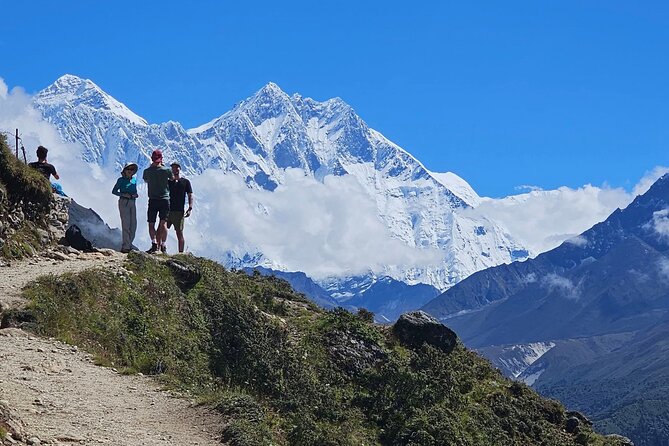
- Kala Patthar is the scenic high point: The early climb to 5,550 meters offers the best dawn views of Everest on this route.
- Your group stays small: The maximum group size is eight, useful on long walking days and during health checks at altitude.
- Meals and basic Kathmandu lodging are included: The price covers 13 breakfasts, 11 lunches, 11 dinners, and two Kathmandu hotel nights.
- Weather can reshape the trip: A canceled Lukla flight may affect the schedule, even though poor-weather cancellations qualify for a refund or new date.
Why this 14-day route works
The Everest Base Camp Trek is not simply a mountain walk. It is a gradual change of world. You begin in Kathmandu, with traffic, temples, and city hotels, then fly toward a tiny mountain airstrip and spend the next several days walking between Sherpa settlements.
The route is carefully paced for a high-altitude trek. You do not rush from Lukla straight to the upper Khumbu. Instead, you stop in Namche Bazaar for acclimatization, spend two nights around Dingboche, and descend after reaching Base Camp and Kala Patthar.
That pacing is important. The challenge is not just distance. It is the thin air, cold nights, uneven stone trails, and the need to keep moving when your legs would rather stop. The itinerary gives your body time to adjust, though no schedule can remove the physical demands.
At $1,300, the package offers solid value for a guided trek. It includes the Lukla flights, guide flights, airport transfers, two Kathmandu hotel nights, meals, taxes, and fees. You still pay for personal expenses, drinks, alcoholic beverages, and tips, so the final cost will be higher than the headline price.
More Hiking Tours in Kathmandu
- Everest Base Camp Trek – 14 Days
★ 5.0 · 1,499 reviews - Everest Base Camp Trekking
★ 5.0 · 485 reviews - Nagarkot Sunrise View and Day Hiking from Kathmandu
★ 5.0 · 471 reviews
Day 1: Kathmandu and the Thamel briefing
Your first day is deliberately light. A staff member picks you up at the airport and drives you to a hotel near Thamel, Kathmandu’s main visitor district. You have time to settle in, meet the team, and prepare for the flight and walk ahead.
This day is useful for more than jet-lag recovery. It gives you a chance to check your clothing, organize your bag, and ask your guide about the days ahead. The airport pickup also removes one common arrival headache, especially if this is your first visit to Nepal.
The included Kathmandu lodging is on a bed-and-breakfast plan. The package covers two nights in Kathmandu, listed as Hotel Kailash Kutee or a similar property.
Days 2 and 3: Lukla, Phakding, and Namche Bazaar
The flight to Lukla takes about 40 minutes and is one of the memorable parts of the trip. You’ll see mountain views from the air before landing at the high-altitude airport, assuming weather and local flight conditions cooperate.
That final phrase matters. Lukla flights are sensitive to weather and air traffic. During the busy season, flights may use Ramechhap Airport instead of Kathmandu, with a drive to Ramechhap required. The flight is included, but the timing is not entirely in your hands.
From Lukla, the first walking day takes about three hours to Phakding. It is a short introduction to the trail, with time to explore the local community after reaching the overnight stop.
The following day is longer, at about six hours, as you follow the Dudh Koshi and cross suspension bridges toward Monjo. From there, you enter Sagarmatha National Park and continue uphill to Namche Bazaar.
Namche is more than a place to sleep. It is the main trading and cultural center of the Everest region, with Sherpa shops, lodges, and mountain views. The climb into town can feel demanding early in the trek, but reaching Namche gives you a clear sense that the city is far behind.
Day 4: Acclimatization above Namche Bazaar
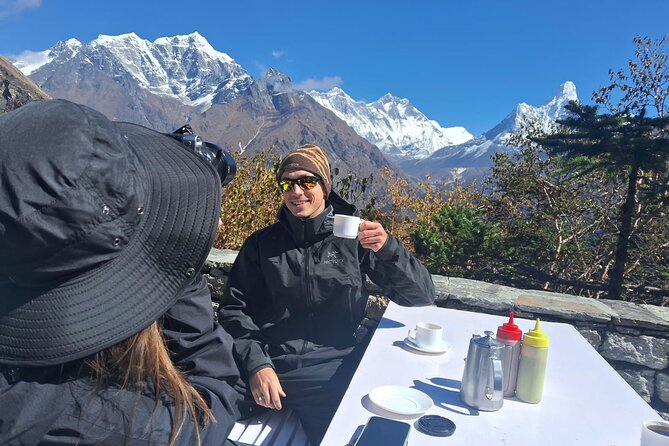
You spend the fourth day in Namche to help your body adjust to 3,440 meters. The planned walk takes about two hours and includes the Everest View Point, where you can see Everest and other major peaks in the range.
This is exactly the kind of rest day you need at altitude. Rest does not mean lying in bed all day. A short walk higher than your sleeping elevation helps you adjust, while returning to Namche keeps the day manageable.
You can also visit the Sherpa Museum, which adds cultural and mountaineering context to the trip. I like this pause because it keeps the trek from becoming a march between lodges. You get time to understand the people and traditions of the region before heading farther into the Khumbu.
More Everest Base Camp Treks in Kathmandu:
- Everest Base Camp Helicopter Tour landing at Everest View Hotel
★ 5.0 · 668 reviews - Everest Base Camp Trekking – 13 Day
★ 5.0 · 365 reviews - Everest Base Camp Trek -14 Days
★ 5.0 · 321 reviews - Everest Base Camp Helicopter Tour landing at Hotel Everest View
★ 5.0 · 218 reviews
Days 5 and 6: Tengboche monastery and Dingboche
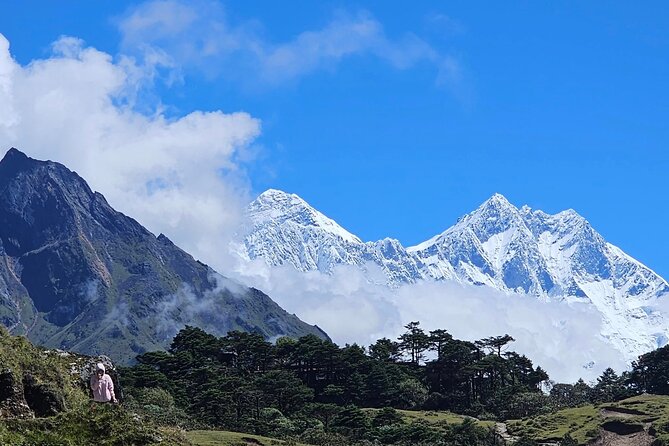
The trail to Tengboche takes about five hours and follows a high route above the Dudh Koshi. The mountain views become more dramatic here, with Everest, Nuptse, Lhotse, Thamserku, and Kwangde among the peaks visible along the way.
Tengboche is known for its monastery and its quiet setting. The itinerary allows time to visit the monastery, where the atmosphere is calmer than the exposed trail and high ridges around it. This is one of the route’s strongest cultural stops.
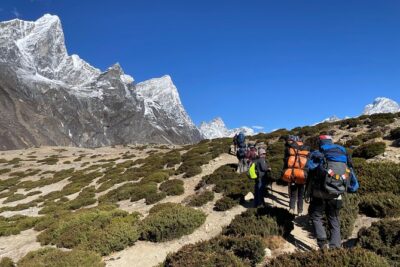
From Tengboche, you continue toward Dingboche through rhododendron forests and meadows. The trail passes Deboche, a Buddhist nunnery, then crosses the Imja Khola. Island Peak and Amphu Laptsa Peak come into view as you move higher.
The five-hour walking estimate is reasonable as a guide to the day, but you should not treat it as a race. At altitude, a slow pace is often the smart pace. Your guide’s role matters here, especially when deciding how hard to push and when to stop.
Day 7: A needed second acclimatization day
Dingboche gives you another day to rest before the most demanding part of the trek. You may take a full day off or choose a short walk before returning to the village for the night.
This is a key feature of the plan. Dingboche sits much higher than Namche, and the next days lead toward Gorak Shep, Base Camp, and Kala Patthar. A free day here gives you a buffer instead of forcing a nonstop climb.
You should use the day sensibly. Rest, eat, drink, and keep your plans modest. The point is to arrive at the upper Khumbu with enough energy for the long days ahead.
Days 8 and 9: Lobuche, Gorak Shep, and Everest Base Camp
The route to Lobuche takes about six hours and passes through Dughla. Along the way, you’ll see memorials to Sherpas who died on Everest expeditions. This section asks for a quieter mood. The memorials place the mountain’s beauty beside its real risks.
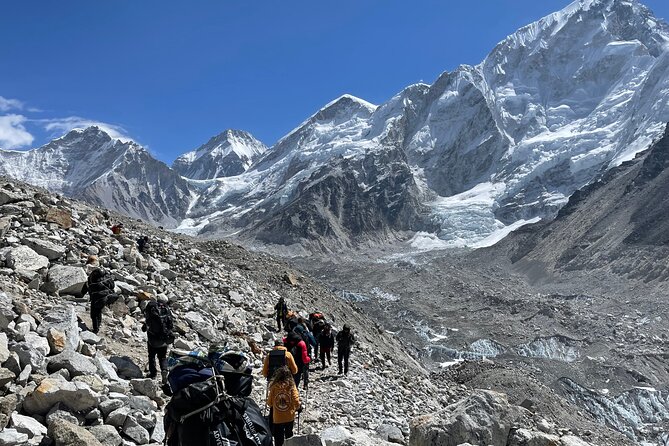
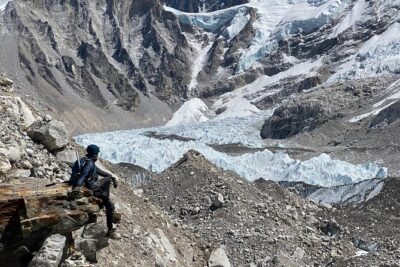
The trail continues alongside the Khumbu Glacier moraine, with views toward Kala Patthar and Pumori. The ground becomes rougher and more stony, and the altitude begins to dominate the experience. You are no longer walking through forest and meadow. You are moving through a stark world of rock, ice, and wind.
On Day 9, you continue from Gorak Shep toward Everest Base Camp after lunch. The six-hour outing crosses stony ground, moraines, and streams before reaching the Base Camp area and the Khumbu Icefall.
Base Camp is an important goal, but it is not the best place for a broad Everest view. The surrounding glacier and icefall are the main visual rewards here. You also return to Gorak Shep for the night, where the simple high-altitude lodging and cold conditions can make sleep difficult.
That evening is one reason the acclimatization days matter. You need enough strength left for the next morning, when the trek reaches its highest point.
Day 10: Kala Patthar at 5,550 meters
The early climb to Kala Patthar is the hardest and most rewarding section of the trip. The ascent takes about two hours, with the summit reaching 5,550 meters.
The goal is the dawn view of Everest. From this high point, you also see Ama Dablam, Lhotse, Nuptse, Thamserku, Cho Oyu, Pumori, and other Himalayan peaks. The scenery is wide and powerful, but the altitude is serious. Move slowly, follow your guide’s advice, and do not treat the summit as something you must force.
After returning to Gorak Shep for breakfast, you descend toward Pheriche for a six-hour walking day. That descent is welcome, but it is still tiring. Your legs have already handled Base Camp and Kala Patthar, and the trail remains uneven.
For many people, Kala Patthar is the true visual high point. Base Camp is the famous destination, but Kala Patthar gives you the broad mountain view you may have pictured before arriving.
Days 11 to 13: Returning through Namche and Lukla
The return route takes you back through the Khumbu villages toward Namche Bazaar. The day includes a possible visit to Pangboche Monastery, described as the oldest monastery in the area, before continuing through Tengboche and toward Kyanj and Namche.
Descending feels easier in the thinner air, though the walking remains substantial. You should not assume that going downhill means an effortless day. Stone steps and tired knees can make the return as demanding as the ascent.
Day 12 continues for about six hours toward Lukla. The route passes local Sherpa hamlets, mountain views, and the Hillary Suspension Bridge. Reaching Lukla gives you a final night in the region and a chance for your guide to confirm the next day’s flight.
Day 13 is largely a transport day. You fly from Lukla to Kathmandu or Ramechhap, depending on the season and available flights. During peak periods, air traffic at Kathmandu can mean landing at Ramechhap, followed by a drive.
This is the biggest scheduling weakness of the trip. A delayed flight can affect your final plans, so I would avoid booking a tight international connection immediately after the trek. The schedule includes a final Kathmandu day, which provides some protection, but mountain weather can still rearrange the plan.
Day 14: Airport transfer and departure
The final day is kept open for departure. If you have extra activities arranged in Kathmandu, you may have time for them before being driven to Tribhuvan International Airport.
Airport pickup and final departure transfer are included. That is a small but useful convenience after two weeks of walking, flights, and changing elevations.
Guides, group size, and support
The group limit is eight people, which is a practical size for this route. A small group can move more easily, and it gives you better access to the guide when you need help with pace, gear, or altitude concerns.
Several guides and porters are named in the supplied trip accounts, including Ram, Prakash, Bishnu, Rajesh, Tilak, Binode, Sanjay, Amer, and Gore. Ram is repeatedly connected with steady encouragement and keeping morale up. Amer is praised for porter support, while Gore is described as helping with gear, fixing shoes, and making careful decisions during a snowstorm.
You should still ask at booking who will lead your departure. Staff assignments can change. The important point is that the support described is practical rather than theatrical: adjusting gear, watching health, setting a calm pace, and helping you stay focused when the trail gets rough.
What the $1,300 price really covers
The price includes more than the walking itself:
- Airport pickup and departure transfer
- All listed fees and taxes
- Lukla flights for you and your guide
- Kathmandu to Lukla and return arrangements, with Ramechhap transfers during peak periods
- Two Kathmandu hotel nights with breakfast
- 13 breakfasts
- 11 lunches
- 11 dinners
You pay separately for personal expenses, drinks, alcoholic beverages, and tips for the guide and driver. The package does not list every possible lodge or trekking expense in detail, so I would confirm the accommodation plan and what happens during flight delays before paying.
For a guided 14-day Everest trek with flights and meals included, $1,300 is an attractive starting price. It is not an all-inclusive holiday, and you should budget for extras, but the major transport and food costs are covered.
Who should book this trek
This trip suits you if you want a structured route to Everest Base Camp rather than arranging flights, guides, meals, and village stops on your own. It is also a good fit if you value a small group and want acclimatization built into the plan.
You need moderate physical fitness. The itinerary includes repeated five- and six-hour walking days, steep sections, rocky moraine, suspension bridges, and elevations up to 5,550 meters.
This is not the right choice if you need a fixed, tightly timed holiday. Weather may delay Lukla flights, and the trail becomes harder as you climb. You should also be comfortable with simple mountain lodging and the possibility of cold, basic conditions near Gorak Shep.
The experience has received a 100 percent recommendation rate and a five-star overall rating from 58 submitted ratings. The strongest praise centers on guide care, motivation, help with equipment, and good decisions during bad weather. Those details matter more to me than broad claims about scenery because a reliable guide can make a hard day safer and more manageable.
Booking advice and cancellation terms
Confirmation is provided at booking. You can cancel at least three full days before the local start time for a full refund. Cancellations or changes made inside that period are not refunded or accepted.
The trip requires suitable weather and a minimum number of participants. If poor weather or low enrollment causes cancellation, you are offered another date or experience, or a full refund.
Before booking, ask about your exact airport on the outbound flight, the Ramechhap transfer during peak season, the named guide, and the handling of delayed return flights. These questions will not change the mountains, but they can make the trip easier to manage.
Should you book the Everest Base Camp Trek?
Book it if you want the classic Everest route with a guide, included flights, meals, airport transfers, and two well-placed acclimatization days. The itinerary reaches both Base Camp and Kala Patthar, and the small group limit adds useful personal attention.
Think twice if you need hotel comfort, guaranteed flight times, or a gentle walking holiday. The price is good for what it covers, but this remains a serious high-altitude trek.
For a fit walker who accepts weather delays and basic conditions, this is a strong package. The best reason to choose it is not just the name Everest. It is the combination of Sherpa villages, Tengboche Monastery, the Khumbu Glacier, a small group, and guides who are expected to help you through the hard parts.
FAQ
How long is the Everest Base Camp Trek?
The trek lasts approximately 14 days, including arrival and departure days in Kathmandu, the Lukla flights, acclimatization stops, and the return journey.
What is the price of the trek?
The listed price is $1,300 per person.
Are flights between Kathmandu and Lukla included?
Yes. The package includes flights for you and your guide between Kathmandu and Lukla, or between Ramechhap and Lukla when the seasonal schedule requires it.
Why might I fly from Ramechhap instead of Kathmandu?
During the busy season, air traffic at Kathmandu Airport may mean using Ramechhap Airport. The package includes the flight, and the itinerary includes a drive to Ramechhap when needed.
How high does the trek go?
The highest point is Kala Patthar at 5,550 meters.
Are meals included?
Yes. The package includes 13 breakfasts, 11 lunches, and 11 dinners. Personal expenses, beverages, and alcoholic drinks are not included.
What is the maximum group size?
The group has a maximum of eight participants.
What happens if bad weather cancels the experience?
If poor weather causes cancellation, you are offered a different date or experience, or a full refund. Lukla flights may also be delayed or canceled because of weather and local flight conditions.
Recently added around Kathmandu
- Kathmandu Airport Pickup and Drop-off Services★ 5.0 · 3 reviews
- Kathmandu Paragliding★ 5.0 · 3 reviews
- Kathmandu Chandragiri Cable Car and Swayambhunath Private Tour★ 5.0 · 3 reviews
- Explore The Beauty Of Langtang Valley In 8-Days Trek★ 5.0 · 3 reviews
- Kathmandu: Nightlife and Pub Crawl Tour★ 5.0 · 3 reviews
- Mountain Flight Experience in Nepal★ 4.5 · 3 reviews
- Kathmandu: Momo Making Class with a Local Chef★ 5.0 · 3 reviews
- Everest Base Camp Trek★ 5.0 · 3 reviews
Other Everest Base Camp Treks worth a look
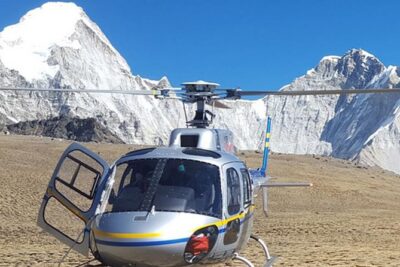
Everest Base Camp Helicopter Tour landing at Everest View Hotel
Read our review →
Everest Base Camp Helicopter Tour landing at Hotel Everest View
Read our review →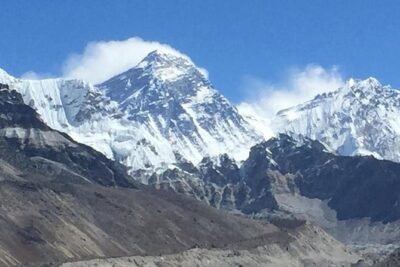
This tour also appears in