
REVIEW · EVEREST BASE CAMP TREKS
Everest Base Camp Trek from Kathmandu 12 Days
The big draw here is simple: you walk into the Everest region instead of merely viewing it from a plane or a lookout. Over 12 days, the route links Lukla, Namche Bazaar, Tengboche, Dingboche, Lobuche, Gorakshep, and Everest Base Camp, with two acclimatization days built into the climb. You also get a sunrise climb to Kala Patthar, the best viewpoint on this route for the Everest area.
I like the practical structure, especially the gradual climb from Phakding and Namche toward the high valleys. I also like the private format and the local guiding team. Guides named Milan, Bikram, and Bishnu have been praised for careful planning, support, and a calm manner. The main drawback is that this is a physically demanding trek, with basic lodging, long walking days, and no soft option once you are above the tree line.
Key points before you book
- 35-minute flight to Lukla: The trek begins with a short domestic flight from Kathmandu and ends the same way.
- Two acclimatization days: You stay in Namche and Dingboche, with short hikes or village exploration rather than pushing higher.
- Everest Base Camp on Day 8: You reach Gorakshep first, then walk beside the Khumbu Glacier to Base Camp.
- Kala Patthar sunrise: An early climb gives you some of the finest views of Everest, Lhotse, Nuptse, and nearby peaks.
- Private trip for your group: Only your own party takes part, with an English-speaking guide.
- $1,350 includes major basics: Flights, permits, TIMS card, lodging, transfers, guide, and a first-aid kit are covered, but personal expenses are not.
Why this 12-day route works
The Everest Base Camp Trek is not a sightseeing trip with a little walking added. It is a high-altitude journey that asks you to walk for several hours most days, sleep in simple guesthouses, and accept changing mountain conditions.
The schedule is sensibly arranged for a short Everest Base Camp program. You begin with a modest first walk to Phakding, spend a full day in Namche, pause again in Dingboche, and only then continue toward Lobuche and Gorakshep. Those rest days are not wasted time. They give your body a chance to adjust to thinner air while letting you see more of the Sherpa villages.
I also like that the route includes both the destination and the viewpoint. Everest Base Camp is an important goal, but the mountains are not always visible from Base Camp itself. Kala Patthar usually offers the stronger visual reward, so including it makes the overall plan more satisfying.
The private format is another useful feature. You are not tied to the walking speed of a large mixed group. That can make a difference on steep sections, although a private trip does not make the trail easier. You still need solid fitness and a willingness to walk on rough, uneven ground for several days.
More Hiking Tours in Kathmandu
- Everest Base Camp Trek – 14 Days
★ 5.0 · 1,499 reviews - Everest Base Camp Trekking
★ 5.0 · 485 reviews - Nagarkot Sunrise View and Day Hiking from Kathmandu
★ 5.0 · 471 reviews
Lukla and the short walk to Phakding
Your first day begins with a transfer to Kathmandu’s domestic terminal and a scheduled morning flight to Lukla. The flight takes about 35 minutes, according to the return timing provided, and Lukla is the practical gateway to the Khumbu region.
Once you arrive, you meet your trekking guide and begin walking toward Phakding. The first day is deliberately short, at about four hours of walking. That is a smart introduction after the flight and gives you time to begin adjusting before the trail gains more height.
Phakding is not the main prize of the journey. Its value is its gentle start. You walk beside the Dudh Koshi River and begin to see the pine country and suspension bridges that define the lower route. You should treat this day as a warm-up, not as proof that the whole trek will feel this easy.
The tour includes airport pickup and drop-off, round-trip Kathmandu to Lukla flights, and an English-speaking guide. Those arrangements reduce the amount of planning you need to do before the walk begins.
Namche Bazaar and the first acclimatization day
Day 2 is a longer six-hour walk to Namche Bazaar. The path follows the Dudh Koshi through pine forest, crossing suspension bridges and gradually climbing toward the famous Sherpa trading town.
Namche is more than an overnight stop. It is the first major place where the route feels properly high and remote, while still offering a lively village setting. You have a full acclimatization day here on Day 3, with the choice of a walk toward Thame, a visit to Khunde, or time exploring Namche itself.
I like this flexible day because it gives you room to judge how you feel. The plan calls for staying active rather than sitting still all day, but it does not force one single outing. If your legs are tired, exploring Namche at an easy pace may be the wiser choice.
This is also a good point to pay attention to your guide’s approach. Bikram has been praised for organizing tea house stays, managing acclimatization plans, and putting safety first. Milan has also been singled out for being experienced, kind, and attentive throughout the trek. Guide quality matters here because the best support is often quiet and practical: a sensible pace, honest advice, and attention to how you are coping.
Tengboche and the Sherpa spiritual heartland
From Namche, you walk for about six hours to Tengboche. The trail is described as dusty and winding, with some uphill and downhill walking, but it is not presented as one of the route’s hardest days.
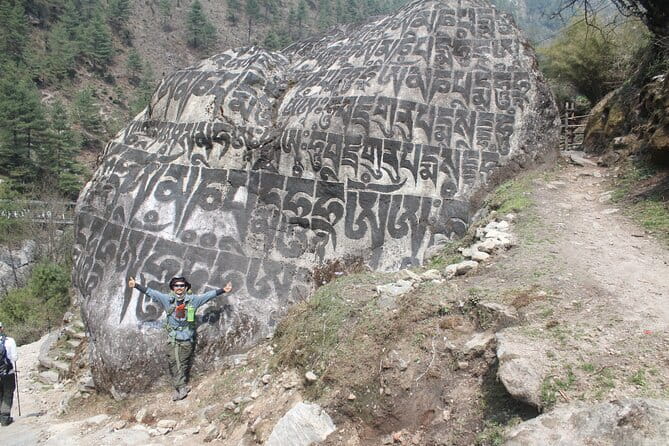
Tengboche is special for its monastery and mountain views. The monastery is one of the region’s key Buddhist sites, and the setting gives you a strong sense of why the Khumbu is more than a mountain corridor. You are moving through a living Sherpa region, not just ticking off famous peaks.
The views from Tengboche are a major reward. Everest, Lhotse, Nuptse, and other snow-covered summits begin to feel close and immediate. Keep your camera ready, but do not spend the whole day looking through a screen. The route is designed with time for photography, and the mountain scenery deserves your full attention.
One useful detail is that Day 5 begins with a visit to the area’s oldest Buddhist monastery. The material does not specify whether this means a formal guided visit or a brief stop, so you should ask your guide about the exact arrangement. Either way, the monastery visits add meaning to the walking days.
More Everest Base Camp Treks in Kathmandu:
- Everest Base Camp Helicopter Tour landing at Everest View Hotel
★ 5.0 · 668 reviews - Everest Base Camp Trekking – 13 Day
★ 5.0 · 365 reviews - Everest Base Camp Trek -14 Days
★ 5.0 · 321 reviews - Everest Base Camp Helicopter Tour landing at Hotel Everest View
★ 5.0 · 218 reviews
Dingboche and the second acclimatization day
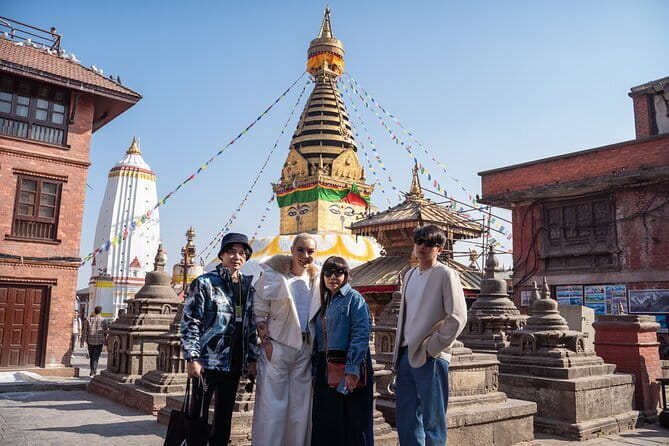
The walk from Tengboche to Dingboche takes about seven hours. You pass through alpine woods, Upper Pangboche, and Shomare before reaching the higher valley.
This is a longer day, and the change in scenery is noticeable. The route gradually leaves the denser forest behind and moves into more open, high-altitude country. The large settlement of Pangboche gives you another look at local life before the trail becomes more focused on rock, open slopes, and distant ice.
Dingboche is the second key pause in the schedule. Day 6 allows about five hours for a short hike, a visit to nearby villages, or rest. Again, the aim is not total idleness. Gentle movement helps you prepare for the next stages, but you should not treat the acclimatization day as an opportunity to overdo it.
This is where a strong fitness base becomes important. The tour requires a strong physical fitness level, and that warning should be taken seriously. The route includes long walking days, steep sections, rocky ground, and increasingly thin air. A good guide can help with pace and safety, but cannot remove the physical demands.
Lobuche, Gorakshep, and the approach to Base Camp
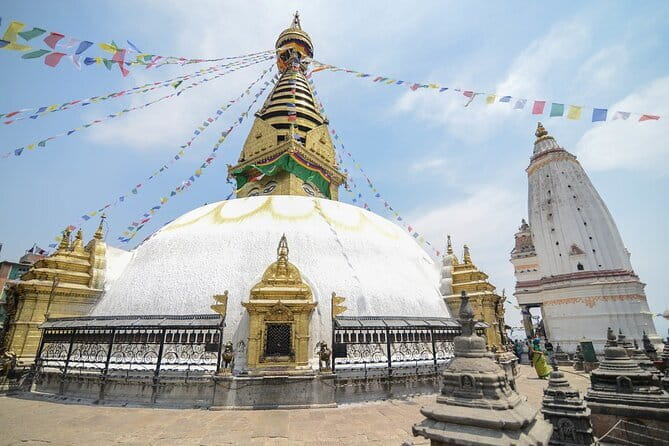
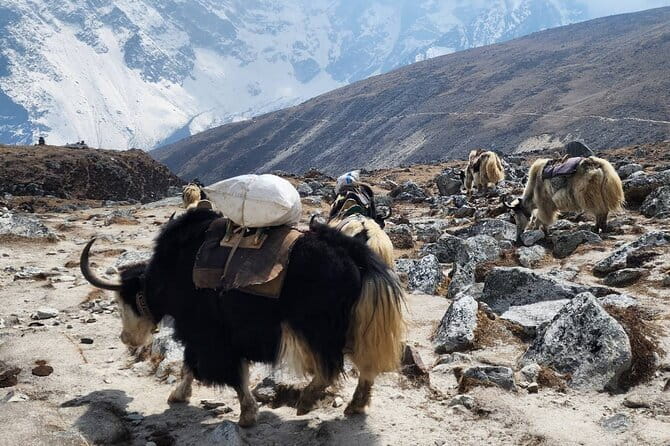
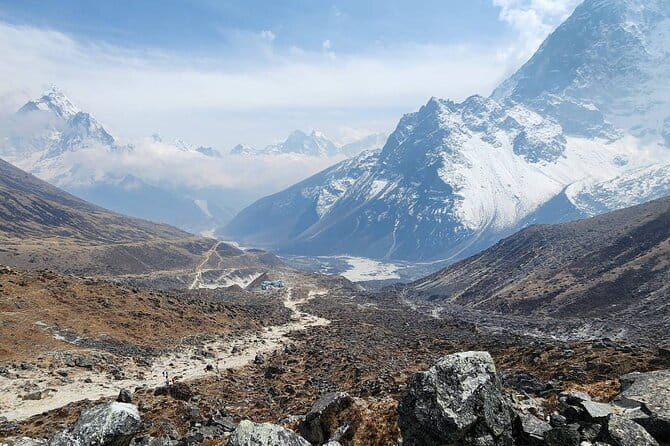
Day 7 takes about seven hours to reach Lobuche. The trail climbs through the Khumbu Khola valley toward Duglha, with the valley narrowing near Dusa. The terrain becomes rougher, with large boulders and mountain yaks moving along the route.
This is one of the days when the trek feels least like a casual village walk. The path can be difficult, and the height makes ordinary climbs feel harder than expected. You should keep your pace controlled and listen closely to your guide.
The next morning, you walk for about three hours to Gorakshep beside the Khumbu Glacier. A pyramid signpost marks part of the route, and the climb toward Thangma Riju opens views toward the high peaks.
Gorakshep is the staging point for Base Camp. After arriving, you continue for roughly two hours to Everest Base Camp, then return to Gorakshep for the night. The total day includes the walk to Base Camp and the return, so it is not merely a quick photo stop.
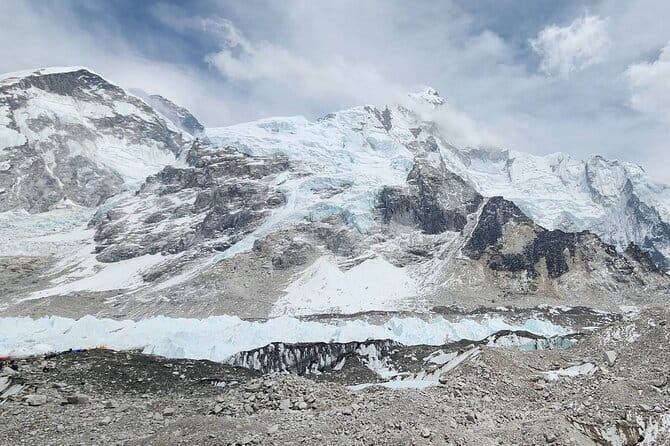
Base Camp itself is a powerful goal because it marks the end point of the approach used by climbers preparing for Everest. The scenery around the Khumbu Glacier is dramatic, but keep your expectations realistic. You are not guaranteed a clear view of the summit from Base Camp. That is why the following morning at Kala Patthar is such an important part of the route.
Kala Patthar and the long return
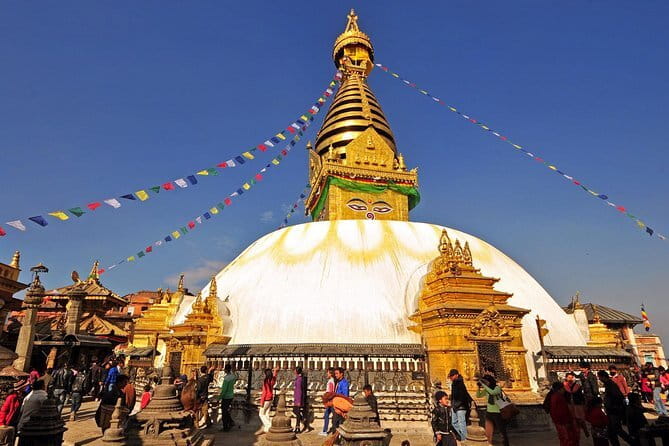
Day 9 begins early with the climb to Kala Patthar. The walk takes about three hours and is timed for dramatic mountain views. From the viewpoint, you can see Everest along with Lhotse, Nuptse, and other Himalayan peaks.
This early start may be the toughest wake-up of the trek, but it is also one of the best uses of your final high-altitude morning. After Kala Patthar, you descend to Gorakshep, rest for a while, and continue to Pheriche, with about four more hours of walking.
The descent is easier for many people than the climb, but it still puts pressure on tired knees and legs. You should not rush simply because you are going downhill. The route back to Namche on Day 10 takes about six hours and follows the same broad valley, passing Pheriche and other Sherpa settlements.
Walking the same route in reverse has one advantage: the scenery changes with your direction and light. It also lets you notice places you may have passed too quickly on the way up. The tradeoff is that the return can feel repetitive after the excitement of Base Camp.
Phakding, Lukla, and the flight to Kathmandu
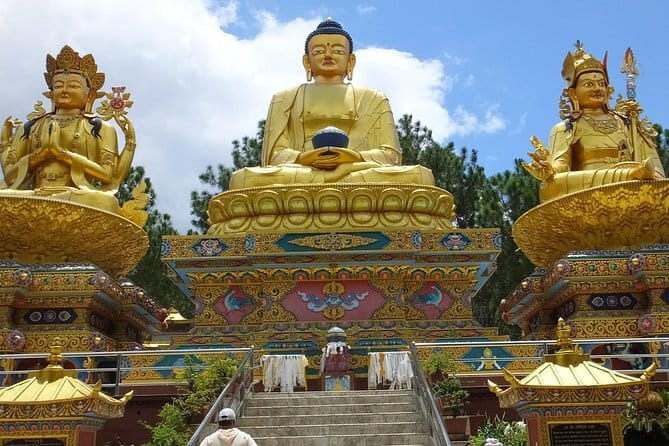
Day 11 is split between Pheriche, Phakding, and Lukla in the stated schedule, with about three hours listed for each walking section. The trail descends steeply, and the advice to walk slowly and stay in control is worth following. Rocky ground becomes awkward when your legs are tired.
As you get lower, the path becomes more level and the pine and rhododendron forests return. Reaching Lukla for the final overnight gives you a clear end point before the flight back.
On Day 12, you take the morning flight to Kathmandu and transfer toward Thamel. The return flight is described as taking about 35 minutes, followed by roughly five hours of transport and arrival arrangements in Kathmandu.
Flights to and from Lukla are an efficient way to fit the Everest region into 12 days. They also make the schedule dependent on air travel. The information provided does not set out a separate flight-delay plan, so you should ask the operator what happens if weather disrupts the schedule. That is a sensible question for any Lukla trek.
What $1,350 covers, and what it does not
At $1,350 per person, the price covers several of the costly basics:
- Hotel pickup and drop-off
- Round-trip flights between Kathmandu and Lukla
- Trekking permit and TIMS card
- English-speaking trekking guide
- Guesthouse accommodation
- First-aid kit carried with the guide
- A private trip for your group
That makes the price useful for people who want the main arrangements handled in one package. The flights and permits alone are important inclusions, and private guiding gives you more control than a large group departure.
The lodging is described simply as guesthouse accommodation. Based on the provided comments, you should expect basic conditions rather than hotel comfort. One person called the accommodation basic but still recommended the trip because the guiding and overall service worked well.
Personal expenses are not included. The exact list is not given, so ask the operator what you should budget for during the trek. Do not assume the $1,350 covers every meal, drink, tip, piece of gear, or incidental cost.
The tour is also described as including a porter in some of the personal accounts, but the formal inclusions provided here do not clearly list porter service. Ask about this before booking, especially if you do not plan to carry your own main bag.
The guides and the private-trip advantage
The strongest practical feature is the local guiding team. Milan is described as experienced, kind, and attentive, while Bikram is praised for route knowledge, professionalism, organization, and a friendly nature. Bishnu is also described as supportive and well informed about the mountains and Sherpa culture.
Sagar and Sham are named for arranging and coordinating trips, which suggests that the company’s support begins before you reach the trail. Still, guide assignments can change, so ask who will lead your departure rather than assuming a particular person is guaranteed.
A private trip is best for people who want a more personal pace and direct communication. It can suit a couple, family, or small group with similar fitness levels. It is less suitable if you want a social group atmosphere or a low-cost backpacking arrangement with every expense stripped down.
Practical fit: who should book it?
You should consider this trek if you want:
- A direct route to Everest Base Camp in 12 days
- Local English-speaking support
- A private trip rather than a large group
- Lukla flights and permits arranged for you
- Sherpa villages and monasteries alongside the mountain views
- A schedule with two acclimatization days
You should pause before booking if you dislike basic guesthouses, long walks, steep rocky trails, or changing flight plans. The tour requires strong physical fitness, and the high-altitude days from Dingboche onward should not be underestimated.
You need to provide passport details and a passport photo, with a selfie accepted for the permit process. Booking confirmation is provided at the time of purchase. Cancellation allows a full refund if you cancel at least three full days before the local start time. After that point, refunds and changes are not accepted.
Should you book the Everest Base Camp Trek?
I would book this trek if you want the classic Everest Base Camp route with a private guide and the main logistics bundled into one price. The schedule includes the right major stops, two acclimatization days, Base Camp, and Kala Patthar, so you are not sacrificing the most important parts to save time.
I would book it with two questions first: what exactly is included in personal expenses, and is a porter part of my package? I would also ask about the guide assigned to my group and the company’s plan if the Lukla flight is delayed.
For a fit walker who accepts simple lodging and wants real time in the Khumbu, this is a strong-value, focused mountain journey. For anyone seeking comfort, flexibility, or an easy holiday, it is the wrong kind of adventure.
FAQ
How long is the Everest Base Camp Trek from Kathmandu?
The experience lasts approximately 12 days, including flights from Kathmandu to Lukla and back.
Is the tour private?
Yes. Only your group participates in the activity.
What is included in the price?
The price includes hotel pickup and drop-off, round-trip Kathmandu to Lukla flights, trekking permits, a TIMS card, an English-speaking guide, guesthouse accommodation, and a first-aid kit carried by the guide.
Are personal expenses included?
No. Personal expenses are excluded from the tour price.
How physically fit do I need to be?
The tour states that you should have a strong physical fitness level. The schedule includes several walking days of six or seven hours, steep descents, rocky ground, and high-altitude sections.
Are there acclimatization days?
Yes. You spend one acclimatization day in Namche Bazaar and another in Dingboche. Suggested activities include short hikes, village visits, or exploring the local area.
What information is needed for the trekking permit?
You must provide your passport details and a passport photo. A selfie can be used for the photo.
Recently added around Kathmandu
- Kathmandu Airport Pickup and Drop-off Services★ 5.0 · 3 reviews
- Kathmandu Paragliding★ 5.0 · 3 reviews
- Explore The Beauty Of Langtang Valley In 8-Days Trek★ 5.0 · 3 reviews
- Kathmandu Chandragiri Cable Car and Swayambhunath Private Tour★ 5.0 · 3 reviews
- Kathmandu: Nightlife and Pub Crawl Tour★ 5.0 · 3 reviews
- Kathmandu: Momo Making Class with a Local Chef★ 5.0 · 3 reviews
- Mountain Flight Experience in Nepal★ 4.5 · 3 reviews
- Everest Base Camp Trek★ 5.0 · 3 reviews
Other Everest Base Camp Treks worth a look


Everest Base Camp Helicopter Tour landing at Everest View Hotel
Read our review →


Everest Base Camp Helicopter Tour landing at Hotel Everest View
Read our review →

This tour also appears in