
REVIEW · EVEREST BASE CAMP TREKS
Everest Base Camp Trek Via Gokyo Lake and Cho La Pass
Everest Base Camp is only half the story here. This 14-day circuit through Gokyo Lakes and Cho La Pass gives you the famous Khumbu route, then sends you across a demanding high pass into a quieter valley of blue-green lakes. It is a big Himalayan undertaking, not a casual walk.
I like the smart route design: you see Everest from Base Camp and Kala Patthar, then get a different mountain setting around Gokyo. I also like the practical setup, with flights, permits, meals, teahouses, a guide, porter support, and emergency oxygen included. The main drawback is the physical demand, especially the Cho La crossing and the long days at altitude.
Key points to know before booking
- Everest Base Camp plus Gokyo Lakes: You get two of Nepal’s best-known high-altitude destinations in one circuit.
- Cho La Pass is the crux: The icy crossing is the toughest section and requires good fitness, steady footing, and an early start.
- Small private group: Only your own party takes part, with a licensed English-speaking guide and porter support at a 1:2 ratio.
- Most major costs are covered: Flights, permits, meals, 12 teahouse nights, airport transfers, and service charges are included.
- Altitude shapes the whole trip: Namche, Dingboche, Gorak Shep, Cho La, and Gokyo require patience, pacing, and attention to your health.
- The package costs $1,000 per person: That is strong value if you need an organized trek with domestic flights and full trail support.
Why this route is more rewarding than the standard EBC trek
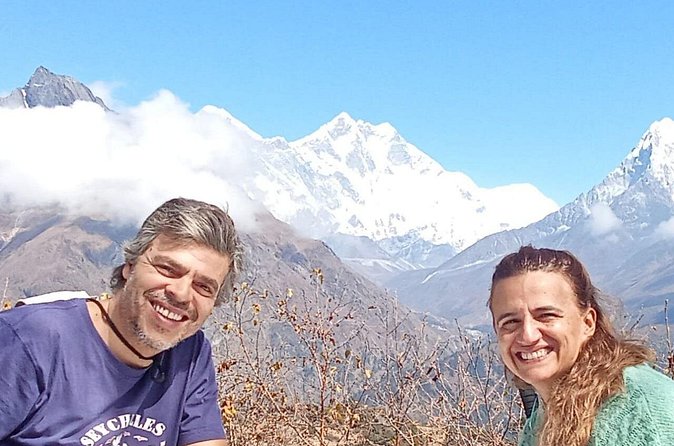
The classic Everest Base Camp path is famous for good reason. It brings you through Sherpa villages, pine forests, suspension bridges, monasteries, and the high Khumbu Valley. But the return through Gokyo and Cho La gives this trip more variety than a simple out-and-back trek.
You first approach Everest from the traditional direction. You pass Namche Bazaar, Tengboche, Dingboche, Lobuche, and Gorak Shep before reaching Base Camp. After sunrise at Kala Patthar, you turn toward Dzongla and cross Cho La into Gokyo Valley.
That change matters. You are not simply retracing your steps. The journey shifts from busy classic-route highlights to glacial terrain, a high pass, and a chain of lakes. You also see major peaks from different angles, including Everest, Cho Oyu, and Makalu.
The route still has real limits. At around two weeks, the schedule is compact for such a demanding circuit. There is no spare acclimatization day listed after Dingboche, and the Cho La crossing comes soon after the Everest Base Camp section. I would ask the operator to explain the exact altitude plan and how they handle a slow or unwell member of the group.
More Hiking Tours in Kathmandu
- Everest Base Camp Trek – 14 Days
★ 5.0 · 1,499 reviews - Everest Base Camp Trekking
★ 5.0 · 485 reviews - Nagarkot Sunrise View and Day Hiking from Kathmandu
★ 5.0 · 471 reviews
Days 1 and 2: Kathmandu briefing and the flight to Lukla
Your guide meets you at Tribhuvan International Airport with a sign bearing your name. The first day includes a trek briefing and gear check, which is useful because missing equipment is much harder to replace once you leave Kathmandu.
You also receive a duffel bag for your trekking gear. It must be returned at the end, so keep personal valuables and items you need during the day in your own small pack. Boots, warm clothing, trekking poles, and other personal gear are not included, though you can rent equipment in Kathmandu.
On Day 2, you take a scenic domestic flight to Lukla, then begin walking toward Phakding through Sherpa villages. The flight is short, listed at around 35 minutes on the return day, but mountain weather can affect schedules. You should carry travel insurance that covers trekking and delays, and keep some flexibility in your onward plans.
The first walking day is a gentle introduction compared with what follows. You are already in the Khumbu region, but the serious altitude work is still ahead.
Days 3 and 4: Namche Bazaar gives you time to adjust
The trail to Namche crosses suspension bridges and enters Sagarmatha National Park. You get an early glimpse of Everest, though the mountain does not dominate every view. The walk is also your first real test of uphill pacing.
Namche Bazaar is the key early stop. It is the main Sherpa trading center on this route and a practical place to slow down. The schedule gives you a full extra day here, which is important for altitude adjustment rather than wasted time.
You can take an optional hike to the Everest View Hotel at 3,880 meters. This provides a broad mountain outlook without forcing you to carry your full load all day. You also have time for the local market and Sherpa museum.
I would use this day sensibly. Walk high, return to Namche, drink plenty of water, and avoid treating the optional hike as a race. The presence of a guide helps, but no guide can remove the need to listen to your body.
Days 5 to 7: Monastery, forests, and thinner air
The walk to Tengboche passes through pine forest with views of Thamserku and Everest. Tengboche Monastery is one of the cultural highlights of the route, and it gives the trek a sense of place beyond mountain scenery.
You continue to Dingboche after crossing the Imja Khola and passing Pangboche. This is where the altitude becomes more noticeable for many people. The schedule lists about six hours of walking, but the slow pace required at this height can make the day feel longer than the clock suggests.
The next stage takes you to Lobuche across increasingly open alpine ground. Along the way, memorials honor climbers who died attempting Everest and other high peaks. They are quiet, serious reminders that this is not just a scenic walking holiday.
The supplied information gives Lobuche’s walking time as only five minutes, which is clearly inconsistent with the rest of the schedule. Treat the listed times as rough rather than exact. Ask for the final day-by-day plan before departure, including walking hours, elevation gains, and rest arrangements.
More Everest Base Camp Treks in Kathmandu:
- Everest Base Camp Helicopter Tour landing at Everest View Hotel
★ 5.0 · 668 reviews - Everest Base Camp Trekking – 13 Day
★ 5.0 · 365 reviews - Everest Base Camp Trek -14 Days
★ 5.0 · 321 reviews - Everest Base Camp Helicopter Tour landing at Hotel Everest View
★ 5.0 · 218 reviews
Days 8 and 9: Everest Base Camp and Kala Patthar
From Lobuche, you continue to Gorak Shep and follow the Khumbu Glacier toward Everest Base Camp. The Base Camp walk is a full day, listed at around eight hours, and the trail can feel rough and tiring underfoot.
At Base Camp, you have time for photographs and a chance to take in the achievement before returning to Gorak Shep. The view from Base Camp itself is shaped by the glacier and surrounding peaks. It is not always the broad Everest panorama people expect, so the next morning is especially valuable.
You rise early for Kala Patthar, the classic sunrise viewpoint. From there, you get a much wider view of Everest and the surrounding peaks. The early start means cold conditions and a demanding climb when you are already tired, but this is one of the most worthwhile efforts of the trek.
After Kala Patthar, you descend to Lobuche and continue to Dzongla. This is a strenuous sequence. You have the emotional high of Base Camp, the early Kala Patthar climb, and then another move through high country. If you are feeling unwell, tell your guide before pushing toward the pass.
Day 10: Cho La Pass is the serious challenge
The Cho La crossing is the most demanding part of the trip. You start early, cross icy terrain, and descend into the quieter Gokyo Valley. The full day is listed at around eight hours.
The word icy deserves attention. This is not simply another uphill trail. Conditions can vary, and the pass requires care, balance, and a calm pace. Personal trekking gear is not included, so proper boots, warm layers, and poles are your responsibility. Ask in Kathmandu whether any extra technical equipment is needed for the date of your trek.
Emergency oxygen is included as part of the safety support. That is reassuring, but it is not a substitute for acclimatization or travel insurance. A good guide should monitor your condition, manage the pace, and make sensible decisions if weather or altitude creates a problem.
The reward is the change in scenery after the crossing. Gokyo Valley feels quieter than the main Base Camp trail, and the sense of reaching it after Cho La is a major part of the route’s appeal.
Days 11 to 13: Gokyo views and the return to Lukla
In Gokyo, you have a morning climb for broad views of Everest, Cho Oyu, and Makalu. You also visit the third and fourth Gokyo Lakes. This is where the circuit earns its place among Nepal’s classic high routes.
The lakes offer a different mood from Gorak Shep and the Khumbu Glacier. Instead of focusing only on the Everest Base Camp goal, you get time around high mountain water, open valleys, and distant peaks. For many people, this quieter section becomes the visual highlight.
You then descend through Machhermo, Dole, and Khumjung before returning to Namche Bazaar. A hot shower and rest in Namche will feel well earned. Personal comforts such as hot showers, Wi-Fi, and battery charging are not included, so keep cash available for these extras.
The final trekking day follows the Dudh Koshi River to Lukla. After nearly two weeks of walking, this descent can feel both easy and surprisingly tiring. It is your last chance to enjoy the villages and river before the flight back to Kathmandu.
Day 14: Return to Kathmandu and a useful buffer
The early morning flight takes you back to Kathmandu. The listed flight time is about 35 minutes, followed by free time for rest, shopping, or an optional massage.
The package includes one Kathmandu hotel night with breakfast, but the final note says the hotel night or transfer is optional. Confirm exactly what your $1,000 package includes on the final evening. If you have an international flight soon after returning, I would add extra time because mountain flights can be delayed by weather.
This last day is not just an administrative finish. It gives you a chance to recover, sort your gear, and enjoy Kathmandu without immediately rushing to the airport.
What the $1,000 price covers
At $1,000 per person, this is a good-value organized trek if the stated inclusions are delivered as described. Round-trip Kathmandu to Lukla flights alone are a major part of the cost, and you also receive 12 nights in twin-sharing teahouses, all meals during the trek, permits, airport transfers, a licensed English-speaking guide, and a porter ratio of one porter for every two people.
The package also covers government taxes and trekking service charges. That reduces the number of large costs you need to arrange yourself.
You still need to budget for:
- International airfare
- Nepal visa on arrival
- Lunch and dinner in Kathmandu
- Boots, jacket, poles, and other personal equipment
- Travel insurance, which is mandatory
- Tips for your guide and porter
- Hot showers, Wi-Fi, and battery charging
- Extra hotel nights caused by flight delays or an early return
- Personal spending
The food arrangement is practical rather than luxurious. Breakfast, lunch, and dinner are included during the trek, which makes budgeting easier. Good meals matter on long walking days, and the company has received positive comments about food and organization on its Nepal treks.
Guides, porters, and the human side of the trek
A licensed English-speaking guide accompanies the group, with porter support at a 1:2 ratio. That is a useful balance. You carry a daypack, while porters handle the larger trekking bags, though you should pack with respect for the work involved.
The company has used guides named Udio and Shisir on other Nepal trips. Their reported strengths include reassurance during moments of discomfort, kindness, and a willingness to help with heavy packs. Those names are not a guarantee that either guide will lead your particular departure, so ask who is assigned before you go.
The strongest pattern in the company’s feedback is organization, supportive guiding, and food. One person described a guide swapping backpacks when the load became too heavy. That is a small detail, but it points to the kind of practical help that can matter on a difficult day.
This is a private activity, so only your group participates. That gives you more control over pace and stops than a large mixed group. It also means your group needs to communicate well. If one person is much slower or struggles with altitude, the schedule may need to change.
Who should book this trek
I would recommend it to a fit hiker who wants more than the standard Everest Base Camp route. You should be comfortable with repeated long walking days, basic teahouse accommodation, cold conditions, steep climbs, and the possibility of flight disruption.
It suits someone who values mountain scenery and Sherpa culture in equal measure. Tengboche Monastery, Namche’s market and museum, villages such as Pangboche and Khumjung, and teahouse stays give the route a human side.
I would not choose it as a first-ever mountain walk unless you already have strong fitness and understand altitude. Previous multi-day hiking experience is helpful, though the company states that moderate physical fitness is required. The Cho La crossing makes this harder than a straightforward Base Camp itinerary.
Booking details and cancellation
You can cancel up to 24 hours before the start time for a full refund. Changes made less than 24 hours before the start are not accepted, and late cancellations are not refunded.
The trek depends on good weather. If poor weather forces cancellation, you are offered another date or a full refund. The same applies if the minimum number of participants is not met.
Service animals are allowed. The meeting point is Tribhuvan International Airport in Kathmandu, and the activity ends back there.
FAQ
How long is the Everest Base Camp trek via Gokyo Lake and Cho La Pass?
The trek lasts approximately 14 days, including arrival and departure arrangements in Kathmandu, the Lukla flights, and 12 nights in teahouse accommodation.
Are domestic flights between Kathmandu and Lukla included?
Yes. Round-trip domestic flights between Kathmandu and Lukla are included in the package.
Are meals included during the trek?
Yes. Breakfast, lunch, and dinner are included during the trekking portion. Lunch and dinner in Kathmandu are not included.
Is travel insurance included?
No. Travel insurance is not included, and it is mandatory for this experience.
What accommodation is provided?
You receive one night in a Kathmandu hotel with breakfast and 12 nights in twin-sharing teahouse accommodation during the trek.
Is Cho La Pass suitable for anyone with moderate fitness?
The experience requires a moderate fitness level, but Cho La is described as an icy, challenging crossing. You should be prepared for strenuous high-altitude walking and confirm the detailed safety and altitude plan with the provider.
Should you book it?
Book this trek if you want the full high-Khumbu experience in one circuit: Everest Base Camp, Kala Patthar, Cho La Pass, Gokyo Lakes, Sherpa villages, and Tengboche Monastery. The $1,000 price is appealing because it includes flights, meals, permits, accommodation, guide support, and porters.
Before paying, confirm the exact altitude schedule, the guide assigned to your group, what happens if someone cannot cross Cho La, and whether the final Kathmandu hotel night is included. If you are fit, prepared, and willing to accept basic lodging and weather delays, this is a strong choice. If you want a gentler trek, choose a shorter route that skips Cho La.
Recently added around Kathmandu
- Kathmandu Airport Pickup and Drop-off Services★ 5.0 · 3 reviews
- Kathmandu Paragliding★ 5.0 · 3 reviews
- Explore The Beauty Of Langtang Valley In 8-Days Trek★ 5.0 · 3 reviews
- Kathmandu Chandragiri Cable Car and Swayambhunath Private Tour★ 5.0 · 3 reviews
- Kathmandu: Nightlife and Pub Crawl Tour★ 5.0 · 3 reviews
- Kathmandu: Momo Making Class with a Local Chef★ 5.0 · 3 reviews
- Mountain Flight Experience in Nepal★ 4.5 · 3 reviews
- Everest Base Camp Trek★ 5.0 · 3 reviews
Other Everest Base Camp Treks worth a look


Everest Base Camp Helicopter Tour landing at Everest View Hotel
Read our review →


Everest Base Camp Helicopter Tour landing at Hotel Everest View
Read our review →

This tour also appears in