
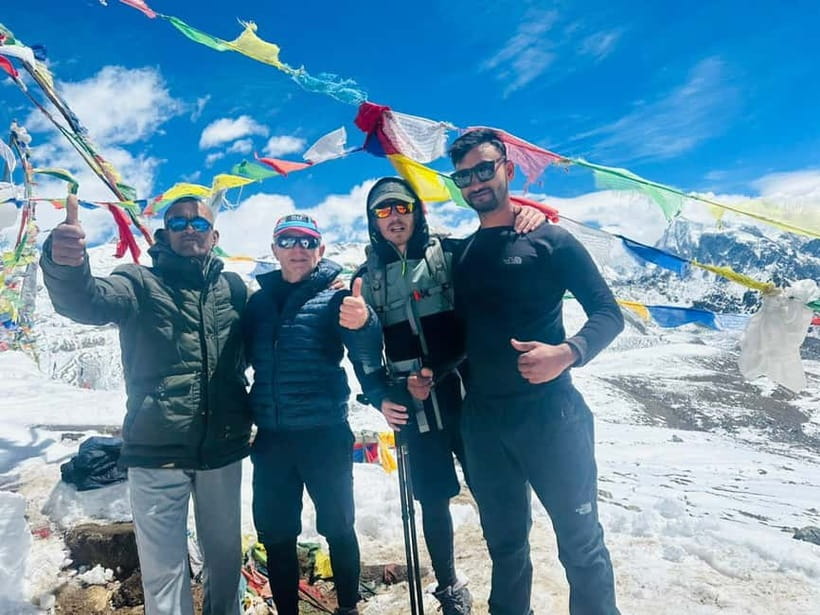
REVIEW · EVEREST BASE CAMP TREKS
From Kathmandu: 12-Day Everest Base Camp Guided Trekking
Everest Base Camp is the main event, but the real reward is the steady climb through the Khumbu Valley. You pass suspension bridges, rhododendron forest, glacier views, and mountain walls including Ama Dablam, Nuptse, Lhotse, and Everest. By the time you reach Base Camp at 5,364 meters, you have earned every photograph.
I like the two built-in acclimatization days, one in Namche Bazaar and one in Dingboche. I also like that the price includes Lukla flights, permits, tea house lodging, airport transfers, and guide expenses. The main caution is altitude and physical demand: the schedule includes long days, basic accommodation, cold nights, and a very high point at Kala Patthar, 5,545 meters.
Key points to know before booking
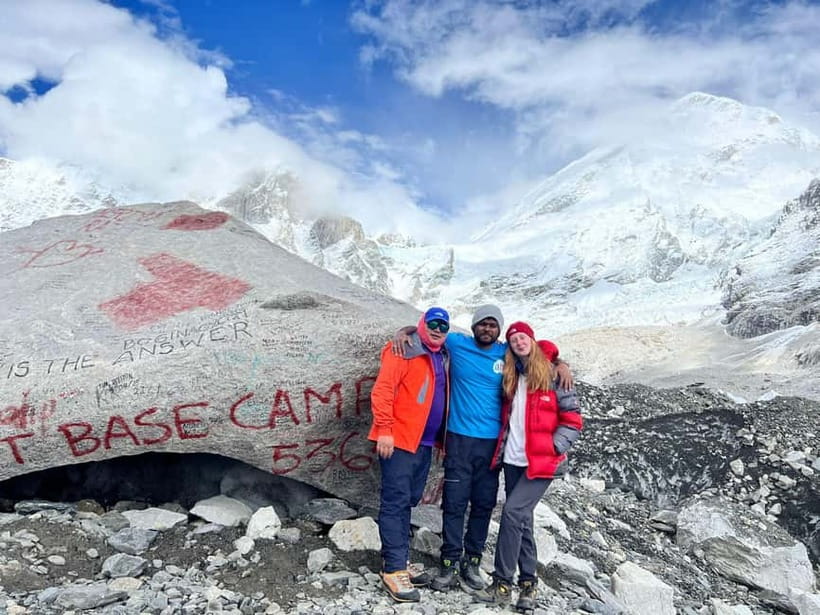
- Reach Everest Base Camp at 5,364 meters: The route follows rocky paths beside the Khumbu glacier before returning to Gorakshep.
- Use two acclimatization days wisely: Namche Bazaar and Dingboche provide planned pauses before the highest sections.
- Fly between Kathmandu and Lukla: The return domestic flight, airport transfers, and required permits are included.
- Stay in tea houses: Lodges provide a practical place to sleep, but meals, drinks, hot showers, and internet cost extra.
- Walk in a small group: The group is limited to 15 people, with an English-speaking guide.
- Expect guide-led care: Padam, Nishan, Adhish, and Rohan have each led recent departures, with Padam and Rohan receiving especially warm praise for humor, help, and safety-minded support.
The 12-day route from Lukla to Everest Base Camp
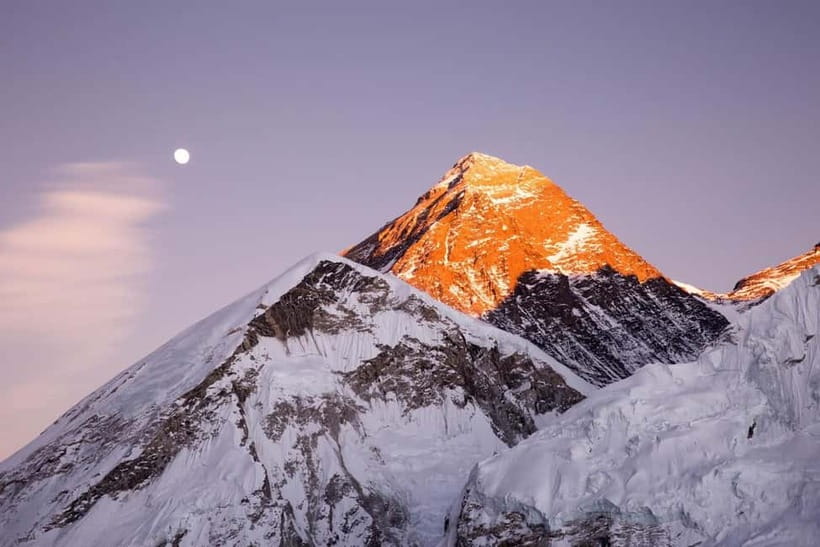
This is a classic high-altitude trek, not a sightseeing tour with a few walks added. You spend most days on foot, sleep in tea houses, and gain height in measured stages. The schedule is designed around acclimatization, but you still need good fitness and a sensible attitude toward altitude.
More Hiking Tours in Kathmandu
- Everest Base Camp Trek – 14 Days
★ 5.0 · 1,499 reviews - Everest Base Camp Trekking
★ 5.0 · 485 reviews - Nagarkot Sunrise View and Day Hiking from Kathmandu
★ 5.0 · 471 reviews
Day 1: Kathmandu to Lukla, then Phakding
Your day begins with hotel pickup in Kathmandu and a transfer to Tribhuvan International Airport. From there, you take an early flight to Lukla, the mountain gateway for this route.
After landing, you are transferred to the starting point and begin walking toward Phakding. The first day is relatively short compared with later sections, which gives you an easier introduction after the flight. You sleep in a tea house lodge in Phakding.
I like this opening because it gets you walking quickly without forcing a major altitude gain on day one. Still, the flight is an important part of the plan, and mountain air travel can make the day feel less predictable than a normal road transfer. Keep your schedule flexible.
Day 2: Phakding to Namche Bazaar
The trail continues from Phakding to Namche Bazaar, at 3,440 meters. This is a major step upward and one of the first days when the trek feels properly demanding.
Namche is more than an overnight stop. It is the main town in the Khumbu region and your base for the following rest day. The approach includes mountain paths and suspension bridges, with scenery becoming more dramatic as you move farther into the valley.
You should not rush this day. Drink water, walk at the guide’s pace, and pay attention to how your body feels. A strong start is useful, but altitude is not impressed by enthusiasm.
Day 3: Acclimatization in Namche Bazaar
Day three is set aside for rest and acclimatization, with a second night in Namche. That extra night matters because your body needs time to adjust before the route climbs higher.
You have time to relax in town and enjoy the mountain setting without carrying out a full point-to-point trek. The schedule does not list a specific side hike, so you should treat this as a flexible acclimatization day rather than assume a particular excursion is included.
This is one of the strongest parts of the plan. A 12-day Base Camp route needs pauses, and Namche is placed at the right point to break up the climb.
More Everest Base Camp Treks in Kathmandu:
- Everest Base Camp Helicopter Tour landing at Everest View Hotel
★ 5.0 · 668 reviews - Everest Base Camp Trekking – 13 Day
★ 5.0 · 365 reviews - Everest Base Camp Trek -14 Days
★ 5.0 · 321 reviews - Everest Base Camp Helicopter Tour landing at Hotel Everest View
★ 5.0 · 218 reviews
From Namche to Dingboche beneath Ama Dablam
Day 4: Namche Bazaar to Tyangboche
You leave Namche and hike to Tyangboche, at 3,867 meters. The village is known for its striking mountain setting, and the route gives you a stronger sense that you are moving into the high Himalayas.
The altitude gain is noticeable, but the day is not simply about reaching a number on an elevation chart. Tyangboche provides a memorable overnight setting before you move toward the Imja Valley.
You should expect basic tea house accommodation here and throughout the trek. The price covers the lodging, but standard breakfast, lunch, and dinner are not included. That distinction can affect your budget, so plan for meals and drinks each day.
Day 5: Tyangboche to Dingboche
The trail passes through rhododendron forest before reaching a suspension bridge over the Imja Khola. From there, you head toward Minlinggo and enter the Imjatse Valley.
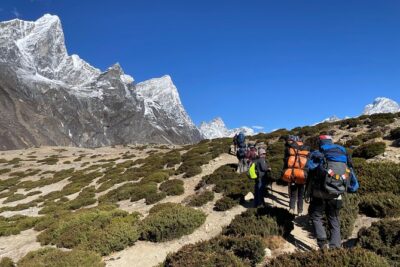
This section is a visual highlight. Ama Dablam, Nuptse, and Lhotse become major features as you walk beneath their slopes. The route ends in Dingboche, at 4,260 meters, where you spend the night in a tea house lodge.
Dingboche is an important staging point. You are now high enough that cold, thin air, and slower walking become part of the daily rhythm. The mountain views are superb, but the altitude deserves more respect than the scenery sometimes allows.
Day 6: Acclimatization in Dingboche
You spend another night in Dingboche for acclimatization. This pause breaks up the climb before Lobuche and the Everest Base Camp section.
For me, this is the second major strength of the schedule. The route does not simply race from Lukla to Base Camp. It builds in two nights at key elevations, which gives you a better chance to manage the climb steadily.
The tour information does not specify meals or a particular activity for this day. Use it to rest, stay hydrated, and follow your guide’s advice. The goal is not to fill every hour. The goal is to be ready for the higher trail.
Lobuche, Gorakshep, and the walk to Base Camp
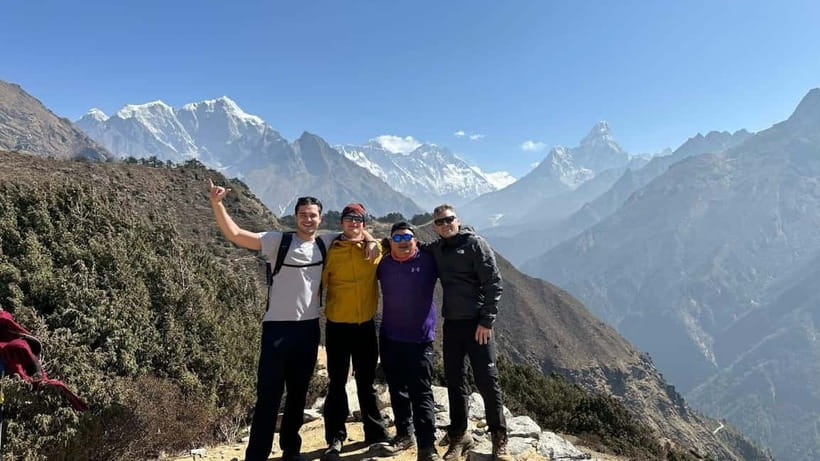
Day 7: Dingboche to Lobuche
The hike from Dingboche to Lobuche takes about 5.5 hours. You stop for lunch in Dugla before continuing to Lobuche, which sits at 4,930 meters.
At this elevation, the same distance feels harder than it would at home. You should expect a slower pace and a greater need for warm layers. The provided jacket and sleeping bag can be used if required or requested, and a duffle bag is also available.
Lobuche is a practical overnight stop before the biggest day of the trek. Do not judge your ability by how you felt in Kathmandu or Lukla. The high section is a different test.
Day 8: Lobuche to Everest Base Camp and back to Gorakshep
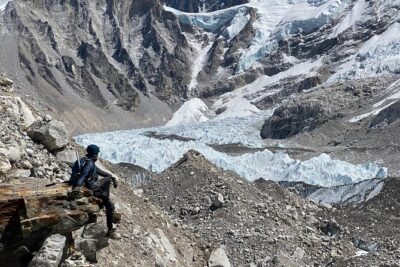
After breakfast, you walk from Lobuche to Gorakshep and then continue toward Everest Base Camp. The route follows rocky paths with views of the Khumbu glacier.
This is the emotional high point of the trip. Base Camp sits at 5,364 meters, and reaching it marks the completion of the route’s main objective. You then return to Gorakshep for the night rather than sleeping at Base Camp.
The return matters. Reaching the destination is only part of the day, and the altitude can make the walk back feel long. Keep your expectations realistic. This is not a quick photo stop beside a road. It is a high mountain walk on rocky ground.
Kala Patthar and the return through the Khumbu Valley
Day 9: Gorakshep to Kala Patthar, then Pheriche
You hike from Gorakshep to Kala Patthar, at 5,545 meters, before descending to Pheriche, at 4,243 meters. Kala Patthar is the highest point on the route and offers a major mountain viewpoint.
The itinerary describes this as a hike rather than a sightseeing transfer, so prepare for a demanding morning followed by a long descent. Reaching the highest point and then losing altitude is a sensible pattern, but your legs will know about it.
Pheriche provides a lower overnight stop after the Kala Patthar climb. That drop in elevation can feel welcome, though the day remains one of the hardest in the program.
Day 10: Down toward Tyangboche and Namche Bazaar
The schedule gives two descriptions for this day: a hike from Pheriche to Tyangboche, followed by a reference to Pheriche to Namche Bazaar. Because those are not the same overnight plan, you should confirm the exact day 10 route with Welcome Nepal Treks before departure.
That clarification is important. Pheriche to Namche is a substantial walking day, while Tyangboche is listed at 3,867 meters and Namche at 3,440 meters. Your guide will handle the final plan, but you should know where you are expected to sleep and how far you will walk.
The broad pattern is clear: you are descending through the valley, with less altitude stress than on the way up but plenty of trail underfoot.
Day 11: Namche Bazaar to Lukla
You continue from Namche Bazaar to Lukla and spend your final trekking night there. This is the last full walking day, and it gives you time to look back at the route from the high valley to the trailhead.
The itinerary assigns one day to this section. Your guide will set the pace and manage the route, but you should still be prepared for a long day on the trail. A porter is not included, although one can be added for an extra fee. One porter can assist with up to 25 kilograms for two guests.
Day 12: Lukla to Kathmandu
You take an early scenic flight from Lukla back to Kathmandu. A tour representative transfers you to your hotel, where you stay overnight.
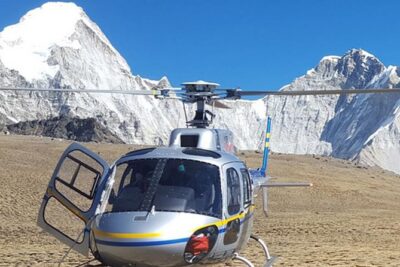
The return flight completes the transport loop, but it is wise to keep your wider travel plans flexible. The itinerary depends on domestic mountain flights, and a change in weather can affect operations. One recent departure required a switch from airplane to helicopter because of weather, and the change was handled professionally, but you should not build a tight international connection around the same day.
What the $1,002 price really covers
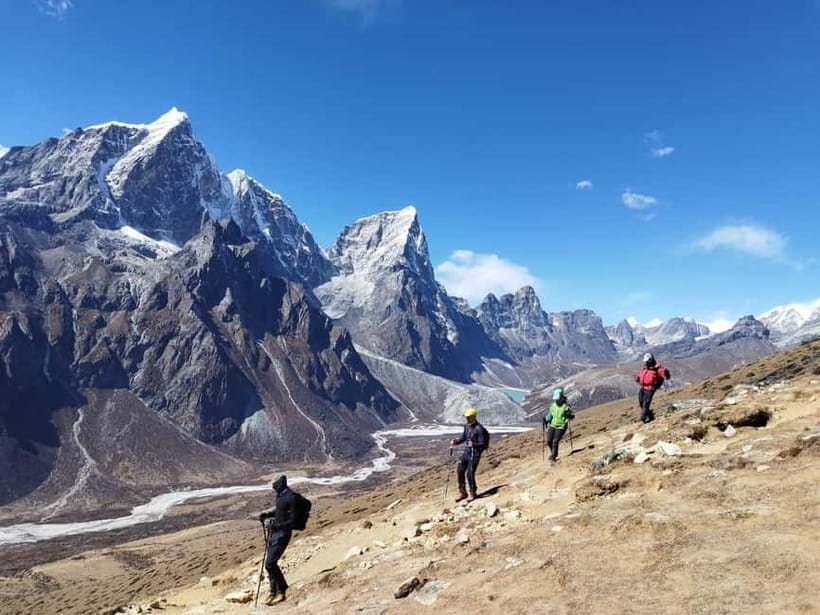
At $1,002 per person, the cost is attractive for a guided Everest Base Camp trek because several major expenses are already included. You receive airport pickup and drop-off in Kathmandu, domestic airport transfers, return flights between Kathmandu and Lukla, tea house accommodation, guide services, national park fees, the TIMS card, government taxes, VAT, and official service charges.
The guide’s salary, food, drinks, lodging, transport, and insurance are also covered. That removes a common source of confusion on a trek, since you are not expected to pay those guide costs day by day.
The price does not include standard meals. Breakfast, lunch, and dinner are extra, along with alcoholic and non-alcoholic drinks. Hot showers and internet also cost extra during the trek, and travel insurance is your responsibility.
I would compare this price by looking at the included flight and permits first. Those are not minor extras. You are also getting a small-group format capped at 15 people, rather than arranging every transfer and lodge yourself.
The main added cost to consider is a porter. If you do not want to carry your own bag, ask about adding one before arrival. The stated ratio is one porter for up to 25 kilograms shared between two people, so pack carefully and clarify the arrangement.
Guides, group size, and the human side of the trek
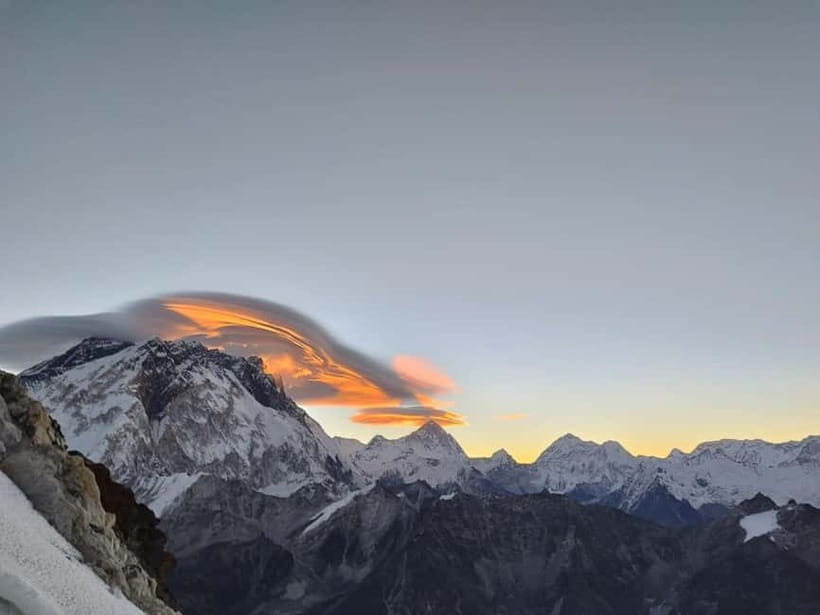
The tour uses English-speaking guides, and the group is limited to 15 participants. That is large enough to provide company but small enough for the guide to keep track of the group more easily than on a large departure.
Several guides are associated with recent departures. Padam is praised for humor, practical help, and keeping a participant calm in a demanding setting. Nishan is described as kind, attentive, and willing to adjust the trek to individual needs. Adhish helped make one departure fun, while Rohan was paired with porter Bahla on another highly successful trip.
You cannot assume a particular guide is assigned, so ask the operator if you want to request Padam, Nishan, Adhish, or Rohan. The useful point is that guide quality appears to be a central part of this experience, not an afterthought.
A guide is especially valuable here because the route combines altitude, changing weather, domestic flights, and basic lodging. One departure had to shift from airplane to helicopter due to weather, and the transport change was handled well. That kind of local support is one reason to choose a guided trek rather than a fully independent plan.
Comfort, packing, and daily costs
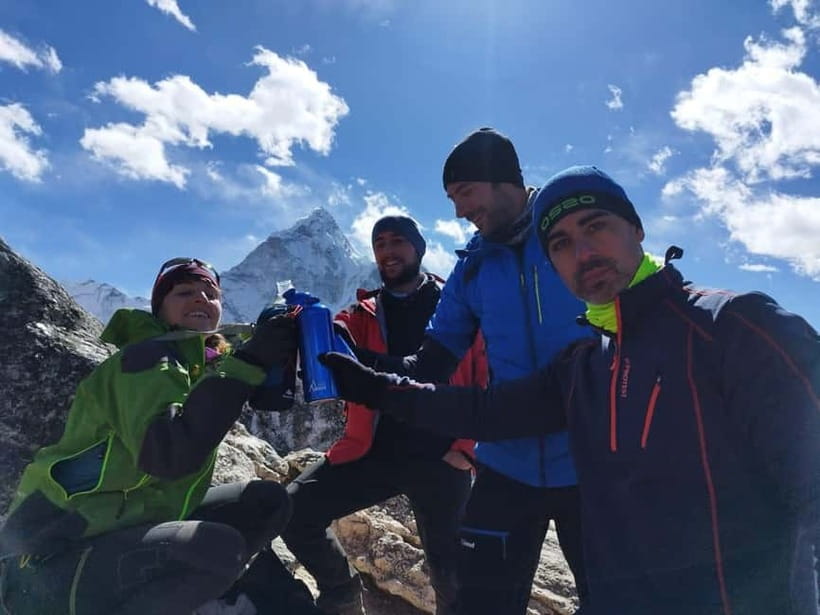
Tea houses are included, but you should picture simple mountain lodging rather than hotel comfort. You need to budget separately for meals, drinks, hot showers, and internet. Nights in December can be especially cold, so the loan jacket and sleeping bag may be useful.
Bring your passport, which is the only item specifically required in the supplied information. Large bags are not allowed, so use the provided duffle bag if needed and keep your personal kit compact.
Travel insurance is not included. For a high-altitude trek involving domestic flights, you should arrange your own suitable cover before departure. The supplied details do not specify what level of trekking or altitude protection that policy must include, so check the terms carefully rather than assume ordinary holiday insurance is enough.
The trek is not suitable for pregnant women, people with heart problems, or wheelchair users. Those restrictions reflect the altitude, terrain, and limited access along the route.
Who this Everest Base Camp trek suits best
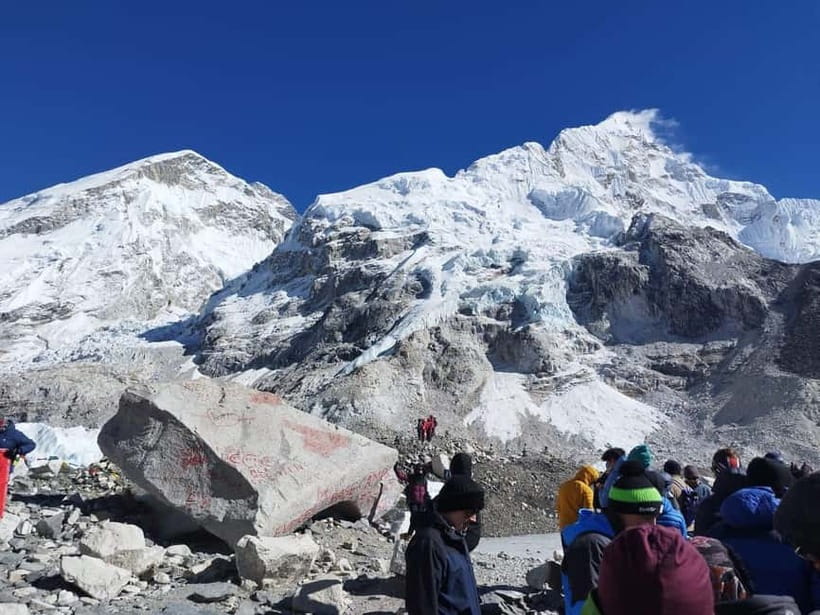
I would choose this trip if you want a guided route with the main logistics handled for you, but you are comfortable paying for meals and some comforts as you go. The two acclimatization days are a real advantage for someone who wants a more considered schedule than a rushed Base Camp attempt.
It suits people who can handle repeated walking days, steep or rocky trails, cold nights, and high altitude. You do not need luxury expectations, and you should be ready to carry at least some personal gear unless you add a porter.
I would think twice if you need guaranteed flight timing, private rooms, included meals, or a low-effort visit to Everest. The itinerary is physically serious, and the day 10 description needs clarification before you commit.
The experience has a perfect 5 rating from 26 bookings, with particular praise for organization, guide support, safety, humor, and quick handling of transport changes. I would treat that as encouraging evidence, while still paying attention to the practical limits: altitude, extra daily costs, basic accommodation, and weather-dependent flights.
Should you book it?
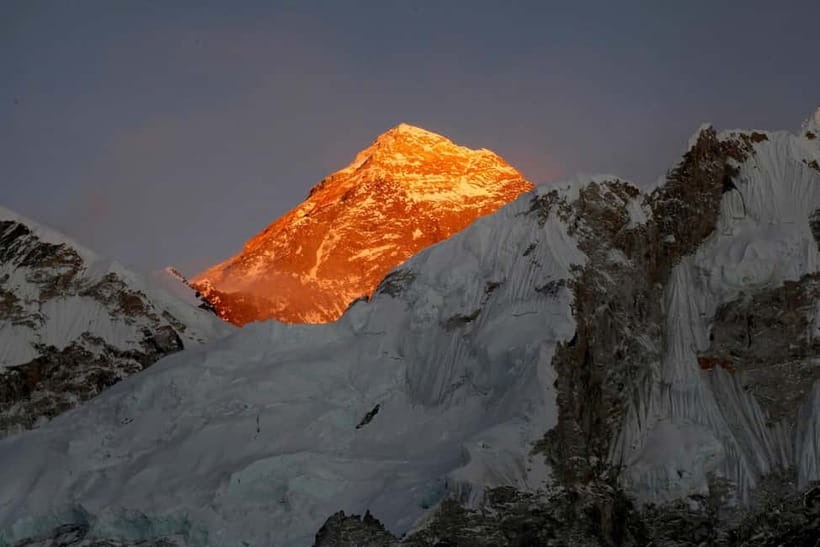
Book this 12-day trek if reaching Everest Base Camp is your priority and you want an experienced English-speaking guide, included Lukla flights, permits, tea house lodging, and airport transfers for $1,002 per person.
Before paying, confirm the day 10 overnight plan, ask which guide is assigned, check porter availability, and budget for food, drinks, showers, internet, and insurance. If you are fit, flexible, and ready for basic mountain conditions, this is a strong-value way to tackle the classic Everest Base Camp route.
FAQ
Is the flight from Kathmandu to Lukla included?
Yes. The price includes the return domestic flight between Kathmandu and Lukla, along with domestic airport pickup and drop-off.
Are airport transfers included?
Yes. Airport pickup and drop-off are included, and pickup is available from hotels in Kathmandu, Bhaktapur, and Lalitpur.
How high is Everest Base Camp on this trek?
Everest Base Camp is at 5,364 meters. Kala Patthar, visited the following day, is higher at 5,545 meters.
Are meals included?
No. Breakfast, lunch, and dinner during the trek are not included. Alcoholic and non-alcoholic drinks are also extra.
Where do you sleep during the trek?
You stay in lodges and tea houses during the trek. The package includes the accommodation.
Is a porter included?
No. Porter service costs extra. One porter can assist with up to 25 kilograms shared between two guests.
What equipment can be provided?
A jacket, sleeping bag, and duffle bag are available to use if required or requested.
Is travel insurance included?
No. You need to arrange and pay for your own travel insurance.
Can I cancel for a full refund?
Yes. You can cancel up to 24 hours in advance for a full refund. You can also reserve now and pay later.
Recently added around Kathmandu
- Kathmandu Airport Pickup and Drop-off Services★ 5.0 · 3 reviews
- Kathmandu Paragliding★ 5.0 · 3 reviews
- Explore The Beauty Of Langtang Valley In 8-Days Trek★ 5.0 · 3 reviews
- Kathmandu Chandragiri Cable Car and Swayambhunath Private Tour★ 5.0 · 3 reviews
- Kathmandu: Nightlife and Pub Crawl Tour★ 5.0 · 3 reviews
- Kathmandu: Momo Making Class with a Local Chef★ 5.0 · 3 reviews
- Mountain Flight Experience in Nepal★ 4.5 · 3 reviews
- Everest Base Camp Trek★ 5.0 · 3 reviews
Other Everest Base Camp Treks worth a look
Everest Base Camp Helicopter Tour landing at Everest View Hotel
Read our review →
Everest Base Camp Helicopter Tour landing at Hotel Everest View
Read our review →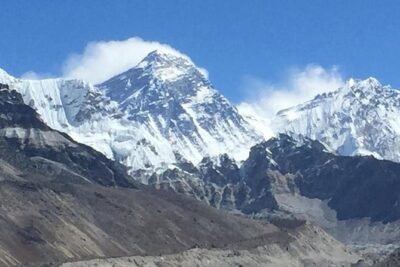
This tour also appears in