
REVIEW · KATHMANDU TOURS
From Kathmandu: 5-Day Gosaikunda Lake Trek
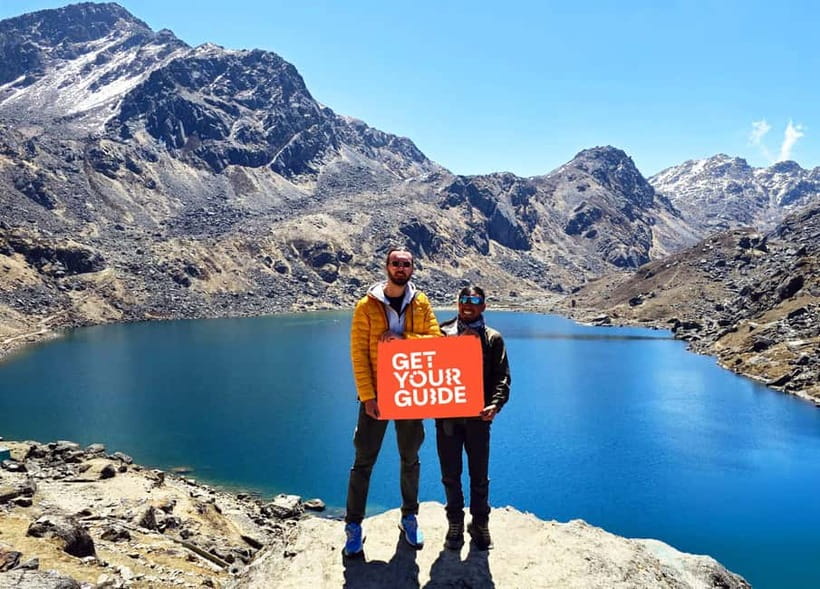
Gosaikunda is the prize here: a sacred, high-altitude lake reached by a short but demanding route from Kathmandu. You climb through Langtang National Park to 4,380 meters, where Gosaikunda, Bhairav Kunda, Chandra Kunda, and Saraswati Kunda sit beneath views of the Langtang range.
I like the efficient five-day plan and the small group size, capped at 14 people. I also like the practical gear loan, including a down jacket, sleeping bag, and trekking poles. The catch is the pace: you go from a long road journey on day one to steep altitude gains on day two, so this is not a gentle introduction to Nepalese hiking.
Key points to know before you book
- Gosaikunda reaches 4,380 meters: The lake day is the physical and scenic high point of the trek.
- Day two is steep: You climb from Deurali toward Laurebina at 3,910 meters.
- The road transfer takes five to six hours: The first and last days include bus travel between Kathmandu and Dhunche.
- Mountain guesthouses keep the plan simple: You spend four nights in basic guesthouse accommodation.
- Useful gear is available to borrow: A sleeping bag, down jacket, trekking poles, and water purification tablets are provided as needed.
What this Gosaikunda trek is really like
This is a compact Himalayan trek with very little wasted time. You leave Kathmandu by road, walk to Deurali the same day, climb hard on day two, reach Gosaikunda on day three, then return to Dhunche before riding back to the capital.
That design makes the trip appealing if you have limited time in Nepal. You do not need to commit to a much longer route, yet you still get mountain villages, forest paths, high alpine lakes, and views toward the central Himalayas.
The trade-off is effort. At 4,380 meters, Gosaikunda is high enough for altitude symptoms to matter. The itinerary gives you one night at Laurebina before the lake visit, but you should still walk at a steady pace, drink regularly, and tell your guide if you develop a headache, nausea, unusual tiredness, or breathing trouble.
The experience is guided, not independent. That matters on a route where weather, steep sections, and altitude can change the feel of the day. Guides such as Ohm, Terence, and Raj have been praised for keeping people informed, adjusting plans when needed, and placing safety first. Your own guide will depend on the departure.
More Hiking Tours in Kathmandu
- Everest Base Camp Trek – 14 Days
★ 5.0 · 1,499 reviews - Everest Base Camp Trekking
★ 5.0 · 485 reviews - Nagarkot Sunrise View and Day Hiking from Kathmandu
★ 5.0 · 471 reviews
Day one: Kathmandu to Dhunche, then Deurali at 2,790 meters
Your hotel pickup starts the trip early in practical terms, though the exact departure time depends on availability. You are taken to the bus departure point and begin the five to six-hour ride to Dhunche.
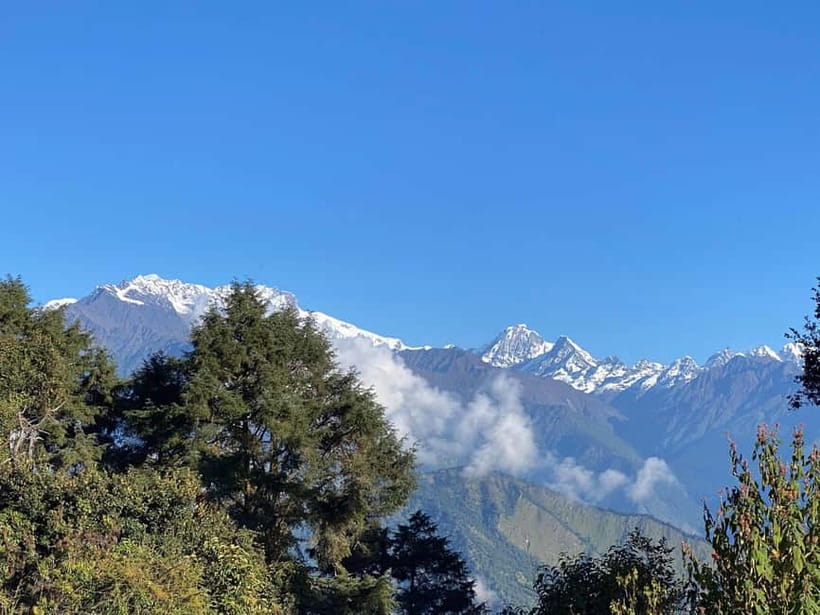
The drive is not just a transfer. From the bus window, you can see green hills, terraced fields, and distant snowy peaks, including views toward Manaslu, Ganesh, and Langtang. It gives you a first look at the changing terrain before you start walking.
Dhunche is the roadhead and the starting point of the trek. After a short break, you walk for about two hours to Deurali, at 2,790 meters. This first hike is brief compared with the following days, but it is useful because it gets your legs moving after a long bus ride.
You sleep in a mountain guesthouse at Deurali. Expect simple accommodation rather than hotel comfort. The supplied information does not promise private rooms, though one couple reported having private rooms throughout their trip. That may depend on availability and group arrangements, so ask before booking if room privacy matters to you.
The main concern on day one is the combination of road fatigue and immediate altitude gain. Bring water, keep your daypack easy to reach, and do not spend the ride in heavy clothing only to begin the walk overheated.
Day two: The steep climb to Laurebina at 3,910 meters
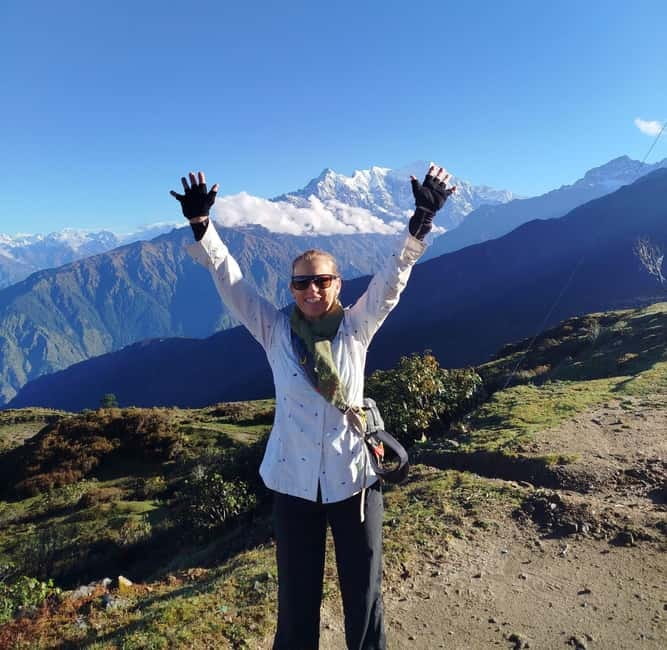
After breakfast and a briefing from your guide, you head toward Laurebina through Chandanbari. This is the first serious walking day, with a steep ascent on an uphill trail.
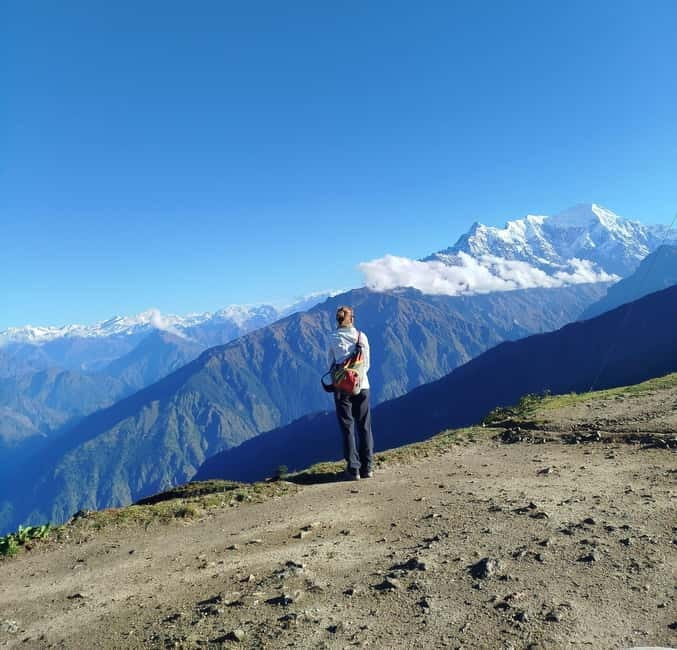
The route passes through forest and mountain terrain, with the surroundings changing as you gain height. The attraction is not one single sight. It is the gradual shift from lower wooded slopes toward the open, colder country around Laurebina.
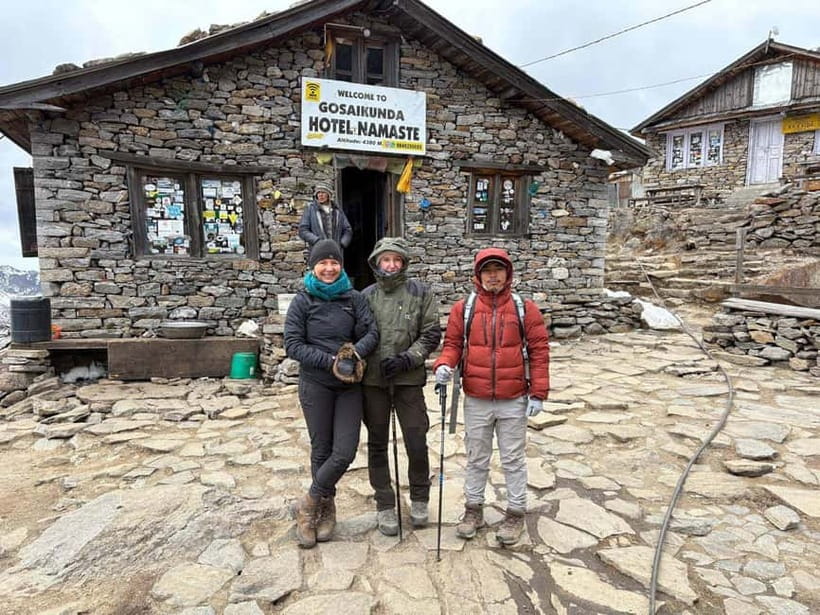
At 3,910 meters, Laurebina is already high. The distance may look manageable on a map, but the climb can feel demanding because of the altitude. You should treat this as an acclimatization day, not a race. A guide who gives clear briefings is especially useful here, since you need to understand the plan and the expected pace before the climb begins.
You spend the night in a guesthouse at Laurebina. This overnight stop is one of the most important parts of the schedule because it places you close to Gosaikunda before the main visit. It also means you are sleeping high, so pay attention to how your body feels.
The loaned sleeping bag can be a real help in mountain accommodation. The operator also lists a down jacket and trekking poles, all useful on a route where nights are cold and some slopes are steep. Confirm the collection and return arrangements with the company before departure, and bring your own warm layers as a backup.
Day three: Gosaikunda Lake and the surrounding alpine lakes
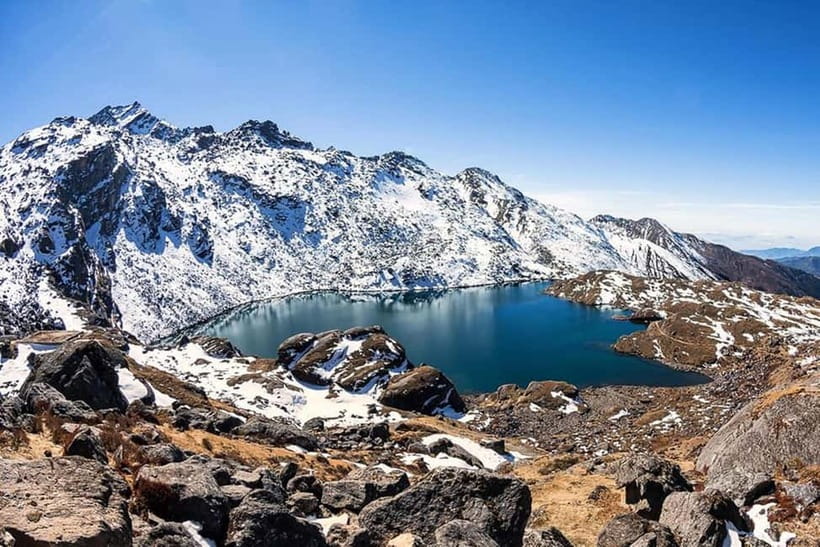
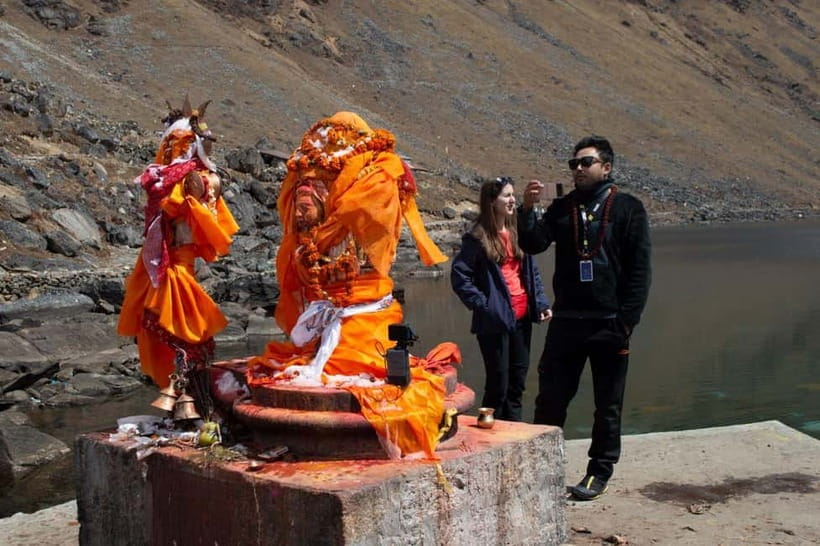
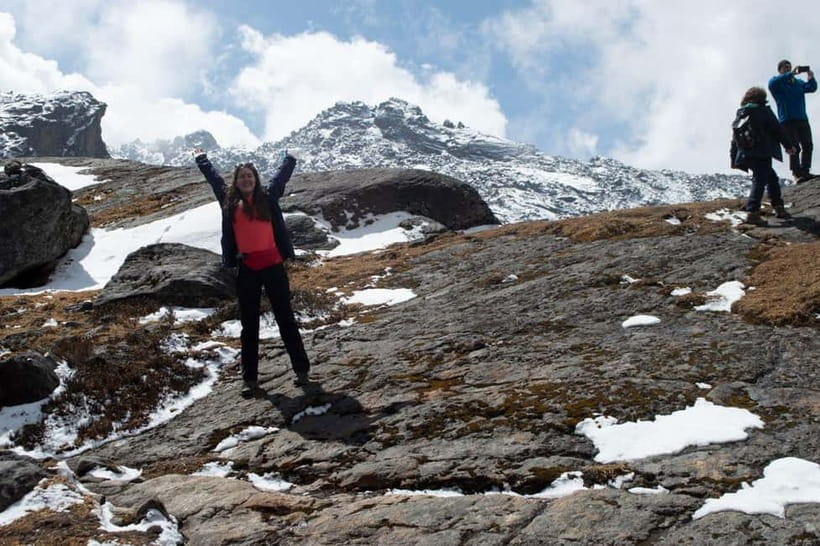
The third day is the reason to choose this route. From Laurebina, you walk to Gosaikunda, an alpine freshwater lake at 4,380 meters inside Langtang National Park.
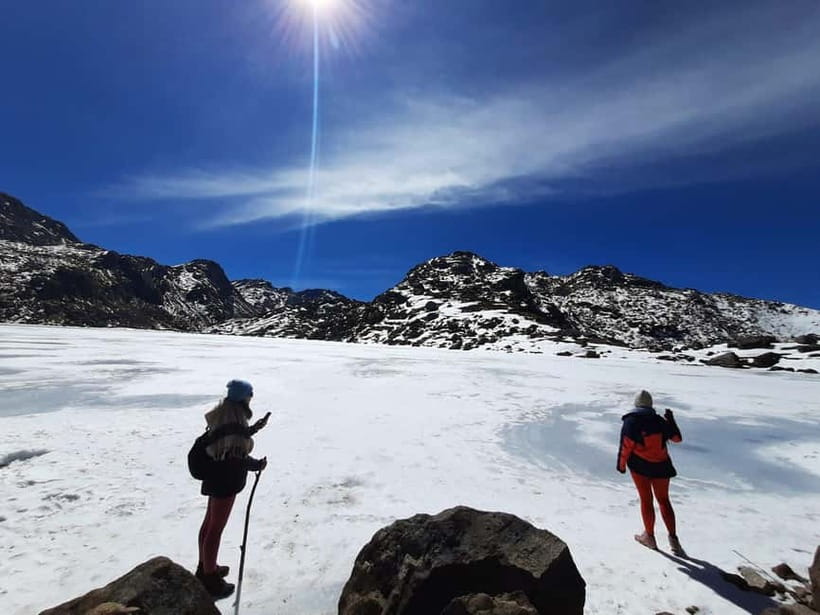
Gosaikunda is sacred and remains frozen during winter. When the ice melts, its water feeds the Trishuli River. That detail gives the lake more meaning than a scenic finish line. You are seeing a high mountain water source that also holds an important place in Nepalese religious culture.
The walk also includes other lakes in the area, including Bhairav Kunda, Chandra Kunda, and Saraswati Kunda. The exact time spent at each place is not specified, so do not expect a formally timed circuit unless your guide confirms one. The clear reward is the cluster of high lakes and the view of the Langtang range behind them.
This is the day to keep your expectations realistic. The altitude can make a moderate distance feel hard, and the route may be cold or exposed. You should carry only what you need, protect your camera and phone from moisture, and bring cash for personal expenses.
After exploring the lake area, you return to Laurebina for the night. That out-and-back design is useful because you do not have to carry all your belongings to a new lodge. It also gives you a familiar place to rest after the highest point of the trek.
The guide’s role is especially important here. Ohm has been singled out for encouragement, interesting facts, and playful video work, while Terence and Raj have been praised for clear communication and careful support. Those personal touches can make a hard high-altitude day feel more manageable, but the basic conditions remain demanding.
A different kind of day from the same base:
- Private Kathmandu Sightseeing Tour | UNESCO World Heritage sites
★ 5.0 · 756 reviews - Everest Base Camp Helicopter Tour landing at Everest View Hotel
★ 5.0 · 668 reviews - Half day cooking class in Thamel kathmandu
★ 5.0 · 607 reviews - Kathmandu: Full Day 7 UNESCO Tour with Lunch – Private/Group
★ 5.0 · 415 reviews
Day four: Forest descent to Dhunche
The fourth day changes the mood. Instead of climbing toward the lake, you descend toward Dhunche through rhododendron, pine, and bamboo forest.
The forest is a welcome contrast to the bare high country around Gosaikunda. You get shade, changing plant life, and a closer look at the natural side of Langtang National Park. The route also includes a river crossing and another descent through dense woodland before reaching Dhunche.
Downhill walking sounds easy, but it can be rough on knees and ankles after the high point. Trekking poles are useful here, particularly on uneven ground. Comfortable shoes with good grip matter more than appearance.
You spend the fourth night in Dhunche. This stop breaks up the return trip and avoids trying to complete the full drive to Kathmandu after a long descent. It is a sensible finish to the walking section, though you should still expect tired legs.
The national park is one of the trip’s strongest features. You are not simply walking to a lake and back. You pass through several plant zones and may see wildlife, though specific animals are not guaranteed. The value is in the protected setting, the forests, and the way the route links local communities with high mountain terrain.
Day five: The bus back to Kathmandu
After breakfast, you board the bus for the return journey to Kathmandu. The drive follows the same general road connection between Dhunche and the capital, and the trip ends with a transfer from the Kathmandu bus station back to your hotel.
Do not treat this as a sightseeing day with a flexible schedule. Road travel in the hills can be tiring, and the journey takes time. Keep water and snacks close, and put your passport, phone, cash, and other essentials in your daypack rather than buried in a duffel.
The hotel pickup and drop-off are included, but you need to wait in your hotel lobby or at the main entrance of your apartment gate five minutes before departure. Give the company a copy of your passport and a recent passport photo at least one day before the trek. These documents are needed for the trekking permits.
What the $179 price gives you
At $179 per person, this is a low-cost way to reach a high Himalayan lake with organized support. The value comes from several items that can add up when arranged separately: Kathmandu transfers, bus transport to and from Dhunche, four nights of guesthouse accommodation, a licensed guide, permits, TIMS registration, government charges, and first-aid support if needed.
The package also lists a down jacket, sleeping bag, trekking poles, and water purification tablets for borrowing or use as required. A duffel bag is available when you choose the porter option. These details make the price more useful for people who do not own high-altitude gear.
Check the meal option carefully. The all-inclusive option includes four breakfasts, five lunches, and four dinners. The budget option does not include meals, and personal expenses are excluded. Porter service is an add-on, and travel insurance is not included.
The small group limit of 14 is another reason the price works well. You get the cost advantage of a group trip without the scale of a large coach tour on the trail. Still, a small group does not guarantee a private room or a custom pace. Ask about those points before you pay if they affect your decision.
Guides, group size, and the human side of the trek
A short trek can feel rushed when the guide gives little explanation. This trip benefits from the guide briefing you each morning and explaining the day ahead.
English, Hindi, and Icelandic are listed as guide languages. The individual guides connected with previous departures include Ohm, Terence, and Raj. Their reported strengths include safety awareness, clear updates, regional information, encouragement, and help with planning during the walk.
I would pay close attention to communication before setting off. You should know where you are sleeping, what the day’s climb involves, and what to do if you feel unwell. On a high route, a friendly guide is welcome, but a guide who watches the group and communicates clearly is more important.
The company also provides a T-shirt, permits, first aid if needed, and the required taxes and service charges. These are small practical points, yet they reduce the number of tasks you must handle in Kathmandu.
Who should choose this trek?
This route suits fit adults and older children who are comfortable with steep mountain walking. Children under 10 are not accepted, and the trip is not suitable for people with mobility impairments or people over 140 kilograms.
Choose it if you want:
- A five-day route from Kathmandu
- A high-altitude lake rather than a long village-to-village trek
- Forests, alpine scenery, and Langtang mountain views
- A guide and organized permits
- Basic guesthouses instead of camping
- A small group with equipment available to borrow
Think twice if you want a relaxed holiday, dislike long bus rides, or have no experience with sustained uphill walking. The route is short in calendar time, but it is intense because it reaches 4,380 meters quickly.
You also need travel insurance that covers trekking and high altitude. The package recommends insurance but does not provide it. Personal expenses are not covered, so carry cash as requested.
Practical packing advice for Gosaikunda
Bring your passport, camera, and cash. Beyond that, pack for cold nights, steep trails, and changing conditions.
Even with the listed loan gear, I would bring warm base layers, a fleece or insulated layer, waterproof outerwear, gloves, a warm hat, sturdy walking shoes, socks, sunscreen, sunglasses, and a headlamp. The supplied information does not list these items, but they are sensible personal additions for a high mountain trek.
Use a small daypack for water, snacks, rain protection, documents, and medication. If you choose the porter add-on, the operator provides a duffel bag. Keep valuables and anything you need during the day with you.
Alcohol and drugs are not allowed. Baby carriages are not suitable for this route, and bare feet are prohibited. Those rules are simple, but they underline the nature of the experience: this is a proper mountain trek, not a roadside excursion.
Should you book the five-day Gosaikunda route?
I would choose this trek if you want a short, organized route from Kathmandu and your main goal is to stand beside a high sacred lake. The combination of Gosaikunda, nearby lakes, Langtang views, and national park forest gives you a lot in five days.
The strongest reasons to book are the included permits, guide, transport, guesthouse nights, and borrowed gear. The main reasons to hesitate are the steep second day, the 4,380-meter altitude, basic accommodation, and long bus journeys.
Book it with enough time to prepare your fitness and insurance. Send the passport copy and photograph before departure, confirm your meal plan and porter choice, and ask what gear sizes are available. If you accept the physical challenge, this is a practical, fairly priced way to reach Gosaikunda without giving up a full week or more of your Nepal trip.
FAQ
How high is Gosaikunda Lake?
Gosaikunda Lake is at 4,380 meters. Laurebina, where you spend the night before the lake visit, is at 3,910 meters.
How long is the Gosaikunda trek?
The organized experience lasts five days. It includes travel by bus between Kathmandu and Dhunche, with walking from Dhunche to the mountain guesthouses and Gosaikunda.
Is transportation from Kathmandu included?
Yes. Hotel pickup and drop-off are included, along with bus transportation between Kathmandu and Dhunche.
Are meals included?
Meals are included with the all-inclusive option: four breakfasts, five lunches, and four dinners. Meals are not included with the budget option.
What equipment can I borrow?
The operator lists a down jacket, sleeping bag, and trekking poles. Water purification tablets are also supplied as needed. A duffel bag is available with the porter option.
What documents are needed before the trek?
You must provide a copy of your passport and a recent passport-sized photograph at least one day before departure. These are used to process the trekking permits.
More 5-Day Experiences in Kathmandu
- Annapurna base camp trek 5 Days
★ 5.0 · 252 reviews - Kathmandu to Annapurna Base Camp (ABC) 5-Day Trek
★ 5.0 · 102 reviews - 5 Day Private Guided Trekking in Annapurna Base Camp
★ 5.0 · 25 reviews - 5-Day Sunrise Tour in Kathmandu Near Everest
★ 5.0 · 12 reviews
Recently added around Kathmandu
- Kathmandu Airport Pickup and Drop-off Services★ 5.0 · 3 reviews
- Kathmandu Paragliding★ 5.0 · 3 reviews
- Explore The Beauty Of Langtang Valley In 8-Days Trek★ 5.0 · 3 reviews
- Kathmandu Chandragiri Cable Car and Swayambhunath Private Tour★ 5.0 · 3 reviews
- Kathmandu: Nightlife and Pub Crawl Tour★ 5.0 · 3 reviews
- Kathmandu: Momo Making Class with a Local Chef★ 5.0 · 3 reviews
- Mountain Flight Experience in Nepal★ 4.5 · 3 reviews
- Everest Base Camp Trek★ 5.0 · 3 reviews
Other Kathmandu Tours worth a look


Private Kathmandu Sightseeing Tour | UNESCO World Heritage sites
Read our review →
Everest Base Camp Helicopter Tour landing at Everest View Hotel
Read our review →


Nagarkot Sunrise View and Day Hiking from Kathmandu
Read our review →
Full Day 7 UNESCO Tour with Lunch – Private/Group
Read our review →
This tour also appears in