
REVIEW · EVEREST BASE CAMP TREKS
From Kathmandu: Guided Everest Base Camp Trek
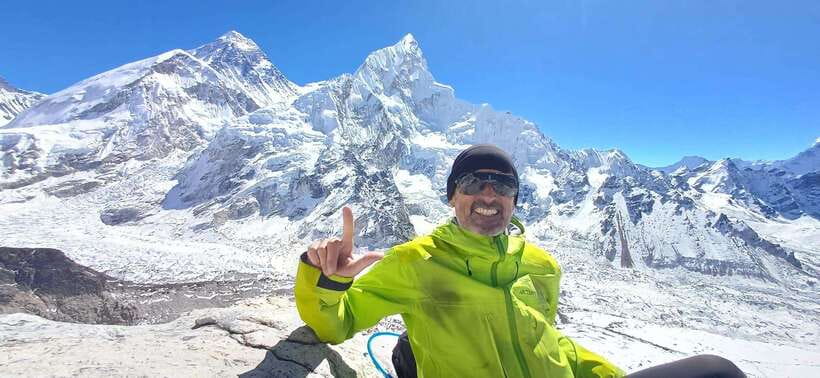
The great prize here is not just reaching Everest Base Camp at 5,365 meters. It is the steady change from green valleys and suspension bridges to ice, rock, and giant peaks, with Sherpa villages and Buddhist monasteries along the way. I like the built-in acclimatization days in Namche Bazaar and Dingboche, and I like that the trek includes Sagarmatha National Park, a UNESCO World Heritage site. The main caution is simple: this is a hard trek at high altitude, not a sightseeing walk.
I also like the close support described by the guides. Saran has helped tired trekkers with heavy packs, photos, and careful checks on their health, while Prayas has provided strong English and medical help when a participant became ill. The price of $408 per person looks attractive, but check exactly which flight, food, and accommodation options are included before you pay.
Key points to know before you book
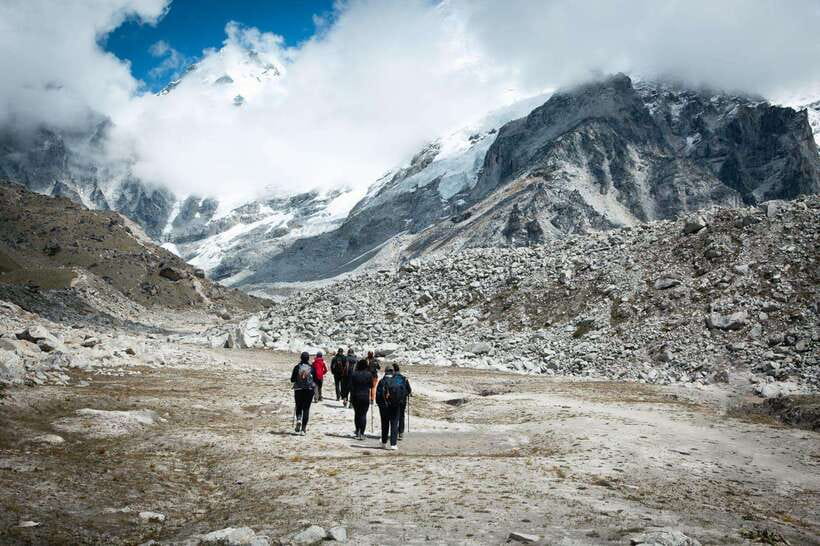
- Kala Patthar is the sunrise viewpoint: At 5,545 meters, this is the highest point on the route and offers one of the closest views of Everest.
- Two acclimatization days are built in: You spend a rest day in Namche Bazaar and another in Dingboche, which matters greatly at altitude.
- The support is personal: Guides including Saran and Prayas are praised for clear communication, health checks, and help during difficult sections.
- Tengboche adds a cultural stop: The Buddhist monastery gives the trek more depth than a simple mountain hike.
- The $408 price needs checking: Domestic flights, full-board meals, and other options may affect the final cost.
- The return is still demanding: After Base Camp and Kala Patthar, you continue on foot to Namche and Lukla before flying back.
Why this 12-day Everest route works
An Everest Base Camp trek needs more than dramatic views. It needs a sensible pace, time for your body to adjust, and a guide who can notice when you are struggling. This route gives you two planned rest days, one in Namche Bazaar and one in Dingboche, instead of rushing straight upward.
You start in Kathmandu and fly to Lukla if the flight option is selected. From there, the route follows the Khumbu region toward Phakding, Namche, Tengboche, Dingboche, Lobuche, Gorak Shep, and Base Camp. The return follows a faster line back to Lukla, with a final flight to Kathmandu on day 12.
I see this as a good format for someone who wants a guided route with the major landmarks included, but who does not want a very long expedition. The days are still physically demanding, and the high point at Kala Patthar is higher than Everest Base Camp itself.
More Hiking Tours in Kathmandu
- Everest Base Camp Trek – 14 Days
★ 5.0 · 1,499 reviews - Everest Base Camp Trekking
★ 5.0 · 485 reviews - Nagarkot Sunrise View and Day Hiking from Kathmandu
★ 5.0 · 471 reviews
Day 1: Lukla to Phakding begins the mountain walk
The first day starts with the flight from Kathmandu to Lukla, followed by a trek to Phakding at about 2,610 meters. The flight is included only if you select the relevant option, so this is one of the first details to confirm.
Phakding is a gentle opening to the route compared with the higher days ahead. You get your first proper taste of walking between mountain settlements, rather than spending the day on transport. Accommodation is provided during the trek, though the supplied details do not name individual lodges.
This short first stage also gives you time to settle into the rhythm of carrying your day pack, walking on uneven trails, and staying at altitude. Do not treat it as a warm-up that proves the rest will be easy. The real strain arrives as the route climbs.
Day 2: The long approach to Namche Bazaar
The trek to Namche Bazaar reaches about 3,440 meters. Namche is often called the gateway to the Everest region, and here the route begins to feel much more serious.
You pass through the scenery of Sagarmatha National Park, with mountain views, rocky trails, and changing vegetation. The park is home to Himalayan wildlife such as musk deer, Himalayan tahrs, and the rare snow leopard, although seeing these animals is not promised.
Namche itself is an important stop because it is both a mountain town and an acclimatization base. You can look around local shops, see crafts, and get your first strong sense of Sherpa culture. This is also where you should pay attention to how your body feels. Headaches, unusual fatigue, or nausea should be discussed with your guide rather than brushed aside.
Day 3: A useful acclimatization day in Namche
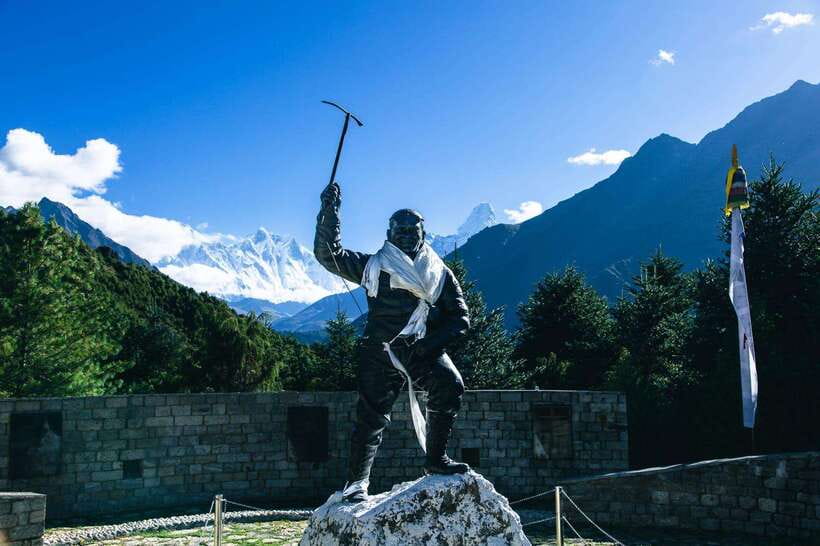
The rest day in Namche is one of the best features of the plan. It is not wasted time. It gives your body a chance to adjust before the trail climbs higher.
The exact activities for this day are not specified, so you should ask your guide what the group will do. You can expect time in Namche and the surrounding viewpoints, with opportunities to learn more about the area and Sherpa life.
I especially value this pause because the next stages rise steadily. A schedule that looks fast on paper becomes more manageable when it includes time to stop. The guide’s role matters here: Saran is described as checking carefully on physical condition, and that kind of attention is more useful than simply pushing the group onward.
More Everest Base Camp Treks in Kathmandu:
- Everest Base Camp Helicopter Tour landing at Everest View Hotel
★ 5.0 · 668 reviews - Everest Base Camp Trekking – 13 Day
★ 5.0 · 365 reviews - Everest Base Camp Trek -14 Days
★ 5.0 · 321 reviews - Everest Base Camp Helicopter Tour landing at Hotel Everest View
★ 5.0 · 218 reviews
Day 4: Tengboche combines peaks and prayer
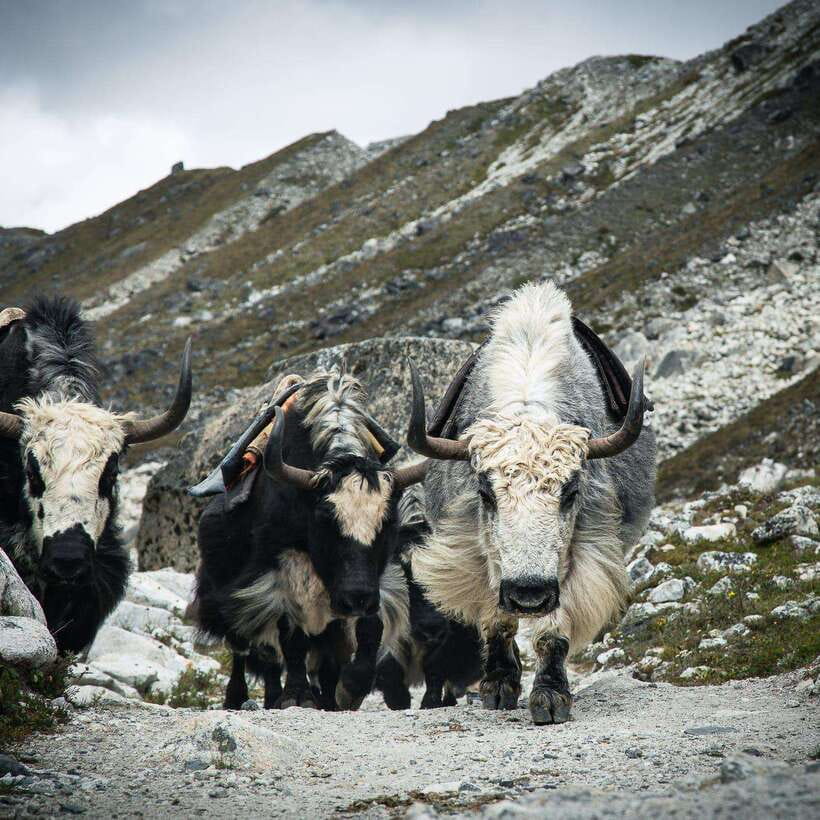
The route continues to Tyangboche, also written as Tengboche, at roughly 3,800 meters. This is one of the most memorable stops because the Buddhist monastery sits among wide mountain views.
The monastery offers a chance to witness Buddhist prayer and daily rituals. The supplied information refers to prayer areas and ceremonies, but it does not promise a special festival or a particular ceremony on your date. If you want to attend prayers, ask your guide what is taking place during your visit and behave quietly inside the religious site.
Tengboche gives the trek a human and spiritual side. You are not only walking toward a famous mountain. You are passing through villages shaped by Sherpa traditions, monasteries, and a high-altitude way of life.
Day 5: Dingboche and the first serious altitude test
The trail reaches Dingboche at about 4,400 meters. At this height, the cold, thin air, and repeated climbs can make ordinary walking feel slow.
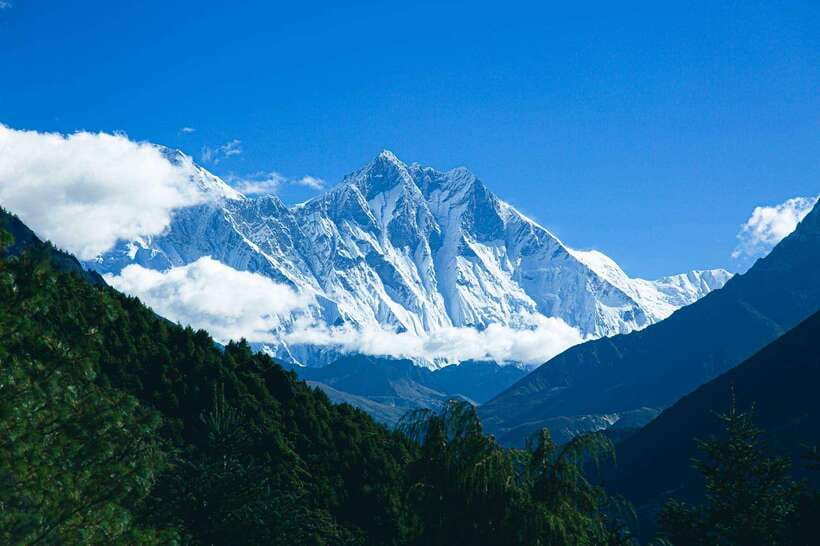
The reward is a more rugged setting, with broad mountain views and the high peaks becoming more dominant. Ama Dablam, Lhotse, Nuptse, and Everest are among the major peaks visible along the route, although the exact view depends on weather and position.
Dingboche is also where the schedule gives you another full rest day. That is good planning. You should use it for recovery, careful eating, drinking, and checking in with your guide. Do not assume fitness alone protects you from altitude problems. This is the point where a friendly, attentive guide can make a real difference.
Day 6: Rest in Dingboche before the upper Khumbu
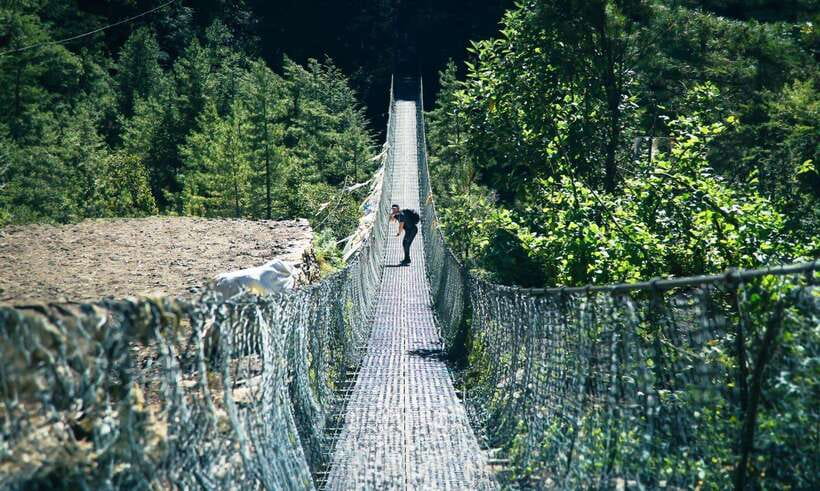
The second acclimatization day is in Dingboche. Again, the activity plan does not specify a particular excursion, so the day may be organized around rest and short movement near the settlement.
The important thing is the timing. From Dingboche onward, you climb to Lobuche, Gorak Shep, and Base Camp, with much less room for your body to adjust. A rest day here helps break up the upward push.
This is also a good point to review your equipment and pack weight. One solo participant described becoming too tired to continue comfortably and receiving help from the guide, including carrying a heavy pack. That is reassuring, but it should not be your plan. Pack light, and be honest about what you can carry.
Day 7: Lobuche brings rock, ice, and thin air
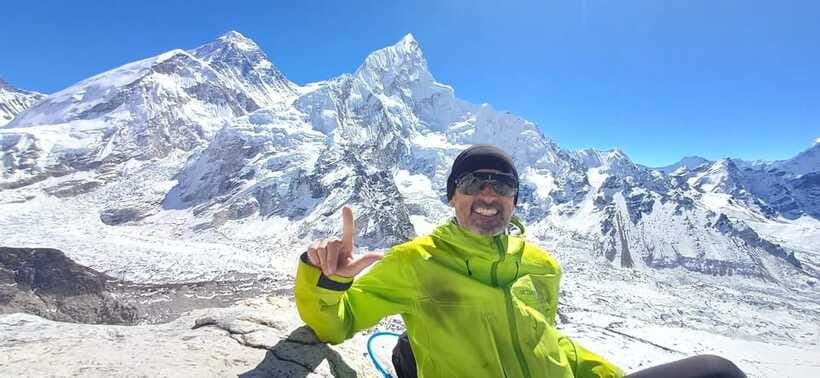
The trek to Lobuche rises to around 4,900 meters. By now, the route feels far removed from the lower villages and forests.
The scenery becomes harsher, with rocky trails, glacial terrain, and high mountain walls. The description of the trek includes challenging ascents and descents, suspension bridges, and rough paths, so sturdy footwear and a steady pace matter.
Lobuche is a practical overnight stop before Gorak Shep. You should expect a demanding day, not a relaxed scenic stroll. If you are struggling with breathing, balance, or severe fatigue, tell the guide immediately. The itinerary has a goal, but safety should decide how far you continue.
Day 8: Gorak Shep and the walk to Everest Base Camp
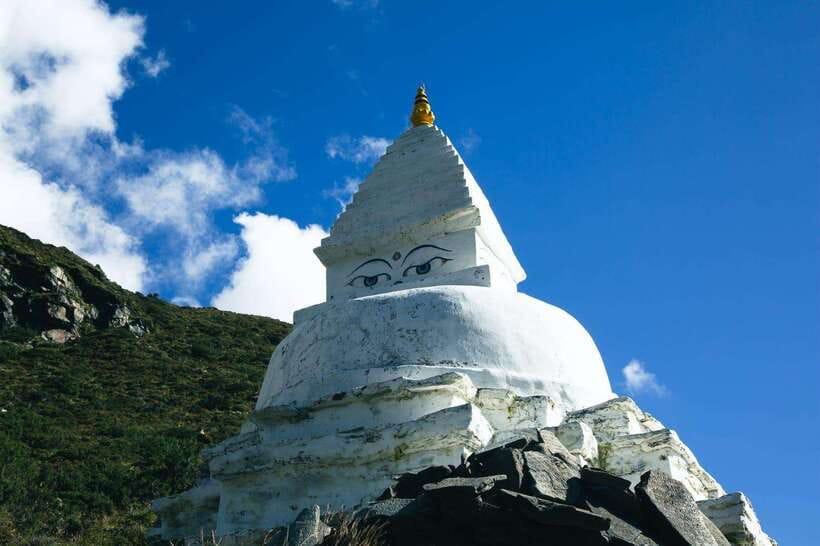
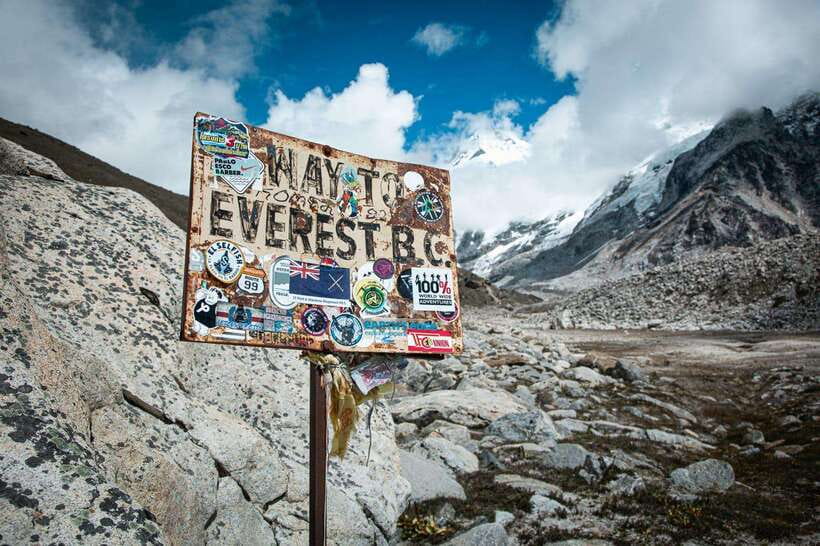
The route reaches Gorak Shep at about 5,150 meters before continuing to Everest Base Camp at approximately 5,365 meters. Gorak Shep is the final settlement before Base Camp, making it an important staging point for the day’s main achievement.
The walk to Base Camp crosses rugged high-altitude ground. You see the Khumbu Icefall and surrounding glaciers, along with the peaks that have accompanied you since the lower valley. Reaching the camp gives you a strong sense of progress, even though the summit of Everest is not the point of this trek.
Keep your expectations realistic. Everest Base Camp itself is not described as a permanent city or a comfortable viewing platform. Conditions can be rough, and the view may change with cloud, season, and expedition activity. Still, standing at the foot of the mountain’s climbing route is a powerful moment.
The food and drink arrangement is another detail to check. They are included if you select the full-board option, but the base price may not represent every meal plan.
Day 9: Kala Patthar, then the descent to Pheriche
Day 9 is arguably the visual high point. You climb Kala Patthar at about 5,545 meters, then descend to Pheriche at roughly 4,200 meters.
Kala Patthar is higher than Base Camp and is valued for its close view of Everest and the surrounding peaks. The schedule describes a sunrise visit, which means an early start and very cold conditions are possible. The exact sunrise timing is not supplied, so your guide will need to confirm it.
This is a tough morning. You have already walked to Base Camp, and the altitude is extreme. The descent to Pheriche provides welcome relief, but it is still a long day. I would not choose this trek if you want a gentle high-country holiday. I would choose it if the chance to see Everest from Kala Patthar matters enough to justify a demanding week.
Days 10 and 11: Retracing the route to Namche and Lukla
Day 10 takes you back to Namche Bazaar at 3,440 meters. The return can feel easier because you are losing altitude, but the trail still includes descents, uneven ground, and long hours on foot.
Returning through Namche gives you another chance to see the town and take stock before the final push. The route then continues to Lukla on day 11, reaching about 2,800 meters.
The return is less glamorous than the ascent, but it is part of the real experience. Your legs may be tired, and a porter or guide can be particularly useful if you become ill or cannot manage your pack. One participant received medical assistance and porter support near the end, which shows why the provider’s contact and guide support are valuable.
Day 12: Flying back to Kathmandu
The final day is the return flight from Lukla to Kathmandu. The domestic flight is included only when the flight option is selected, so confirm this before comparing the price with other tours.
The flight brings a quick end to a route that has taken you from the lower valleys to the edge of the world’s highest peaks. The package includes hotel pickup and drop-off, plus welcome and farewell coffee, which can make the arrival and departure days easier.
The schedule does not give a flight time or explain how delays are handled. Ask the provider about current flight arrangements and how much flexibility you should leave in your wider Nepal plans.
What the guides add to the experience
The strongest part of this trek is the human support. Saran is praised for helping with heavy bags, offering repeated assistance on steep climbs, checking health each day, taking photos and videos, and communicating well with a participant who was not confident in English.
Prayas is also described as helpful, with good English and practical assistance when a solo participant became ill. Rajesh handled trip preparation by answering questions through WhatsApp and explaining what equipment was needed well before departure.
That support matters more here than on an ordinary city tour. At high altitude, you need someone who can communicate clearly, watch for changes in your condition, and help adjust the plan when required. The information does not promise that every departure will have the same guide, so ask who will lead your group.
Price, inclusions, and what to confirm
At $408 per person, the advertised price is appealing for a 12-day guided trek. The package includes accommodation during the trek, a guide, the guide’s food and accommodation, the Sagarmatha National Park permit, a trekking map, a first-aid kit, and hotel pickup and drop-off.
That is good value if the flight and meal options you need are included. Round-trip Kathmandu to Lukla flights are included if you select that option, and food and drinks are included if you select full board. Those conditions can change the real price, so do not compare the $408 figure with an all-inclusive trek until you know what you are receiving.
Nepal’s visa fee and travel insurance are not included. Insurance is especially important for a high-altitude trek, although the supplied details do not specify coverage limits or evacuation arrangements. Ask those questions before booking.
The experience has a five-star rating based on six reviews, with praise focused on organization, guide support, communication, and the mountain scenery. That is a positive signal, but it is still a small number of ratings, so I would treat it as encouraging rather than a guarantee.
Who should book this trek
This trek suits you if you want the classic Everest route, prefer a guide, and value support from a small group. It is also a good match for a solo participant who wants help with planning and daily decisions rather than joining a large crowd.
It suits people who can handle long days, steep climbs, rocky trails, suspension bridges, and high altitude. You need patience as well as fitness. The route includes rest days, but it does not remove the physical demands of reaching 5,365 meters.
It is less suitable if you want a relaxed holiday, dislike basic mountain accommodation, or have not prepared for altitude. The provided information does not specify lodge standards, room arrangements, shower access, or porter costs, so ask about those points before you commit.
Should you book the Everest Base Camp trek?
I would consider booking this trek if you want the major Everest route landmarks in a compact 12-day plan and you value attentive guide support. Saran and Prayas sound like the kind of guides you want when the trail gets steep, your English is limited, or illness makes the last days harder.
Before paying, confirm three things: the exact flight option, whether full-board food is included, and who will guide your departure. If those details work for your budget and you are ready for high-altitude walking, this offers strong value and a direct route to Base Camp, Kala Patthar, Tengboche, Namche, and the Sherpa villages of the Khumbu.
FAQ
How long is the Everest Base Camp trek?
The experience lasts 12 days, including the flight from Kathmandu to Lukla and the return flight from Lukla to Kathmandu.
Is the flight from Kathmandu to Lukla included?
Round-trip domestic flights are included if you select the flight option. Confirm the selected package before booking.
What language does the guide speak?
The live tour guide speaks English. The experience information lists English as the available language.
Is this a private trek or a small-group trek?
A small-group option is available. The supplied information does not state that every departure is private.
What altitude does Everest Base Camp reach?
Everest Base Camp is listed at approximately 5,365 meters.
How high is Kala Patthar?
Kala Patthar reaches approximately 5,545 meters, making it the highest point on this route.
Are there rest days for acclimatization?
Yes. The itinerary includes one acclimatization day in Namche Bazaar and one rest day in Dingboche.
Is accommodation included?
Accommodation during the trek is included. The supplied details do not specify the individual lodges or room arrangements.
Are food and drinks included?
Food and drinks are included if you select the full-board option. Check the booking choice for the exact meal arrangement.
What is not included in the price?
The Nepal visa fee and travel insurance are not included. The price may also vary depending on flight and meal options.
Recently added around Kathmandu
- Kathmandu Airport Pickup and Drop-off Services★ 5.0 · 3 reviews
- Kathmandu Paragliding★ 5.0 · 3 reviews
- Kathmandu Chandragiri Cable Car and Swayambhunath Private Tour★ 5.0 · 3 reviews
- Explore The Beauty Of Langtang Valley In 8-Days Trek★ 5.0 · 3 reviews
- Kathmandu: Nightlife and Pub Crawl Tour★ 5.0 · 3 reviews
- Kathmandu: Momo Making Class with a Local Chef★ 5.0 · 3 reviews
- Mountain Flight Experience in Nepal★ 4.5 · 3 reviews
- Thangka Painting Workshop★ 5.0 · 3 reviews
Other Everest Base Camp Treks worth a look


Everest Base Camp Helicopter Tour landing at Everest View Hotel
Read our review →


Everest Base Camp Helicopter Tour landing at Hotel Everest View
Read our review →

This tour also appears in