
REVIEW · EVEREST BASE CAMP TREKS
From Kathmandu: Private 14-Day Everest Base Camp Trek
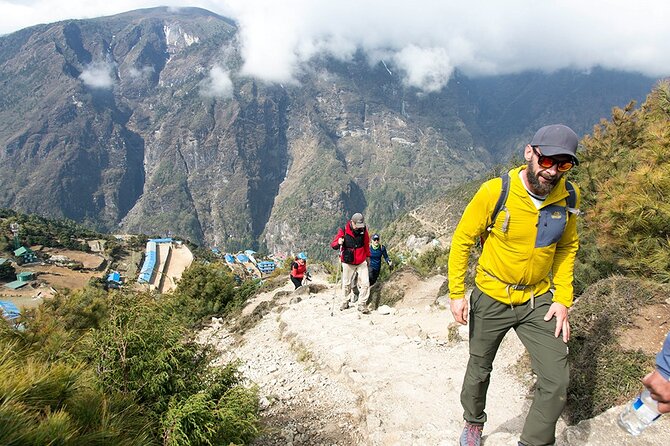
Everest Base Camp is the main event, but the real reward comes from the slow climb through the Khumbu Valley. You fly into Lukla, walk through Sherpa villages, spend proper acclimatization days in Namche Bazaar and Dingboche, then reach EBC at 5,364 meters. Kala Patthar, at 5,545 meters, gives the grand mountain view that Base Camp itself cannot.
I like two things right away. The price includes the awkward pieces that can make a Nepal trek costly, including domestic flights, permits, lodging, meals, a guide, a porter, and loaner gear. I also like the private format, since your group sets its own pace within the fixed route rather than sharing every decision with strangers.
The main caution is that this is a hard trek, not a sightseeing holiday. The itinerary is also described as both 14 and 15 days in places, and its return section appears compressed, so confirm the exact schedule, meal plan, and flight arrangements before paying.
Key points to know before booking
- Lukla flight included: The Kathmandu to Lukla and return flights are part of the package, saving you one of the trip’s major extra costs.
- Two acclimatization days: You spend a full day in Namche Bazaar and another in Dingboche, both essential stops before higher elevations.
- Base Camp and Kala Patthar: You visit Everest Base Camp, then make the early hike to Kala Patthar for the clearest summit views.
- Private support team: An experienced guide and Sherpa porter accompany your group, with equipment, permits, and airport transfers included.
- Moderate fitness is the minimum stated: Expect repeated six to eight-hour walking days, cold conditions, thin air, and steep trails.
- Weather can change the plan: Poor weather may cancel flights or the experience, with a new date or refund offered under the stated policy.
Why the Khumbu approach matters
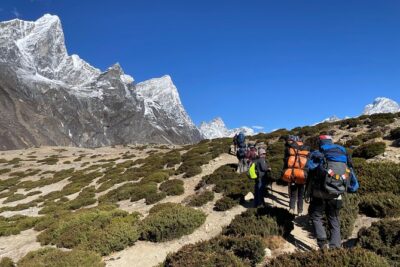
The classic Everest Base Camp route is not simply a march toward a famous sign or glacier. It is a gradual change in altitude, scenery, and daily life. You begin in Kathmandu, then trade roads for footpaths, suspension bridges, stone villages, monasteries, and high mountain settlements.
The route follows the general footsteps of Edmund Hillary and Tenzing Norgay Sherpa, who reached Everest’s summit in 1953. That history is part of the appeal, but the strongest moments often come from the ordinary rhythm of the trail: a morning departure, a long lunch stop, prayer flags in the wind, and a lodge room at the end of the day.
This package is designed to slow the ascent enough for your body to adjust. That does not remove the altitude risk. It simply gives you a more sensible chance of handling it.
More Hiking Tours in Kathmandu
- Everest Base Camp Trek – 14 Days
★ 5.0 · 1,499 reviews - Everest Base Camp Trekking
★ 5.0 · 485 reviews - Nagarkot Sunrise View and Day Hiking from Kathmandu
★ 5.0 · 471 reviews
Days 1 and 2: Kathmandu to Lukla
Your first day is mainly an arrival and transfer day. A Cordial Trek representative collects you at Tribhuvan International Airport, takes you to your hotel, and helps you get settled. Admission is listed as free because this is an included arrival service rather than a sightseeing day.
On Day 2, you take a flight of about 30 minutes from Kathmandu to Tenzing Hillary Airport in Lukla. The short flight is memorable because the airstrip is associated with some of the most demanding flying conditions in the Himalayas. It also gets you quickly from the capital to the trailhead.
Once in Lukla, you meet the support staff and begin the walking portion. The published plan refers to the first overnight stop around Phakding, with the next day continuing toward Namche Bazaar.
Flights to Lukla are weather-sensitive. A delay can affect the rest of your plan, so keep your schedule flexible around this part of the trek. The package includes the domestic flight tickets, but travel insurance is not included and is compulsory.
Days 3 and 4: Phakding and the acclimatization day in Namche
The walk from Phakding to Namche Bazaar takes about six hours and reaches 3,438 meters. This is your first major gain in altitude, so the pace matters more than speed.
The route passes through Manjo village and the entrance area of Sagarmatha National Park. You get a first taste of the Khumbu’s famous mountain paths, with river crossings, villages, and changing views as the trail climbs.
Namche Bazaar is more than a stopover. It is the main trading center of the Khumbu and the first place where the altitude becomes impossible to ignore. The full acclimatization day here is one of the best features of the plan.
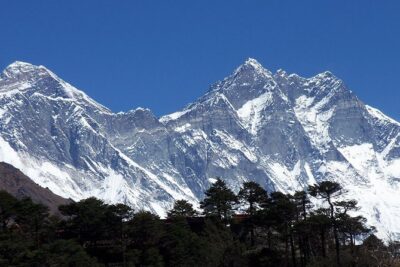
You spend part of Day 4 around Namche and hike to the Everest View Point. Hotel Everest View offers a 360-degree mountain panorama and sits inside Sagarmatha National Park, a UNESCO World Heritage Site. The stop lasts about an hour in the listed schedule, but the wider acclimatization day gives you time to rest and adjust.
I would use this day wisely. Enjoy the viewpoint, but do not treat it as a race. Drink water, walk gently, and tell your guide if you feel unwell. A good guide should assess your condition and help you make sensible choices. Past departures have included guides such as Raj Tamang and Prakash Neupane, though your assigned guide may be different.
Days 5 to 7: Tengboche country and Dingboche
Day 5 takes you from Namche Bazaar to Deboche in about six hours. The route includes a stop around Tengboche, home to the famous Tengboche Monastery. This is one of the most meaningful cultural points on the route, not just another photo stop.
The monastery helps explain the spiritual character of the Khumbu. Prayer flags, mountain views, and Buddhist religious sites become a regular part of the walk. The trek is not only about getting closer to Everest. It is also about moving through Sherpa communities with a strong mountain tradition.
You continue to Deboche at roughly 3,820 meters. The published altitude data includes an inconsistent feet conversion, so use the metric figure as the useful reference and ask the operator for the final day-by-day elevation sheet.
On Day 6, you walk from Deboche to Dingboche in about five hours, reaching around 4,360 meters. The route passes the Lobuche River and moves into a more exposed, higher setting. The air gets thinner, and even a modest uphill stretch can require patience.
Day 7 is another full acclimatization day in Dingboche. This is vital. You are now high enough that rushing can cause real problems, and the itinerary wisely avoids a daily climb without a rest period.
The two acclimatization days are not wasted time. They make the later push to Lobuche, Gorakshep, and Base Camp more manageable. Still, a rest day does not mean effortless comfort. You remain at altitude, and sleeping can be difficult even when the walking is light.
More Everest Base Camp Treks in Kathmandu:
- Everest Base Camp Helicopter Tour landing at Everest View Hotel
★ 5.0 · 668 reviews - Everest Base Camp Trekking – 13 Day
★ 5.0 · 365 reviews - Everest Base Camp Trek -14 Days
★ 5.0 · 321 reviews - Everest Base Camp Helicopter Tour landing at Hotel Everest View
★ 5.0 · 218 reviews
Days 8 and 9: Lobuche, Gorakshep, and Everest Base Camp
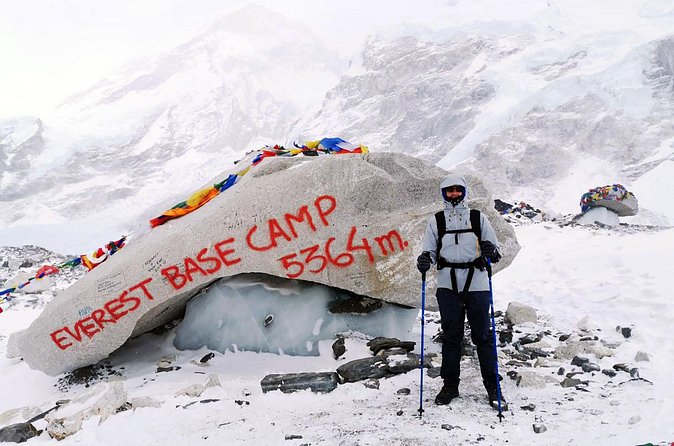
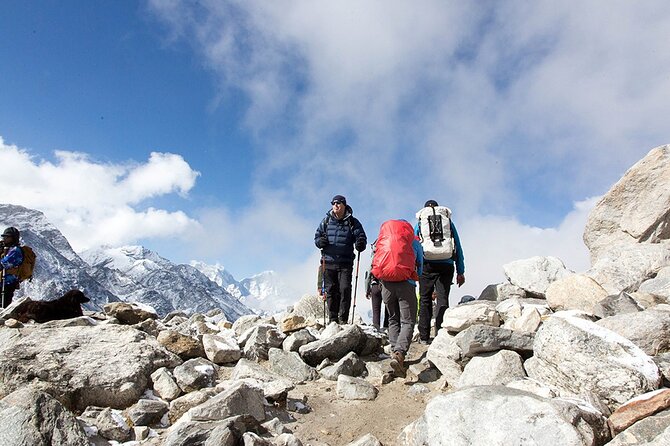
From Dingboche, you walk to Lobuche on Day 8. The schedule gives four to five hours and a maximum elevation of about 4,940 meters. Lobuche lies close to the Khumbu Glacier, and the settlement feels stark compared with the lower villages.
At this point, the trek becomes more demanding. The cold, altitude, and long stretches of rocky trail all matter. Your guide’s judgment becomes especially important here. You should not feel pressured to continue if your condition is worsening.
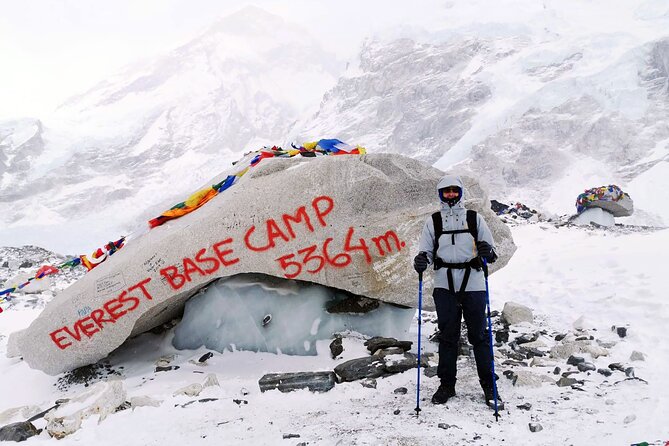
Day 9 takes you from Lobuche to Gorakshep, a small settlement at 5,164 meters. From there, you continue to Everest Base Camp at 5,364 meters. The Base Camp visit is listed as about an hour, but the whole day can feel long because of the altitude and the return to Gorakshep.
Base Camp is one of the world’s best-known trekking destinations. It lies inside Sagarmatha National Park and attracts about 40,000 people per year. Do not expect to see the summit from the Base Camp viewpoint itself. The location is famous because it is the staging area for Everest expeditions, while Kala Patthar provides the more rewarding direct mountain view.
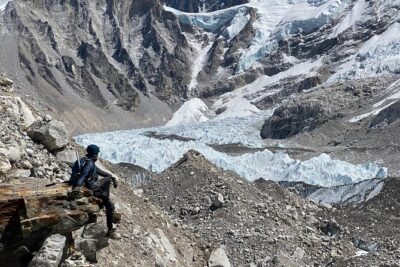
The achievement here is reaching the site under your own power. The glacier, surrounding peaks, expedition traces, and sheer height make this a powerful moment, even if the scenery is not the classic postcard image you expected.
Day 10: The early climb to Kala Patthar
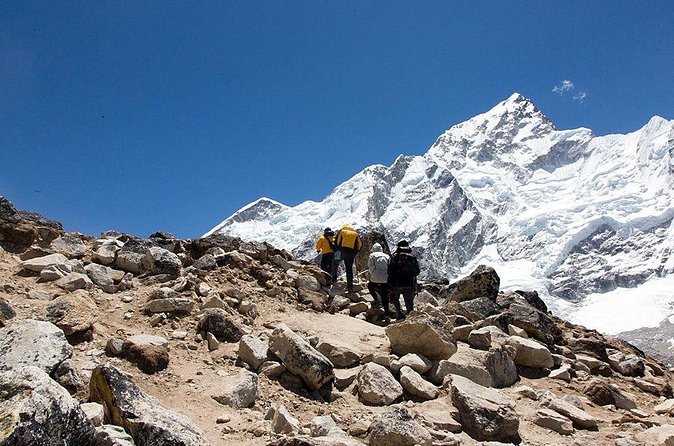
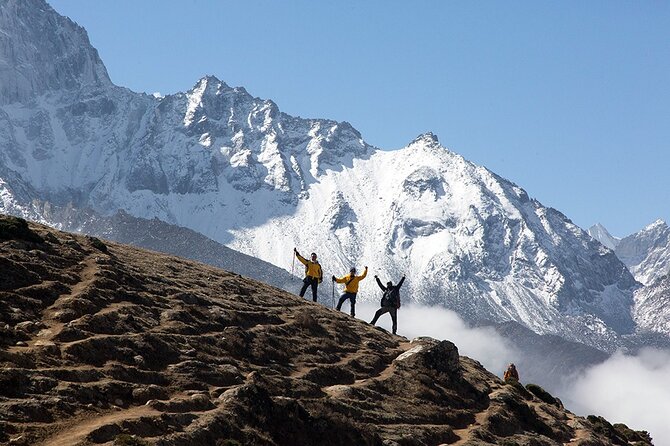
Kala Patthar is the visual high point of the trek. The listed plan gives an early morning round trip of about three hours from Gorakshep, reaching 5,545 meters.
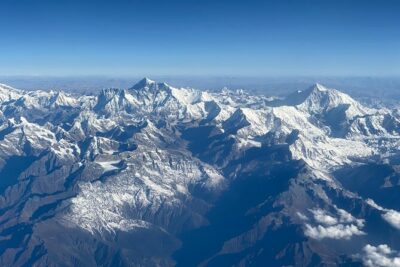
The early start is worthwhile because the light can make the mountain views especially clear. From this rocky viewpoint, you get the famous outlook toward Everest and the surrounding peaks. The climb is short by distance, but the altitude makes it feel serious.
This is also the day when you should be realistic about your strength. You have just visited Base Camp, and you are still sleeping at extreme altitude. If your guide advises against the summit of Kala Patthar, that advice should carry more weight than the desire for one more photograph.
The itinerary then begins the descent. The published schedule does not give a separate overnight stop between Gorakshep and the return toward Namche, so ask how the operator handles the first part of the descent. The listed Day 11 route begins from Pheriche, suggesting that this section is folded into the plan.
Days 11 to 13: Returning through Namche to Kathmandu
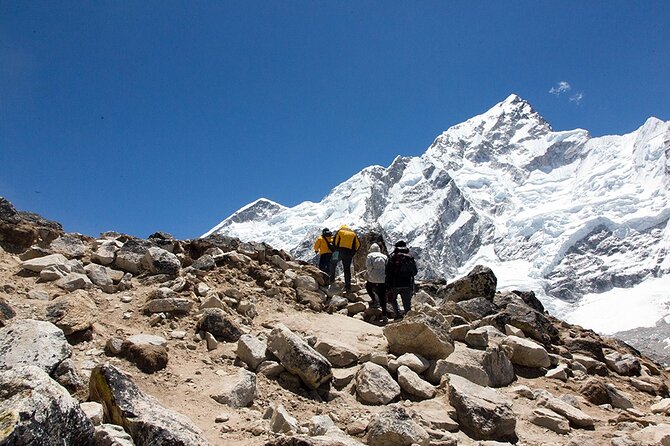
Day 11 describes a six to seven-hour trek from Pheriche through Tengboche to Namche Bazaar. After the hard high-altitude days, the descent should feel easier on your lungs, though tired legs and uneven paths remain.
Namche is a good place to enjoy a café or local pub before the final walking day. These small comforts matter after several nights in basic mountain accommodation. The route is still a serious trek, but the lower elevation gives you more energy.
Day 12 is the long walk from Namche back to Lukla via Phakding, taking about seven to eight hours. You have one final night in Lukla and time to visit the local bazaar. The schedule also includes an evening crew gathering, a fitting chance to thank the people who carried supplies and guided you through the valley.
Day 13 brings the flight back to Kathmandu. You say goodbye to the support staff in Lukla, then return to your hotel in the capital. The afternoon and evening are listed as free time.
That flight is another point where weather can affect the schedule. The package includes the ticket, but not an automatic solution for every delay. Ask what happens if the flight is postponed and keep your international departure separate enough to allow for disruption.
Day 14: Departure and the final practical details
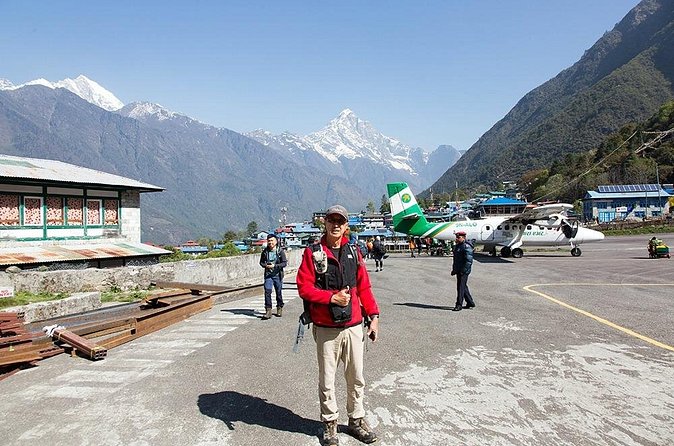
The final day includes a trip certificate and airport transfer. The operator plans to drop you at the airport three hours before departure.
The itinerary is sold as 14 days, while the overview also calls it a 15-day classical trek. That inconsistency is easy to overlook when you are focused on Everest, but it matters for hotel nights, flights, and international connections. Get the exact calendar version in writing.
What the $1,650 price really covers
At $1,650 per person, the package has solid value if the inclusions match your needs. You are not only paying for guiding. The price covers:
- Return domestic flights between Kathmandu and Lukla
- Airport transfers
- Accommodation
- An experienced trekking guide and Sherpa porter
- Trekking permits and national park fees
- A down jacket, sleeping bag, and duffle bag on a returnable basis
- Trekking map and company T-shirt
- Breakfast, lunch, and dinner according to the stated meal plan
- Trip certificate
Domestic flights, permits, and support staff can add up quickly when purchased separately. The included jacket and sleeping bag are useful if you do not want to buy specialized equipment for one trek.
The meal wording is not perfectly clear. It lists 11 lunches, 12 dinners, and 13 breakfasts, while also saying unspecified meals are excluded. Ask exactly which meals are covered and which nights include accommodation.
You still pay for personal expenses, your Nepal visa, guide and porter gratuities, compulsory travel insurance, unspecified meals, and a solo supplement if applicable. Tips are not a minor detail in a guided trek, so build them into your budget.
Who will get the most from this trek
This is a good fit if you want the classic Everest route with private support and a clear structure. It suits someone who values having airport pickup, domestic flights, permits, gear, and a guide arranged in one package.
You should have at least moderate physical fitness. The plan includes several six-hour days, a seven to eight-hour return walk, and very high elevations. You do not need to be an elite athlete, but you do need to prepare for long uphill and downhill walking.
The private setup works well for couples, families, and friends who want to move together. It also gives you a direct relationship with your guide. Names associated with past trips include Raj Tamang, Prakash Neupane, Pratip, and other members of the Cordial Trek team, but guide assignments are not guaranteed.
The package is less suitable if you want a luxurious trek, a slow itinerary with extra reserve days, or a fully fixed flight schedule. Mountain weather can interfere with the Lukla flights, and the tight return section deserves clarification.
The experience has a 5 out of 5 rating from 20 reviews, with all recommendation indicators positive. The strongest recurring praise centers on careful organization, guide support, and the way guides assess physical condition during the climb. That is exactly the service you need most at high altitude.
Cancellation is free up to 24 hours before the start time. Inside 24 hours, changes and refunds are not accepted. If poor weather cancels the experience, the stated policy offers another date or a full refund, subject to the conditions provided.
Should you book this Everest Base Camp trek?
I would consider booking it if you want a classic EBC route and value having the major arrangements handled for $1,650. The included Lukla flights, permits, meals, gear, accommodation, guide, porter, and transfers give the price a strong practical case.
Before booking, ask three direct questions: Is the trip exactly 14 or 15 days? Which meals and hotel nights are included? What is the plan if a Lukla flight is delayed? If those answers are clear, this is a sensible choice for a fit trekker who wants private support without building the trip from scratch.
FAQ
How long is the Everest Base Camp trek?
The experience is listed as 14 days, although the overview also refers to a 15-day package. Confirm the exact schedule with Cordial Trek before booking.
Does the tour include flights to Lukla?
Yes. The package includes domestic flight tickets between Kathmandu and Lukla in both directions.
Is airport pickup included?
Yes. Airport transfers are included, including pickup on arrival in Kathmandu and transport to the airport for departure.
Is this a private tour?
Yes. Only your group participates in the private activity.
What fitness level is required?
The stated requirement is moderate physical fitness. The route includes walking days of roughly four to eight hours and reaches elevations above 5,000 meters.
Does the itinerary include acclimatization days?
Yes. You have a full acclimatization day in Namche Bazaar and another in Dingboche.
Does the trek visit Everest Base Camp?
Yes. The route reaches Everest Base Camp at an elevation of 5,364 meters.
Does the trek include Kala Patthar?
Yes. The plan includes an early morning, approximately three-hour round trip to Kala Patthar, reaching about 5,545 meters.
Are trekking permits and national park fees included?
Yes. Necessary trekking permits and Sagarmatha National Park fees are included.
Is travel insurance included?
No. Travel insurance is excluded and is compulsory for this experience.
Recently added around Kathmandu
- Kathmandu Paragliding★ 5.0 · 3 reviews
- Kathmandu Airport Pickup and Drop-off Services★ 5.0 · 3 reviews
- Kathmandu Chandragiri Cable Car and Swayambhunath Private Tour★ 5.0 · 3 reviews
- Explore The Beauty Of Langtang Valley In 8-Days Trek★ 5.0 · 3 reviews
- Kathmandu: Nightlife and Pub Crawl Tour★ 5.0 · 3 reviews
- Mountain Flight Experience in Nepal★ 4.5 · 3 reviews
- Kathmandu: Momo Making Class with a Local Chef★ 5.0 · 3 reviews
- Everest Base Camp Trek★ 5.0 · 3 reviews
Other Everest Base Camp Treks worth a look
Everest Base Camp Helicopter Tour landing at Everest View Hotel
Read our review →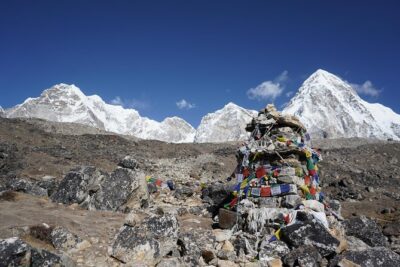
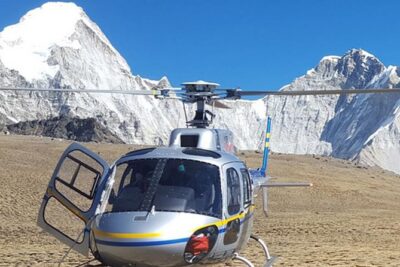
Everest Base Camp Helicopter Tour landing at Hotel Everest View
Read our review →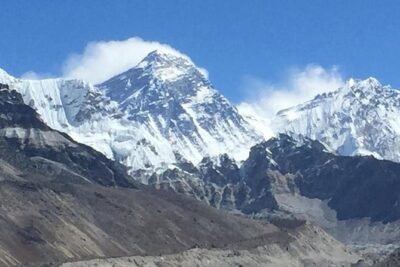
This tour also appears in