
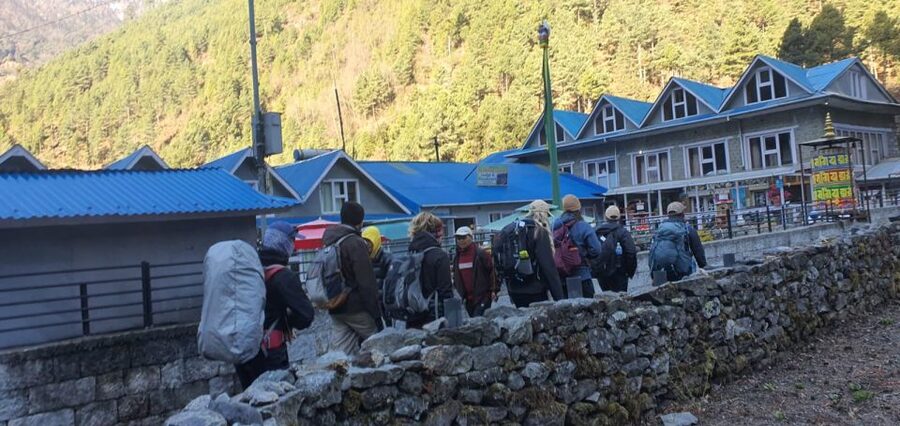
REVIEW · EVEREST BASE CAMP TREKS
Kathmandu: 14-Day Everest Base Camp with Kala Patthar Trek
The great prize here is not only reaching Everest Base Camp. It is the steady walk through Sherpa country, from the high-altitude airstrip at Lukla to Namche Bazaar, Tengboche, and the stark upper Khumbu. You get Everest, Lhotse, Nuptse, and Ama Dablam in the same trip, along with two acclimatization days that give your body a fair chance to adjust.
I like the practical setup: airport transfers, Kathmandu hotel nights, domestic flights, permits, tea-house lodging, and guide costs are included. I also like the human side, since guides such as Anjan and Padam have helped make past trips feel well managed and personal. The main caution is simple: Lukla flights depend on weather, and meals, drinks, porters, showers, and travel insurance are extra.
Key points to know before you book
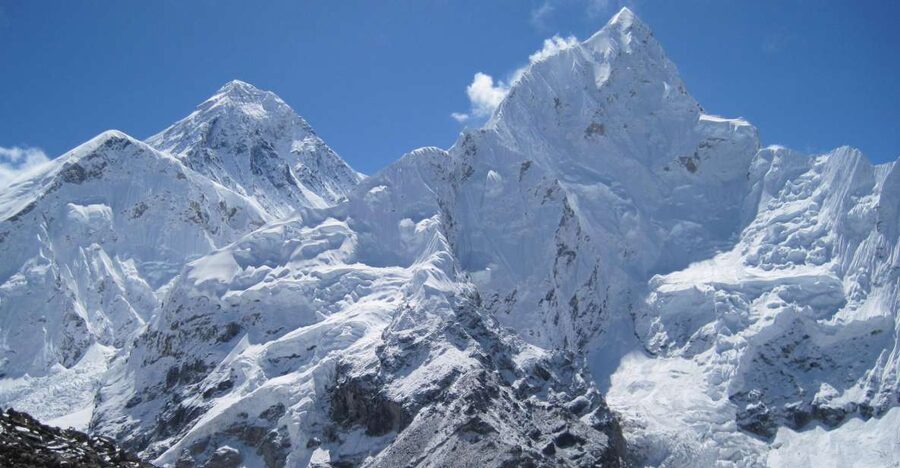
- Kala Patthar is the high point: At 5,545 meters, the morning hike gives you one of the strongest mountain views on the route.
- Lukla is part of the adventure: The flight is included, but poor weather can delay or cancel it.
- Namche is your first major adjustment: The acclimatization walk here helps you prepare for higher camps.
- Two rest days support safer pacing: You spend extra time acclimatizing at Namche Bazaar and Dingboche.
- Tea houses keep the trip social and simple: Lodging is included, while food, drinks, and hot showers cost extra.
- The price covers major trip essentials: At $1,296 per person, flights, permits, guides, accommodation, and transfers are bundled together.
Why this 14-day Everest route works
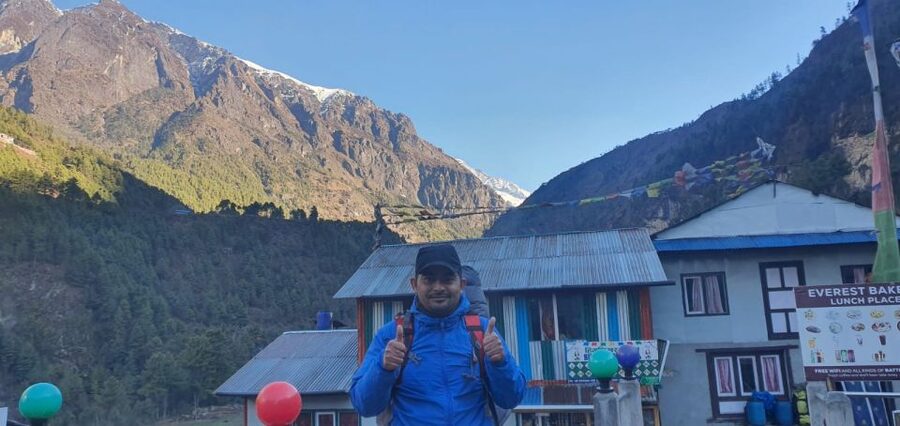
A 14-day Everest Base Camp trek needs more than a famous destination at the end. It needs a sensible pace, time for altitude adjustment, and support when plans change. This route gives you both acclimatization days and a gradual climb from Lukla at 2,850 meters to Kala Patthar at 5,545 meters.
You will walk for several hours on most trekking days. The route is not a casual mountain stroll, and the thin air becomes a bigger issue than the distance itself. The two rest days are therefore important, not wasted time.
The trip is also built around simple mountain lodging. Tea houses provide a bed and a place to eat, but you should not expect hotel comforts. Hot showers are not included, and food and drinks are paid separately. Bring enough layers, sunscreen, toilet paper, and personal supplies so small inconveniences do not become major problems.
More Hiking Tours in Kathmandu
- Everest Base Camp Trek – 14 Days
★ 5.0 · 1,499 reviews - Everest Base Camp Trekking
★ 5.0 · 485 reviews - Nagarkot Sunrise View and Day Hiking from Kathmandu
★ 5.0 · 471 reviews
Kathmandu, permits, and the flight to Lukla
Your trip begins with pickup at Tribhuwan International Airport and a transfer to your Kathmandu hotel. Two nights of standard accommodation with breakfast are included, one at the start and one after you return from the mountains.
That first Kathmandu night gives you a useful buffer before the trek. You can meet the guide, check your equipment, and make sure your clothing and walking shoes are ready. The operator provides a jacket, sleeping bag, and duffle bag if required, which can reduce the amount of equipment you need to purchase or carry from home.
The flight from Kathmandu to Lukla is included in the price. Lukla sits at 2,850 meters and is known for its challenging mountain airstrip, so the flight is more than a simple transfer. It is also one of the trip’s key uncertainties.
Weather can stop flights. A July departure had the Lukla flight canceled, and several attempts were made to get the trip moving before an alternate Base Camp trek was arranged. That experience shows why you should build flexibility into your wider Nepal plans. It also makes travel insurance with emergency medical evacuation especially important, even though insurance is not included.
Lukla to Phakding, your first walking day
After landing in Lukla, you walk to Phakding at 2,640 meters. The stated walking time is four to five hours, making this a relatively gentle introduction to the route.
The short first day matters because your body is already adjusting to altitude. You also get your first taste of the tea-house rhythm: walk, eat, rest, and prepare for another early start. The inclusion of accommodation makes this part easy to manage, but meals and drinks are yours to pay for.
Do not treat this day as unimportant. A relaxed pace early in the trek helps you save energy for the much harder sections near Gorak Shep and Everest Base Camp.
Phakding to Namche Bazaar in six to seven hours
The walk from Phakding to Namche Bazaar takes six to seven hours and brings you to 3,440 meters. This is a longer day, with altitude beginning to affect how quickly you move.
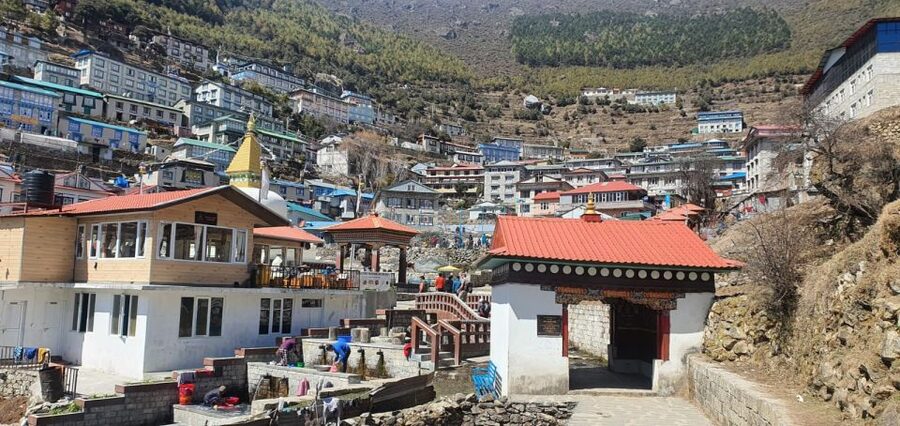
Namche is the Sherpa heartland and one of the most important stops on the whole route. It is a place to pause, eat, rest, and take in the culture of the Khumbu region. The appeal is not just the surrounding mountain views. Namche gives the trek a strong sense of place, with local life woven into the route.
Your fourth day is set aside for rest and acclimatization, with a two to three-hour excursion. This is one of my favorite parts of the schedule because it gives you time to explore without packing and unpacking your whole day around distance.
You should still be careful here. Feeling fine at Namche does not mean the higher sections will feel easy. Drink water, follow your guide’s advice, and tell the guide promptly if you feel unwell.
More Everest Base Camp Treks in Kathmandu:
- Everest Base Camp Helicopter Tour landing at Everest View Hotel
★ 5.0 · 668 reviews - Everest Base Camp Trekking – 13 Day
★ 5.0 · 365 reviews - Everest Base Camp Trek -14 Days
★ 5.0 · 321 reviews - Everest Base Camp Helicopter Tour landing at Hotel Everest View
★ 5.0 · 218 reviews
Tengboche and the mountain views
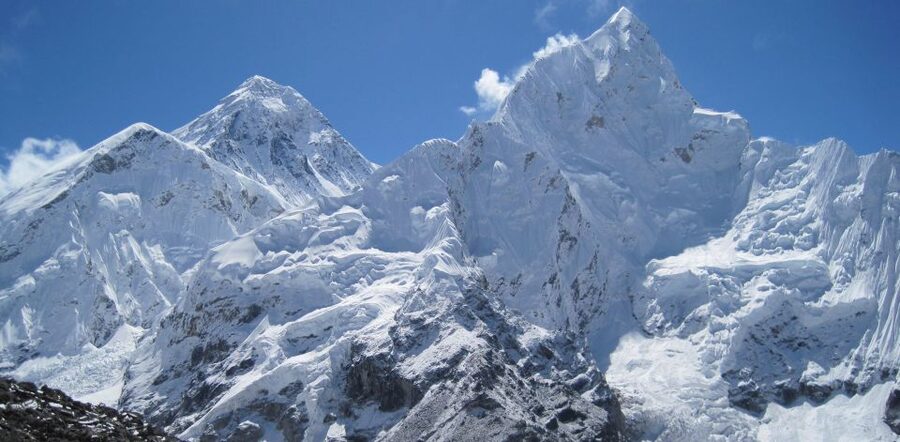
Day five takes you from Namche Bazaar to Tengboche at 3,870 meters, a five to six-hour walk. The route brings you deeper into the Khumbu and closer to the high peaks.
Tengboche is especially memorable for its setting and its views toward Ama Dablam, Everest, Lhotse, and Nuptse. The mountain scenery becomes more imposing here, but the air also becomes thinner. You will notice that a walking day of five or six hours feels more demanding than the same distance at lower elevation.
This is where a good guide earns his keep. The English-speaking guide is responsible not only for route support, but also for helping with pacing and practical problems. Past departures have used guides including Anjan and Padam, and the trip’s organization has also benefited from an operator contact named Hari who remained available to help with requests and concerns.
Dingboche at 4,410 meters
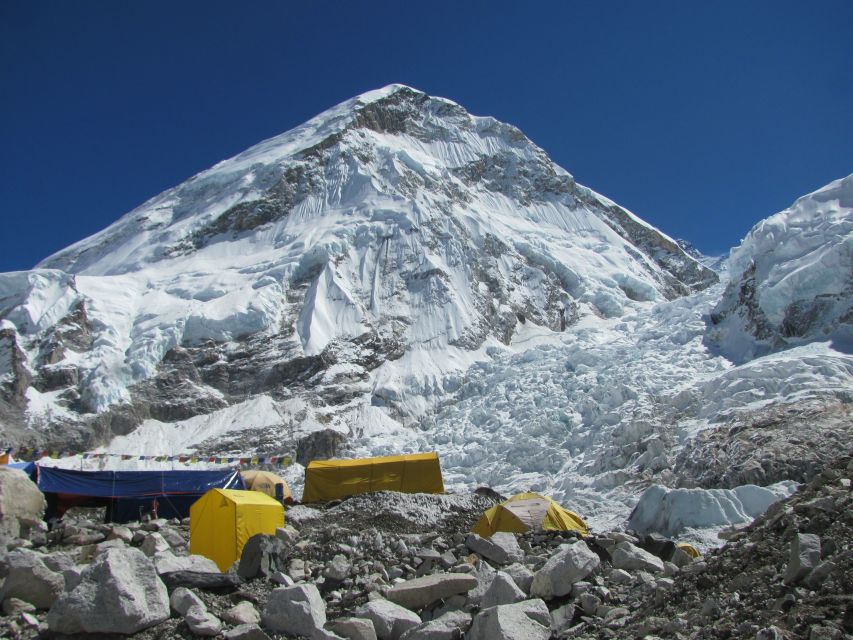
From Tengboche, you walk five to six hours to Dingboche, which sits at 4,410 meters. This is a major altitude jump, so the next rest day is essential.
Day seven is another acclimatization day. You are not simply losing a day of trekking. You are giving your body time to respond before the route rises toward Lobuche, Gorak Shep, and Base Camp. In a fast schedule, this is the kind of pause that gets cut. Here, it is built into the plan.
Dingboche also marks a change in the feel of the trek. The route is now high and exposed, and comfort becomes more basic. Tea-house lodging is included, but you should budget for meals, drinks, and any hot shower separately. Alcohol is not included, and it is wise to avoid treating the upper part of the trek like a normal holiday.
Lobuche and the approach to Base Camp
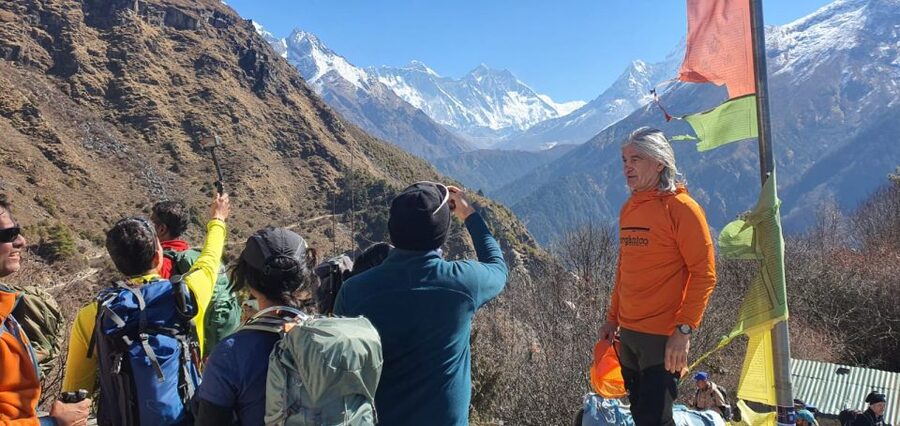
On day eight, you walk from Dingboche to Lobuche at 4,940 meters. The stated walking time is five to six hours.
Lobuche is a high stop before the final push. The air is thin, the walking pace is slower, and small tasks can take more effort. This is a good point to use the provided sleeping bag if needed and make sure your warm clothing is easy to reach.
The route is physically demanding, but it is also carefully staged. You do not go directly from Namche to Everest Base Camp. The overnight stops at Tengboche, Dingboche, and Lobuche help break up the climb.
You should bring proper hiking shoes rather than relying on casual trainers. Sunglasses, a hat, sunscreen, long pants, shorts, socks, two T-shirts, and insect repellent are specifically recommended. Add toilet paper to your day bag, since it is listed as an item to bring and is the sort of small thing you do not want to search for at altitude.
Gorak Shep and Everest Base Camp
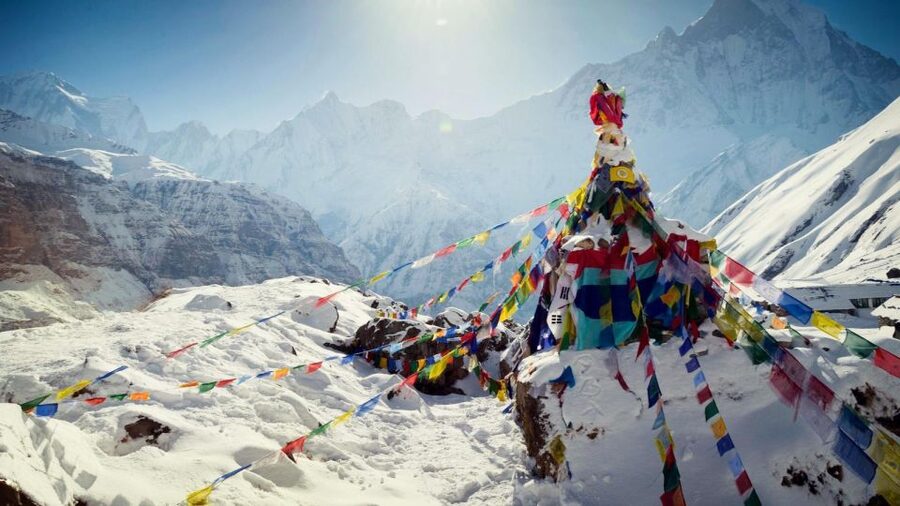
Day nine is the trek’s big test. You walk from Lobuche to Gorak Shep at 5,170 meters, then continue to Everest Base Camp at 5,364 meters before returning to Gorak Shep.
The schedule is demanding because Base Camp is an out-and-back hike from your overnight stop. You reach the famous destination, spend time taking in the setting, and then walk back to sleep at Gorak Shep.
It is important to understand what Base Camp does and does not offer. This is a high mountain destination reached on foot, not a developed visitor site. The achievement comes from the route, the altitude, and the surrounding peaks rather than from a large attraction at the end.
You will likely appreciate having a guide here. At this altitude, the value of support is practical: staying with the group, keeping a steady pace, and dealing with the day’s demands. The guide and porter costs are included in the package, although the information says porters are arranged at a rate of one porter for two people. Confirm exactly how porter support applies to your booking.
Kala Patthar at 5,545 meters
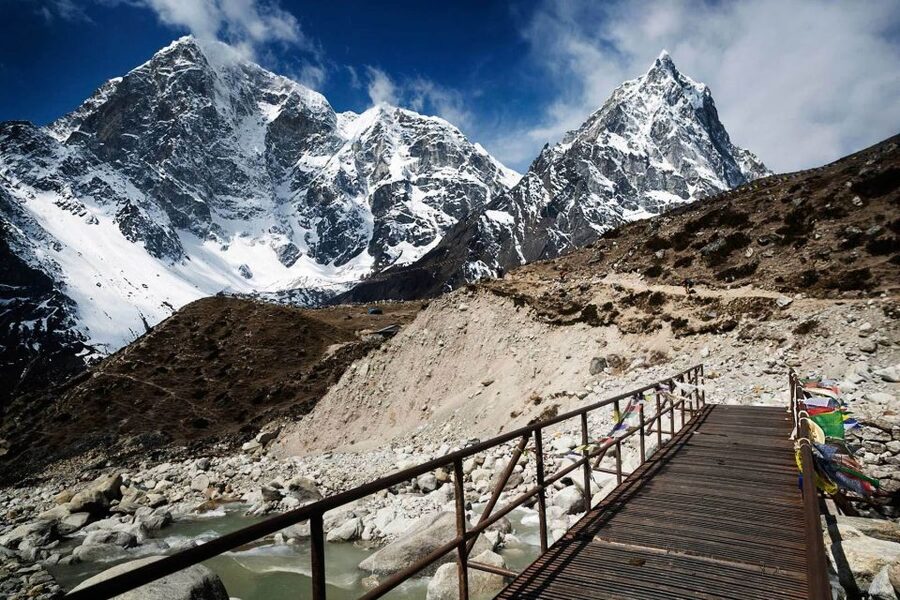
On day ten, you hike from Gorak Shep to Kala Patthar, reaching 5,545 meters, then descend to Pheriche at 4,371 meters.
Kala Patthar is the highest point on the itinerary and one of the best places for broad views of the Everest range. The climb is short compared with the full trek, but the altitude makes it tough. You should expect a slow, deliberate ascent rather than a quick viewpoint visit.
The reward is the mountain panorama, including Everest, Lhotse, Nuptse, and Ama Dablam. The route description places the Kala Patthar hike before the descent to Pheriche, so this is the moment to take your main mountain photographs and enjoy the height before dropping lower.
The descent to Pheriche is welcome physically, though it is still a long day. Going downhill does not mean the work is over. Tired legs and uneven paths can make the return just as demanding as the climb.
Three days back through the Khumbu
After Pheriche, you spend the next three days descending before returning to Kathmandu on day thirteen. The route description does not give each lower stop or walking time, so you should ask the operator for the exact return schedule before departure.
The descent is more than a way to fill the calendar. Lower altitude usually makes breathing and sleeping easier, and the route gives you a chance to see familiar places with a little more energy. It also creates some breathing room after the demanding Base Camp and Kala Patthar days.
You return to Kathmandu on day thirteen and spend a final evening there before departure the following day. The airport drop-off is included, so the main trip services cover the journey from arrival to final departure.
What the $1,296 price really covers
At $1,296 per person, the trip offers solid value if you want a guided trek with the largest fixed costs bundled together. The price includes Kathmandu accommodation with breakfast, Kathmandu airport transfers, domestic airport transfers, the Kathmandu to Lukla and return flights, tea-house accommodation, permits, paperwork, and guide expenses.
The Sagarmatha National Park entry permit and fees are also included. That matters because permits and flights can add up quickly when arranged separately.
You still need to budget for:
- Breakfast, lunch, and dinner during the trek
- Lunch and dinner in Kathmandu
- Alcoholic and non-alcoholic drinks
- Hot showers during the trek
- Porter costs if not fully covered by your arrangement
- Travel insurance with medical evacuation
- Personal clothing and any extra equipment
The included guide package covers salary, food, drinks, accommodation, transportation, and insurance for the guide and porter. At the same time, the separate note about porters means you should ask who carries your main duffle, how many people share one porter, and what extra porter charges apply.
The reserve-now-and-pay-later option and free cancellation up to 24 hours before departure make booking less rigid. They do not remove the need for insurance. A canceled Lukla flight can affect your whole schedule, and medical evacuation is not a minor expense.
Tea houses, meals, and daily comfort
Tea-house accommodation is the right match for this route if you want to travel through the mountains without carrying camping equipment. It also keeps you close to the local trekking economy and the simple social pattern of the Khumbu.
Comfort levels will be basic. Hot showers are not included, and drinks are extra. Food is also not included, so you should plan a daily meal budget rather than treating the $1,296 price as all-inclusive.
Pack for changing conditions. Sunglasses and sunscreen matter at high altitude, while warm layers, socks, a hat, and long pants help with cold mornings and evenings. Shorts and T-shirts are listed too, so pack for changes rather than relying on one outfit.
The provided jacket, sleeping bag, and duffle bag can be useful if you need them. Ask before departure how the loan equipment is sized and distributed.
How the guides affect the experience
A long high-altitude trek depends heavily on communication. The guide speaks English, and the trip is designed around support from an experienced guide and porter team.
Anjan and Padam are names associated with past departures. Padam also led an alternate Base Camp trek after weather blocked a Lukla flight, while Anjan received praise for keeping a trip organized and reassuring. You should confirm your assigned guide before departure, since the specific person may vary.
The strongest practical sign here is the attention to problems. When weather stopped a planned flight, the company kept trying for several days and then arranged another Base Camp route at the traveler’s request. That does not guarantee every delay will be handled the same way, but it suggests you should expect active communication rather than simply being left to sort things out alone.
Who should book this trek
I would recommend this trip to you if you want:
- A classic Everest Base Camp route with Kala Patthar included
- A guide-led trek rather than an independent arrangement
- Tea-house accommodation instead of camping
- Included domestic flights, permits, airport transfers, and guide services
- Time built in for acclimatization
- A direct introduction to Sherpa country and Namche Bazaar
You should think twice if you need hotel-style comfort, a fixed timetable, or a trip with no altitude risk. The route reaches 5,545 meters and includes long walking days. It is not suitable for pregnant women, people with heart problems, or people with mobility impairments.
The July flight problem is also important. If you travel during a period of unsettled weather, keep extra days available after the trek. Even outside the wetter months, Lukla flights can be affected by conditions.
Should you book the Everest Base Camp and Kala Patthar trek?
Book this tour if you want the famous Khumbu route with sensible acclimatization, a local guide, and many major costs handled in advance. The best parts are the passage through Namche Bazaar, the mountain views from Tengboche and Kala Patthar, and the chance to experience the route with Sherpa support rather than as a rushed photo mission.
Before paying, confirm the porter arrangement, the exact lower-route stops after Pheriche, and what happens if the Lukla flight is delayed. Buy travel insurance that includes medical evacuation, and leave some flexibility in your Nepal schedule.
At $1,296, this is a strong package for a first Everest Base Camp trek, provided you understand what is not included. If you are fit, patient, and ready for basic lodging and thin air, this route gives you the classic Everest experience without making you arrange every permit, flight, and bed yourself.
FAQ
How long is the Everest Base Camp and Kala Patthar trek?
The experience lasts 14 days, including arrival and departure arrangements, the trek, acclimatization days, and the return to Kathmandu.
What is the highest point on the route?
Kala Patthar is the highest point, at 5,545 meters.
Is the flight from Kathmandu to Lukla included?
Yes. The Kathmandu to Lukla and return flight ticket is included.
Is airport pickup provided?
Yes. Pickup and drop-off are provided at Kathmandu airport, and the activity also offers pickup from a hotel in Kathmandu.
What accommodation is included?
Two nights of standard accommodation in Kathmandu with breakfast are included. During the trek, you stay in lodges or tea houses.
Are meals included during the trek?
No. Breakfast, lunch, and dinner during the trek are not included. Drinks are also extra.
Are hot showers included?
No. Hot showers during the trek are not included.
Is a guide provided?
Yes. An English-speaking live tour guide is provided. Guides on past departures have included Anjan and Padam.
Do I need travel insurance?
Yes, you should have valid travel insurance with emergency medical evacuation. This insurance is not included in the tour price.
Who should not take this trek?
The trek is not suitable for pregnant women, people with heart problems, or people with mobility impairments.
Recently added around Kathmandu
- Kathmandu Airport Pickup and Drop-off Services★ 5.0 · 3 reviews
- Kathmandu Paragliding★ 5.0 · 3 reviews
- Kathmandu Chandragiri Cable Car and Swayambhunath Private Tour★ 5.0 · 3 reviews
- Explore The Beauty Of Langtang Valley In 8-Days Trek★ 5.0 · 3 reviews
- Kathmandu: Nightlife and Pub Crawl Tour★ 5.0 · 3 reviews
- Mountain Flight Experience in Nepal★ 4.5 · 3 reviews
- Kathmandu: Momo Making Class with a Local Chef★ 5.0 · 3 reviews
- Everest Base Camp Trek★ 5.0 · 3 reviews
Other Everest Base Camp Treks worth a look
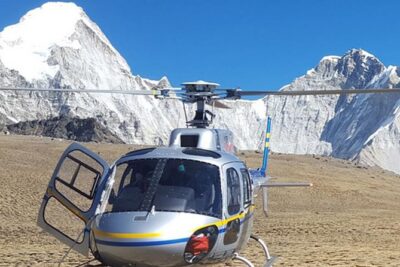
Everest Base Camp Helicopter Tour landing at Everest View Hotel
Read our review →
Everest Base Camp Helicopter Tour landing at Hotel Everest View
Read our review →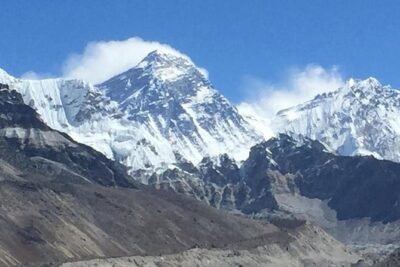
This tour also appears in