REVIEW · KATHMANDU TOURS
Kathmandu Full Day Tour
Kathmandu packs an astonishing amount into a single day: a former royal square, a hilltop Buddhist shrine, a sacred Hindu temple, and the huge white dome of Boudhanath. This tour gives you that broad first look without making you hunt for taxis or meeting points. I especially like the hotel pickup and drop-off and the chance to compare Hindu, Nepali Buddhist, and Tibetan Buddhist traditions in one outing. The main caution is pace. Four major sites in roughly six hours leaves limited time for lingering, and the entrance fees cost extra.
The strongest guides make the day. Birodh Burlakoti is praised for his easygoing manner, clear English, site knowledge, and knack for finding good photo spots. I also like that the tour uses private transport, but Kathmandu traffic and vehicle problems can affect the day, so keep your schedule flexible.
Key points to know before booking
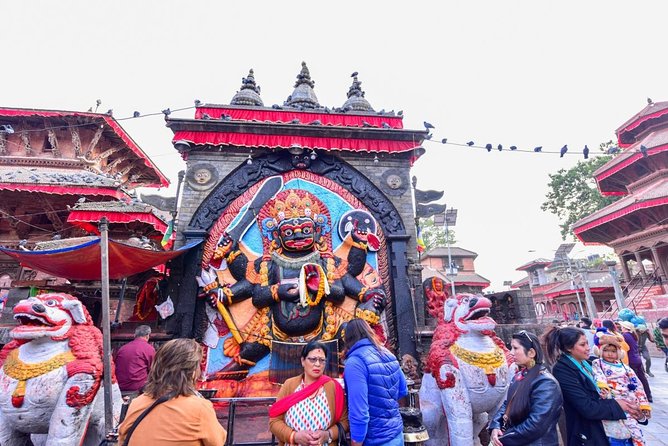
- Four major sights in one half-day: Visit Kathmandu Durbar Square, Swayambhunath, Pashupatinath, and Boudhanath.
- A useful cultural comparison: See important Hindu and Buddhist sites rather than a string of similar temples.
- Hotel transfers included: Pickup and return remove the stress of finding a city meeting point.
- Guiding makes the difference: Birodh Burlakoti has earned praise for clear English, humor, history, and photography help.
- Budget beyond the $70 price: Entrance fees are about NPR 2,600 per person, and lunch is not included.
- Best for first-time visitors: The route gives you a practical overview, though it is not a slow, in-depth visit to each site.
Four Kathmandu landmarks in six hours
This is an introductory city tour, not a deep study of Kathmandu’s monuments. That is its strength. If you have just arrived and want to understand the city’s main religious and royal landmarks quickly, the route covers the essential ground.
The advertised visit includes about one hour at each of four stops. The remaining time is used for hotel pickup, driving between sites, and returning you to your hotel. That sounds simple, but Kathmandu’s roads can be slow and crowded, so the six-hour estimate should be treated as approximate.
You receive a local guide, private transportation, and a small-group departure. The stated maximum is 30 people, which is not especially small if the group fills, but the private vehicle and guide-led format should still be easier than arranging four separate visits yourself.
The tour usually works best early in your stay. You get your bearings, learn the difference between major religious traditions, and see which places deserve a longer return visit. It also suits anyone with only one free day in Kathmandu or a short stop before heading elsewhere in Nepal.
A few more Kathmandu days to weigh up
- Kathmandu: Full Day 7 UNESCO Tour with Lunch – Private/Group
★ 5.0 · 415 reviews - Kathmandu: Full Day Top 4 UNESCO Tour with Lunch – Private/Group
★ 5.0 · 269 reviews - Kathmandu: Full-Day 7 UNESCO Tour with Lunch – Private/Group
★ 4.9 · 247 reviews
Kathmandu Durbar Square and the old royal center
Kathmandu Durbar Square, also called Hanuman Dhoka Square or Basantapur, occupies the heart of old Kathmandu. Its appeal is not one isolated building. It is the crowded arrangement of palaces, courtyards, shrines, and temples that once formed the royal center of the city.
Plan on about an hour here. That is enough to take in the layout and hear the main stories, but not enough to examine every carving or courtyard at leisure. A guide matters because the square can feel like a maze of stone, brick, wood, and religious images. Without context, you may see a handsome group of buildings but miss how the site functioned as a seat of power and worship.
This is also one of the places where earthquake damage may still affect what you see. The tour information warns that some monuments on the route suffered significant damage in the earthquakes of April and May 2015. Do not expect every structure to look exactly as it did in older photographs.
That damage is part of the present-day story, but it can also mean scaffolding, altered access, or incomplete monuments. I would treat the square as a place to understand Kathmandu’s past and its ongoing repair, not simply as a polished historic set.
The entrance fee is not included. Since the total site fees are listed at approximately NPR 2,600 per person, keep local currency or a payment method accepted by the operator available. The exact cost allocation among the sites is not provided, so consider the amount an additional budget item rather than a precise promise for each stop.
Swayambhunath, the hilltop Buddhist shrine
Swayambhunath is the Buddhist stop associated with the familiar nickname of the Monkey Temple. The supplied itinerary places the site among the main visits, although its descriptive text is mixed with information about Kathmandu Durbar Square. The tour overview clearly identifies Swayambhunath as a Tibetan Buddhist stupa, so confirm the day’s exact order with your guide at pickup.
Allow about one hour. The attraction here is both religious and visual. You get a major Buddhist monument, prayer activity, and a higher vantage point over Kathmandu. The stop helps explain Tibetan Buddhist practice in a way that complements Boudhanath later in the day.
The hilltop setting also changes the rhythm of the tour. After the dense old-city architecture of Durbar Square, Swayambhunath gives you a broader view and a chance to see Kathmandu from above. The experience is not only about taking a photograph of the stupa. Listen for the guide’s explanation of the symbols, rituals, and local meaning.
You should be ready for walking and steps at some points. The exact accessibility arrangements are not provided, so anyone with mobility concerns should ask the operator before booking. Most people can participate, but the site itself is not presented as a fully step-free attraction.
Pashupatinath and the living Hindu tradition
Pashupatinath is devoted to Lord Shiva and is one of the most important Shiva pilgrimage sites in Asia. It is also one of the most powerful stops on this route because it remains an active religious center, not merely an architectural monument.
The tour allows about an hour here. That gives you time to see the grounds and understand why the temple matters, while a local guide explains Hindu beliefs and the site’s place in Nepali culture. The guide is particularly useful here, since religious customs can be easy to misread if you are looking only at buildings.
The central temple’s access rules may limit what you can see, depending on your religious status and the conditions at the site. The supplied information does not specify current entry rules, so listen carefully to your guide and respect signs, barriers, ceremonies, and worshippers.
This is a place for quiet attention. You are visiting an important religious site, not a theme park. Ask before photographing people or ceremonies, and let the guide explain what is appropriate.
As with the other UNESCO-related stops, entrance fees are extra. The visit is worth more than a quick photo if you take time to notice the relationship between temple grounds, ritual, and daily religious life. Still, one hour may feel short if you want to explore every part of the complex.
A different kind of day from the same base:
- Everest Base Camp Trek – 14 Days
★ 5.0 · 1,499 reviews - Private Kathmandu Sightseeing Tour | UNESCO World Heritage sites
★ 5.0 · 756 reviews - Everest Base Camp Helicopter Tour landing at Everest View Hotel
★ 5.0 · 668 reviews - Half day cooking class in Thamel kathmandu
★ 5.0 · 607 reviews
Boudhanath, the day’s grand finale
Boudhanath, also written Boudhanath Stupa or Bouddhanath, sits about eight kilometers east of downtown Kathmandu. At roughly 36 meters high, it is one of the largest stupas in the Kathmandu Valley and the most visually commanding stop on the tour.
The route finishes here, which makes good sense. After the royal architecture of Durbar Square, the hilltop Buddhist setting of Swayambhunath, and the Hindu importance of Pashupatinath, Boudhanath gives you a final, unmistakable symbol of Tibetan Buddhist Kathmandu.
You have about an hour to walk around the stupa, observe the religious setting, and hear its story. One guide-led visit included lunch above the stupa, but lunch is not part of the tour price, so treat that as an optional personal arrangement rather than an included feature.
Boudhanath is also a good place for photographs. Birodh Burlakoti is specifically praised for helping with pictures, and this is the kind of stop where a guide who knows good viewpoints can save you time. You can ask for a brief pause for photos, but do not let the camera replace the experience of watching people move around the stupa in a devotional circuit.
The hour goes quickly. If Boudhanath interests you most, you may want to return independently later, when you can spend more time around the surrounding streets and shops. The group tour gives you the introduction, not the complete visit.
What the guides add to the day
The quality of this tour depends heavily on the person leading it. Several guides have been praised for clear English, strong site explanations, humor, kindness, and a relaxed way of handling the day. Birodh Burlakoti is the name most clearly associated with the strongest feedback. He is described as helpful with directions, history, cultural meaning, and photography.
That matters because Kathmandu’s major sites can blur together on a rushed schedule. A good guide helps you see the difference between a royal complex, a Hindu temple, and two forms of Buddhist practice. One person described the experience of hearing more than a basic list of facts, with explanations that made each temple feel distinct.
The English standard may vary by guide. One piece of feedback specifically warns that pronunciation can affect how easily you follow names and stories. If your guide’s English is difficult for you to understand, ask for names to be repeated and request the main point in simpler words. That small step can save the day.
The pace may also vary. One guide was praised for making the outing friendly and easy for a first day in a new city. Another was criticized for walking too fast for the group. Wear comfortable shoes, keep water handy, and tell the guide early if you need a slower pace.
Transport, timing, and the practical trade-offs
Hotel pickup is one of the tour’s best features. You do not need to find an unfamiliar meeting point, and the operator returns you to your hotel at the end. That is valuable in Kathmandu, especially during your first hours in the city.
Private transportation is included, but the vehicle is not immune to road conditions or mechanical trouble. One particularly bad experience involved a broken-down car, a walk along a dusty and busy road, and a long wait in the heat. That appears to be an exception rather than the normal plan, but it is a useful reminder not to schedule an airport transfer, flight, or fixed evening booking immediately after the tour.
The published operating hours are 9:15 AM to 5:15 PM, Monday through Sunday, for the period listed. The experience itself lasts about six hours. Pickup times may depend on your hotel and the day’s route, so confirm the exact collection time when you book.
The maximum group size is 30. The tour is described as a small-group departure, but 30 people can still make it harder to hear or keep everyone together at busy sites. The best experience will likely come when the group is smaller, especially at Durbar Square and Boudhanath.
Is $70 a fair price?
The price is $70 per person. That includes hotel pickup and return, a local guide, private transportation, and the convenience of arranging four major stops in one booking.
You must add about NPR 2,600 per person for entrance fees. Lunch is also excluded, as are shopping costs. Once those extras are counted, this is not the cheapest way to see Kathmandu if you are happy arranging local transport and guiding yourself.
The value improves if you are new to Kathmandu, have only one day, or do not want to negotiate separate rides. The guide’s explanations are the main reason to pay more than simple transportation. You are buying a structured introduction, not just a vehicle.
I would compare the cost against your priorities. If you want a relaxed visit with long pauses, independent wandering, and time for meals, the route may feel too compressed. If you want the major landmarks explained and covered efficiently, $70 can be sensible, provided you budget separately for admission fees.
Who should book this Kathmandu tour?
I would recommend it most strongly to first-time visitors, solo visitors who want a dependable introduction, and people with limited time. It is also useful for anyone who wants an immediate comparison of Hindu and Buddhist traditions instead of visiting only one type of monument.
It suits independent-minded visitors who still want a guide for the first day. You can learn the city’s basic geography and customs, then decide where to return on your own.
I would be more cautious if you dislike group pacing, have difficulty with steps or extended walking, or want detailed archaeological time at each site. The tour is designed to cover the highlights, not to let you linger at every shrine.
Children must be accompanied by an adult. Most people can participate, but the information does not give detailed accessibility guidance, so ask before booking if you have mobility needs.
Free cancellation is available if you cancel at least 24 hours before the start time. Changes or cancellations within 24 hours are not accepted for a refund.
Should you book it?
Book this tour if you want a practical first look at Kathmandu and value a guide who can explain what you are seeing. The combination of Durbar Square, Swayambhunath, Pashupatinath, and Boudhanath gives you a strong cultural foundation in about six hours.
Do not book it expecting an unhurried day. Entrance fees cost extra, lunch is separate, the group can be as large as 30, and traffic or vehicle trouble can cause delays. Ask for a guide with clear English, request a comfortable walking pace, and leave room in your schedule afterward.
For a first day in Kathmandu, the route is hard to beat for coverage. For a second or third day, I would choose a slower visit to the places that interest you most.
FAQ
How long does the Kathmandu Full Day Tour last?
The tour lasts approximately six hours.
What sites are included?
The route includes Swayambhunath Temple, Kathmandu Durbar Square, Boudhanath Stupa, and Pashupatinath Temple.
Is hotel pickup included?
Yes. Pickup from your hotel and return to your hotel after the tour are included.
Is transportation included?
Yes. Private transportation is included in the tour.
Is a guide included?
Yes. A local tourist guide is included.
Are entrance fees included?
No. Entrance fees are not included. The estimated total is approximately NPR 2,600 per person.
Is lunch included?
No. Lunch is not included in the price.
How many people can join the tour?
The activity has a maximum of 30 participants.
Can children join?
Yes, but children must be accompanied by an adult.
Can I cancel for a full refund?
Yes, if you cancel at least 24 hours before the experience start time. Cancellations within 24 hours are not refunded.
Recently added around Kathmandu
- Kathmandu Airport Pickup and Drop-off Services★ 5.0 · 3 reviews
- Kathmandu Paragliding★ 5.0 · 3 reviews
- Kathmandu Chandragiri Cable Car and Swayambhunath Private Tour★ 5.0 · 3 reviews
- Explore The Beauty Of Langtang Valley In 8-Days Trek★ 5.0 · 3 reviews
- Kathmandu: Nightlife and Pub Crawl Tour★ 5.0 · 3 reviews
- Mountain Flight Experience in Nepal★ 4.5 · 3 reviews
- Kathmandu: Momo Making Class with a Local Chef★ 5.0 · 3 reviews
- Thangka Painting Workshop★ 5.0 · 3 reviews
Other Kathmandu Tours worth a look
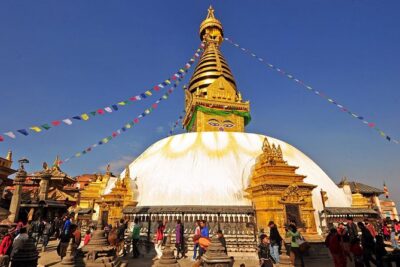
Private Kathmandu Sightseeing Tour | UNESCO World Heritage sites
Read our review →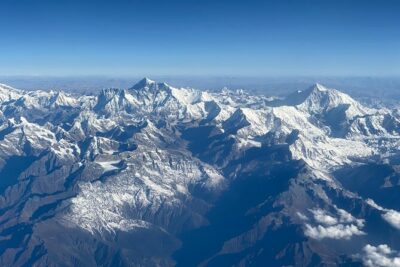
Everest Base Camp Helicopter Tour landing at Everest View Hotel
Read our review →
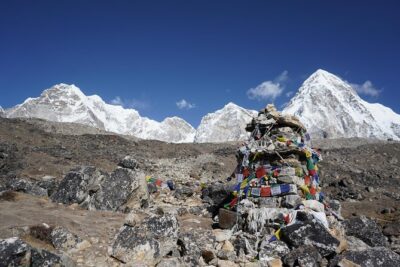
Nagarkot Sunrise View and Day Hiking from Kathmandu
Read our review →
Full Day 7 UNESCO Tour with Lunch – Private/Group
Read our review →