
REVIEW · KATHMANDU TOURS
Kathmandu: Guided Delicious Food Tour with 12+ Tastings
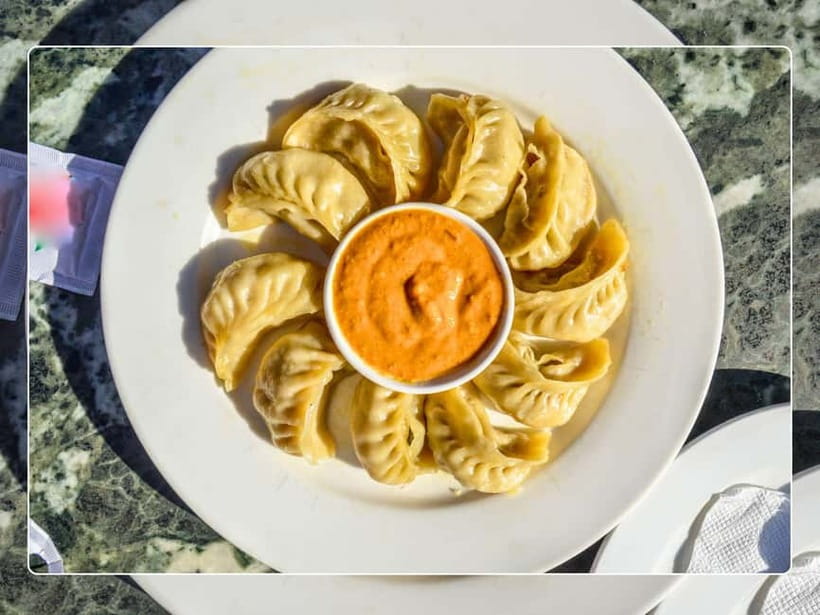
Kathmandu’s best introduction may come on a small plate. This 2.5-hour walk and tasting tour takes you into local eateries for 12 or more Nepali tastings, including momos, bara, chatamari, sel roti, Gundruk sadeko, lassi, and Bhaktapur’s famous juju dahu yogurt. Guide Bibek has also helped visitors try Nepalese pizza, beaten rice, beans, barfi, tea, and other everyday favorites.
I like the maximum group size of six, which gives you a real chance to ask questions and keep the pace comfortable. I also like the broad menu: this is not just a momo stop with a little garnish around it. The main consideration is that the exact food count and stops can vary, and the low listed price means you should confirm the selected option and start time before setting your plans.
Key points at a glance
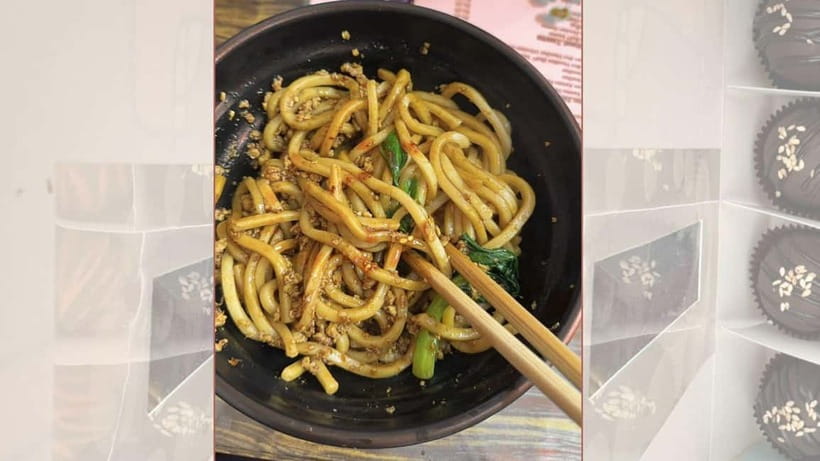
- 12+ tastings in 2.5 hours: You get a wide first taste of Nepali food rather than a single specialty.
- Four to five food stops: The route uses several local venues, with time for street food, regional dishes, drinks, and sweets.
- A private group of up to six: This is useful for food questions, dietary discussions, and a less hurried outing.
- Guide Bibek’s patient approach: He explains unfamiliar items clearly and makes recommendations for what to eat next in Kathmandu.
- A strong mix of dishes: Expect momos, bara, chatamari, sel roti, Gundruk sadeko, lassi, juju dahu, pickles, juice, and other local foods.
- A useful first-day activity: The tour ends where it begins, leaving you close to Thamel with ideas for further eating.
Why this Kathmandu food tour works as an introduction
Nepali food can be hard to decode during a short visit. A menu may list dishes you have never seen, and the same word can mean something different depending on the region or preparation. This tour gives you a guided way into that food culture, one small serving at a time.
You are not asked to choose a full meal at every stop. Instead, you sample many dishes across four or five venues. That format matters because you can compare textures and flavors without filling up too early. The tour includes traditional foods, local drinks, fresh juice, pickles, tea, and sweets, so it covers more than the familiar momo.
I find the range especially useful at the start of a Nepal trip. You can learn what you like, remember the names of dishes, and return to the foods that caught your attention. The tour also gives you a chance to ask about ingredients and local customs while you are actually eating, which is much more useful than reading a list of dishes in a guidebook.
The guide speaks English, and the experience is offered as a private group with no more than six people. That small size should make it easier to hear explanations and tell the guide if you need more or less food at a particular stop. The provider is Race Alpine Treks and Tours Pvt Ltd.
More Food Tours in Kathmandu:
- Kathmandu Food and Drink Walking Tour
★ 5.0 · 266 reviews - Kathmandu: Food and Drink Walking Tour
★ 4.9 · 119 reviews - Walking Street Food Tour in Kathmandu
★ 5.0 · 111 reviews
Meeting in Thamel and getting started
The stated meeting point is in front of Hotel Marshyangdi in Thamel. The tour ends back at the starting point, and transportation is included. The pickup arrangement can depend on the option you select, so I would check the exact meeting details and starting time before booking.
Thamel is a practical place for this kind of activity. It is easy to reach from many parts of central Kathmandu, and finishing there gives you a familiar point for the rest of your day. You do not need to plan a separate ride from an unknown final location.
The experience lasts about two and a half hours. That is long enough for a good sampling session, but short enough to fit around sightseeing. I would schedule it early in your stay, when you can still use the guide’s food suggestions during the rest of your time in Kathmandu.
Come ready to eat several small portions. The food is the point, but 12 or more tastings can add up quickly. A light meal beforehand makes sense if you tend to get hungry, but avoid arriving after a large breakfast or lunch.
Four to five stops, with more than just momos
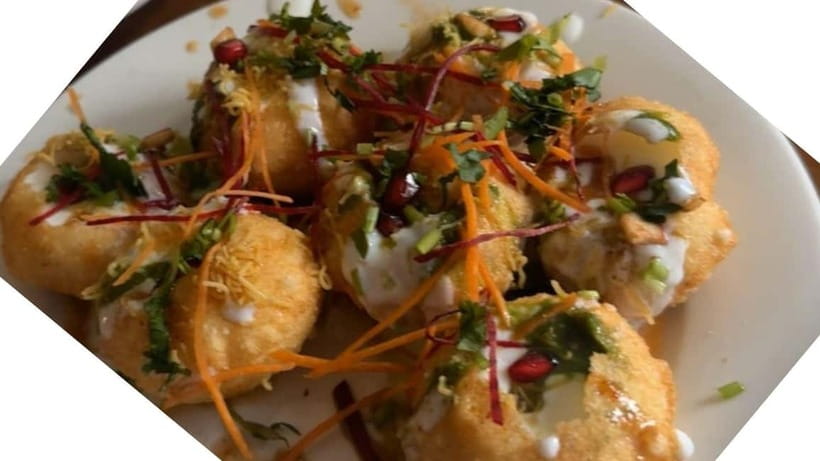
The route includes four to five local food venues and about two hours at a local restaurant and street-food setting, with the remaining time used for the full route and tastings. The exact order is not specified, so you should treat the following as the kinds of foods included rather than a guaranteed sequence.
Momos are likely to be one of the easiest starting points. These dumplings are among Nepal’s best-known foods, but the details matter: filling, spice level, dipping sauce, and local pickles can change the experience. The tour includes momos with local pickles, giving you a better sense of how Nepali diners balance the dumpling with sharp, spicy, or sour accompaniments.
You also try bara, a savory lentil pancake associated with Newari food. It has a different character from a momo, with a firmer bite and a pulse-based flavor. Beaten rice, sometimes called chiura, may appear alongside other foods. Its dry, crisp texture makes it a useful contrast to softer dishes and sauces.
Chatamari is another important tasting. It is often described as Nepalese pizza, though that label is only a rough shortcut. The comparison helps you picture a flat, topped dish, but the local preparation has its own texture and flavor. This was one of the foods included in a visit guided by Bibek, along with momos, dessert, tea, and other dishes.
Gundruk sadeko gives you a taste of Nepal’s preserved and seasoned vegetable tradition. The name may be unfamiliar, and that is exactly where a guide helps. Bibek is reported to explain each item patiently, which matters when you are trying foods whose ingredients or preparation are not obvious from appearance alone.
Sel roti adds a sweeter, fried element to the spread. It is a traditional rice-based ring with a distinct shape and texture. Lassi and fresh juice provide something cool to drink, while local pickles add punch to the savory foods.
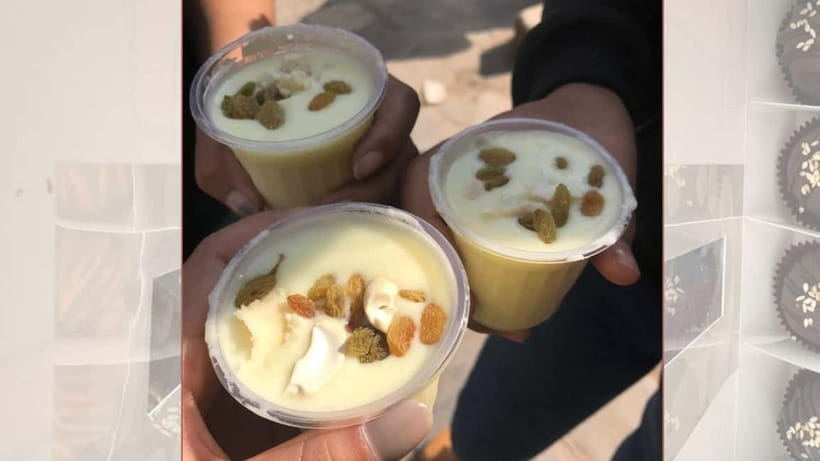
The tour also includes traditional Bhaktapur juju dahu, a thick yogurt often associated with the old city of Bhaktapur. You may also encounter barfi, tea, beans, and other small dishes. The precise selection can change, but the point is clear: you are sampling across snacks, savory plates, dairy, drinks, and sweets.
The value of a small private group
A group limit of six is one of the strongest practical features here. Food tours can become awkward when a large crowd gathers around a narrow table or when everyone must wait for one person to finish asking a question. A six-person group keeps the social side of the outing without turning it into a procession.
The private-group format also helps if you are unsure about unfamiliar dishes. You can ask what contains dairy, what is spicy, or how a food is normally eaten before taking a bite. The supplied information does not specify allergy accommodations, so you should tell the provider about dietary needs before booking rather than assume substitutions are available.
The personal tone appears to be part of the experience. Bibek is described as friendly, patient, and willing to answer questions. He also makes recommendations for later eating, which can be more useful than a fixed list of restaurants because your preferences emerge during the tour.
The small size does not guarantee a completely quiet or private dining room. You are still visiting local venues, and conditions can vary. But compared with a large group, six people gives you a better chance to focus on the food and the guide’s explanations.
A few more Kathmandu days to weigh up
- Secret Food Tour – Food Bites and Sights Kathmandu 14+ Testings
★ 5.0 · 82 reviews - Kathmandu Secret Food Crawl & Local Market Tour
★ 4.7 · 54 reviews - Kathmandu Food & Drink and Shopping Rickshaw Tour
★ 5.0 · 48 reviews - Walking Food Tour in Hidden Local Eateries of Kathmandu
★ 5.0 · 40 reviews
What the food lessons add to the meal
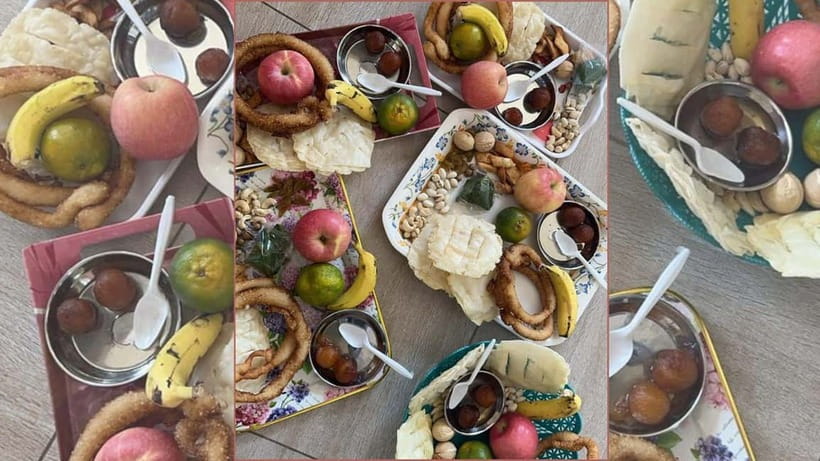
A good food tour should answer more than the question of whether something tastes good. It should tell you why the dish belongs in the local food culture and how it fits with other foods. This experience includes explanations of the history and significance of traditional Nepali dishes, including momos and Thakali food.
That context gives you a useful way to read Kathmandu’s menus afterward. You may start noticing the difference between a snack and a full set meal, between a fermented flavor and a fresh one, or between a dish linked to a particular community and a food now found throughout the city.
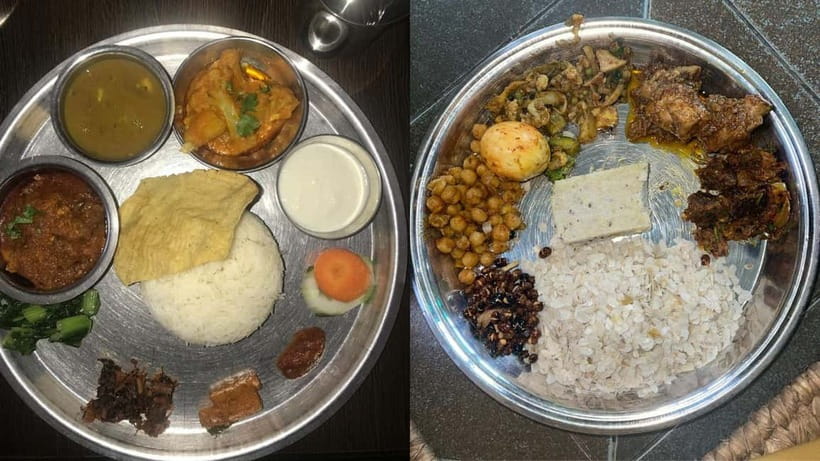
The Nepali Khaja set is an important example. Khaja refers to a collection of snack-like foods rather than one single item, so tasting it helps you understand how several small portions can form a satisfying meal. Thakali food adds another regional reference point, giving the tour more range than a narrow street-food crawl.
I would pay attention to the pickles and side dishes. They can change the balance of a plate and often show how local cooks build flavor without relying on the same sauces you may know from home. A guide can also tell you which dishes are best for a quick bite and which deserve a slower meal later.
What the three recent visits suggest about the guide
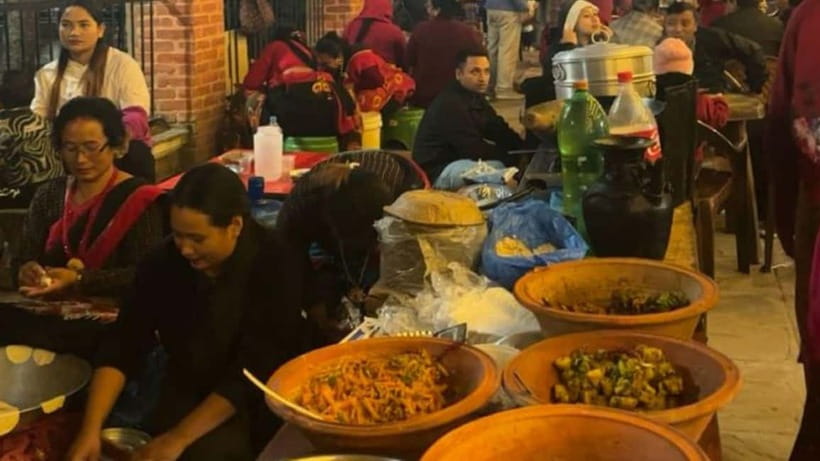
Bibek’s name appears in two of the detailed accounts provided for this experience. One person specifically appreciated his patience when explaining beans, beaten rice, bara, barfi, and other foods. Another found that he answered questions carefully while guiding a tasting that included momos, dessert, tea, and Nepalese pizza.
Those details point to a guide who treats the food as a subject rather than simply moving people from table to table. That is important here because some dishes may be familiar in name but unfamiliar in texture or preparation.
A third account describes the guide as hospitable and friendly, with useful recommendations for further eating in Kathmandu. I would use that part of the experience actively. Tell Bibek what you liked, what you did not, and how adventurous you want to be. The more direct you are, the more useful his suggestions can become.
Communication and pickup through WhatsApp have also been described as smooth. Since the meeting point is in front of Hotel Marshyangdi, keeping your phone available near the start time is sensible. The exact pickup details depend on the option selected, so do not rely only on a general map pin.
Is $5 good value?
At the listed price of $5 per person, this is unusually inexpensive for a 2.5-hour guided food experience with 12 or more tastings, drinks, transportation, and a private group capped at six. Even allowing for small portions, the number of included samples makes the tour look like strong value.
The value is not only in the amount of food. You are paying for a guide who can explain what you are eating, help you approach unfamiliar dishes, and point you toward more local food afterward. If you are new to Nepali cuisine, that orientation can save you from spending several meals guessing at menus.
Still, check the selected booking option carefully. The information gives a $5 price but does not explain whether every option has the same route, pickup arrangement, or tasting count. The description also uses both 12+ and more than 15 tastings, so I would treat 12 as the safe minimum and confirm the current details before you pay.
Alcohol is not included, and food beyond the listed items is not included. That is normal for a tasting tour, but it means you should not think of the price as covering an open-ended meal. The experience is best judged as a guided introduction with many samples, not as a substitute for dinner.
Free cancellation up to 24 hours before the activity and reserve-now, pay-later booking add useful flexibility. Starting times depend on availability. These details are worth using if your Kathmandu schedule is still shifting.
Who should book this food experience?
I would recommend it to first-time visitors who want a quick and friendly introduction to Nepali food. It also suits curious eaters who prefer trying many small portions over committing to one unfamiliar restaurant meal.
The tour makes sense for solo visitors and couples who want a small social setting. The maximum of six gives you a chance to meet people without the feel of a large bus group. It can also work well for a private party that wants a guide’s attention.
I would be more cautious if you have strict dietary requirements, need a completely predictable menu, or dislike eating at several venues in a short period. The available information does not promise specific allergy-free dishes or a fixed tasting list. Ask before booking.
This is also not the right choice if your main goal is a long, formal dinner. You will be moving between stops and trying small servings. The reward is variety and local orientation, not a single leisurely meal.
Practical tips for enjoying the 2.5 hours
- Eat lightly beforehand: Twelve or more tastings can become filling, even when portions are small.
- Ask about each dish: Use the guide to learn what you are eating, how it is prepared, and what to try next.
- Keep your schedule flexible: The route includes four to five stops, and the starting time depends on availability.
- Confirm your option: Pickup details and the exact route depend on the selected booking option.
- Plan your next meal after the tour: You will return to Hotel Marshyangdi, with new ideas for Kathmandu food in mind.
- Mention food needs early: The provided details do not promise dietary substitutions or allergy arrangements.
Should you book it?
I would book this tour if you want the widest possible first taste of Kathmandu food at a very low listed price. The combination of 12+ samples, four to five stops, a six-person limit, and a guide such as Bibek gives you both variety and useful personal attention.
Before booking, confirm the current tasting count, meeting arrangement, and suitability for your diet. If those details work for you, this is a smart early-trip activity. You leave full of new flavors and with a better idea of what to order for the rest of your time in Nepal.
FAQ
How long does the Kathmandu food tour last?
The tour lasts 2.5 hours, with food tasting at four to five stops.
How many foods are included?
The experience includes at least 12 traditional Nepali tastings. The description also refers to more than 15 tastings, so confirm the current count when selecting your option.
What dishes might I try?
Possible tastings include momos, Nepali Khaja set, Thakali food, Gundruk sadeko, chatamari, sel roti, bara, Bhaktapur juju dahu, local pickles, lassi, fresh juice, tea, beans, beaten rice, and barfi.
Where is the meeting point?
The representative meets you in front of Hotel Marshyangdi in Thamel, Kathmandu. Pickup details can depend on the selected option.
Is the tour a large group activity?
No. It is offered as a private group with a maximum of six people.
Is transportation included?
Yes, transportation is included, and the tour concludes back at the starting point. Alcoholic drinks and food beyond the listed inclusions are not included.
Recently added around Kathmandu
- Kathmandu Paragliding★ 5.0 · 3 reviews
- Kathmandu Airport Pickup and Drop-off Services★ 5.0 · 3 reviews
- Explore The Beauty Of Langtang Valley In 8-Days Trek★ 5.0 · 3 reviews
- Kathmandu Chandragiri Cable Car and Swayambhunath Private Tour★ 5.0 · 3 reviews
- Kathmandu: Nightlife and Pub Crawl Tour★ 5.0 · 3 reviews
- Mountain Flight Experience in Nepal★ 4.5 · 3 reviews
- Kathmandu: Momo Making Class with a Local Chef★ 5.0 · 3 reviews
- Everest Base Camp Trek★ 5.0 · 3 reviews
Other Kathmandu Tours worth a look


Private Kathmandu Sightseeing Tour | UNESCO World Heritage sites
Read our review →
Everest Base Camp Helicopter Tour landing at Everest View Hotel
Read our review →


Nagarkot Sunrise View and Day Hiking from Kathmandu
Read our review →
Full Day 7 UNESCO Tour with Lunch – Private/Group
Read our review →
This tour also appears in