
REVIEW · POKHARA TOURS
Private Half Day Tour Highlights of Pokhara by Car
Pokhara’s best sights are spread across the valley, and this private car tour gives you a practical way to connect them in one morning or afternoon. You can move from Phewa Tal to a waterfall, cave, temple, museum, gorge, and hilltop peace monument without arranging separate taxis.
I like the flexible starting time, which runs from early morning to early afternoon, and I like that pickup is available from your hotel or Pokhara Airport. The tour also includes entrance fees and bottled water. The main caution is coordination: some bookings have had late pickup or a driver whose English was too limited, so confirm the details before setting out.
Key points to know before booking
- Seven major stops in four to five hours: This is a brisk route, with short visits at most sights and about an hour at the Peace Pagoda.
- Private transport saves time: You travel by car with only your own group, rather than waiting for other passengers.
- Moti received especially warm praise: One excellent experience included a guide named Moti, whose English was described as strong and whose route adjustments helped a visitor who disliked heights.
- The Peace Pagoda is the longest stop: Allow about an hour for the monument and its views over the lake and mountains.
- Fees and water are covered: You do not need to keep paying entrance charges at each stop.
- Confirm pickup and guide language: A small number of bookings had communication and timing problems.
Why a private car makes sense in Pokhara
Pokhara looks easy to explore on a map, but its sights sit in different parts of the valley. Phewa Tal is tied to the city center, Devi’s Fall and Gupteswar Gupha are farther south, Bindhyabasini Temple is north of town, and the Peace Pagoda sits above the lake.
A private car turns this scattered set of places into one workable half-day. You avoid the time and uncertainty of finding a taxi for every leg. That matters when you have only one free morning, a short stay in Pokhara, or a flight later in the day.
This is not a slow, highly specialized cultural tour. It is a sightseeing circuit. You get a broad first look at Pokhara, with an English-speaking driver-guide providing context about the region’s culture and history.
The private format is useful for families, couples, and small groups who want to keep the pace under their own control. It also allows some flexibility. A guide named Moti adjusted the route for one participant who was uncomfortable with heights, while still preserving several worthwhile stops. That suggests the private setup can work better than a fixed group outing when you have a clear concern or preference.
The published price is $80 per person. Its value depends on group size. For one person, it is a fairly expensive half-day, but the price includes private transportation, hotel or airport pickup and drop-off, an English-speaking driver-guide, entrance fees, and bottled water. For two or more people sharing the experience, the convenience becomes easier to justify, especially if you would otherwise hire several taxis and pay admission separately.
A few more Pokhara days to weigh up
- ZipFlyer Nepal – The World’s Steepest Zip-line
★ 5.0 · 608 reviews - Bungee Pokhara by HighGround Adventures
★ 5.0 · 366 reviews - From Pokhara: Sarangkot Sunrise Himalayas Tour
★ 4.7 · 218 reviews
Phewa Tal: a calm opening by Pokhara’s famous lake
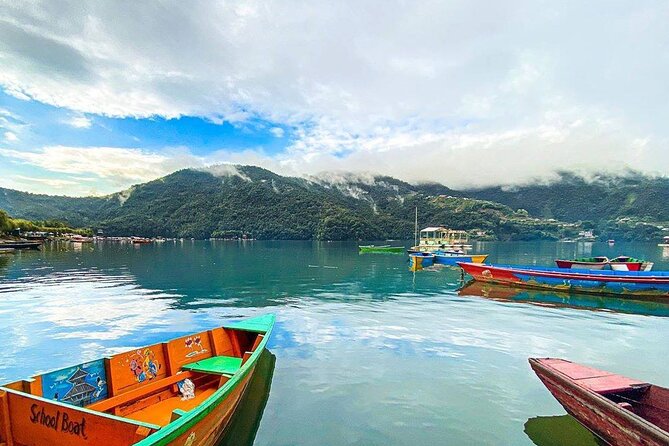
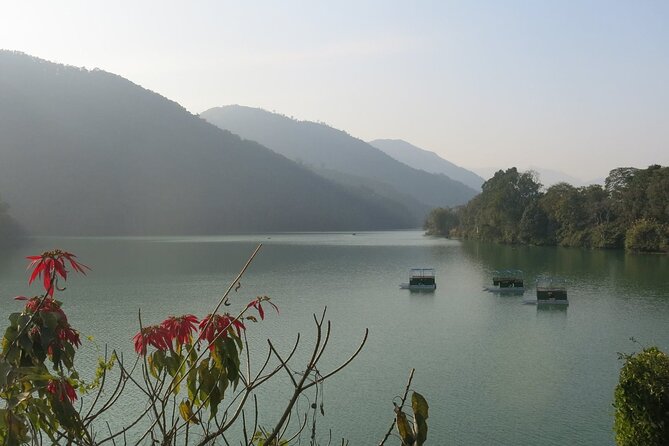
The first stop is Phewa Tal, also called Phewa Lake or Fewa Lake. You have about 30 minutes here, enough to get your bearings beside one of Pokhara’s defining natural features.
The lake sits south of the Pokhara Valley and reaches into the city’s daily life. Its broad water surface gives you an immediate sense of why Pokhara is a base for so many mountain and outdoor trips. This is a good first stop because it is gentle and open, with a chance to pause before the faster sequence of cultural and natural sites.
Thirty minutes is not enough for a long lakeside outing, so set your expectations accordingly. You are getting a short scenic stop, not a separate boating trip or a full morning around the shore. If you want extended time at the lake, ask whether the schedule can be adjusted, though the supplied tour details do not promise a boat ride.
Devi’s Fall and Gupteswar Gupha, two connected sights
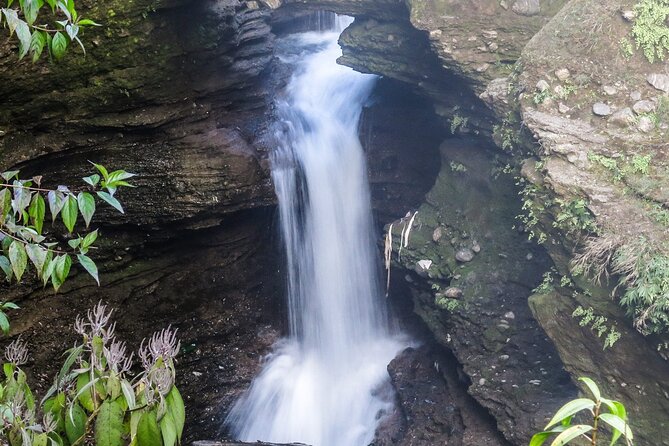
Devi’s Fall gives you a compact but striking natural stop. Water drops into a channel and forms a tunnel after reaching the bottom. The tunnel is described as roughly 500 feet long and about 100 feet below the surface, which helps explain why the site feels more unusual than a simple roadside waterfall.
You have around 30 minutes at the falls. That is enough to see the main feature and take photographs, but not enough for a leisurely visit if the stop is crowded or you need extra time moving around.
The next stop, Gupteswar Gupha, takes about 45 minutes. This cave lies opposite Devi’s Fall, and water from the falls passes through the cave system. The pairing is the clever part of the route: you see the water above ground, then follow its path into a religious and geological site nearby.
Gupteswar Mahadev Cave is associated with Lord Shiva, so this stop gives the outing a stronger spiritual element. Expect an underground visit rather than a polished museum-style attraction. If you are uncomfortable in enclosed spaces or have difficulty with uneven routes, you should raise that concern when arranging the tour. The supplied information calls the trip easy and suitable for most people, but it does not give detailed access information for the cave.
Bindhyabasini Temple, Pokhara’s oldest temple
Bindhyabasini Temple is scheduled for about 30 minutes. Located in Ward No. 2, Miruwa, it is described as the oldest temple in Pokhara and draws local worshippers as well as people from elsewhere in Nepal.
This is one of the most useful cultural stops because it connects the city you see today with everyday Hindu religious practice. You are not simply looking at an old building. You are visiting a functioning temple that remains part of local life.
The site is also described as offering a top view, adding a scenic element to the visit. Half an hour gives you time to look around and take in the setting, but the schedule is tight. Dress and behave respectfully at the temple, and follow any instructions from your guide or local staff.
The tour description does not specify a particular ceremony or guarantee a quiet visit. Treat this as a brief cultural introduction rather than a carefully timed religious event.
A different kind of day from the same base:
- ATV Adventure Tour in Pokhara, Nepal
★ 5.0 · 194 reviews - Full-Day Tibetan Cultural Tour to Tibetan Settlements Pokhara
★ 5.0 · 184 reviews - Pokhara: Full-Day Sharing Bus Tour on 7 Iconic Destination
★ 4.1 · 179 reviews - Poon hill Trek 3 days
★ 5.0 · 176 reviews
Seti River Gorge: a quick look at Pokhara’s unusual geography
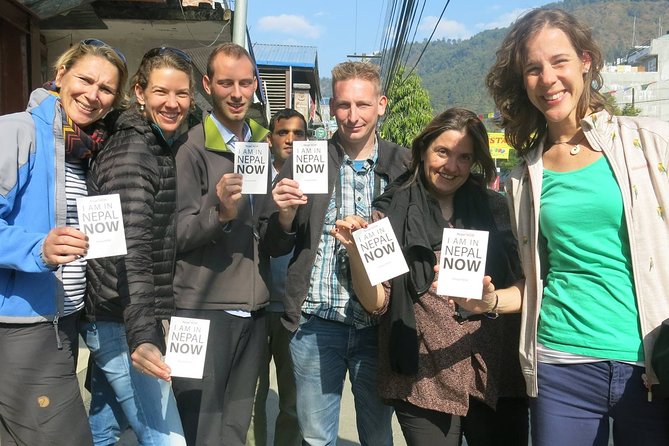
The Seti River Gorge is another 30-minute stop. The Seti Gandaki, also called the Seti River or Seti Khola, runs through western Nepal and is known for its deep channels around Pokhara.
The river’s pale, fast water and narrow gorge make this stop different from the lake and waterfall. It shows how water has cut through the valley and gives you a quick look at one of Pokhara’s striking natural features.
This is a short photo and viewpoint stop, not a river excursion. The tour does not include rafting or a walk along the river. Its value comes from variety: after the open lake, waterfall, and cave, the gorge gives you another view of the forces that shaped the valley.
Pokhara Museum and the story behind the region
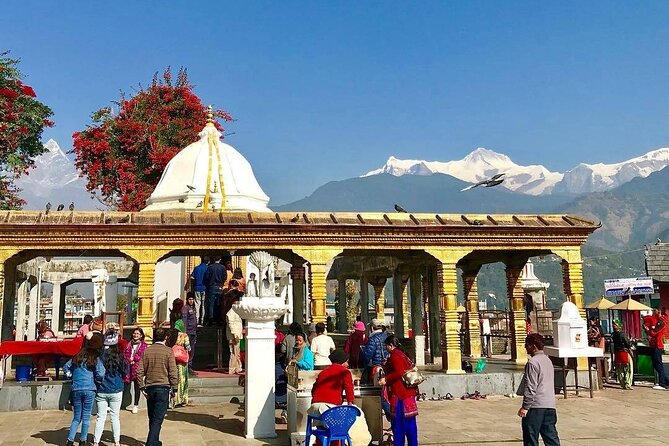
The Pokhara Museum receives about 40 minutes. Its focus is Nepal’s nature, culture, and adventure, with displays that help place the surrounding sights in context.
I consider this a useful part of the day because the rest of the route can otherwise become a sequence of scenic stops. The museum gives you a chance to connect Pokhara’s natural setting with Nepali cultural traditions and the area’s reputation for adventure.
Forty minutes is a reasonable introduction, though it will not allow a slow look at every display. If you prefer museums to viewpoints, you may wish the schedule gave this stop more time. If you are new to Nepal, though, even a short visit can make the temples, caves, and river you have just seen easier to understand.
The driver-guide is meant to explain local culture and history during the tour. That makes the guide’s communication skills important here. One booking had a driver who could not speak English well, and an English-speaking guide was sent after the operator was contacted. Confirming that an English-speaking guide will be present from the start is sensible.
Peace Pagoda: the tour’s main viewpoint
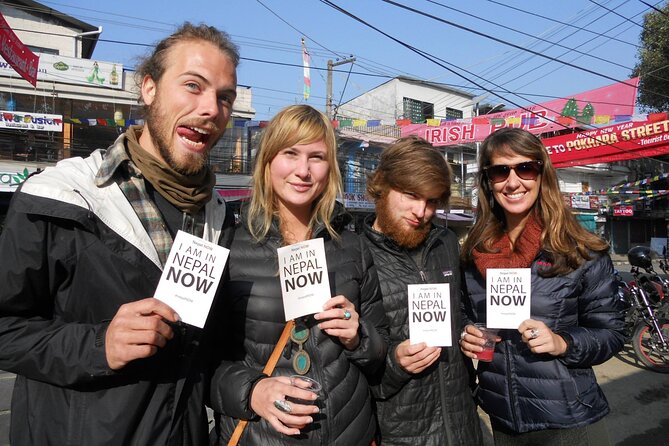
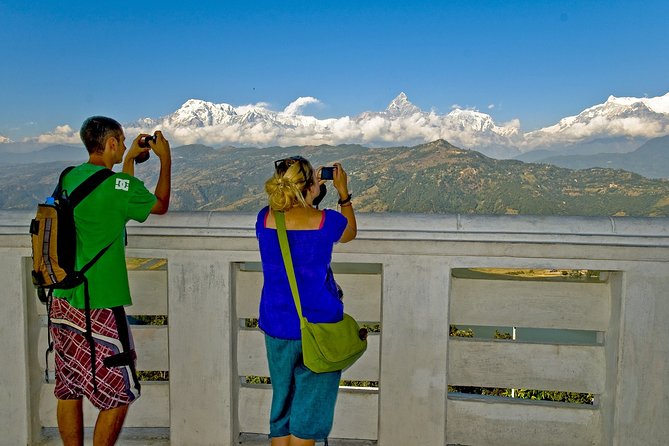
The World Peace Pagoda is the longest stop, with about one hour planned. This pagoda-style Buddhist monument sits above Pokhara and offers views toward the lake and mountains.
It is also the point where the tour’s geography comes together. From the high viewpoint, you can look back toward Phewa Tal and see more clearly how the city, water, and surrounding hills fit together. The setting gives the half-day a strong finish.
The climb or approach can matter to you if you dislike heights. The tour can sometimes be adjusted in a private format, as shown by Moti’s handling of one visitor’s concern, but this is not a guarantee that every route or viewpoint can be changed. Tell the operator about mobility or height concerns before booking.
One hour is enough to appreciate the monument and views without turning the whole excursion into a single-site visit. Still, weather will affect what you see. The tour provides access to the site, but it cannot promise clear mountain views.
Timing, pace, and what the four to five hours really mean
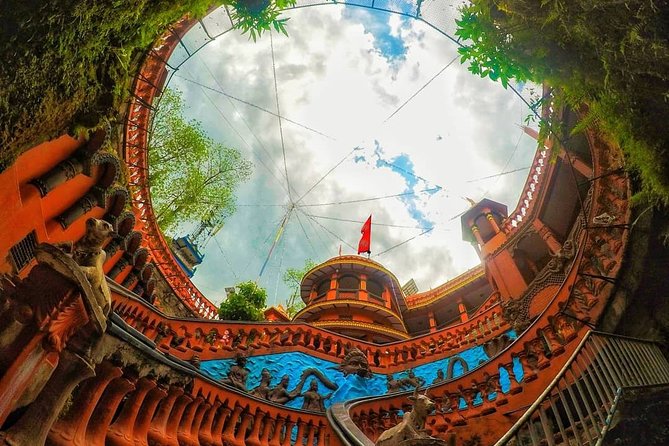
The listed stop times add up to about four hours and 25 minutes. That leaves little room for traffic, pickup, drop-off, or extended time at a favorite sight, which explains the stated total duration of roughly four to five hours.
The pace is efficient. You will spend 30 minutes at the lake, falls, temple, and gorge, 40 minutes at the museum, 45 minutes in the cave, and an hour at the Peace Pagoda. This is a good arrangement if your goal is to see the main points rather than linger.
The flexible start, from early morning through early afternoon, is one of the tour’s practical strengths. An early start may suit you if you want to finish before other plans. An afternoon departure can work if you arrive in Pokhara later or prefer a slower morning.
Airport pickup adds value if you are arriving in Pokhara and want to begin sightseeing without first arranging a separate transfer. Hotel pickup and drop-off make the same sense for a short stay. Confirm the pickup time and location in advance, since one serious complaint involved a lack of advance contact and uncertainty about whether the car would arrive.
Guide quality and the private-tour advantage
Your driver is also your guide, so the person behind the wheel affects the day more than on a standard transfer. The strongest personal praise centered on Moti, who was described as having perfect English and adapting the route to suit a participant’s dislike of heights.
That kind of flexibility is exactly what a private tour should offer. You can ask for explanations, request a little more time at a stop when possible, and flag concerns without holding up a busload of people.
The weak point is inconsistency. Some bookings had confusion over coordination, a late driver, or limited English. In one case, the operator arranged for someone with stronger English after being contacted. This does not make the tour a poor choice, but it means you should not treat the guide quality as automatic.
At booking, confirm the pickup time, the vehicle meeting point, and that an English-speaking driver-guide is assigned. Keep the operator’s contact details available on the day.
What the $80 price includes
The $80 per person covers pickup and drop-off, private transport, an English-speaking driver-guide, entrance fees, and bottled water. That is a clean package, with fewer small payments during the day.
The value improves when two or more people share the booking. You are paying for a private car and a route that would otherwise require several separate rides. Group discounts are also offered, though no discount amount is specified.
Personal expenses and optional gratuities are not included. The tour does not list meals, boating, special activities, or extra time at any stop, so budget separately if you want those additions.
Free cancellation is available up to 24 hours before the local start time for a full refund. Cancellation within 24 hours is not refunded, and late changes are not accepted.
Who should book this Pokhara tour?
I would choose this tour if you have one half-day and want a broad introduction to Pokhara without managing transport yourself. It suits first-time visitors, couples, families, airport arrivals, and small private groups.
It is also a good fit if you like a mix of nature, religion, local culture, and viewpoints. The route does not focus only on mountains or only on temples. You get a little of each.
I would hesitate if you want long, quiet visits at every stop, a specialist historian, a guaranteed mountain panorama, or a carefully paced cave and temple experience. The schedule is built for coverage, not depth.
Should you book it?
Book this private half-day tour if your priority is seeing many of Pokhara’s main sights with minimal transport fuss. The lake, falls, cave, temple, gorge, museum, and Peace Pagoda form a varied route, and the included fees make the price easier to judge.
Before you commit, confirm the pickup arrangement and English-speaking guide. If you can secure a guide such as Moti, the private format offers useful flexibility, especially if you have concerns about heights or want small route changes. If clear communication is not confirmed, the tour’s main advantage becomes less certain.
FAQ
How long does the Pokhara highlights tour last?
The tour lasts approximately four to five hours, including visits to seven sights and transportation between them.
Where can pickup take place?
Pickup and drop-off are offered from your hotel or Pokhara Airport.
Is this a private tour?
Yes. Only your own group participates in the activity.
What is included in the price?
The price includes pickup and drop-off, all entrance fees, an English-speaking driver-guide, and bottled water.
What time can the tour start?
The starting time is flexible from early morning to early afternoon.
What is the cancellation policy?
You can cancel at least 24 hours before the local start time for a full refund. Cancellations or changes made within 24 hours are not accepted for a refund.
Recently added around Pokhara
- Paragliding in Pokhara★ 5.0 · 3 reviews
- Pokhara: 5-Day Annapurna Base Camp Trek with Hot Spring★ 5.0 · 3 reviews
- Pokhara:4-Day Ghorepani Poon Hill Guided Trek via Ghandruk★ 5.0 · 3 reviews
- Pokhara: 7-Day Annapurna Base Camp Trek via Ghandruk★ 4.3 · 3 reviews
- Peace & Panorama: Stupa and Pumdikot Scenic Drive Tour★ 3.6 · 3 reviews
- Beautiful Sarankot Sunrise with Full Day Sightseeing in Pokhara★ 4.5 · 3 reviews
- 3 Day Australian Camp Dhampus Ghandruk Easy Trek in Pokhara★ 3.5 · 3 reviews
- Overnight Dhampus Australian Camp Easy Hiking from Pokhara★ 5.0 · 3 reviews
Other Pokhara Tours worth a look
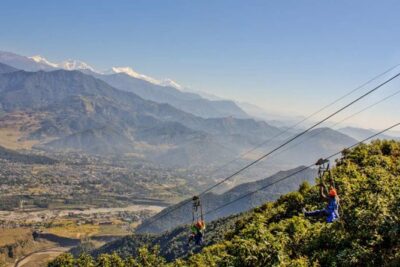
ZipFlyer Nepal – The World’s Steepest Zip-line
Read our review →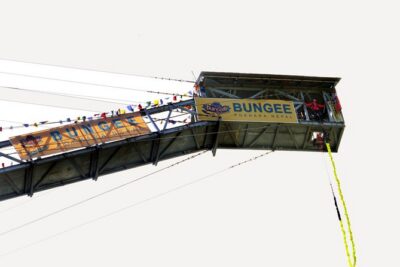
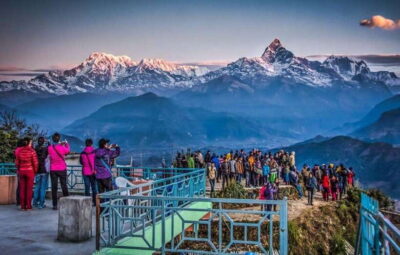

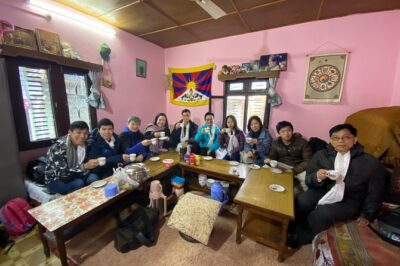
Full-Day Tibetan Cultural Tour to Tibetan Settlements Pokhara
Read our review →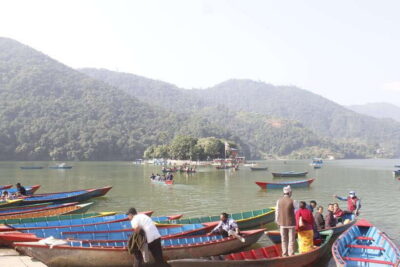
Full-Day Sharing Bus Tour on 7 Iconic Destination
Read our review →
Trekking in Annapurna/Langtang/Everest/Upper Mustang regions
Read our review →This tour also appears in