
REVIEW · EVEREST BASE CAMP TREKS
Short Everest Base Camp Trek 10 Days
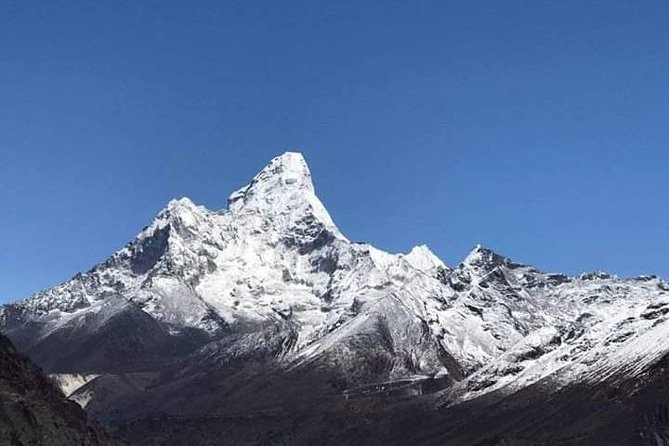
Everest Base Camp is the prize here, but the real pleasure comes from walking through Sherpa villages, crossing suspension bridges, and watching the high peaks grow larger each day. The route reaches Everest Base Camp at 5,364 meters and Kala Patthar at 5,545 meters, giving you two very different views of the mountain world.
I like the built-in Lukla flights and the small maximum group of 15. I also like the personal guide support: past trips have been led by people such as Padam, Mohan, AJ, and Anjan, with Padam praised for patience, health advice, and steady encouragement. The main concern is the pace. Ten days is short for this altitude, and there is no clearly listed acclimatization day.
Key points
- High-altitude finish: Reach Everest Base Camp at 5,364 meters and Kala Patthar at 5,545 meters.
- Sherpa country: Walk through Namche Bazaar, Khumjung, Khumjung, Dingboche, and other mountain villages.
- Flights included: The price covers Kathmandu to Lukla and Lukla to Kathmandu, including domestic airport tax.
- Guide-led trek: An experienced English-speaking guide is included, along with guide and porter expenses.
- Meals cost extra: Breakfast, lunch, and dinner are not included, so budget for food each day.
- Short and demanding: The trek suits people with strong physical fitness and comfort with long uphill walks.
What this 10-day Everest trek is really like
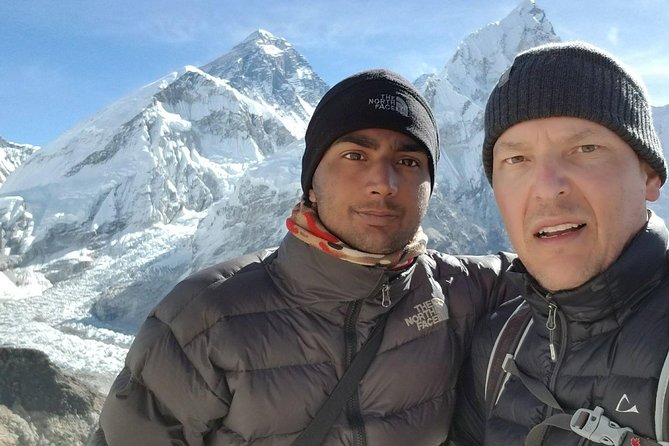
This is a fast-moving Himalayan trek, not a relaxed mountain holiday. You spend most days walking between five and eight hours, often on rocky trails with major changes in altitude.
The route begins with a short flight from Kathmandu to Lukla, then moves through the Dudh Koshi valley before climbing to Namche Bazaar. From there, the trail passes Tyangboche, Dingboche, Lobuche, and Gorakshep before reaching Everest Base Camp.
You then climb Kala Patthar for sunrise and descend toward lower villages. That reverse route matters. You are not simply walking to Base Camp and flying out. You still have several demanding days after the high point.
The itinerary uses tea house lodges. This gives you a simple place to sleep and a direct connection with the villages along the trail. It also means you should expect basic accommodation rather than hotel comfort. Meals are not included, and personal trekking equipment is your responsibility.
More Hiking Tours in Kathmandu
- Everest Base Camp Trek – 14 Days
★ 5.0 · 1,499 reviews - Everest Base Camp Trekking
★ 5.0 · 485 reviews - Nagarkot Sunrise View and Day Hiking from Kathmandu
★ 5.0 · 471 reviews
Day 1: Lukla to Phakding after the mountain flight
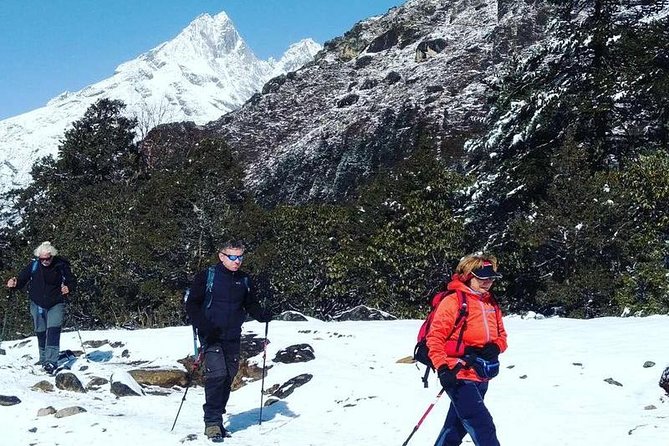
Your start time is listed as 6:15 a.m., fitting the early domestic flight from Kathmandu to Lukla. The flight takes about 25 minutes, though mountain aviation schedules can be affected by conditions. The package includes the airfare and domestic airport tax.
Lukla is the gateway to the Everest region. After landing, you begin walking toward Phakding, with about three and a half hours on the trail. This first day is useful because it gives you an active start without immediately forcing you to sleep at a very high altitude.
Phakding is your first teahouse stop. You will likely be tired from the early start, but the short walking day gives you time to settle into the rhythm of the trek. Keep your first evening simple. Eat, drink plenty of water, and organize your daypack for the morning.
Day 2: Following the Dudh Koshi to Namche Bazaar
The walk from Phakding to Namche Bazaar takes about six hours. The route follows the right bank of the Dudh Koshi, with Thamserku visible across the river.
This is the day when the trail begins to feel like a serious trek. You move toward Namche Bazaar at 3,440 meters, and the route includes steady climbing. Namche is the main settlement in the area and an important stop for supplies, lodges, and contact with the outside world.
I like this part of the route because the scenery changes gradually. You are not dropped beside the highest peaks. Instead, the river, forest, bridges, and villages introduce you to the region step by step.
The drawback is that the itinerary does not list a separate rest or acclimatization day in Namche. At this altitude, you need to pay close attention to how you feel. Your guide should set the walking pace and help you decide how to respond to headache, nausea, unusual fatigue, or other symptoms.
Day 3: Namche Bazaar to Tyangboche
From Namche, the trail climbs toward Tyangboche at 3,867 meters. The walk is listed at about five hours.
The path leaves behind steep drops toward the Dudh Koshi and opens to broad mountain views. Tyangboche is one of the memorable stops on the route, with rhododendron forest and a setting surrounded by peaks.
You should not treat this as an easy day just because the walking time is shorter. The altitude continues to rise, and even moderate hills can feel strenuous. Walk slowly. This is a place where the guide’s judgment matters more than the fastest person in the group.
Past trips have included guides named Mohan, AJ, Padam, and Anjan. The strongest pattern in the feedback is the attention given by the guides. AJ was described as explaining the next day’s plan each evening, while Padam was praised for patience, practical advice, and helping trekkers stay healthy. Ask at booking which guide is assigned to your departure.
More Everest Base Camp Treks in Kathmandu:
- Everest Base Camp Helicopter Tour landing at Everest View Hotel
★ 5.0 · 668 reviews - Everest Base Camp Trekking – 13 Day
★ 5.0 · 365 reviews - Everest Base Camp Trek -14 Days
★ 5.0 · 321 reviews - Everest Base Camp Helicopter Tour landing at Hotel Everest View
★ 5.0 · 218 reviews
Day 4: Tyangboche to Dingboche through Deboche
The trail descends through rhododendron forest toward Deboche, then crosses a suspension bridge over the Imja Khola. From there, you continue toward Dingboche at 4,260 meters.
This five-hour day has a useful mix of descent and ascent. The forest section gives you a change from the exposed upper valley, while the bridge crossing adds one of the classic details of Himalayan trekking.
Dingboche is high enough that the cold and thin air become more noticeable. You may find that ordinary tasks, such as packing your bag or climbing the lodge stairs, take more effort than expected. Keep your evening quiet and save energy for the next two days.
Because the trek is compressed into ten days, you have less spare time if your body needs a slower pace. The included guide is a real benefit here, but you still need to tell the guide honestly how you feel.
Day 5: Dingboche to Lobuche and the approach to the glacier
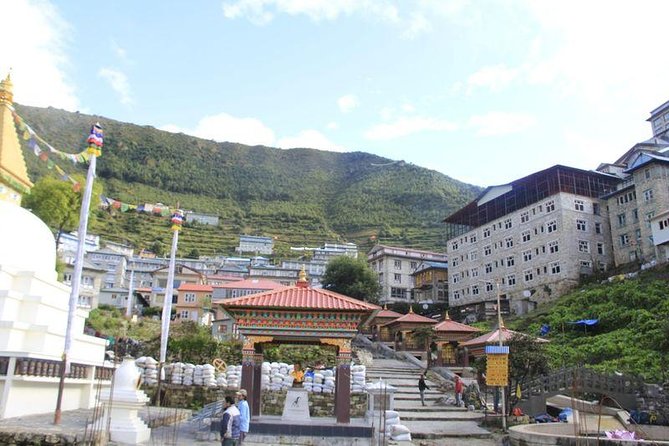
The five-hour walk from Dingboche to Lobuche begins gently toward Pheriche. The route then takes you higher through the open Khumbu valley.
The scenery becomes more severe as trees thin out. You gain a stronger sense that you are entering the high mountain zone, with peaks such as Nuptse, Pumori, Ama Dablam, Lhotse, and other Himalayan summits forming the backdrop.
Lobuche is at a demanding elevation, so this is not the time to spend energy trying to prove your strength. Eat what you can, prepare warm clothing, and keep your gear easy to reach. The next day is the longest and most important day of the trek.
Day 6: Lobuche to Gorakshep and Everest Base Camp
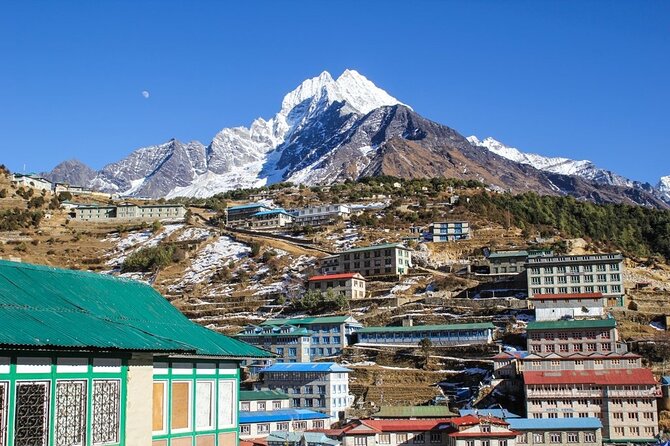
This is the big day, listed at about eight hours. You trek toward Gorakshep at 5,140 meters, then continue to Everest Base Camp at 5,364 meters.
The trail becomes rocky and follows the Khumbu Glacier. The walking can feel slow at this altitude, and the scenery is more about ice, rock, and huge walls of mountain than green valleys.
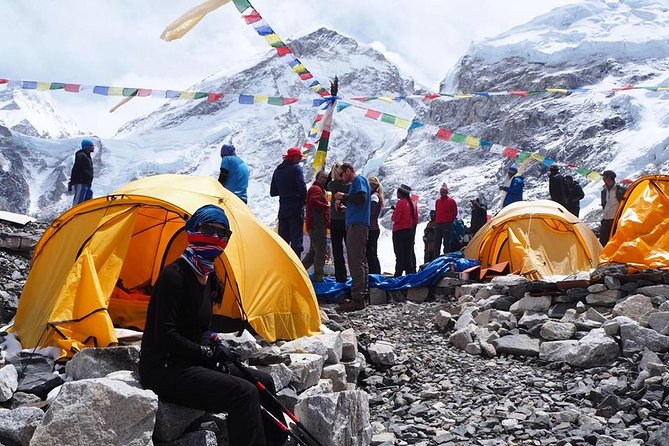
Everest Base Camp is rewarding because it marks the end of the outward route. You see the famous staging area used by climbers, though the exact appearance of Base Camp can vary by season. The view includes Nuptse, Pumori, and the surrounding high peaks.
One practical point matters here: Base Camp itself is not the best place for the classic broad view of Everest. Kala Patthar, the next morning’s climb, is usually the key viewpoint on this itinerary. Think of Day 6 as the achievement day and Day 7 as the panorama day.
You return to Gorakshep after visiting Base Camp. At 5,140 meters, sleep may be difficult, and the cold can be intense. This is another reason to bring proper personal equipment and travel insurance that covers high-altitude emergency rescue.
Day 7: Kala Patthar at sunrise, then down to Pheriche
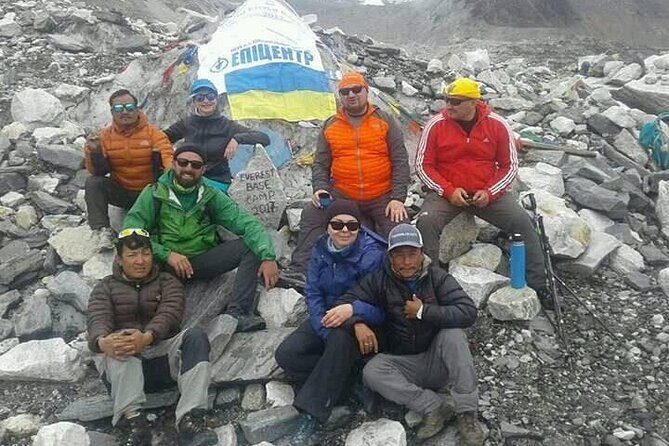
You rise early for the climb to Kala Patthar at 5,545 meters. The walk is listed at about seven hours in total, including the descent to Pheriche at 4,243 meters.
Kala Patthar is the visual high point of the trek. At sunrise, you can see Everest, Pumori, and nearby peaks in the changing light. The climb is steep and tiring, especially after the previous day, but it gives you the view many people imagine when they first picture an Everest trek.
The descent to Pheriche is welcome, but do not underestimate it. Going downhill can be hard on tired knees, and loose rock requires care. Once in Pheriche, the lower altitude should feel easier than Gorakshep.
The itinerary is clear about the main destinations, but some of the daily route wording is not perfectly consistent. Day 7 places you in Pheriche, while Day 8 refers to a Tyangboche to Namche section. Confirm the exact Day 8 route and overnight stop with the operator before departure.
Days 8 and 9: Returning through the villages to Lukla
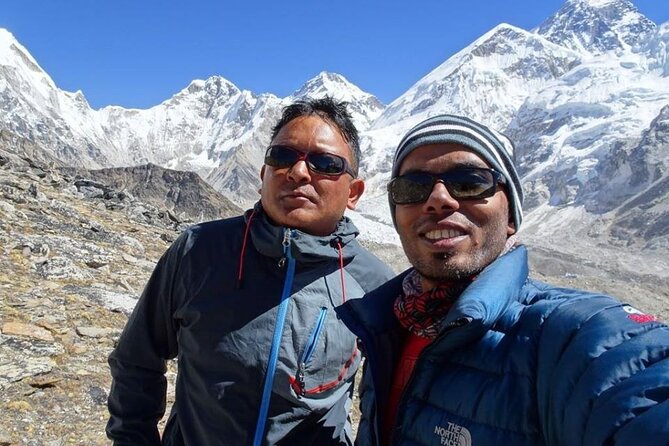
The return section takes you back toward Namche Bazaar and then Lukla. The schedule lists about seven hours for Day 8 and another seven hours for Day 9.
The route passes traditional villages including Khumjung and Khunde. These settlements offer a closer look at daily life in the Everest region than the high glacier section does. You will also have more time to notice the way homes, paths, lodges, and mountain work fit together.
The published schedule describes Day 8 as a trek to Namche and Day 9 as Namche to Lukla. It also contains a reference to trekking from Tyangboche to Namche on Day 8, so ask for the final day-by-day plan before paying the balance or setting off.
By Lukla, the trek is nearly finished, but you still need to conserve energy. Your final night is in a tea house lodge, with time to rest before the morning flight.
Day 10: Lukla to Kathmandu and a farewell meal
The return flight to Kathmandu is scheduled for early morning and takes about 25 minutes. Private vehicle transfers between the airport and hotel are included.
The plan ends with a farewell dinner at Bhojan Griha in Kathmandu. This is a pleasant change from the basic mountain lodges and gives you a proper final evening in the capital.
The flight schedule is a practical consideration. Do not book a tight international connection immediately after the planned arrival unless you have checked the timing carefully. The provided plan includes the flight, but mountain flights can require flexibility.
Guides, group size, and the human side of the trek
The maximum group size is 15 people. That is small enough to keep the group manageable, though your experience will still depend on the final number of participants and the guide assigned.
The strongest part of this package is the guide service. The guide is English-speaking and experienced, and the price includes the guide’s food, drinks, lodging, transport, equipment, salary, and insurance. Guide names connected with past departures include Mohan, AJ, Padam Bahadur Bhujel, and Anjan.
Padam received particularly strong personal praise for his expertise, patience, health advice, and encouragement. Mohan was described as kind, while AJ was noted for explaining the next day’s plan. Those details are useful because good communication matters greatly when you are tired and walking at altitude.
A porter is not included in the base price. The stated arrangement is one porter for two people at an extra cost. Tips for the guide and porter are also expected, so include them in your working budget.
What the $1,400 price does and does not cover
At $1,400 per person, the package offers good value if you want the main logistics handled. It includes private airport and hotel transfers, the Kathmandu to Lukla and return flights, tea house lodging, permits, taxes, and guide support.
The price also covers guide and porter expenses listed by the operator, but the separate note says porters are available at an extra cost. Treat that as a point to clarify before booking. Ask exactly what porter support is included and what you will pay for one porter carrying two people’s gear.
You must pay separately for:
- Breakfast, lunch, and dinner during the trek
- Personal trekking equipment
- Travel insurance
- High-altitude rescue and evacuation coverage
- Porter cost, if you choose one
- Tips and personal expenses
The biggest financial mistake would be to view $1,400 as the full trip cost. Food at altitude, equipment rental or purchase, insurance, tips, and possible extra nights can add to the total. Still, the included flights and guide service make the listed price attractive for a short, organized Everest Base Camp trip.
Emergency helicopter service can be arranged, but the cost is paid by your travel insurance company. You need a policy that specifically covers emergency high-altitude rescue and evacuation.
Who should book this trek
I would consider this trip if you have strong physical fitness, limited time, and a clear goal of reaching Everest Base Camp and Kala Patthar. It also suits you if you prefer a guide-led route and do not want to arrange Lukla flights, permits, lodges, and transfers yourself.
I would be cautious if you have never done long mountain walks, if you need a slow acclimatization schedule, or if you dislike basic tea house accommodation. The ten-day format leaves little room for an easy day, and the itinerary includes long walks at very high altitude.
Bring personal trekking clothing and equipment suited to cold conditions, and arrange high-altitude rescue insurance before you go. Since meals are excluded, plan a food budget as well.
The cancellation policy allows a full refund if you cancel at least 24 hours before the 6:15 a.m. start time. Cancellations within 24 hours are not refunded, and changes in that period are not accepted.
Should you book the Short Everest Base Camp Trek?
Book it if you want a tightly organized route with flights, permits, lodging, transfers, and an experienced guide handled for you. The combination of Sherpa villages, high mountain views, Everest Base Camp, and the Kala Patthar sunrise gives you the essential Everest experience in ten days.
Before committing, confirm the exact Day 8 schedule, porter charges, meal budget, assigned guide, and altitude safety plan. If you are fit and comfortable with a demanding pace, this can be a strong-value way to reach Base Camp. If you want more time for acclimatization or a gentler walking schedule, choose a longer itinerary instead.
FAQ
Where does the trek begin?
The experience begins in Kathmandu, with a listed start time of 6:15 a.m. You take a domestic flight from Kathmandu to Lukla before beginning the walk to Phakding.
How high does the trek go?
Everest Base Camp is listed at 5,364 meters. Kala Patthar is the highest point on the route at 5,545 meters, and Gorakshep is at 5,140 meters.
Are flights between Kathmandu and Lukla included?
Yes. The package includes the Kathmandu to Lukla and Lukla to Kathmandu flights, along with domestic airport tax.
Are meals included during the trek?
No. Standard breakfast, lunch, and dinner during the trek are not included in the price.
Is a porter included?
Porters are available at an extra cost, with one porter listed for two people. Confirm the precise porter fee before departure.
What kind of insurance do I need?
You need travel insurance covering emergency high-altitude rescue and evacuation. Any helicopter rescue arranged during the trek is to be paid by your insurance company.
How large can the group be?
The maximum group size is 15 people. The trek includes an experienced English-speaking guide.
Recently added around Kathmandu
- Kathmandu Airport Pickup and Drop-off Services★ 5.0 · 3 reviews
- Kathmandu Paragliding★ 5.0 · 3 reviews
- Kathmandu Chandragiri Cable Car and Swayambhunath Private Tour★ 5.0 · 3 reviews
- Explore The Beauty Of Langtang Valley In 8-Days Trek★ 5.0 · 3 reviews
- Kathmandu: Nightlife and Pub Crawl Tour★ 5.0 · 3 reviews
- Kathmandu: Momo Making Class with a Local Chef★ 5.0 · 3 reviews
- Mountain Flight Experience in Nepal★ 4.5 · 3 reviews
- Thangka Painting Workshop★ 5.0 · 3 reviews
Other Everest Base Camp Treks worth a look


Everest Base Camp Helicopter Tour landing at Everest View Hotel
Read our review →


Everest Base Camp Helicopter Tour landing at Hotel Everest View
Read our review →

This tour also appears in