
REVIEW · EVEREST BASE CAMP TREKS
Everest Base Camp Trek with Helicopter Flight Back
The clever part of this Everest Base Camp trip comes at the end: after walking to 5,364 meters, you hike Kala Patthar for sunrise, then trade the long return trek for a helicopter flight to Kathmandu. You still get the famous Khumbu trail, but you save several days of walking back down.
I like the built-in acclimatization day at Dingboche, and I like that the price covers meals, permits, guide costs, gear, and Kathmandu transport. The main catch is important: the helicopter flight from Gorak Shep to Kathmandu is not included, so the advertised price is not the final cost.
Key points at a glance
- Kala Patthar at 5,550 meters: Start early for broad views of Everest and the surrounding Himalayan peaks.
- Helicopter return from Gorak Shep: Skip the long descent, but budget separately for this flight.
- A useful Dingboche acclimatization day: Hike toward Nagarjun Peak before going higher.
- Sherpa culture along the trail: Visit Namche Bazaar, the Sherpa Museum, Tyangboche Monastery, and traditional mountain villages.
- Private group format: Only your own group takes part, with pickup and private transport included.
- Support from Bold Himalaya: Ask about guide availability, including guides such as Surendra, and contact manager Sobit for planning details.
Why this Everest trek works in only 10 days
Most people picture Everest Base Camp as a long out-and-back walk. This version changes the rhythm. You walk uphill through the Khumbu, spend time at altitude, reach Base Camp, climb Kala Patthar, and then fly out instead of retracing the trail.
That makes the trip attractive if you have limited holiday time or simply do not want to repeat the same route in reverse. You still need to be ready for demanding days, thin air, basic mountain lodging, and a high-altitude summit walk. The helicopter saves time, not effort.
The itinerary lasts about 10 days. It begins with an arrival transfer in Kathmandu and ends with a helicopter flight followed by a transfer back to the city. The trek itself is private, meaning only your group participates. That can make the pace and daily decisions easier to manage than on a large scheduled group departure.
The route also includes a rest and acclimatization day in Dingboche. I consider this one of the most important parts of the plan. At these heights, a day used for adjustment is not wasted time. It gives you a better chance of continuing safely toward Lobuche, Gorak Shep, and Base Camp.
More Hiking Tours in Kathmandu
- Everest Base Camp Trek – 14 Days
★ 5.0 · 1,499 reviews - Everest Base Camp Trekking
★ 5.0 · 485 reviews - Nagarkot Sunrise View and Day Hiking from Kathmandu
★ 5.0 · 471 reviews
Kathmandu arrival, briefing, and practical preparation
On arrival at Tribhuvan International Airport, you receive a pickup and transfer to your hotel. The included Kathmandu stay is one night at Hotel Thrive or a similar property, with breakfast.
The evening briefing covers the trek and gives you time to prepare. This is when you should clarify the helicopter arrangements, luggage plan, porter option, flight timing, and what happens if weather disrupts the route.
Bold Himalaya includes a cultural show and dinner program in Kathmandu. That adds a small but welcome city experience before or after the mountain section. The trip also includes a duffle bag, cap, trip certificate, sleeping bag, down jacket, and trekking poles if you need them. The sleeping bag, jacket, and poles are described as items that can be returned after the trek.
I would use the briefing to ask for a clear list of what you personally need to carry. Porters are not included, so you either carry your own load or arrange porter support separately. That detail can greatly affect how tiring each walking day feels.
Day 2: Lukla to Phakding and the first mountain walk
The journey to Lukla begins with a domestic flight from Kathmandu, or from Ramechap when the operating plan requires it. The flight itself offers Himalayan views and lands at the small, famous Lukla airport.
From Lukla, the trail drops toward Phakding through alpine forest. This first walking section takes about four hours. It is a useful introduction to the pace of the trek, with a short route compared with the longer days ahead.
The first day is not about reaching a major viewpoint. It is about settling into the walking routine, meeting the trail, and beginning the gradual change from city life to mountain villages. Your guide manages the route, while you need to focus on steady steps and conserving energy.
Domestic mountain flights can be affected by weather, and this matters because the itinerary is tightly timed. The cancellation terms allow a full refund if the experience is canceled for poor weather, or you may be offered another date. If you cancel, you need to do so at least 24 hours before the start time for a full refund.
Day 3: Suspension bridges and the climb to Namche Bazaar
The walk from Phakding to Namche Bazaar takes about six hours. You cross the Dudh Koshi River on suspension bridges and pass through Sherpa villages on the way.
Namche is the main settlement of the upper Khumbu and an important stop for both practical and cultural reasons. It is where the route begins to feel more remote and more clearly tied to Sherpa life. The town also provides a natural pause before the trail heads higher.
This is one of the days when the walking may feel harder than the distance suggests. The route gains height, and the altitude begins to matter. Keep your pace slow and let your guide know how you feel. A private group gives you more room to manage the day without being forced to match a large group.
More Everest Base Camp Treks in Kathmandu:
- Everest Base Camp Helicopter Tour landing at Everest View Hotel
★ 5.0 · 668 reviews - Everest Base Camp Trekking – 13 Day
★ 5.0 · 365 reviews - Everest Base Camp Trek -14 Days
★ 5.0 · 321 reviews - Everest Base Camp Helicopter Tour landing at Hotel Everest View
★ 5.0 · 218 reviews
Day 4: Namche rest day and the Everest View Hotel
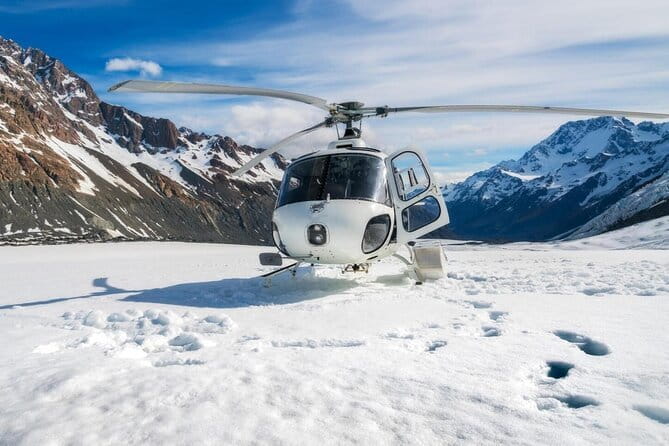
The itinerary uses Day 4 for acclimatization in Namche. You can explore the town, visit the Sherpa Museum, and hike to the Everest View Hotel for wide mountain views.
The planned outing takes about five hours. It is a smart structure because you gain some height during the day, then return to Namche to sleep at a lower elevation than the highest point reached. The walk also gives you a first major chance to see Everest from the Khumbu side.
The Sherpa Museum adds context to the people, climbing culture, and local history behind the route. I like that this is not treated as a simple race to Base Camp. You have some time to understand the communities that make the trek possible.
Day 5: Tyangboche and a mountain monastery
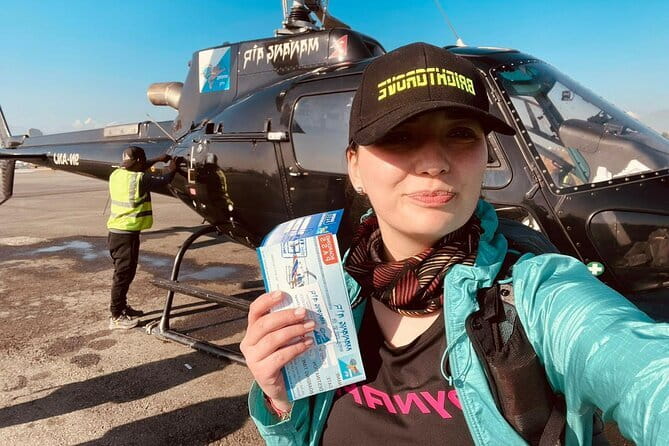
The trek to Tyangboche takes about six hours. You stop for lunch at Phungi Thanga before continuing uphill toward the settlement and its renowned monastery.
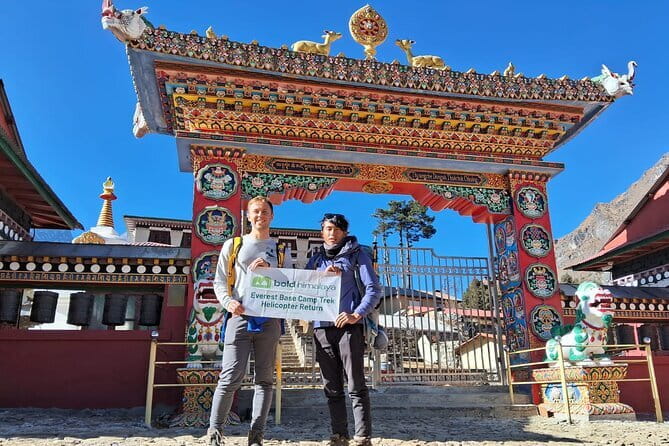
Tyangboche is one of the most memorable cultural points on the route. The setting brings together mountain views, Buddhist practice, and a quieter village atmosphere. You also get views toward Everest and Lhotse, along with the surrounding peaks.
This day includes a good mix of trail walking and place-based experience. You are not only moving from one lodge to the next. The monastery helps explain why the Khumbu is more than a route to a summit or a photo at Base Camp.
Day 6: Through Pangboche and Somare to Dingboche
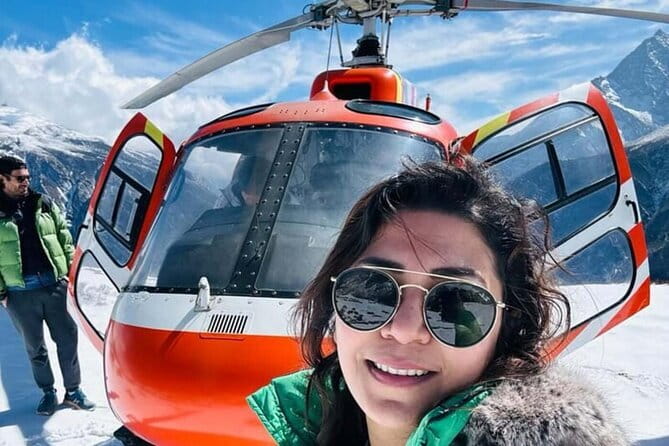
The walk to Dingboche takes around six hours. You cross a suspension bridge over the Imja Khola, then continue through rhododendron forests and villages including Pangboche and Somare.
Dingboche is a key turning point. The air is thinner, the vegetation becomes less dense, and the valley opens toward higher mountain terrain. This is where you should take altitude symptoms seriously and avoid treating the schedule like a contest.
Meals are included throughout the trek, with breakfast on nine days and lunch and dinner on eight days. That reduces the daily planning load, though dessert and bar bills are extra. Food at altitude can be simple, so bring any preferred snacks you know you will eat. The operator includes seasonal fruit and dry nuts for the trek, which gives you some useful energy between meals.
Day 7: Dingboche acclimatization and Nagarjun Peak
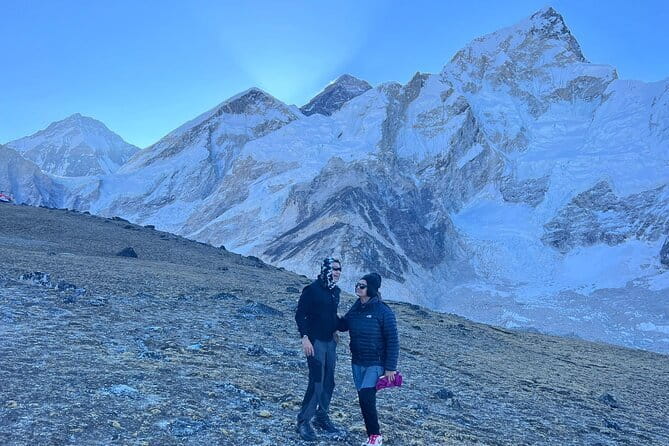
The second Dingboche day is used to prepare for higher elevations. The plan includes an outing through the Dingboche Valley and a hike toward Nagarjun Peak, taking about five hours.
The point is not simply to add another viewpoint. Walking higher during the day helps your body adjust before you sleep at the next elevation. The hike also provides broad mountain views and a chance to see more of the valley around Dingboche.
This is a demanding acclimatization walk, especially if you are not used to mountain terrain. Take it slowly. A good guide will watch your condition, and the company’s included guide costs cover salary, food, accommodation, and insurance for the guide.
Day 8: Lobuche, Thukla Pass, and the climbers’ memorials
The route to Lobuche takes roughly six hours and reaches about 4,940 meters. Along the way, you pass through Thukla Pass, where memorials honor climbers who died on Himalayan peaks.
This section has a more serious tone than the earlier village walks. The memorials remind you that Everest is not just a scenic destination. The altitude, cold, weather, and terrain demand respect, even on a guided trek.
Lobuche places you close to the glacier and the higher route to Gorak Shep. The surrounding views become more stark and dramatic as the trail leaves much of the forest behind. Your overnight stay is at this high elevation, so rest, drink as directed by your guide, and report any health concerns promptly.
Day 9: Everest Base Camp and Gorak Shep at 5,170 meters
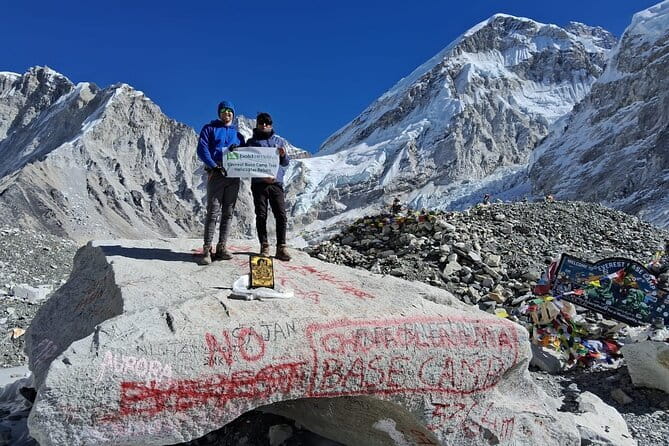
Day 9 is the emotional center of the trip. You trek to Gorak Shep at approximately 5,170 meters, leave your gear there, and continue to Everest Base Camp at 5,364 meters.
The full walking day takes about seven hours. You pass close to the Khumbu Icefall and reach the famous base camp area. The views are of glaciers, ice, rock, and enormous peaks rather than a neat mountain platform. Conditions at Base Camp change, and the site can look different depending on the season.
After spending time at Base Camp, you return to Gorak Shep for the night. Leaving your heavier gear behind for the Base Camp walk is a practical touch. At this altitude, every unnecessary kilogram matters.
You should also understand that reaching Base Camp does not mean you climb Everest. It is the staging area used by expeditions, while the summit route continues far beyond it. For most people, the achievement here is completing a demanding high-altitude trek to the foot of the mountain.
Day 10: Kala Patthar sunrise and the helicopter flight back
The final day starts early with a hike to Kala Patthar, about 5,550 meters above sea level. The reward is a panoramic Himalayan view, including Everest and the surrounding peaks, with the best light usually around sunrise.
This is likely the hardest short climb of the whole trip. You have already walked to Base Camp, slept at very high altitude, and now need to climb again before breakfast. The schedule lists about three hours for the morning section, return to Gorak Shep, and helicopter departure.
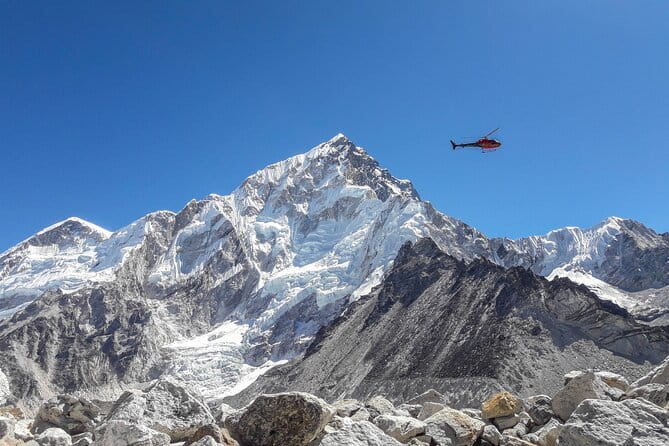
After returning to Gorak Shep, you board the helicopter for Kathmandu. This is the trip’s main convenience and its major extra cost. The helicopter flight from Gorak Shep to Kathmandu is specifically excluded, so ask for the current price before booking and confirm whether weather or aircraft capacity could change the plan.
If the flight cannot operate, you need to know the backup arrangement. The supplied information does not specify a detailed alternative, so this is one question I would put in writing before departure.
What the $446.50 price covers, and what it does not
At $446.50 per person, the advertised cost can look unusually low for a 10-day Everest Base Camp journey with a helicopter return. The explanation is that several large expenses are outside the price, especially the helicopter flight and international airfare.
The included package covers:
- One Kathmandu hotel night with breakfast
- Kathmandu airport pickup and private transport
- Domestic flight to Lukla, or the Ramechap to Lukla option
- Guide salary, food, accommodation, and insurance
- Breakfast on nine days
- Lunch on eight days
- Dinner on eight days
- Sagarmatha National Park entry fee
- Pasang Lhamu Rural Municipality fee
- TIMS
- Seasonal fruit and dry nuts
- Sleeping bag, down jacket, and trekking poles if needed
- Duffle bag, cap, and trip certificate
- Kathmandu cultural show and dinner
- Service charges and government taxes
The price does not cover the Gorak Shep to Kathmandu helicopter flight, international flights, travel insurance, porter service, tips, dessert, or bar bills. Travel insurance is not a minor detail here. It should cover trekking at high altitude and the trip conditions you face.
I see good value in the permits, guide support, meals, airport transfer, and loaned gear. I would not compare $446.50 with the full cost of a luxury holiday until you add the helicopter and other excluded items. The right question is not simply what is the starting price, but what is the final price for your dates and group.
Guide support, comfort, and what the service seems to prioritize
The strongest impression from the supplied experiences is attentive care. Manager Sobit is described as responsive from the first email, and guides including Surendra and porter Doma Ghale are praised for safety, dedication, and helping a couple complete the trek.
You should not assume a particular guide will lead your group unless Bold Himalaya confirms it. Still, asking for Surendra by name may be worthwhile if he is available. Also ask who will carry gear, since porters are not included in the base package.
Accommodation appears to be a priority, with reports of comfortable hotels and lodges, hot water, and changes made when unexpected conditions affected plans. That does not mean mountain lodging will feel like a city hotel. It means the operator has shown attention to comfort where conditions allow.
One account also describes two or three changes caused by unusual weather and the remnants of a cyclone. That is useful context, not a flaw unique to this company. Mountain plans can change quickly. A flexible attitude will help you enjoy the trek instead of treating every adjustment as a failure.
Who should book this Everest Base Camp trip
I would consider this trip if you:
- Have about 10 days for the mountain journey
- Want the classic Base Camp route without walking back to Lukla
- Can manage a moderate level of physical fitness
- Prefer a private trip for your own group
- Value guide support, included meals, permits, and loaned equipment
- Want a sunrise hike to Kala Patthar as part of the plan
I would pause if you need a fixed, low final price. The helicopter is not included, and the total can change significantly once that flight is added.
I would also pause if you want a relaxed holiday with little physical strain. The route reaches 5,550 meters and includes several six-hour walking days, plus the high-altitude Base Camp day. The helicopter removes the return trek, but it does not make the ascent easy.
Small details that matter before you book
Pickup is offered at Tribhuvan Airport, and the experience is near public transportation. Confirmation is provided when you book. The tour is private, and group discounts may be available.
Ask Bold Himalaya for current flight details, especially if your date uses Ramechap rather than Kathmandu. Confirm the helicopter price, porter rates, guide assignment, accommodation standard, and weather backup plan before paying the balance.
The trip requires good weather. If poor weather forces cancellation, you can receive a different date or a full refund. If you cancel yourself, the stated rule is full refund with at least 24 hours’ notice, while cancellations or changes inside 24 hours are not accepted.
FAQ
How long is the Everest Base Camp trek with helicopter return?
The experience lasts approximately 10 days, from arrival in Kathmandu through the trek, Kala Patthar hike, helicopter flight, and return transfer.
Where does the experience begin?
It begins with pickup at Tribhuvan International Airport in Kathmandu, Nepal.
Is the Kathmandu to Lukla flight included?
Yes. A domestic flight from Kathmandu to Lukla is included according to the itinerary. The route may instead use Ramechap to Lukla when required.
Is the helicopter flight back to Kathmandu included?
No. The helicopter flight from Gorak Shep to Kathmandu is not included in the advertised price.
Is accommodation included?
One night in Kathmandu at Hotel Thrive or a similar category hotel is included, with breakfast. Trekking accommodation is also covered through the guide’s included food and accommodation arrangements, but the supplied details do not name each lodge.
Are meals included?
Yes. The package includes nine breakfasts, eight lunches, and eight dinners. Dessert and bar bills are extra.
Is a porter included?
No. Porter service is not included. You can ask Bold Himalaya about arranging porters and the additional cost.
What equipment is provided?
A sleeping bag, down jacket, and trekking poles are available if needed. The package also includes a duffle bag and cap.
Can I cancel for a full refund?
Yes, if you cancel at least 24 hours before the experience start time. Changes or cancellations made less than 24 hours before the start are not accepted for a refund. Poor-weather cancellations may result in another date or a full refund.
Should you book it?
I would book this trip if your priority is reaching Everest Base Camp and Kala Patthar while avoiding the long walk back down. The acclimatization day in Dingboche, private format, included guide support, and practical gear package make the plan easier to manage.
Before you commit, get the helicopter cost in writing and add insurance, porter service, tips, and international airfare to your budget. If that final figure works for you, this is a focused way to experience the Khumbu, with the satisfying reward of flying out after you have walked in.
More Helicopter Tours in Kathmandu
- Everest Base Camp Trek with Helicopter Return from Gorakshep to Lukla
★ 5.0 · 161 reviews - Everest Base Camp helicopter tour with landing
★ 5.0 · 61 reviews - Everest Base Camp Helicopter Tour with Hotel Everest View Landing
★ 5.0 · 52 reviews - Guaranteed Landing at Everest Base Camp Kalapathar by Helicopter
★ 5.0 · 38 reviews
Recently added around Kathmandu
- Kathmandu Paragliding★ 5.0 · 3 reviews
- Kathmandu Airport Pickup and Drop-off Services★ 5.0 · 3 reviews
- Explore The Beauty Of Langtang Valley In 8-Days Trek★ 5.0 · 3 reviews
- Kathmandu Chandragiri Cable Car and Swayambhunath Private Tour★ 5.0 · 3 reviews
- Kathmandu: Nightlife and Pub Crawl Tour★ 5.0 · 3 reviews
- Mountain Flight Experience in Nepal★ 4.5 · 3 reviews
- Kathmandu: Momo Making Class with a Local Chef★ 5.0 · 3 reviews
- Everest Base Camp Trek★ 5.0 · 3 reviews
Other Everest Base Camp Treks worth a look


Everest Base Camp Helicopter Tour landing at Everest View Hotel
Read our review →


Everest Base Camp Helicopter Tour landing at Hotel Everest View
Read our review →

This tour also appears in