
REVIEW · ANNAPURNA BASE CAMP TREKS
Annapurna Base Camp Trek
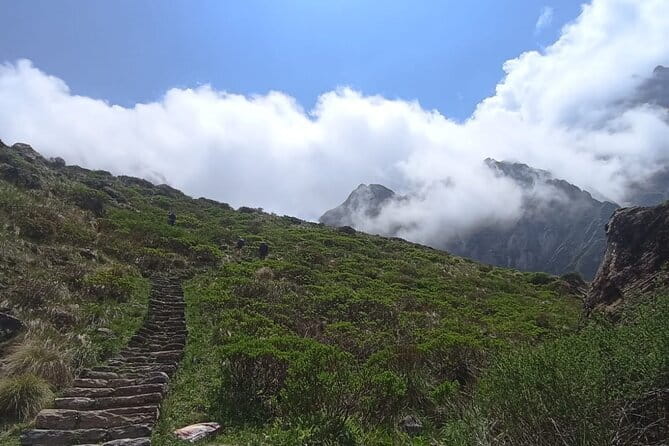
Annapurna Base Camp is a fine choice if you want a compact Himalayan trek with a big payoff. In 10 days, you travel from Kathmandu to Pokhara, walk through mountain villages and forests, watch sunrise from Poon Hill, and reach the dramatic bowl of Annapurna Base Camp. The route gives you both cultural encounters and serious mountain scenery without requiring a long expedition.
I like the local guiding team, especially the personal care associated with guides such as Madan, Rishi, Roshan Pandey, Moti, Arjun, and Ganesh. I also like that the price includes permits, meals, porters, equipment, airport transfers, and Kathmandu accommodation. The main consideration is fitness: the trek includes repeated five to seven-hour walking days, steep climbs, and high-altitude conditions.
Key Points Before You Book
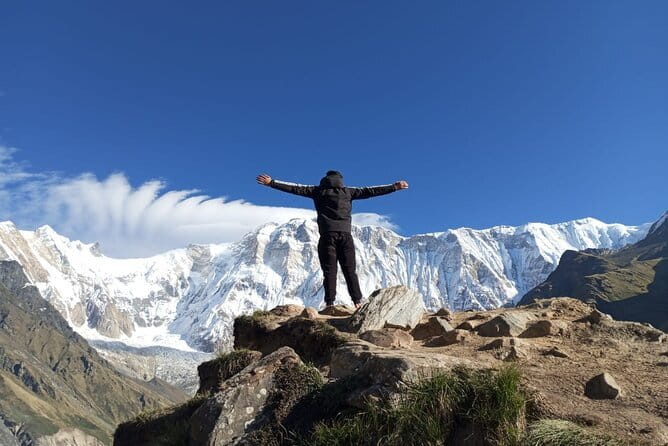
- Poon Hill sunrise adds a second mountain highlight before you reach Annapurna Base Camp.
- The $700 price covers major costs, including three meals a day, permits, guide and porter services, and Kathmandu hotel nights before and after the trek.
- Local guides handle the practical work, from permits and transport to altitude management and first aid.
- The route is private, so only your own group participates.
- The walking days are demanding, with several five to seven-hour sections and a rise from forest trails into rugged high country.
- Jhinu’s natural hot springs offer a welcome break during the return journey.
What the $700 Price Really Covers
At about $700, this trek offers strong value if you want a guided package rather than arranging each part yourself. You receive airport pickup and drop-off, two nights of accommodation in Kathmandu, transport between Kathmandu and Pokhara, trekking permits, meals during the trek, a licensed guide, porters, a duffel bag, trekking maps, and a first-aid kit.
The meal plan covers breakfast, lunch, and dinner while you are on the trail. You can also buy food in the tea houses, which gives you some flexibility. Carrying light snacks and chocolate is sensible for the longer days, especially if you prefer quick energy between meals.
The package also includes porter costs, along with porter salary, insurance, equipment, food, accommodation, and transport. That matters because porter arrangements can otherwise become a major extra expense. You return the duffel bag after the trip, so pack only what you need for the trek and keep valuables with you.
Tips are not included. Plan for gratuities to your guide and porters as an additional cost. The exact amount is not stated, so ask Touch The Himalaya for current guidance before departure.
One detail worth checking before you pay is the transport between Kathmandu and Pokhara. The schedule allows a tourist bus, car, or flight in one direction, and a scenic drive or short flight on the way back. Your choice will affect comfort, timing, and the feel of the trip.
More Annapurna Base Camp Treks in Kathmandu
- Annapurna base camp trek 5 Days
★ 5.0 · 252 reviews - Annapurna Base Camp Trek
★ 5.0 · 111 reviews - Kathmandu to Annapurna Base Camp (ABC) 5-Day Trek
★ 5.0 · 102 reviews
Kathmandu to Pokhara: A Long First Day
The first day begins early, with a 6:15 am start from Thamel in Kathmandu. You then travel roughly 200 kilometers west to Pokhara. By tourist coach, the trip takes about seven hours and follows the Trishuli River, with views of villages, hills, and changing countryside along the road.
I would choose the bus if you want to see more of Nepal outside the trekking route and keep costs simple. It is a long ride, though, so a private car or flight may suit you better if you want to save energy for the trail.
Pokhara is more than a transit point. It is the gateway to the Annapurna region and gives you a calmer setting before the walking begins. The package includes accommodation in Kathmandu before and after the trek, but the supplied schedule does not specify a Pokhara hotel night, so confirm the overnight plan with the operator.
Nayapul to Ulleri: The Trek Begins
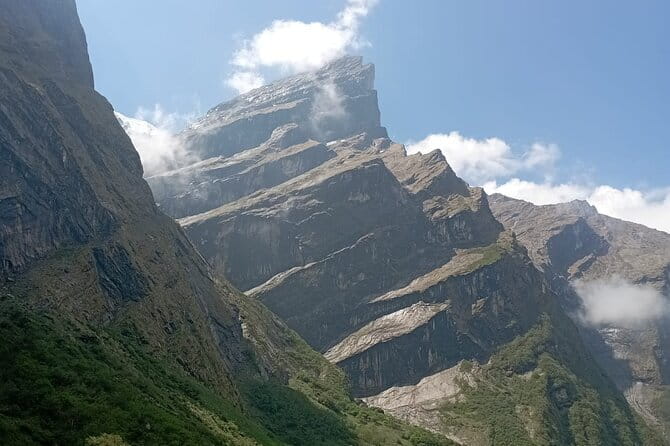
After breakfast on Day 2, you drive for about an hour to Nayapul. From there, the trek begins beside the Modi Khola River and passes through villages where you get an early look at local life.
The walk to Ulleri takes about five hours. This is your first real test, but it also eases you into the rhythm of trekking. You will be walking uphill, so use this day to set a steady pace rather than trying to race ahead.
Ulleri is important for another reason: it marks the shift from road travel to foot travel. From here onward, the trail carries you through forests, villages, and mountain country. Your guide is there to manage the route and watch how you are responding to the effort.
Ulleri to Ghorepani Through Forest Country
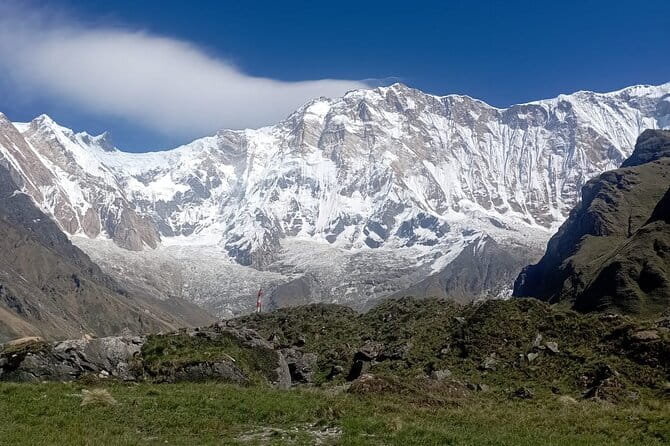
Day 3 takes you from Ulleri to Ghorepani in roughly five to seven hours. The trail passes through lush forest and open sections with views toward the Annapurna range.
This is a satisfying day because the surroundings change as you gain height. You are no longer simply walking between transport points. The route begins to feel like a proper mountain journey, with longer climbs, cooler air, and more distant peaks.
The schedule lists about five hours for this section, while the fuller description gives six to seven hours. That difference is normal for a trek, since walking time depends on group pace, breaks, weather, and trail conditions. Treat the longer figure as the safer planning estimate.
More Hiking Tours in Kathmandu
- Everest Base Camp Trek – 14 Days
★ 5.0 · 1,499 reviews - Everest Base Camp Trekking
★ 5.0 · 485 reviews - Nagarkot Sunrise View and Day Hiking from Kathmandu
★ 5.0 · 471 reviews - Annapurna Circuit Trek with Tilicho Lake
★ 5.0 · 368 reviews
Poon Hill Sunrise Before Tadapani
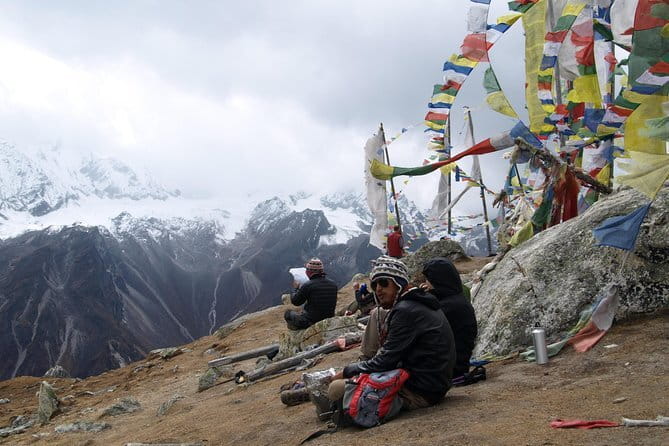
Day 4 starts early with a hike to Poon Hill for sunrise. This is one of the strongest features of the route. You get a major Himalayan viewpoint before reaching base camp, rather than saving all the scenery for the final days.
The morning climb is followed by a return to Ghorepani for breakfast. You then continue toward Tadapani, with about four to five hours of walking listed for the day. The combination of an early start and a second trek after breakfast makes this a full day, even if the stated walking time looks shorter than elsewhere.
Poon Hill also gives you a useful moment to appreciate the scale of the region. Annapurna and Dhaulagiri fill the horizon, and the changing light makes the mountains feel very different from the views you get later in the trek. Bring warm layers, sunglasses, and water. The additional gear advice includes a charger, which is worth remembering because long days and cold conditions can be hard on phone batteries.
Tadapani to Sinuwa: Forests and Descents
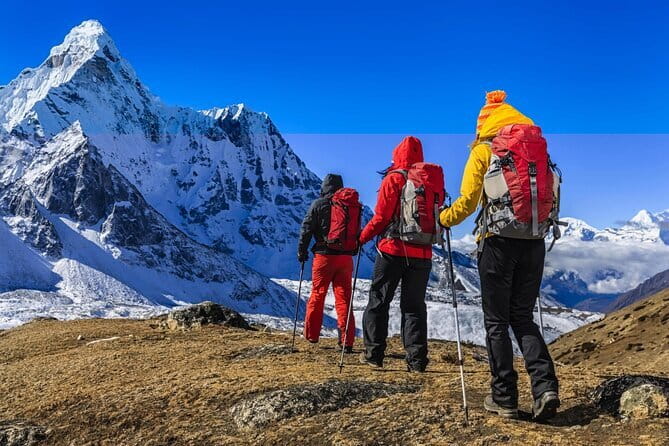
The route from Tadapani to Sinuwa takes about six to seven hours. You descend through forests and pass several small villages, with glimpses of the Annapurna range along the way.
This day is not simply an easy downhill walk. Descents can be tiring on knees and thighs, and the trail continues to rise and fall. Good shoes and trekking poles, if you use them, can make a real difference, though poles are not listed as included equipment.
Sinuwa is a practical stopping point before the route turns higher toward Deurali. By this stage, your body has had several days to adjust to the walking pattern. Keep drinking water and tell your guide early if you feel unwell.
Sinuwa to Deurali and the Change in Scenery
Day 6 takes about five to six hours from Sinuwa to Deurali. The trail climbs steadily through forest, then becomes more rugged as you approach higher ground.
The route description refers to crossing the Khumbu Glacier, although the Annapurna Base Camp route is normally associated with the Annapurna region rather than Khumbu. Because of that wording, I would ask the operator to clarify exactly which glacier or crossing is intended. The important point for your planning is that this section shifts away from the lower forest route and into more exposed mountain surroundings.
Deurali is a significant stage because the walking becomes more serious. You are closer to the high alpine part of the trek, and the guide’s role in pacing and altitude awareness becomes especially useful. The company says its guides are government licensed, first-aid trained, and experienced with high-altitude conditions.
Deurali to Annapurna Base Camp
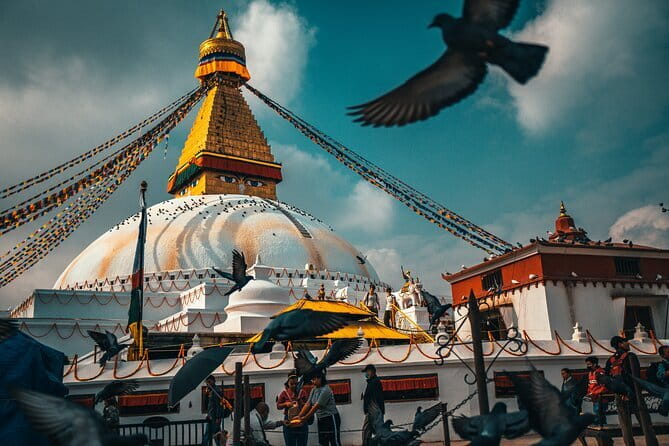
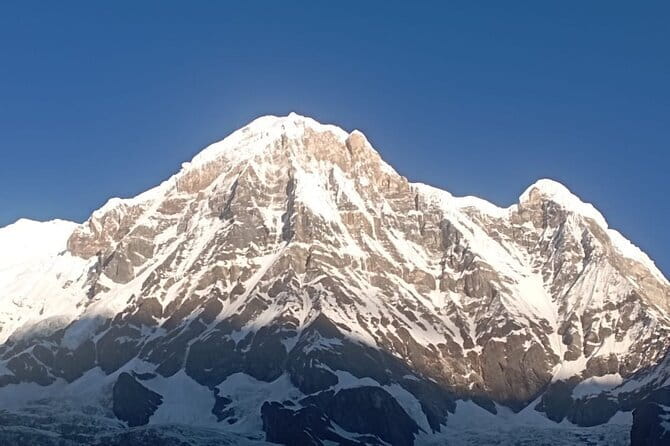
Day 7 is the central achievement of the trek. You walk from Deurali to Machapuchare Base Camp and then continue to Annapurna Base Camp. The full section takes about six to seven hours.
The route becomes increasingly dramatic as you leave the lower forests behind. Machapuchare Base Camp provides an important pause before the final approach. From there, the trail continues toward the broad mountain setting of Annapurna Base Camp.
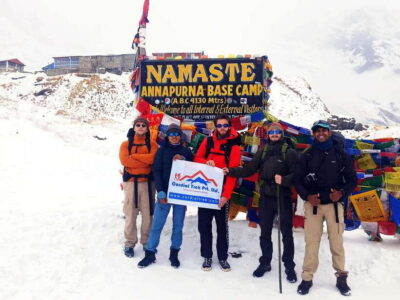
Reaching base camp is not just a photo stop. It is the point where the route gathers together everything that came before: river valleys, village paths, forest climbs, sunrise at Poon Hill, and the steady work of gaining altitude. The cold and exposure can be more demanding here, so keep your warm clothing accessible rather than buried in your bag.
The company’s guide support is particularly valuable on this day. The itinerary is tight, and the ascent needs a sensible pace. Roshan Pandey is specifically associated with helping a group complete the ABC route in 10 days, while Rishi is noted for taking close care of a solo woman on a nine-day trek. Those details point to the kind of hands-on support you should expect, though the guide assigned to you may be different.
Returning to Sinuwa
After time at Annapurna Base Camp, Day 8 retraces the route to Sinuwa. The descent takes about six to seven hours.
Going down is usually faster than going up, but it is not effortless. Your legs may be tired from the summit day, and uneven trails require attention. The familiar route can also feel different in reverse, with new views opening behind you.
This is one reason the private format helps. Your group can discuss pace and breaks with the guide instead of adjusting to a large mixed party. The experience is still structured, but it is not a fixed public group where everyone must move at one speed.
Jhinu Hot Springs and the Drive to Pokhara
On Day 9, you walk from Sinuwa to Jhinu in about five to six hours. At Jhinu, you can relax in the nearby natural hot springs. This is a smart feature in the schedule, since a warm soak gives your tired muscles a pleasant break before the final road transfer.
In the afternoon, you drive back to Pokhara, a journey of roughly one to two hours. The day combines more walking with a change back to road travel, so it may feel longer than the basic timetable suggests.
Jhinu is also a good reminder that this trek is not only about reaching a mountain destination. The route includes villages, rivers, forests, local food, and everyday life in the hills. Those smaller moments often make the trip feel more complete than a simple out-and-back climb.
Returning to Kathmandu
The final day takes you from Pokhara back to Kathmandu. A scenic drive takes around seven to eight hours, while a flight is much shorter.
Choose the road if you want to see more of the country and have enough time before your departure. Choose the flight if you need a quicker return, but confirm the timing with the operator before booking an onward international connection.
Once back in Kathmandu, you have free time for shopping or further exploration before departure. The package includes airport drop-off, which makes the final logistics easier, especially after a long trek.
Guides, Porters, and Personal Support
Touch The Himalaya places strong emphasis on guides who come from the Annapurna region. That local connection can help you understand the villages and trail culture in a way that a purely logistical escort may not.
The named guides connected with this experience include Madan, Rishi, Roshan Pandey, Moti, Arjun, and Ganesh. Madan is described as handling trip arrangements and staying available for questions. Rishi provided close support to a solo woman, while Roshan Pandey helped a group manage the demanding 10-day schedule. Arjun and Ganesh are associated with moving baggage between camps.
You should not assume that every named person will be assigned to your group. Ask who your guide will be, how many porters are included, and what weight limit applies to your duffel. The package does include guide and porter insurance, food, accommodation, equipment, transport, and salaries, which removes much of the uncertainty from planning.
Who Should Book This Trek?
I would recommend this route to someone with moderate physical fitness who wants a guided introduction to Nepal’s major trekking regions. You do not need to be an experienced expedition climber, but you do need to accept long walking days, uphill sections, repeated descents, and high-altitude conditions.
It suits solo clients, couples, families with suitable fitness, and private groups of friends. The company has arranged the trek for solo women, groups of six friends, families, and international visitors. Since the activity is private, you can focus on your own group’s pace and needs.
I would hesitate to recommend it to anyone expecting a relaxed sightseeing holiday. The schedule is efficient and the ABC section is tough. Ten days gives you a strong experience, but it leaves less spare time than a slower itinerary would.
Practical Packing Advice
Keep your day pack light. Water bottles, sunglasses, a charger, warm layers, and small snacks are specifically useful for the long trail days.
You can buy meals in tea houses during the trek, but the package already includes breakfast, lunch, and dinner. Chocolate or other light snacks can help when you need energy between stops.
The company provides a duffel bag and trekking maps. The duffel must be returned after the trek, so use it for clothing and larger items while keeping documents, money, electronics, and anything valuable in your personal bag.
Booking confirmation is provided at the time of booking. You can cancel for a full refund if you do so at least three full days before the experience starts. Changes or cancellations made later are not accepted for a refund, and the cut-off follows Nepal local time.
Should You Book the Annapurna Base Camp Trek?
Book this trek if you want a well-supported 10-day route that combines Poon Hill, Annapurna Base Camp, village trails, and Jhinu hot springs. The $700 fee covers enough major services to make it a practical package, especially for first-time visitors who do not want to arrange permits, porters, meals, transfers, and hotels separately.
Before booking, confirm the exact transport choices, Pokhara accommodation, assigned guide, porter baggage allowance, and the unusual glacier reference in the Day 6 description. If those details suit you and you are ready for several demanding walking days, this is a strong-value way to experience the Annapurna region with local support.
FAQ
How long does the Annapurna Base Camp trek take?
The planned duration is approximately 10 days, including travel between Kathmandu and Pokhara, the trek to Annapurna Base Camp, the return to Pokhara, and the journey back to Kathmandu.
What is included in the $700 price?
The price includes airport pickup and drop-off, two nights of Kathmandu accommodation, breakfast, lunch, dinner during the trek, trekking permits and fees, a licensed guide, porters, a duffel bag, trekking maps, and a basic first-aid kit.
Where does the trek start?
The meeting point is in Thamel, Kathmandu, Nepal. The listed start time is 6:15 am, and the activity ends back at the meeting point.
Is this a private trek?
Yes. Only your own group participates in the activity.
Can I travel between Kathmandu and Pokhara by flight?
Yes. The schedule allows travel by tourist bus, car, or flight to Pokhara. On the return, you can choose a scenic drive or a short flight.
What fitness level do I need?
You should have a moderate physical fitness level. The itinerary includes several walking days of about five to seven hours, along with uphill sections and high-altitude conditions.
Recently added around Kathmandu
- Kathmandu Airport Pickup and Drop-off Services★ 5.0 · 3 reviews
- Kathmandu Paragliding★ 5.0 · 3 reviews
- Kathmandu Chandragiri Cable Car and Swayambhunath Private Tour★ 5.0 · 3 reviews
- Explore The Beauty Of Langtang Valley In 8-Days Trek★ 5.0 · 3 reviews
- Kathmandu: Nightlife and Pub Crawl Tour★ 5.0 · 3 reviews
- Kathmandu: Momo Making Class with a Local Chef★ 5.0 · 3 reviews
- Mountain Flight Experience in Nepal★ 4.5 · 3 reviews
- Everest Base Camp Trek★ 5.0 · 3 reviews
Other Annapurna Base Camp Treks worth a look
Kathmandu to Annapurna Base Camp (ABC) 5-Day Trek
Read our review →
This tour also appears in