
REVIEW · KATHMANDU TOURS
Kathmandu: Momo Making Class with a Local Chef
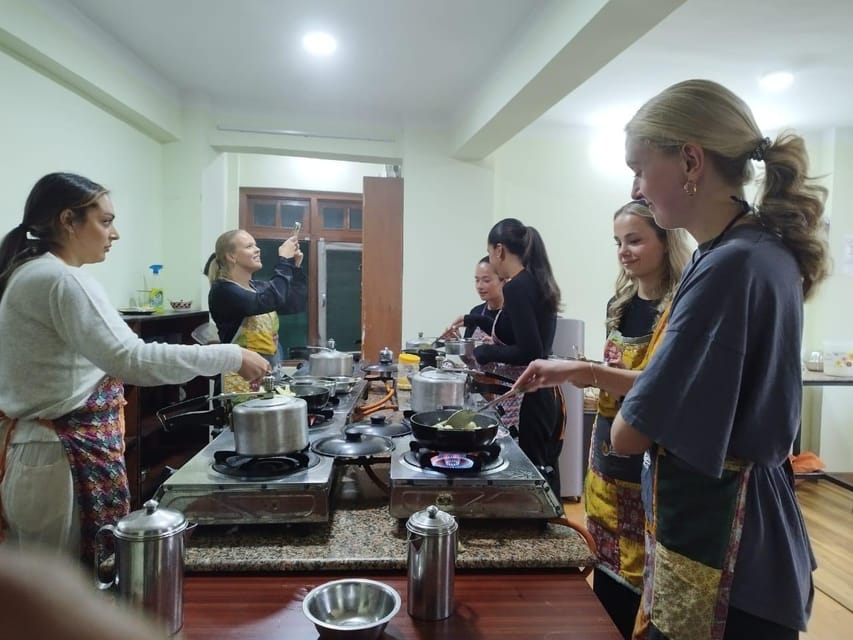
Kathmandu’s most useful cooking lesson may be the one that teaches you to make momos, the plump dumplings found across Nepal and the Himalayan region. In one hour, you work through the full process, from flour and water to filling, folding, cooking, and eating.
I like two things right away: you do the work yourself, and the small group of up to eight people should give you room to ask questions. The class also uses familiar momo ingredients such as flour, vegetables, meat if you choose a non-vegetarian version, spices, and seasonings. The main limitation is the short one-hour format, so this is a focused introduction rather than a long cooking course.
Key points to know before you book
- You make the entire momo: Prepare the dough, filling, folds, and cooking rather than simply watching a demonstration.
- The class is in Thamel: Find Nepal Cooking School on Paknjaol Marg, opposite Ganesh Temple, on the third floor of the building with Delicious Pizza.
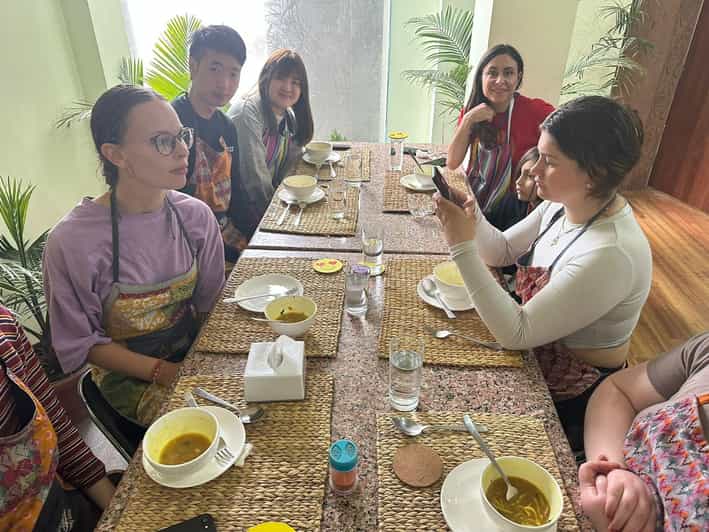
- Your finished food becomes the meal: Taste the momos you made, commonly with dipping sauces or side dishes.
- The group is limited to eight: This is a better setup for hands-on work than a large demonstration.
- English instruction is provided: The chef or instructor explains the process in English and helps as you work.
- Bring practical clothing: Wear something comfortable that can handle flour, filling, and cooking mess.
Why a momo class makes sense in Kathmandu
Momos are more than a quick snack in Nepal. They are a familiar part of everyday food culture, served in homes, restaurants, cafés, and street-food stalls. Learning to make them gives you a useful way to connect the dish on your plate with the basic ingredients and techniques behind it.
I like the balance of this class. You are not asked to spend half a day in a kitchen, but you still get the full chain of steps. You handle the dough, prepare the filling, shape each dumpling, and cook the results. That makes the experience practical and easy to remember.
The class takes place in Thamel, a convenient part of Kathmandu for many visitors. The location is Nepal Cooking School on Paknjaol Marg, opposite Ganesh Temple. It is on the third floor of the building with Delicious Pizza, so use those landmarks carefully when finding the entrance.
There is no transport included. You will need to make your own way to the school and return afterward. Since the activity lasts only one hour, it is easy to fit around sightseeing, shopping, or a meal in Thamel.
More hands-on workshops in Kathmandu:
- Half day cooking class in Thamel kathmandu
★ 5.0 · 607 reviews - Kathmandu: Local Women-Led Nepali Cooking & Momo Class
★ 4.9 · 360 reviews - Kathmandu: Local Lead Nepali Cooking & Momo-Making Class
★ 5.0 · 212 reviews
Meeting the chef at Nepal Cooking School
The experience begins when you meet the local chef or English-speaking instructor at the cooking school. A named instructor is not provided, but the class is built around direct help as you work. That matters because folding momos can feel simple when demonstrated and less simple when the dough is in your own hands.
The group limit of eight people is one of the strongest practical features. A small class should make it easier to see the demonstration, use the work surface, and ask for help with dough or folding. It also means the session is likely to feel more like a shared kitchen activity than a formal lecture.
The available feedback gives the class a 5 out of 5 rating. Tizia, from Germany, booked on April 22, 2024, and specifically praised the chef’s explanations and helpful approach. She also found the cooking enjoyable and the finished momos very good. That points to the two things I would care about most in a short food class: clear instruction and tasty results.
You should still arrive ready to participate. This is not a sit-back-and-watch event. The description asks you to get your hands dirty, and that is the point. Flour, water, fillings, spices, and cooking steam are part of the experience.
Mixing the dough from flour and water
The first practical stage is preparing the dough. You work with flour and water, mixing them until you have a workable wrapper dough. This step looks basic, but it affects the final momo. Dough that is too thick can make the dumpling heavy, while dough that is too thin may be difficult to fill and fold.
Because you are making the dough yourself, you get a better sense of the texture needed for a wrapper. The chef can guide you through the process and help if the mixture needs adjustment. In a one-hour class, expect the instruction to stay focused on the essential technique rather than cover many different dough styles.
This is also the part where comfortable clothing helps. The activity specifically advises wearing clothes that can get dirty. That is sensible advice for a hands-on cooking session, even a short one.
The ingredients are provided for momo preparation, including the basic items needed for the class. The practical information also lists ingredients among the things to bring, so I would confirm this point when booking if you are unsure. Do not arrive assuming you need to shop for everything, but do pay attention to the final instructions you receive.
Preparing a meat or vegetable filling
Next comes the filling. The available ingredients include ground meat if you select a non-vegetarian preparation, vegetables, and a range of spices and seasonings. This gives you a look at how the flavor of a momo is built before the dumpling is shaped.
The class is not described as a menu of many fillings, so do not expect a long choice of recipes. Instead, you should expect a clear introduction to the ingredients commonly used in momo preparation. If you have dietary needs, ask ahead about the available filling, since the information only confirms meat if not vegetarian and vegetables.
I like this part because it connects the dumpling to local cooking in a direct way. You see the filling before it disappears inside the wrapper. You can also understand why the seasoning matters, since the dough itself is mild and the filling carries much of the flavor.
The class includes the ingredients, and you eat the food you prepare later. That makes the session more satisfying than a lesson where your work is packed away and you leave hungry. It also gives you an immediate test of your technique.
A few more Kathmandu days to weigh up
- Everest Base Camp Trek – 14 Days
★ 5.0 · 1,499 reviews - Private Kathmandu Sightseeing Tour | UNESCO World Heritage sites
★ 5.0 · 756 reviews - Everest Base Camp Helicopter Tour landing at Everest View Hotel
★ 5.0 · 668 reviews - Everest Base Camp Trekking
★ 5.0 · 485 reviews
Folding each momo by hand
Folding is the most distinctive part of the class. Once the dough and filling are ready, you shape the wrappers, place the filling inside, and seal the dumplings. The exact fold you learn is not specified, so the chef will determine the method used during your session.
This is where your hands do the real learning. The wrapper needs enough filling to taste substantial, but not so much that it will not close. The edges must meet, and the seal must hold through cooking. The first few may look uneven. That is normal for a short introduction, and the class is designed to let you practice rather than produce restaurant-perfect dumplings immediately.
You may find this stage takes more attention than expected. It is repetitive in a good way: after one or two attempts, the motion begins to make more sense. A small group helps here because the instructor can look at your dumpling and show you where the fold or seal needs work.
This is also the most social point of the class. Everyone is working with the same basic task, and the results will naturally vary. I would choose this activity if you prefer making something with your hands rather than collecting another passive food tasting.
Cooking and eating your handmade momos
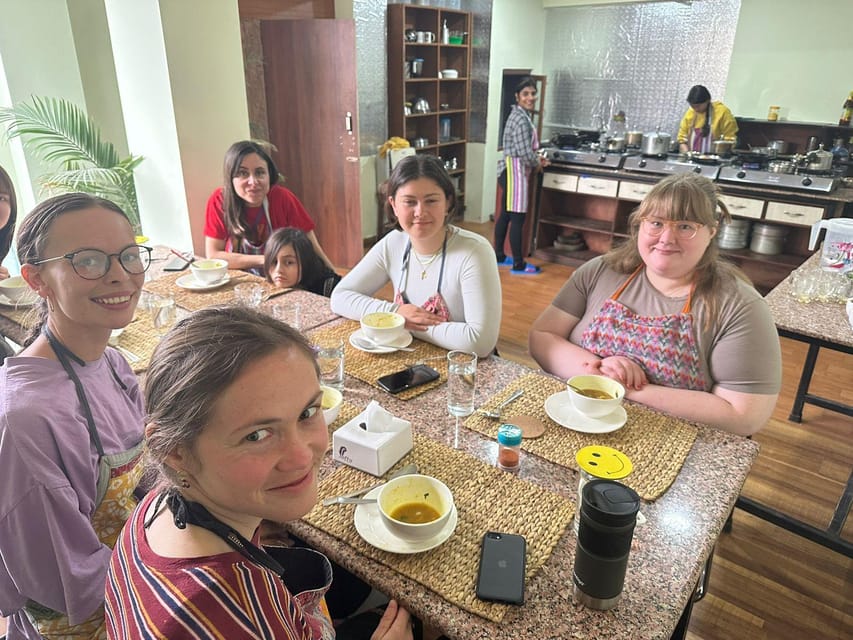
After shaping the dumplings, you cook them. The supplied information does not state the exact cooking method, so the chef will explain how the class prepares them. The important point is that you take part in the cooking rather than simply receive a plate prepared in advance.
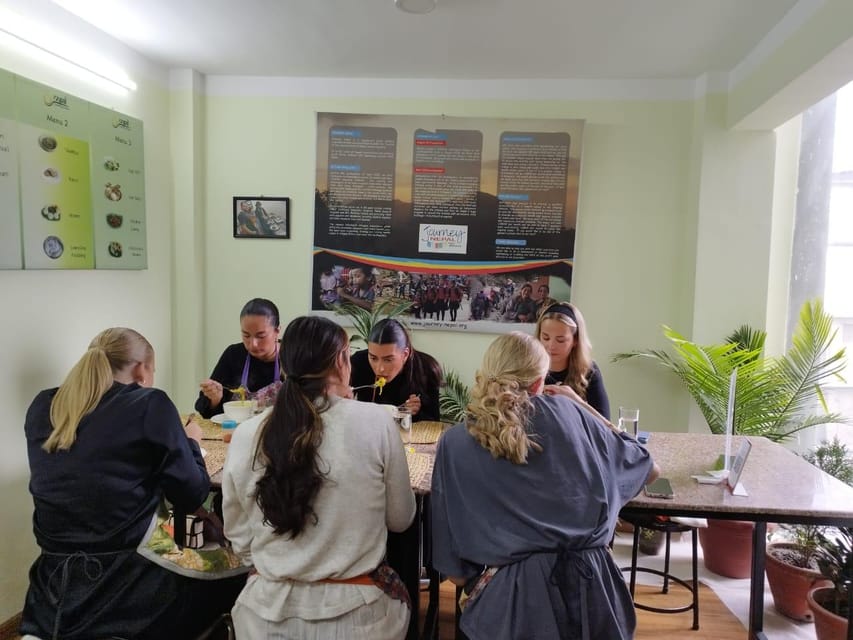
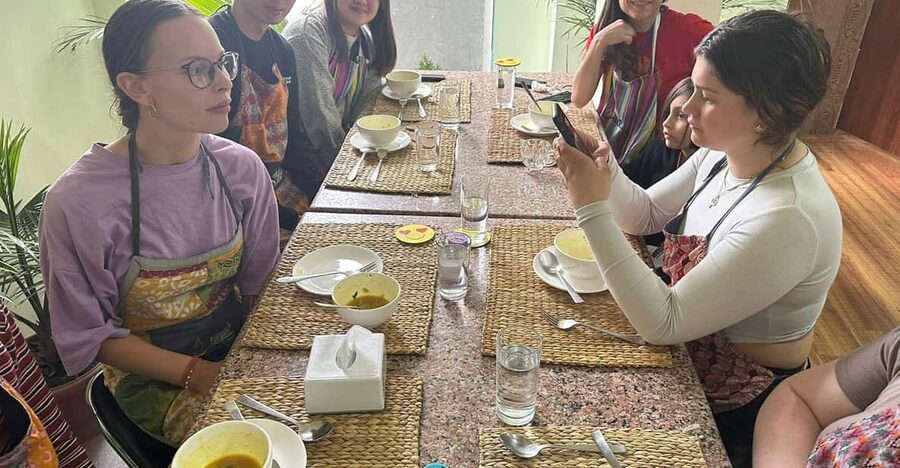
The final stage is a meal featuring the momos you made. They are often accompanied by dipping sauces or side dishes, though the exact accompaniments can vary. This is the payoff of the class, but it is also useful feedback. You can see how the wrapper feels, how well the seal held, and how the filling tastes after cooking.
I appreciate that the food is served as part of the same activity. You are not just learning a recipe on paper. You see the ingredients, make the dumplings, cook them, and eat the finished dish within the same hour.
Do not expect a large, elaborate meal. The experience is a momo-making class with tasting, not a full Nepali banquet. If you want a substantial lunch or dinner, plan another meal before or after the class.
How the one-hour schedule affects the experience
One hour is enough for a useful introduction, but it leaves little room for wandering off topic. The chef will need to keep the group moving through the dough, filling, shaping, and cooking stages. You should arrive ready to start rather than treating the class as a slow, leisurely afternoon.
The short duration is helpful if your Kathmandu schedule is crowded. You can place the class between other activities in Thamel without giving up half a day. It also suits you if you want one clear food experience and do not need a detailed course covering several Nepali dishes.
The trade-off is depth. You will not have much time to explore multiple fillings, compare different cooking methods, or practice a wide range of folds. If you already cook momos regularly, the class may feel introductory. If you are new to dumplings, the compact format should give you the main skills without tiring you out.
Starting times depend on availability, so check the schedule before planning your day. The provider offers reserve-now, pay-later booking, which may help if your Kathmandu plans are still changing. Cancellation is free up to 24 hours in advance for a full refund.
Value for food-focused visitors
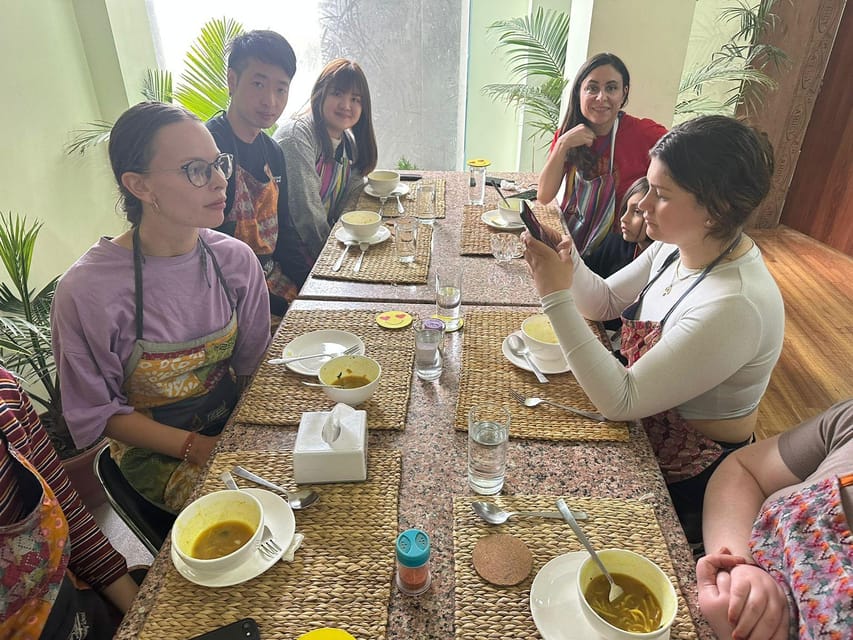
No price is provided here, so I cannot judge the exact cost in rupees or compare it fairly with other cooking classes. The value rests on what is included: a one-hour lesson, an English-speaking chef or instructor, the ingredients, hands-on preparation, and the chance to eat what you make.
For me, the strongest value is the active format. You are paying for instruction and participation, not just a plate of momos. The small group also matters, since personal help is more useful when you are learning dough texture or folding.
The class is less valuable if you want a broad survey of Nepali cooking. It centers on one dish, and the time is short. You might prefer a longer course if your main goal is to learn several recipes or prepare a large meal.
For a visitor who wants a local food memory without committing a full day, the format makes sense. You leave with a better understanding of how momos are assembled, plus a meal made with your own hands.
Who should book this Thamel cooking class
I would recommend it to first-time momo makers, food-focused visitors, couples, families, and small groups of friends. It should also suit solo visitors who enjoy meeting people through a shared task, since the group is capped at eight.
It is a good choice for you if you want direct instruction in English and prefer practical activity over a standard restaurant meal. The class also works well on a rest day when you want something structured but not physically demanding.
You should think twice if you dislike messy work, have very limited time around the scheduled start, or want a detailed course in advanced dumpling technique. The instruction is designed for a short introduction, and your clothes may pick up flour or food during the process.
Vegetarians should ask about the vegetable filling before arriving. The class information confirms that a non-vegetarian version can use ground meat and that vegetables are part of momo preparation, but it does not spell out every dietary option.
Practical advice for a smoother class
Wear comfortable clothes that can get dirty. You will be mixing dough and handling filling, so this is not the place for your best dinner outfit.
Give yourself enough time to find the school. The meeting point is on Paknjaol Marg, opposite Ganesh Temple, on the third floor of the building with Delicious Pizza. Transportation is not included, and the location is not described as a hotel pickup point.
Keep the short schedule in mind. If you have a timed appointment immediately afterward, allow extra time for finding the building and finishing the meal. The cooking portion lasts one hour, but your own movement through Thamel can take longer.
Ask about the filling if you have allergies, dietary restrictions, or a strong preference for vegetarian momos. The supplied information identifies common ingredients but does not give a full allergen list.
Finally, come ready to fold imperfect dumplings. The goal is to learn the process and enjoy the food. A slightly crooked momo still tastes like a momo, and it gives you a better story than watching someone else do all the work.
Should you book the momo-making class?
Book this class if you want a short, hands-on food activity in Thamel and like the idea of eating the dumplings you prepare. The English instruction, small group, included ingredients, and full process from dough to cooking give the hour real substance.
I would skip it only if you want a longer cooking course, a full Nepali meal, or a detailed choice of recipes. For everyone else, this is a practical way to spend an hour in Kathmandu, with a useful skill and a fresh plate of momos at the end.
FAQ
Where does the momo-making class take place?
The class takes place at Nepal Cooking School on Paknjaol Marg in Thamel. The school is opposite Ganesh Temple, on the third floor of the building with Delicious Pizza.
How long does the class last?
The momo-making class lasts one hour.
Is the class taught in English?
Yes. The instructor language is English.
How many people can join the class?
The class is a small-group experience limited to eight participants.
What will I make during the class?
You will prepare the dough, make the filling, shape the dumplings, and cook the momos.
Are the ingredients included?
Ingredients for momo preparation are included. The practical information also lists ingredients among the items to bring, so confirm the latest instructions when booking.
Will I get to eat the momos I make?
Yes. The class includes the opportunity to taste your creations as part of a meal, often with dipping sauces or side dishes.
Is transportation included?
No. Transportation to and from the class location is not included.
Can I cancel the booking?
You can cancel up to 24 hours in advance for a full refund. Reserve-now, pay-later booking is also available.
Recently added around Kathmandu
- Kathmandu Airport Pickup and Drop-off Services★ 5.0 · 3 reviews
- Kathmandu Paragliding★ 5.0 · 3 reviews
- Explore The Beauty Of Langtang Valley In 8-Days Trek★ 5.0 · 3 reviews
- Kathmandu Chandragiri Cable Car and Swayambhunath Private Tour★ 5.0 · 3 reviews
- Kathmandu: Nightlife and Pub Crawl Tour★ 5.0 · 3 reviews
- Mountain Flight Experience in Nepal★ 4.5 · 3 reviews
- Everest Base Camp Trek★ 5.0 · 3 reviews
- Thangka Painting Workshop★ 5.0 · 3 reviews
Other Kathmandu Tours worth a look


Private Kathmandu Sightseeing Tour | UNESCO World Heritage sites
Read our review →
Everest Base Camp Helicopter Tour landing at Everest View Hotel
Read our review →


Nagarkot Sunrise View and Day Hiking from Kathmandu
Read our review →
Full Day 7 UNESCO Tour with Lunch – Private/Group
Read our review →
This tour also appears in