
REVIEW · ANNAPURNA CIRCUIT TREKS
Annapurna Circuit Trek
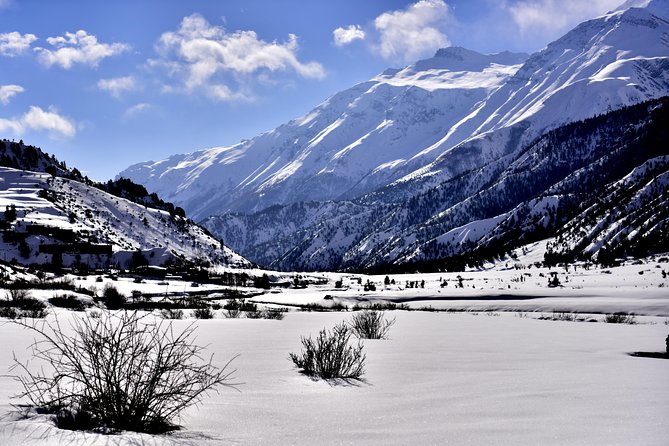
The big draw here is the Thorung La crossing at 5,416 meters, reached on foot after days of gradual climbing through the Manang Valley. You also get a taste of the Tibetan-influenced Mustang region around Muktinath, with a guide handling permits, lodging, meals, and the route.
I like the included airport and hotel transfers, which remove a lot of Kathmandu guesswork, and I like the two-night hotel stays in both Kathmandu and Pokhara. The private format also gives your group more room to set a sensible pace on difficult days.
The main caution is that this is a serious high-altitude trek, not a gentle sightseeing tour. You should have moderate fitness, accept long walking days and basic tea-house rooms, and confirm exactly who will guide you, since one review praised the arrangements but raised concerns about staff training.
Key points at a glance
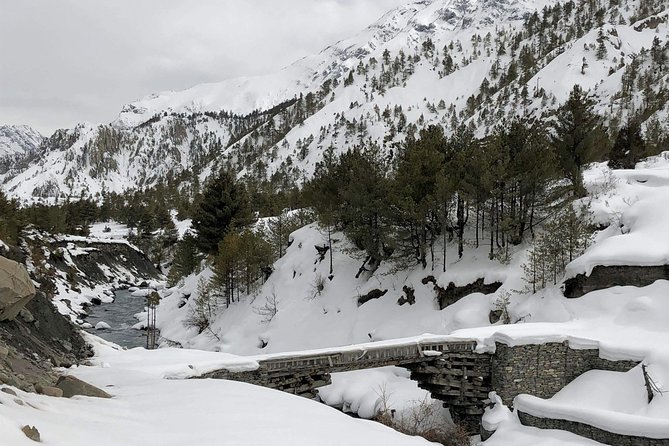
- Thorung La reaches 5,416 meters: The pass is the trip’s toughest and most memorable physical test.
- Private, customizable format: Only your group participates, with a guide available to adjust the pace.
- Full board while trekking: Breakfast, lunch, dinner, and tea are included during the walking section.
- Manang gets a rest day: You can take a short hike to Gangapurna Lake, Bonjo Gumba, or nearby Vra village.
- Mustang and Muktinath add cultural variety: The route changes from green hills to a drier, Tibetan-influenced region.
- Transport is useful but lengthy: The trip includes long drives to Syange, Pokhara, and Kathmandu, including a roughly 10-hour ride from Muktinath to Pokhara.
What the $1,150 price really covers
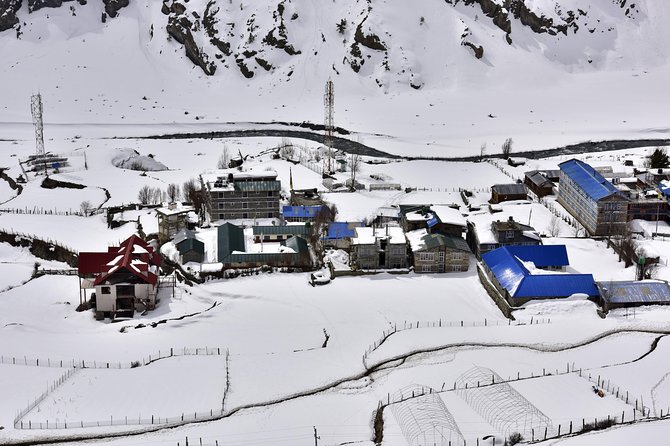
At $1,150 per person, this trek is priced as a package rather than a simple guiding service. You are paying for a 14-day arrangement that begins at Tribhuvan International Airport and ends with a private transfer back there.
The price includes a professional trekking guide, airport transfers, hotel transfers, tourist bus transport from Kathmandu toward Besishahar, and the return bus from Pokhara to Kathmandu. A local bus or jeep takes you from Muktinath to Pokhara. Those road sections are not glamorous, but having them arranged is useful in Nepal, where schedules and vehicle changes can take time to sort out.
You receive two nights in Kathmandu and two nights in Pokhara, with breakfast included. During the trek, you stay in twin-sharing lodges or tea houses. Full board covers breakfast, lunch, dinner, and tea while you are on the trail.
Permits, area entrance fees, government taxes, and local taxes are included. The guide carries first-aid medicine, and the company can provide a duffel bag and sleeping bag if you need them. A trip completion certificate is also included.
The exclusions matter. International flights, Nepal’s travel visa, tips, porter service, bottled water, Wi-Fi, charging, hot showers, alcoholic drinks, and meals in Kathmandu and Pokhara are extra. The lack of a porter is especially important if you do not want to carry your own trekking bag. Ask about porter arrangements before you book.
For the price, I see good value if you want a bundled trek with hotels, meals, permits, and transfers already arranged. The value is less clear if you already have Nepal contacts, can organize transport yourself, or expect upscale lodging. This is a practical mountain package, not a luxury trek.
More Annapurna Circuit Treks in Kathmandu
- Annapurna Circuit Trek with Tilicho Lake
★ 5.0 · 368 reviews - Annapurna Circuit Trek
★ 5.0 · 94 reviews - Annapurna Circuit Trek
★ 5.0 · 34 reviews
Kathmandu arrival and the first night
Your experience starts at Tribhuvan International Airport, where a company representative meets you and transfers you to your Kathmandu hotel by private vehicle. After you rest, the guide gives you a briefing about the Annapurna Circuit.
That first briefing is more important than it may sound. You should use it to confirm the walking plan, the pass day, meals, sleeping arrangements, gear, and what happens if weather affects transport. Since the trek is private, this is also the moment to discuss your preferred pace.
The two Kathmandu hotel nights include breakfast, but lunch and dinner are not included in the city. You should budget separately for those meals and for any drinks or personal purchases.
The long road to Syange
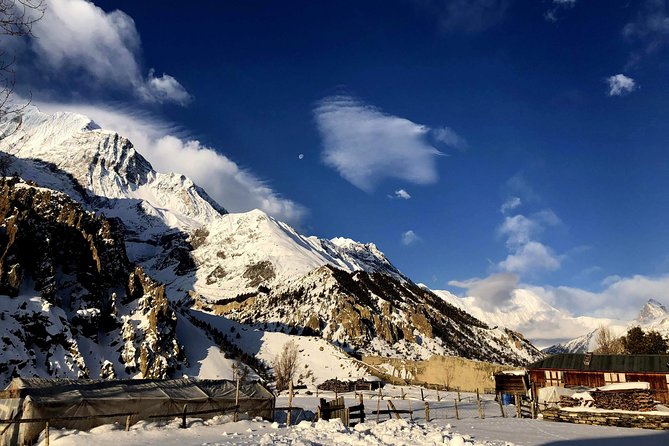
Day two begins with breakfast and a long drive toward Syange, taking around eight to nine hours. This is one of the least active days, but it is still tiring. The included transport saves you from arranging a public connection on your own, although road travel in mountain areas can feel slow.
Syange marks the practical start of the walking route. The changing scenery begins before you step onto the trail, but the main reward is knowing that the long vehicle transfer is behind you.
The itinerary lists admission as included for this section. The important point for you is to keep this day flexible. A long drive can affect arrival time, so do not plan an important independent activity for the evening.
Dharapani, bridges, and the first full walking day
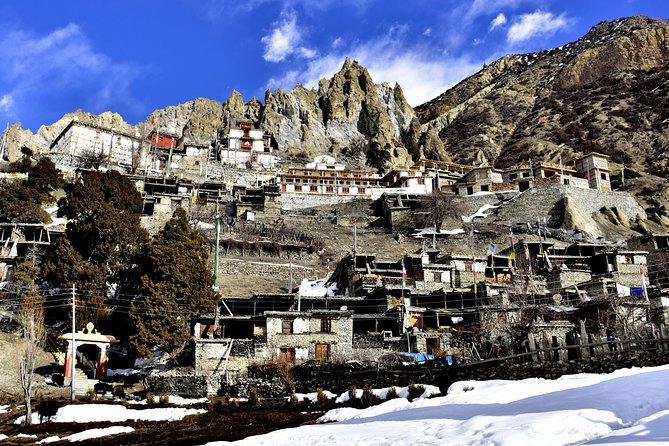
From Syange, you walk toward Dharapani. The schedule allows roughly six to eight hours, with a bridge crossing and the start of the true trail routine.
This day gives you a feel for the trek’s rhythm: breakfast, several hours on foot, meals along the way, and a tea-house night. You will be walking through changing terrain rather than simply following a road, and the route requires attention to footing.
Dharapani is a useful early stop because it marks a shift into the higher section of the circuit. You should not judge your whole trek by how you feel here. The more important goal is to walk steadily, drink regularly, and avoid racing ahead during the first days.
More Hiking Tours in Kathmandu
- Everest Base Camp Trek – 14 Days
★ 5.0 · 1,499 reviews - Everest Base Camp Trekking
★ 5.0 · 485 reviews - Nagarkot Sunrise View and Day Hiking from Kathmandu
★ 5.0 · 471 reviews - Everest Base Camp Trekking – 13 Day
★ 5.0 · 365 reviews
Chame and the wooded ridges
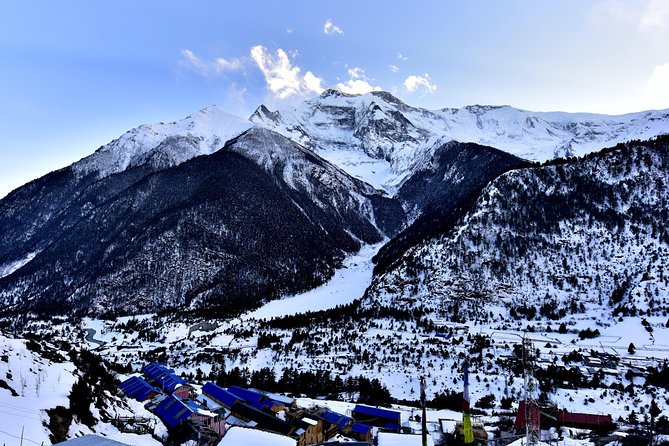
Day four continues to Chame, with about six hours of walking. The route passes steep ridges, green woods, and areas affected by landslides.
The description of this day makes the safety point clear: you need to watch the trail and the surrounding slopes. A guide is useful here because you can concentrate on footing while receiving direction through narrower or rougher sections.
Chame is one of the places where the trip’s mix of scenery becomes clear. You are still seeing wooded mountain country, but the route is becoming more demanding. This is not a day for casual shoes or a loose approach to packing. Your boots, layers, and rain protection should be ready before you leave Kathmandu.
Paungda Danda and the road toward Manang
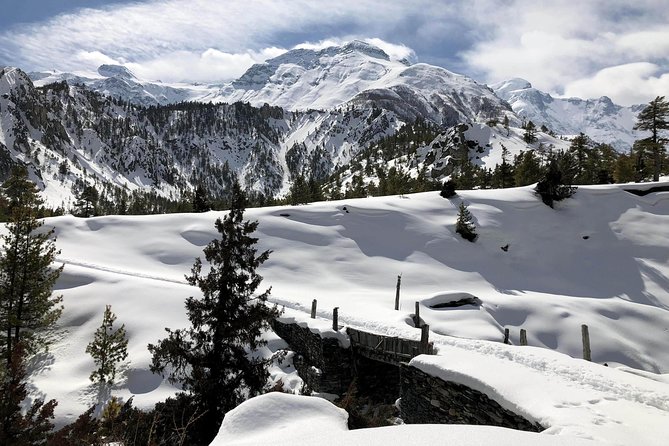
The next walking day follows a narrow, steep valley and passes the curved rock formation at Paungda Danda, described as rising about 1,500 meters. The route takes around six hours.
This is one of the more distinctive natural sights named in the schedule. Paungda Danda gives you a reason to look up from the trail, but the narrow valley means you still need to pay attention to where you step.
The day leads toward the Manang section, where the scenery and culture begin to change. The package includes meals and tea-house accommodation, so you do not need to negotiate every night’s food and bed yourself. You should still expect simple rooms and extra charges for comforts such as hot showers, Wi-Fi, charging, and bottled water.
Manang and the value of a rest day
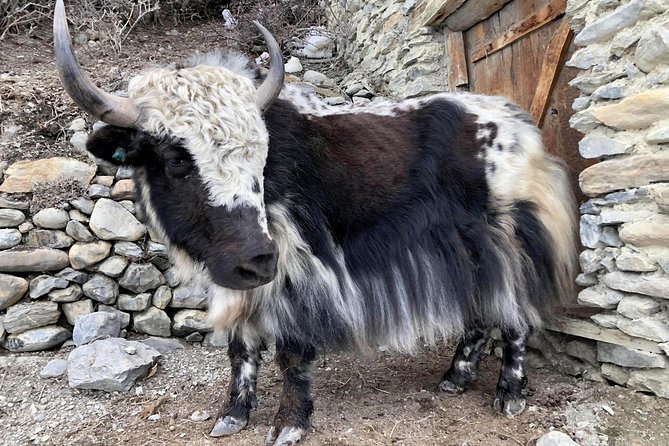
The route reaches Manang after about seven hours of walking from the Upper Pisang area. The itinerary gives Manang its own rest day, which is one of the smartest features of the plan.
A rest day at this altitude should not mean sitting indoors all day. The suggested options include a short hike to Bonjo Gumba, Gangapurna Lake, or Vra village. These outings let you move without adding another major distance day.
This pause matters because the trek soon climbs higher. You want your body to adjust before the route reaches Thorung Phedi and the pass. The private format helps here. If you are feeling strong, you can discuss a longer outing. If you are tired, you can keep the day quiet.
Manang is also a cultural turning point. The route moves through the beautiful Manang Valley and toward a region influenced by Tibetan traditions. The appeal is not only the mountain views. It is the sense that the villages, customs, and dry high-country setting are changing as you gain height.
Higher ground beyond Tenki
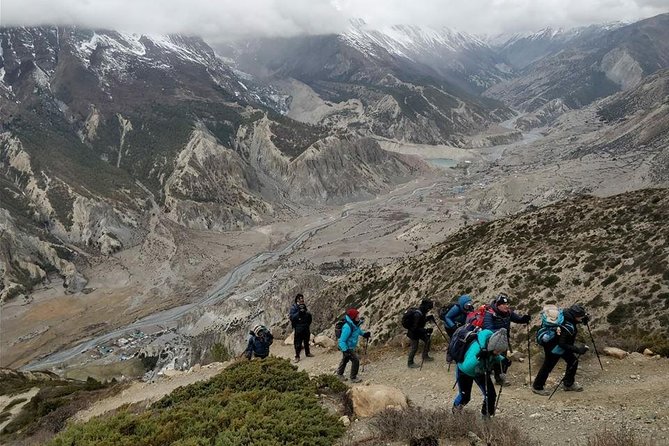
After the rest day, the route continues upward through Tenki and along the northwestern side of the Marshyangdi Valley. You pass a small stream, juniper trees, and Ghunsa Village. This walking day takes about four hours.
The shorter schedule is welcome after the longer days. It gives you time to move carefully and notice the small changes in plant life as the air becomes thinner and the route climbs above the more wooded sections.
The itinerary uses several place names around this part of the trek, and exact overnight stops can depend on local conditions. Ask the operator to confirm the final village and elevation for your dates. That is sensible planning, especially when altitude is involved.
Thorung Phedi and the last climb before the pass
The next stage reaches Thorung Phedi after roughly four hours. You cross a suspension bridge, pass through Lather Village, and continue beside steep cliffs.
Thorung Phedi is the staging point for the main challenge. The walking time shown here is not the whole story. You are preparing for the highest section of the route, and the combination of altitude, cold, and uneven ground can make a short distance feel long.
This is where your guide’s judgment matters most. Follow the agreed pace, keep your warm layers accessible, and ask about the next morning’s departure time. The package includes first-aid medicine carried by the guide, but that does not replace your own responsibility to report how you feel.
Crossing Thorung La at 5,416 meters
The pass day is the physical center of the trek. You ascend to Thorung La, listed at 5,416 meters, then descend toward Muktinath on the western side.
The schedule allows about eight hours, but you should think of this as a full mountain day rather than a strict stopwatch exercise. Your pace may change with weather, trail conditions, and how your body responds to the altitude. The private arrangement is useful because your group can move together without being forced to match a large party.
The pass itself is the reward for the previous days of steady climbing. You get the high mountain views promised by the route, but the descent is not simply easy once you reach the top. Your legs may be tired, and the trail can remain demanding as you drop toward Muktinath.
Muktinath adds a cultural dimension after the high pass. The itinerary includes time at Muktinath Temple, giving you a meaningful destination at the end of the hardest walking day. You should expect this day to be tiring, and you should keep the evening simple.
Muktinath to Pokhara by road
Day eleven ends the walking portion. After breakfast, you take a shared local bus or jeep from Muktinath to Pokhara. The drive is listed at about 10 hours.
This is a major transition. You move from walking trails and tea houses to a city hotel, but the road itself is not a quick transfer. Keep water and snacks accessible, and expect the shared vehicle to be less private than the airport transfers.
The package includes two nights in Pokhara with breakfast. Lunch and dinner are not included, so you can choose your own meals in the city. After the trek, Pokhara is a welcome place to rest, but the schedule does not include guided sightseeing there.
A free day beside Pokhara’s lake
Day twelve is a rest day in Pokhara, with time to explore Pokhara Valley independently. The plan gives you space rather than filling every hour with another paid activity.
That works well after the Thorung La crossing and long road transfer. You can use the day for a quiet walk, personal errands, or simply recovery. The exact sightseeing plan is yours, and the tour does not claim to include entrance fees or meals for independent activities.
I like this breathing room. A tightly packed trek can leave you too tired to appreciate the final city. Here, the extra night gives you a chance to enjoy Pokhara at your own speed.
Returning to Kathmandu and flying home
On day thirteen, you travel back to Kathmandu by tourist bus, with the ride listed at about seven hours. A flight from Pokhara is available for an extra charge.
The bus option keeps the base price lower, but it is another long transport day. If you value time more than cost, ask about the flight before booking and confirm the extra fee.
Your Kathmandu hotel night includes breakfast. Dinner and lunch remain your responsibility. On day fourteen, a private vehicle takes you to the international airport, with the transfer listed at about 20 minutes.
What is genuinely strong about this package
The strongest part of the arrangement is its handling of practical details. Airport pickup, hotel transfers, permits, area fees, tea-house rooms, full-board trekking meals, and basic medical supplies are all covered.
The hotel setup also earns attention. You get two nights in Kathmandu and two in Pokhara, rather than being rushed straight from the airport to the trail or sent home immediately after the trek. Smooth document and airport-transfer arrangements were specifically praised, and that is exactly the kind of support that makes a complicated Nepal trip easier.
The private format is another real advantage. Only your group participates, and the trek is described as customizable. That can help you adjust walking speed, rest-day plans, and the length of short hikes.
The weaker point is the staff experience. The published rating is 5 from 35 reviews, with 100 percent recommending the experience, but one detailed review praised the hotels and logistics while saying the staff and guides needed more training. I would not ignore that. Ask for the guide’s name, experience with high-altitude crossings, first-aid training, and plan for altitude problems before you pay.
Who should book the Annapurna Circuit Trek
I would recommend this trek to you if you want the classic Annapurna route but do not want to arrange every permit, transfer, lodge, and meal yourself. It suits someone with moderate fitness who can handle several six to eight-hour walking days and one pass at 5,416 meters.
It also suits small private groups that want some control over the pace. Couples, friends, and families with strong older teenagers might appreciate that flexibility, although the data provided does not set a minimum age, so confirm age requirements directly.
I would hesitate if you want a short trip, private rooms throughout, a porter included, or a fully guided sightseeing program in Pokhara. I would also hesitate if long bus journeys are a deal breaker. The route includes an eight to nine-hour drive at the start, a 10-hour ride from Muktinath to Pokhara, and about seven hours back to Kathmandu.
The experience is commonly booked about 105 days ahead. That suggests you should plan well in advance, especially if you need fixed international flights. Free cancellation is available up to 24 hours before the start time, while bad weather may lead to another date or a full refund.
FAQ
How long is the Annapurna Circuit Trek?
The experience lasts approximately 14 days, including arrival and departure transfers, hotel nights in Kathmandu and Pokhara, trekking days, and a rest day in Pokhara.
What is the highest point of the trek?
The highest point is Thorung La, also spelled Thorong La in the schedule. It reaches 5,416 meters.
Is the trek private?
Yes. Only your group participates, and the trek can be customized to suit your needs.
Are meals included?
Breakfast is included at the Kathmandu and Pokhara hotels. During the trek, full board includes breakfast, lunch, dinner, and tea. Lunch and dinner in Kathmandu and Pokhara are not included.
Is a porter included?
No. Porter service is not included in the price. You should arrange and budget for one separately if you do not want to carry your own luggage.
What accommodation is provided?
The package includes two nights in Kathmandu and two nights in Pokhara, with breakfast. During the trek, you stay in twin-sharing lodges or tea houses.
Is transportation included?
Yes. Airport and hotel transfers use private vehicles. The package also includes tourist bus transport toward Besishahar and from Pokhara to Kathmandu, plus local bus or jeep transport from Muktinath to Pokhara.
Can I cancel for a full refund?
You can cancel at least 24 hours before the experience starts for a full refund. Cancellations or changes made less than 24 hours before the start are not accepted, and poor weather may result in another date or a full refund.
Recently added around Kathmandu
- Kathmandu Airport Pickup and Drop-off Services★ 5.0 · 3 reviews
- Kathmandu Paragliding★ 5.0 · 3 reviews
- Explore The Beauty Of Langtang Valley In 8-Days Trek★ 5.0 · 3 reviews
- Kathmandu Chandragiri Cable Car and Swayambhunath Private Tour★ 5.0 · 3 reviews
- Kathmandu: Nightlife and Pub Crawl Tour★ 5.0 · 3 reviews
- Kathmandu: Momo Making Class with a Local Chef★ 5.0 · 3 reviews
- Mountain Flight Experience in Nepal★ 4.5 · 3 reviews
- Everest Base Camp Trek★ 5.0 · 3 reviews
Other Annapurna Circuit Treks worth a look
15-Day Private Annapurna Circuit Trek from Kathmandu
Read our review →
Annapurna Circuit Trek with Tilicho Lake (16 Days)
Read our review →This tour also appears in