
REVIEW · ANNAPURNA CIRCUIT TREKS
Annapurna Circuit with Tilicho Lake Trek
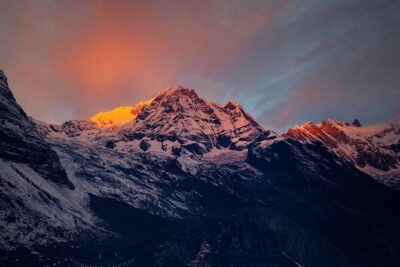
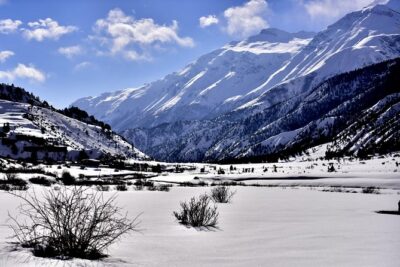
The real prize here is Tilicho Lake, reached by a high-altitude side trip from the classic Annapurna Circuit. You move from river valleys and pine forest to Tibetan-style villages, icy peaks, and the Thorong La pass, with a guide handling the route and daily plan.
I like two things right away: the small maximum group of eight, and the fact that the price covers the parts that can quickly add up in Nepal, including permits, meals, porters, teahouse rooms, gear, and the Jomsom to Pokhara flight. The guide and porter team, including NC Sherpa and MisterD Sherpa on one reported departure, also received high marks for kindness and organization.
The catch is simple: this is not a gentle sightseeing holiday. The days are long, the altitude is serious, and one day to Tilicho Lake is listed at up to nine hours. Also, the material describes the trip as both 13 days and 18 days, so confirm the exact schedule before paying.
Key points at a glance
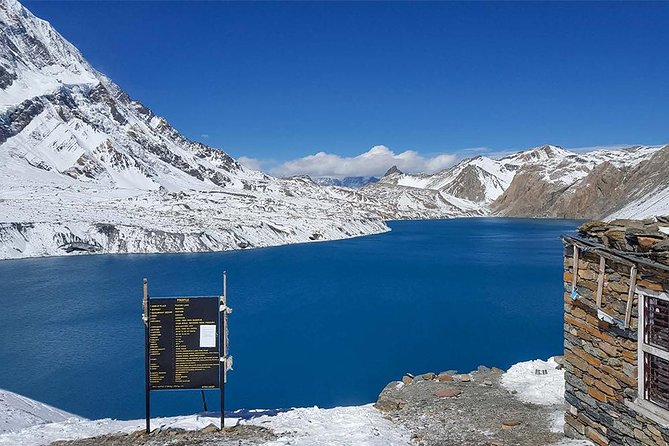
- Tilicho Lake adds a demanding high-altitude detour to the standard Annapurna Circuit.
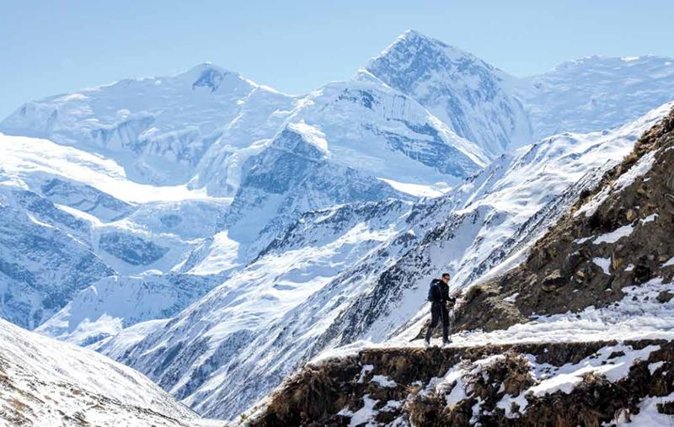
- Thorong La is the big physical test, with the pass reached on Day 10 at high altitude and in possible snow.
- Small groups are capped at eight, giving you more direct contact with your guide.
- The package covers practical costs, including teahouse lodging, 11 dinners, 13 breakfasts, 11 lunches, permits, porters, and the Jomsom to Pokhara flight.
- Altitude planning is built in, with a rest day in Manang before the route climbs higher.
- The final transport mix saves time, using a flight from Jomsom to Pokhara and a tourist coach back to Kathmandu.
Why Tilicho Lake changes the Annapurna Circuit
The Annapurna Circuit already offers a strong mix of scenery and village life. Adding Tilicho Lake gives you a second high point before Thorong La, but it also makes the route harder and more exposed to weather and fatigue.
You begin among the Marsyangdi River valleys, then pass through forests, narrow gorges, and settlements shaped by Tibetan culture. By the time you reach Manang, the air is thinner and the villages feel more remote. The side trip to Tilicho Lake takes you away from the main route for two nights, then brings you back toward Yak Kharka and the Thorong La trail.
I like this structure because the route has a clear rhythm. You gain height, pause in Manang, climb toward Tilicho, return to the main circuit, and then prepare for the pass. It is not a collection of random day walks. Each section helps set up the next one.
The route is still physically demanding. You need a reasonable fitness base before arrival, and you should be comfortable walking for five to nine hours on mountain paths. A guide reduces the chance of taking a wrong turn, but no guide can remove the effects of altitude, cold, wind, or a long climb.
More Annapurna Circuit Treks in Kathmandu
- Annapurna Circuit Trek with Tilicho Lake
★ 5.0 · 368 reviews - Annapurna Circuit Trek
★ 5.0 · 94 reviews - Annapurna Circuit Trek
★ 5.0 · 35 reviews
Days 1 and 2: Kathmandu to Chame, then Pisang
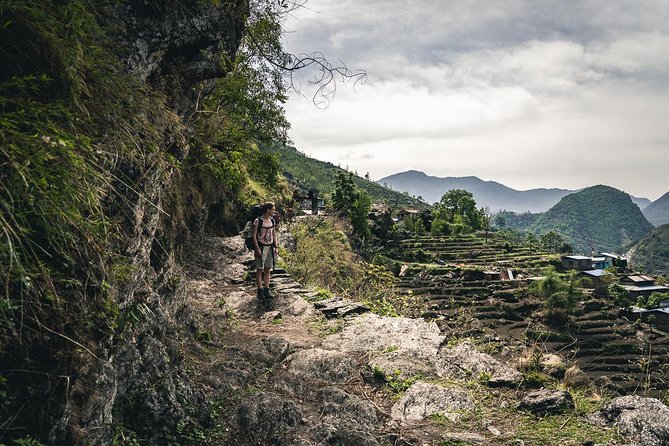
Day 1 begins with a long drive from Kathmandu to Besisahar and onward toward Chame. The journey follows the Kathmandu to Pokhara highway before turning toward the Marsyangdi River, where the road becomes narrow and winding.
The transport is private, and the day is listed at about nine hours. That is a lot of time in a vehicle before the main walking begins, so you should treat this as a transfer day, not a sightseeing day. Road conditions can affect how the journey feels, and the route is described as following a narrow, paved section near the river.
From Chame, the trek continues toward Pisang on Day 2. You walk through forest and a narrow valley, crossing bridges at about 2,910 and 3,040 meters. Snow-capped Lamjung Himal provides the main visual reward.
This is where the experience begins to feel like a true mountain trek. The river, forest, bridges, and rising valley give you a sense of scale without demanding the highest-altitude effort yet. The day is listed at roughly six hours, making it a substantial but manageable introduction to the walking.
Days 3 and 4: Manang and the needed rest day
The route to Manang brings a steep ridge with views across the Manang Valley and toward Tilicho Peak, which rises to 7,134 meters. You descend through Humde, pass its airstrip at about 3,280 meters, and continue toward Manang.
Day 3 takes around five hours, but the shorter duration does not mean the day is easy. At this altitude, even a moderate climb can feel slow. Walk steadily, drink regularly, and do not treat the schedule as a race.
Day 4 is a rest and acclimatization day in Manang. This is one of the most valuable parts of the plan. You have time to explore the village, see local life, and allow your body to adjust before the route climbs higher.
The rest day is not wasted time. It is a safety feature. You may still walk around Manang, but the useful goal is to stay active without exhausting yourself. Your guide can handle the daily planning while you focus on how your body feels.
Days 5 to 7: Khangsar and the long route to Tilicho Lake
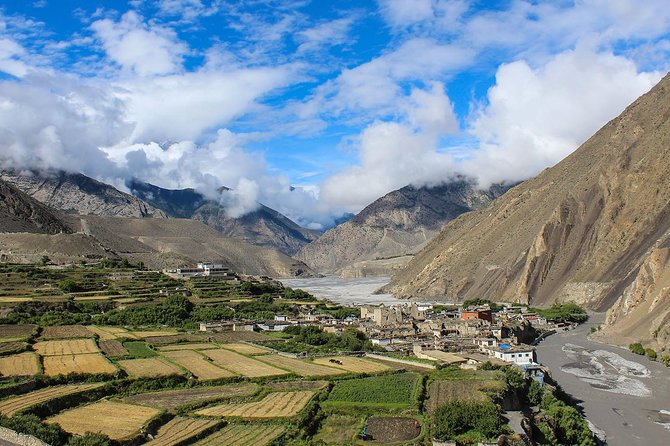
On Day 5, you follow the river toward Khangsar, cross the Khangsar Khola, and climb to Khangsar Village. The village is described as distinctly Tibetan in character, which gives this section a cultural change as well as a physical one.
The walk takes about four hours. That shorter day is helpful because the next two days are the heart of the Tilicho detour. You should use Khangsar to rest, organize your pack, and make sure you have enough water and warm layers readily available.
The following route passes a gompa and climbs toward a high ridge. There are two trail options in this section, an older and harder route and a newer, easier one. Having a guide matters here because route choice can affect both safety and energy.
Day 6 leads toward Tilicho Lake and is listed at about eight hours. Admission for the lake section is included. The path climbs steadily toward Tilicho Base Camp, and the combination of altitude, uneven ground, and exposure makes this a serious walking day.
Day 7 starts early for the final approach to the lake. The early start is practical because strong winds often develop later, caused by the meeting of warm land air and cold mountain air. From Base Camp, the walk to Tilicho Lake and back is listed at about nine hours.
This is likely the most demanding day of the trip. The lake itself is the reward, but you should not underestimate the return journey. High places can look close on a map and still take hours to reach. Keep your pace controlled and follow your guide’s advice about the trail and weather.
More Hiking Tours in Kathmandu
- Everest Base Camp Trek – 14 Days
★ 5.0 · 1,499 reviews - Everest Base Camp Trekking
★ 5.0 · 485 reviews - Nagarkot Sunrise View and Day Hiking from Kathmandu
★ 5.0 · 471 reviews - Everest Base Camp Trekking – 13 Day
★ 5.0 · 365 reviews
Days 8 and 9: Leaving Tilicho for Yak Kharka and Thorong Phedi
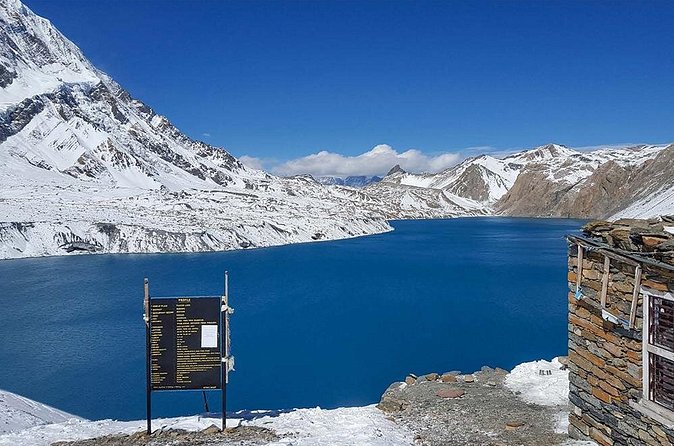
After Tilicho Lake, you descend gradually and then climb about 500 meters toward Yak Kharka. The route passes through Tengi and leaves the Marsyangdi Valley as it heads toward the Thorong route.
The day is listed at seven hours. It is a transitional stage, but it can feel tiring because it follows the long lake day. You are not simply walking downhill to recover. You are still gaining and losing height at a time when your body is working harder than it would at home.
Day 9 heads toward Thorong Phedi and the Thorong La trail. The route rises to a ridge, descends toward the Kone River, crosses a wooden bridge, and continues along a narrow path. The walking time is about five hours.
Thorong Phedi is important because it positions you for the pass crossing. The name may suggest a final resting place, but you should still arrive ready for an early start, cold conditions, and a demanding next day. Keep your warm clothing and essentials where you can reach them quickly.
Day 10: Crossing Thorong La to Muktinath
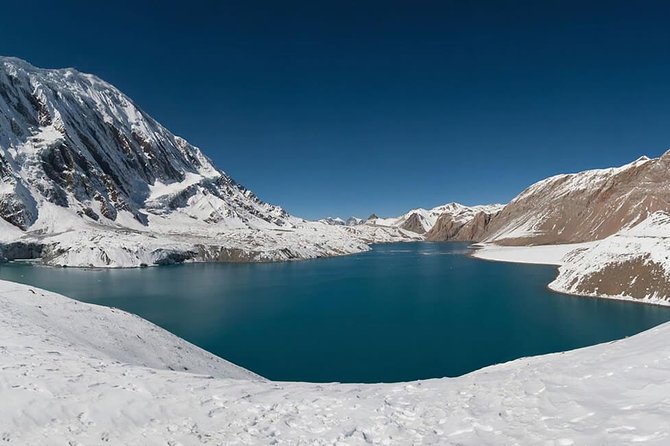
The pass day begins early and takes around eight hours. You climb toward Thorong La, the highest point on this circuit, then descend toward Muktinath.
High altitude and snow can make this section much harder than the time estimate suggests. Weather is a real factor, and the route may feel slow even if you are fit. This is the point where patience matters more than speed.
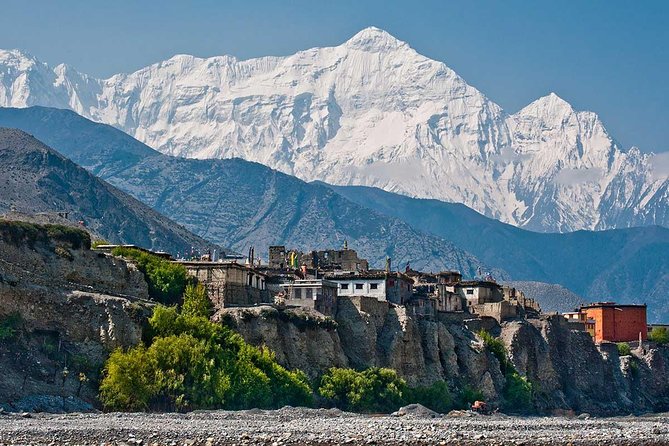
The descent to Muktinath brings a major change in the trip. You leave the pass behind and reach a well-known pilgrimage area, linking mountain scenery with religious importance. The day gives you the satisfaction of crossing the circuit’s main obstacle, but you may be tired by the time you arrive.
This is also why the included guide and porter arrangement have practical value. One porter is provided for every two people, carrying personal gear and group equipment. You still need to carry your day pack, but you do not have to haul your full trekking load over the pass.
Days 11 to 13: Jomsom, the flight to Pokhara, and Kathmandu
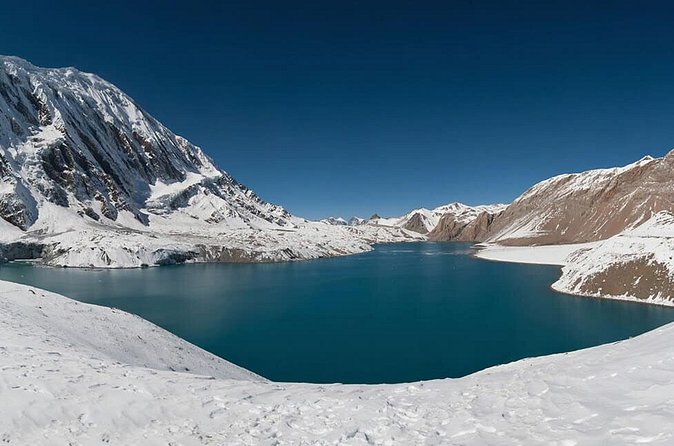
Day 11 follows the Kali Gandaki River toward Jomsom. You may take the Kagbeni or Lupra route, depending on the planned path. The walk takes about six hours.
Jomsom is described as a cold, scenic valley with more amenities than the higher villages. It is also the transport link for the next stage, so this is both a destination and a practical stopping point.
On Day 12, you wake early for the flight from Jomsom to Pokhara. The flight is included and offers mountain views from the air, though early departures and mountain weather are part of the reality of this route. Once in Pokhara, transport takes you to your accommodation.
Day 13 is the return to Kathmandu by tourist coach, with about seven hours on the road. Overnight accommodation in Kathmandu is arranged according to the agreed category and bed-and-breakfast plan, but Kathmandu accommodation is otherwise excluded from the main package.
The final two days are efficient rather than leisurely. If you want extra time in Pokhara, you should check whether the schedule can be adjusted before booking. As described, Pokhara is mainly a transport stop after the trek.
What the $1,093 price really covers
At $1,093.34 per person, the cost has solid value for a guided high-altitude trek because many major expenses are bundled together. You receive teahouse or guesthouse lodging during the trek, a certified professional guide, porters, meals, permits, transport, and the Jomsom to Pokhara flight.
The included food is listed as 13 breakfasts, 11 lunches, and 11 dinners. Drinks and alcohol are extra, as are other food and drinks not covered by the meal plan. You should budget for those purchases, along with any personal expenses.
The package also includes the Annapurna Conservation Area Permit and TIMS, plus a first aid kit. Sleeping bags, duffel bags, and other Nepal Social Treks gear are supplied for use during the trip.
You still pay for international flights, the Nepal entry visa, travel insurance, and medical insurance. Kathmandu accommodation is not included, except for the final overnight arrangement described in the schedule. Check exactly what room category and nights are covered, since the trip information uses both 13-day and 18-day descriptions.
The value is strongest if you need a full support system. If you already have trekking equipment, arrange permits yourself, and prefer independent travel, the package may feel less useful. For a first guided circuit, the included logistics can prevent a great deal of planning work.
Group size, guides, and practical support
The group maximum is eight people. That is small enough for a guide to keep track of walking pace, altitude concerns, and group decisions without the feel of a large tour.
A porter is supplied for every two people. Pack thoughtfully and respect the porter arrangement by keeping your personal load reasonable. The porter carries personal gear and group equipment, while you carry what you need during the day.
The trip is run by Nepal Social Treks and Expedition. The guide and porter team is a major part of the experience, especially on the ridge sections, the Tilicho route options, and the Thorong La crossing. NC Sherpa is named as a guide associated with one departure, with MisterD Sherpa serving as porter.
The strongest praise attached to the trip concerns organization, professionalism, and kindness. That matters here because the route has several moving parts: road transfers, altitude timing, permits, mountain lodging, a flight, and a long return coach ride.
Who should book this trek?
You should consider it if you are fit, active, and ready for long days at altitude. The itinerary suits someone who wants both the classic Annapurna route and the extra challenge of Tilicho Lake.
It is also a good match if you prefer support rather than independent route planning. The guide, porter, permits, meals, gear, and transport reduce the amount you need to arrange yourself.
I would be cautious if you dislike early starts, basic teahouse accommodation, long road transfers, or changing plans caused by mountain conditions. The provided information does not promise luxury, and the route is clearly built around walking, not comfort.
You should also confirm your personal insurance before booking. Emergency travel and medical insurance are not included, and the tour requires you to have a moderate level of physical fitness.
Booking can be canceled for a full refund up to 24 hours before the start time. Passport name, number, expiry date, and country are required for each participant at booking.
Should you book the Annapurna Circuit with Tilicho Lake?
Book this trip if you want a demanding, well-supported mountain route with two major highlights: Tilicho Lake and Thorong La. The small group, included permits, porter support, meals, gear, and Jomsom to Pokhara flight make the price reasonable for the amount of planning covered.
Do not book it simply because the price looks attractive. You need to be ready for altitude, cold, narrow trails, nine-hour walking days, and basic accommodation. Before confirming, ask the operator to clarify the 13-day versus 18-day schedule, the exact Kathmandu hotel nights, and the planned route between Kagbeni and Lupra.
For an active trekker who values organization and direct guide support, this is a strong choice. For a relaxed Nepal holiday, choose something shorter and lower.
FAQ
How long is the Annapurna Circuit with Tilicho Lake Trek?
The tour information gives a duration of approximately 13 days, while another description refers to an 18-day itinerary. Confirm the exact length and daily schedule with Nepal Social Treks and Expedition before booking.
Is transportation included?
Yes. Private vehicle transport, airport pickup and drop-off as specified, the Jomsom to Pokhara flight, and the tourist coach from Pokhara to Kathmandu are included.
Are meals included?
Yes. The package includes 13 breakfasts, 11 lunches, and 11 dinners. Drinks, alcohol, and additional food and drinks are not included.
Is accommodation included?
Teahouse or guesthouse accommodation during the trek is included. Kathmandu accommodation is not generally included, although an overnight stay in Kathmandu is arranged at the end according to the agreed category and bed-and-breakfast plan.
Are trekking permits included?
Yes. The Annapurna Conservation Area Permit and TIMS are included, along with applicable fees and taxes.
How large is the group?
The maximum group size is eight people.
Is travel insurance included?
No. Emergency travel and medical insurance are not included. International flights and Nepal entry visa fees are also excluded.
Recently added around Kathmandu
- Kathmandu Airport Pickup and Drop-off Services★ 5.0 · 3 reviews
- Kathmandu Paragliding★ 5.0 · 3 reviews
- Kathmandu Chandragiri Cable Car and Swayambhunath Private Tour★ 5.0 · 3 reviews
- Explore The Beauty Of Langtang Valley In 8-Days Trek★ 5.0 · 3 reviews
- Kathmandu: Nightlife and Pub Crawl Tour★ 5.0 · 3 reviews
- Mountain Flight Experience in Nepal★ 4.5 · 3 reviews
- Kathmandu: Momo Making Class with a Local Chef★ 5.0 · 3 reviews
- Everest Base Camp Trek★ 5.0 · 3 reviews
Other Annapurna Circuit Treks worth a look
15-Day Private Annapurna Circuit Trek from Kathmandu
Read our review →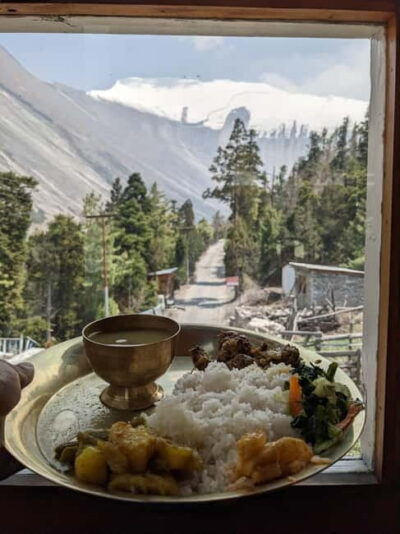
Annapurna Circuit Trek with Tilicho Lake (16 Days)
Read our review →This tour also appears in