
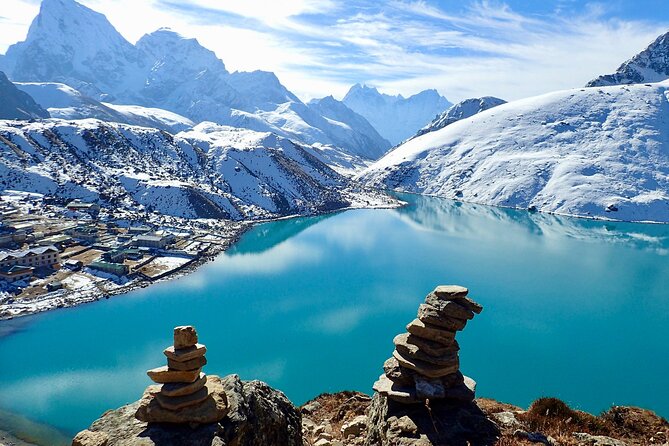
REVIEW · EVEREST BASE CAMP TREKS
Everest Base Camp Trek with Helicopter Return to Lukla – 10 Days
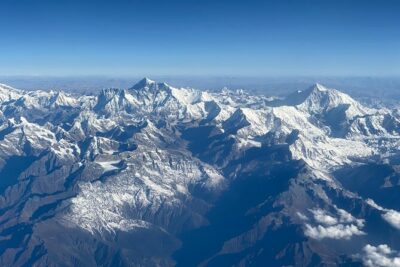
The best twist here comes at the end: after walking all the way to Everest Base Camp and climbing Kala Patthar for mountain views, you fly back from Gorakshep to Lukla by helicopter. That saves the long return hike and gives you a rare bird’s-eye view of the route.
I like the careful acclimatization stops, especially Namche Bazaar and Dingboche, and I like that permits, flights, a sleeping bag, duffel bag, map, guide, and Kathmandu transfers are bundled in. The $799 price is appealing for what it covers, though meals during the trek, a porter, insurance, and personal costs are extra.
This is still a serious high-altitude trek, not a soft sightseeing holiday. Weather can delay mountain flights and the helicopter, while standard guesthouses mean simple rooms and shared facilities rather than hotel comfort.
Key points to know before booking
- Helicopter return from Gorakshep: You hike the classic route uphill, then fly to Lukla instead of retracing the whole trail.
- Kala Patthar sunrise: The high point of the trip is built around broad Himalayan views, not just a photograph at Base Camp.
- Sherpa villages and monasteries: Namche, Tengboche, and the upper Khumbu provide culture as well as scenery.
- Licensed English-speaking guide: Guide assignments may vary, but Ram, Rupak, Dambar, and other company guides have led previous Himalayan treks.
- Small maximum group: The stated limit is 15 people, a useful size for mountain walking and room coordination.
- Important extra costs: Trek meals, optional porter service, insurance with high-altitude evacuation, tips, and snacks are not included.
Why the helicopter return changes the Everest Base Camp trek
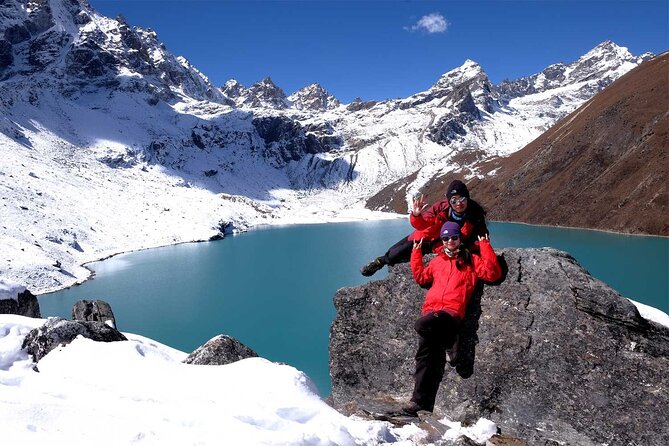
Most Everest Base Camp itineraries require you to walk back down the same route after reaching Gorakshep. This trip removes that second stretch of trail. You still face the hard part of the trek, including the long climb toward Base Camp, but the return is quicker and far more dramatic.
The helicopter flight is not just a taxi ride. From the air, you can see the valleys, ridgelines, villages, and winding trail in one sweep. It gives you a new sense of how far you have walked. It also helps fit the classic Everest route into 10 days, although the schedule remains tight.
The trade-off is simple: you spend less time walking back through the Khumbu. If the return trek is part of your dream, this is not the best version. If your priority is reaching Base Camp while reducing downhill days, the helicopter is a smart use of money and time.
At $799 per person, the package offers good value on paper. It includes domestic flights, the helicopter, permits, transfers, a Kathmandu hotel with breakfast, trek lodging, a licensed guide, basic gear, and a farewell dinner. But the headline price does not cover all daily spending, so budget carefully before you decide.
More Hiking Tours in Kathmandu
- Everest Base Camp Trek – 14 Days
★ 5.0 · 1,499 reviews - Everest Base Camp Trekking
★ 5.0 · 485 reviews - Nagarkot Sunrise View and Day Hiking from Kathmandu
★ 5.0 · 471 reviews
Kathmandu arrival and the first practical steps
Your trip begins with pickup at Tribhuvan International Airport in Kathmandu at the stated meeting time of 9:00 am. A private vehicle takes care of the airport transfer, which is useful after an international flight and avoids the first round of negotiating local transport.
You receive a three-star Kathmandu hotel with breakfast. It is a practical base before and after the trek, but the package does not include lunch or dinner in Kathmandu. Keep money ready for those meals, drinks, laundry, snacks, and tips.
Kathmandu also gives you time to adjust before heading into the mountains. The plan includes a cultural farewell dinner at the end, with Nepali food and traditional dance. That is a pleasant way to mark the achievement, especially after several days of early starts and thin air.
The schedule says Kathmandu at the beginning, but the flight operation may involve Kathmandu or Manthali. Confirm the exact airport arrangement before departure. This matters because domestic mountain flights are weather-sensitive, and the departure point can affect your transfer planning.
Flying to Lukla and entering the Khumbu
The mountain adventure begins with a domestic flight to Lukla. The package includes the Kathmandu or Manthali to Lukla route, with round-trip domestic flights listed as part of the arrangement.
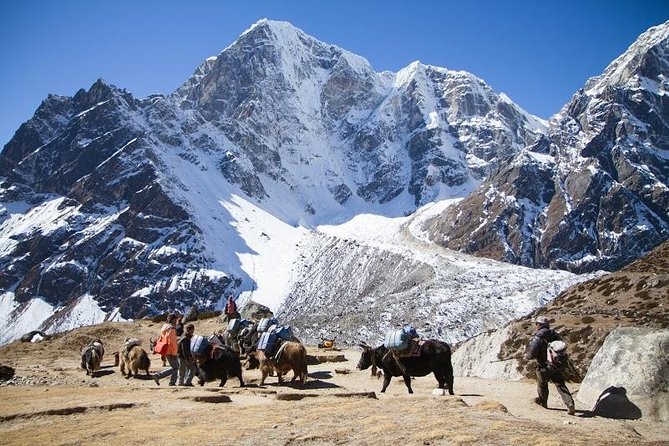
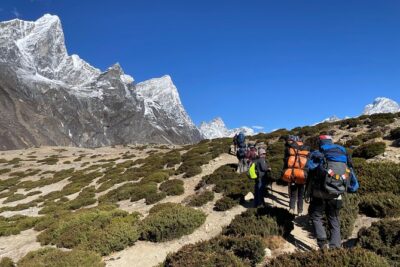
Lukla is the gateway to the Everest region. From there, the route follows the Dudh Koshi River and passes through Sherpa settlements, forested sections, and increasingly open mountain country. The early walking days are not just warm-up miles. They introduce you to the rhythm of the trail and let your body adjust gradually to higher ground.
Expect the scenery to change as you gain altitude. Lower sections include forests and river corridors, while higher sections feel more exposed and spare. The route also puts you in contact with local life, teahouses, prayer sites, and monasteries rather than keeping you inside a vehicle.
The flight and the trek both depend on weather. The cancellation terms specifically allow a different date or a full refund if poor weather cancels the experience. Even when a trip is operating, delays are possible, so avoid scheduling an important international connection too close to the end.
Namche Bazaar is more than a trail stop
Namche Bazaar is one of the key places on the route. It is a Sherpa trading town and a natural point to pause before climbing higher. The itinerary uses it as an acclimatization stop, which is good practice rather than wasted time.
The value of Namche is physical and cultural. You get time to rest while seeing how the mountain communities function along a major trekking route. The town also breaks up the climb and gives your guide a chance to watch how you are responding to altitude.
This is where a good guide earns the fee. The company’s trek leaders have been praised for patience, flexibility, and keeping groups together at different speeds. Ram is a name that comes up often in the company’s Himalayan guiding work, while Rupak and Dambar have also led larger trekking groups. Your assigned guide may be someone else, so ask for the name and experience of your guide before you travel.
Do not treat a rest stop as permission to overdo it. The useful approach is steady walking, plenty of rest, and honest communication if you feel unwell. A guide can help with pacing, but you still need to pay attention to your own condition.
More Everest Base Camp Treks in Kathmandu:
- Everest Base Camp Helicopter Tour landing at Everest View Hotel
★ 5.0 · 668 reviews - Everest Base Camp Trekking – 13 Day
★ 5.0 · 365 reviews - Everest Base Camp Trek -14 Days
★ 5.0 · 321 reviews - Everest Base Camp Helicopter Tour landing at Hotel Everest View
★ 5.0 · 218 reviews
Tengboche adds culture to the mountain scenery
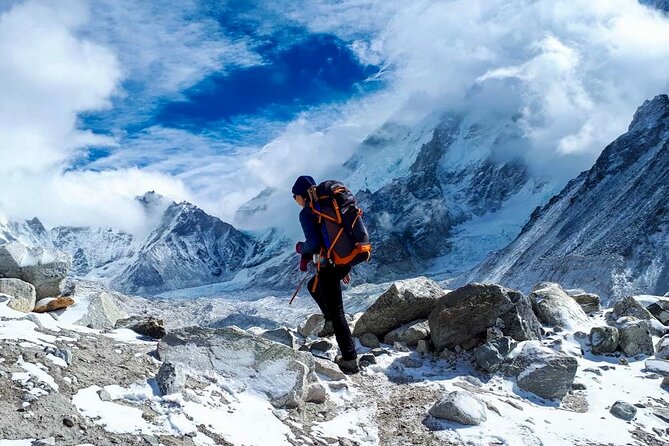
The trail continues toward Tengboche, known for its monastery and setting among the high peaks. This stop gives the trek a stronger cultural dimension. You are not simply walking toward a famous mountain viewpoint. You are passing through a region shaped by Sherpa communities and Tibetan Buddhist traditions.
The monastery visit is one of the trip’s worthwhile pauses. Take time to notice the religious setting and the quiet contrast with the physical effort of the trail. The experience is more rewarding when you see Tengboche as a living place of worship, not just another photo stop.
The route around Tengboche also reinforces how quickly the environment changes as you gain height. Forest gives way to more open mountain terrain. The walking can feel tougher here, even when the daily distance does not look alarming on paper.
Standard guesthouses provide the overnight base along the trail. They are part of the character of the trek, but you should expect basic accommodation. The listing does not promise private bathrooms or luxury rooms, so pack with simple facilities in mind and bring personal items you need for comfort.
Dingboche is the crucial high-altitude pause
Dingboche is another acclimatization point, and it comes at a useful stage of the trek. At this height, the challenge is no longer just fitness. Thin air can affect sleep, appetite, energy, and walking speed.
I like that this 10-day plan includes more than a nonstop push to Base Camp. A schedule without altitude breaks may look efficient, but it can make the trek less safe and less enjoyable. Dingboche gives you a chance to rest before the final approach.
Your guide should monitor the group and adjust the pace when needed. Previous trips led by the company’s guides have included people of different ages and fitness levels, with an emphasis on patience and encouragement. That does not make the trek easy, but it can make a major difference when one person needs more time.
The tour asks for a moderate fitness level. That phrase should not fool you. You need to be ready for repeated days of uphill and downhill walking at high altitude, with simple lodging and limited comforts. The included first-aid kit is useful, but it is not a substitute for travel insurance that covers medical treatment and high-altitude evacuation.
Everest Base Camp is the goal, but not the best viewpoint
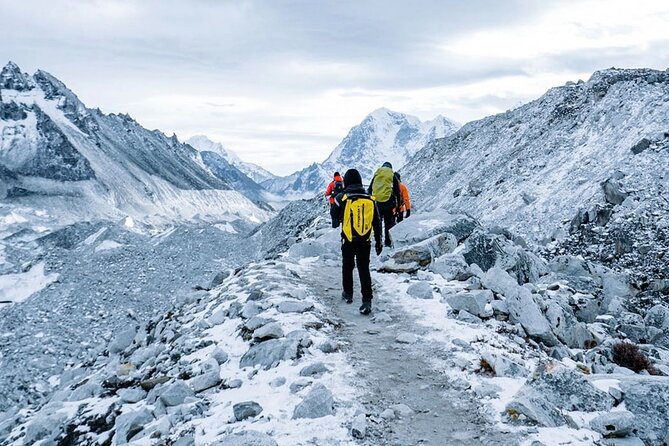
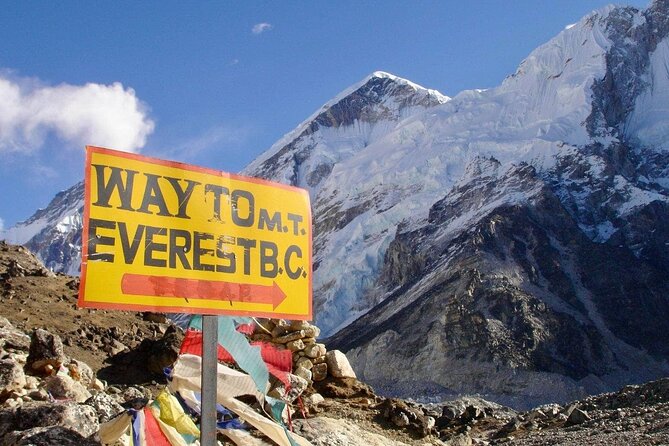
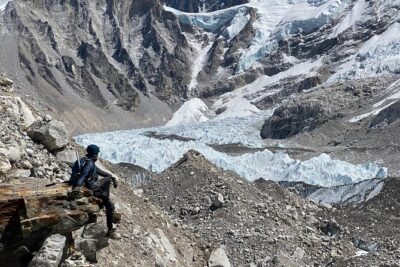
Reaching Everest Base Camp is the emotional center of the trip. You walk through the upper Khumbu toward Gorakshep and then continue to the famous camp area. The achievement comes from the route itself, the altitude, and the effort required to arrive there.
Base Camp is an important mountaineering site, but it is not necessarily where you get the broadest view of Mount Everest. That is why the Kala Patthar hike matters so much. The itinerary includes a sunrise walk there, giving you a better chance to see Everest and the surrounding peaks from a high viewpoint.
The Kala Patthar outing is likely to be one of the hardest parts of the trip. Early morning cold, high altitude, and steep walking all add up. Still, this is where the schedule earns its place. If you have only one high viewpoint on the trip, you want one that shows the great mountain panorama rather than only the Base Camp marker.
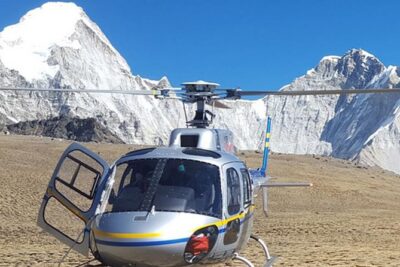
The helicopter departs from Gorakshep, near the end of the trekking route. Exact flight timing depends on weather and operational conditions. From Gorakshep to Lukla, the flight turns several days of return walking into a short aerial leg, while also showing the route from an entirely different angle.
What the included gear and luggage support really mean
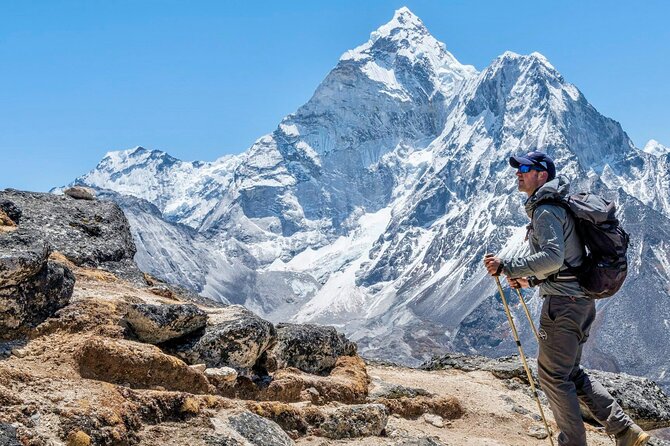
A duffel bag and sleeping bag are included, along with a T-shirt and map. These items reduce the amount of equipment you need to bring from home, though you should confirm the exact duffel and sleeping bag specifications before relying on them for a particular temperature range.
Luggage support is part of the package description, but porter service is listed as optional. One porter for two trekkers is recommended. If you are not used to carrying a pack at altitude, adding a porter could make the walking more manageable, especially on the higher days.
You should still carry a daypack with essentials you need during the day. The supplied information does not specify a full packing list, so ask the operator about clothing, footwear, water treatment, and any weight limits before arriving.
The medical kit is included and described as comprehensive, but personal medication remains your responsibility. Insurance is mandatory for this kind of trip and must cover high-altitude evacuation. Do not assume an ordinary travel policy will be enough.
Group size, guides, and the human side of the trek
The maximum group size is 15 people. That is small enough for a guide to keep track of the group, while large enough for the social side of a shared trek. People naturally walk at different speeds, so ask how the group will handle slower and faster walkers.
The strongest praise attached to the company’s Himalayan trips centers on guide care. Ram is repeatedly described as patient, flexible, encouraging, and attentive to people’s condition. Other named guides, including Rupak, Dambar, Dambar’s team, and Naren, have also been associated with well-run treks.
That does not guarantee a particular person on your departure. Treat those names as useful background, not a promise. Ask who will lead your group, whether the guide is licensed, and how porter arrangements work.
A good local guide adds more than navigation. You get help with the daily pace, local customs, lodge arrangements, and the practical decisions that become harder when you are tired. The guide also gives the villages and monasteries more meaning than you would get walking through with only a map.
The $799 price, and the costs you still need to plan
The price is $799 per person. For a 10-day Everest Base Camp trek with a helicopter from Gorakshep to Lukla, that is attractive, particularly because the helicopter and domestic flights are included rather than added as surprise upgrades.
The included permits cover Sagarmatha National Park, TIMS, and Pasang Lhamu entry requirements. Government fees, official expenses, airport transfers, Kathmandu accommodation with breakfast, standard trek lodging, and the farewell dinner are also included.
Your extra costs include:
- Lunch and dinner in Kathmandu
- Breakfast, lunch, and dinner during the trek
- Optional porter service
- Travel insurance with high-altitude evacuation
- Snacks, drinks, laundry, and tips
- International airfare and the Nepal visa
The helicopter is the feature most likely to affect the package’s value. You pay more than for a basic walk-in and walk-out trek, but you save the time and effort of retracing the trail. For a short holiday window, that can be worth more than a lower base price.
Who should book this Everest Base Camp package
I would choose this trip if you want the classic Everest route but have limited time, dislike the idea of walking the entire way back, or want an aerial view of the country you have just crossed on foot.
It also suits you if logistics make you nervous. The package handles permits, airport transfers, domestic flights, a guide, standard guesthouses, and basic trekking equipment. That leaves you to focus on preparation and the walking itself.
I would be cautious if you want a luxurious trek. Three-star Kathmandu accommodation and standard mountain guesthouses do not mean five-star comfort. Meals, porters, and insurance are separate costs, and the high-altitude route remains physically demanding.
I would also think twice if you want a slow, relaxed schedule. Ten days is efficient for this route, but it leaves less room for delays or a slower pace than a longer itinerary. Weather can affect the flights, so flexibility matters.
Should you book the helicopter-return Everest trek?
Book it if reaching Everest Base Camp and Kala Patthar is your main goal, and you like the idea of trading the return hike for a helicopter flight. The package covers many expensive and awkward pieces, and the maximum group size of 15 keeps it from feeling like a mass tour.
Before paying, confirm the exact flight plan, your departure airport, assigned guide, porter cost, meal budget, and the gear supplied. Also buy the right insurance before you arrive.
The final call is this: choose this tour for efficiency and the helicopter experience, not for luxury in the usual hotel sense. It gives you a demanding Himalayan trek, useful acclimatization stops, Sherpa culture, and a memorable flight out. If you are fit enough for the altitude and prepared for basic mountain conditions, the value is strong.
FAQ
How long is the Everest Base Camp trek with helicopter return?
The experience lasts approximately 10 days.
Where does the experience start?
It starts at Tribhuvan International Airport in Kathmandu, Nepal, with a stated start time of 9:00 am.
Is airport pickup included?
Yes. Arrival and departure transfers by private vehicle are included.
Is accommodation in Kathmandu included?
Yes. The package includes a three-star Kathmandu hotel with breakfast.
Which permits are included?
The package includes Sagarmatha National Park, TIMS, and Pasang Lhamu entry permits.
Are domestic flights included?
Yes. Domestic flights between Kathmandu or Manthali and Lukla are included as part of the package.
Where does the helicopter fly from and to?
The helicopter flies from Gorakshep to Lukla.
Are meals during the trek included?
No. All meals during the trek are excluded, as are lunch and dinner in Kathmandu.
Do I need travel insurance?
Yes. You must have insurance that covers medical treatment and high-altitude evacuation.
More Helicopter Tours in Kathmandu
- Everest Base Camp Trek with Helicopter Return from Gorakshep to Lukla
★ 5.0 · 161 reviews - Everest Base Camp helicopter tour with landing
★ 5.0 · 61 reviews - Everest Base Camp Helicopter Tour with Hotel Everest View Landing
★ 5.0 · 52 reviews - Guaranteed Landing at Everest Base Camp Kalapathar by Helicopter
★ 5.0 · 38 reviews
Recently added around Kathmandu
- Kathmandu Airport Pickup and Drop-off Services★ 5.0 · 3 reviews
- Kathmandu Paragliding★ 5.0 · 3 reviews
- Explore The Beauty Of Langtang Valley In 8-Days Trek★ 5.0 · 3 reviews
- Kathmandu Chandragiri Cable Car and Swayambhunath Private Tour★ 5.0 · 3 reviews
- Kathmandu: Nightlife and Pub Crawl Tour★ 5.0 · 3 reviews
- Kathmandu: Momo Making Class with a Local Chef★ 5.0 · 3 reviews
- Mountain Flight Experience in Nepal★ 4.5 · 3 reviews
- Everest Base Camp Trek★ 5.0 · 3 reviews
Other Everest Base Camp Treks worth a look
Everest Base Camp Helicopter Tour landing at Everest View Hotel
Read our review →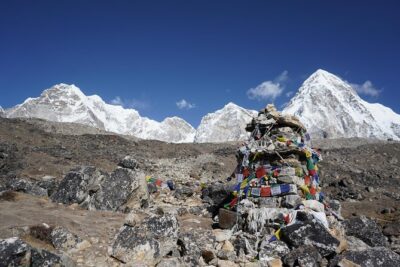
Everest Base Camp Helicopter Tour landing at Hotel Everest View
Read our review →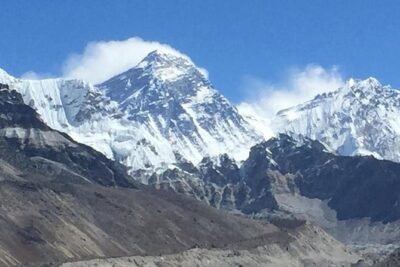
This tour also appears in