
REVIEW · PASHUPATINATH TOURS
Kathmandu: Pashupatinath Evening Aarati Tour Private/Group
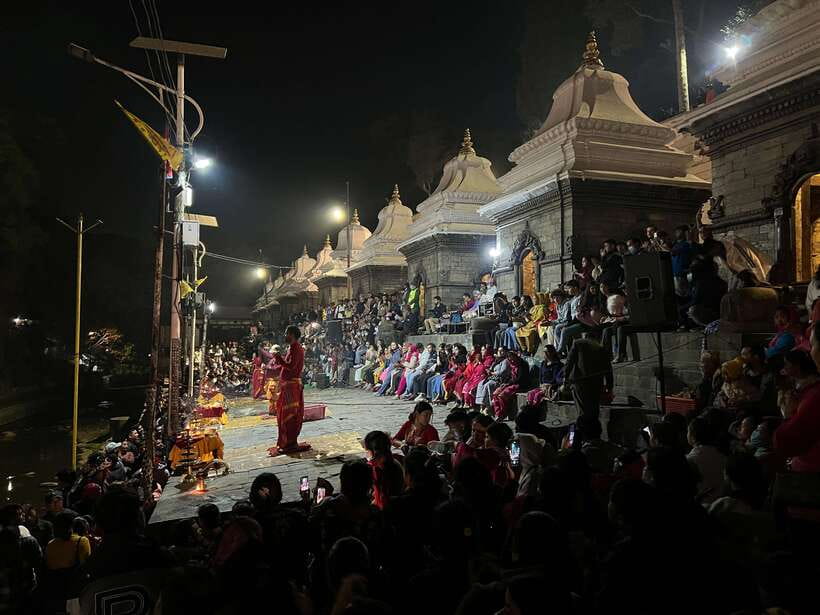
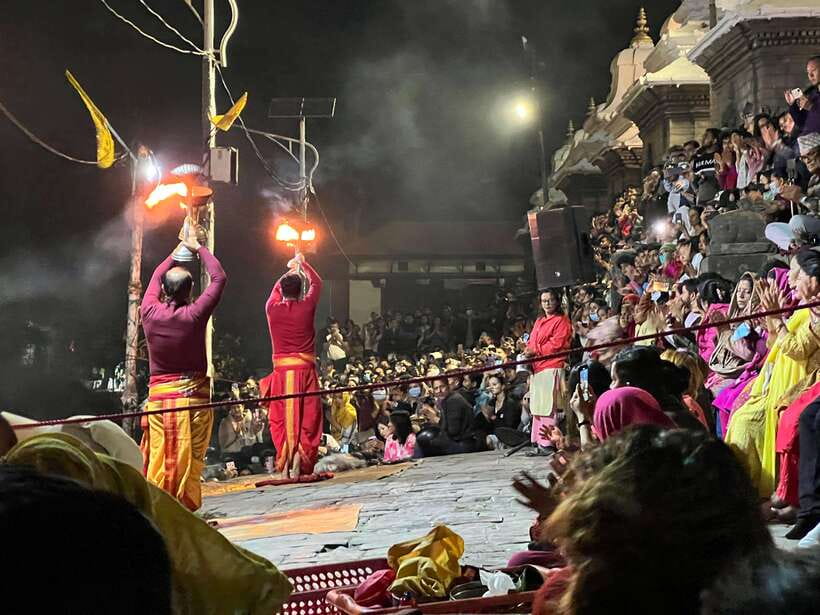
Pashupatinath’s evening aarati is the heart of this short Kathmandu tour. At about 6 pm, priests raise oil lamps beside the Bagmati River as bells ring, incense burns, musicians play, and Vedic prayers fill the air. It is a powerful look at Nepal’s Hindu traditions, not a staged show.
I like the hotel pickup and return from Thamel, which saves you the trouble of arranging a taxi at dusk. I also like the mix of a guided temple visit and free time, so you get both useful context and room to watch the ritual at your own pace.
The main drawback is the viewing position. One recent booking found the guide seated in a poor spot for the ceremony and was also disappointed by limited attention during the visit. If the aarati is your main reason for coming, ask clearly where you will watch it and stay involved in choosing your place.
Key points to know before you book
- The aarati begins at about 6 pm, on the eastern bank of the Bagmati River.
- The ritual uses oil lamps, bells, incense, chanting, devotional hymns, and classical instruments.
- Pickup and drop-off are included from Thamel or nearby areas, with transport to and from the temple.
- A guide explains Pashupatinath before you watch the ceremony, then gives you free time to look around.
- The price is $22 per person, with food, drinks, and entry fees not included.
- Amrit received especially strong praise for clear answers and useful information, though guide service can vary.
Why the evening aarati is the main event
Pashupatinath is best understood through its rituals. The evening aarati gives you a direct view of living religious practice, held beside the holy Bagmati River rather than inside a quiet museum display.
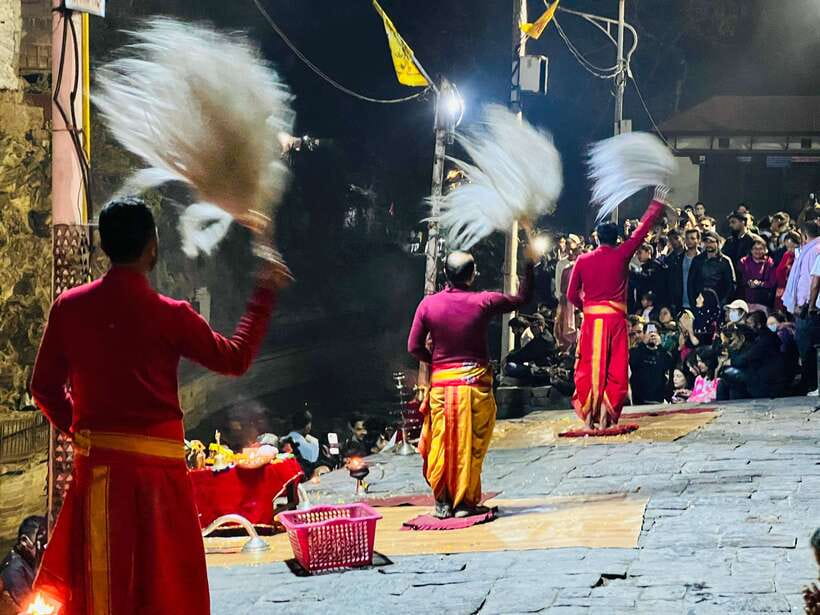
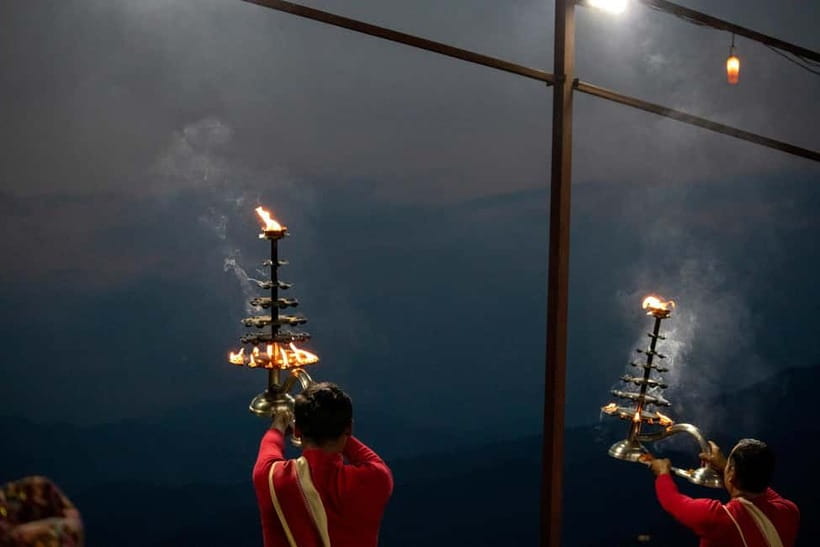
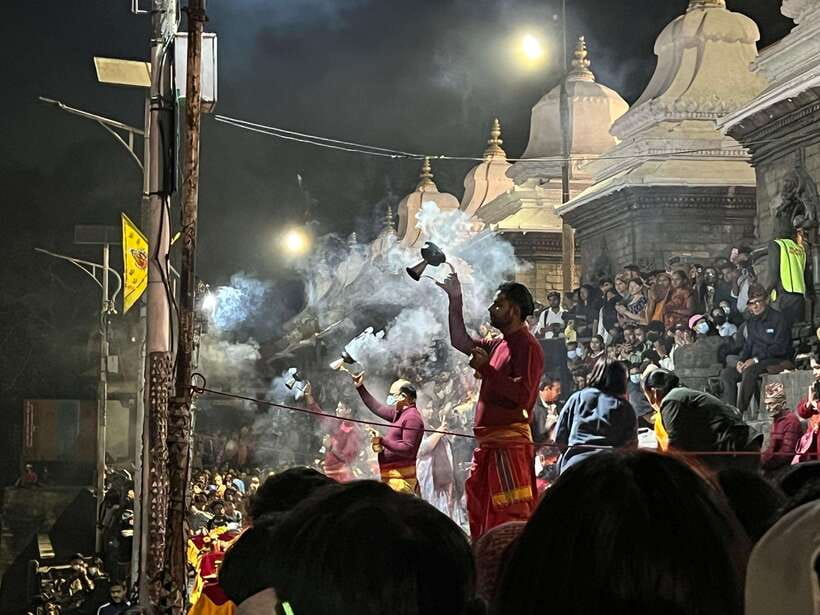
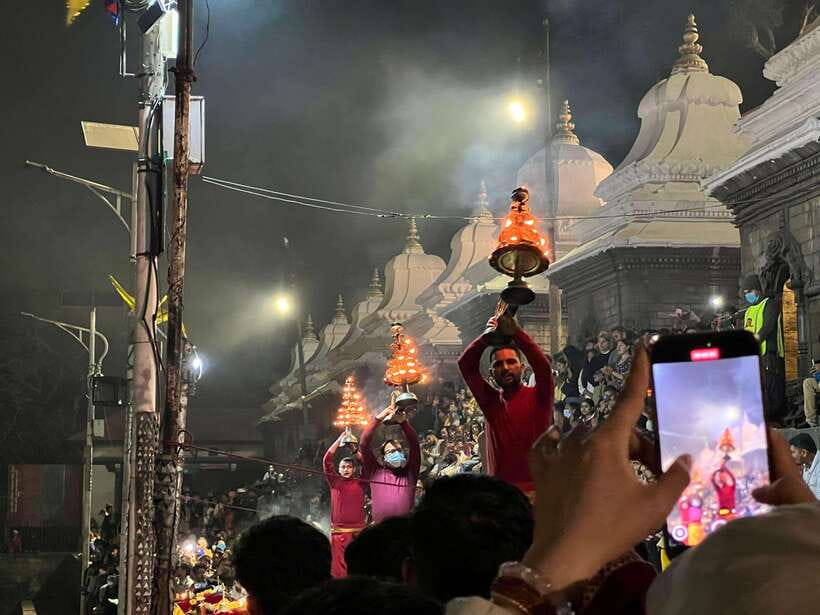
As the ceremony starts, priests wave oil lamps in set patterns while bells ring and incense rises. Vedic mantras, devotional songs, and live music add a steady rhythm. The light from the lamps changes the mood around the river, and the ceremony builds through sound, movement, and prayer.
You do not need to know every Hindu custom to appreciate the scene. The guide’s introduction helps explain what you are seeing, while the ritual itself carries much of the meaning. I find this kind of experience useful because it shows how faith works in public life, through repeated actions, music, offerings, and shared attention.
The timing matters. You are picked up in the late afternoon, visit the temple before the ceremony, and then remain for the evening ritual. That gives the tour a natural shape instead of rushing you straight to the riverbank and sending you back.
More Pashupatinath visits:
- Kathmandu Spiritual Sites: Bodhnath & Pashupatinath Tour
★ 5.0 · 185 reviews - Kathmandu: Pashupatinath Temple Evening Aarati Tour
★ 5.0 · 36 reviews - Kathmandu: Pashupatinath Temple Aarti Night Tour
★ 4.8 · 29 reviews
From Thamel to Pashupatinath in the late afternoon
The tour begins with pickup from your hotel in Thamel or a nearby area. Thamel Marg is listed as both a pickup and drop-off point, and the transport is arranged according to your location and the suitable vehicle.
This is a practical benefit in Kathmandu. You do not have to find the temple on your own, organize a return ride after dark, or work out the route while trying to arrive before the ceremony. The included drive also makes the tour easy to fit into a day spent around central Kathmandu.
The total duration is listed as two to three hours. The guided visit and free time at Pashupatinath take about one and a half hours, with the remaining time used for driving and the ceremony. Exact timing can depend on the pickup point and traffic, so keep some flexibility in your evening plans.
The tour is offered as a private group experience, and live guiding is available in English, Hindi, and Chinese. That language choice can make the explanations more useful, especially when the guide is discussing religious terms or customs that do not translate neatly.
Walking through the Pashupatinath temple complex
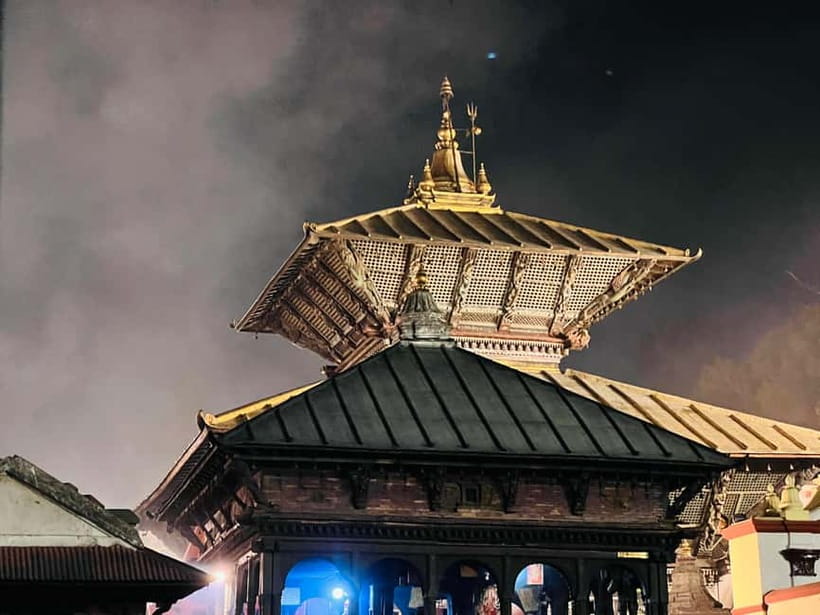
After you arrive, the guide takes you through the temple complex and explains its religious importance, history, and architecture. This part is more than a quick walk to the river. It gives you a framework for understanding why Pashupatinath matters before the evening ritual begins.
You should expect to walk, so comfortable shoes are a sensible choice. The site visit includes guided sightseeing followed by free time. That combination works well: the guide can point out key details first, then you can pause, look around, and settle into the surroundings without having to stay with a running commentary.
The supplied information does not specify every area you will enter, and entry fees are not included in the $22 price. Bring cash so you can cover any required admission or personal costs. Since the tour price excludes food and drinks as well, it is wise to eat beforehand or make your own arrangements.
A sensitive point deserves attention here. Pashupatinath is connected with cremation activity along the Bagmati, and one booking made clear that the main interest was the aarati rather than cremation. The guide placed the group poorly for the ceremony, despite being asked about moving.
That is useful advice, not a reason to dismiss the tour. Tell your guide early that the aarati is your priority. If the group is waiting near the river, ask directly about the best available viewing area and do not be shy about moving before the ritual begins. Your guide should help you balance a clear view of the ceremony with respect for the site and its ongoing religious activity.
Free time before the lamps are raised
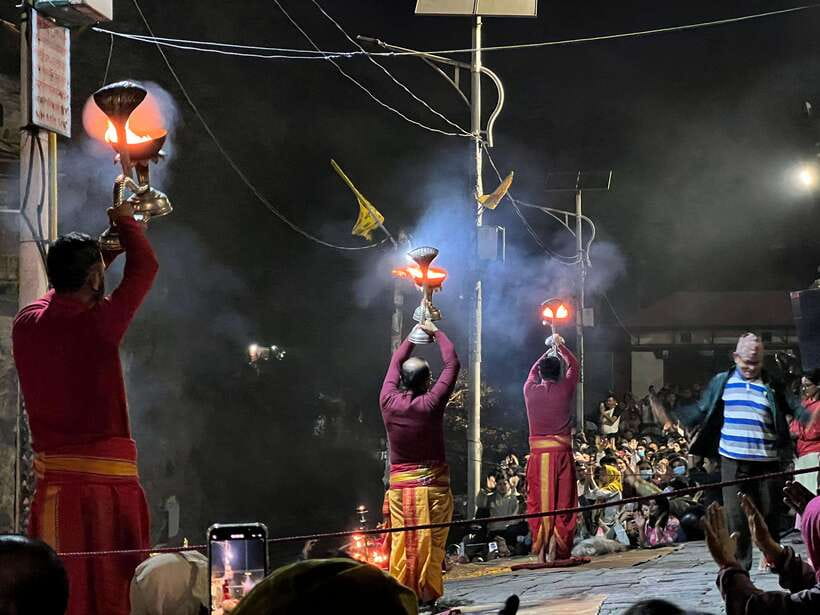
The free time is an important part of the visit. A guided explanation can give you facts, but a sacred place also needs a few quiet minutes when you are not listening to instructions.
Use this pause to take in the architecture, river setting, and movement around the complex. You can also find your bearings before the ceremony starts. Bring a camera if you want photographs, but remember that this is an active religious site. Be discreet and follow any directions given at the temple.
This is also the moment to ask questions. Amrit, one of the guides named in the recent bookings, was praised for being informative and answering many questions. That kind of guide can make a real difference because Pashupatinath has layers of meaning that are easy to miss if you only watch the lamps from a distance.
At the same time, do not assume every guide will give the same level of attention. One booking described having to interrupt the guide repeatedly to ask questions while the guide was talking with someone else. If you want detailed explanations, raise your questions early and make your expectations clear.
More things to do after dark in Kathmandu:
- Kathmandu Sunset Tour by Rickshaw Including Durbar Square Visit
★ 5.0 · 73 reviews - 3 Nights 4 Days Chitwan National Park with Tower Night Stay
★ 5.0 · 41 reviews - 3 night 4 Day Yoga & Ayurveda Retreat to Detox the Body & Mind, Nepal
★ 5.0 · 37 reviews - Pashupatinath Evening Aarati: Few Divinely Hours in Kathmandu
★ 4.5 · 23 reviews
Watching the aarati beside the Bagmati River
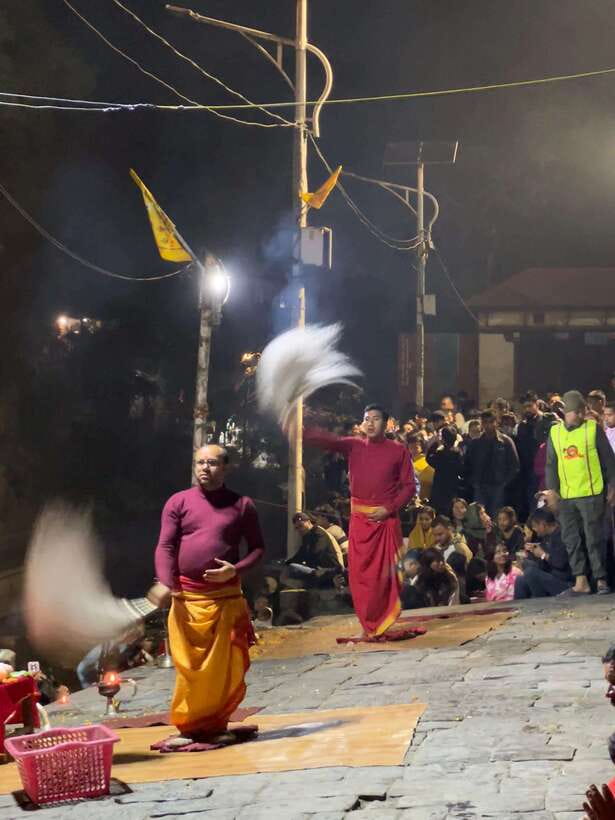
The ceremony takes place on the eastern bank of the Bagmati River at about 6 pm. As it begins, the riverfront fills with the glow of oil lamps. Priests move the lamps through careful patterns, while chanting, bells, incense, music, and hymns shape the atmosphere.
The power of the aarati comes from its many small elements working together. The bells mark the ritual. The lamps create the visual focus. The incense changes the air. The mantras and devotional music give the ceremony its steady pulse.
You are not simply watching a performance. The ceremony is an act of worship, and that affects how you should behave. Keep your voice low, follow the guide’s instructions, and avoid treating the ritual like a casual photo stop. A respectful approach will help you take in the experience without getting in the way of people who have come to pray.
The viewing position can affect your evening. The ceremony is the central reason most people book this tour, so a poor spot can undercut the visit. Arriving early with a guide should help, but the recent experience shows that you still need to speak up. Confirm that your position gives you a useful view and ask to move if it does not.
You might also see other religious activity near the river. The supplied information does not promise a particular view beyond the aarati, so do not book this tour expecting a specific cremation scene or a fixed photographic angle. Come for the ritual, the sound, and the chance to observe Hindu devotion in its own setting.
What the $22 price really covers
At $22 per person, this is a reasonably priced introduction to one of Kathmandu’s major cultural sites. The value comes from convenience as much as from the temple visit itself.
Your price includes:
- Hotel pickup and drop-off from Thamel or nearby areas
- Transport to and from Pashupatinath
- A licensed English-speaking guide
- Taxes and service charges
For a short evening outing, that package removes several practical chores. You get a ride, a guide, and help with the timing of the ceremony. A private group option can also make the visit more personal, particularly if you have several questions or want to move at your own pace.
The price does not include food, drinks, or entry fees. This matters because the headline cost is not necessarily your final spending amount. Bring cash, and check the current admission arrangements before you go.
The value is strongest for someone staying in Thamel who wants a structured visit without committing to a full-day Kathmandu tour. If you already have transport and know the temple well, the savings may be less important. If you are new to Kathmandu, the pickup and guide can justify the cost.
Who will get the most from this tour
I would choose this experience if you want a focused evening of culture rather than a long sightseeing day. It suits you especially well if you are staying in Thamel, want help understanding the temple, and would rather not arrange transport around the ceremony.
It is also a good fit if you are curious about Nepal’s Hindu traditions but do not know where to begin. The guide provides background, then you see a real ritual with your own eyes. The short duration makes it easy to combine with other Kathmandu plans.
A private group may suit families or friends who want to ask more questions. The experience is not suitable for wheelchair users, and it is not designed for babies or very young children. The information lists restrictions for children under two and under five, as well as babies under one, so check the exact age rule before booking for a young child.
This is not the best choice if you need a fully accessible outing or want a long, highly detailed temple tour. It is also not ideal if your only goal is a guaranteed front-row view. The ceremony is the focus, but your exact position and guide attention matter.
Practical advice for a smoother evening
Wear comfortable shoes. The visit includes walking and free time around the temple complex, so stiff or unsuitable footwear can become annoying quickly.
Carry cash. Entry fees are not included, and you may also want money for personal purchases. Food and drinks are not part of the tour, so plan around that before pickup.
Bring a camera, but use it with restraint. The lamps and riverfront create memorable scenes, yet this is a place of worship. Ask before photographing people closely, and avoid letting photography take over the ceremony.
Try to be ready before the late-afternoon pickup. The tour is short, and delays reduce your time at the temple. Since the ceremony begins at about 6 pm, a late start could affect your chance to settle into a good viewing area.
Finally, tell the guide what matters most to you. If you want the aarati rather than cremation activity, say so. If you want background on the temple, ask for it. The strongest experience appears to come when the guide, such as Amrit, stays engaged and answers questions clearly.
Cancellation, languages, and booking flexibility
You can cancel up to 24 hours in advance for a full refund. The reserve-now-and-pay-later option lets you hold a place without paying immediately, which is useful when your Kathmandu schedule may change.
English, Hindi, and Chinese guiding are available. Pickup is optional in the sense that you can arrange the meeting details, but the team can collect you from your location using a suitable vehicle when you are in Thamel or nearby.
The tour has a rating of 4.2 from three bookings, so treat it as a small sample rather than a guarantee. The feedback points to a clear pattern: the ceremony itself can be excellent, and a strong guide can add real value, but attention and viewing arrangements deserve active communication.
Should you book the Pashupatinath aarati tour?
Book it if you want an affordable, short introduction to Pashupatinath with transport from Thamel and a guide to explain what you are seeing. The evening aarati offers a memorable meeting with Nepalese Hindu practice, especially when the lamps, bells, prayers, incense, and music come together beside the Bagmati River.
Before you go, set realistic expectations. Entry fees are extra, the tour is not wheelchair accessible, and the exact viewing position is not guaranteed. Tell the guide that the ceremony is your priority, ask where you will sit or stand, and speak up early if the view is poor.
For $22, this is a sensible choice for a first visit, particularly if Amrit is available or if you value a private group. I would skip it only if you need full accessibility, want a long temple tour, or prefer to arrange every detail yourself.
FAQ
Where does the Pashupatinath aarati tour start and end?
Pickup and drop-off are available from Thamel or nearby areas in Kathmandu. Thamel and Thamel Marg are listed as the meeting and return locations.
How long does the tour last?
The experience lasts about two to three hours. The temple visit, guided sightseeing, free time, and walking portion take about one and a half hours, with additional time for transport and the ceremony.
What time does the evening aarati begin?
The evening aarati starts at about 6 pm on the eastern bank of the Bagmati River.
What does the $22 price include?
The price includes hotel pickup and drop-off from Thamel or nearby areas, transport, a licensed English-speaking guide, taxes, and service charges.
Are entry fees, food, and drinks included?
No. Entry fees, food, and drinks are not included. Bring cash for any admission or personal expenses.
What languages are available, and can I book a private group?
Live guiding is available in English, Hindi, and Chinese. A private group option is available.
Recently added around Kathmandu
- Kathmandu Paragliding★ 5.0 · 3 reviews
- Kathmandu Airport Pickup and Drop-off Services★ 5.0 · 3 reviews
- Explore The Beauty Of Langtang Valley In 8-Days Trek★ 5.0 · 3 reviews
- Kathmandu Chandragiri Cable Car and Swayambhunath Private Tour★ 5.0 · 3 reviews
- Kathmandu: Nightlife and Pub Crawl Tour★ 5.0 · 3 reviews
- Mountain Flight Experience in Nepal★ 4.5 · 3 reviews
- Kathmandu: Momo Making Class with a Local Chef★ 5.0 · 3 reviews
- Everest Base Camp Trek★ 5.0 · 3 reviews
Other Pashupatinath Tours worth a look
Kathmandu Spiritual Sites: Bodhnath & Pashupatinath Tour
Read our review →
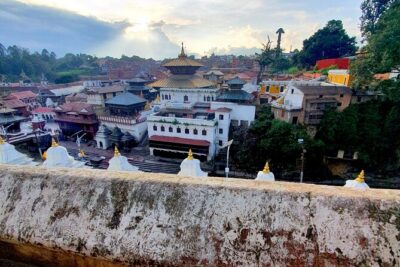
Pashupatinath Temple, Hindu Crematorium and Aarati in-depth Tour
Read our review →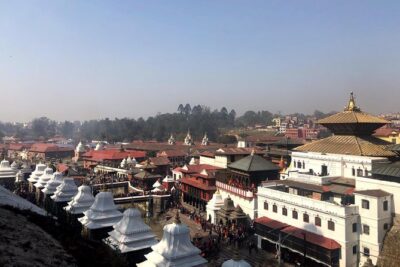
Pashupatinath Evening Aarati: Few Divinely Hours in Kathmandu
Read our review →
PashupatiNath and BoudhaNath – Private/Small Group
Read our review →
Private Half-Day Tour of Boudhanath and Pashupatinath Temples in Kathmandu
Read our review →This tour also appears in