
REVIEW · PASHUPATINATH TOURS
Pashupatinath: Evening tour of temple and Aarati ceremony
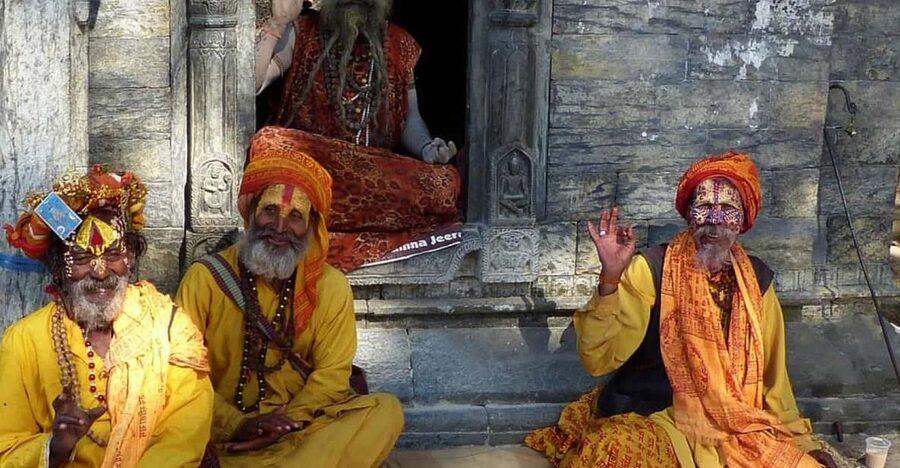
The most powerful part of this evening is the way daily worship and cremation rituals share the Bagmati River. At Pashupatinath, you see incense, bells, chanting, funeral rites, and oil lamps within one temple complex. It is not a polished show. It is living Hindu practice.
I like the private format, since an English-speaking guide can explain what you are seeing instead of leaving you to guess. I also like the timing: the visit moves from the temple grounds to the river as daylight fades and the Pashupati Aarati begins. The main consideration is that cremation ceremonies are solemn, and the experience may feel emotionally heavy rather than simply scenic.
Key points to know before you go
- The Bagmati River is the focus: Temple worship and cremation rites take place along the same sacred riverbank.
- The Aarati is the evening finale: Priests use oil lamps, chanting, and drums in a ceremony at sunset.
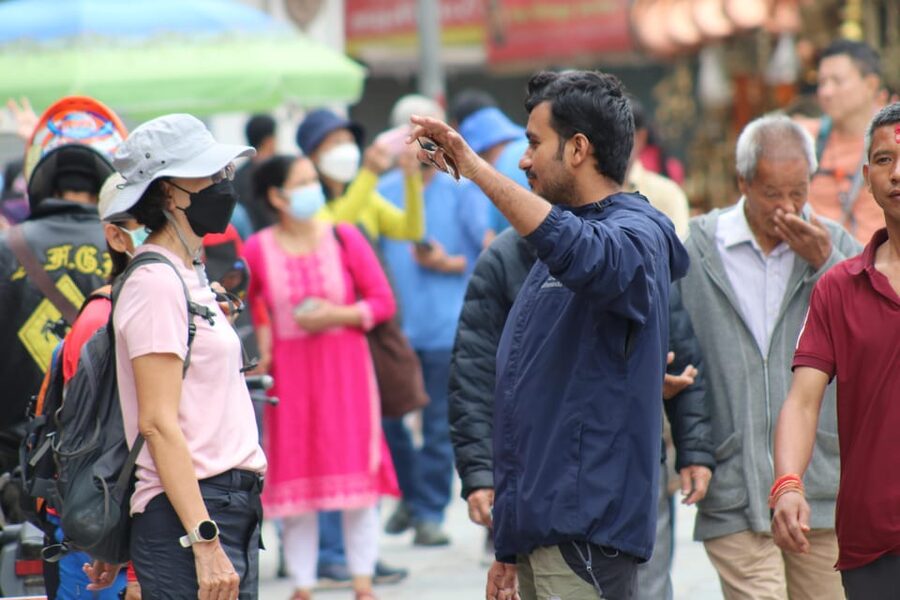
- You get a private group: Your English-speaking guide can shape the explanations around your interests.
- The temple complex is a working religious site: Expect devotees, pilgrims, shrines, bells, incense, and active rituals.
- The $57 price includes the basics: Transportation, entry fees, and a guide are covered.
- Plan for a walking-focused visit: The activity is not suitable for wheelchair users.
Why Pashupatinath feels different from a standard temple visit
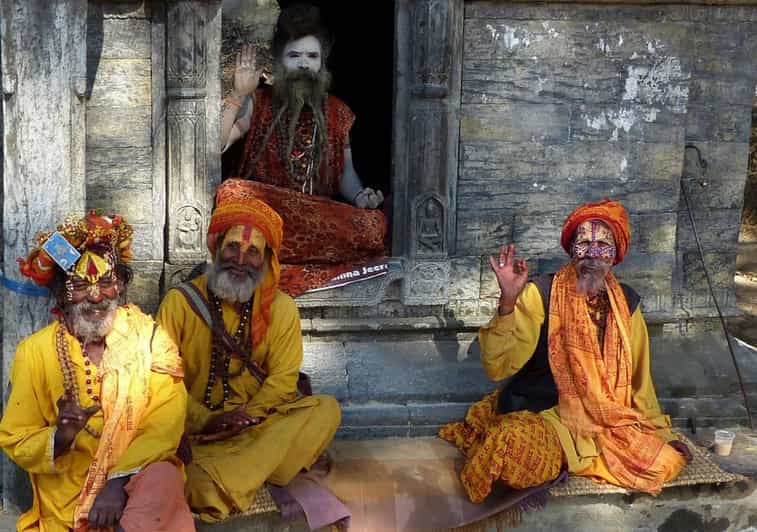
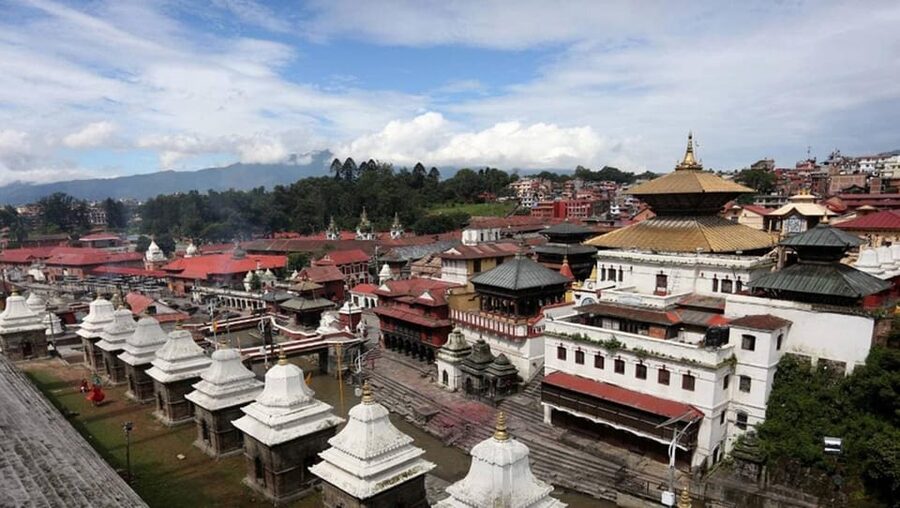
Pashupatinath is not just an old building that you inspect and leave. It is a major place of Hindu worship, with the main temple dedicated to Pashupatinath, a form of Lord Shiva. The site has UNESCO heritage status, but its value comes from more than age or official recognition.
You see people praying, lighting incense, ringing bells, and moving between shrines. The temple grounds function as a religious center and a cultural setting at the same time. Art, architecture, ritual, and family ceremonies all meet here.
The main temple has a pagoda-style design, intricate details, and a golden spire that catches the eye. It houses the sacred lingam of Lord Pashupatinath. The experience gives you a useful sense of how Nepalese religious life continues through ordinary days, rather than being preserved only for special festivals.
A guide matters here. Many shrines and statues have their own religious meaning, but that meaning is not always clear from appearance alone. With a private English-speaking guide, you can ask about the figures, rituals, and layout as you move through the complex.
More Pashupatinath visits:
- Kathmandu Spiritual Sites: Bodhnath & Pashupatinath Tour
★ 5.0 · 185 reviews - Kathmandu: Pashupatinath Temple Evening Aarati Tour
★ 5.0 · 36 reviews - Kathmandu: Pashupatinath Temple Aarti Night Tour
★ 4.8 · 29 reviews
Beginning among shrines, bells, and incense
The tour begins with transportation to the Pashupatinath complex, and transportation is included in the price. The exact vehicle and pickup details are not specified, so you should check the meeting information when choosing a start time.
As you approach the site, the architecture sets the tone. The pagoda form, carved details, and golden spire give the complex a distinctive Nepalese character. You are not simply walking toward one temple. You are entering a wider collection of shrines and murtis, each connected to Hindu stories and traditions.
Inside the grounds, expect a strong sensory experience. Incense hangs in the air. Bells ring. Devotees and pilgrims move through the space. The setting can feel busy, but the private group keeps your visit more personal than a large shared excursion.
I would give yourself time to look closely rather than rushing from one shrine to the next. The guide can point out details that would otherwise blend together, and you can ask for context when a ritual or statue catches your attention.
The site is active, so the mood may change from one corner to another. One area may feel quiet and devotional, while another has more movement and sound. That variety is part of the appeal, but it also means this is not a calm, museum-like tour.
Walking beside the Bagmati River
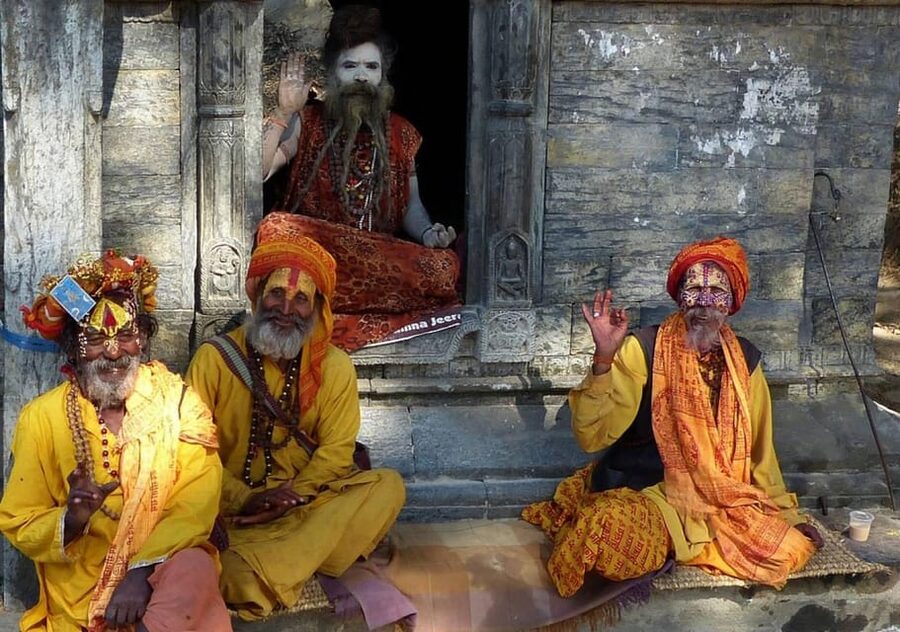
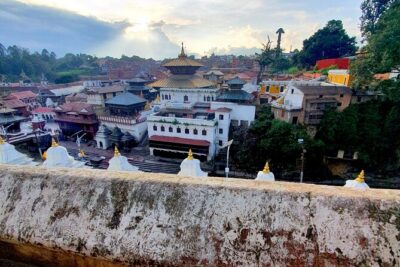
The Bagmati River is central to the visit. Its banks contain the ghats, or platforms used for cremation ceremonies. Here, you see families saying farewell to loved ones while priests lead solemn rites and chants.
This is the part of the experience that requires the most care from you. Cremation is not presented as a performance for an audience. It is a private family ritual taking place in a public religious setting. The most respectful approach is to keep a quiet manner, follow your guide’s instructions, and remember that real grief is present.
The setting can be confronting. Some people find the openness of the rites moving and meaningful. Others may feel uncomfortable being near a funeral ceremony, especially if they expected only temple architecture and sunset views. You should choose this tour because you are willing to encounter both the beauty and the seriousness of Pashupatinath.
The riverbank also helps explain local beliefs about life, death, and reincarnation. The tour does not treat the cremation ghats as a simple sightseeing stop. Instead, they show how spiritual ideas are tied to family life and death rituals.
One verified booking described seeing the funeral rites and ceremony beside the holy river as an experience that changed the person’s view of death, life, and reincarnation. That reaction will not be the same for everyone, but it points to the tour’s real strength: the visit can raise questions far beyond architecture.
The sunset Aarati ceremony
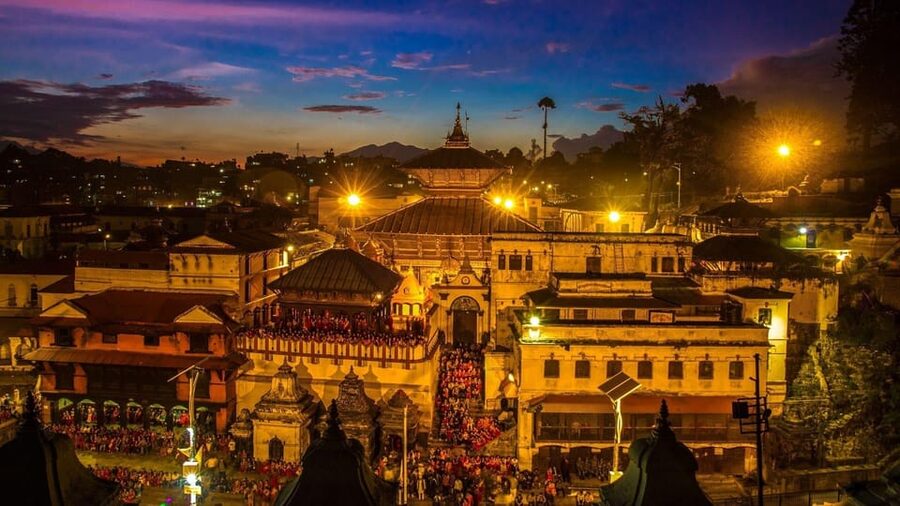
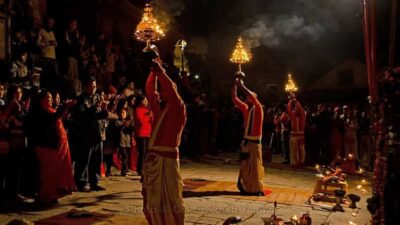
As evening arrives, the focus shifts to the Pashupati Aarati. Priests in traditional clothing perform movements with oil lamps, while chants and drums create the ceremony’s sound. The lamps, often called diyas, provide the visual center of the ritual.
The Aarati is the most dramatic part of the three-hour visit, but dramatic does not mean theatrical in the usual tourist sense. It is a religious offering made to Lord Pashupatinath. You watch a ceremony that belongs to the place and its worshippers.
The timing gives the evening a natural rhythm. You begin with the temple’s architecture and shrines, walk toward the river and its cremation ghats, then finish with light, sound, and collective prayer. That progression makes the tour feel more meaningful than a quick stop for photographs.
I especially like the contrast between the funeral rites and the Aarati. One reflects farewell and mourning. The other brings people together in prayer and offering. Both take place beside the same sacred river, which gives the evening a strong sense of continuity.
The ceremony includes chanting, drums, and oil lamps, so you should expect sound and movement rather than silent contemplation. If you prefer a quiet temple visit with little activity, this may not be your ideal choice. If you want to see a living ritual at a specific time of day, the Aarati is a clear reason to book.
More things to do after dark in Kathmandu:
- Kathmandu Sunset Tour by Rickshaw Including Durbar Square Visit
★ 5.0 · 73 reviews - 3 Nights 4 Days Chitwan National Park with Tower Night Stay
★ 5.0 · 41 reviews - 3 night 4 Day Yoga & Ayurveda Retreat to Detox the Body & Mind, Nepal
★ 5.0 · 37 reviews - Pashupatinath Evening Aarati: Few Divinely Hours in Kathmandu
★ 4.5 · 23 reviews
What the private guide adds
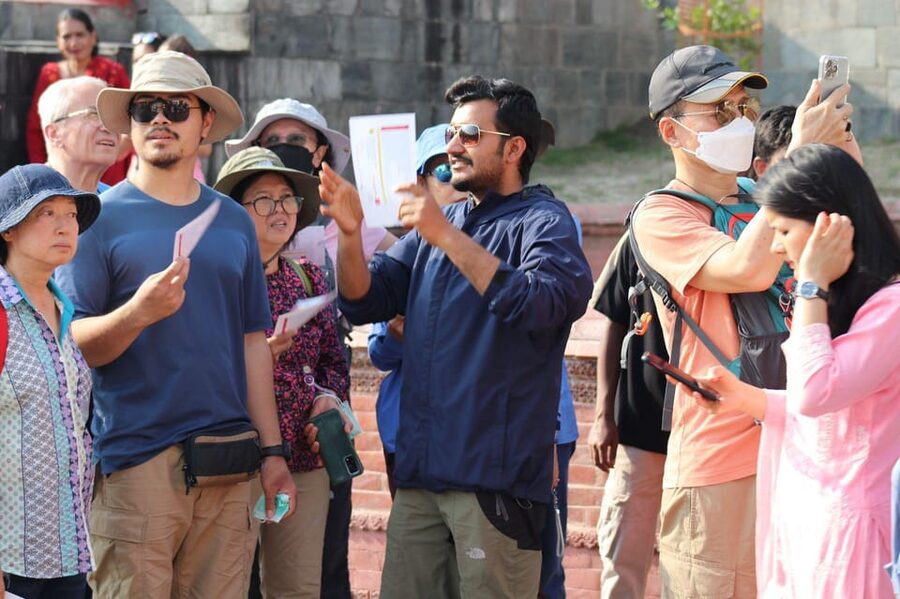
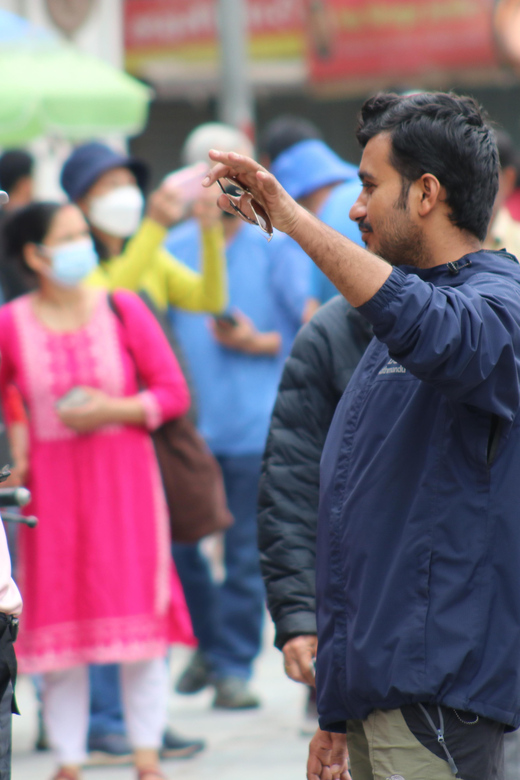
This is a private-group tour with a live English-speaking guide. No guide’s name is provided, so you should not expect to select a particular person in advance. The private format is still useful because you can ask questions without trying to hear over a large group.
Pashupatinath has many layers that are difficult to read on your own. A guide can connect the main temple, the smaller shrines, the statues, the river ghats, and the Aarati instead of treating them as separate stops.
The guide can also help you understand when to pause and when to move on. At an active religious site, good timing and respectful behavior matter. The experience includes cultural explanation, but you are still moving through a functioning place of worship.
One verified review specifically praised a caring guide and also mentioned tasty tea. Tea is not listed as an included feature, so do not book this tour expecting refreshments. Still, the comment suggests that small acts of care may form part of the personal feel of a private outing, though they are not guaranteed.
The English language option is the only language stated. If you need another language, you should confirm availability before booking.
Is $57 good value for three hours?
At $57 per person, the price is reasonable if you value convenience and interpretation. Entry fees, transportation, and an English-speaking guide are included, so you are not paying only for access to the temple.
The price makes the most sense for someone who wants the evening arranged as one connected experience. You do not have to organize transport, work out the entrance arrangements, or try to identify the meaning of every ritual alone.
A private group also changes the value calculation. A cheaper large-group option might suit you if you only want basic access. Here, the benefit is a more focused visit and the ability to ask questions as the ceremony unfolds.
The tour lasts three hours, which is long enough to cover the temple complex, riverbank, cremation ghats, and Aarati without turning the evening into a rushed photo stop. The exact starting time depends on availability, so check the schedule carefully. Since the Aarati takes place at sunset, the start time is important to the shape of the visit.
Free cancellation up to 24 hours in advance and the option to reserve now and pay later also reduce the risk of committing too early. Those policies are useful if your Kathmandu schedule is still changing.
Practical limits and the right mindset
The experience is not suitable for wheelchair users. That is the clearest accessibility limitation provided for this activity. The visit moves through a temple complex and along river ghats, so anyone with mobility concerns should ask for more detailed conditions before booking.
Wear clothing that helps you feel comfortable in a religious setting. The supplied details do not set a formal dress code, but modest, respectful clothing is a sensible choice for a temple visit and funeral setting.
You should also prepare emotionally. The cremation ghats are not a decorative stop. You may see people mourning and religious rites taking place. Keep your attention on the setting and follow your guide’s lead rather than treating the ceremony as a spectacle.
The tour is best for adults and older children who can handle serious subject matter. It suits people interested in Hindu traditions, Nepalese architecture, religious ceremonies, and the way communities mark death. It is less suitable if you want a light evening outing built around shopping, food, or panoramic views.
The experience has a perfect five-star score from three verified bookings, including a French-language comment praising the complete cultural experience and a Japanese-language comment describing it as deeply spiritual. The sample is small, so I would not treat the rating as a guarantee. Still, the praise points to a consistent pattern: the guide, the emotional impact of the river ceremonies, and the overall sense of cultural connection are the main strengths.
Who should book this Pashupatinath evening?
I would choose this tour if you want more than a quick look at Kathmandu’s famous temple. The combination of the sacred complex, the Bagmati River, cremation rites, and the Aarati gives you a fuller understanding of why Pashupatinath matters.
It is particularly suitable for:
- People interested in religious customs and living traditions
- First-time visitors who want an English explanation
- Anyone who prefers a private group over a large tour
- Visitors who want an evening activity lasting about three hours
- Those comfortable witnessing serious funeral rituals
- Visitors who value included transport and entry fees
I would think twice if you need wheelchair access, dislike crowded or active religious sites, or feel uneasy being near cremation ceremonies. The tour is not designed to soften those realities. Its value comes from showing them with context and respect.
Should you book this evening tour?
Book it if you want to see Pashupatinath as a working spiritual center, not just a historic monument. The $57 cost covers transportation, entry, and a private English-speaking guide, while the sunset Aarati gives the evening a memorable finish.
The strongest reason to go is the contrast between the cremation ghats and the lamp ceremony. It is a serious, thoughtful experience, and that is also its main drawback. If you approach the Bagmati River with patience and respect, this can become one of the most affecting cultural experiences in Kathmandu.
FAQ
How long is the Pashupatinath evening tour?
The tour lasts three hours.
What does the $57 price include?
The price includes all transportation, entry fees, and an English-speaking guide.
Is the tour private?
Yes. The activity is offered for a private group.
What language does the guide speak?
The live tour guide speaks English.
Does the tour include the Pashupati Aarati ceremony?
Yes. The evening itinerary includes the Aarati ceremony, with priests, oil lamps, chanting, and drums.
Can I see cremation rituals during the tour?
Yes. The experience includes time at the Bagmati River ghats, where cremation ceremonies take place.
Is the tour suitable for wheelchair users?
No. The activity is listed as not suitable for wheelchair users.
Can I cancel for a full refund?
Yes. You can cancel up to 24 hours in advance for a full refund. You can also reserve now and pay later.
Recently added around Kathmandu
- Kathmandu Paragliding★ 5.0 · 3 reviews
- Kathmandu Airport Pickup and Drop-off Services★ 5.0 · 3 reviews
- Explore The Beauty Of Langtang Valley In 8-Days Trek★ 5.0 · 3 reviews
- Kathmandu Chandragiri Cable Car and Swayambhunath Private Tour★ 5.0 · 3 reviews
- Kathmandu: Nightlife and Pub Crawl Tour★ 5.0 · 3 reviews
- Mountain Flight Experience in Nepal★ 4.5 · 3 reviews
- Kathmandu: Momo Making Class with a Local Chef★ 5.0 · 3 reviews
- Everest Base Camp Trek★ 5.0 · 3 reviews
Other Pashupatinath Tours worth a look
Kathmandu Spiritual Sites: Bodhnath & Pashupatinath Tour
Read our review →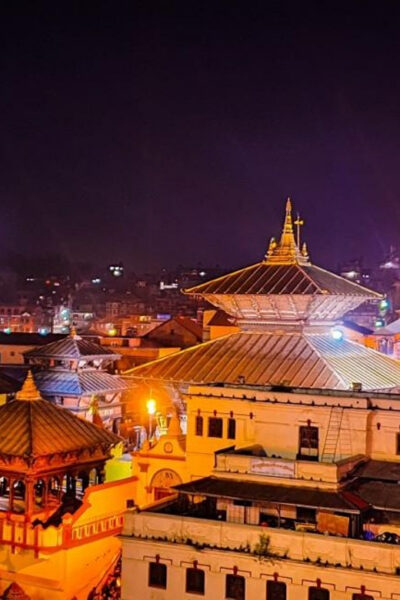
Pashupatinath Temple, Hindu Crematorium and Aarati in-depth Tour
Read our review →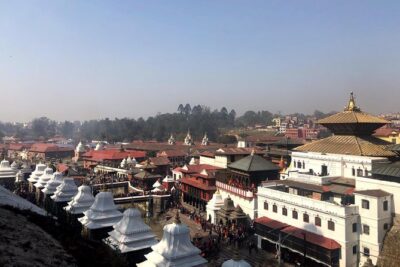
Pashupatinath Evening Aarati: Few Divinely Hours in Kathmandu
Read our review →
PashupatiNath and BoudhaNath – Private/Small Group
Read our review →
Private Half-Day Tour of Boudhanath and Pashupatinath Temples in Kathmandu
Read our review →This tour also appears in