
REVIEW · POON HILL TREKS
Pokhara: 3-Day Ghorepani, Poon Hill & Ghandruk Guided Trek
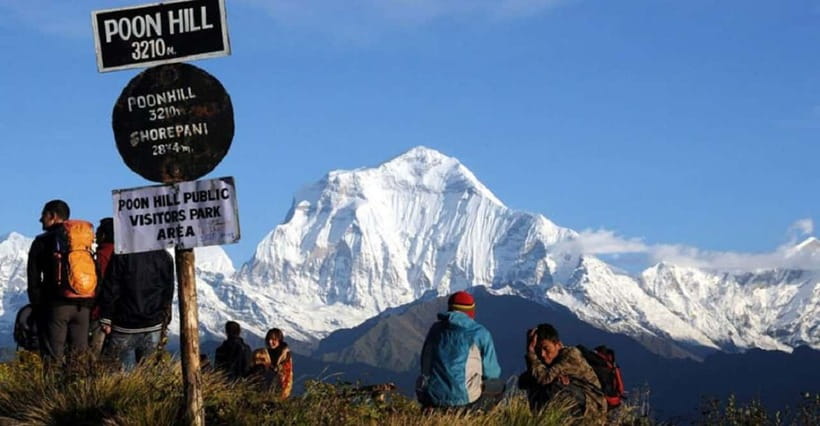
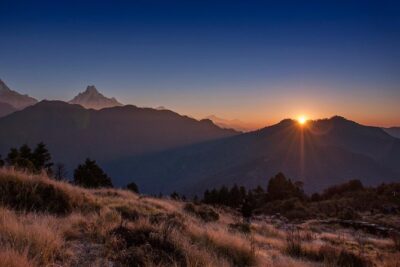
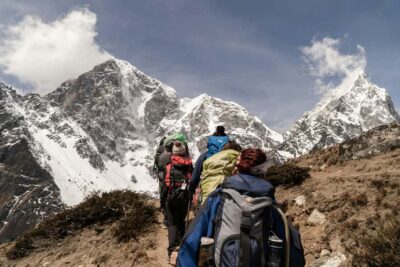
Poon Hill earns its fame the old-fashioned way: you get up before dawn, walk uphill in the cold, and watch sunlight spread across Annapurna, Dhaulagiri, and Machhapuchhre. This three-day route gives you a serious Himalayan view without committing to a long trek.
I like two things here. First, the mix of mountain scenery and Gurung village life keeps the walk from becoming a march between viewpoints. Second, the private guide and included transport make a short trip from Pokhara much easier to manage. The main caution is the pace: the stone steps and altitude can be tiring, especially on the climb to Ghorepani and the early start for Poon Hill.
Key points to know
- Poon Hill at 3,210 meters: Leave before sunrise for the trek’s biggest mountain panorama.
- Ghorepani at 2,874 meters: Reach this busy trekking stop after roughly five to six hours on foot.
- Ghandruk’s Gurung culture: Spend time in one of the region’s best-known mountain villages.
- Private guided format: Pickup, guiding, permits, and guide expenses are arranged for your group.
- Simple teahouse nights: Expect basic mountain lodging, warm hospitality, and practical comfort.
- Three full days: This is a compact trek, but not a casual sightseeing trip.
Why this short trek works from Pokhara
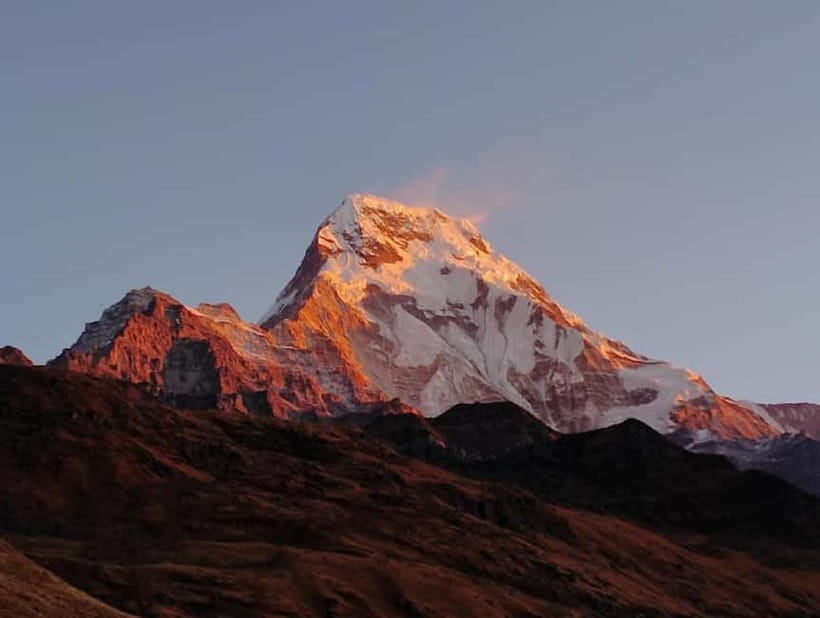
This trip is aimed at people who want a taste of the Annapurna region without spending a week or more on the trail. You leave Pokhara by road, begin walking at a lower village, sleep in Ghorepani, rise early for Poon Hill, then continue toward Tadapani or Ghandruk before returning by vehicle.
That structure is useful. You spend your time where it matters, on the trail, rather than arranging separate transport, permits, lodging, and route decisions. A guide also helps you keep track of the many stone steps, forest paths, village turns, and changing elevations.
The trek is private, and pickup is available from hotels around Lakeside, Sarangkot, and Pokhara International Airport. That makes this a sensible option if you have only a few days in Pokhara and do not want to coordinate local transport on your own.
Still, do not mistake three days for easy. The route includes sustained uphill walking, uneven trails, and cold conditions at higher points. You should be in good health and reasonably fit before booking.
More Hiking Tours in Pokhara
- Poon hill Trek 3 days
★ 5.0 · 176 reviews - Trekking in Annapurna/Langtang/Everest/Upper Mustang regions
★ 5.0 · 161 reviews - Pokhara: 4-Day Ghorepani, Poonhill & Ghandruk Mountain Trek
★ 5.0 · 132 reviews
Day 1: Pokhara to Ghorepani by road and trail
Your first morning begins with pickup from your hotel, Sarangkot, or Pokhara International Airport. The road journey takes roughly two to three hours, depending on the exact starting point and road conditions, before you reach the trekking start around Tikhedhunga or Ulleri.
The published route gives two possible starting elevations, about 1,540 to 2,050 meters. That difference matters. Starting at Ulleri may put you closer to the main uphill section, but it also means the trail can feel steep from the start.
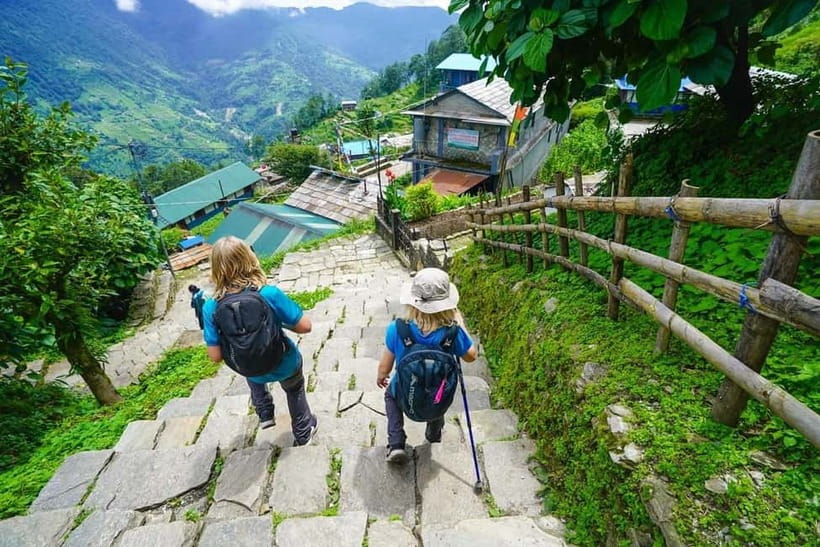
Ulleri is a useful first pause. You can take photographs, look over the surrounding hills, and get used to the rhythm of walking with a pack. From here, the route climbs through villages, forest trails, and stone stair sections toward Ghorepani.
The day’s walking time is about five to six hours. That is manageable for someone used to hiking, but it is a real day on foot. The trail gains height steadily, and the combination of steps, uneven ground, and altitude can make the final hours feel longer than expected.
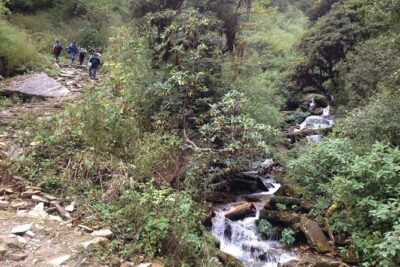
The forest is one of the day’s rewards. Rhododendron trees line parts of the route, and the setting changes as you move away from Pokhara’s roads and into mountain villages. Your guide can help point out plants, mountain features, and details that are easy to miss when you are watching your feet.
One especially useful part of the guiding is interpretation along the trail. Anil, one of the guides associated with this trip, is praised for explaining mountain names, vegetation, monkeys in the trees, and beehives attached to rock walls. That sort of detail gives the walk more character than simply following a route marker.
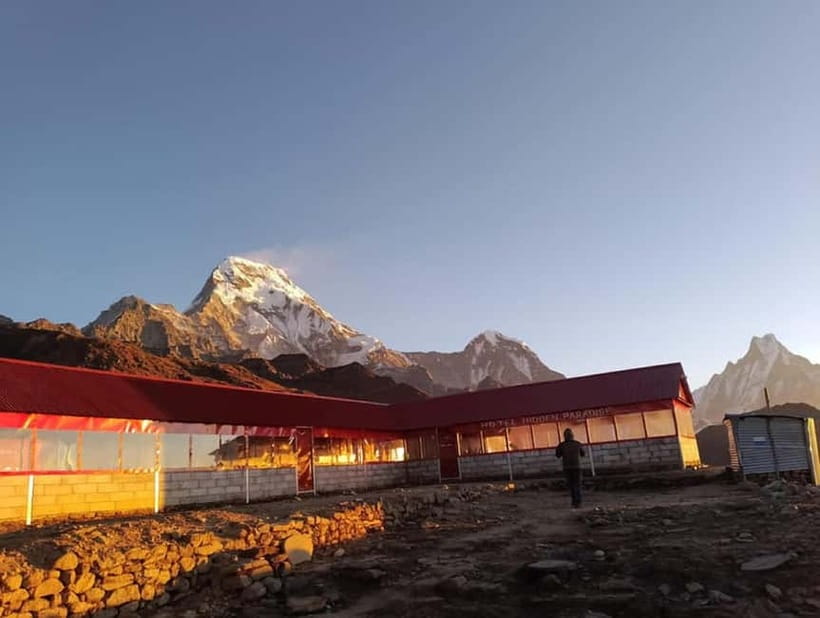
Ghorepani sits at about 2,874 meters. You stay in a simple teahouse or lodge, with meals included if you select a meal plan. Teahouse accommodation is practical rather than luxurious. You get a bed, shelter, and a place to eat, along with the warm welcome that makes mountain lodging appealing.
The air will be colder here than in Pokhara, particularly after sunset. Keep your jacket, warm layers, and toiletries easy to reach rather than buried in your luggage. Luggage storage in Pokhara is included, so you can leave items you do not need on the trail behind.
Ghorepani after sunset, and the early Poon Hill start
Ghorepani is not just a place to sleep. It is the staging point for the next morning’s main event. The route schedule includes time for photographs, sightseeing, and a possible sunset view, though the exact conditions will shape what you see.
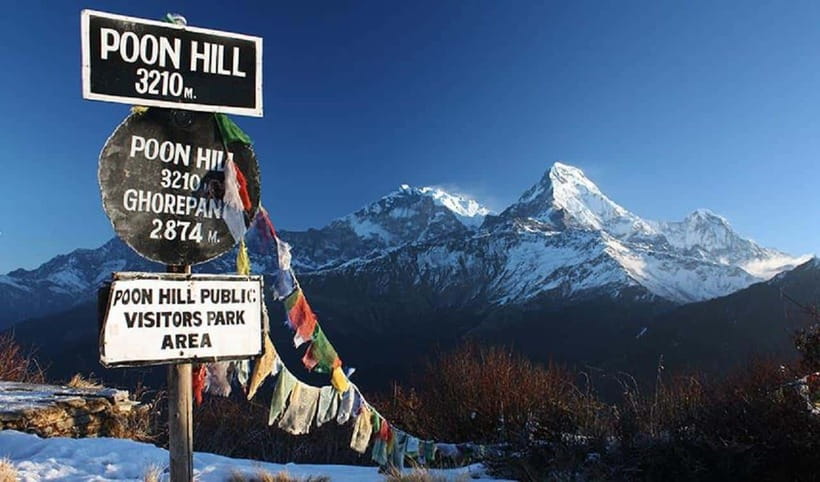
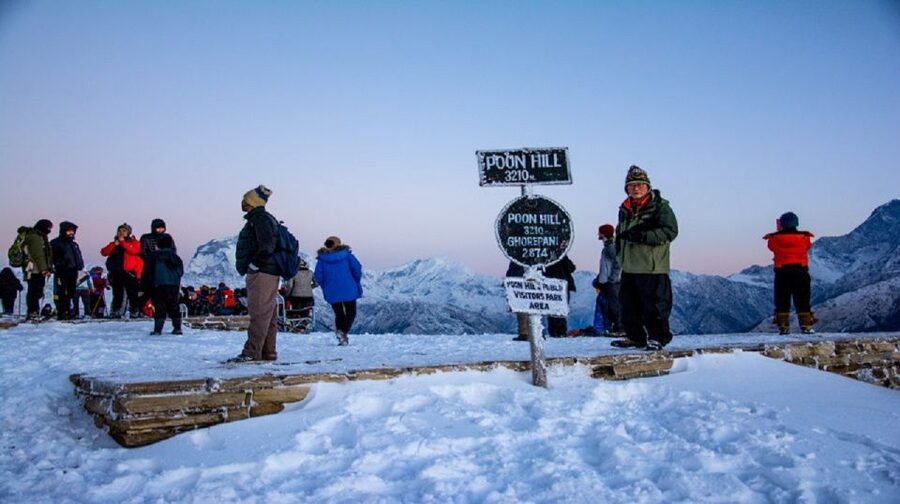
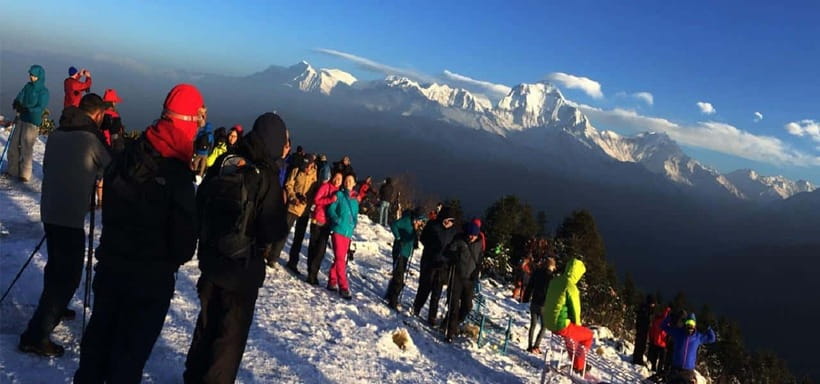
The important practical detail is the early start. The walk from Ghorepani to Poon Hill takes about 45 to 60 minutes uphill, with the viewpoint at 3,210 meters. You will want warm clothing, a headlamp if you have one, and a camera that is ready before you leave the lodge.
The climb is short in distance but can feel demanding because of the altitude and the darkness. Take a steady pace. You are not racing the sunrise, and the guide can help set a sensible rhythm for the group.
Day 2: Poon Hill sunrise and the trail to Tadapani or Ghandruk
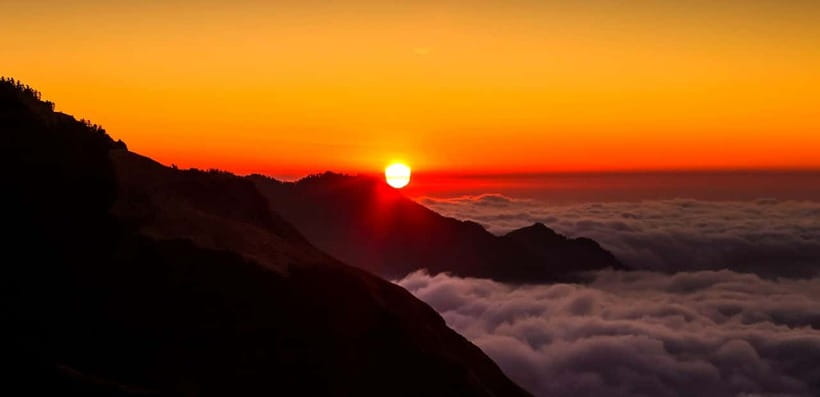
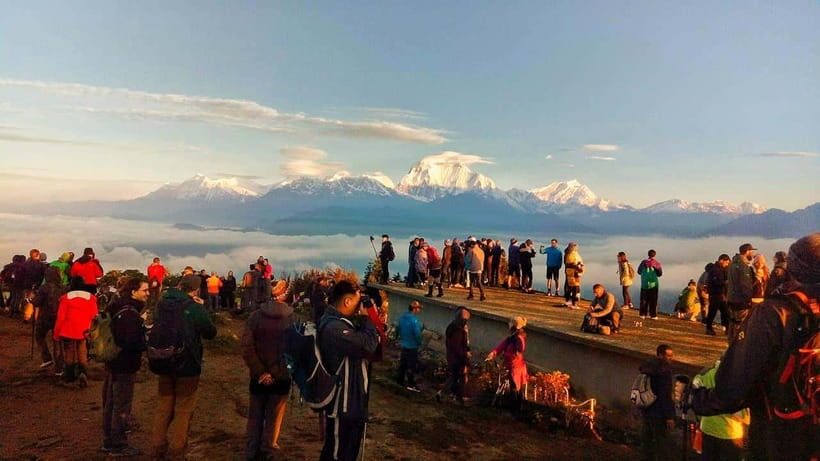
Poon Hill is the emotional center of the trek. From the viewpoint, you look across a broad Himalayan panorama that includes Annapurna, Dhaulagiri, Machhapuchhre, and nearby peaks. Sunrise changes the view by the minute, moving from dark outlines to snow catching the first light.
This is the moment that justifies the early alarm and the cold walk. The view is wide rather than limited to one famous peak, so you get a stronger sense of the mountain region as a whole.
After returning to the lodge for breakfast, you continue toward Tadapani or Ghandruk. The route takes around five to six hours, with forest and ridge trails forming much of the day. The trail remains active and uneven, but the mood changes after the sunrise climb. You are now walking through the hills rather than heading toward one fixed viewpoint.
The forest sections are a good counterpoint to Poon Hill. Rhododendrons, mountain vegetation, and possible wildlife sightings give the walk a slower, more observant feel. A guide is especially useful here because the pleasure comes from small details as much as from grand views.
The overnight destination may be Tadapani or Ghandruk, listed at approximately 2,630 meters and 1,940 meters respectively. Your exact stop can depend on the route plan and local conditions. Ask for clarification before departure if the overnight village matters to you.
Tadapani offers a high mountain stop among forest and ridge country. Ghandruk sits lower and gives you more direct access to Gurung village life. Both are part of the same compact trek, but they offer different moods.
The second day is likely the most demanding overall. You have the pre-dawn ascent, the descent for breakfast, and several more hours of trail walking. If you are new to trekking, keep your pack light and use the supplied trekking sticks if needed.
More Poon Hill Treks in Pokhara
- Ghorepani – Poon Hill Trek 3N-4D
★ 5.0 · 125 reviews - From Pokhara: 3-Day Ghorepani Poon Hill Trek with Guide
★ 4.9 · 68 reviews - 4-Day Private Poon Hill Trekking Tour
★ 5.0 · 58 reviews - Pokhara: 3-Day Ghorephani and Poon Hill Private Trek
★ 5.0 · 58 reviews
Ghandruk and the Gurung side of the journey
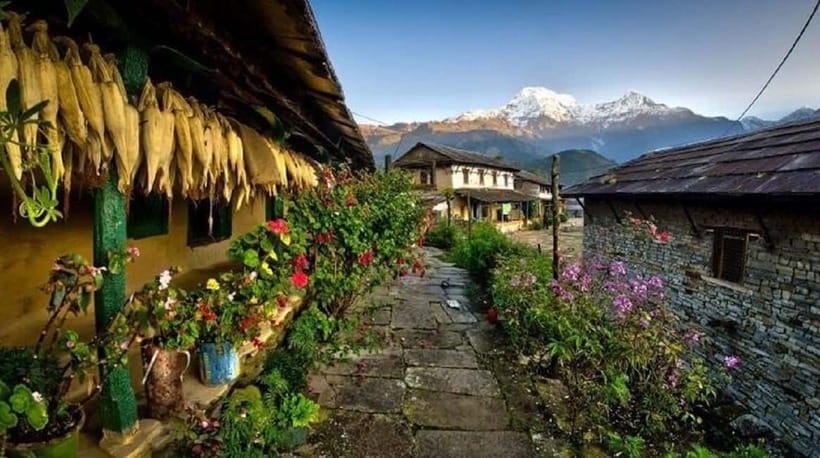
Ghandruk is more than a place to catch the return vehicle. The village gives the trip its cultural balance, with traditional Gurung life, mountain viewpoints, and stone paths that make the settlement feel connected to the surrounding hills.
The schedule allows roughly two and a half hours to walk around Ghandruk before the drive to Pokhara. Use that time for a calm village visit rather than trying to rush through every viewpoint.
You can expect opportunities to explore the village, take photographs, and look toward the surrounding peaks. The route description does not promise a museum visit or a formal cultural performance, so the value here is in walking through the village and seeing how the mountain settlement fits into the trek.
That distinction matters. This is not a staged cultural show. It is a guided walk through a Gurung community, paired with views and ordinary mountain life. Your guide can add context, and Sanjay, another guide named in the trip’s guiding team, is praised for his work on the trail.
After Ghandruk, the return drive to Pokhara takes about three hours. Road travel in the mountains can be slower and less smooth than the distance suggests, so keep the rest of your day flexible.
What the $179 price really covers
At $179 per person, this trek offers good value if you want a private, organized short route. The price covers round-trip transportation between your Pokhara accommodation or airport and the trail, a certified guide, required permits and fees, guide expenses, simple teahouse lodging, and trekking equipment such as poles and sleeping bags when needed.
Meals are included depending on the option you choose. This point deserves careful attention before you pay. One quoted experience put a three-day meal plan at about NPR 40,000 and considered it much more expensive than paying directly at the teahouses. That cost may reflect the selected package rather than the base price, but you should ask exactly what meals are included and what the meal supplement covers.
Personal snacks and drinks are not included. Carry cash for those purchases and for other personal expenses. A porter is also separate at $20 per day if you want someone else to carry your main bag.
The included luggage storage in Pokhara adds real value. You can trek with a smaller pack and leave city clothes or extra luggage in a safer, organized place. The first aid kit is included, but it does not replace travel insurance.
Guides, group size, and the human side
This is a private group experience, with live guiding available in English, Hindi, and Nepali. Your guide and vehicle are scheduled to arrive five minutes early at the confirmed pickup point, holding a sign with your name and booking information.
The personal guide format is one of the strongest reasons to choose this trip. A guide can adjust the walking rhythm, explain what you are seeing, help with trail decisions, and make the transfer between road and trail less stressful.
Jeet has been singled out for his cheerful presence, while Anil is noted for clear, detailed explanations and a friendly manner. Sanjay is also praised as an excellent guide. Your assigned guide may be different, but these names give you a useful sense of the service style to request when confirming your booking.
Do not expect a luxury trek. The experience is built around modest lodges, mountain roads, and walking trails. Its appeal is the access and organization, not polished comfort.
Packing for cold mornings and stone steps
Bring your passport or ID card, since a copy must be submitted at least one day before departure for the required Nepal permits. You should also pack hiking shoes, trekking trousers, a jacket, a hat, spare clothes, and cash.
A camera is worth bringing, but keep it protected from cold and damp conditions. A hair tie can be useful on windy ridge sections, and trekking poles may help on both the uphill steps and the descents.
Temperatures can change sharply between Pokhara, Ghorepani, Poon Hill, and Ghandruk. Pack for warm weather in the lower hills and genuine cold at higher elevations. You do not need to carry every item from your Pokhara luggage because storage is available.
Travel insurance is mandatory. Emergency rescue can be arranged if needed, but emergency rescue services are not included in the tour price. That is an important distinction, particularly on a route that reaches more than 3,000 meters.
Who should book this Ghorepani trek?
I would recommend this route to you if you have limited time in Pokhara, want a guided experience, and can handle five to six hours of walking on two consecutive days. It suits people who want a strong mountain viewpoint but also care about forests, villages, and local culture.
It is also a good fit if you prefer a private group rather than a large shared departure. Included transfers and permits remove much of the planning work, while luggage storage lets you keep your trail pack small.
I would be more cautious if you dislike early mornings, cold weather, uphill steps, or simple accommodation. The Poon Hill sunrise is impressive, but you must earn it before breakfast. The short schedule also leaves little spare time if you need a slow day.
Should you book it?
Book this trek if you want the Annapurna region in a compact package and value a guide who explains what you are seeing. The strongest features are the Poon Hill sunrise, the forest route, Ghandruk’s Gurung setting, and the practical transport from Pokhara.
Before confirming, ask for the exact starting village, the overnight stop on Day 2, and the full meal-plan cost. If those details suit your budget and fitness, $179 is a sensible price for a private, permit-ready three-day trek with transport and basic lodging included.
FAQ
How long is the trek?
The experience lasts three days, including transport from Pokhara and the return drive.
Where does pickup take place?
Pickup is available from hotels in the Pokhara Lakeside area, the Sarangkot area, and Pokhara International Airport.
What languages can the guide speak?
Live guiding is available in English, Hindi, and Nepali.
Is this a private group experience?
Yes. The trek is arranged as a private group experience.
How high is Poon Hill?
Poon Hill is at approximately 3,210 meters.
How long does the walk to Poon Hill take?
The early morning uphill walk from Ghorepani takes about 45 to 60 minutes.
Where do you stay overnight?
You stay in simple teahouses or lodges in Ghorepani and on the second night at Tadapani or Ghandruk, depending on the route arrangement.
Are meals included?
Meals are included depending on the option selected. Personal snacks and beverages are not included.
Is a porter included?
No. A porter can be added if needed for $20 per day.
Is travel insurance required?
Yes. Travel insurance is mandatory, and emergency rescue services are available if required but are not included in the price.
More 3-Day Experiences in Pokhara
- 3-Day Poon Hill Trek from Pokhara.
★ 5.0 · 45 reviews - From Kathmandu/Pokhara: Private 3-Day Chitwan Safari Tour
★ 4.7 · 34 reviews - From Pokhara: Budget 2 Night 3 days Poon hill trek
★ 5.0 · 20 reviews - 3 Days 2 Nights Poon Hill Trekking
★ 5.0 · 17 reviews
Recently added around Pokhara
- Paragliding in Pokhara★ 5.0 · 3 reviews
- Pokhara: 5-Day Annapurna Base Camp Trek with Hot Spring★ 5.0 · 3 reviews
- Pokhara:4-Day Ghorepani Poon Hill Guided Trek via Ghandruk★ 5.0 · 3 reviews
- Pokhara: 7-Day Annapurna Base Camp Trek via Ghandruk★ 4.3 · 3 reviews
- Peace & Panorama: Stupa and Pumdikot Scenic Drive Tour★ 3.6 · 3 reviews
- Beautiful Sarankot Sunrise with Full Day Sightseeing in Pokhara★ 4.5 · 3 reviews
- 3 Day Australian Camp Dhampus Ghandruk Easy Trek in Pokhara★ 3.5 · 3 reviews
- Overnight Dhampus Australian Camp Easy Hiking from Pokhara★ 5.0 · 3 reviews
Other Poon Hill Treks worth a look
4-Day Ghorepani, Poonhill & Ghandruk Mountain Trek
Read our review →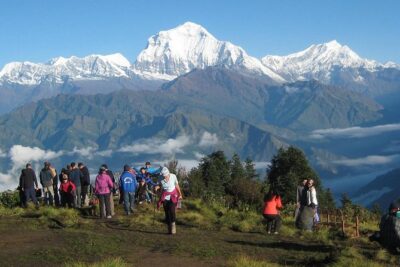
This tour also appears in