
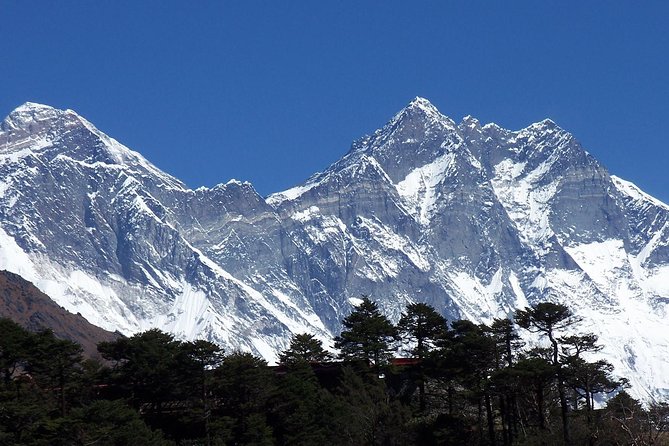
REVIEW · EVEREST BASE CAMP TREKS
Everest Base Camp Trek – 14 Days
Everest Base Camp is not a sightseeing stop you simply check off. It is a demanding, high-altitude walk through Sherpa villages, Buddhist monasteries, suspension bridges, and the Khumbu Glacier, with the reward of reaching 5,365 meters. This 14-day trip with Ace the Himalaya takes care of the hard planning while you focus on putting one foot in front of the other.
I like the sensible acclimatization schedule, especially the rest day in Namche Bazaar and the Nangkartshang Peak hike from Dingboche. I also like that porters carry the main luggage, while a first-aid trained guide handles permits, meals, lodging, and emergency planning. The catch is simple: this is a serious physical challenge, and altitude can turn a beautiful day into a slow one.
Key points to know before booking
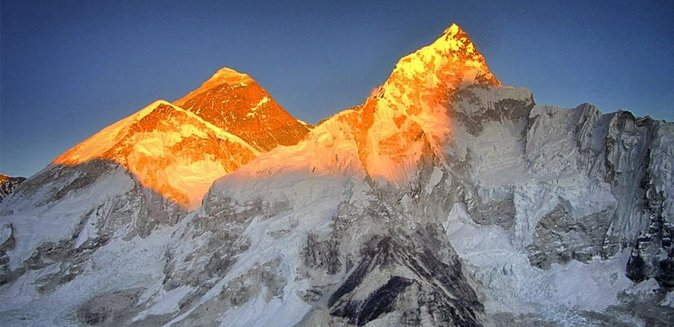
- The route reaches 5,365 meters at Everest Base Camp and 5,555 meters at Kala Patthar.
- A maximum of 14 people keeps the group small enough for personal attention.
- Porter service is included for 11 days, with one porter assigned to two clients.
- Two acclimatization days give your body time to adjust instead of rushing uphill.
- Kathmandu to Lukla flights, permits, trail lodging, meals, and airport transfers are included.
- The advertised price is $1,800 per person, but a $250 single surcharge may apply.
What the $1,800 price really covers
At $1,800 per person, this trek is priced as a packaged expedition rather than a simple guided hike. The fee includes two nights in a three-star, twin-share hotel in Kathmandu, guesthouse lodging during the trek, domestic flights, food, permits, guide services, porters, and transfers.
That bundle matters in Nepal. The route involves several moving parts, from airport pickups to mountain lodging and permits. You are not just paying for someone to walk beside you. You are paying for staff, transport, paperwork, meals, first-aid supplies, and a plan for a place where delays and medical problems can be serious.
The price is based on two people booking together, but it can also apply to a solo booking if you join an existing group and share accommodation. If there is no suitable group on your departure date, or if you request a private departure, a $250 single surcharge applies on arrival in Nepal.
You still need to budget for lunch and dinner in Kathmandu, international flights, a Nepal visa, drinks, personal trekking equipment, insurance, and tips. Tipping for the guide and porters is expected. Most important, your travel insurance must cover high-altitude emergency rescue and evacuation. That is not a minor detail on a trek that reaches above 5,000 meters.
More Hiking Tours in Kathmandu
- Everest Base Camp Trekking
★ 5.0 · 485 reviews - Nagarkot Sunrise View and Day Hiking from Kathmandu
★ 5.0 · 471 reviews - Annapurna Circuit Trek with Tilicho Lake
★ 5.0 · 368 reviews
Kathmandu arrival and the flight to Lukla
Day one begins at Tribhuvan International Airport, where an Ace the Himalaya representative meets you outside the terminal and transfers you to your hotel. This is useful after a long international flight, and it gives you a clear first contact in Nepal.
The following day brings the mountain flight. The flight to Tenzing-Hillary Airport in Lukla is listed as about 35 minutes, though the tour schedule allows time for airport procedures and possible changes. During busy trekking months, flights may operate from Manthali Airport in Ramechhap instead of Kathmandu because of congestion at Tribhuvan International Airport.
That change can affect your morning plans, so ask for the confirmed departure airport before you travel. The included airfare covers the Kathmandu to Lukla and Lukla to Kathmandu sector, including airport departure tax, but mountain flights remain one part of the trip where schedules can shift.
Lukla is where the walking begins. The trail is not a gentle warm-up in the usual sense, but the first days let you build a rhythm before the air becomes thin.
Days 3 and 4: Namche Bazaar and the first altitude test
From the Lukla area, you follow the Dudh Koshi River toward Namche Bazaar. The route crosses suspension bridges hung with prayer flags and passes into Sagarmatha National Park. The bridges are a memorable part of the walk, but the steady climbing toward Namche is the first clear reminder that this is a mountain trek, not a casual village stroll.
Namche sits at about 3,440 meters and is the main trading town of the Khumbu region. It is also the right place to pause. Day four is reserved for acclimatization, with a shorter walk to the Sherpa Museum and nearby viewpoints.
I like this schedule because it respects the main rule of high-altitude trekking: climb gradually and give your body time to adjust. You are still active on the rest day, but you do not continue straight upward toward the highest villages.
The Sherpa Museum adds context to the route. It focuses on Sherpa customs, mountaineering, and the people who live in this demanding region. Namche is also a practical stop for checking your clothing, water, and personal gear before the trail becomes more remote.
The trek schedule lists many full trail days as about 16 hours. That appears to describe the overall activity window rather than 16 hours of continuous walking. Still, you should expect long, tiring days with repeated climbs and descents.
Day 5: Tengboche and Buddhist culture
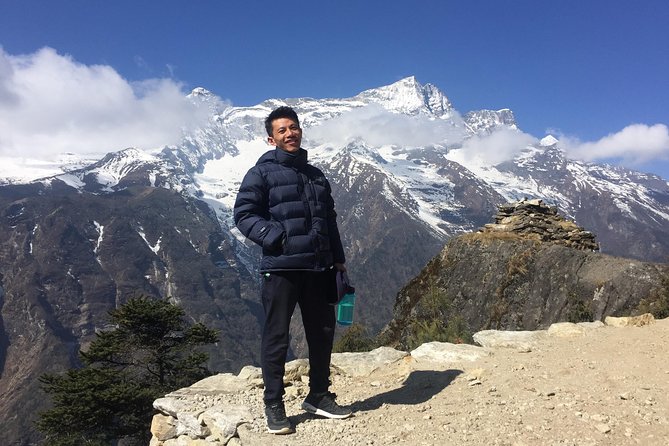
Leaving Namche, the trail follows the Dudh Koshi again, with mountain views opening along the route. Tengboche sits at approximately 3,860 meters and is known for its monastery, one of the major Buddhist sites on the Everest route.
The monastery gives the trek a cultural center beyond the scenery. Prayer flags, mani stones, and Buddhist practices are not background decoration here. They are part of daily life in the Sherpa communities you pass through.
The walk to Tengboche includes a descent to Debuche, a suspension bridge over the Imja Khola, and an uphill section to the monastery. That pattern matters. You can lose elevation and still finish the day higher than where you began, so do not judge the effort by distance alone.
Accommodation higher on the trail is more basic than the Kathmandu hotel. Guesthouses are included, with attached toilets specified in Lukla, Phakding, and Namche. You should not assume the same bathroom setup at every stop farther up the route.
More Everest Base Camp Treks in Kathmandu:
- Everest Base Camp Helicopter Tour landing at Everest View Hotel
★ 5.0 · 668 reviews - Everest Base Camp Trekking – 13 Day
★ 5.0 · 365 reviews - Everest Base Camp Trek -14 Days
★ 5.0 · 321 reviews - Everest Base Camp Helicopter Tour landing at Hotel Everest View
★ 5.0 · 218 reviews
Days 6 and 7: Dingboche and Nangkartshang Peak
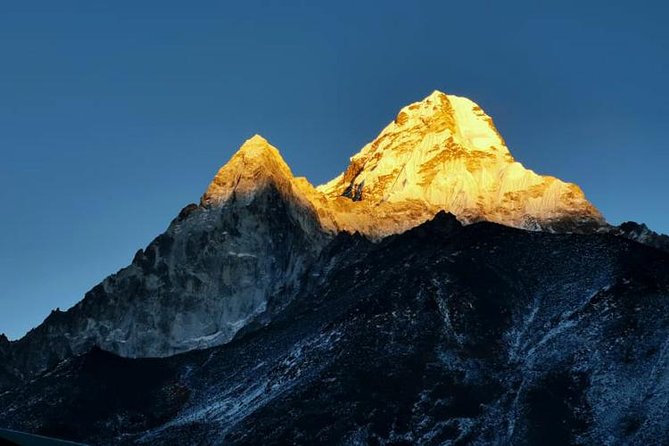
From Tengboche, the trail passes through Pangboche, where mani stones line the route, before climbing toward Dingboche. Dingboche is at roughly 4,410 meters, and the change in altitude is noticeable.
The next day is another acclimatization day. Instead of moving farther toward Base Camp, you take a hike to Nangkartshang Peak above Dingboche. The climb is demanding, but it gives you a high viewpoint over the surrounding peaks and valleys.
This is one of the strongest parts of the itinerary. A rushed schedule might spend the spare day walking farther up the valley, but an acclimatization hike offers a better trade. You gain elevation during the day, then sleep back at Dingboche, helping your body adjust without adding another overnight at a higher altitude.
Listen closely to your guide here. The company provides a government-licensed, English-speaking guide trained in first aid, and safety becomes more important with every upward step. Recent departures have been led by guides named Maddy, Kishor, Chris, and Rajendra Khatry, though your guide will depend on the departure date.
Days 8 and 9: Lobuche, memorials, and Everest Base Camp
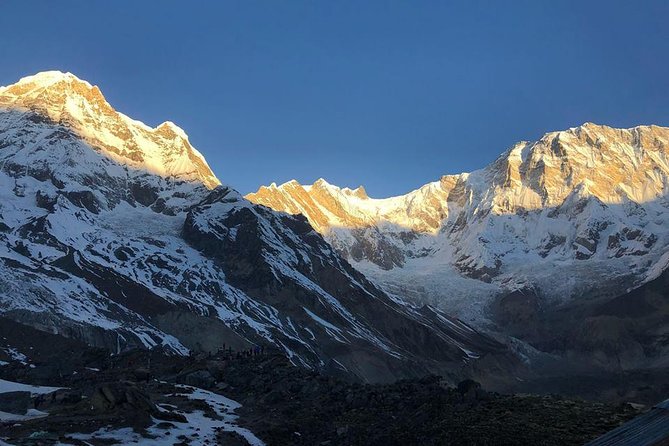
The trail from Dingboche to Lobuche follows the lateral moraine of the Khumbu Glacier. The scenery becomes more stark, and the walk feels more focused on altitude, weather, and steady progress.
You pass stone memorials honoring climbers who died on nearby mountains. These memorials change the mood of the trek. Everest is not only a famous name and a photo backdrop. It is a dangerous high-altitude environment, and the stones make that fact impossible to ignore.
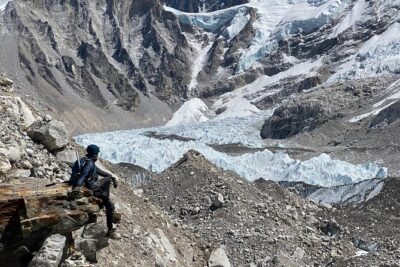
Day nine is the major goal: Everest Base Camp at 5,365 meters. The walk follows the Khumbu Glacier and includes uneven ground, gradual climbing, and the effect of very thin air. The base camp itself is used by mountaineering teams during the spring season, so its appearance can vary by time of year.
One practical point is worth making: Everest Base Camp is not the best viewpoint of Mount Everest itself. The route is famous because it takes you into the mountaineering zone, but the next morning’s climb to Kala Patthar provides the more dramatic Everest view.
The listed stop time at Base Camp is about 30 minutes. That is enough for photographs and a moment to take in the achievement, but it is not a long sightseeing visit. At this altitude, conserving energy is sensible.
Day 10: Kala Patthar at 5,555 meters
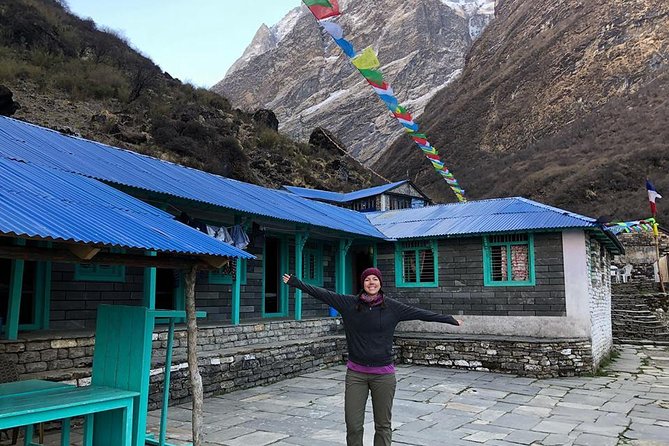
The Kala Patthar climb is often the hardest and most rewarding day. At 5,555 meters, it is higher than Everest Base Camp, and the ascent can feel slow even for fit hikers.
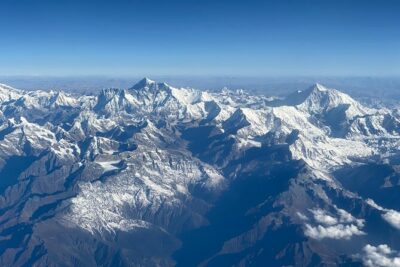
The payoff is the view toward Mount Everest and the surrounding Himalayan peaks. The itinerary describes Kala Patthar as a small summit, but do not mistake that for an easy hill. At this elevation, every slope demands patience.
You should expect the guide to set a measured pace and watch for signs of altitude trouble. The included emergency planning, first-aid kit, and medical evacuation arrangements are valuable here, but they do not replace insurance or personal judgment. If your body is not coping well, turning around is the right decision.
Reaching Base Camp and Kala Patthar on separate days is another sensible choice. It prevents the trek from forcing both major objectives into one exhausting push.
Days 11 and 12: A long return through the Khumbu
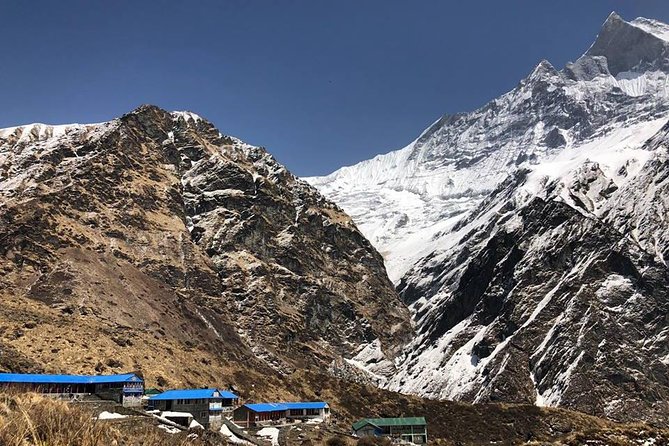
After Kala Patthar, the route turns back toward Namche Bazaar. You pass through Pangboche and Tengboche before reaching Namche in the afternoon.
Descending is usually easier on breathing, but it can be hard on tired knees and legs. You still face long trail days, and the return route is not just a quick walk downhill. The same bridges, stone paths, and uneven sections require attention.
Day twelve takes you from Namche back to Lukla, where the trek began. This is a fitting final walking day. You have completed the high portion of the route, but you are still in the mountain region and should not treat the return as automatic. The Lukla flight depends on weather and operating conditions, so keeping the schedule flexible is wise.
Porters carry the main bags for 11 days, with one porter serving two clients. That lets you walk with a lighter daypack, but it does not mean you can pack without limits. The domestic flight allowance is 15 kilograms, and personal trekking equipment is not provided.
Day 13: Returning to Kathmandu
The flight back is listed as about 35 minutes and offers a final look at the mountains. On arrival, a representative meets you and transfers you to your Kathmandu accommodation.
Two Kathmandu nights are included in the package, with breakfast. Lunch and dinner in the city are not covered, which gives you control over how you spend those meals but adds a small extra cost.
The city stay also gives you a buffer before departure. That is useful after a trek with domestic flights, though the schedule does not promise extra weather-delay days beyond the 14-day plan. Ask the operator how flight disruptions are handled before setting tight international connections.
What the guides and porters add
The human support is one of the best reasons to choose an organized trek. Your guide handles route planning, permits, pacing, and safety decisions, while porters move the bulk of the luggage. Staff food, accommodation, salaries, insurance, equipment, and medicine are included in the price.
The personal side of the service has received especially strong praise. Specific guides named in recent departures include Maddy, Kishor, Chris, and Rajendra Khatry. Porters Saman and Sher have also been singled out for their humor, care, and steady support.
Those names are useful when comparing companies, but do not assume you will receive one particular guide unless Ace confirms it. Ask who is assigned to your departure and how many people are in your group. The maximum is 14, which is small enough for a guide to keep track of individual needs without making the trek feel like a private expedition.
Food, water, and accommodation on the trail
Standard meals are included throughout the trek: breakfast, lunch, and dinner. Seasonal fruit is also provided, and drinking water is filtered on the trail with a Katadyn Pocket Water Filter.
That arrangement reduces the need to buy every bottle of water along the route. Drinks such as alcohol, hot drinks, and cold drinks are not included, so carry money for those purchases if you want them.
Trail lodging is in twin-share guesthouses. Attached toilets are specifically included in Lukla, Phakding, and Namche, but facilities farther along the route may be simpler. The package is designed for function and shelter, not hotel comfort.
You receive an Ace the Himalaya duffel, trekking map, sun hat, and trip completion certificate. Bring your own personal trekking equipment, and confirm what the duffel can hold before packing around the 15-kilogram flight allowance.
Who should book this Everest Base Camp trek?
I would recommend this trip to you if you want the classic Lukla to Base Camp route but do not want to arrange flights, permits, lodging, porters, and meals on your own. It suits people with a moderate fitness level who are ready for repeated long walking days and high altitude.
It also works well for solo bookers who like the social side of a small group. You may join a group of up to 14, but a single surcharge can apply if no shared room is available or you request a private departure.
I would hesitate to recommend it if you want a relaxed holiday, private bathrooms throughout, or a guaranteed fixed timetable. The physical demands are real, the facilities become basic, and Lukla flights can affect plans. You also need proper insurance and personal equipment, which add to the advertised cost.
Cancellation is fairly flexible if handled early: cancel at least six full days before the start for a full refund. Cancellation two to six days before departure receives a 50 percent refund, while cancellation less than two days before departure is nonrefundable.
FAQ
How long is the Everest Base Camp trek?
The experience lasts approximately 14 days, including arrival and departure transfers in Kathmandu, the flights between Kathmandu and Lukla, the trek, and the return to Kathmandu.
What is the maximum group size?
The tour can include a maximum of 14 travelers.
Is airport pickup included?
Yes. An airport representative meets you at Tribhuvan International Airport in Kathmandu, and private tourist vehicle transfers are included at the beginning and end of the trip.
Are flights to and from Lukla included?
Yes. Airfare for the Kathmandu to Lukla and Lukla to Kathmandu sector is included, along with airport departure tax. During peak trekking months, flights may operate from Manthali Airport in Ramechhap instead of Kathmandu.
What meals are included?
Breakfast, lunch, and dinner are included during the trek. Breakfast is included during the Kathmandu hotel stay. Lunch and dinner in Kathmandu are not included.
Is porter service included?
Yes. Porter service is included for 11 days, with one porter assigned to two clients. The domestic flight luggage allowance is 15 kilograms.
Do I need travel insurance?
Yes. You must arrange travel insurance that covers emergency high-altitude rescue and evacuation. Insurance is not included in the tour price.
Should you book it?
Book this trek if you want a well-supported Everest Base Camp route with two acclimatization days, porters, included flights, and a small group. The strongest value comes from the planning and safety structure, not luxury. You get a licensed guide, first-aid support, trail meals, permits, lodging, filtered water, and staff logistics in one price.
Before paying, confirm the departure airport, group size, guide assignment, luggage allowance, single surcharge, and insurance requirements. If you are fit, prepared for basic mountain lodging, and willing to walk patiently at altitude, this 14-day plan gives you a sound route to Base Camp and a proper Kala Patthar finale.
Recently added around Kathmandu
- Kathmandu Airport Pickup and Drop-off Services★ 5.0 · 3 reviews
- Kathmandu Paragliding★ 5.0 · 3 reviews
- Kathmandu Chandragiri Cable Car and Swayambhunath Private Tour★ 5.0 · 3 reviews
- Explore The Beauty Of Langtang Valley In 8-Days Trek★ 5.0 · 3 reviews
- Kathmandu: Nightlife and Pub Crawl Tour★ 5.0 · 3 reviews
- Kathmandu: Momo Making Class with a Local Chef★ 5.0 · 3 reviews
- Mountain Flight Experience in Nepal★ 4.5 · 3 reviews
- Thangka Painting Workshop★ 5.0 · 3 reviews
Other Everest Base Camp Treks worth a look
Everest Base Camp Helicopter Tour landing at Everest View Hotel
Read our review →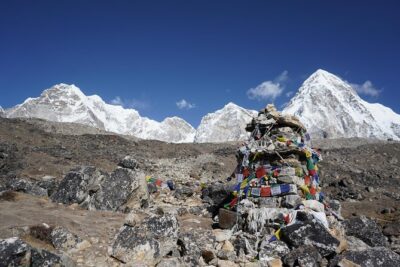
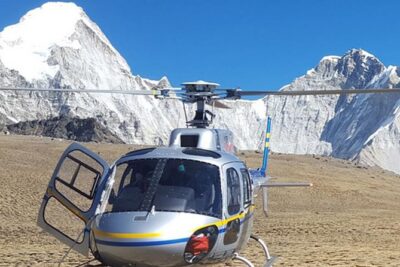
Everest Base Camp Helicopter Tour landing at Hotel Everest View
Read our review →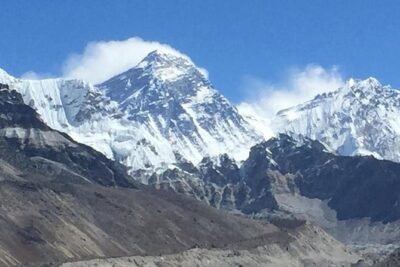
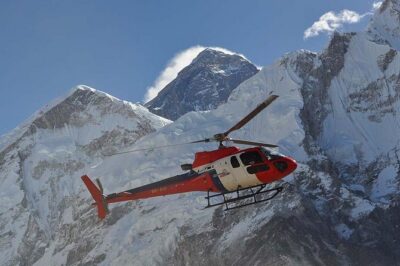
Everest Base Camp Trek with Helicopter Return from Gorakshep to Lukla
Read our review →This tour also appears in