
REVIEW · POKHARA TOURS
6 days Annapurna Basecamp Trek
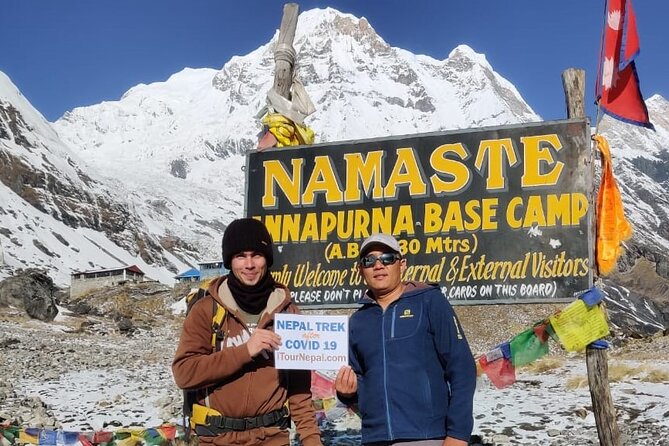
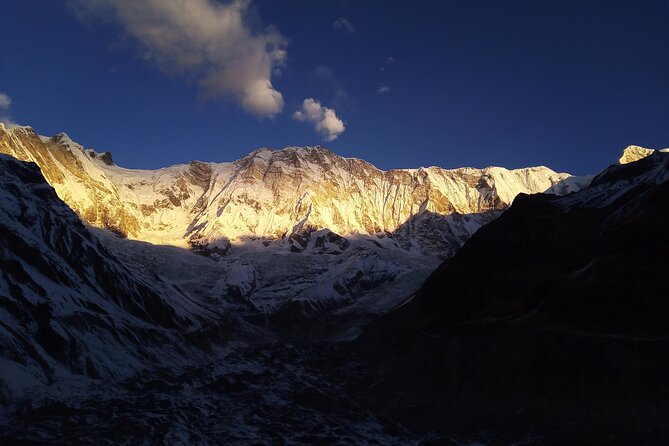
Annapurna Base Camp gives you a close look at some of Nepal’s finest peaks without requiring a long expedition. This six-day route moves from Gurung villages and rhododendron forest into the cold, enclosed Modi River valley, finishing with sunrise on Annapurna I, the 8,091-meter mountain that ranks among the world’s highest.
I like two things right away: the itinerary packs a great deal into six days, and the price includes the guide, transport, five breakfasts, teahouse rooms, and useful gear such as a sleeping bag and anti-slip crampons when needed. The main caution is the pace. The schedule lists walking days of about 12 hours, so this is not a gentle country stroll.
Key points to know before booking
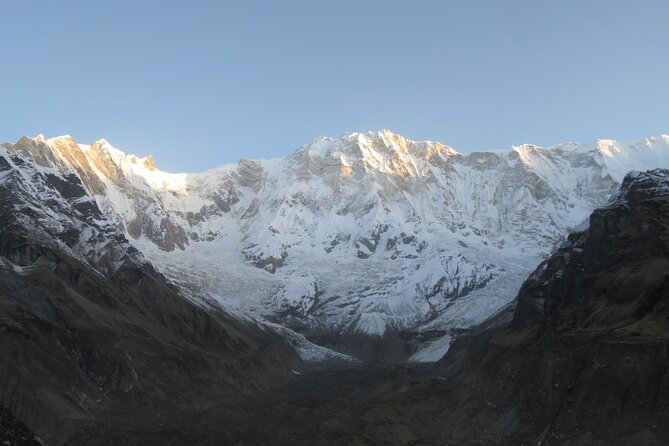
- Sunrise at Annapurna Base Camp: The early light changes the color of Annapurna I and the surrounding peaks.
- A short route into the sanctuary: The six-day plan is designed for people with limited time who still want the main ABC experience.
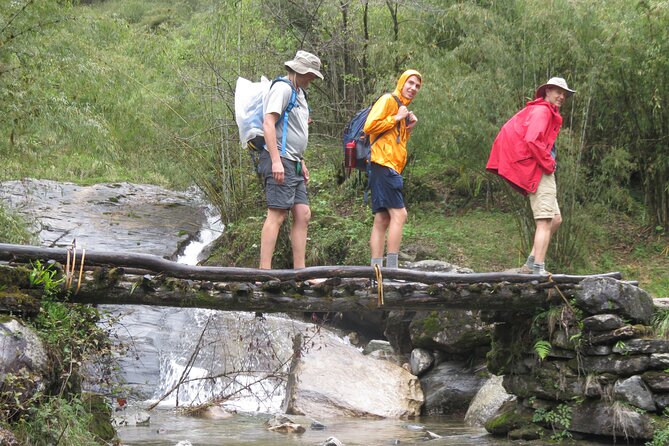
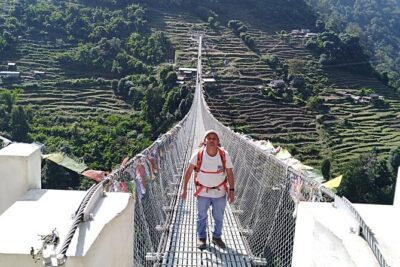
- Long suspension bridge crossing: The Jhinu Danda bridge stretches 285 meters and hangs 135 meters above the Kimrong River.
- Gurung culture along the trail: Villages connected with the famous Gurkha soldiers add a human side to the mountain scenery.
- Useful inclusions: A licensed, insured guide, private transport, breakfast, teahouse lodging, a duffle bag, sleeping bag, and crampons are included.
- Budget carefully: Lunch, dinner, porter service, insurance, bottled drinks, internet, charging, and toiletries cost extra.
Why the Annapurna Base Camp route is worth your time
The appeal here is variety. You begin among foothills and settled villages, then walk through forest, cross clear streams on suspension bridges, and gradually enter a narrow mountain basin ringed by snow peaks. The route does not rely on one grand viewpoint. It keeps changing.
The mountain theater is especially strong because the route brings you toward Annapurna I, Annapurna South, Hiunchuli, Machhapuchchhre, Annapurna III, and other peaks. The stated highlight is a 360-degree view from base camp, and that is the right way to think about the destination. You are not simply looking at one mountain from far away. You are surrounded by them.
I also like the cultural setting. The Gurung villages are not decorative stops added for a photo. They are part of the foothill communities that have long been associated with Gurkha soldiers. You pass through places where daily life continues alongside the trekking economy, giving the walk more meaning than a bare mountain march.
There is, however, no getting around the timetable. A six-day ABC trek is attractive because it saves time, but the compressed plan demands steady walking. The description calls for moderate physical fitness, yet the repeated 12-hour estimates deserve serious attention. If you prefer slow mornings, long meal stops, or extra rest days, this route may feel rushed.
More Hiking Tours in Pokhara
- Poon hill Trek 3 days
★ 5.0 · 176 reviews - Trekking in Annapurna/Langtang/Everest/Upper Mustang regions
★ 5.0 · 161 reviews - Pokhara: 4-Day Ghorepani, Poonhill & Ghandruk Mountain Trek
★ 5.0 · 132 reviews
Day 1: Chhomrong, Jhinu Danda, and the first big bridge
The opening day combines private transport and a long start on foot. You drive for about three hours toward the Jhinu Danda suspension bridge, then continue toward Chhomrong, which sits at 2,150 meters.
Chhomrong is a strong first target because it offers close views of Annapurna South, Hiunchuli, and Machhapuchchhre. The village gives you an early sense of the scale ahead. You are already looking toward major peaks rather than spending the first day on an ordinary access road.
The Jhinu Danda bridge is one of the most memorable pieces of infrastructure on the route. At 285 meters long and 135 meters above the Kimrong River, it is a serious crossing, not a tiny footbridge. The river below and the open drop make this an exciting moment, especially if suspension bridges are new to you.
That same bridge may be uncomfortable if you dislike heights. Take your time, keep your attention on your footing, and avoid treating it like a race. The schedule also places a great deal into this first day, so you should begin with sensible expectations about energy and daylight.
Jhinu Danda provides access to the route and is also known for hot springs in the wider Annapurna trekking area, but hot springs are not specifically included in this experience. Do not assume a soak is part of the plan unless the operator confirms it.
Day 2: Down and up through the Annapurna foothills
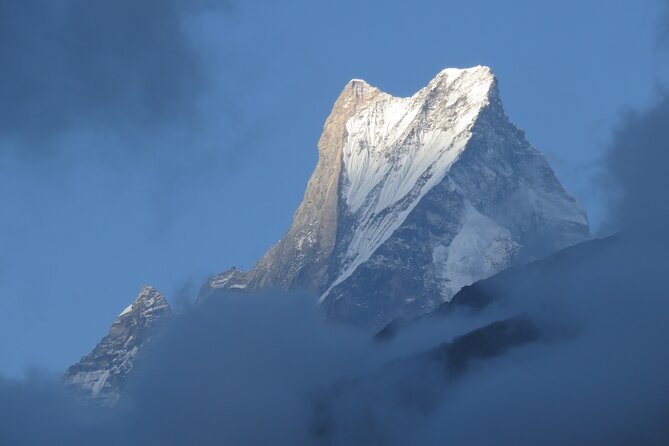
The second day starts with views of Annapurna South and Machhapuchchhre. From Chhomrong, the trail descends before climbing again, a familiar pattern in the Himalayas that can surprise anyone who expects a steady uphill walk.
The route moves through the foothills and toward the Annapurna Sanctuary. You should expect repeated changes in effort: downhill sections can be hard on knees, while the following climbs test the legs in a different way. Strong walking shoes and trekking poles, if you use them, would be sensible choices, though poles are not listed among the included equipment.
The value of this section is its gradual shift in mood. The early part feels connected to villages and cultivated hillsides. As you continue, the trail points toward the enclosed mountain area ahead. The countryside views give you a better sense of how people live below the high peaks.
Because lunch and dinner are not included, you pay for those meals as you go. This is worth planning for before departure. Breakfast is covered for five mornings, but the rest of your food budget depends on what you order in the teahouses.
Day 3: Following the Modi River through rhododendron forest
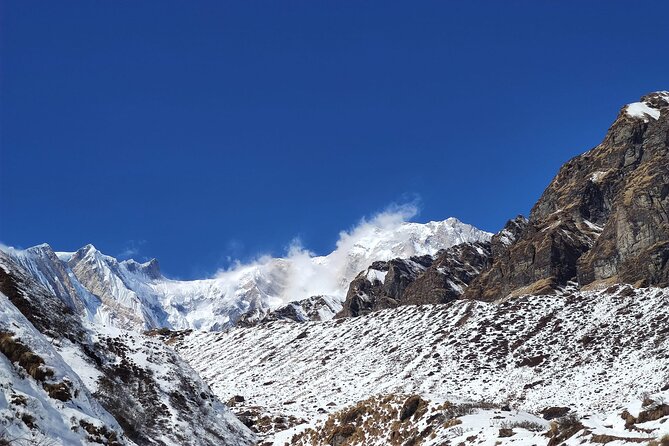
The itinerary identifies Machhapuchchhre and the Modi River valley as the focus of the third day. Dovan lies in the river basin between Hiunchuli and Mardi Himal, and the path follows the Modi River upstream.
This is one of the most attractive sections for people who enjoy walking through changing vegetation. The trail enters thick rhododendron forest, with more than 30 species noted along the route. Clearings provide breaks in the trees and open views toward the peaks.
The river adds a constant natural guide. Rather than walking on a featureless path, you follow moving water into a mountain basin. You also cross clear streams and rivers on suspension bridges, so the route keeps a little excitement in reserve even when the trail itself is quiet.
Dovan’s setting, wedged between high ridges, signals that the scenery is becoming more enclosed. That can be beautiful, but it also means the weather may feel colder and the valley more shaded. The teahouse stays are basic by nature, and the information specifically notes possible extra charges for Wi-Fi, charging devices, toiletries, bottled drinks, and machine coffee.
A different kind of day from the same base:
- ZipFlyer Nepal – The World’s Steepest Zip-line
★ 5.0 · 608 reviews - Bungee Pokhara by HighGround Adventures
★ 5.0 · 366 reviews - From Pokhara: Sarangkot Sunrise Himalayas Tour
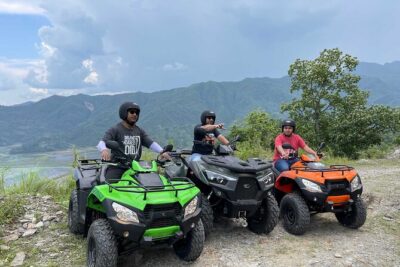
★ 4.7 · 218 reviews - ATV Adventure Tour in Pokhara, Nepal
★ 5.0 · 194 reviews
Day 4: From Deurali to Annapurna Base Camp
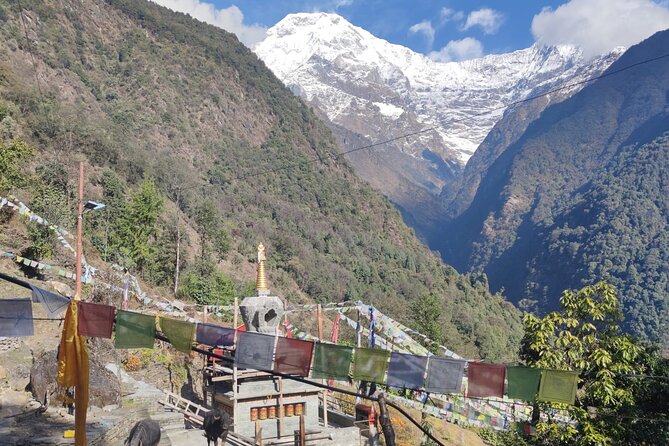
Day four is the payoff walk. From Deurali, you continue upstream beside the Modi Khola toward Annapurna Base Camp. The route is described as especially scenic, with views of Machhapuchchhre, Annapurna III, Annapurna South, Annapurna I, and other peaks.
The mountain views become more direct here. You are no longer simply walking toward a distant skyline. The trail leads into the setting that makes the Annapurna Sanctuary famous, with the peaks forming a broad ring around the valley.
Annapurna I deserves special attention. At 8,091 meters, it is identified as the tenth-highest mountain in the world. Seeing it in this setting gives the summit a human scale, but not a tame one. Snow, rock, weather, and height remain the real story.
The base camp night is likely to be the coldest and most basic part of the trip. A sleeping bag is included, and anti-slip crampons can be provided when required. Those inclusions matter because they reduce the amount of specialist equipment you need to arrange yourself, although you should still ask what personal clothing and footwear are recommended for the expected conditions.
The schedule again lists roughly 12 hours. That makes day four the section you should study most carefully before paying. A licensed, experienced, and insured guide is included, which is important on a demanding mountain day, but a guide cannot remove the physical strain of the route.
Day 5: Sunrise at base camp, then the return journey
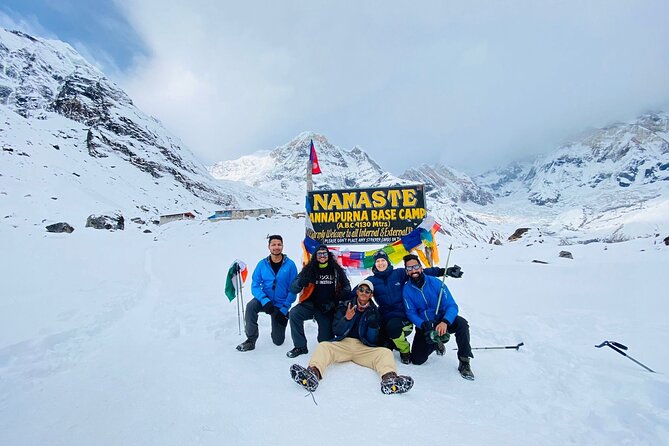
The fifth day begins before the ordinary breakfast hour. The purpose is to catch the first rays of sunlight striking the surrounding snow peaks. Annapurna I is the featured sight, with its color changing as the morning light moves across the mountain.
This is the emotional center of the trek. The sunrise is not just a photo stop. It rewards you for reaching the high valley the day before and gives you a quiet period to take in the full 360-degree setting.
After the morning at base camp, you begin the descent. The route returns toward greener surroundings and lower settlements. Going downhill is often faster than climbing, but it can still be tiring after the previous day’s effort. Your knees and feet may be more aware of the trail than they were on the way up.
The schedule describes the morning as easy, but the full day is again listed at about 12 hours. Ask the operator how much of the return is walked and where the night is spent, since the supplied plan gives the broad movement rather than every overnight detail.
Day 6: Back toward greenery and civilization
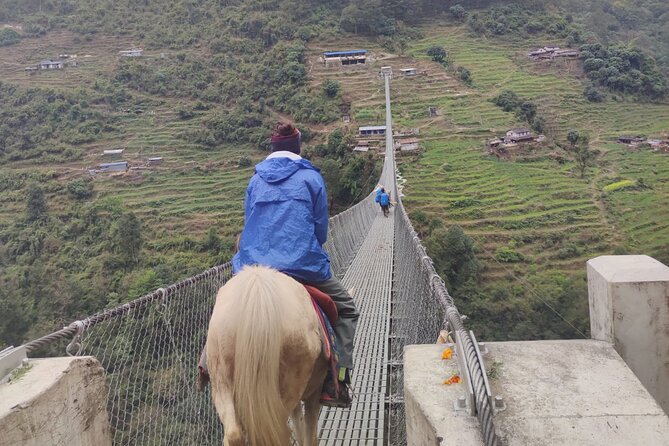
The last day brings a clear change in atmosphere. After several days in a cold, enclosed valley, returning to green hills and more settled areas can feel like a reward of its own.
Breakfast is included on this final morning, completing the five breakfasts covered by the package. You continue through the Annapurna region, with views across layered hills and the Modi River valley.
This is a useful reminder that the trek is not only about the base camp sign or the highest point. The lower hills, bridges, villages, forests, and river valleys form the full experience. If you rush through the return simply to finish, you miss part of what makes the route appealing.
Private transportation is included, which simplifies the connection at the beginning and end. Pickup is offered, and the experience is near public transportation, giving you some flexibility around arrival in Pokhara.
What the $450 price really covers
At $450 per person, the package offers solid value if you want the main arrangements handled. Private transportation, all fees and taxes, a licensed guide, five breakfasts, and teahouse accommodation are included. The duffle bag, sleeping bag, and crampons when required are particularly useful for anyone who does not already own trekking equipment.
The price does not cover the full cost of eating on the trail. You pay separately for lunch and dinner, as well as bottled drinks and machine coffee. Wi-Fi, device charging, and toiletries may also carry small teahouse fees.
A porter is available for $30 per day, but that is an additional cost. I would think carefully about this option. Carrying a light daypack is one thing, but a porter can make a six-day schedule more manageable, especially on the two longest sections. Travel insurance is also your responsibility and is not included.
Tips for the guide and porter are not included either. Service charges are included in hotels and restaurants, but that does not replace a personal tip for trekking staff.
Guides, group size, and the feel of the service
The maximum group size is 20 people. That is small enough to remain workable, but it is not the same as a private trek. If you want a quiet pace or need frequent stops, tell the provider before departure and ask how the group handles differences in walking speed.
The company has arranged trips with guides including Saroj and Ajaya, and porter Samir is also associated with its trekking teams. The important practical point is to confirm the name of your own guide before setting off. The guide is licensed, experienced, and insured according to the package, and that support matters when the itinerary includes long days, river crossings, and changing mountain conditions.
The strongest service qualities connected with this operator are personal organization, flexibility, and attention to safety. That is useful if you are combining ABC with other Nepal plans or need a custom arrangement. One group had the company tailor a wider Nepal trip around limited time, while another returned to the same family-run business for several journeys.
Still, good service does not make a hard trek easy. You should ask direct questions about daily walking hours, overnight stops, food arrangements, and what happens if weather disrupts the plan.
Who should book this six-day trek?
This route suits you if you have limited time in Nepal and want the Annapurna Base Camp experience without committing to a longer itinerary. It also fits people who value a guide, organized transport, teahouse lodging, and equipment support rather than arranging every detail alone.
You should have moderate physical fitness and be ready for long walking days. The route includes climbs, descents, forest paths, bridges, and cold conditions. It is not the right choice if you want a relaxed holiday with short walks and plenty of free time.
It can work well for couples, solo walkers, and small family groups, although the group limit is 20 rather than one fixed private party. The company has also handled custom trips for returning clients and larger future groups, so it is worth asking about changes before booking.
The strongest reason to choose it is the combination of scenery and efficiency. You get Gurung villages, rhododendron forest, the Modi River valley, and sunrise at base camp in less than a week. The strongest reason to hesitate is the compressed pace and the extra daily costs.
You can cancel for a full refund up to three full days before the local start time. Cancellations made less than three full days in advance are not refunded, and late changes are not accepted.
Should you book the Annapurna Base Camp trek?
I would book this trek if you have six days, a reasonable fitness base, and a clear desire to reach Annapurna Base Camp rather than simply wander in the foothills. The mountain views, sunrise, bridge crossings, and village sections give you a lot for the price.
Before booking, confirm the exact daily walking times, overnight locations, guide assignment, meal budget, and porter needs. If those details suit you, this is a practical way to reach one of Nepal’s great mountain settings without spending weeks on the trail.
FAQ
Where does the Annapurna Base Camp trek begin?
The experience is based in Pokhara, Nepal, and pickup is offered. Private transportation is included.
How long does the trek last?
The trek lasts approximately six days.
What fitness level is required?
You should have a moderate level of physical fitness. The itinerary lists walking days of about 12 hours, so you need to be comfortable with sustained walking, climbs, and descents.
Is Annapurna Base Camp included?
Yes. Annapurna Base Camp is included as a stop on day four, with the sunrise experience taking place there on day five.
What accommodation is provided?
Teahouse accommodation is included.
Are meals included?
Five breakfasts are included. Lunch and dinner are not included and must be paid for separately.
Can I hire a porter?
Yes. Porter service is available for $30 per day, but it is not included in the listed price.
What trekking equipment is included?
A duffle bag and sleeping bag are included. Anti-slip crampons can also be provided when required.
How large can the group be?
The maximum group size is 20 people.
Is travel insurance included?
No. You must arrange and pay for your own insurance.
Can I cancel for a full refund?
Yes, if you cancel at least three full days before the experience start time. Cancellations made less than three full days in advance are not refunded.
More 6-Day Experiences in Pokhara
- 6 Day Upper Mustang Tour by 4WD Jeep from Pokhara
★ 5.0 · 8 reviews - Kathmandu: 6-Day Limitless Langtang Trek
★ 5.0 · 21 reviews - 6 Days Muktinath Tour Package in Nepal
★ 5.0 · 20 reviews - 6 Days/5 Nights Private Kathmandu Pokhara Tour
★ 5.0 · 9 reviews
Recently added around Pokhara
- Paragliding in Pokhara★ 5.0 · 3 reviews
- Pokhara: 5-Day Annapurna Base Camp Trek with Hot Spring★ 5.0 · 3 reviews
- Pokhara: 7-Day Annapurna Base Camp Trek via Ghandruk★ 4.3 · 3 reviews
- Pokhara:4-Day Ghorepani Poon Hill Guided Trek via Ghandruk★ 5.0 · 3 reviews
- Peace & Panorama: Stupa and Pumdikot Scenic Drive Tour★ 3.6 · 3 reviews
- Beautiful Sarankot Sunrise with Full Day Sightseeing in Pokhara★ 4.5 · 3 reviews
- 3 Day Australian Camp Dhampus Ghandruk Easy Trek in Pokhara★ 3.5 · 3 reviews
- Overnight Dhampus Australian Camp Easy Hiking from Pokhara★ 5.0 · 3 reviews
Other Pokhara Tours worth a look
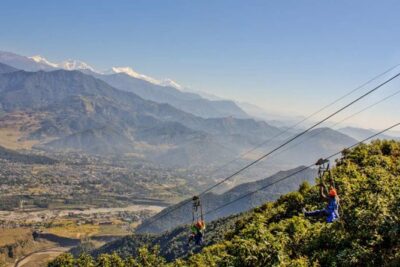
ZipFlyer Nepal – The World’s Steepest Zip-line
Read our review →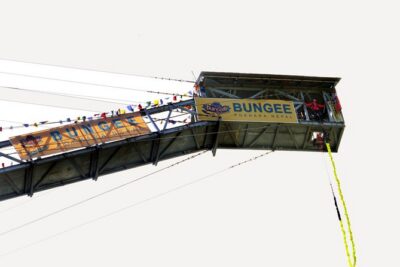
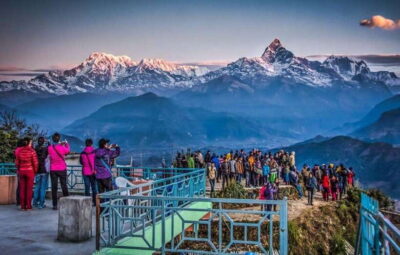
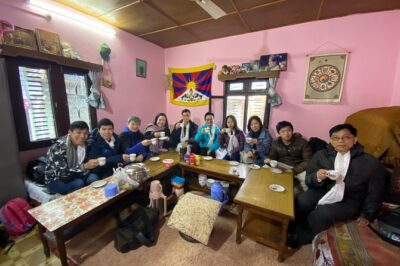
Full-Day Tibetan Cultural Tour to Tibetan Settlements Pokhara
Read our review →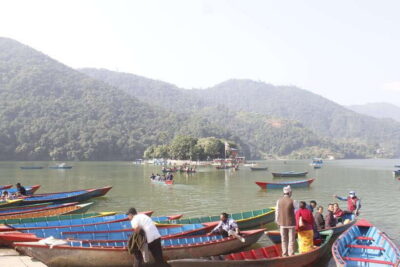
Full-Day Sharing Bus Tour on 7 Iconic Destination
Read our review →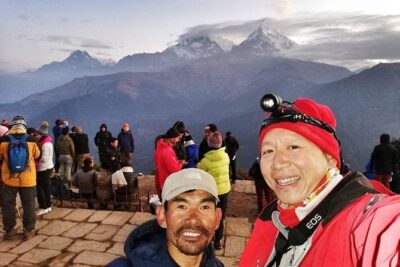
Trekking in Annapurna/Langtang/Everest/Upper Mustang regions
Read our review →This tour also appears in