
REVIEW · LANGTANG VALLEY TREKS
Kathmandu: 7 Day Langtang Valley Trek
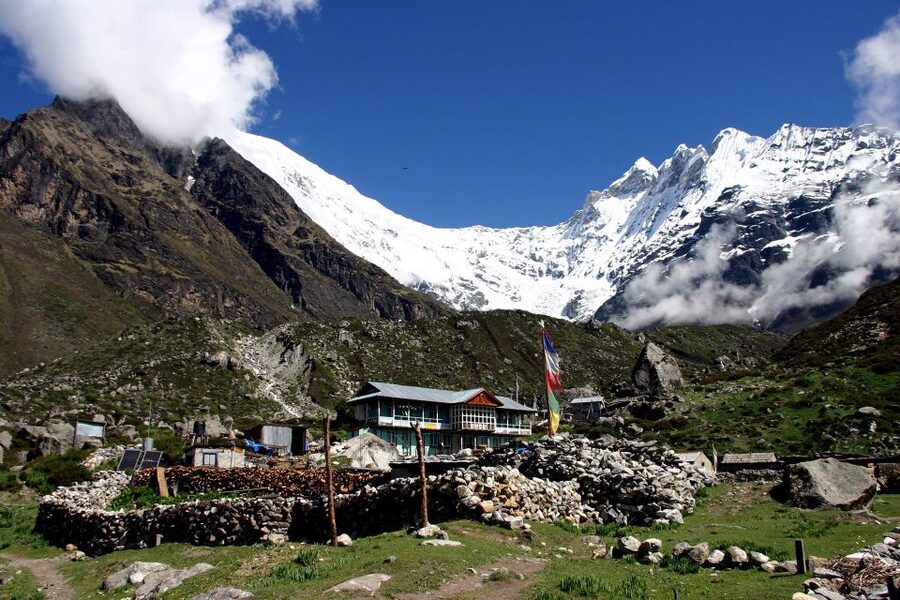
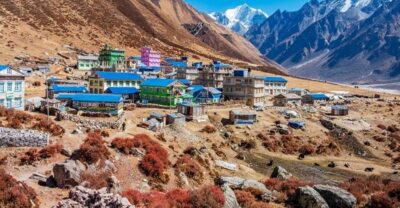
The best part of this trek is how quickly you leave Kathmandu’s traffic behind and reach a high Himalayan valley lined with snowy peaks. By day four, you arrive at Kyanjin Gompa, a mountain settlement at 3,870 meters with a Buddhist monastery, yak pastures, glacial streams, and views toward Langtang Lirung.
I like the private group format, since you can set a pace that fits your legs rather than waiting for strangers. I also like the human side of the route: you pass through Tamang communities and stay in simple teahouses, where the journey feels more personal than a quick photo stop. The main caution is the effort. One detailed account described days of roughly 15 kilometers, eight hours, and as much as 1,200 meters of climbing. This is a serious mountain walk, not a gentle sightseeing trip.
Key points to know
- Kyanjin Gompa at 3,870 meters: You spend a full day here for acclimatization and optional hikes.
- Private English-speaking guide: Your guide leads the route, assists along the way, and helps manage the practical details.
- Teahouse accommodation: Expect basic mountain lodging rather than hotel comfort.
- Meals cost extra: Budget about NPR 2,500 per person per day for food.
- Demanding mountain walking: Forest trails, suspension bridges, steps, and altitude make this unsuitable for some visitors.
- $450 per person: The price covers major transport and trekking basics, but you should confirm exactly what porter service and Kathmandu lodging include.
Why the Langtang Valley route works so well
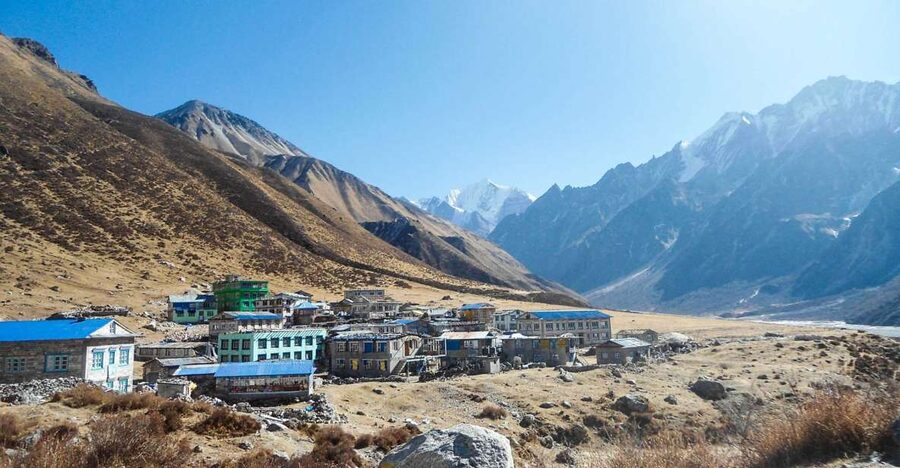
Langtang offers a compact Himalayan experience. You do not spend the whole trip reaching the trailhead or moving between distant valleys. The first day is a road journey from Kathmandu to Syabrubesi, then the walking begins in earnest.
The route has a pleasing rhythm. You start among river valleys and forests, walk through villages, gain altitude gradually, and finish at a high mountain settlement surrounded by peaks. The scenery changes often enough to keep the walking interesting, while the seven-day schedule gives you time to settle into the pace.
You also get more than mountain views. The route passes through areas associated with Tamang and Sherpa communities, and the village stops give you a chance to see how local life fits around tourism, farming, livestock, and the seasons. The experience is still a trek arranged for visitors, but it does not feel like a series of roadside viewpoints.
The route is private, which matters here. A fixed group would force everyone into the same pace, and mountain walking exposes differences quickly. With your own guide, you can discuss rest stops, walking speed, and how much energy to save for the higher days.
More Langtang Valley Treks in Nepal:
- Trekking in Annapurna/Langtang/Everest/Upper Mustang regions
★ 5.0 · 161 reviews - Langtang Valley Trek
★ 5.0 · 140 reviews - Langtang Valley Trek
★ 5.0 · 50 reviews
Day 1: Kathmandu to Syabrubesi by road
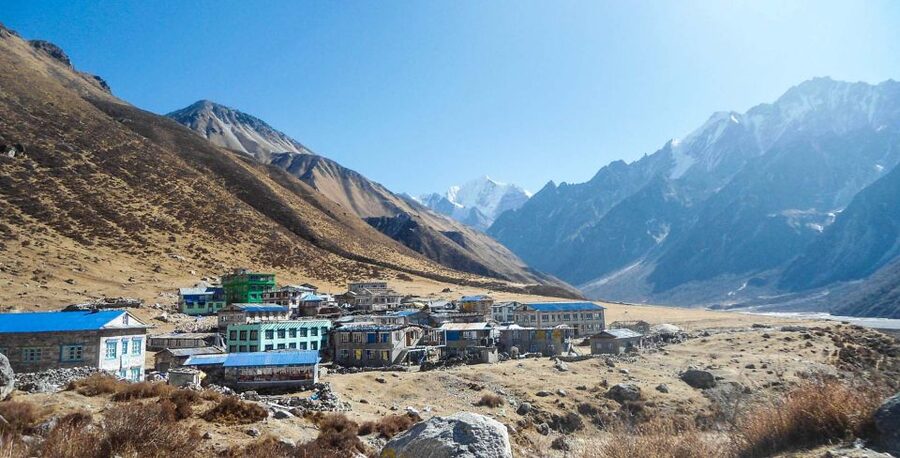
Your first day is mostly about reaching the mountains. The vehicle takes you from Kathmandu to Syabrubesi through villages and changing scenery. The journey is described as scenic, but it is still a road transfer, so do not count this as an easy sightseeing day with lots of free time.
Syabrubesi sits at about 1,550 meters and serves as the starting point for the trek. You spend the night there before walking begins. This overnight stop is useful because it prevents you from trying to combine a long road journey with the first major hiking stage.
The practical question is road comfort. The provided details do not specify vehicle type, road condition, or exact driving time, so you should ask the operator before booking if that matters to you. Road transfers in mountain regions can be tiring even when the views are good.
Day 2: Syabrubesi to Lama Hotel
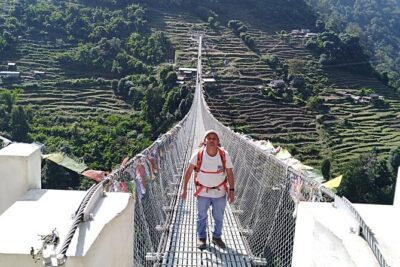
The first walking day takes you through lush forest, across suspension bridges, and along the Langtang River. Lama Hotel is at about 2,380 meters, so the route begins gaining height while still giving you plenty of tree cover.
This section should appeal to you if you enjoy walking through changing terrain rather than heading straight into bare high-altitude ground. Forest trails can feel cooler and more sheltered, while the river adds a steady sense of direction.
Do not mistake the greenery for an easy stroll. The route includes climbs and descents, and suspension bridges can add a little drama if you are not fond of heights. You should keep your daypack light and make sure your footwear has a firm grip.
Lama Hotel is a simple overnight stop surrounded by greenery. Teahouse lodging is part of the experience, but you should expect basic rooms and shared facilities rather than polished hotel service. The price does not include meals, so keep cash available for food along the route.
Day 3: Lama Hotel to Langtang Village
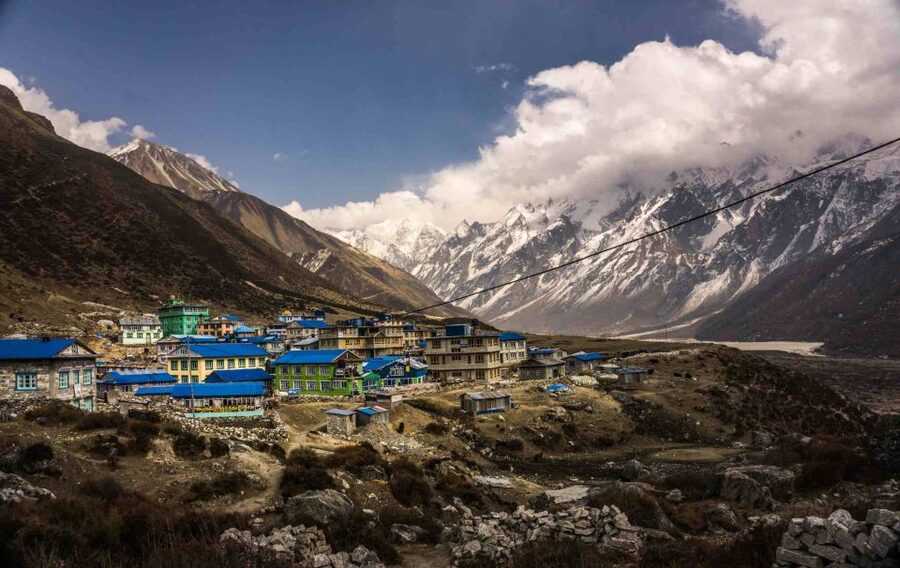
The trail continues through rhododendron and oak forest toward Langtang Village at about 3,430 meters. This is an important altitude gain, and you may notice the effort more than on the previous day.
The forests gradually give way to more open mountain views. You also begin to see more of the local Tamang culture, which gives this day a stronger sense of place than a route made up only of natural scenery.
Langtang Village is not simply a bed for the night. It is a key settlement in the valley and a useful point for understanding the communities that live along this route. Your guide can help you navigate the village and explain the local setting, though the exact guiding style will depend on the person assigned to your private group.
At this altitude, the smart move is to slow down. A fast pace can feel fine at the beginning and catch up with you later. Drink regularly, keep warm when you stop, and tell your guide early if you feel unwell.
More Hiking Tours in Nepal:
- Everest Base Camp Trek – 14 Days
★ 5.0 · 1,499 reviews - Everest Base Camp Trekking
★ 5.0 · 485 reviews - Nagarkot Sunrise View and Day Hiking from Kathmandu
★ 5.0 · 471 reviews - Annapurna Circuit Trek with Tilicho Lake
★ 5.0 · 368 reviews
Day 4: Langtang Village to Kyanjin Gompa
This is the approach to the trek’s main destination. You pass yak pastures and glacial streams while walking toward Kyanjin Gompa at 3,870 meters.
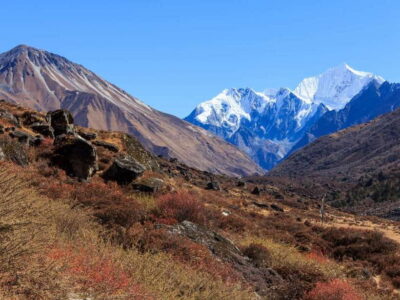
The scenery becomes more exposed and more dramatic. Snow-covered peaks draw closer, and the valley feels wider and more remote. Langtang Lirung is one of the key mountain views named for this section, and the setting around Kyanjin Gompa gives you the first real sense of being high in the Himalayas.
Kyanjin Gompa includes an old Buddhist monastery, although the provided information does not specify opening hours or whether a formal visit is always arranged. You can explore the area and take in the mountain panorama, but remember that altitude changes how much energy you have for sightseeing.
This is also where the trip’s physical demands become clear. The elevation is high, and the day follows several earlier walking stages. You should not judge your condition only by how you felt in the lower forest. The guide’s role becomes especially important here, since a private guide can help you adjust the pace and decide how much to do after arrival.
Day 5: A needed rest day at 3,870 meters
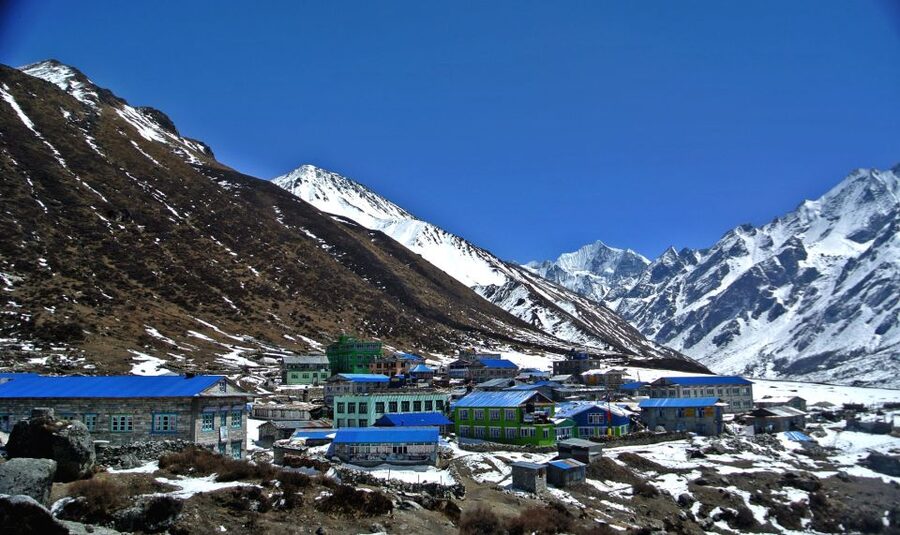
The acclimatization day at Kyanjin Gompa is one of the strongest features of this itinerary. You stay at the same altitude instead of climbing higher and immediately moving on.
Rest does not have to mean remaining inside the teahouse all day. You can choose a shorter hike to Kyanjin Ri or a more demanding outing toward Tserko Ri, depending on conditions, fitness, and your guide’s advice. The information provided does not give exact heights, route lengths, or included excursion arrangements, so confirm the plan directly before setting expectations.
You can also visit the local cheese factory. That gives the day a useful cultural and practical angle. After several days of trail walking, a shorter local outing may be more rewarding than forcing yourself into a hard summit attempt.
This day is not wasted time. At altitude, a slower schedule can make the rest of the trek safer and more enjoyable. You may still feel breathless on modest climbs, and that is normal enough to treat the day with respect. If you develop serious symptoms, speak to your guide rather than pushing on to prove a point.
Day 6: Kyanjin Gompa back to Lama Hotel
You retrace the route from Kyanjin Gompa to Lama Hotel. Descending usually feels easier on the lungs, but it can be tough on knees and thighs, especially after several long days.
The return gives you a different view of the same valley. Features you passed without much notice on the way up may be easier to appreciate now, and the lower forest feels warmer and fuller after time among the high peaks.
Your main job is to avoid rushing downhill. Uneven trails, steps, bridges, and tired legs can create more trouble on descent than on ascent. Use trekking poles if you have them, and keep your daypack secure so it does not throw off your balance.
Lama Hotel provides a welcome chance to rest before the final trail section and the road journey back to Kathmandu. Again, accommodation is in teahouse lodges, so pack with simple mountain nights in mind.
Day 7: Lama Hotel to Syabrubesi and Kathmandu
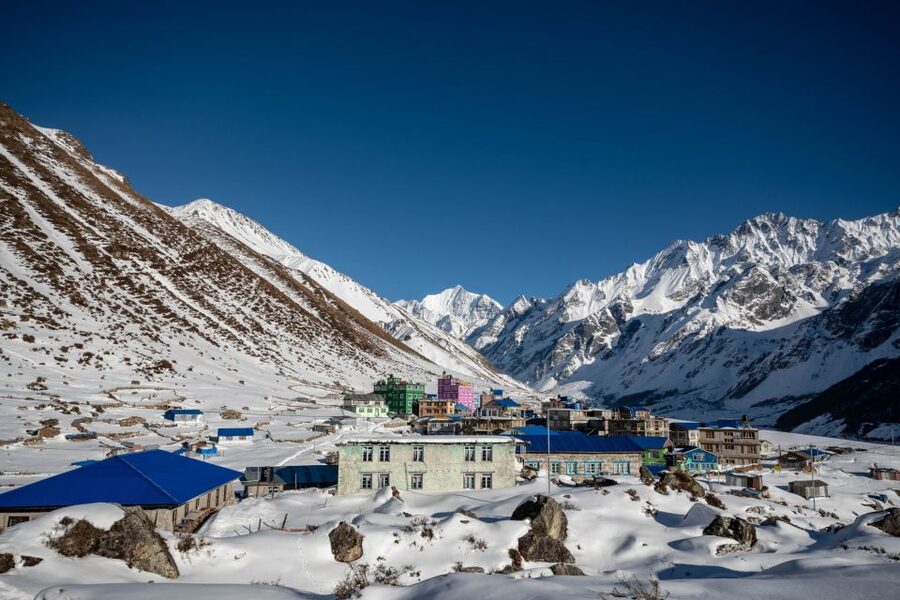
The final walking stage takes you from Lama Hotel to Syabrubesi. From there, a vehicle returns you to Kathmandu.
This is a long closing day because it combines hiking and road travel. The schedule may feel less relaxed than the first day, particularly if you are tired or if the road transfer takes longer than expected. You should avoid arranging an important flight immediately after the trek unless the operator has clearly confirmed the timing.
One past booking was shortened by a day because of concern about making a return flight. That experience points to a useful rule: give yourself a generous buffer after a mountain trek. Weather, road conditions, fatigue, or delays can affect the final return.
The itinerary says the trek ends in Kathmandu and that hotel pickup and drop-off are included. It also says one or two Kathmandu hotel nights are usually included before and after the trek. Ask for the exact hotel-night arrangement in writing, since usually is not precise enough when you are planning a larger Nepal trip.
What the $450 price really covers
At $450 per person, the package has solid value if the included services are delivered as described. The cost covers transport from Kathmandu to the trailhead and back, trekking permits, the TIMS card, teahouse accommodation, an experienced licensed guide, basic first aid, hotel transfers, and usually one or two Kathmandu hotel nights.
Those items add up. Permits and transport are not glamorous expenses, but they are necessary, and having them arranged can save you time and confusion. A private guide is also more useful on a route with altitude changes and changing trail conditions than a simple map alone.
Meals are not included. The stated estimate is about NPR 2,500 per person per day, which means you should add roughly NPR 17,500 for seven days if you use that estimate. Carry some additional money for drinks and unexpected needs.
Porter service needs clarification. It is described as an option to hire a porter, which may mean it is available but not included in the $450. Ask how much it costs, how much luggage the porter carries, and whether you still need to carry a daypack. Do not assume this point.
The price is high compared with basic daily living costs in Nepal, but comparison with local food prices alone is not fair. You are paying for permits, planning, transport, guide support, lodging, and the convenience of a private arrangement. Still, the value depends heavily on clear communication and clean, suitable accommodation.
Guide support and the private-group advantage
The guide can make or break a trek like this. A strong guide handles route decisions, helps you pace yourself, and takes care of practical details so you can concentrate on walking.
The private format is a real advantage for mixed fitness levels. You do not have to match a large group, and you can discuss whether Kyanjin Ri, Tserko Ri, or the cheese factory makes sense on the acclimatization day.
There is also a warning here. One account described a guide who was excellent, attentive, and friendly, almost like a close companion after a week together. Another account found the guide unremarkable and felt left alone. Since no guide name is supplied, you cannot select a specific person from the available information. Ask how guides are assigned and what happens if communication or service falls short.
The tour operates in English. If you need another language, this package does not promise it.
Teahouses, food, and what to pack
Teahouse accommodation keeps the route practical and helps you stay close to the trail. It also means you should prepare for basic conditions. The available information does not promise private bathrooms, heating, room standards, or hot showers, so ask before booking if any of those are essential.
Meals are available for purchase, with a stated estimate of NPR 2,500 per day. Keep money accessible and expect food costs to matter more as you climb, though exact menus and prices are not provided.
Bring a passport or ID card, plus a copy if requested, and a passport-sized photo. You should also pack warm layers, rain protection, sturdy walking shoes, a refillable water container, personal medication, and a small daypack. Only the identification documents are formally specified, but the altitude and long walking days make proper clothing and footwear sensible.
Oversize luggage is not allowed, and drones are prohibited. Pack light enough for the mountain transport and lodge rooms. If you hire a porter, keep valuables and anything you need during the day in your own small pack.
Who should book this seven-day trek?
This route suits you if you want a compact Himalayan trek with major mountain scenery, local village life, and a private guide. You should be comfortable walking for many hours, climbing hundreds of steps, and spending nights in simple teahouses.
It is not suitable for wheelchair users, people with mobility impairments, pregnant women, or people with back problems. Those restrictions are important, not minor footnotes. The route includes steep and uneven sections, suspension bridges, altitude, and repeated climbs.
A moderate level of fitness is not a guarantee of comfort. The high point is 3,870 meters, and one account described around eight hours of walking per day on demanding stages. If you rarely hike, build up with long uphill walks before arriving in Nepal.
The itinerary is also a good match for someone who values support and structure. You do not need to organize every permit, transfer, and lodge yourself. If you prefer independent travel, flexible route changes, or more comfortable accommodation, this may feel too packaged and too basic.
Booking details worth checking first
The activity offers free cancellation up to 24 hours before the start time and allows you to reserve now and pay later. That flexibility is useful, but it does not remove the need to check the operational details.
Before paying, ask for:
- The exact Kathmandu hotel nights included
- The vehicle and expected road journey schedule
- Whether porter service costs extra
- The standard of teahouse rooms and bathroom arrangements
- The guide assignment and backup plan
- The expected walking hours for each day
- The plan for Kyanjin Ri or Tserko Ri on day five
Those questions are especially important because the available experience information is mixed. The strong account praised excellent personal care from the guide and found the challenge highly rewarding. A poor account raised concerns about inaccurate preparation advice, accommodation quality, price, and a shortened schedule. You should not ignore either side.
Should you book the Langtang Valley Trek?
Book it if you want a demanding but manageable seven-day route that reaches high mountain country without requiring a much longer expedition. The scenery, cultural contact, acclimatization day, and private guide arrangement give the trip real appeal.
I would book only after confirming the unclear points about meals, porter costs, hotel nights, accommodation quality, and the final return schedule. The $450 price can be fair for a private, permit-supported trek, but the value depends on the operator delivering the promised service.
If you are fit, flexible, and ready for long walking days, Langtang can give you a powerful Himalayan experience in one week. If you need reliable comfort, exact timing, or an easy mountain holiday, choose a gentler plan instead.
FAQ
How long is the Langtang Valley Trek?
The trek lasts seven days, beginning and ending in Kathmandu.
Where does the walking portion of the trek begin?
The walking begins in Syabrubesi, at about 1,550 meters, after the drive from Kathmandu.
What is the highest overnight point listed?
Kyanjin Gompa is the highest listed overnight point, at approximately 3,870 meters.
Is there an acclimatization day?
Yes. Day five is an acclimatization day at Kyanjin Gompa.
Can I hike to Kyanjin Ri or Tserko Ri?
The itinerary allows for short hikes to Kyanjin Ri or Tserko Ri on the acclimatization day. Exact route details are not provided.
Are meals included in the price?
No. Meals are excluded and are available for purchase. The stated estimate is about NPR 2,500 per person per day.
Is accommodation included?
Yes. Teahouse lodging during the trek is included. One or two nights of hotel accommodation in Kathmandu are usually included before and after the trek.
Is a guide included?
Yes. An experienced licensed English-speaking guide is included, and the activity is arranged as a private group.
What documents should I bring?
Bring a passport or ID card, with a copy accepted, and a passport-sized photo.
More 7-Day Experiences in Nepal
- Pokhara: 7 Day Annapurna Base Camp Trek
★ 4.9 · 38 reviews - Annapurna Base Camp Trek from Pokhara 7 Days
★ 5.0 · 19 reviews - 7-Day Trek to Annapurna Base Camp from Pokhara
★ 5.0 · 12 reviews - 7 days Nepal Motorcycle tour
★ 5.0 · 12 reviews
Recently added around Nepal
- Kathmandu Airport Pickup and Drop-off Services★ 5.0 · 3 reviews
- Kathmandu Paragliding★ 5.0 · 3 reviews
- Paragliding in Pokhara★ 5.0 · 3 reviews
- Pokhara: 5-Day Annapurna Base Camp Trek with Hot Spring★ 5.0 · 3 reviews
- Kathmandu Chandragiri Cable Car and Swayambhunath Private Tour★ 5.0 · 3 reviews
- Explore The Beauty Of Langtang Valley In 8-Days Trek★ 5.0 · 3 reviews
- Pokhara:4-Day Ghorepani Poon Hill Guided Trek via Ghandruk★ 5.0 · 3 reviews
- Pokhara: 7-Day Annapurna Base Camp Trek via Ghandruk★ 4.3 · 3 reviews
Other Langtang Valley Treks worth a look
Trekking in Annapurna/Langtang/Everest/Upper Mustang regions
Read our review →
This tour also appears in