
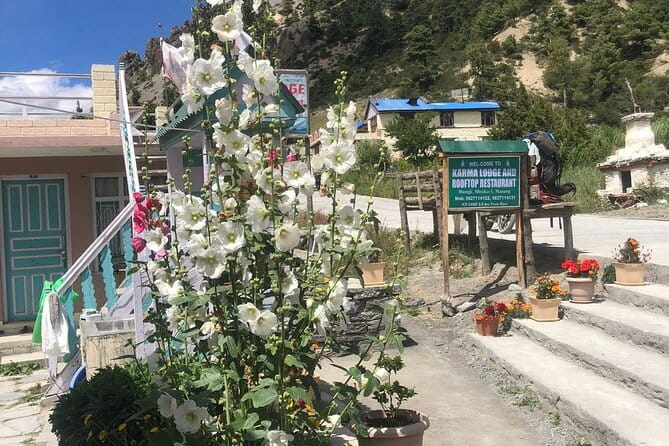
REVIEW · ANNAPURNA CIRCUIT TREKS
Annapurna Circuit Trek in Nepal (9 Days)
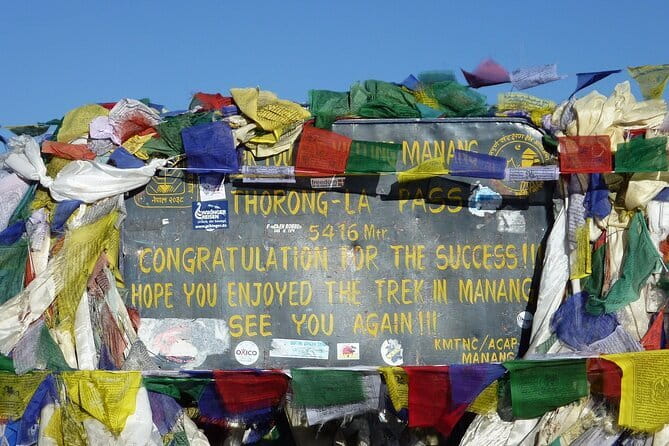
The big draw here is Thorong La Pass at 5,416 meters, reached before sunrise on Day 8 after a careful climb through the high Himalayas. In nine days, you move from Kathmandu by road into the Annapurna region, walk through Tibetan-style villages and pine forests, spend an acclimatization day in Manang, then descend toward Muktinath and Pokhara.
I like two things right away: the price includes tea house lodging, permits, meals, guides, and the main transport, and the route gives you both mountain views and close contact with local villages. I also like the planned rest day in Manang, which is essential rather than decorative. The main consideration is the pace. This is a demanding trek with several long days, a 3 AM start for the pass, and high altitude that can make even a steady uphill walk feel slow.
Key points before you book
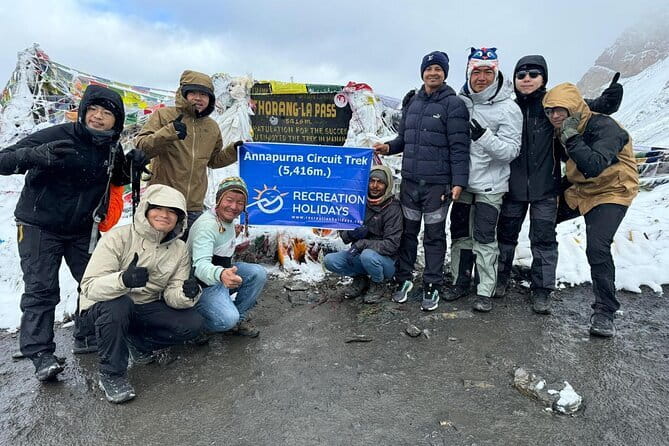
- Thorong La Pass reaches 5,416 meters: This is the physical and emotional high point of the trip, with an early morning start and slow progress at altitude.
- Manang gets a full acclimatization day: You can explore the village, visit monasteries, or hike toward Gangapurna’s glacial lakes.
- The price covers the basics that matter: Eight tea house nights, eight breakfasts, eight dinners, nine lunches, permits, a licensed English-speaking guide, and local transport.
- The route mixes scenery with village life: Bagarchhap, Danakyu, Manang, Yak Kharka, and Muktinath each offer a different setting and cultural feel.
- Porters cost extra: Porter service is available for $240 per porter, with one porter suggested for every two trekkers.
- The trek finishes in Pokhara: The final road journey from Muktinath passes through the lower Mustang Valley before reaching the lakeside city.
What the nine-day route really offers
The Annapurna Circuit is appealing because it changes character almost every day. You begin with a long road transfer and lower-elevation walking, then pass through forest, farmland, alpine settlements, and a stark high-altitude zone before dropping into Mustang.
That variety is the reason to choose this route over a short out-and-back hike. You get more than a single mountain viewpoint. You watch the vegetation thin out, the villages change, and the architecture and religious culture shift as you climb.
The itinerary is private, meaning only your group participates. That can make a difference on a physically tough route. You can ask your guide to adjust the pace, take breaks, or explain what you are seeing without having to match a large mixed group.
Recreation Holidays places particular weight on guide support, safety, and follow-up. Its founder, Hari, is mentioned by name in the company’s customer communication, although the specific guide assigned to your departure is not provided. If having a particular guide matters to you, ask for the name and experience level before booking.
More Annapurna Circuit Treks in Kathmandu
- Annapurna Circuit Trek with Tilicho Lake
★ 5.0 · 368 reviews - Annapurna Circuit Trek
★ 5.0 · 94 reviews - Annapurna Circuit Trek
★ 5.0 · 35 reviews
Day 1: Kathmandu to Bhulbhule, then Dharapani
Your morning begins around 6:00 or 7:00, with the stated meeting time listed as 6:15 AM. Pickup is offered from your hotel in Kathmandu, and the journey heads toward Bhulbhule through Besisahar.
This is primarily a transport day. After reaching Bhulbhule, you transfer to a shared jeep for the road toward Dharapani. The arrangement gets you deep into the trekking area quickly, but it also means you should expect a long and potentially tiring day before your walking routine has even begun.
The benefit is efficiency. A nine-day schedule cannot spend several days walking the lower part of the circuit, so the road transfer allows you to save time for Manang, Thorong La, and the Mustang side of the route.
Your first night is in a tea house, with twin-sharing accommodation. Tea houses are practical mountain lodges rather than hotels, so approach them as a warm place to eat, sleep, and prepare for the next day. The package includes dinner and lunch on this part of the trip, along with breakfast throughout the trek.
Day 2: Dharapani to Chame through Bagarchhap
The walking begins in earnest as you leave Dharapani for Chame. The route passes through Bagarchhap and Danakyu, with apple orchards and increasingly cool mountain air.
This is a good introduction to the circuit because the route offers both village life and large mountain views. Bagarchhap and Danakyu have a Tibetan influence, and the settlements help you see how people live along a high mountain route rather than simply passing through empty wilderness.
The day is listed at roughly 12 hours, which is a serious commitment. Even if the exact walking time changes with road conditions, rest stops, and group pace, you should treat this as a long day. Comfortable boots, a light daypack, water, and layers will matter more than bringing a large amount of gear.
Chame gives you a useful sense of the changing altitude. The forests and orchards do not disappear at once, but the setting feels cooler and more alpine. Mountain views become a larger part of the day, while the walking demands more steady effort.
Day 3: Forests, bridges, and Paungda Danda
From Chame, the route passes through dense rhododendron and pine forest. You cross several suspension bridges and climb toward Paungda Danda, a dramatic curved rock face.
This section has a different rhythm from the previous day. The trees provide a more enclosed walk, while the bridges and steeper sections keep the route interesting. Paungda Danda is the main visual marker, a huge rock formation that gives the day a clear destination.
The itinerary again allows up to 12 hours, so do not judge the trek only by the distance on a map. At altitude, a gradual climb can take longer than expected. The guide’s role is especially useful here, since the safest pace is usually a steady one with regular pauses, not a hard push followed by exhaustion.
You should also keep your camera accessible. The route is not only about the final pass. Forests, bridges, cliffs, and shifting views create much of the trek’s appeal before the high point arrives.
More Hiking Tours in Kathmandu
- Everest Base Camp Trek – 14 Days
★ 5.0 · 1,499 reviews - Everest Base Camp Trekking
★ 5.0 · 485 reviews - Nagarkot Sunrise View and Day Hiking from Kathmandu
★ 5.0 · 471 reviews - Everest Base Camp Trekking – 13 Day
★ 5.0 · 365 reviews
Day 4: Into Manang and the high mountain zone
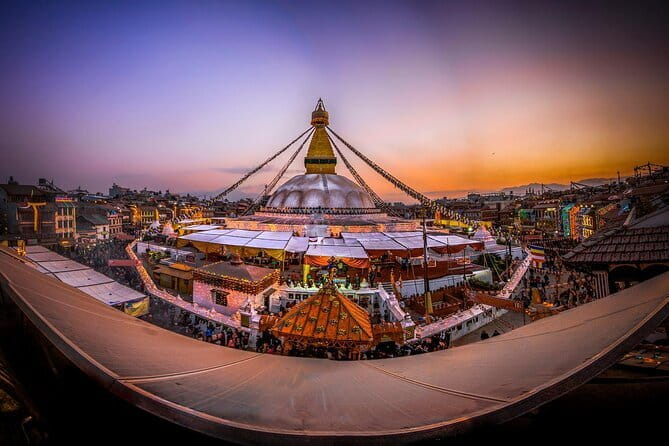
The walk to Manang is one of the most important days of the trek. The route begins on relatively flat ground, then gradually climbs toward Humde, with broad views of Annapurna II, Annapurna III, Annapurna IV, and other major peaks.
Manang is more than an overnight stop. It is the place where the journey shifts from a lower mountain walk to a high-altitude trek. You will notice the colder setting, thinner air, and more open terrain.
The schedule gives this day a full-day designation rather than a simple hour count. That makes sense. The route may feel manageable in sections, but the gain in elevation is what matters. Keep your pace conservative and tell your guide if you develop a headache, unusual fatigue, nausea, or dizziness.
The attraction of Manang is not limited to the views. The village offers a chance to see local life in a high Himalayan setting, and the next day gives you time to explore rather than rushing onward.
Day 5: Manang acclimatization day
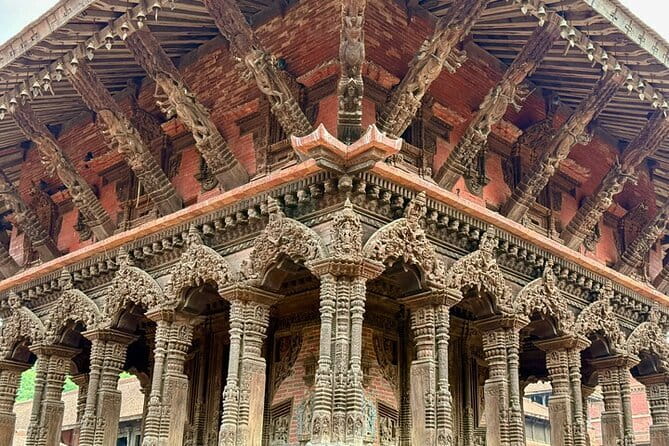
A full acclimatization day in Manang is one of the strongest features of this itinerary. You can explore the village, visit local monasteries, or walk toward the glacial lakes at the base of Gangapurna.
You should use the day actively but sensibly. A short hike can help your body adjust, while spending the entire day lying in bed does not give you the same chance to test how you feel at altitude. At the same time, this is not the day for proving your fitness. The goal is to return rested and ready for the higher sections.
This pause also gives the trek cultural depth. Instead of treating Manang as a bed for the night, you have time to look around, speak with your guide about local life, and notice how the settlement differs from the villages lower on the route.
Altitude is the main concern. No itinerary can guarantee that every person will acclimatize well. The guide can support you, but you need to be honest about symptoms and understand that a safe decision may involve changing plans.
Day 6: Manang to Yak Kharka
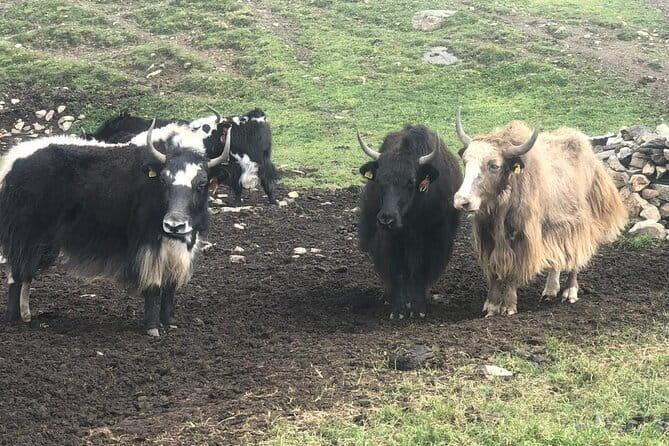
Leaving Manang, you climb toward Yak Kharka through cultivated farmland and local settlements. The ascent is described as steady and moderate, with suspension bridges along the way.
This is a quieter day in terms of major attractions, but it has an important job. You are moving higher while keeping the pace controlled before the pass. The route’s cultivated patches show how people continue to work the land at challenging elevations.
Yak Kharka is a functional overnight stop before the pass approach. The scenery becomes more open and severe, and the air feels thinner. You will want warm clothing ready for the evening, since the higher camps are practical places with limited comfort.
The day is again listed at about 12 hours, although the actual walking time will depend on the group and conditions. Save energy. The pass day is the moment that requires your best reserves.
Day 7: Toward Thorong Phedi
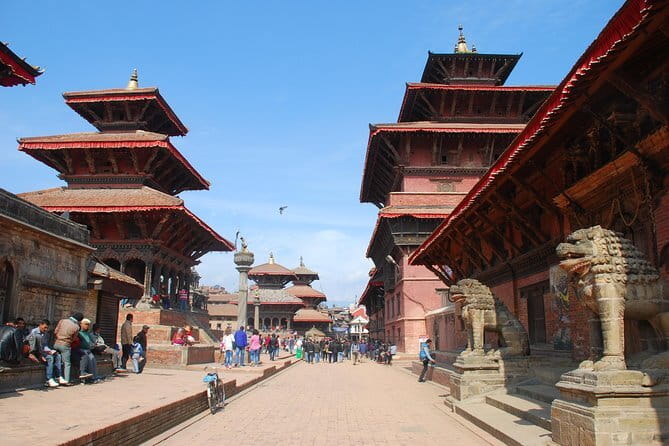
The next goal is Thorong Phedi, the staging point below Thorong La. The hike takes around four to five hours and follows a gradual incline, but the altitude makes the effort feel harder than the clock suggests.
This is a short day by the schedule’s standards, and that is helpful. You have time to reach the lodge, drink water, eat, and prepare for the early start. Do not spend the afternoon racing around. Rest is part of the itinerary.
Thorong Phedi is not presented as a luxury stop. Tea house accommodation is included, but you should expect basic twin-sharing rooms and a simple mountain setting. The value is its location, not hotel comfort.
The high pass is included in the package, while the itinerary notes an admission ticket on this day. Necessary trekking permits are also included. Keep your documents and personal essentials organized, since you will not want to search through a large bag before an early departure.
Day 8: Thorong La at 5,416 meters, then Muktinath
This is the trek’s hardest and most memorable day. You start at about 3 AM and climb to Thorong La Pass, the highest point on the Annapurna Circuit, at 5,416 meters.
The early departure is practical. It gives you the best chance of crossing before weather conditions worsen later in the day, and it leaves time for the long descent to Muktinath. At that altitude, the pace will be slow. Plan on frequent breaks for water and breathing, and stay close to your guide and group.
At the summit, you get wide Himalayan views and the satisfaction of reaching the route’s main high point. The pass is the reason this trek demands preparation. This is not a casual walk with a scenic finish, and your moderate physical fitness should include comfort with long uphill days.
After the pass, the route descends to Muktinath. The change can feel dramatic, both physically and visually. Muktinath Temple is a major religious site and adds a cultural dimension to the day. You are not only crossing a mountain pass, you are arriving in a place that matters to pilgrims.
The descent can be hard on knees and ankles, so trekking poles may be useful. They are not listed as included equipment, so plan your own gear.
Day 9: Muktinath to Pokhara through Mustang
After a well-earned rest, you travel from Muktinath to Pokhara by jeep or bus. The road follows the lower Mustang Valley, giving you one last set of changing views before you reach the more developed lakeside city.
This final transfer is not a relaxing sightseeing coach ride. It is a long road journey, listed at about 12 hours, and road conditions can affect the day. Still, it completes the route efficiently and avoids adding another trekking day.
Ending in Pokhara is convenient. The tour does not include accommodation there, but you finish in one of Nepal’s main bases for rest and onward plans. You can arrange your own hotel and continue your trip from a city rather than returning immediately to Kathmandu.
What the $880 price includes
At $880 per person, the package offers solid value if you want the main arrangements handled. Included items are:
- Eight nights of twin-sharing tea house accommodation
- Eight breakfasts, eight dinners, and nine lunches
- A licensed English-speaking guide
- An assistant guide for groups of eight or more
- Trekking permits
- Local transport from Kathmandu to Dharapani
- Local transport from Muktinath to Pokhara
- A first-aid medical kit
- Luggage storage during the trek
- All listed fees and taxes
- Emergency evacuation support through travel insurance
The assistant guide provision is worth noting for larger groups. It suggests more support when a group spreads out, although you should still ask how many people are on your departure.
The package does not include private transport, porter service, Nepal’s entry visa, international flights, Kathmandu or Pokhara hotels, extra baggage charges, or travel and medical insurance. A porter costs $240 per porter, with one porter available for every two trekkers. If you want to trek with only a light daypack, add this cost to your budget before comparing prices.
Emergency evacuation support is covered by travel insurance, but the tour data also lists travel and medical insurance as excluded. Read that wording carefully and confirm what coverage you must purchase yourself. Do not assume the tour price replaces a full personal policy.
Who should book this trek
I would recommend this trip to you if you want a short, organized route across the Annapurna region and are comfortable with basic lodging, long road transfers, and serious altitude.
It suits someone who values a guide and included meals more than private rooms or flexible transport. It also works well for a private group that wants the route managed without joining a large departure.
You should think twice if you have little experience with long uphill walks, dislike very early starts, or want a soft adventure with hotel-style comfort. Nine days is efficient, but efficiency means the schedule leaves less spare time if weather, road delays, or altitude problems interfere.
The strongest parts are the Manang rest day, the cultural stops, the guide support, and the clear arrangement of permits, meals, lodging, and transport. The weakest parts are the compressed schedule, the shared road transport, and the extra cost of porters and insurance.
Practical preparation for the high point
Bring layers that can handle warm lower sections and cold high-altitude mornings. Keep water, snacks, sun protection, and a warm layer in your daypack rather than buried in luggage.
Use the acclimatization day properly. Walk enough to see how you feel, but save energy for Yak Kharka, Thorong Phedi, and the pass crossing. Speak up early if you feel unwell. A good guide can help manage the pace, but only you can accurately report your symptoms.
Pack with tea house life in mind. Twin-sharing accommodation is included, while private transportation and porter service are not. If you carry your own main bag, keep it light enough for repeated climbs and descents.
Pickup is offered in Kathmandu, with the stated start point at Tribhuvan Airport and the listed meeting time of 6:15 AM. Confirm the exact pickup location with Recreation Holidays before departure, especially if you are staying at a hotel rather than arriving that morning.
The cancellation terms are simple: cancel at least 24 hours before the start time for a full refund. Changes or cancellations inside that window are not accepted for a refund.
Should you book the Annapurna Circuit Trek?
Book it if Thorong La is your main goal and you want a guided, meal-and-lodging package that also includes Manang, Muktinath, and the road connection to Pokhara. The itinerary packs a great deal into nine days, and the combination of villages, forests, high peaks, religious sites, and one major pass gives the trip real variety.
Before paying, confirm the assigned guide, group size, porter arrangements, insurance requirements, and the exact road plan for the first and last days. If you accept basic tea houses and demanding altitude, $880 is a reasonable way to tackle this section of the Annapurna Circuit with the major logistics in place.
FAQ
How long is the Annapurna Circuit Trek?
The experience lasts approximately nine days, beginning in Kathmandu and finishing in Pokhara.
Where does the trek begin?
Pickup is offered in Kathmandu. The listed start point is Tribhuvan Airport, Nepal, with a stated start time of 6:15 AM.
Where does the trek finish?
The tour finishes in Pokhara after transport from Muktinath through the lower Mustang Valley.
Is accommodation included?
Yes. The price includes eight nights of tea house accommodation in twin-sharing rooms during the trek.
Are meals included?
Yes. The package includes eight breakfasts, eight dinners, and nine lunches.
Is a guide included?
Yes. A licensed English-speaking guide is included. An assistant guide is provided for groups of eight or more.
Are trekking permits included?
Yes. All necessary trekking permits are included in the tour price.
Is porter service included?
No. Porter service is available on request at $240 per porter, with one porter suggested for every two trekkers.
Is the Thorong La Pass included?
Yes. The route crosses Thorong La Pass, which reaches 5,416 meters. The pass crossing is scheduled for Day 8, with a start around 3 AM.
Do I need travel insurance?
Travel and medical insurance are not included. Emergency evacuation support is covered by travel insurance, so you should arrange and confirm suitable coverage before the trek.
Recently added around Kathmandu
- Kathmandu Paragliding★ 5.0 · 3 reviews
- Kathmandu Airport Pickup and Drop-off Services★ 5.0 · 3 reviews
- Kathmandu Chandragiri Cable Car and Swayambhunath Private Tour★ 5.0 · 3 reviews
- Explore The Beauty Of Langtang Valley In 8-Days Trek★ 5.0 · 3 reviews
- Kathmandu: Nightlife and Pub Crawl Tour★ 5.0 · 3 reviews
- Mountain Flight Experience in Nepal★ 4.5 · 3 reviews
- Kathmandu: Momo Making Class with a Local Chef★ 5.0 · 3 reviews
- Everest Base Camp Trek★ 5.0 · 3 reviews
Other Annapurna Circuit Treks worth a look

15-Day Private Annapurna Circuit Trek from Kathmandu
Read our review →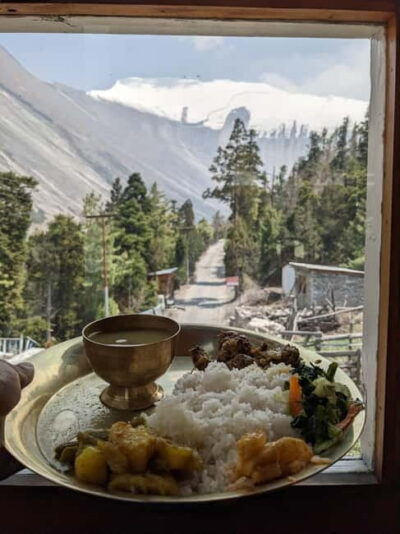
This tour also appears in