
REVIEW · POON HILL TREKS
Pokhara: 4-Day Beautiful Ghorepani Poon Hill & Ghandruk Trek
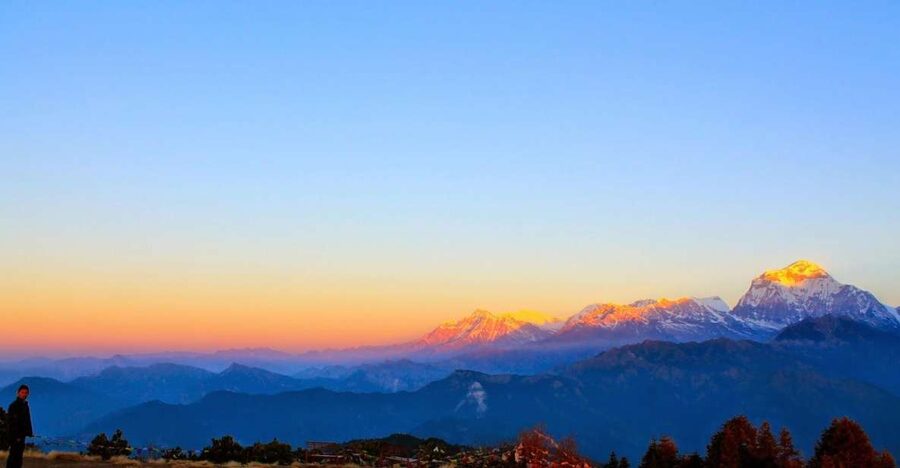
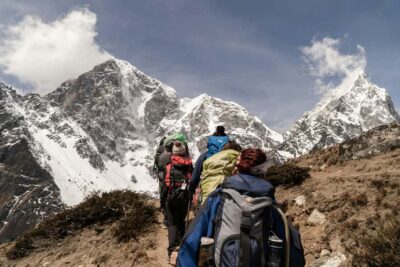
Poon Hill sunrise is the star here. You rise before dawn, walk uphill from Ghorepani, and watch sunlight reach a wide wall of Himalayan peaks. The route also gives you a real taste of village life, with stone steps, teahouses, farm terraces, and nights in small mountain lodges.
I like the compact four-day route and the fact that transport, permits, a guide, and three nights of lodging are included. I also like the human touch: guides such as Tanka, Tonka, and Padam have been praised for adjusting the pace, explaining the mountains, and helping first-time trekkers. The main drawback is physical effort. Long stone stairways, early starts, and changing weather make this no casual walk in the park.
Key Points Before You Book
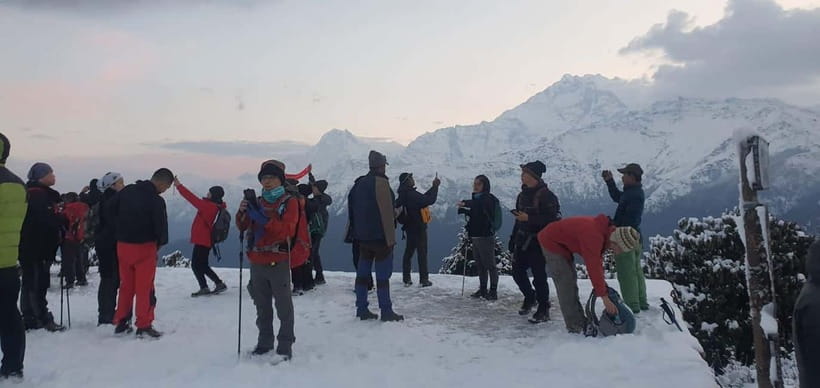
- Poon Hill sunrise: Start early from Ghorepani for views across roughly 15 mountain peaks.
- A proper mountain route in four days: Walk through Ulleri, Ghorepani, Tadapani, and Ghandruk rather than simply visiting a viewpoint by road.
- Three teahouse nights: Sleep in simple mountain lodges, with meals and drinks paid for separately.
- Strong guide support: English-speaking guides including Tanka, Tonka, and Padam have been praised for pacing, local knowledge, and personal care.
- Good value at $200: Hotel transfers, ground transport, permits, taxes, accommodation, a first-aid kit, and water purification tablets are covered.
- Weather matters: June can bring cloud and limited views, while clear conditions make the mountain scenery far more rewarding.
Why This Short Annapurna Trek Works
This trip is aimed at people who want a genuine Himalayan walk without committing to a week or more on the trail. You leave Pokhara by road, then spend four days moving between mountain villages and forest paths before returning by vehicle from Ghandruk.
The route is short in calendar time, but it is not especially easy. You will climb many stone steps, walk ridgelines, and manage several hours on foot each day. The biggest walking day is the route to Ghorepani, listed at around six hours, while the first ascent to Ulleri takes about two hours. Your guide can adjust the pace, but no guide can remove the hills.
I like the way the route changes character each day. You begin among lower mountain villages and teahouses, move into alpine forest and rhododendron country, then finish among slate and thatch roofs, terraces, and broad mountain views. It feels like a journey rather than a single photo stop.
The setting is also useful for first-time trekkers. You get a clear introduction to teahouse trekking, where you carry a small daypack, stop for food and drinks along the way, and sleep in basic lodges. At the same time, the itinerary gives you enough structure that you do not need to organize every transfer and permit yourself.
More Hiking Tours in Pokhara
- Poon hill Trek 3 days
★ 5.0 · 176 reviews - Trekking in Annapurna/Langtang/Everest/Upper Mustang regions
★ 5.0 · 161 reviews - Pokhara: 4-Day Ghorepani, Poonhill & Ghandruk Mountain Trek
★ 5.0 · 132 reviews
Day One: Pokhara to Birethanti and Ulleri
Your pickup begins in Pokhara. You should wait in your hotel lobby or at the entrance to your apartment five to ten minutes before the agreed time. The drive to Birethanti takes about one hour, and this is where the walking starts.
The first climb leads toward Ulleri, a Magar village. The route passes teahouses and mountain scenery, and the ascent is scheduled at about two hours. Ulleri is more than a place to sleep. It gives you your first feel for the rhythm of the trek: walk, stop, drink, look around, and repeat.
The main challenge is that your legs are still getting used to the steps. Do not treat the first morning as a race. A slow pace leaves you more energy for the next day, which brings a longer climb.
Your accommodation is a teahouse lodge. Three nights of lodging are included in the price, but food and drinks are not, so keep some local currency available. The information does not promise a particular room setup or private bathroom, so you should expect simple mountain accommodation rather than hotel comfort.
Day Two: Six Hours of Steps to Ghorepani
Day two is the hardest scheduled walking day for many people. You spend about two hours climbing stone steps before entering alpine forest, with the full route to Ghorepani taking around six hours.
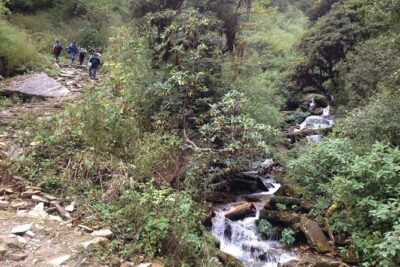
The forest gives the day a welcome change from exposed stairways. You may see rhododendron trees along the route, and the trees can frame views of Annapurna and Mt. Fishtail as you gain height. The mountain views are not constant. They appear through breaks in the trees and when the trail reaches more open points.
Teahouses along the route provide places to pause. Since meals are not included, you can choose what to order as you go. Your guide can help with timing and pacing, but you should still carry snacks and water for your own comfort.
Ghorepani is the key overnight stop because it puts you close to Poon Hill. From here, you can also see toward the world’s deepest valley. The exact view depends heavily on cloud and light. If the weather closes in, the walk still has value, but the large mountain panorama may not appear.
This is the day when good footwear matters most. Comfortable shoes are listed among the required items, and trekking shoes with proper socks are specifically recommended. Smooth street shoes would make the stone steps harder and less pleasant.
Day Three: Poon Hill Sunrise and the Trail to Tadapani
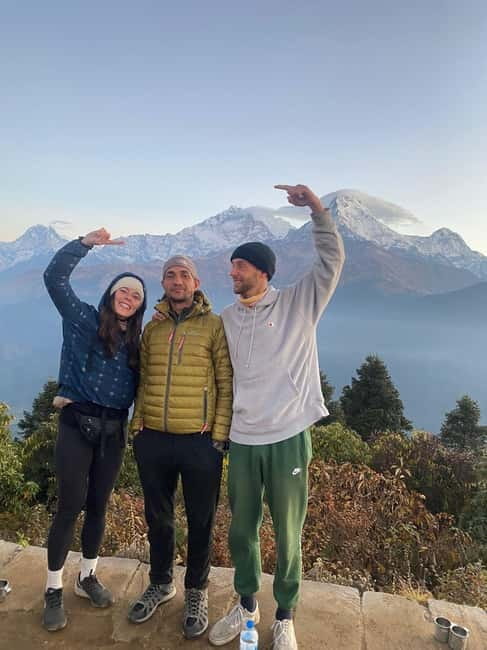
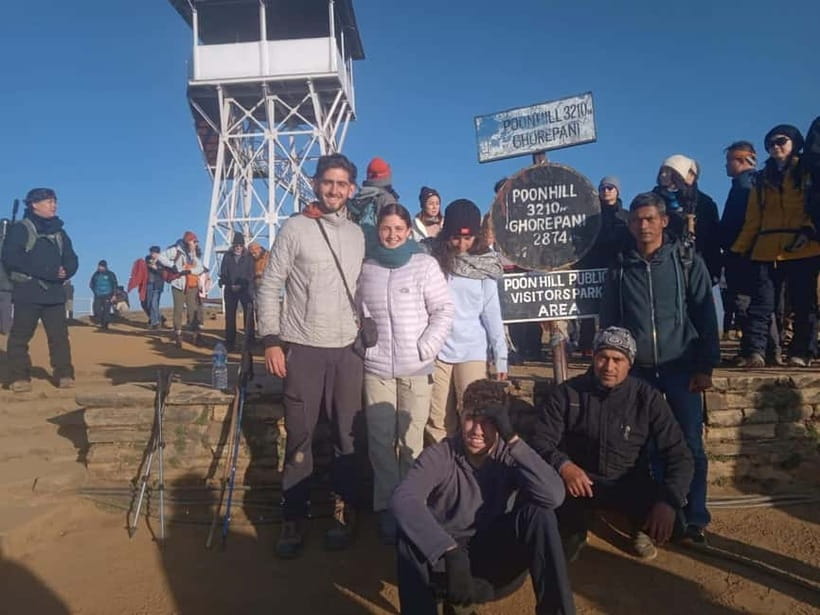
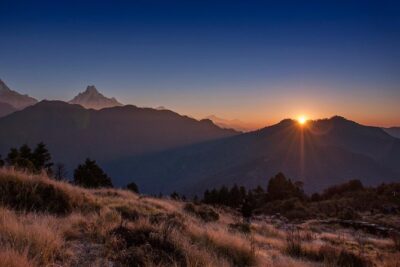
The early start on day three is the price of the famous view. You walk from Ghorepani to Poon Hill before sunrise, then wait for the first light to reach the mountains.
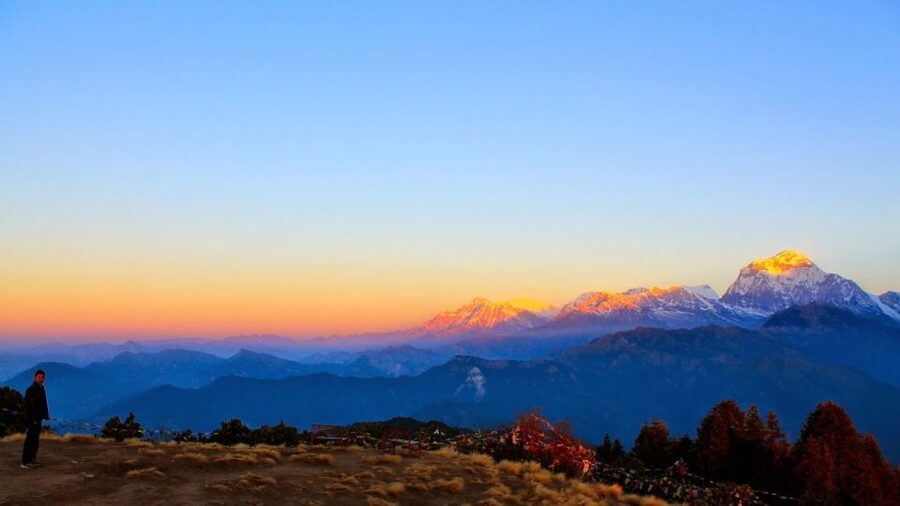
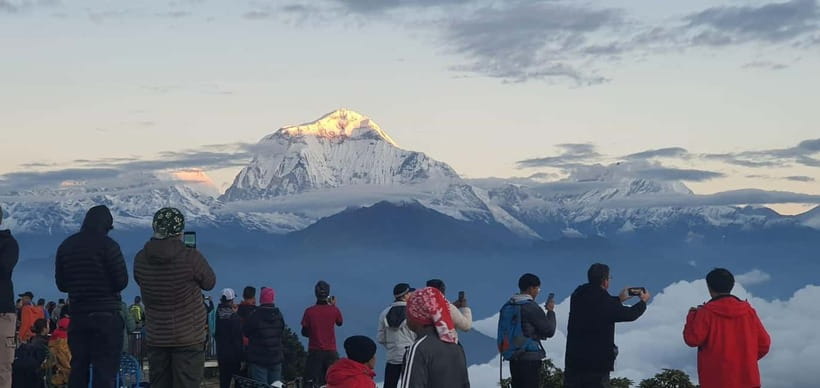
The viewpoint is designed for a wide mountain panorama, with views toward about 15 peaks. On a clear morning, the scene changes by the minute as the sun touches the summits. You should bring warm clothing even if Pokhara feels mild. A jacket is on the recommended packing list, and the pre-dawn hour can feel cold at elevation.
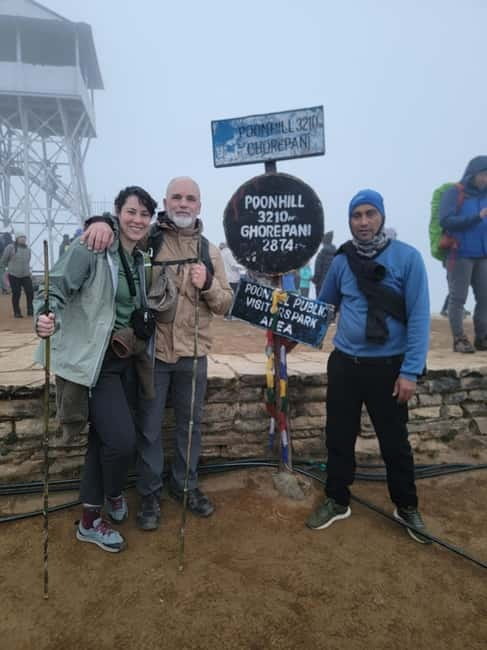
Weather is the great variable. A June departure had periods of cloud and only occasional Himalayan views, while spring and autumn departures can offer clearer conditions, according to the available experience reports. No operator can guarantee a sunrise panorama. You can, however, improve your chances by keeping your schedule flexible and accepting the early start.
After returning to Ghorepani, you continue through rhododendron forest and over mountain ridges to Tadapani. This section is not just a way to get from one lodge to another. It gives you a more wooded walk after the exposed climb to Poon Hill, with changing views as the trail rises and falls.
Tadapani is your third and final mountain night. Accommodation remains simple, though one account described the lodges as comfortable, with good food, attractive views, and warm water. Treat that as a possibility rather than a guarantee, since facilities can vary between lodges and dates.
This is also the day when your guide’s role becomes especially useful. Tanka and Tonka have been praised for speaking clear English, answering questions about Nepal and the mountains, and allowing time for photographs. Padam was also praised for adapting to personal needs. If you like taking pictures, tell your guide early. A good pace can make the difference between rushing past a viewpoint and enjoying it.
More Poon Hill Treks in Pokhara
- Ghorepani – Poon Hill Trek 3N-4D
★ 5.0 · 125 reviews - From Pokhara: 3-Day Ghorepani Poon Hill Trek with Guide
★ 4.9 · 68 reviews - 4-Day Private Poon Hill Trekking Tour
★ 5.0 · 58 reviews - Pokhara: 3-Day Ghorephani and Poon Hill Private Trek
★ 5.0 · 58 reviews
Day Four: Tadapani to Ghandruk and Back to Pokhara
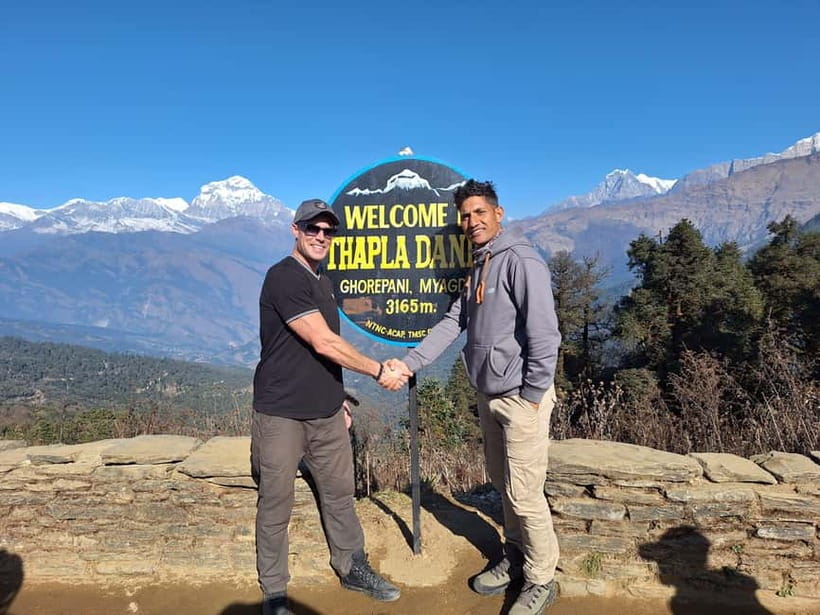
The last walking day starts with a short descent to Ghandruk. This village is one of the more appealing human stops on the route, with thatch and slate roofs, farming terraces, and streets shaped by mountain life.
Ghandruk gives you time to look beyond the peaks. You see how homes, paths, and cultivated land fit together in a steep rural setting. This is the sort of stop that gives the trek its local character. Poon Hill supplies the dramatic photograph, but Ghandruk gives you a better sense of daily life in the hills.
A lunch stop at a viewpoint offers views of Annapurna South and Huinchuli. After lunch, you continue trekking for about another hour before taking a vehicle back to Pokhara. Hotel drop-off is included.
The final drive is practical, not scenic sightseeing in its own right. It saves you from adding another full walking day and gets you back to your Pokhara hotel after the village section. If you want a longer trek, this four-day plan may feel brief. If your schedule is tight, the vehicle return is a major advantage.
What the Guides Add to the Experience
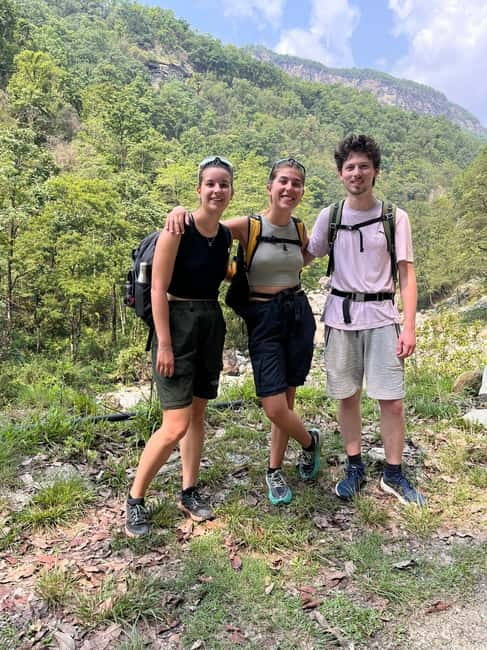
The guide may be the most important part of the trip. The route is well known, but a guide does more than point out the direction. Your guide manages the pace, helps with the daily rhythm, gives context about mountain views and villages, and supports you when the steps begin to feel long.
Several guides connected with this route have received strong praise. Tanka was described as friendly, flexible, and particularly good at English. He also explained the mountains and answered wider questions about Nepal. Tonka was praised for looking after a first-time trekker, checking on food and water, allowing time for photographs, and also giving quiet time when needed. Padam and porter Jagan were praised for local knowledge and for responding well to changing needs.
The guide name on your booking may not be Tanka, Tonka, or Padam, so confirm who will lead your departure. The important point is to expect a personal guiding style rather than a large sightseeing group with a fixed script.
A porter service is not included. You should plan to carry your own daypack and personal items unless you arrange porter support separately. The recommended day bag should hold your water, jacket, sun protection, camera, and a change of clothing.
What $200 Covers and What It Does Not
At $200 per person, this trip offers solid practical value if you want help with the moving parts. The price includes:
- Hotel pickup and drop-off in Pokhara
- All ground transportation
- Three nights of trekking accommodation
- Guide service
- Trekking permits and taxes
- A first-aid kit
- Water purification tablets
You still pay for breakfast, lunch, dinner, and drinks during the trek. Travel insurance and porter service are also excluded. These costs can affect your final budget, so do not treat the $200 as the full cost of four days in the mountains.
I see the value in the package because transport and permits are handled, and you get a guide for a route that requires steady pacing. The price is less attractive if you already have your own guide, transport plans, and lodging arrangements. For a first trek from Pokhara, though, the convenience can justify the cost.
The booking terms are flexible. You can cancel up to 24 hours before departure for a full refund, and the reserve-now, pay-later option keeps your plans open. Starting times depend on availability, so check the departure details before booking.
Packing for Steps, Sun, and Cool Mornings
Pack light, but do not confuse light with unprepared. Your list should include:
- Passport or ID card, plus a scanned passport copy and passport-sized photo
- Trekking shoes and several pairs of socks
- Long pants, shorts, and two T-shirts
- A jacket and a change of clothes
- Sun hat, sunglasses, and sunscreen
- Towel and toiletries
- Toilet paper and personal hygiene products
- Mosquito repellent
- A small daypack
- Camera and personal water supplies
The water purification tablets are included, which is useful, but you should still carry a bottle or other container. Sun protection matters even on cool days, especially on open sections and around Poon Hill.
A towel and toiletries are worth carrying because teahouse facilities are basic and can vary. Comfortable clothing gives you more flexibility between warm walking hours and colder early mornings.
The listed information says the activity is not suitable for pregnant women or people with heart problems. If either condition applies to you, this is not the right outing to book without clear medical advice.
Who Should Book This Trek?
I would choose this trek if you want a short, active introduction to the Annapurna region, especially if you are staying in Pokhara and have only four days. It suits first-time trekkers who are willing to work for the views and who value having an English-speaking guide along the route.
It also suits photographers. The sunrise timing, mountain ridges, forests, and village architecture provide plenty to watch and photograph. Tell your guide that you want picture stops, and keep your camera ready during open sections.
You may want a different trip if you dislike early mornings, long stair climbs, basic lodging, or paying separately for every meal. You should also think twice if your only goal is guaranteed Himalayan views. Clouds can cover the peaks, as they did during one wet-weather departure.
Should You Book the Poon Hill and Ghandruk Trek?
Book it if you want a well-organized four-day walk with a famous sunrise, several rural villages, and a clear return to Pokhara. The route offers more than a viewpoint because you sleep in Ulleri, Ghorepani, and Tadapani, then spend time in Ghandruk.
I would regard the $200 price as fair for a first-time trekker who needs transport, permits, lodging, and a guide arranged in advance. Just budget separately for meals, drinks, insurance, and possibly a porter.
Go in with realistic expectations. The trail is demanding, the rooms are simple, and weather can hide the mountains. If you can accept those limits, this is a strong short route, with the sunrise at Poon Hill and the local warmth of the guides providing its best reasons to go.
FAQ
How long does the trek last?
The experience lasts four days and includes three nights of accommodation during the trek.
Where does the trek begin?
After pickup in Pokhara, you drive for about one hour to Birethanti, where the walking begins.
Which places do you visit?
The route includes Birethanti, Ulleri, Ghorepani, Poon Hill, Tadapani, and Ghandruk before transport returns you to Pokhara.
Is Poon Hill sunrise included?
Yes. You rise early on day three and walk from Ghorepani to Poon Hill for sunrise views over about 15 mountain peaks.
Are meals included?
No. Breakfast, lunch, dinner, and drinks during the trek are not included in the $200 price.
Is a guide included?
Yes. An English-speaking live tour guide is included. Guides associated with this route include Tanka, Tonka, and Padam, though the guide assigned to your departure may vary.
What should you bring?
Bring identification, a scanned passport copy and passport photo, trekking shoes, comfortable clothes, warm layers, sunglasses, a hat, sunscreen, toiletries, a towel, toilet paper, a daypack, and personal hygiene products.
More 4-Day Experiences in Pokhara
- Pokhara: 4-Day Mardi Himal Trek
★ 4.9 · 59 reviews - Pokhara: 4-Day Private Trek Tour
★ 4.9 · 43 reviews - From Pokhara: 4-Day Mardi Himal Base Camp Trek
★ 4.9 · 31 reviews - Poon Hill Trek from Pokhara 4 Days
★ 5.0 · 27 reviews
Recently added around Pokhara
- Paragliding in Pokhara★ 5.0 · 3 reviews
- Pokhara: 5-Day Annapurna Base Camp Trek with Hot Spring★ 5.0 · 3 reviews
- Pokhara:4-Day Ghorepani Poon Hill Guided Trek via Ghandruk★ 5.0 · 3 reviews
- Pokhara: 7-Day Annapurna Base Camp Trek via Ghandruk★ 4.3 · 3 reviews
- Peace & Panorama: Stupa and Pumdikot Scenic Drive Tour★ 3.6 · 3 reviews
- Beautiful Sarankot Sunrise with Full Day Sightseeing in Pokhara★ 4.5 · 3 reviews
- 3 Day Australian Camp Dhampus Ghandruk Easy Trek in Pokhara★ 3.5 · 3 reviews
- Overnight Dhampus Australian Camp Easy Hiking from Pokhara★ 5.0 · 3 reviews
Other Poon Hill Treks worth a look
4-Day Ghorepani, Poonhill & Ghandruk Mountain Trek
Read our review →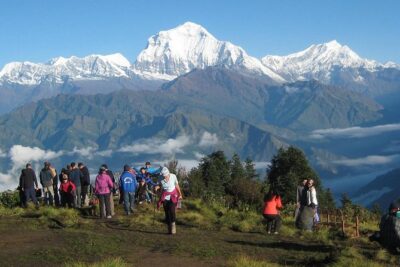
This tour also appears in